×

Thailand🇹🇭 | regionsMae Hong Son Provincemountain passes, Shan villages, misty valleys | things to do and best time to go

Explore Koh Yao NoiExplore Southern Islands

Backpacking in Mae Hong Son Province
👀 For curious travelersregion ranked #15
By Johan Kruseman 🇳🇱 | Updated October 15, 2026

Most blogs sell Mae Hong Son as “Pai plus a motorbike loop,” but the real twist is that the best bits are actually the quiet gaps between towns, not the towns themselves. Tucked in Thailand’s far northwest along the Myanmar border, it’s a slow-burn region for backpackers who like earning their views. You get misty mountains, Shan temples, caves, hot springs, and villages that still look up when a farang walks by. Pai is social and over-curated; Mae Hong Son town and Soppong feel older, cheaper, and more local. Buses are slow, roads are twisty, but that’s why Chiang Mai feels tame afterward.

Discover everything you want to know in the 📖 Thailand Travel Guide.


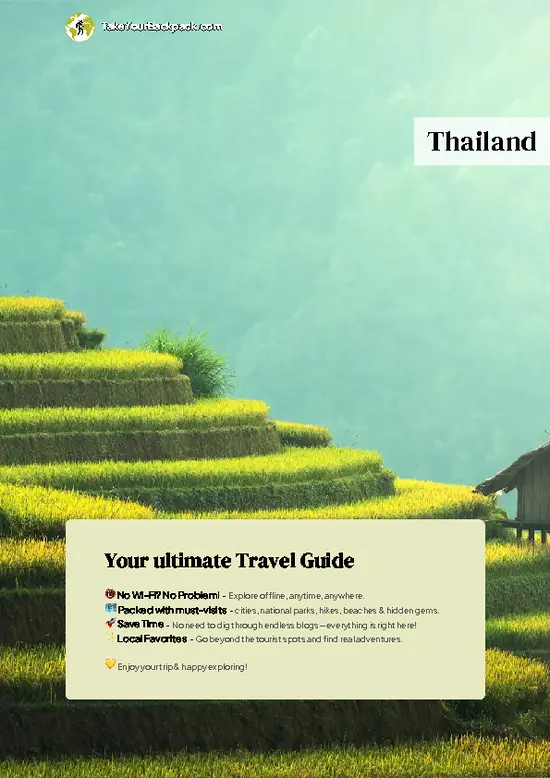
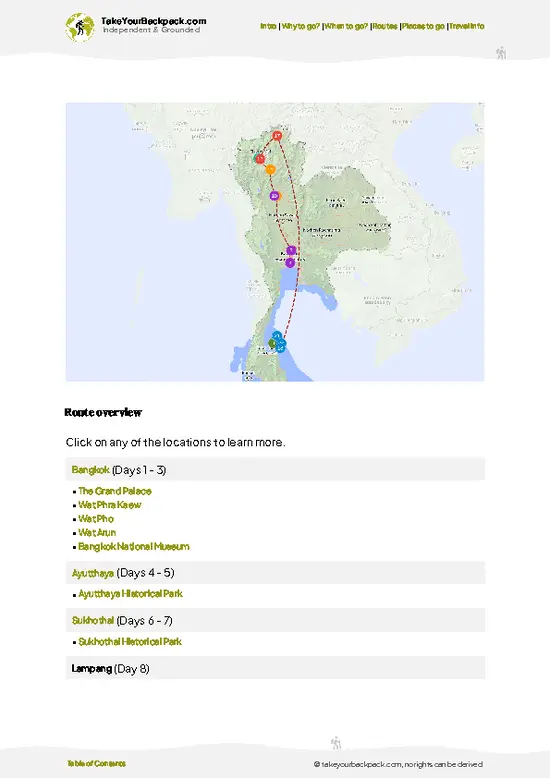
example page 0 from our offline Travel Guide for Thailand
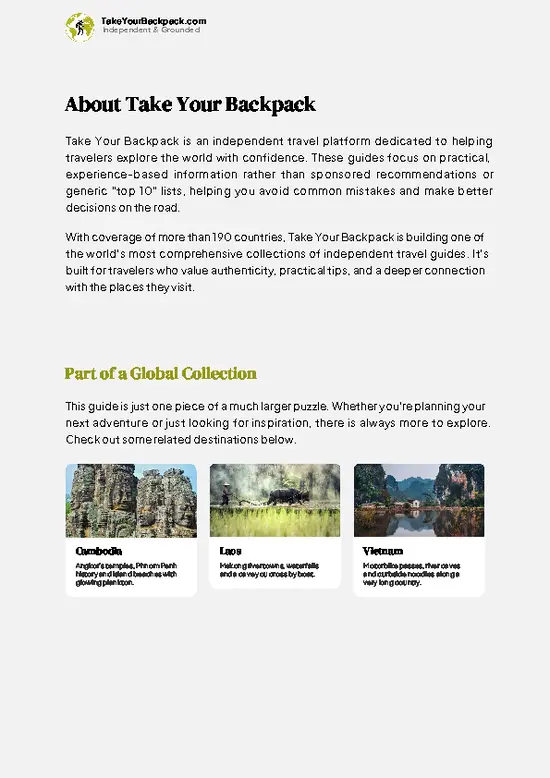
example page 1 from our offline Travel Guide for Thailand
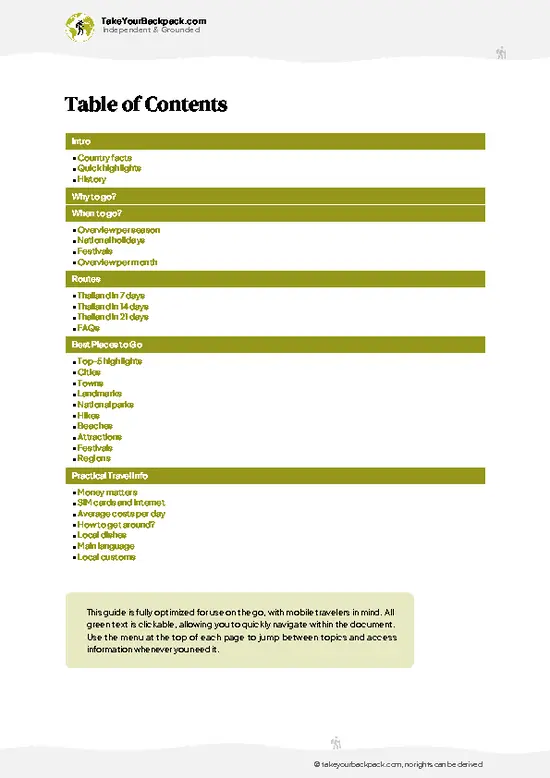
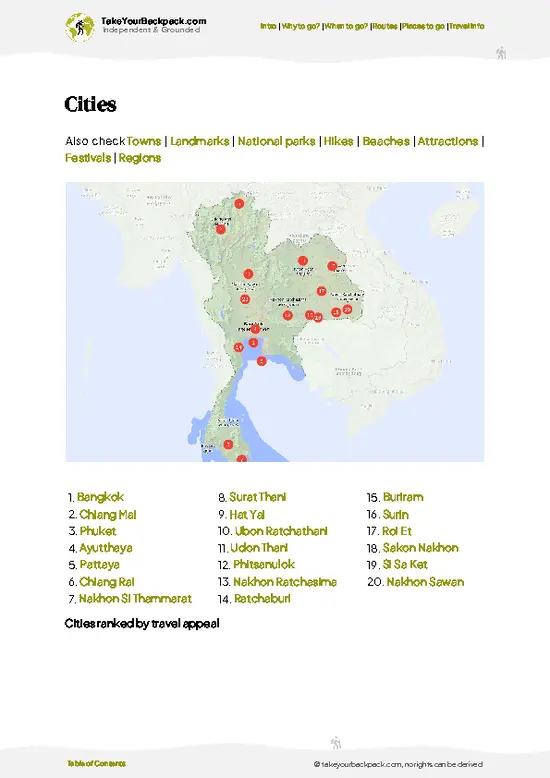
example page 2 from our offline Travel Guide for Thailand
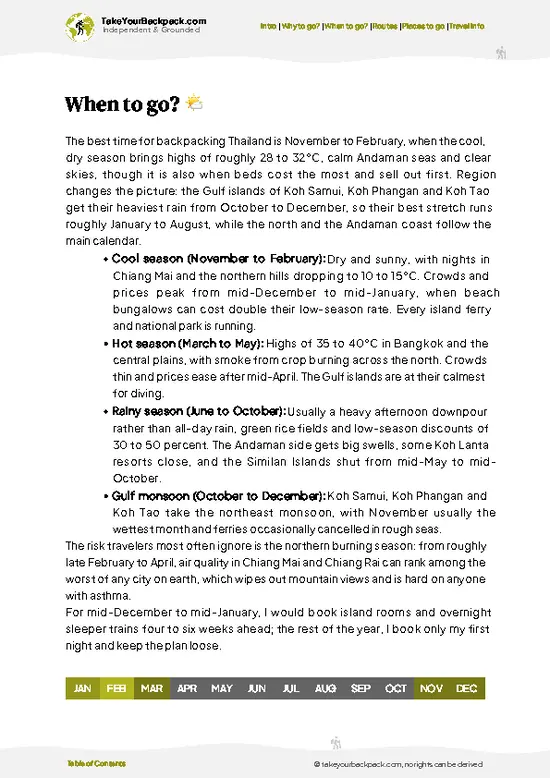
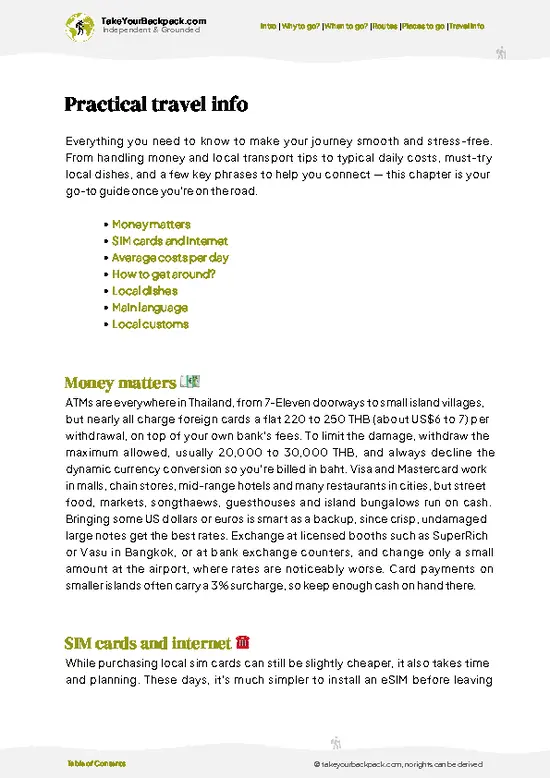
example page 3 from our offline Travel Guide for Thailand
example page 4 from our offline Travel Guide for Thailand
example page 5 from our offline Travel Guide for Thailand
example page 6 from our offline Travel Guide for Thailand
example page 7 from our offline Travel Guide for Thailand
Loading the map 🌍
CLICK TO FILTER
cities
towns
landmarks
national parks
hikes
beaches
attractions
festivals
regions
SHOW COUNTRY’S BESTSHOW ALL

✨ Why go?
Ranked #15 region in Thailand
What makes it a must-see region

The Mae Hong Son Province in Thailand is a backpacker’s dream for a reason. You get a variety of landscapes—from lush mountains to serene lakes—without the hassle of constant relocation. This means you can dive deep into the local culture while soaking in nature’s beauty.

Transport is flexible here; rent a motorbike or hop on a local songthaew to explore at your own pace. You can easily mix nature and culture through slow travel, visiting hill tribe villages and trekking through stunning trails.

Spend a few days in this region, and you’ll feel like a savvy local, not just another tourist. It’s all about savoring the experience, not just ticking boxes.

💡 HighlightsThe experiences that define the visit

  1. Wat Phra That Doi Kong Mu (Mae Hong Son town) — A hilltop Shan-style temple with Burma-influenced chedis and one of the best panoramic overlooks in the province. Go at dusk when the mist crawls into the valley and the gilded stupas glow — feels like a different country for an hour.
  2. Tham Lot (Pang Mapha / Soppong) — A vast river cave you travel through on bamboo rafts, full of staggering stalactites and ancient teakwood coffins tucked into side chambers. The combination of archaeology, geology and the slow river ride is something you won’t replicate in most of Thailand.
  3. Pang Ung (Pang Oung) — A man-made reservoir framed by pine woodland that turns mirror-smooth at sunrise; locals call it Mae Hong Son’s “little Switzerland.” It’s atmospheric, especially in misty season, and popular for quiet
… read more 👉
  1. Wat Phra That Doi Kong Mu (Mae Hong Son town) — A hilltop Shan-style temple with Burma-influenced chedis and one of the best panoramic overlooks in the province. Go at dusk when the mist crawls into the valley and the gilded stupas glow — feels like a different country for an hour.
  2. Tham Lot (Pang Mapha / Soppong) — A vast river cave you travel through on bamboo rafts, full of staggering stalactites and ancient teakwood coffins tucked into side chambers. The combination of archaeology, geology and the slow river ride is something you won’t replicate in most of Thailand.
  3. Pang Ung (Pang Oung) — A man-made reservoir framed by pine woodland that turns mirror-smooth at sunrise; locals call it Mae Hong Son’s “little Switzerland.” It’s atmospheric, especially in misty season, and popular for quiet camping and early-morning photos rather than big crowds.
  4. Ban Rak Thai (Mae Aw) — Hidden gem. A tiny Yunnanese/Chinese tea village clinging to the border ridgeline near Pai. Tea terraces, chimneyed stone houses and food inspired by Yunnan culture give it a different feel from the rest of northern Thailand — slow, steep roads and real mountain tea are the payoff.
  5. Doi Mae U-Kho / Thung Bua Tong (Khun Yuam) — Hidden gem. Every November-December the slopes here explode in yellow Mexican sunflowers; walking the ridge among the blooms with a wide view of the valley is a seasonal experience unique to this part of Mae Hong Son. It’s remote enough that the vibe remains local, not manufactured.
  6. Namtok Mae Surin (Mae Surin Waterfall) — A powerful, multi-tiered waterfall tucked into evergreen forest in a national park. The short hike in and the cool plunge pool at the base make it an instant relief from dusty roads, and the surrounding jungle feels genuinely wild compared with more developed areas.
  7. Tha Pai / Sai Ngam Hot Springs (near Pai) — Natural thermal pools set in a quiet riverside area outside Pai. The springs are rustic, grassy and warm — perfect for a slow soak after motorbiking the loop or hiking nearby trails. No slick resort vibe, just hot water and relaxed locals.
  8. Pai Memorial Bridge (The WWII Bridge) — A surprisingly atmospheric piece of history: the wartime bridge and its surrounding area tell the story of the Japanese road-building era and the Allied bombing raids. It’s a short, poignant stop that gives context to the region’s 20th-century past.
  9. Wat Phra That Mae Yen (Pai White Buddha viewpoint) — A white Buddha on a hill with sweeping views over Pai Valley. It’s popular at sunrise and sunset but still worth it; the hill walk and the panorama are classic Pai and give you a real sense of why people linger here.
  10. Mae Hong Son morning market & Shan food scene — Hidden gem. The town’s markets and tiny Shan noodle stalls are where the region’s culinary and cultural mix shows up raw: noodle soups, pickled vegetables, Shan-style grilled meats and sticky rice. Visiting the market early is one of the clearest, most affordable ways to taste local life.
Spotted a mistake or missing something? Contact us.

Things to do around Mae Hong Son Province

Ratings based on Tripadvisor reviews. When you book through this link, you support our work at no extra cost to you.

⌛️ 5 daysWhat you can realistically do in a week

Day 1: Pai
Kick off your adventure in Pai, a laid-back town that’s a magnet for backpackers. The drive from Chiang Mai takes about three hours, but the winding roads are part of the charm. You’ll want to arrive early to soak in the vibe. Explore the night market for local eats and grab a drink at a riverside bar. This sets the tone for a relaxed pace, perfect for acclimating to the region.

Day 2: Pai to Soppong
After a leisurely breakfast, head to Soppong, just an hour away. The journey is short, allowing you to explore the stunning Tham Lod Cave. This is where the region’s natural beauty shines. The cave is a hidden marvel, and you can hire a local guide to navigate the river inside. It’s a unique experience that feels like stepping into another world.

Day 3: Soppong to Mae Hong Son … read more 👉
Day 1: Pai
Kick off your adventure in Pai, a laid-back town that’s a magnet for backpackers. The drive from Chiang Mai takes about three hours, but the winding roads are part of the charm. You’ll want to arrive early to soak in the vibe. Explore the night market for local eats and grab a drink at a riverside bar. This sets the tone for a relaxed pace, perfect for acclimating to the region.

Day 2: Pai to Soppong
After a leisurely breakfast, head to Soppong, just an hour away. The journey is short, allowing you to explore the stunning Tham Lod Cave. This is where the region’s natural beauty shines. The cave is a hidden marvel, and you can hire a local guide to navigate the river inside. It’s a unique experience that feels like stepping into another world.

Day 3: Soppong to Mae Hong Son
Travel to Mae Hong Son, about two hours from Soppong. This town is the heart of the region, with its serene lakes and temples. Spend the afternoon visiting Wat Phra That Doi Kong Mu for panoramic views. The transport here is straightforward, but the scenery is what makes it worthwhile.

Day 4: Mae Hong Son to Ban Rak Thai
Take a scenic drive to Ban Rak Thai, a charming village near the border with Myanmar. The two-hour trip is dotted with tea plantations. Enjoy a cup of locally grown tea while soaking in the peaceful atmosphere. This detour adds depth to your understanding of the region’s culture.

Day 5: Mae Hong Son Loop
Wrap up your trip with the Mae Hong Son Loop. This full-day adventure is a must-do, showcasing the best of the area. The winding roads lead you through breathtaking landscapes and quaint villages. It’s the perfect way to reflect on your journey and appreciate the region’s beauty.

The must-do day? Day 5. The loop encapsulates everything that makes Mae Hong Son special, from the stunning views to the local culture. It’s the cherry on top of your adventure, making every mile worthwhile.

🌤️ When to go?Choosing the right time of year

  • Weather: The dry season from November to February is your best bet—clear skies, minimal rain, and crisp mountain air. Avoid the monsoon months (June to October) unless you want mud boots and washed-out trails.
  • Temperature: Expect daytime highs around 25-28°C (77-82°F) in the cool season, perfect for trekking without sweating buckets. Nights can dip to 10-15°C (50-59°F), so pack a light jacket.
  • Daylight Hours: Roughly 11-12 hours of daylight during the cool season, giving you ample time to explore without rushing.
  • Crowds: Peak tourist influx hits December and January, especially around New Year. For a quieter vibe, aim for November or late February.
  • Seasonal Activities: November to February hosts local festivals like the Poi Sang Long, a vibrant cultural experience worth timing your visit
… read more 👉
  • Weather: The dry season from November to February is your best bet—clear skies, minimal rain, and crisp mountain air. Avoid the monsoon months (June to October) unless you want mud boots and washed-out trails.
  • Temperature: Expect daytime highs around 25-28°C (77-82°F) in the cool season, perfect for trekking without sweating buckets. Nights can dip to 10-15°C (50-59°F), so pack a light jacket.
  • Daylight Hours: Roughly 11-12 hours of daylight during the cool season, giving you ample time to explore without rushing.
  • Crowds: Peak tourist influx hits December and January, especially around New Year. For a quieter vibe, aim for November or late February.
  • Seasonal Activities: November to February hosts local festivals like the Poi Sang Long, a vibrant cultural experience worth timing your visit for.
  • Price Fluctuations: Expect accommodation and transport prices to spike during peak season. Booking just before or after can save you a tidy sum without sacrificing weather.
Pro-tip: Arrive in early November—cool, dry, fewer tourists, and you’ll catch the tail end of festival season without the crowds or inflated prices.


source: climatestotravel.comJANJanuary: excellent for travelingFEBFebruary: highly recommended for travelingMARMarch: good for travelingAPRApril: fair for travelingMAYMay: fair for travelingJUNJune: below average for travelingJULJuly: below average for travelingAUGAugust: below average for travelingSEPSeptember: below average for travelingOCTOctober: fair for travelingNOVNovember: excellent for travelingDECDecember: excellent for traveling
when-to-go

✈️ The backpacker research shortcutThailand Travel Guide

An offline-friendly backpacking guide with optimized travel routes, ranked highlights, transport advice, and the best areas to stay.
example page 0 from our offline Travel Guide for Thailand
example page 1 from our offline Travel Guide for Thailand
example page 2 from our offline Travel Guide for Thailand
example page 3 from our offline Travel Guide for Thailand
example page 4 from our offline Travel Guide for Thailand
example page 5 from our offline Travel Guide for Thailand
example page 6 from our offline Travel Guide for Thailand
example page 7 from our offline Travel Guide for Thailand
The digital guide (476 pages) contains:
✅ 131 highlights, ranked by travel appeal
✅ Optimized 7, 14 & 21-day travel routes
✅ Cities, national parks, landmarks, beaches
✅ How to get around
✅ Offline-friendly for travel without Wi-Fi
👉 Click to see all 30+ guide features

📅 Plan smarter in minutes, not weeks
✅ Month by month travel advice
✅ Festivals & national holidays
✅ Budget expectations

🗺️ Go to the right places, skip the overrated ones
✅ Honest pros & cons of destinations
✅ Top hikes, parks & viewpoints
✅ Lesser-known places most travelers miss
✅ Clear “worth it vs skip it” guidance

🛏️ Travel smoothly without rookie mistakes
✅ Best areas to stay
✅ Transport systems explained simply
✅ Common scams & safety advice
✅ SIM cards, money & practical tips

🌍 Understand the country, not just visit it
✅ Culture & traditions
✅ 52 Essential phrases & customs
✅ Festivals worth planning around
✅ Traveler-friendly historical context
✅ Insights that make places more meaningful

📱 Built for real travel conditions
✅ Fully downloadable PDF
✅ Works completely offline
✅ Optimized for phone use
✅ Useful in remote areas & buses
✅ Everything in one place
Stop searching, start planning
Get instant access to your full guide. 30‑day money-back guarantee.
+ Add another guide for just

By proceeding you agree to our terms.
Sent to your inbox immediately after payment • 100% Secure Checkout
Best Backpacking Travel Advisor 2025 tourism awardBest Backpacking
Travel Advisor
2025
What others say about Take Your Backpack Guides:
⭐⭐⭐⭐⭐
Fantastic, amazing amount of information!
⭐⭐⭐⭐⭐
My goodness this is amazing, it's what I've been looking for hats off too you!
⭐⭐⭐⭐⭐
I think this is absolutely BRILLIANT
⭐⭐⭐⭐
Very complete and informative. It's still missing places, but I gotta to commend you
⭐⭐⭐⭐⭐
This is truly amazing, thank you, can't wait to explore it with my kids!
⭐⭐⭐⭐⭐
Awesome resource, thank you!
⭐⭐⭐⭐⭐
This is amazing! Can't wait to explore the ones I haven't seen
⭐⭐⭐⭐
I love this! Well done, great idea.
⭐⭐⭐⭐⭐
Thanks for taking the time to make this gem!
⭐⭐⭐⭐⭐
This might be the best website I've ever seen.
⭐⭐⭐⭐⭐
Congratulations, and thank you so much for your work; it's incredibly valuable.
⭐⭐⭐⭐
In all seriousness I think you did a great job pointing out the important spots
⭐⭐⭐⭐⭐
10/10 very good
⭐⭐⭐⭐⭐
As someone who's only just starting to visit regularly this is awesome, thank you.
⭐⭐⭐⭐
Thank you very much! I'm going to visit my dad, it's going to be very useful!
⭐⭐⭐⭐⭐
This is really cool! We'll be travelling for the first time and this definitely come in handy.
⭐⭐⭐⭐⭐
You are now our minister of culture, congratulations 👨‍💼
⭐⭐⭐⭐⭐
Just wanted to tell you that this is a pearl! Going to follow your recommendations.
⭐⭐⭐⭐⭐
This is so cool. I'll definitely be using the resource for my travels soon.
⭐⭐⭐⭐⭐
This is very impressive! Good work.
⭐⭐⭐⭐⭐
This is an amazing and informative site. Very well done!

🛏️ Where to stay?Best areas and accommodation options

In the Mae Hong Son Province, you’ve got a few standout spots that scream backpacker-friendly.

Start with Pai. This laid-back town is a magnet for travelers. Picture cozy cafes, vibrant markets, and a buzzing nightlife. It’s safe, social, and perfect for meeting fellow wanderers.

Next up is Mae Hong Son town itself. It’s a bit quieter but rich in culture. You’ll find stunning temples and local eateries. It’s a great base for exploring the surrounding hills and lakes.

Don’t overlook Soppong. This hidden treasure offers a more rustic vibe. It’s less crowded, but you’ll find warm locals and … read more 👉
In the Mae Hong Son Province, you’ve got a few standout spots that scream backpacker-friendly.

Start with Pai. This laid-back town is a magnet for travelers. Picture cozy cafes, vibrant markets, and a buzzing nightlife. It’s safe, social, and perfect for meeting fellow wanderers.

Next up is Mae Hong Son town itself. It’s a bit quieter but rich in culture. You’ll find stunning temples and local eateries. It’s a great base for exploring the surrounding hills and lakes.

Don’t overlook Soppong. This hidden treasure offers a more rustic vibe. It’s less crowded, but you’ll find warm locals and stunning caves.

Each of these places has its own charm, so choose based on your vibe. Want to party? Go for Pai. Seeking tranquility? Mae Hong Son town or Soppong is your jam.

🚌 Getting aroundTransportation options and practical tips

In the Mae Hong Son Province, time feels fluid, like a river winding through the mountains. Schedules? They’re more like suggestions here. You’ll find yourself navigating a landscape where the chaotic charm of local life trumps rigid itineraries. The roads twist and turn, and so do the travel options. Whether you’re chasing the sunrise at a hilltop temple or seeking a quiet village, the journey is as much a part of the experience as the destination itself.
  • Songthaew: These shared taxis are the lifeblood of local transport. They run from dawn until dusk, with fares around 30-50 THB per ride. Expect a bumpy but social experience, packed with locals and the occasional chicken.
  • Motorbike Rental: Renting a motorbike is a game-changer. Prices hover around 150-300 THB per day. You’ll have the freedom
… read more 👉
In the Mae Hong Son Province, time feels fluid, like a river winding through the mountains. Schedules? They’re more like suggestions here. You’ll find yourself navigating a landscape where the chaotic charm of local life trumps rigid itineraries. The roads twist and turn, and so do the travel options. Whether you’re chasing the sunrise at a hilltop temple or seeking a quiet village, the journey is as much a part of the experience as the destination itself.
  • Songthaew: These shared taxis are the lifeblood of local transport. They run from dawn until dusk, with fares around 30-50 THB per ride. Expect a bumpy but social experience, packed with locals and the occasional chicken.
  • Motorbike Rental: Renting a motorbike is a game-changer. Prices hover around 150-300 THB per day. You’ll have the freedom to explore at your own pace, but be prepared for some wild driving conditions. Helmets are a must!
  • Minivan Services: For longer distances, minivans connect Mae Hong Son to nearby towns. They typically leave in the morning and early afternoon, costing about 150-250 THB. It’s faster than a bus but still a bit cramped.
  • Bicycle Rentals: If you’re feeling adventurous, rent a bike for about 100-200 THB. It’s a great way to soak in the scenery, but be ready for some steep hills and a workout!

For a smooth ride across the region, start your day early. The roads are less crowded, and you’ll snag the best transport options before the heat kicks in. Plus, you’ll get to enjoy those magical morning views!

🍲 FoodWhat to Eat & Drink

In the Mae Hong Son Province, food is a vibrant tapestry of flavors. Dive into Khao Soi, a creamy coconut curry noodle soup that warms you from the inside out. Pair it with Sai Oua, a spicy herbal sausage that bursts with flavor. Don’t miss the Nam Prik Ong, a rich tomato and minced pork dip, perfect for sharing.

For a true local experience, hit the night markets. The air is thick with the scent of grilled meats and fresh herbs. Street vendors serve up sticky rice and mango, a sweet treat that’s hard to resist.

Dining here is casual and communal. Expect to share dishes and engage in lively conversation. Remember, it’s polite to eat with your right hand and to try a bit of everything. Embrace the chaos; it’s all part of the charm.

FAQTraveler FAQ

4 to 5 days are ideal to explore the Mae Hong Son Province thoroughly. This allows time to visit key spots like Pai, the Tham Lod Cave, and hill tribe villages. The area’s mountainous terrain and winding roads mean travel between sites can take longer than expected.
You can get around Mae Hong Son Province using local songthaews (shared pickup trucks) and motorbike rentals. Songthaews connect major towns like Mae Hong Son and Pai, with fares typically around 50-100 THB per trip. Motorbikes offer flexibility but require caution on steep, curvy roads.
Mae Hong Son Province is known for its stunning mountainous landscapes, ethnic hill tribe cultures, and natural attractions like hot springs and caves. It is also famous for the Pai Canyon and the annual Poi Sang Long Festival celebrating Shan traditions.
⚠️ Things can change over time, so always validate details locally before you go.

Other Thai regions near Mae Hong Son Province

Explore more nearby:

  • Chiang Mai Province—mountain valleys, hill tribe villages, Buddhist temples| 121 km away
  • Koh Chang—rainforest hills, rugged coastline, fishing villages| 932 km away
  • Koh Mak—quiet roads, rubber plantations, family-run resorts| 962 km away

💡 Not sure where to go next?
Create a personalized itinerary for Thailand including Mae Hong Son Province and the places that fit your trip.

Generate my itinerary

👉 Discover all regions

Or checkout all Thailand has to offer (think cities, towns, villages, national parks, hikes, beaches, festivals)
Country photo of Thailand

We 💚 feedbackSumming up the experience

Mae Hong Son is a slice of Thailand that feels untouched. The misty mountains and local hill tribes offer a genuine connection to culture. But here’s the kicker: it’s remote. Expect winding roads and limited amenities. If you’re up for the adventure, the rewards are immense. Just be ready for a slower pace.

✈️ When did I visit Thailand?
Before visiting Vietnam (1998), I had some time in Thailand to explore the country.

✍️ Help improve this page!
The information on this page is based on my own backpacking experience in Thailand, supplemented with up-to-date research and feedback from other travelers. Travel details can change, so if you notice anything outdated or incomplete, feel free to let me know.


🙋‍♂️ Give feedback

👋 Meet the founderWho’s Behind Take Your Backpack?

Johan, backpacker and founder of TakeYourBackpackHi, I’m Johan (Netherlands 🇳🇱), the creator of TakeYourBackpack. Over the past 3 decades, I’ve backpacked through 90+ countries across six continents, gaining extensive experience with independent travel, long-term trips, and overland routes.

This site is built on a combination of firsthand travel experience and carefully curated insights from other backpackers. Many guides are based on places I’ve personally visited, while others bring together tips, observations, and practical advice shared by trusted travelers I’ve met along the way.

The goal is to provide realistic, experience-driven guidance — not generic itineraries — so you can explore destinations with better context, clearer expectations, and more confidence.