v2.webp)
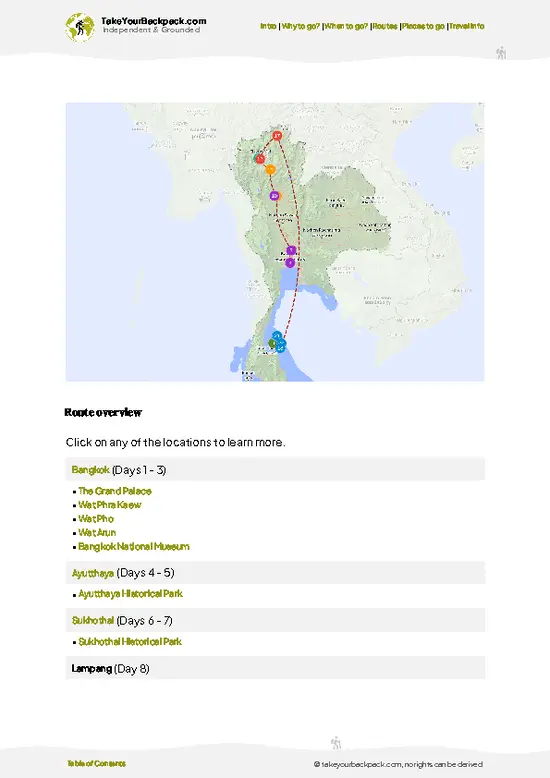
- Uttamanusorn Bridge (Mon Bridge) — The longest handmade wooden bridge in Thailand and the town’s heartbeat. Walk it at sunrise or sunset, watch Mon villagers cross, and snap endless reflections of the reservoir and wooden houses.
- Wat Wang Wiwekaram (the new temple) — A Burmese-style monastery complex with a big Buddha and ornate halls perched on a hill. It’s a good place to see local religious life, get panoramic views over the reservoir, and watch monks at prayer.
- Wat Sam Prasop / the Sunken Temple — Ruins of the old town temple that appear out of the reservoir when water is low; otherwise you can boat out to see the tops. It’s eerie, photogenic, and a direct reminder of the village that was flooded to create the dam.
- Mon community across the bridge — A living Mon neighborhood where
- Uttamanusorn Bridge (Mon Bridge) — The longest handmade wooden bridge in Thailand and the town’s heartbeat. Walk it at sunrise or sunset, watch Mon villagers cross, and snap endless reflections of the reservoir and wooden houses.
- Wat Wang Wiwekaram (the new temple) — A Burmese-style monastery complex with a big Buddha and ornate halls perched on a hill. It’s a good place to see local religious life, get panoramic views over the reservoir, and watch monks at prayer.
- Wat Sam Prasop / the Sunken Temple — Ruins of the old town temple that appear out of the reservoir when water is low; otherwise you can boat out to see the tops. It’s eerie, photogenic, and a direct reminder of the village that was flooded to create the dam.
- Mon community across the bridge — A living Mon neighborhood where traditional wooden houses, everyday life, and Burmese-influenced customs are on display. Walk the lanes, try local snacks, and you’ll often see villagers weaving or patching clothes in doorways.
- Sangkhlaburi Walking Street / Night Market — The evening market beside the bridge where food stalls, grilled fish, and Mon/Burmese snacks meet cheap souvenirs and textiles. Best place to eat local dishes and people-watch after dusk.
- Local weaving workshops and textile stalls — Small family-run studios and shops where Mon ikat (mo hom-style) textiles are woven and sold. Watching the hand-weaving and buying a scarf here directly supports local artisans.
- Piers and short boat trips on the reservoir — Simple boat services leave from town to the sunken temple, nearby islets and quiet shoreline spots. The short rides are the most scenic way to understand how the town sits inside the larger Khao Laem reservoir.
- Old wooden houses and riverside streets — Weathered wooden buildings clinging to the riverbank tell the real history of the place. Stroll the alleys around the bridge to catch genuine slices of local architecture and daily life — excellent for low-key photography.
- Small town temples and Burmese-style stupas — Scattered little shrines and stupas (outside the big Wat) show the patchwork of Thai, Mon and Burmese influences. Popping into a smaller temple is an easy, meaningful way to connect with local spiritual culture.
- Sangkhlaburi cultural/museum spaces (local visitor centres) — Modest, community-run exhibits and information centres that explain the town’s flooding history, Mon culture, and textile traditions. They’re small but useful if you want context before exploring on foot.
Spotted a mistake or missing something? Contact us.

 Best Backpacking
.jpg) Hi, I’m Johan (Netherlands 🇳🇱), the creator of TakeYourBackpack. Over the past 3 decades, I’ve backpacked through 90+ countries across six continents, gaining extensive experience with independent travel, long-term trips, and overland routes.
Hi, I’m Johan (Netherlands 🇳🇱), the creator of TakeYourBackpack. Over the past 3 decades, I’ve backpacked through 90+ countries across six continents, gaining extensive experience with independent travel, long-term trips, and overland routes.