×

Thailand🇹🇭 | attractionsWat Chedi Luangcrumbling chedi, city pillar shrine, monastic grounds | things to do and best time to go

Explore Wat Phra Singh WoramahawihanExplore Ayutthaya Historical Park Temples Complex

Backpacking in Wat Chedi Luang
🌟 Highlightattraction ranked #6
By Johan Kruseman 🇳🇱 | Updated July 30, 2026

Here’s what nobody tells you until it’s too late: Wat Chedi Luang is open late—sometimes until 10pm—which means you can actually wander the ruins after sunset, when the tour groups have vanished and the ancient bricks glow under spotlights. You’ll find this temple right in the heart of Chiang Mai’s Old City, northern Thailand’s backpacker HQ. Wat Chedi Luang isn’t the most photogenic temple in the country, but it’s got gravity—literally, with its crumbling, elephant-guarded chedi rising like a broken tooth above the city. Yes, the midday crowds are real, and yes, the entry fee has crept up, but you’re paying for access to a place that feels genuinely lived-in, not just staged for Instagram. Compared to the Grand Palace or Ayutthaya, Wat Chedi Luang is rougher, more approachable, and—if you catch it at dusk—quietly electric.

Discover everything you want to know in the 📖 Thailand Travel Guide.
Loading the map 🌍
CLICK TO FILTER
cities
towns
landmarks
national parks
hikes
beaches
attractions
festivals
regions
SHOW COUNTRY’S BESTSHOW ALL

✨ Why go?
Ranked #6 attraction in Thailand
Why visitors keep coming back

Wat Chedi Luang isn’t just another temple photo op in Thailand—it’s a checkpoint for anyone serious about understanding the country’s soul. Sure, it draws crowds, especially midday when tour buses unload, but that’s part of the deal with any iconic site. What sets it apart is the raw history carved into its crumbling bricks. This isn’t a polished tourist trap; it’s a 14th-century relic that survived earthquakes and centuries of change, still standing tall enough to make you pause. The temple’s massive chedi once housed the Emerald Buddha, a symbol of national pride and spiritual power, which adds layers of cultural weight you won’t get from a postcard. For backpackers, it’s a milestone on the Northern Thailand route—where history, religion, and local life collide. The effort to navigate the … read more 👉
Wat Chedi Luang isn’t just another temple photo op in Thailand—it’s a checkpoint for anyone serious about understanding the country’s soul. Sure, it draws crowds, especially midday when tour buses unload, but that’s part of the deal with any iconic site. What sets it apart is the raw history carved into its crumbling bricks. This isn’t a polished tourist trap; it’s a 14th-century relic that survived earthquakes and centuries of change, still standing tall enough to make you pause. The temple’s massive chedi once housed the Emerald Buddha, a symbol of national pride and spiritual power, which adds layers of cultural weight you won’t get from a postcard. For backpackers, it’s a milestone on the Northern Thailand route—where history, religion, and local life collide. The effort to navigate the sometimes chaotic streets of Chiang Mai to get here pays off with a genuine connection to Thai heritage, far beyond the usual temple clichés. This is where you feel the country’s past whisper through the present.
Want to include Wat Chedi Luang in your Thailand route?
Create a personalized Thailand itinerary that includes Wat Chedi Luang and the places that fit your trip — based on your travel style, budget, and available time. Get your route in seconds.

Generate my trip

💡 HighlightsMust-see experiences and standout moments

The Ruined Lanna Chedi
Let’s get real: you’ve seen a thousand temples on Instagram, but Wat Chedi Luang’s crumbling brick stupa is the heavyweight. This isn’t a pristine, gold-plated fantasy. The chedi is battered, half-collapsed from an earthquake centuries ago, and that’s exactly why it hits different. You’re staring at the bones of a city that once ruled northern Thailand. The scale is raw—massive elephants carved from stone, weathered by monsoon after monsoon, still standing guard. It’s not pretty in the conventional sense, but it’s got gravity. If you want a temple that feels like it’s survived history, not just a photo filter, this is it.


The Monk Chat Program
Skip the rehearsed tour spiel. Here, you can actually sit down and talk to real monks. No script, no sales pitch—just honest … read more 👉
The Ruined Lanna Chedi
Let’s get real: you’ve seen a thousand temples on Instagram, but Wat Chedi Luang’s crumbling brick stupa is the heavyweight. This isn’t a pristine, gold-plated fantasy. The chedi is battered, half-collapsed from an earthquake centuries ago, and that’s exactly why it hits different. You’re staring at the bones of a city that once ruled northern Thailand. The scale is raw—massive elephants carved from stone, weathered by monsoon after monsoon, still standing guard. It’s not pretty in the conventional sense, but it’s got gravity. If you want a temple that feels like it’s survived history, not just a photo filter, this is it.


The Monk Chat Program
Skip the rehearsed tour spiel. Here, you can actually sit down and talk to real monks. No script, no sales pitch—just honest conversation about Buddhism, daily life, or whatever’s on your mind. It’s awkward at first, but that’s the point: it’s real. You’ll walk away with a perspective you can’t get from any guidebook. This is the antidote to temple fatigue and, frankly, one of the most human experiences you can have in Chiang Mai. (Personal favorite—because nothing beats a genuine, unscripted exchange.)


The City Pillar Shrine (Sao Inthakin)
Most tourists breeze past this small, dark building near the entrance, but locals treat it with serious reverence. The city pillar is said to protect Chiang Mai, and the annual festival here is a sensory overload—incense, chanting, offerings stacked high. Even outside festival time, the atmosphere is thick with ritual. You’re not just looking at history; you’re standing in the middle of a living tradition that most visitors barely notice.


The Reclining Buddha Hall
Tucked away from the main chedi, this hall houses a serene, gold-leafed reclining Buddha. It’s quieter, cooler, and feels like a secret. The murals inside are chipped and faded, but that just adds to the sense of age. If you need a break from the crowds, this is where you catch your breath and remember why you came.


Nighttime Illumination
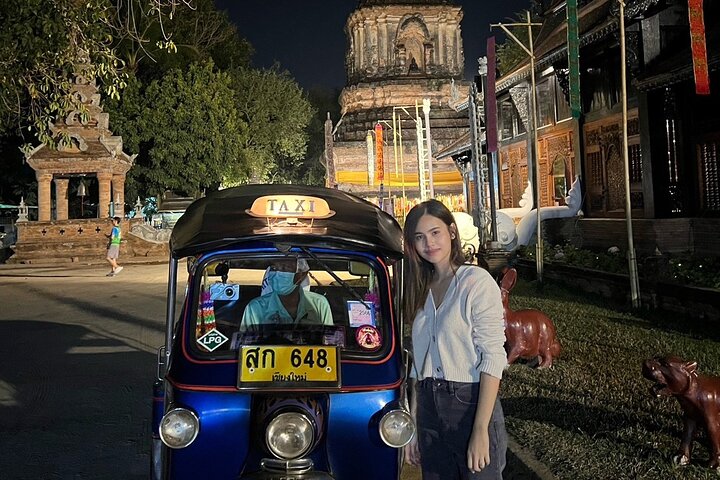
Here’s the move: come back after dark. The chedi is floodlit, the crowds thin out, and the whole place feels haunted in the best way. You get the scale and silence that daylight never delivers. No Instagram filter can fake that atmosphere. If you want a temple that feels like it belongs to you, even for a moment, this is when you’ll find it.
Spotted a mistake or missing something? Contact us.

Things to do around Wat Chedi Luang

Ratings based on Tripadvisor reviews. When you book through this link, you support our work at no extra cost to you.

🌤️ When to go?Choosing the right time of year


  • Weather: The best time to visit Wat Chedi Luang is during the cool, dry season from November to February. Expect temperatures around 20-28°C (68-82°F), which makes wandering the temple grounds comfortable without the oppressive heat or monsoon downpours that hit from May to October.

  • Temperature: Outside the cool season, especially April and May, temperatures can spike to 35°C (95°F) or higher, turning your visit into a sweaty slog. Early mornings and late afternoons are your best bets for manageable heat year-round.

  • Daylight Hours: Thailand enjoys roughly 11-12 hours of daylight year-round, but visiting in the dry season means clearer skies and more reliable light for photos and exploring without sudden rain interruptions.

  • Crowds: Peak tourist season aligns with the cool months, so
read more 👉

  • Weather: The best time to visit Wat Chedi Luang is during the cool, dry season from November to February. Expect temperatures around 20-28°C (68-82°F), which makes wandering the temple grounds comfortable without the oppressive heat or monsoon downpours that hit from May to October.

  • Temperature: Outside the cool season, especially April and May, temperatures can spike to 35°C (95°F) or higher, turning your visit into a sweaty slog. Early mornings and late afternoons are your best bets for manageable heat year-round.

  • Daylight Hours: Thailand enjoys roughly 11-12 hours of daylight year-round, but visiting in the dry season means clearer skies and more reliable light for photos and exploring without sudden rain interruptions.

  • Crowds: Peak tourist season aligns with the cool months, so expect more visitors from November through February. If you want fewer crowds, aim for the shoulder months of March or October, but be ready for hotter or wetter conditions.

  • Seasonal Activities: The annual Inthakin Festival in May, held at Wat Chedi Luang, is a cultural highlight but also draws large crowds and higher prices. If you want the festival vibe, plan accordingly; if not, avoid May.

  • Price Fluctuations: Entrance fees and local prices tend to rise during the high season (November to February) due to demand. Budget travelers will find better deals in the shoulder or low seasons but must weigh that against weather discomfort.


Pro-tip: Visit early morning during the cool season to dodge crowds and heat, and soak in the temple’s atmosphere when it’s quiet and the light hits the ancient stones just right.


source: climatestotravel.comJANJanuary: excellent for travelingFEBFebruary: excellent for travelingMARMarch: highly recommended for travelingAPRApril: fair for travelingMAYMay: fair for travelingJUNJune: below average for travelingJULJuly: below average for travelingAUGAugust: below average for travelingSEPSeptember: below average for travelingOCTOctober: good for travelingNOVNovember: excellent for travelingDECDecember: excellent for traveling
when-to-go

✈️ The backpacker research shortcutThailand Travel Guide

An offline-friendly backpacking guide with optimized travel routes, ranked highlights, transport advice, and the best areas to stay.
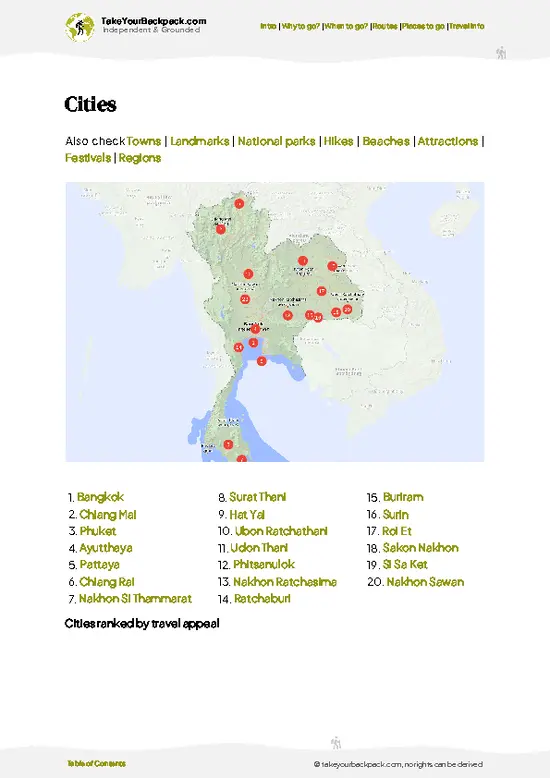
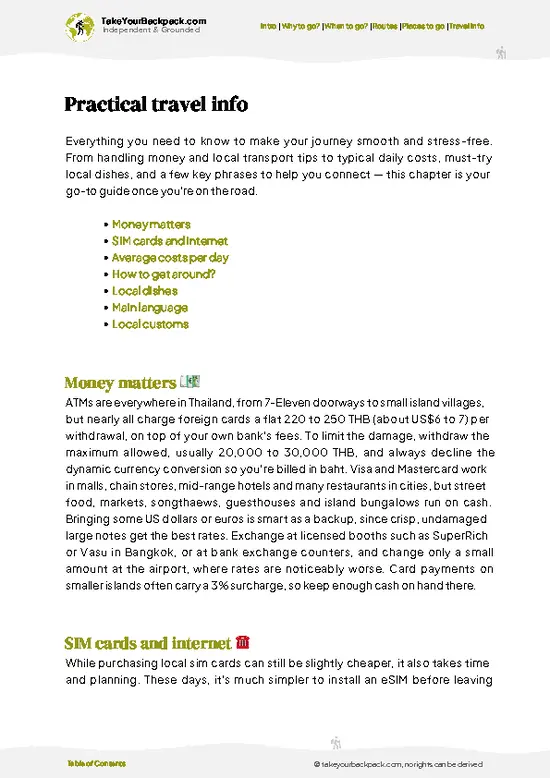
example page 0 from our offline Travel Guide for Thailand
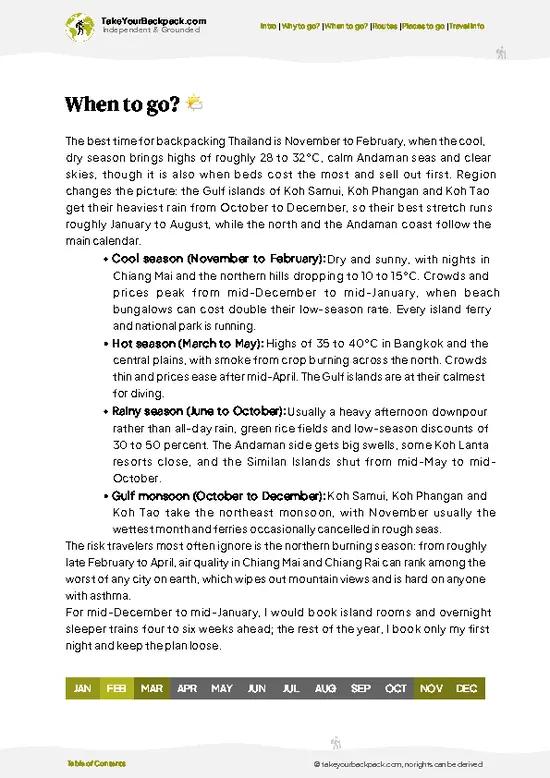
example page 1 from our offline Travel Guide for Thailand
example page 2 from our offline Travel Guide for Thailand
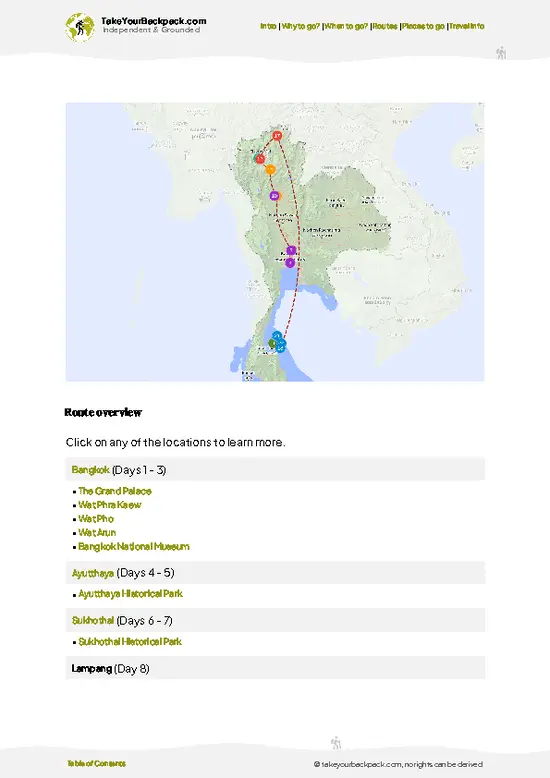
example page 3 from our offline Travel Guide for Thailand
example page 4 from our offline Travel Guide for Thailand
example page 5 from our offline Travel Guide for Thailand
example page 6 from our offline Travel Guide for Thailand
example page 7 from our offline Travel Guide for Thailand
The digital guide (495 pages) contains:
137 highlights, ranked by travel appeal
Optimized 7, 14 & 21-day travel routes
Cities, national parks, landmarks, beaches
How to get around
Offline-friendly for travel without Wi-Fi
👉 Click to see all 30+ guide features

📅 Plan smarter in minutes, not weeks
Month by month travel advice
Festivals & national holidays
Budget expectations

🗺️ Go to the right places, skip the overrated ones
Honest pros & cons of destinations
Top hikes, parks & viewpoints
Lesser-known places most travelers miss
Clear “worth it vs skip it” guidance

🛏️ Travel smoothly without rookie mistakes
Best areas to stay
Transport systems explained simply
Common scams & safety advice
SIM cards, money & practical tips

🌍 Understand the country, not just visit it
Culture & traditions
52 Essential phrases & customs
Festivals worth planning around
Traveler-friendly historical context
Insights that make places more meaningful

📱 Built for real travel conditions
Fully downloadable PDF
Works completely offline
Optimized for phone use
Useful in remote areas & buses
Everything in one place
Save weeks of stressful planning
Get instant access to your full guide. 30‑day money-back guarantee.


By proceeding you agree to our terms.
Sent to your inbox immediately after payment • 100% Secure Checkout
Best Backpacking Travel Advisor 2025 tourism awardBest Backpacking
Travel Advisor
2025
What others say about Take Your Backpack Guides:
⭐⭐⭐⭐⭐
Fantastic, amazing amount of information!
⭐⭐⭐⭐⭐
My goodness this is amazing, it's what I've been looking for hats off too you!
⭐⭐⭐⭐⭐
I think this is absolutely BRILLIANT
⭐⭐⭐⭐
Very complete and informative. It's still missing places, but I gotta to commend you
⭐⭐⭐⭐⭐
This is truly amazing, thank you, can't wait to explore it with my kids!
⭐⭐⭐⭐⭐
Awesome resource, thank you!
⭐⭐⭐⭐⭐
This is amazing! Can't wait to explore the ones I haven't seen
⭐⭐⭐⭐
I love this! Well done, great idea.
⭐⭐⭐⭐⭐
Thanks for taking the time to make this gem!
⭐⭐⭐⭐⭐
This might be the best website I've ever seen.
⭐⭐⭐⭐⭐
Congratulations, and thank you so much for your work; it's incredibly valuable.
⭐⭐⭐⭐
In all seriousness I think you did a great job pointing out the important spots
⭐⭐⭐⭐⭐
10/10 very good
⭐⭐⭐⭐⭐
As someone who's only just starting to visit regularly this is awesome, thank you.
⭐⭐⭐⭐
Thank you very much! I'm going to visit my dad, it's going to be very useful!
⭐⭐⭐⭐⭐
This is really cool! We'll be travelling for the first time and this definitely come in handy.
⭐⭐⭐⭐⭐
You are now our minister of culture, congratulations 👨‍💼
⭐⭐⭐⭐⭐
Just wanted to tell you that this is a pearl! Going to follow your recommendations.
⭐⭐⭐⭐⭐
This is so cool. I'll definitely be using the resource for my travels soon.
⭐⭐⭐⭐⭐
This is very impressive! Good work.
⭐⭐⭐⭐⭐
This is an amazing and informative site. Very well done!

🛏️ Where to stay?How to pick the right area

Wat Chedi Luang is smack in the heart of Chiang Mai’s Old City, and that’s exactly where you want to base yourself if you’re backpacking. The Old City is a walled square packed with guesthouses, cafes, and street food stalls that cater to budget travelers and solo adventurers. It’s safe, walkable, and buzzing with a mix of locals and travelers who are just as eager to swap stories as you are.

Don’t expect solitude here—this spot draws crowds, especially around sunset when the temple’s massive chedi glows golden. But that’s part of the charm. Staying nearby means you can catch the temple’s quieter … read more 👉
Wat Chedi Luang is smack in the heart of Chiang Mai’s Old City, and that’s exactly where you want to base yourself if you’re backpacking. The Old City is a walled square packed with guesthouses, cafes, and street food stalls that cater to budget travelers and solo adventurers. It’s safe, walkable, and buzzing with a mix of locals and travelers who are just as eager to swap stories as you are.

Don’t expect solitude here—this spot draws crowds, especially around sunset when the temple’s massive chedi glows golden. But that’s part of the charm. Staying nearby means you can catch the temple’s quieter moments early morning or late evening, when the crowds thin and the monks’ chants float through the air.

The real magic is in the neighborhood’s vibe: narrow lanes lined with quirky shops, cheap eats, and open-air bars where you’ll meet fellow backpackers without trying. It’s social without being overwhelming. Plus, you’re a short walk from other key attractions and the night markets, so you’re never stuck in one place. If you want to experience Wat Chedi Luang beyond the postcard, this is where you want to drop your pack.

👛 Costs (as of 30 July 2026)Typical daily expenses

As of the most recent estimates, the entrance fee for Wat Chedi Luang is 40 to 50 Thai Baht per adult, approximately €1.10 to €1.65. Children under 135 cm in height are charged 20 Baht, about €0.55. The ticket grants access to the temple grounds for the entire day, allowing for multiple visits within the same day. Additional costs may include donations or purchases of souvenirs, but no mandatory extra fees are specified.

source: chiangmaitraveller.com
⚠️ Prices can change and everyone travels differently, so take this as a rough guide. Hope it helps you plan your adventure!

Other Thai attractions near Wat Chedi Luang

Explore more nearby:


💡 Not sure where to go next?
Create a personalized itinerary for Thailand including Wat Chedi Luang and the places that fit your trip.

Generate my itinerary

👉 Discover all attractions

Or checkout all Thailand has to offer (think cities, towns, villages, national parks, hikes, beaches, festivals)
Country photo of Thailand

We 💚 feedbackWhat to keep in mind

Wat Chedi Luang is not some quiet, untouched relic—you’ll share the space with crowds, especially midday. But here’s the kicker: standing beneath that massive, partially ruined chedi, you feel the weight of centuries pressing down in a way no postcard can capture. It’s raw history, not polished for tourists, and that gritty authenticity makes it worth the noise and the hassle.

✈️ When did I visit Thailand?
Before visiting Vietnam (1998), I had some time in Thailand to explore the country.

✍️ Help improve this page!
The information on this page is based on my own backpacking experience in Thailand, supplemented with up-to-date research and feedback from other travelers. Travel details can change, so if you notice anything outdated or incomplete, feel free to let me know.


🙋‍♂️ Give feedback

👋 Meet the founderWho’s Behind Take Your Backpack?

Johan, backpacker and founder of TakeYourBackpackHi, I’m Johan (Netherlands 🇳🇱), the creator of TakeYourBackpack. Over the past decade, I’ve backpacked through 80+ countries across six continents, gaining extensive experience with independent travel, long-term trips, and overland routes.

This site is built on a combination of firsthand travel experience and carefully curated insights from other backpackers. Many guides are based on places I’ve personally visited, while others bring together tips, observations, and practical advice shared by trusted travelers I’ve met along the way.

The goal is to provide realistic, experience-driven guidance — not generic itineraries — so you can explore destinations with better context, clearer expectations, and more confidence.

Get full Thailand guide •
Instant download • 137 highlights • Full Offline guide