×

Thailand🇹🇭 | attractionsWat Phra SinghLanna architecture, revered Buddha image, temple murals | things to do and best time to go

Explore Chiang Mai Sunday Walking StreetExplore Wat Chedi Luang

Backpacking in Wat Phra Singh
🌟 Highlightattraction ranked #7
By Johan Kruseman 🇳🇱 | Updated October 15, 2026

Here’s what nobody tells you: Wat Phra Singh isn’t just a photo op for golden spires—it’s one of the few temples in Chiang Mai where you’ll actually hear the monks chanting at sunrise, not just see them posing for tourists. Smack in the heart of Chiang Mai’s old city, this temple is easy to reach—almost too easy, because you’ll be sharing the grounds with a steady stream of selfie sticks and school groups by mid-morning. The architecture is classic Lanna, and the murals inside the Viharn Lai Kham are the kind of detail that rewards slow travelers, not just Instagram scrollers. Entry is cheap, but the real cost is patience if you want a quiet moment. Compared to the circus at Wat Pho or the tourist funnel at Doi Suthep, Wat Phra Singh still feels like it belongs to Chiang Mai—if you catch it at dawn.

Discover everything you want to know in the 📖 Thailand Travel Guide.


example page 0 from our offline Travel Guide for Thailand
example page 1 from our offline Travel Guide for Thailand
example page 2 from our offline Travel Guide for Thailand
example page 3 from our offline Travel Guide for Thailand
example page 4 from our offline Travel Guide for Thailand
example page 5 from our offline Travel Guide for Thailand
example page 6 from our offline Travel Guide for Thailand
example page 7 from our offline Travel Guide for Thailand
Loading the map 🌍
CLICK TO FILTER
cities
towns
landmarks
national parks
hikes
beaches
attractions
festivals
regions
SHOW COUNTRY’S BESTSHOW ALL

✨ Why go?
Ranked #7 attraction in Thailand
Why visitors keep coming back

Wat Phra Singh is not just another temple to tick off your list—it’s a heavyweight in Thailand’s cultural ring. Sure, it draws crowds, especially during festivals, and yes, you’ll pay a small entry fee, but that’s the price of admission to a living piece of history. This temple is a cornerstone of Chiang Mai’s spiritual life, home to the revered Phra Singh Buddha, a statue that’s been a pilgrimage magnet since the 14th century. The architecture isn’t just ornate; it’s a textbook of Lanna craftsmanship, with intricate wood carvings and murals that tell stories older than most countries. For backpackers, it’s a milestone—proof you’ve stepped beyond the tourist veneer into something deeper. The effort to navigate the bustling old city streets pays off with a moment of genuine connection to Thai … read more 👉
Wat Phra Singh is not just another temple to tick off your list—it’s a heavyweight in Thailand’s cultural ring. Sure, it draws crowds, especially during festivals, and yes, you’ll pay a small entry fee, but that’s the price of admission to a living piece of history. This temple is a cornerstone of Chiang Mai’s spiritual life, home to the revered Phra Singh Buddha, a statue that’s been a pilgrimage magnet since the 14th century. The architecture isn’t just ornate; it’s a textbook of Lanna craftsmanship, with intricate wood carvings and murals that tell stories older than most countries. For backpackers, it’s a milestone—proof you’ve stepped beyond the tourist veneer into something deeper. The effort to navigate the bustling old city streets pays off with a moment of genuine connection to Thai heritage. Skip it, and you miss a chapter of Thailand’s soul that no Instagram filter can capture.

💡 HighlightsThe experiences that define the visit

Viharn Lai Kham
This is the showstopper. Forget the endless Instagram shots of gold and incense smoke—step inside and you’re hit with a riot of red and gold lacquer, intricate woodwork, and murals that actually tell stories (not just generic Buddhist scenes, but real, local legends). The atmosphere is thick with history, not just filtered light. If you want to see Lanna craftsmanship at its peak, this is the room. My personal favorite—because it’s the one spot where the hype matches the reality, and then some.


The Phra Singh Buddha Image
This isn’t just another Buddha statue. The Phra Singh image is a cultural heavyweight, believed to have traveled from Sri Lanka centuries ago. Locals treat it with a kind of reverence you can feel in the air—especially during Songkran, when it’s paraded through … read more 👉
Viharn Lai Kham
This is the showstopper. Forget the endless Instagram shots of gold and incense smoke—step inside and you’re hit with a riot of red and gold lacquer, intricate woodwork, and murals that actually tell stories (not just generic Buddhist scenes, but real, local legends). The atmosphere is thick with history, not just filtered light. If you want to see Lanna craftsmanship at its peak, this is the room. My personal favorite—because it’s the one spot where the hype matches the reality, and then some.


The Phra Singh Buddha Image
This isn’t just another Buddha statue. The Phra Singh image is a cultural heavyweight, believed to have traveled from Sri Lanka centuries ago. Locals treat it with a kind of reverence you can feel in the air—especially during Songkran, when it’s paraded through the streets. The aura here isn’t manufactured for tourists; it’s the real deal, and you’ll see Thais making merit in a way that’s deeply personal, not performative.


Ubosot (Ordination Hall)
Skip the outside selfies and actually step inside. The Ubosot is where the serious rituals happen—ordination, chanting, and the kind of quiet that makes you lower your voice without thinking. The architecture is classic Lanna, but it’s the sense of purpose that sets it apart. You’re not just looking at pretty walls; you’re standing in the heart of living tradition.


The Chedi (Stupa)
It’s not the tallest or the flashiest in Thailand, but the chedi at Wat Phra Singh has a battered dignity. Look for the elephant statues half-emerging from the base—half-guardians, half-mystery. Early morning, when the gold catches the first light and the crowds haven’t arrived, is when you’ll get the closest thing to magic here.


Monk Chats
This isn’t a tourist gimmick. Sit down with a young monk and you’ll get straight answers about Buddhism, daily life, and sometimes even football. It’s awkward at first, but if you’re willing to be honest, you’ll walk away with a perspective you can’t buy in a guidebook. This is where the temple stops being a postcard and starts being a conversation.


Sunday Walking Street Market (Ratchadamnoen Road)
Yes, it’s crowded. Yes, it’s touristy. But the energy is infectious, and the temple grounds become a surreal backdrop to street food, crafts, and impromptu performances. If you want to see Chiang Mai’s social life in full swing, this is the time. Just don’t expect serenity—expect spectacle.
Spotted a mistake or missing something? Contact us.
Things to do around Wat Phra Singh

Ratings based on Tripadvisor reviews. When you book through this link, you support our work at no extra cost to you.

🌤️ When to go?When to go for the best experience

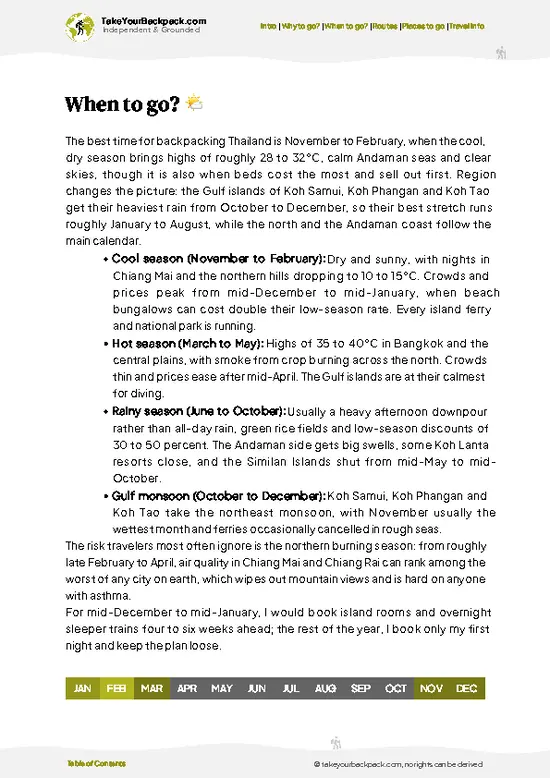
  • Topic: Weather and Temperature - The best window is November to February when Chiang Mai cools down to a comfortable 20-25°C (68-77°F). Avoid April and May; it’s brutally hot, often hitting 35°C (95°F) or more, making temple visits sweaty and miserable.
  • Topic: Daylight Hours - From November to February, you get about 11-12 hours of daylight, perfect for exploring without rushing. The sun sets earlier in December and January, so plan your temple visits mid-morning to mid-afternoon.
  • Topic: Crowds - Peak tourist season aligns with the cool months, so expect crowds, especially around major Thai holidays like Loy Krathong in November. If you want fewer people, aim for late February or early March, but brace for rising temperatures.
  • Topic: Seasonal Activities - November’s Loy Krathong festival
… read more 👉
  • Topic: Weather and Temperature - The best window is November to February when Chiang Mai cools down to a comfortable 20-25°C (68-77°F). Avoid April and May; it’s brutally hot, often hitting 35°C (95°F) or more, making temple visits sweaty and miserable.
  • Topic: Daylight Hours - From November to February, you get about 11-12 hours of daylight, perfect for exploring without rushing. The sun sets earlier in December and January, so plan your temple visits mid-morning to mid-afternoon.
  • Topic: Crowds - Peak tourist season aligns with the cool months, so expect crowds, especially around major Thai holidays like Loy Krathong in November. If you want fewer people, aim for late February or early March, but brace for rising temperatures.
  • Topic: Seasonal Activities - November’s Loy Krathong festival lights up the temple with floating lanterns, a magical but crowded spectacle. February’s Flower Festival adds a burst of color around the city, enhancing your visit with local culture beyond the temple walls.
  • Topic: Price Fluctuations - Accommodation and flights spike during the cool season, especially December and January. Budget travelers should consider shoulder months like October or March for better deals, though the weather is less forgiving.
Pro-tip: Visit early morning during the cool season to dodge crowds and catch the temple’s intricate details in soft, natural light—this is when Wat Phra Singh truly reveals its soul.


source: climatestotravel.comJANJanuary: highly recommended for travelingFEBFebruary: excellent for travelingMARMarch: good for travelingAPRApril: below average for travelingMAYMay: below average for travelingJUNJune: fair for travelingJULJuly: fair for travelingAUGAugust: fair for travelingSEPSeptember: fair for travelingOCTOctober: good for travelingNOVNovember: excellent for travelingDECDecember: highly recommended for traveling
when-to-go

✈️ The backpacker research shortcutThailand Travel Guide

An offline-friendly backpacking guide with optimized travel routes, ranked highlights, transport advice, and the best areas to stay.
example page 0 from our offline Travel Guide for Thailand
example page 1 from our offline Travel Guide for Thailand
example page 2 from our offline Travel Guide for Thailand
example page 3 from our offline Travel Guide for Thailand
example page 4 from our offline Travel Guide for Thailand
example page 5 from our offline Travel Guide for Thailand
example page 6 from our offline Travel Guide for Thailand
example page 7 from our offline Travel Guide for Thailand
The digital guide (476 pages) contains:
✅ 131 highlights, ranked by travel appeal
✅ Optimized 7, 14 & 21-day travel routes
✅ Cities, national parks, landmarks, beaches
✅ How to get around
✅ Offline-friendly for travel without Wi-Fi
👉 Click to see all 30+ guide features

📅 Plan smarter in minutes, not weeks
✅ Month by month travel advice
✅ Festivals & national holidays
✅ Budget expectations

🗺️ Go to the right places, skip the overrated ones
✅ Honest pros & cons of destinations
✅ Top hikes, parks & viewpoints
✅ Lesser-known places most travelers miss
✅ Clear “worth it vs skip it” guidance

🛏️ Travel smoothly without rookie mistakes
✅ Best areas to stay
✅ Transport systems explained simply
✅ Common scams & safety advice
✅ SIM cards, money & practical tips

🌍 Understand the country, not just visit it
✅ Culture & traditions
✅ 52 Essential phrases & customs
✅ Festivals worth planning around
✅ Traveler-friendly historical context
✅ Insights that make places more meaningful

📱 Built for real travel conditions
✅ Fully downloadable PDF
✅ Works completely offline
✅ Optimized for phone use
✅ Useful in remote areas & buses
✅ Everything in one place
Stop searching, start planning
Get instant access to your full guide. 30‑day money-back guarantee.
+ Add another guide for just

By proceeding you agree to our terms.
Sent to your inbox immediately after payment • 100% Secure Checkout
Best Backpacking Travel Advisor 2025 tourism awardBest Backpacking
Travel Advisor
2025
What others say about Take Your Backpack Guides:
⭐⭐⭐⭐⭐
Fantastic, amazing amount of information!
⭐⭐⭐⭐⭐
My goodness this is amazing, it's what I've been looking for hats off too you!
⭐⭐⭐⭐⭐
I think this is absolutely BRILLIANT
⭐⭐⭐⭐
Very complete and informative. It's still missing places, but I gotta to commend you
⭐⭐⭐⭐⭐
This is truly amazing, thank you, can't wait to explore it with my kids!
⭐⭐⭐⭐⭐
Awesome resource, thank you!
⭐⭐⭐⭐⭐
This is amazing! Can't wait to explore the ones I haven't seen
⭐⭐⭐⭐
I love this! Well done, great idea.
⭐⭐⭐⭐⭐
Thanks for taking the time to make this gem!
⭐⭐⭐⭐⭐
This might be the best website I've ever seen.
⭐⭐⭐⭐⭐
Congratulations, and thank you so much for your work; it's incredibly valuable.
⭐⭐⭐⭐
In all seriousness I think you did a great job pointing out the important spots
⭐⭐⭐⭐⭐
10/10 very good
⭐⭐⭐⭐⭐
As someone who's only just starting to visit regularly this is awesome, thank you.
⭐⭐⭐⭐
Thank you very much! I'm going to visit my dad, it's going to be very useful!
⭐⭐⭐⭐⭐
This is really cool! We'll be travelling for the first time and this definitely come in handy.
⭐⭐⭐⭐⭐
You are now our minister of culture, congratulations 👨‍💼
⭐⭐⭐⭐⭐
Just wanted to tell you that this is a pearl! Going to follow your recommendations.
⭐⭐⭐⭐⭐
This is so cool. I'll definitely be using the resource for my travels soon.
⭐⭐⭐⭐⭐
This is very impressive! Good work.
⭐⭐⭐⭐⭐
This is an amazing and informative site. Very well done!

🛏️ Where to stay?Best areas and accommodation options

Wat Phra Singh is smack in the heart of Chiang Mai’s Old City, and that’s exactly where you want to be if you’re backpacking. The Old City isn’t just a tourist zone—it’s a living, breathing neighborhood with narrow lanes, ancient walls, and a vibe that’s part temple pilgrimage, part laid-back Thai life. Staying here means you’re steps away from the temple’s intricate Lanna architecture and the buzz of local markets, street food stalls, and cafés where solo travelers naturally gravitate.

But let’s cut the fluff: the Old City can get crowded, especially around Wat Phra Singh during festivals or … read more 👉
Wat Phra Singh is smack in the heart of Chiang Mai’s Old City, and that’s exactly where you want to be if you’re backpacking. The Old City isn’t just a tourist zone—it’s a living, breathing neighborhood with narrow lanes, ancient walls, and a vibe that’s part temple pilgrimage, part laid-back Thai life. Staying here means you’re steps away from the temple’s intricate Lanna architecture and the buzz of local markets, street food stalls, and cafés where solo travelers naturally gravitate.

But let’s cut the fluff: the Old City can get crowded, especially around Wat Phra Singh during festivals or weekends. It’s not a secret spot, and the tourist foot traffic is real. Still, that’s part of the charm. You’re rubbing shoulders with monks, locals, and fellow backpackers, all soaking in the same atmosphere. It’s safe, walkable, and social—perfect for striking up conversations or just people-watching over a cold Chang beer.

If you want to dodge the tourist bubble but stay close, the areas just outside the Old City walls offer quieter streets and cheaper eats without losing the connection to the temple’s magnetic pull. This balance between accessibility and authenticity is what makes the neighborhood around Wat Phra Singh a genuine backpacker hub.

👛 Costs (as of 15 October 2026)How expensive it really is

As of the latest information, Wat Phra Singh in Chiang Mai charges an entrance fee of 20 Thai Baht (approximately €0.50) for foreign visitors. Thai nationals can enter for free. Additional costs may include donations for temple maintenance or optional guided tours, but these are at the visitor's discretion.
⚠️ Prices can change and everyone travels differently, so take this as a rough guide. Hope it helps you plan your adventure!

FAQCommon questions from travelers

1 to 2 hours is sufficient to visit Wat Phra Singh. This allows time to explore the main temple buildings, admire the intricate Lanna architecture, and view the revered Phra Singh Buddha statue. Additional time may be needed if you want to join a guided tour or participate in a meditation session.
Yes, Wat Phra Singh is worth the entrance fee, which is typically around 40 THB for foreigners. The fee grants access to a well-preserved historical site with significant cultural and religious importance in Chiang Mai. The temple's stunning murals and architecture provide a rich experience for visitors interested in Thai history and Buddhism.
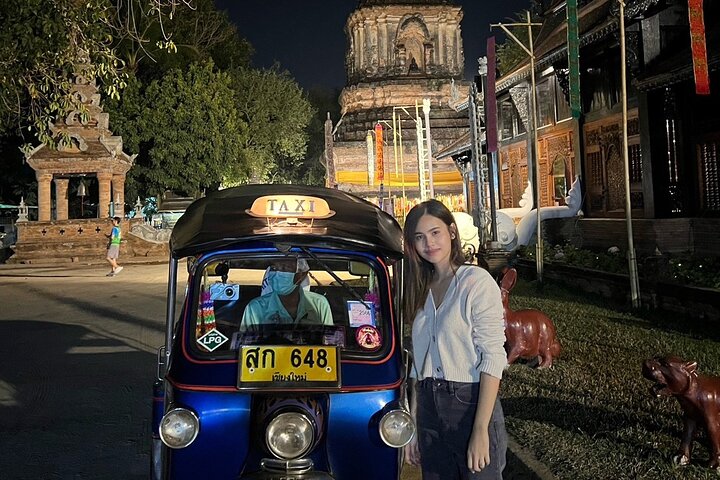
To get to Wat Phra Singh, take a tuk-tuk or songthaew from anywhere in Chiang Mai's Old City; it is centrally located near the Old City moat. Walking is also an option if you are staying nearby, as it is within a 10 to 15-minute walk from Tha Phae Gate. The temple is well-signposted and easy to find.
⚠️ Things can change over time, so always validate details locally before you go.

Other Thai attractions near Wat Phra Singh

Explore more nearby:


💡 Not sure where to go next?
Create a personalized itinerary for Thailand including Wat Phra Singh and the places that fit your trip.

Generate my itinerary

👉 Discover all attractions

Or checkout all Thailand has to offer (think cities, towns, villages, national parks, hikes, beaches, festivals)
Country photo of Thailand

We 💚 feedbackFinal thoughts on visiting Wat Phra Singh

Wat Phra Singh isn’t just another temple photo op—it’s where you feel centuries of devotion carved into every intricate detail. The main Buddha statue alone pulls you into a quiet reverence that’s rare in tourist-heavy spots. But heads up: it gets packed, especially midday, and the entrance fee isn’t pocket change for budget travelers. Still, if you want a slice of Chiang Mai’s spiritual heart without the usual tourist gloss, this is it.

✈️ When did I visit Thailand?
Before visiting Vietnam (1998), I had some time in Thailand to explore the country.

✍️ Help improve this page!
The information on this page is based on my own backpacking experience in Thailand, supplemented with up-to-date research and feedback from other travelers. Travel details can change, so if you notice anything outdated or incomplete, feel free to let me know.


🙋‍♂️ Give feedback

👋 Meet the founderWho’s Behind Take Your Backpack?

Johan, backpacker and founder of TakeYourBackpackHi, I’m Johan (Netherlands 🇳🇱), the creator of TakeYourBackpack. Over the past 3 decades, I’ve backpacked through 90+ countries across six continents, gaining extensive experience with independent travel, long-term trips, and overland routes.

This site is built on a combination of firsthand travel experience and carefully curated insights from other backpackers. Many guides are based on places I’ve personally visited, while others bring together tips, observations, and practical advice shared by trusted travelers I’ve met along the way.

The goal is to provide realistic, experience-driven guidance — not generic itineraries — so you can explore destinations with better context, clearer expectations, and more confidence.