×

Timor-Leste🇹🇱 | festivalsDili International Film Festivalindependent cinema, open-air screenings, filmmaker talks, global films | things to do and best time to go

Explore CarnavalExplore Lafaek Diak Festival

Backpacking in Dili International Film
🌟 Highlightfestival ranked #3
By Johan Kruseman 🇳🇱 | Updated September 4, 2026

Years ago, Dili International Film Festival felt like a scrappy community screening marathon: plastic chairs in the humid dark, projectors that sometimes hiccupped, filmmakers mingling barefoot with aid workers and students. Today it’s sharper and more organized, but it still runs on heart more than polish. The festival takes place in Dili, the capital of Timor-Leste on the north coast, usually spread across a few venues around the city center and waterfront. Expect indie films, regional stories, human-rights themes, and a crowd of local students, NGO folks, expats, and a handful of curious backpackers. The vibe is earnest, low-budget, and social rather than party-hard; think post-screening debates, not EDM blowouts. It usually runs several days, and it’s worth visiting if you care about storytelling and culture more than spectacle or big-name premieres.

Discover everything you want to know in the 📖 Timor-Leste Travel Guide.
Loading the map 🌍
CLICK TO FILTER
cities
towns
villages
landmarks
national parks
hikes
beaches
attractions
festivals
regions
SHOW COUNTRY’S BESTSHOW ALL

✨ Why go?
Ranked #3 festival in Timor-Leste
Why visitors keep coming back

Backpackers flock to the Dili International Film Festival for a reason: it’s a vibrant hub of social energy and temporary community. Imagine mingling with fellow travelers and locals, all drawn together by a shared love for storytelling. This festival isn’t just about films; it’s a cultural immersion that showcases Timor-Leste’s rich narratives and artistic voices.

Planning your route around this event means you’re not just passing through; you’re diving into the heart of the local scene. The festival offers a unique chance to connect with the culture in a way that’s often missing from typical tourist spots. Plus, it’s affordable compared to similar events worldwide, allowing you to enjoy quality films without breaking the bank.

Incorporating the festival into your travel plans can also … read more 👉
Backpackers flock to the Dili International Film Festival for a reason: it’s a vibrant hub of social energy and temporary community. Imagine mingling with fellow travelers and locals, all drawn together by a shared love for storytelling. This festival isn’t just about films; it’s a cultural immersion that showcases Timor-Leste’s rich narratives and artistic voices.

Planning your route around this event means you’re not just passing through; you’re diving into the heart of the local scene. The festival offers a unique chance to connect with the culture in a way that’s often missing from typical tourist spots. Plus, it’s affordable compared to similar events worldwide, allowing you to enjoy quality films without breaking the bank.

Incorporating the festival into your travel plans can also serve as a perfect anchor point. Spend a few days in Dili, soak up the atmosphere, and then venture out to explore the stunning landscapes and hidden beaches nearby. This festival is more than a stop; it’s a launchpad for deeper experiences, ensuring your journey is as rewarding as the destination itself.
Want to include Dili International Film Festival in your Timor-Leste route?
Create a personalized Timor-Leste itinerary that includes Dili International Film Festival and the places that fit your trip — based on your travel style, budget, and available time. Get your route in seconds.

Generate my trip

💡 HighlightsKey sights and experiences for travelers

  1. Local and regional screenings — Timorese voices on screen
    See stories you won’t find in the usual festival circuit: short films and documentaries made by Timorese and neighbouring filmmakers that focus on everyday life, history, language and identity. It’s the best place to catch emerging talent and narratives told from inside the culture, not through an outsider lens.
  2. Open-air and heritage venues
    Screenings often spill onto the waterfront, into colonial-era plazas or community courts — watching a film with a sea breeze or under a starlit sky is its own kind of cinema. The venues themselves give the festival a distinctly Dili flavor you won’t get in a multiplex.
  3. Easy access to filmmakers — candid Q&As and hands-on workshops
    Because the festival is compact and community-driven, you can actually
read more 👉
  1. Local and regional screenings — Timorese voices on screen
    See stories you won’t find in the usual festival circuit: short films and documentaries made by Timorese and neighbouring filmmakers that focus on everyday life, history, language and identity. It’s the best place to catch emerging talent and narratives told from inside the culture, not through an outsider lens.
  2. Open-air and heritage venues
    Screenings often spill onto the waterfront, into colonial-era plazas or community courts — watching a film with a sea breeze or under a starlit sky is its own kind of cinema. The venues themselves give the festival a distinctly Dili flavor you won’t get in a multiplex.
  3. Easy access to filmmakers — candid Q&As and hands-on workshops
    Because the festival is compact and community-driven, you can actually talk to directors, crew and local producers. Informal Q&As, practical workshops and late-night conversations are common, which is perfect if you’re curious or hoping to learn filmmaking basics on a shoestring.
  4. Live cultural crossovers — music, dance and street food
    Film nights frequently pair with live performances and food stalls, so a screening can turn into a full cultural evening. Traditional music and contemporary acts show up alongside local food vendors, giving the festival a lively, social atmosphere where film, food and performance blend.
  5. Intimate, grassroots atmosphere — real conversations, not red carpets
    This isn’t a glossy, celebrity affair. The crowd is a mix of locals, volunteers, students and filmmakers, which makes discussions earnest and accessible. Expect impromptu debates about the films, community projects being promoted, and plenty of chances to connect with people who care about storytelling and social impact.
Spotted a mistake or missing something? Contact us.

Things to do near Dili International Film Festival

Ratings based on Tripadvisor reviews. When you book through this link, you support our work at no extra cost to you.

🌤️ When to go?When is the celebration of Dili International Film Festival?


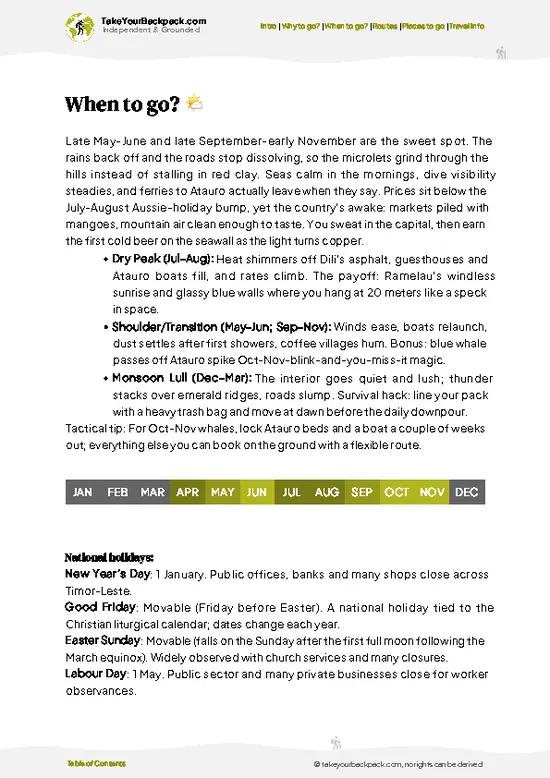
  • Topic: Weather – Timor-Leste’s dry season, from May to October, is your best bet. Expect clear skies and minimal rain, perfect for navigating Dili’s streets and catching outdoor screenings without soggy interruptions.

  • Topic: Temperature – During the festival in July, temperatures hover around 22-28°C (72-82°F). Warm days and cooler evenings mean layering is smart—think light shirts by day, a jacket by night.

  • Topic: Daylight Hours – July offers roughly 11 to 12 hours of daylight. This gives you ample time to explore the city and its surroundings before the festival events kick off after sunset.

  • Topic: Crowds – The festival draws a modest crowd, but July is still low tourist season overall. You’ll avoid the crush, snag better accommodation deals, and enjoy a more authentic vibe.

  • Topic:
read more 👉

  • Topic: Weather – Timor-Leste’s dry season, from May to October, is your best bet. Expect clear skies and minimal rain, perfect for navigating Dili’s streets and catching outdoor screenings without soggy interruptions.

  • Topic: Temperature – During the festival in July, temperatures hover around 22-28°C (72-82°F). Warm days and cooler evenings mean layering is smart—think light shirts by day, a jacket by night.

  • Topic: Daylight Hours – July offers roughly 11 to 12 hours of daylight. This gives you ample time to explore the city and its surroundings before the festival events kick off after sunset.

  • Topic: Crowds – The festival draws a modest crowd, but July is still low tourist season overall. You’ll avoid the crush, snag better accommodation deals, and enjoy a more authentic vibe.

  • Topic: Seasonal Activities – July aligns with cultural events beyond the festival, like traditional dance and music performances. This layering of experiences enriches your visit without extra travel.

  • Topic: Price Fluctuations – Prices for lodging and flights dip outside the peak wet season and holiday spikes. Booking early for July locks in reasonable rates, avoiding last-minute surges.


Pro-tip: Aim for early July to catch the festival’s opening buzz while still capitalizing on quieter streets and steady weather—this timing keeps your energy focused on discovery, not dodging crowds or rain.


source: climatestotravel.comJANJanuary: not recommended for travelingFEBFebruary: not recommended for travelingMARMarch: not recommended for travelingAPRApril: not recommended for travelingMAYMay: not recommended for travelingJUNJune: not recommended for travelingJULJuly: excellent for travelingAUGAugust: not recommended for travelingSEPSeptember: not recommended for travelingOCTOctober: not recommended for travelingNOVNovember: not recommended for travelingDECDecember: not recommended for traveling

✈️ The backpacker research shortcutTimor-Leste Travel Guide

An offline-friendly backpacking guide with optimized travel routes, ranked highlights, transport advice, and the best areas to stay.
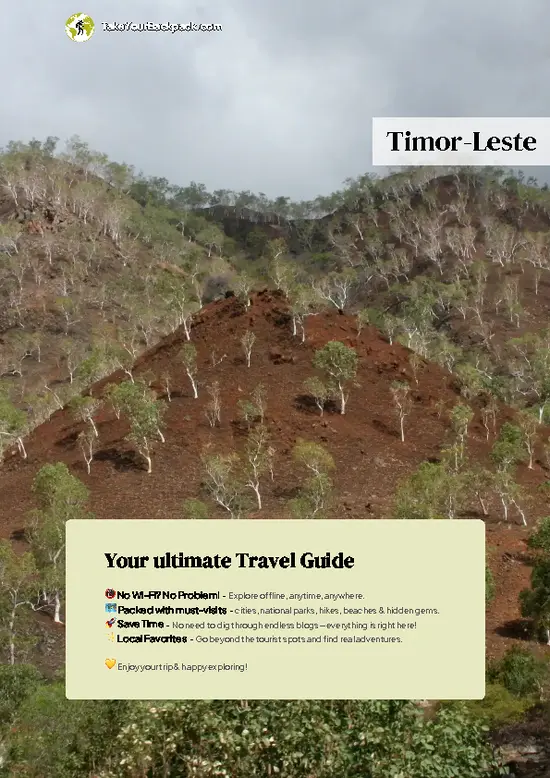
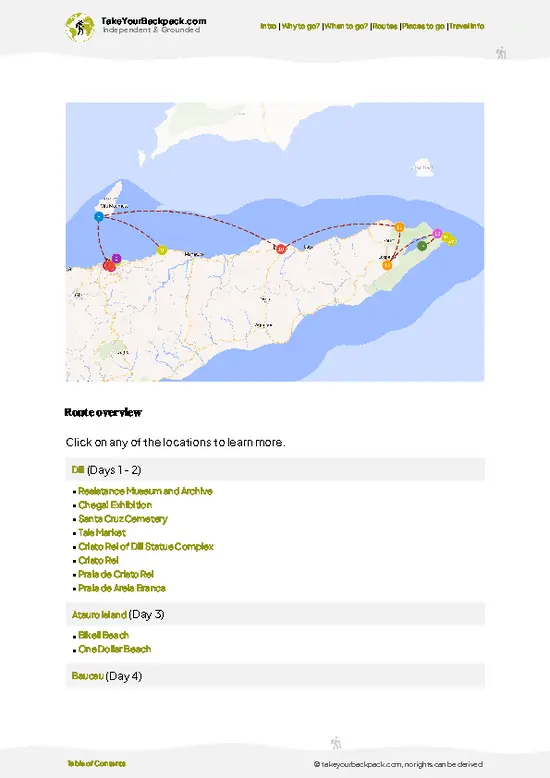
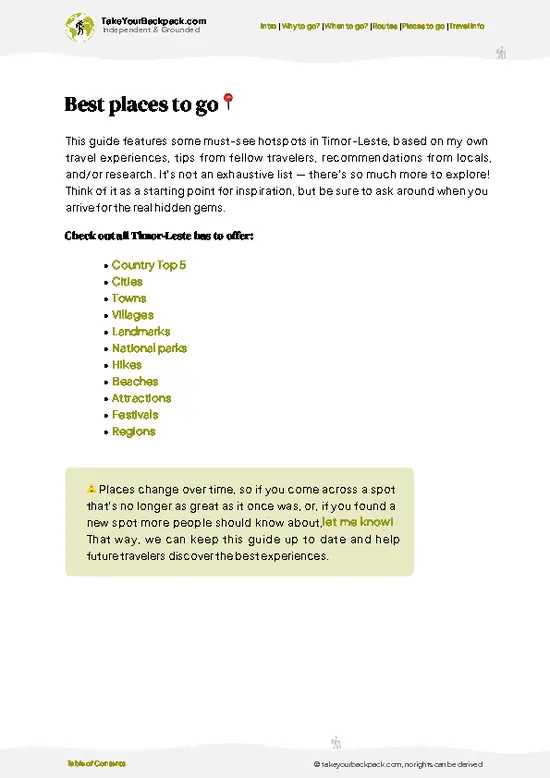
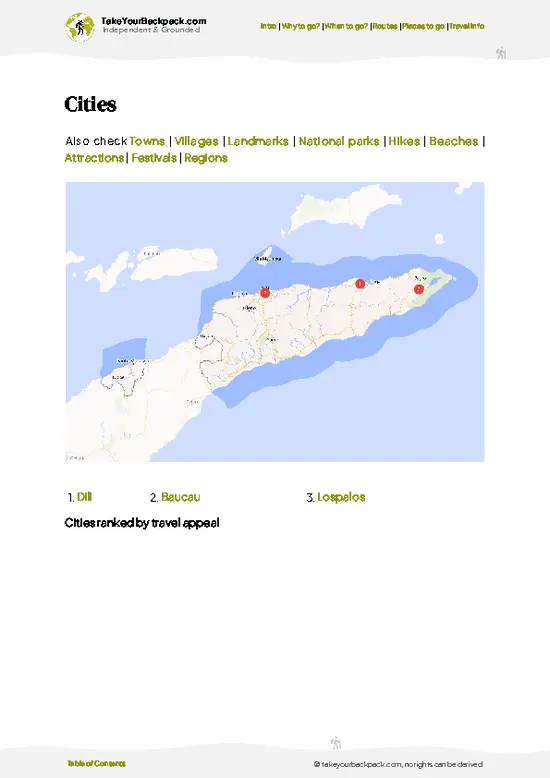
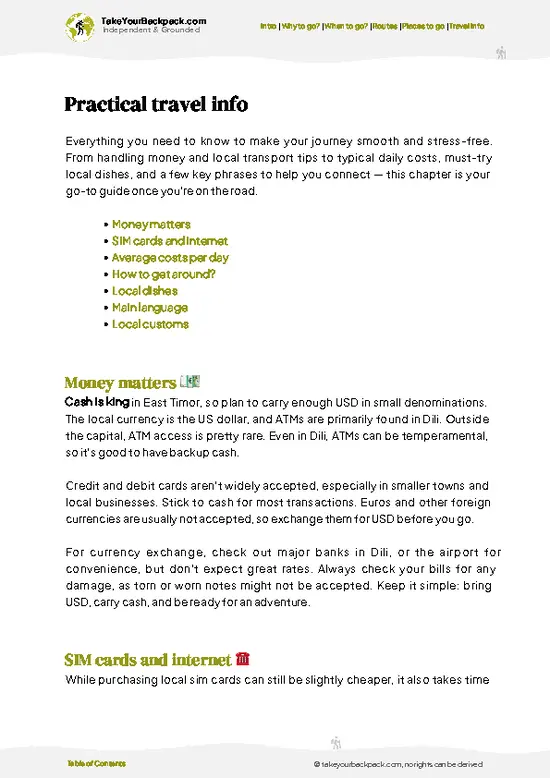
example page 0 from our offline Travel Guide for Timor-Leste
example page 1 from our offline Travel Guide for Timor-Leste
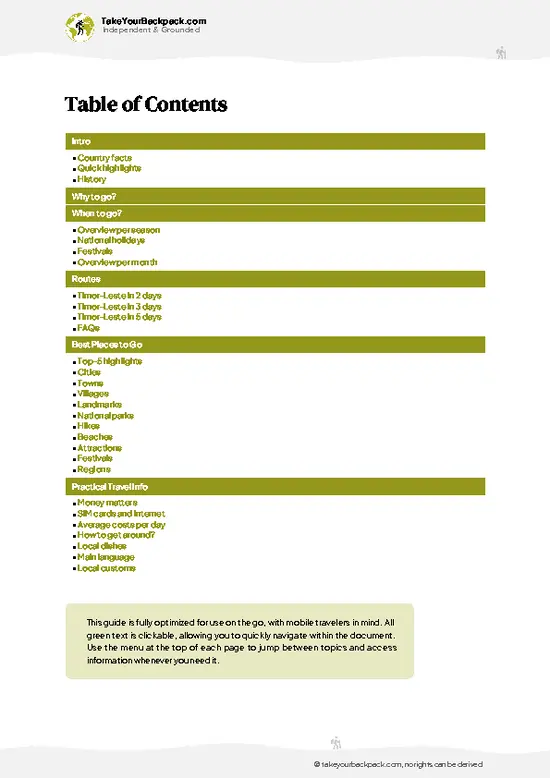
example page 2 from our offline Travel Guide for Timor-Leste
example page 3 from our offline Travel Guide for Timor-Leste
example page 4 from our offline Travel Guide for Timor-Leste
example page 5 from our offline Travel Guide for Timor-Leste
example page 6 from our offline Travel Guide for Timor-Leste
example page 7 from our offline Travel Guide for Timor-Leste
The digital guide (205 pages) contains:
49 highlights, ranked by travel appeal
Optimized 2, 3 & 5-day travel routes
Cities, national parks, landmarks, beaches
How to get around
Offline-friendly for travel without Wi-Fi
👉 Click to see all 30+ guide features

📅 Plan smarter in minutes, not weeks
Month by month travel advice
Festivals & national holidays
Budget expectations

🗺️ Go to the right places, skip the overrated ones
Honest pros & cons of destinations
Top hikes, parks & viewpoints
Lesser-known places most travelers miss
Clear “worth it vs skip it” guidance

🛏️ Travel smoothly without rookie mistakes
Best areas to stay
Transport systems explained simply
Common scams & safety advice
SIM cards, money & practical tips

🌍 Understand the country, not just visit it
Culture & traditions
52 Essential phrases & customs
Festivals worth planning around
Traveler-friendly historical context
Insights that make places more meaningful

📱 Built for real travel conditions
Fully downloadable PDF
Works completely offline
Optimized for phone use
Useful in remote areas & buses
Everything in one place
Save weeks of stressful planning
Get instant access to your full guide. 30‑day money-back guarantee.
+ Add another guide for just US$7.80

By proceeding you agree to our terms.
Sent to your inbox immediately after payment • 100% Secure Checkout
Best Backpacking Travel Advisor 2025 tourism awardBest Backpacking
Travel Advisor
2025
What others say about Take Your Backpack Guides:
⭐⭐⭐⭐⭐
Fantastic, amazing amount of information!
⭐⭐⭐⭐⭐
My goodness this is amazing, it's what I've been looking for hats off too you!
⭐⭐⭐⭐⭐
I think this is absolutely BRILLIANT
⭐⭐⭐⭐
Very complete and informative. It's still missing places, but I gotta to commend you
⭐⭐⭐⭐⭐
This is truly amazing, thank you, can't wait to explore it with my kids!
⭐⭐⭐⭐⭐
Awesome resource, thank you!
⭐⭐⭐⭐⭐
This is amazing! Can't wait to explore the ones I haven't seen
⭐⭐⭐⭐
I love this! Well done, great idea.
⭐⭐⭐⭐⭐
Thanks for taking the time to make this gem!
⭐⭐⭐⭐⭐
This might be the best website I've ever seen.
⭐⭐⭐⭐⭐
Congratulations, and thank you so much for your work; it's incredibly valuable.
⭐⭐⭐⭐
In all seriousness I think you did a great job pointing out the important spots
⭐⭐⭐⭐⭐
10/10 very good
⭐⭐⭐⭐⭐
As someone who's only just starting to visit regularly this is awesome, thank you.
⭐⭐⭐⭐
Thank you very much! I'm going to visit my dad, it's going to be very useful!
⭐⭐⭐⭐⭐
This is really cool! We'll be travelling for the first time and this definitely come in handy.
⭐⭐⭐⭐⭐
You are now our minister of culture, congratulations 👨‍💼
⭐⭐⭐⭐⭐
Just wanted to tell you that this is a pearl! Going to follow your recommendations.
⭐⭐⭐⭐⭐
This is so cool. I'll definitely be using the resource for my travels soon.
⭐⭐⭐⭐⭐
This is very impressive! Good work.
⭐⭐⭐⭐⭐
This is an amazing and informative site. Very well done!

🛏️ Where to stay?Best areas to stay in Timor-Leste

When you’re gearing up for the Dili International Film Festival, your choice of where to stay can make or break your experience. Focus on the neighborhoods that pulse with energy and community.

Start with the waterfront area. It’s buzzing with backpackers, local eateries, and a laid-back vibe. You’ll find plenty of budget-friendly options here, plus the ocean breeze keeps things cool. Mingle with fellow travelers and locals alike, sharing stories over fresh seafood or a cold drink.

Next, consider the area around the central market. It’s a hive of activity, and staying nearby means you’re just … read more 👉
When you’re gearing up for the Dili International Film Festival, your choice of where to stay can make or break your experience. Focus on the neighborhoods that pulse with energy and community.

Start with the waterfront area. It’s buzzing with backpackers, local eateries, and a laid-back vibe. You’ll find plenty of budget-friendly options here, plus the ocean breeze keeps things cool. Mingle with fellow travelers and locals alike, sharing stories over fresh seafood or a cold drink.

Next, consider the area around the central market. It’s a hive of activity, and staying nearby means you’re just a hop away from festival venues. The market itself is a sensory overload—colors, sounds, and smells that draw you in. Plus, it’s a great spot to grab breakfast before diving into the day’s screenings.

Lastly, check out the neighborhoods a bit off the beaten path, like Comoro. It’s quieter but still accessible, offering a more authentic slice of Dili life. You’ll find welcoming guesthouses that encourage interaction among guests, perfect for solo backpackers looking to connect.

Avoid the tourist traps and focus on these vibrant areas to keep your energy high and your budget intact.

👛 Costs (as of 4 September 2026)Travel costs and budget guide for Dili International Film

The Dili International Film Festival is an exciting opportunity to dive into the vibrant culture of Timor-Leste, but knowing the costs upfront can save you from budget surprises. Here’s a breakdown of what to expect:
  • Festival Tickets: Expect to pay around €5 to €15 per screening. A full festival pass might set you back about €50 to €100, depending on the number of films and events included. Plan ahead; some screenings can sell out.
  • Accommodation: Options range from budget hostels at about €10 to €25 per night to mid-range hotels costing €30 to €70. If you want a touch of luxury, expect to pay upwards of €80. Book early to snag the best deals, especially during the festival.
  • Local Transport: Public transport is limited, but you can use shared taxis or “bemos” for around €1 to €3 per ride. Renting
read more 👉
The Dili International Film Festival is an exciting opportunity to dive into the vibrant culture of Timor-Leste, but knowing the costs upfront can save you from budget surprises. Here’s a breakdown of what to expect:
  • Festival Tickets: Expect to pay around €5 to €15 per screening. A full festival pass might set you back about €50 to €100, depending on the number of films and events included. Plan ahead; some screenings can sell out.
  • Accommodation: Options range from budget hostels at about €10 to €25 per night to mid-range hotels costing €30 to €70. If you want a touch of luxury, expect to pay upwards of €80. Book early to snag the best deals, especially during the festival.
  • Local Transport: Public transport is limited, but you can use shared taxis or “bemos” for around €1 to €3 per ride. Renting a scooter is a popular choice, costing about €10 to €15 per day. Factor in fuel costs if you go this route.
  • Food & Drinks: Street food is a steal, with meals costing between €2 and €5. Dining at local restaurants will run you about €5 to €15 per meal. Don’t forget to budget for drinks; local beers are around €1 to €3, while imported ones can be pricier.
  • Miscellaneous Expenses: Always set aside €10 to €20 for unexpected costs—souvenirs, tips, or last-minute excursions. Cash is king here, so keep some on hand for smaller purchases.

Being aware of these costs helps you allocate your budget wisely, leaving you with more energy and funds for the experiences that truly matter.


source: timorleste.tl
⚠️ Prices can change and everyone travels differently, so take this as a rough guide. Hope it helps you plan your adventure!

🍲 FoodEating & Drinking in Dili International Film

At the Dili International Film Festival, food and drink are as much a part of the experience as the films themselves. You’ll find a vibrant array of local specialties that reflect Timor-Leste’s rich culture. Look for stalls serving bifana, a savory pork sandwich bursting with flavor, or ikan bakar, grilled fish seasoned to perfection. Don’t skip the batar daan, a traditional corn dish that’s both hearty and comforting.

For drinks, grab a Bintang beer or try the local arak, a potent spirit made from fermented palm sap. It’s a rite of passage to share a round with fellow festival-goers, so embrace the communal spirit.

Be prepared for some quirks: lines can get long, especially for the most popular stalls. Patience is key, but it’s part of the fun. Cash is king here; many vendors don’t accept … read more 👉
At the Dili International Film Festival, food and drink are as much a part of the experience as the films themselves. You’ll find a vibrant array of local specialties that reflect Timor-Leste’s rich culture. Look for stalls serving bifana, a savory pork sandwich bursting with flavor, or ikan bakar, grilled fish seasoned to perfection. Don’t skip the batar daan, a traditional corn dish that’s both hearty and comforting.

For drinks, grab a Bintang beer or try the local arak, a potent spirit made from fermented palm sap. It’s a rite of passage to share a round with fellow festival-goers, so embrace the communal spirit.

Be prepared for some quirks: lines can get long, especially for the most popular stalls. Patience is key, but it’s part of the fun. Cash is king here; many vendors don’t accept cards, so stock up on local currency. Serving sizes can vary, so don’t hesitate to ask for recommendations on what to try.

This festival isn’t just about what’s on your plate; it’s about the connections you make over shared meals. Dive in, savor every bite, and let the flavors fuel your festival adventure!

FAQFrequently asked questions about Dili International Film

Dili International Film Festival usually takes place annually in late November. The event spans approximately 5 days, showcasing films from Timor-Leste and international filmmakers.
Attending the Dili International Film Festival is generally free of charge. Some special screenings or events may have a small fee, typically under $10 USD.
Tickets are not usually required in advance for most screenings at the Dili International Film Festival. However, for popular or special events, it is advisable to arrive early or check locally for any ticketing requirements.
⚠️ Things can change over time, so always validate details locally before you go.

Other Timorese festivals near Dili International Film

Explore more nearby:

  • Lafaek Diak Festival—children’s activities, storytelling, educational workshops, family focus| 1 km away
  • Carnaval—street parades, elaborate costumes, urban celebration, music and dance| 1 km away
  • Timor-Leste Coffee Festival—coffee tastings, plantation tours, rural markets, barista competitions| 3 km away

💡 Not sure where to go next?
Create a personalized itinerary for Timor-Leste including Dili International Film and the places that fit your trip.

Generate my itinerary

👉 Discover all festivals

Or checkout all Timor-Leste has to offer (think cities, towns, villages, national parks, hikes, beaches, festivals)
Country photo of Timor-Leste

We 💚 feedbackWhat to keep in mind

Dili’s film festival is a whirlwind of creativity and connection. You’ll feel the pulse of local passion in every screening. The best surprise? The after-parties—where filmmakers mingle with the audience, and you might just find yourself dancing under the stars. But watch out for the ticket prices; they can sneak up on you if you’re not careful. Budget wisely, and keep your energy for those late-night conversations that make the trip truly memorable. Embrace the chaos; it’s all part of the adventure.

✍️ Help improve this page!
The information on this page is based on in-depth research, insights shared by experienced travelers, and feedback from the local travel community in Timor-Leste. While every effort is made to keep the information accurate and current, conditions can change — so if you spot anything incorrect or outdated, please get in touch.


🙋‍♂️ Give feedback

👋 Meet the founderWho’s Behind Take Your Backpack?

Johan, backpacker and founder of TakeYourBackpackHi, I’m Johan (Netherlands 🇳🇱), the creator of TakeYourBackpack. Over the past decade, I’ve backpacked through 80+ countries across six continents, gaining extensive experience with independent travel, long-term trips, and overland routes.

This site is built on a combination of firsthand travel experience and carefully curated insights from other backpackers. Many guides are based on places I’ve personally visited, while others bring together tips, observations, and practical advice shared by trusted travelers I’ve met along the way.

The goal is to provide realistic, experience-driven guidance — not generic itineraries — so you can explore destinations with better context, clearer expectations, and more confidence.

Get full country guide •
Instant download • 49 highlights • Full Offline guide