×

Togo🇹🇬 | festivalsDipo Festivalinitiation rites, bead adornment, coming-of-age | things to do and best time to go

Explore Yam FestivalExplore Kpessosso Festival

Backpacking in Dipo
By Johan Kruseman 🇳🇱 | Updated October 15, 2026

A decade ago, Dipo Festival pulsed with raw, unfiltered tradition—locals drumming through the night, elders guiding barefoot initiates, and barely a foreign face in the crowd. Today, you’ll find a more curated spectacle in the Krobo region of eastern Togo, where the ritual’s coming-of-age ceremonies now share space with curious backpackers and camera crews. Expect hypnotic rhythms, vibrant beadwork, and a crowd that’s half local, half outsider—intimate but never staged. It’s brief, intense, and absolutely worth the detour if you crave authenticity with a side of unpredictability.

Discover everything you want to know in the 📖 Togo Travel Guide.


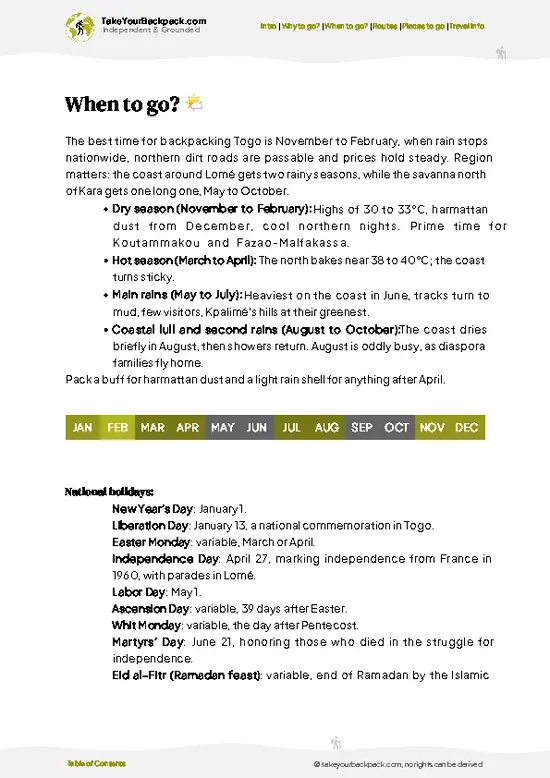
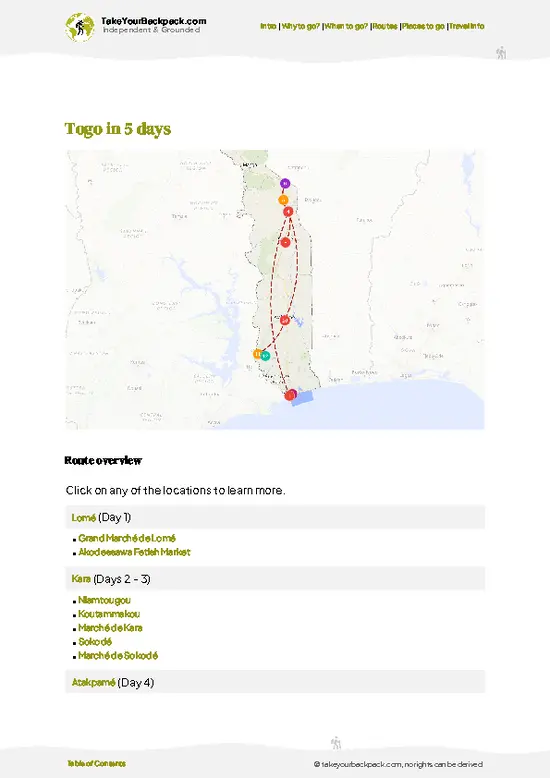
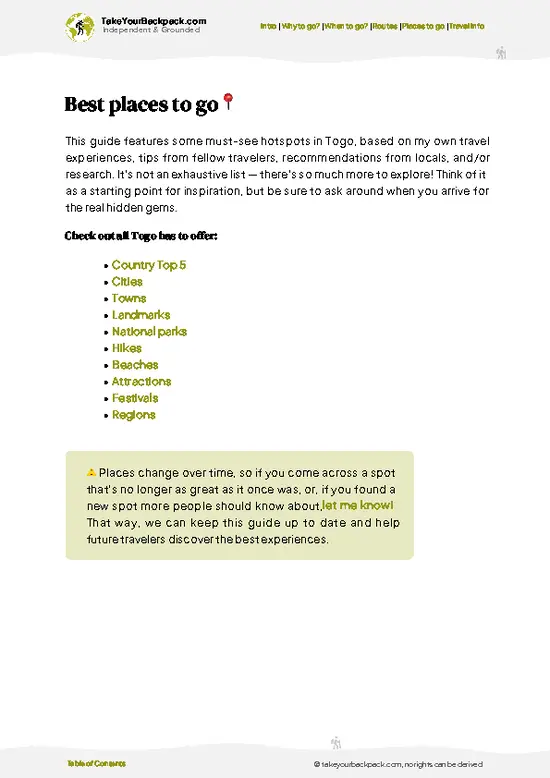
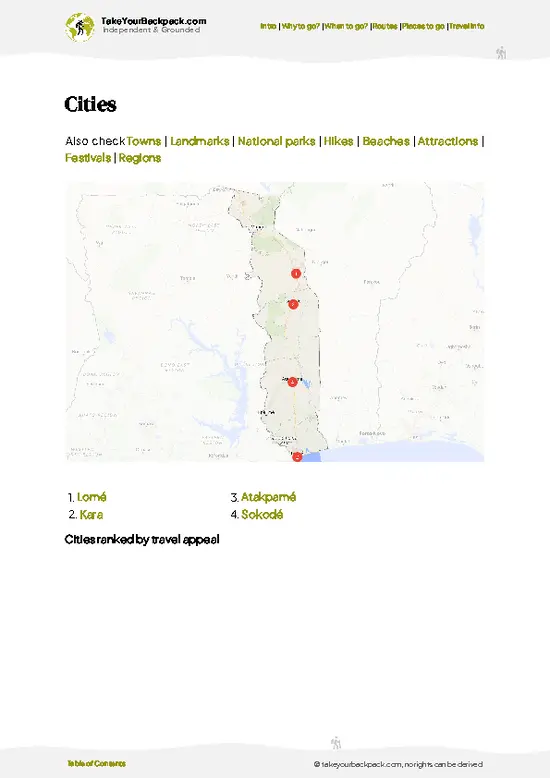
example page 0 from our offline Travel Guide for Togo
example page 1 from our offline Travel Guide for Togo
example page 2 from our offline Travel Guide for Togo
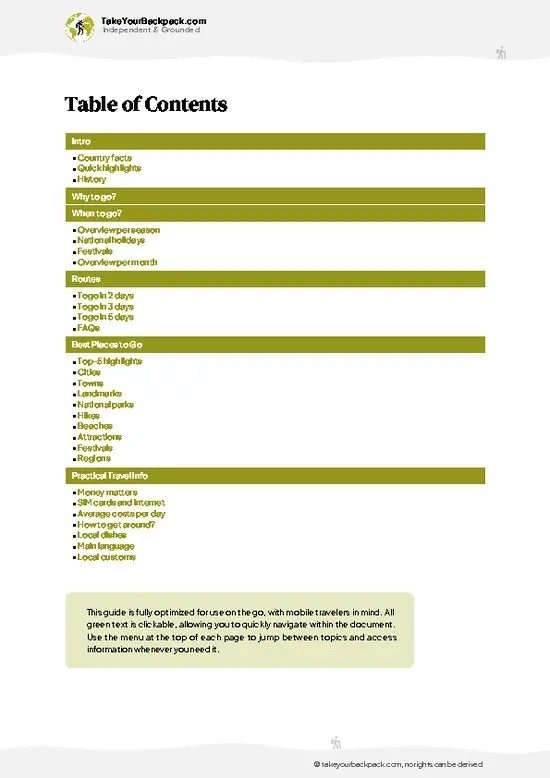
example page 3 from our offline Travel Guide for Togo
example page 4 from our offline Travel Guide for Togo
example page 5 from our offline Travel Guide for Togo
example page 6 from our offline Travel Guide for Togo
example page 7 from our offline Travel Guide for Togo
Loading the map 🌍
CLICK TO FILTER
cities
towns
landmarks
national parks
hikes
beaches
attractions
festivals
regions
SHOW COUNTRY’S BESTSHOW ALL

✨ Why go?
Ranked #99 festival in Togo
What makes it a must-see festival

Backpackers flock to the Dipo Festival in Togo for a reason: it’s a whirlwind of social energy and cultural immersion that transforms your journey. This festival isn’t just an event; it’s a temporary community where you can connect with locals and fellow travelers alike. Picture vibrant ceremonies, traditional music, and the infectious joy of shared experiences.

Planning your route around Dipo means you’re not just passing through; you’re diving deep into the heart of Togolese culture. Plus, it’s affordable compared to similar festivals worldwide, allowing you to stretch your budget for other adventures.

Integrating Dipo into your travel plans adds a layer of richness to your experience. You’ll leave with stories, friendships, and a sense of belonging that transcends mere sightseeing. … read more 👉
Backpackers flock to the Dipo Festival in Togo for a reason: it’s a whirlwind of social energy and cultural immersion that transforms your journey. This festival isn’t just an event; it’s a temporary community where you can connect with locals and fellow travelers alike. Picture vibrant ceremonies, traditional music, and the infectious joy of shared experiences.

Planning your route around Dipo means you’re not just passing through; you’re diving deep into the heart of Togolese culture. Plus, it’s affordable compared to similar festivals worldwide, allowing you to stretch your budget for other adventures.

Integrating Dipo into your travel plans adds a layer of richness to your experience. You’ll leave with stories, friendships, and a sense of belonging that transcends mere sightseeing. So, gear up and embrace the challenge; the festival is a launchpad for unforgettable moments that will fuel your wanderlust long after you’ve left Togo.

💡 HighlightsEssential experiences to have while celebrating the Dipo

  • Coming-of-Age Procession and Public Presentation — The heart of Dipo: young women are formally presented to the community in a ceremony that marks their transition into adulthood. It’s powerful because you’re watching a real-life rite of passage — part solemn, part celebratory — with family, elders and the whole town involved.
  • Traditional Drumming and Dance — Complex polyrhythms, call-and-response singing and choreography dominate the festival. The energy is contagious: drummers, dancers and masquerades create an immersive soundscape and movement tradition you won’t find in a staged tourist show.
  • Beads, Costume and Visual Pageantry — Expect bright beads, braided hair, patterned cloth and symbolic body decoration. The visual language here is rich and meaningful — artisans and families display
… read more 👉
  • Coming-of-Age Procession and Public Presentation — The heart of Dipo: young women are formally presented to the community in a ceremony that marks their transition into adulthood. It’s powerful because you’re watching a real-life rite of passage — part solemn, part celebratory — with family, elders and the whole town involved.
  • Traditional Drumming and Dance — Complex polyrhythms, call-and-response singing and choreography dominate the festival. The energy is contagious: drummers, dancers and masquerades create an immersive soundscape and movement tradition you won’t find in a staged tourist show.
  • Beads, Costume and Visual Pageantry — Expect bright beads, braided hair, patterned cloth and symbolic body decoration. The visual language here is rich and meaningful — artisans and families display heirloom beadwork and styles tied to identity, status and the ritual itself.
  • Ritual Cleansing and Elder-Led Ceremonies — Central spiritual moments involve purification rites led by elders or priestesses (sometimes at a river or sacred spot). Those scenes reveal the festival’s spiritual backbone — it’s about community continuity and ancestral ties, not just spectacle — so observe with respect and follow local guidance.
  • Food, Market Life and Local Hospitality — Dipo brings out street vendors, communal feasting and pop-up markets selling food and crafts. It’s the best place to try regional dishes, buy handmade beads, and have slow conversations with locals who’ll happily explain what the ceremonies mean to them.
Spotted a mistake or missing something? Contact us.

🌤️ When to go?When is the celebration of Dipo Festival?

  • Topic: Weather - The Dipo Festival thrives in the dry season, from November to March, when rain is scarce and humidity drops. Expect temperatures around 25-30°C (77-86°F), perfect for long days outdoors without the swampy heat.
  • Topic: Daylight Hours - Daylight stretches roughly 11 to 12 hours, giving you ample time to soak in ceremonies and village life without rushing.
  • Topic: Crowds - Peak festival days draw local crowds but not overwhelming tourist throngs, so you get authentic immersion without the elbow jostle.
  • Topic: Seasonal Activities - This period aligns with post-harvest celebrations, so you’ll catch vibrant rituals tied to fertility and community, not just a show for visitors.
  • Topic: Price Fluctuations - Accommodation and transport costs spike slightly during festival weeks
… read more 👉
  • Topic: Weather - The Dipo Festival thrives in the dry season, from November to March, when rain is scarce and humidity drops. Expect temperatures around 25-30°C (77-86°F), perfect for long days outdoors without the swampy heat.
  • Topic: Daylight Hours - Daylight stretches roughly 11 to 12 hours, giving you ample time to soak in ceremonies and village life without rushing.
  • Topic: Crowds - Peak festival days draw local crowds but not overwhelming tourist throngs, so you get authentic immersion without the elbow jostle.
  • Topic: Seasonal Activities - This period aligns with post-harvest celebrations, so you’ll catch vibrant rituals tied to fertility and community, not just a show for visitors.
  • Topic: Price Fluctuations - Accommodation and transport costs spike slightly during festival weeks but remain reasonable if booked early; avoid last-minute hikes by planning ahead.
Pro-tip: Lock in your trip during the dry season’s start to dodge rain, enjoy cooler temps, and catch the festival’s full energy without breaking your budget.


source: climatestotravel.comJANJanuary: excellent for travelingFEBFebruary: not recommended for travelingMARMarch: not recommended for travelingAPRApril: not recommended for travelingMAYMay: not recommended for travelingJUNJune: not recommended for travelingJULJuly: not recommended for travelingAUGAugust: not recommended for travelingSEPSeptember: not recommended for travelingOCTOctober: not recommended for travelingNOVNovember: not recommended for travelingDECDecember: not recommended for traveling

✈️ The backpacker research shortcutTogo Travel Guide

An offline-friendly backpacking guide with optimized travel routes, ranked highlights, transport advice, and the best areas to stay.
example page 0 from our offline Travel Guide for Togo
example page 1 from our offline Travel Guide for Togo
example page 2 from our offline Travel Guide for Togo
example page 3 from our offline Travel Guide for Togo
example page 4 from our offline Travel Guide for Togo
example page 5 from our offline Travel Guide for Togo
example page 6 from our offline Travel Guide for Togo
example page 7 from our offline Travel Guide for Togo
The digital guide (194 pages) contains:
✅ 42 highlights, ranked by travel appeal
✅ Optimized 2, 3 & 5-day travel routes
✅ Cities, national parks, landmarks, beaches
✅ How to get around
✅ Offline-friendly for travel without Wi-Fi
👉 Click to see all 30+ guide features

📅 Plan smarter in minutes, not weeks
✅ Month by month travel advice
✅ Festivals & national holidays
✅ Budget expectations

🗺️ Go to the right places, skip the overrated ones
✅ Honest pros & cons of destinations
✅ Top hikes, parks & viewpoints
✅ Lesser-known places most travelers miss
✅ Clear “worth it vs skip it” guidance

🛏️ Travel smoothly without rookie mistakes
✅ Best areas to stay
✅ Transport systems explained simply
✅ Common scams & safety advice
✅ SIM cards, money & practical tips

🌍 Understand the country, not just visit it
✅ Culture & traditions
✅ 52 Essential phrases & customs
✅ Festivals worth planning around
✅ Traveler-friendly historical context
✅ Insights that make places more meaningful

📱 Built for real travel conditions
✅ Fully downloadable PDF
✅ Works completely offline
✅ Optimized for phone use
✅ Useful in remote areas & buses
✅ Everything in one place
Stop searching, start planning
Get instant access to your full guide. 30‑day money-back guarantee.
+ Add another guide for just

By proceeding you agree to our terms.
Sent to your inbox immediately after payment • 100% Secure Checkout
Best Backpacking Travel Advisor 2025 tourism awardBest Backpacking
Travel Advisor
2025
What others say about Take Your Backpack Guides:
⭐⭐⭐⭐⭐
Fantastic, amazing amount of information!
⭐⭐⭐⭐⭐
My goodness this is amazing, it's what I've been looking for hats off too you!
⭐⭐⭐⭐⭐
I think this is absolutely BRILLIANT
⭐⭐⭐⭐
Very complete and informative. It's still missing places, but I gotta to commend you
⭐⭐⭐⭐⭐
This is truly amazing, thank you, can't wait to explore it with my kids!
⭐⭐⭐⭐⭐
Awesome resource, thank you!
⭐⭐⭐⭐⭐
This is amazing! Can't wait to explore the ones I haven't seen
⭐⭐⭐⭐
I love this! Well done, great idea.
⭐⭐⭐⭐⭐
Thanks for taking the time to make this gem!
⭐⭐⭐⭐⭐
This might be the best website I've ever seen.
⭐⭐⭐⭐⭐
Congratulations, and thank you so much for your work; it's incredibly valuable.
⭐⭐⭐⭐
In all seriousness I think you did a great job pointing out the important spots
⭐⭐⭐⭐⭐
10/10 very good
⭐⭐⭐⭐⭐
As someone who's only just starting to visit regularly this is awesome, thank you.
⭐⭐⭐⭐
Thank you very much! I'm going to visit my dad, it's going to be very useful!
⭐⭐⭐⭐⭐
This is really cool! We'll be travelling for the first time and this definitely come in handy.
⭐⭐⭐⭐⭐
You are now our minister of culture, congratulations 👨‍💼
⭐⭐⭐⭐⭐
Just wanted to tell you that this is a pearl! Going to follow your recommendations.
⭐⭐⭐⭐⭐
This is so cool. I'll definitely be using the resource for my travels soon.
⭐⭐⭐⭐⭐
This is very impressive! Good work.
⭐⭐⭐⭐⭐
This is an amazing and informative site. Very well done!

🛏️ Where to stay?How to pick the right area

When you’re gearing up for the Dipo Festival in Togo, the right base can make all the difference. Head to the bustling town of Kpalimé. It’s a hub for backpackers, brimming with energy and a sense of community. You’ll find budget-friendly guesthouses and shared spaces where you can swap stories with fellow travelers. The vibe is welcoming, and the locals are eager to share their culture.

Another solid choice is the area around Atakpamé. It’s a bit quieter but offers a genuine slice of Togolese life. You can mingle with locals, savor street food, and soak in the atmosphere without the touristy … read more 👉
When you’re gearing up for the Dipo Festival in Togo, the right base can make all the difference. Head to the bustling town of Kpalimé. It’s a hub for backpackers, brimming with energy and a sense of community. You’ll find budget-friendly guesthouses and shared spaces where you can swap stories with fellow travelers. The vibe is welcoming, and the locals are eager to share their culture.

Another solid choice is the area around Atakpamé. It’s a bit quieter but offers a genuine slice of Togolese life. You can mingle with locals, savor street food, and soak in the atmosphere without the touristy frills. Plus, it’s just a short ride to the festival, keeping your travel time minimal.

Don’t overlook the importance of safety. Stick to well-lit areas and travel in groups when possible. This way, you preserve your energy for the festival’s vibrant celebrations. Choose wisely, and you’ll find that the journey is as rewarding as the destination itself.

👛 Costs (as of 15 October 2026)Typical daily expenses

The Dipo Festival in Togo is a vibrant celebration, but navigating the costs can be tricky. Here’s how to budget effectively so you can focus on the experience rather than the expenses.
  • Festival Tickets: Expect to pay around €5 to €15 for entry. Prices can vary based on seating and access to special events. Grab your tickets early to avoid last-minute price hikes.
  • Accommodation: Budget options start at €10 per night for hostels or guesthouses. Mid-range hotels can run between €30 to €60. Book ahead, especially during the festival, to secure a spot without breaking the bank.
  • Local Transport: Public transport is your friend. A shared taxi or bus ride within the city will cost about €1 to €3. If you’re venturing further, budget around €10 to €20 for longer trips. Always negotiate fares upfront to
… read more 👉
The Dipo Festival in Togo is a vibrant celebration, but navigating the costs can be tricky. Here’s how to budget effectively so you can focus on the experience rather than the expenses.
  • Festival Tickets: Expect to pay around €5 to €15 for entry. Prices can vary based on seating and access to special events. Grab your tickets early to avoid last-minute price hikes.
  • Accommodation: Budget options start at €10 per night for hostels or guesthouses. Mid-range hotels can run between €30 to €60. Book ahead, especially during the festival, to secure a spot without breaking the bank.
  • Local Transport: Public transport is your friend. A shared taxi or bus ride within the city will cost about €1 to €3. If you’re venturing further, budget around €10 to €20 for longer trips. Always negotiate fares upfront to avoid surprises.
  • Food & Drinks: Street food is a must-try and usually costs between €1 to €5 per meal. If you opt for sit-down restaurants, expect to pay around €5 to €15. Stay hydrated with local drinks, which are typically under €2.
  • Miscellaneous Expenses: Set aside €10 to €30 for souvenirs, tips, or unexpected costs. It’s smart to have a little extra for spontaneous experiences that might catch your eye.

Keep these figures in mind as you plan. This way, you’ll preserve your energy and budget for the moments that truly matter.
⚠️ Prices can change and everyone travels differently, so take this as a rough guide. Hope it helps you plan your adventure!

🍲 FoodLocal Flavors for Backpackers

At the Dipo Festival in Togo, food and drink are as vibrant as the celebrations themselves. You’ll find local specialties like fufu—a starchy delight made from cassava or yam—served with rich, spicy sauces. Don’t miss out on akpan, a fermented corn dish that’s a staple here. Street stalls buzz with energy, offering grilled meats and plantains that sizzle on open flames, filling the air with mouthwatering aromas.

For drinks, try the palm wine, a sweet, slightly tangy beverage that’s often served fresh. It’s a communal experience; sharing a calabash with new friends is part of the fun. Just be prepared for the cash-only vibe—ATMs can be scarce, and many vendors don’t accept cards.

Festival etiquette is key. Lines can get long, so be patient and ready to engage with locals. Serving sizes can … read more 👉
At the Dipo Festival in Togo, food and drink are as vibrant as the celebrations themselves. You’ll find local specialties like fufu—a starchy delight made from cassava or yam—served with rich, spicy sauces. Don’t miss out on akpan, a fermented corn dish that’s a staple here. Street stalls buzz with energy, offering grilled meats and plantains that sizzle on open flames, filling the air with mouthwatering aromas.

For drinks, try the palm wine, a sweet, slightly tangy beverage that’s often served fresh. It’s a communal experience; sharing a calabash with new friends is part of the fun. Just be prepared for the cash-only vibe—ATMs can be scarce, and many vendors don’t accept cards.

Festival etiquette is key. Lines can get long, so be patient and ready to engage with locals. Serving sizes can vary, so don’t hesitate to ask for recommendations. Embrace the chaos, savor the flavors, and let the festival’s spirit guide your taste buds. This is where authenticity meets celebration, and every bite tells a story.

FAQTraveler FAQ

Dipo Festival takes place annually in August, typically lasting about 3 days. It is celebrated by the Krobo people in southeastern Togo.
Attending the Dipo Festival is generally free of charge for spectators. However, some local events or ceremonies during the festival might request a small donation or fee, usually under 5 USD.
No, you do not need tickets in advance to attend the Dipo Festival. It is an open cultural event where visitors can join the celebrations freely.
⚠️ Things can change over time, so always validate details locally before you go.

Other Togolese festivals near Dipo

Explore more nearby:

  • Evala—Kabye wrestling, oiled fighters, Kara hill villages, July bouts
  • Fête de l’Indépendance—27 April parade, Lomé seafront, independence monument, grilled-fish curbside
  • Agbogbozan—Notsé wall ruins, backward-walking exodus, chiefs under umbrellas, Ewe drumming

💡 Not sure where to go next?
Create a personalized itinerary for Togo including Dipo and the places that fit your trip.

Generate my itinerary

👉 Discover all festivals

Or checkout all Togo has to offer (think cities, towns, villages, national parks, hikes, beaches, festivals)
Country photo of Togo

We 💚 feedbackParting advice and final tips

The Dipo Festival is electric—an explosion of color, rhythm, and culture that pulls you in. The best surprise? The sheer warmth of the locals; they’ll invite you to dance like you’ve known them forever. But here’s the catch: be ready for the crowds. It can get intense, so pace yourself. Don’t miss the chance to savor the local dishes; they’re a feast for the senses. Trust me, this experience will stick with you long after the drums fade.

✍️ Help improve this page!
The information on this page is based on in-depth research, insights shared by experienced travelers, and feedback from the local travel community in Togo. While every effort is made to keep the information accurate and current, conditions can change — so if you spot anything incorrect or outdated, please get in touch.


🙋‍♂️ Give feedback

👋 Meet the founderWho’s Behind Take Your Backpack?

Johan, backpacker and founder of TakeYourBackpackHi, I’m Johan (Netherlands 🇳🇱), the creator of TakeYourBackpack. Over the past 3 decades, I’ve backpacked through 90+ countries across six continents, gaining extensive experience with independent travel, long-term trips, and overland routes.

This site is built on a combination of firsthand travel experience and carefully curated insights from other backpackers. Many guides are based on places I’ve personally visited, while others bring together tips, observations, and practical advice shared by trusted travelers I’ve met along the way.

The goal is to provide realistic, experience-driven guidance — not generic itineraries — so you can explore destinations with better context, clearer expectations, and more confidence.