×

Togo🇹🇬 | citiesKaraurban center, presidential palace, market district | things to do and best time to go

Explore AtakpameExplore Lome

Backpacking in Kara
🏆 Top pickcity ranked #1
By Johan Kruseman 🇳🇱 | Updated June 18, 2026

Kara used to be a crossroads where dust ruled and the only soundtrack was the low hum of passing trucks and the call to prayer drifting over tin roofs. Today, you’ll find a town that’s grown up but hasn’t lost its edge—still a little raw, still honest, but with more color and movement than the guidebooks admit. Kara sits in northern Togo, a day’s journey from Lomé, wedged between the Kabiyé hills and the main north-south highway. For backpackers, it’s not a destination you brag about for its nightlife or architecture—there’s no old town to wander, just a grid of streets pulsing with market life and the scent of grilled brochettes. The real draw is its role as a launchpad: you’re here for the wild, sculpted hills nearby, the traditional villages, and the feeling that you’re on the edge of something less traveled. Buses and bush taxis connect you easily, but the town itself is walkable if you don’t mind the midday heat. Hostels are basic, and evenings are slow—think street food and quiet beers, not backpacker bar crawls. You’ll meet other travelers, but it’s more nods of recognition than instant camaraderie. Costs are low, safety is decent if you keep your wits, and compared to Sokodé or Lomé, Kara feels more practical than pretty, more real than relaxed. It’s not the highlight of Togo, but it’s the kind of place that makes the next adventure possible.

Discover everything you want to know in the 📖 Togo Travel Guide.


Get your Togo guide
55 ranked highlights, routes & tips, works offline (234 pages)
Loading the map 🌍
CLICK TO FILTER
cities
towns
landmarks
national parks
hikes
beaches
attractions
festivals
regions
SHOW COUNTRY’S BESTSHOW ALL

✨ Why go?
Ranked #1 city in Togo
Reasons people choose to visit here

Kara, Togo, is a backpacker’s waypoint that strikes a balance between convenience and authenticity. Nestled in the foothills of the Atakora Mountains, it serves as a launchpad for nearby hikes and cultural experiences. The local food scene is a treat; you can savor steaming bowls of fufu and sauce at street stalls, where the air is thick with spices and laughter.

The town’s walkable streets invite exploration, making it easy to pop into small-scale hostels or guesthouses that offer a cozy, communal vibe. Here, you’ll find a mix of solo travelers and small groups, all sharing stories over a shared meal or a cup of local tea. Most backpackers tend to linger a few days, soaking in the friendly atmosphere and the surrounding nature.

While Kara isn’t a nightlife hub, its charm lies in the slow read more 👉
Kara, Togo, is a backpacker’s waypoint that strikes a balance between convenience and authenticity. Nestled in the foothills of the Atakora Mountains, it serves as a launchpad for nearby hikes and cultural experiences. The local food scene is a treat; you can savor steaming bowls of fufu and sauce at street stalls, where the air is thick with spices and laughter.

The town’s walkable streets invite exploration, making it easy to pop into small-scale hostels or guesthouses that offer a cozy, communal vibe. Here, you’ll find a mix of solo travelers and small groups, all sharing stories over a shared meal or a cup of local tea. Most backpackers tend to linger a few days, soaking in the friendly atmosphere and the surrounding nature.

While Kara isn’t a nightlife hub, its charm lies in the slow pace and the chance to connect with both locals and fellow travelers. If you’re looking for a place to recharge before heading to the coast or deeper into the mountains, Kara is your spot.
Want to include Kara in your Togo route?
Create a personalized Togo itinerary that includes Kara and the places that fit your trip — based on your travel style, budget, and available time. Get your route in seconds.

Generate my trip

💡 HighlightsKey sights and experiences for travelers

  • Grand Marché de Kara — The city’s buzzing central market where you’ll find fresh produce, local spices, Kabiye textiles, handcrafted jewelry and a real sense of daily life; great for people-watching and affordable street food.
  • Université de Kara (campus) — A lively campus that anchors cultural and intellectual life in the city; attend public lectures, wander the grounds, and catch student art and music events that showcase local talent.
  • Kara River banks — The river that gives the city its name cuts through Kara; walking the banks reveals riverside markets, fishermen at work and informal gathering spots where locals socialize at dusk.
  • Evala wrestling demonstrations — Traditional Kabiye wrestling is a living cultural highlight around Kara; when events are running you get raw, ceremonial
read more 👉
  • Grand Marché de Kara — The city’s buzzing central market where you’ll find fresh produce, local spices, Kabiye textiles, handcrafted jewelry and a real sense of daily life; great for people-watching and affordable street food.
  • Université de Kara (campus) — A lively campus that anchors cultural and intellectual life in the city; attend public lectures, wander the grounds, and catch student art and music events that showcase local talent.
  • Kara River banks — The river that gives the city its name cuts through Kara; walking the banks reveals riverside markets, fishermen at work and informal gathering spots where locals socialize at dusk.
  • Evala wrestling demonstrations — Traditional Kabiye wrestling is a living cultural highlight around Kara; when events are running you get raw, ceremonial athletics, music and initiation ritual context that can’t be replicated in a museum.
A few real, visitable highlights just outside Kara worth day trips: the historic iron-smelter town of Bassar (traditional metallurgy and the Bassar museum), the UNESCO Koutammakou region of the Batammariba (unique mud tower-houses and villages), and Fazao-Malfakassa National Park for accessible hiking and wildlife.
Spotted a mistake or missing something? Contact us.

🏘️ NeighborhoodsHow different areas shape the experience

Kara, Togo, is a vibrant hub where the pulse of local life meets the spirit of adventure. Each neighborhood offers a unique flavor, making it essential to choose wisely for your stay.

Centre Ville: This is the heart of Kara, bustling with markets and street vendors. The vibe is energetic, perfect for those who thrive on activity. Costs are moderate, and you can easily walk to shops and eateries. Nightlife is lively but not overwhelming, making it suitable for both short and longer stays.

Hôpital: Close to the main hospital, this area is quieter and more residential. It’s a good choice if you prefer a peaceful atmosphere. Costs are lower here, and while it’s a bit less walkable, you can catch local transport easily. Ideal for longer stays, especially if you want to immerse yourself in daily … read more 👉
Kara, Togo, is a vibrant hub where the pulse of local life meets the spirit of adventure. Each neighborhood offers a unique flavor, making it essential to choose wisely for your stay.

Centre Ville: This is the heart of Kara, bustling with markets and street vendors. The vibe is energetic, perfect for those who thrive on activity. Costs are moderate, and you can easily walk to shops and eateries. Nightlife is lively but not overwhelming, making it suitable for both short and longer stays.

Hôpital: Close to the main hospital, this area is quieter and more residential. It’s a good choice if you prefer a peaceful atmosphere. Costs are lower here, and while it’s a bit less walkable, you can catch local transport easily. Ideal for longer stays, especially if you want to immerse yourself in daily life.

Kara Plateau: Elevated and scenic, this neighborhood offers stunning views and a more relaxed pace. It’s slightly pricier but worth it for the tranquility. Walkability is decent, and you’ll find a few cozy cafes. Perfect for those seeking a longer retreat with a touch of nature.

Gare Routière: This area is the transport hub, making it convenient for day trips. The vibe is utilitarian, with a mix of travelers and locals. Costs are budget-friendly, but the atmosphere can be hectic. Best for short stays, especially if you plan to explore beyond Kara.

⌛️ 1 dayHow to make the most of one day

Kara, Togo, is a vibrant tapestry of culture and nature, nestled at the foot of the stunning Mount Agou. The air is rich with the scent of spices and the sounds of bustling markets, making it a perfect spot for a day of exploration.

Start your morning with a visit to the local market in the heart of the city. The sun filters through the colorful awnings, casting playful shadows on the ground. Vendors call out, their voices mingling with the laughter of children. Grab a fresh baguette and some local fruit—mangoes here are a revelation. As you wander, take in the vibrant textiles and handmade crafts. This isn’t just shopping; it’s a sensory experience that connects you to the community.

In the afternoon, head to the nearby Koutammakou, a UNESCO World Heritage site. This traditional village … read more 👉
Kara, Togo, is a vibrant tapestry of culture and nature, nestled at the foot of the stunning Mount Agou. The air is rich with the scent of spices and the sounds of bustling markets, making it a perfect spot for a day of exploration.

Start your morning with a visit to the local market in the heart of the city. The sun filters through the colorful awnings, casting playful shadows on the ground. Vendors call out, their voices mingling with the laughter of children. Grab a fresh baguette and some local fruit—mangoes here are a revelation. As you wander, take in the vibrant textiles and handmade crafts. This isn’t just shopping; it’s a sensory experience that connects you to the community.

In the afternoon, head to the nearby Koutammakou, a UNESCO World Heritage site. This traditional village is a short drive from Kara and offers a glimpse into the life of the Batammariba people. The unique architecture of their mud-brick homes, with their towering granaries, is striking. Engage with the locals; they’re often eager to share stories about their heritage. This isn’t a typical tourist stop, but it’s a chance to see the heart of Togo.

As the sun begins to set, return to Kara and find a spot at a local eatery. The aroma of grilled fish fills the air, mingling with the sound of laughter and music. Order a plate of fufu and a spicy sauce, and savor the flavors as the day winds down.

Kara is not just a place to visit; it’s a chance to immerse yourself in the rhythm of life. Each moment, from the market buzz to the quiet of Koutammakou, is a thread in the rich fabric of this town. Embrace it all, and you’ll leave with more than just memories; you’ll carry a piece of Kara with you.
Turn your Kara visit into an Togo adventure
Build a complete Togo route with Kara, hidden gems, must-see destinations, and realistic travel times included.

Generate my trip

🌤️ When to go?Choosing the right time of year


  • Topic: Weather – Kara’s climate swings between a wet season from April to October and a dry season from November to March. The dry months bring clear skies and less humidity, making trekking and exploring more comfortable. The wet season, while lush and green, can turn trails muddy and rivers swollen, which might slow you down.

  • Topic: Temperature – Expect daytime highs around 30-35°C (86-95°F) during the dry season, with cooler nights dropping to 20-22°C (68-72°F). The wet season feels hotter and stickier, often pushing daytime temps above 35°C (95°F), which can sap your energy fast if you’re hiking.

  • Topic: Daylight Hours – Near the equator, Kara enjoys roughly 12 hours of daylight year-round. Sunrise is around 6:00 AM and sunset near 6:00 PM, giving you a reliable window for daily
read more 👉

  • Topic: Weather – Kara’s climate swings between a wet season from April to October and a dry season from November to March. The dry months bring clear skies and less humidity, making trekking and exploring more comfortable. The wet season, while lush and green, can turn trails muddy and rivers swollen, which might slow you down.

  • Topic: Temperature – Expect daytime highs around 30-35°C (86-95°F) during the dry season, with cooler nights dropping to 20-22°C (68-72°F). The wet season feels hotter and stickier, often pushing daytime temps above 35°C (95°F), which can sap your energy fast if you’re hiking.

  • Topic: Daylight Hours – Near the equator, Kara enjoys roughly 12 hours of daylight year-round. Sunrise is around 6:00 AM and sunset near 6:00 PM, giving you a reliable window for daily adventures without drastic seasonal shifts.

  • Topic: Crowds – Kara isn’t a tourist hotspot, so crowds are minimal year-round. However, local festivals in December and January can bring a lively buzz, offering a chance to dive into authentic cultural experiences without the usual backpacker swarm.

  • Topic: Seasonal Activities – The dry season is prime for hiking and village visits, while the wet season showcases vibrant greenery and active wildlife, ideal for nature lovers willing to brave the mud. Festivals and markets often peak in the cooler months, adding color and rhythm to your stay.

  • Topic: Price Fluctuations – Accommodation and transport costs dip slightly during the wet season due to fewer visitors, but the trade-off is dealing with rain and tougher travel conditions. The dry season commands a modest premium but rewards you with ease and comfort.


Pro-tip: Aim for late November to February—dry, cooler, and festival-rich—so you get the best mix of weather, culture, and smooth trails without the hassle of crowds or mud.


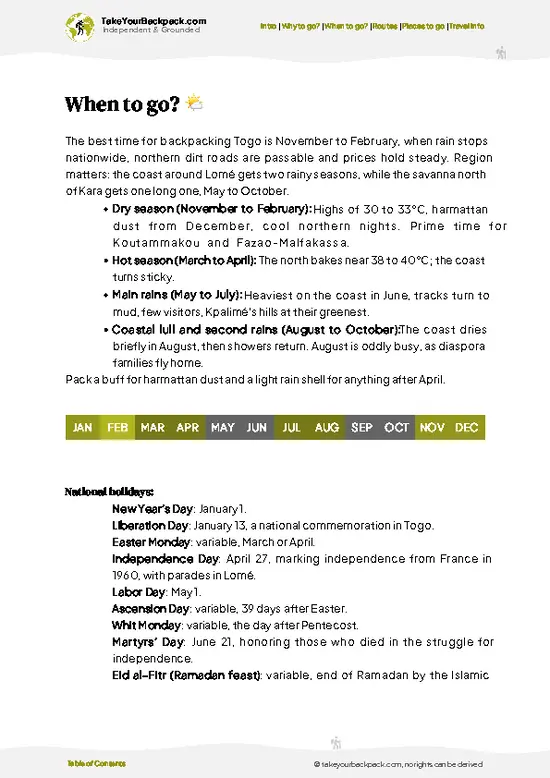
source: climatestotravel.comJANJanuary: excellent for travelingFEBFebruary: excellent for travelingMARMarch: highly recommended for travelingAPRApril: fair for travelingMAYMay: fair for travelingJUNJune: fair for travelingJULJuly: fair for travelingAUGAugust: fair for travelingSEPSeptember: fair for travelingOCTOctober: fair for travelingNOVNovember: highly recommended for travelingDECDecember: excellent for traveling
when-to-go

✈️ The backpacker research shortcutTogo Travel Guide

An offline-friendly backpacking guide with optimized travel routes, ranked highlights, transport advice, and the best areas to stay.
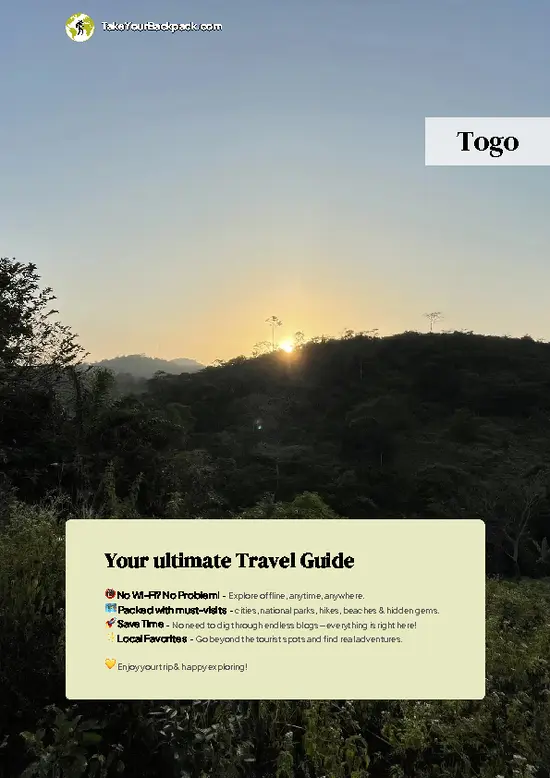
example page 0 from our offline Travel Guide for Togo
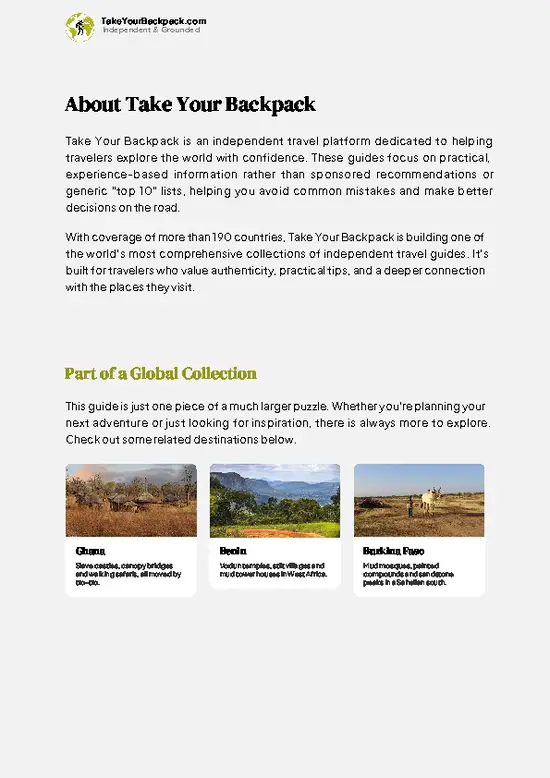
example page 1 from our offline Travel Guide for Togo
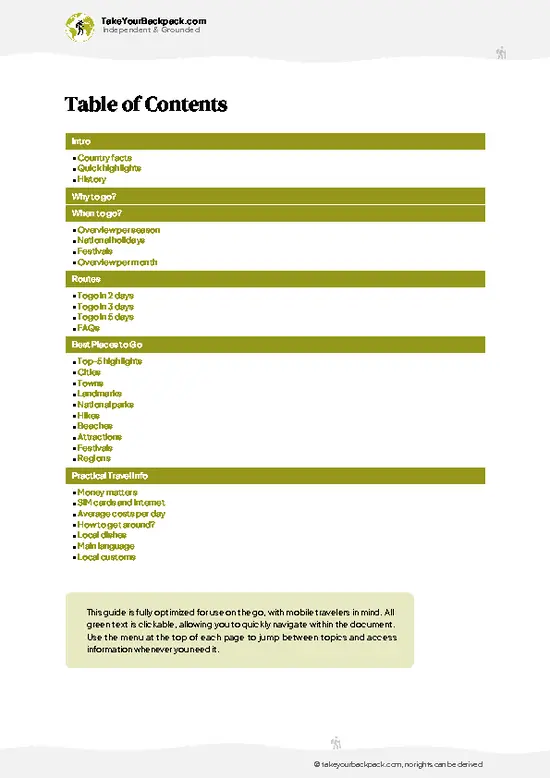
example page 2 from our offline Travel Guide for Togo
example page 3 from our offline Travel Guide for Togo
example page 4 from our offline Travel Guide for Togo
example page 5 from our offline Travel Guide for Togo
example page 6 from our offline Travel Guide for Togo
example page 7 from our offline Travel Guide for Togo
The digital guide (234 pages) contains:
55 highlights, ranked by travel appeal
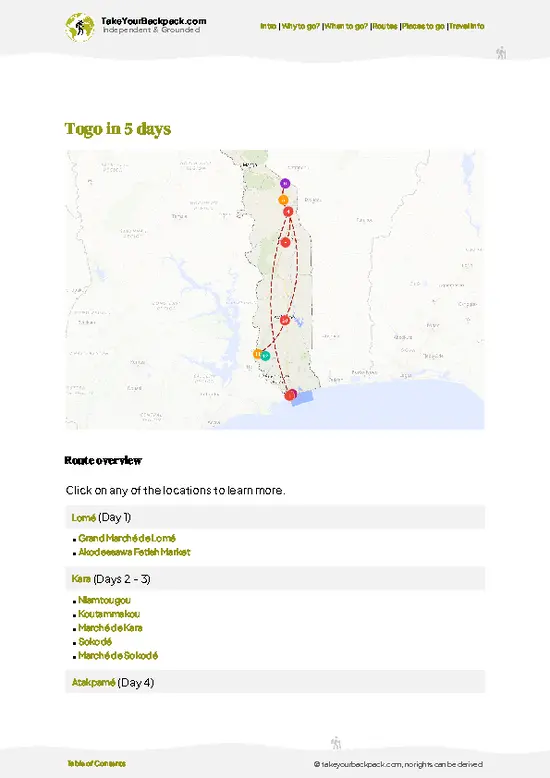
Optimized 2, 3 & 5-day travel routes
Cities, national parks, landmarks, beaches
How to get around
Offline-friendly for travel without Wi-Fi
👉 Click to see all 30+ guide features

📅 Plan smarter in minutes, not weeks
Month by month travel advice
Festivals & national holidays
Budget expectations

🗺️ Go to the right places, skip the overrated ones
Honest pros & cons of destinations
Top hikes, parks & viewpoints
Lesser-known places most travelers miss
Clear “worth it vs skip it” guidance

🛏️ Travel smoothly without rookie mistakes
Best areas to stay
Transport systems explained simply
Common scams & safety advice
SIM cards, money & practical tips

🌍 Understand the country, not just visit it
Culture & traditions
52 Essential phrases & customs
Festivals worth planning around
Traveler-friendly historical context
Insights that make places more meaningful

📱 Built for real travel conditions
Fully downloadable PDF
Works completely offline
Optimized for phone use
Useful in remote areas & buses
Everything in one place
Save weeks of stressful planning
Get instant access to your full guide. 30‑day money-back guarantee.


By proceeding you agree to our terms.
Sent to your inbox immediately after payment • 100% Secure Checkout
Best Backpacking Travel Advisor 2025 tourism awardBest Backpacking
Travel Advisor
2025
What others say about Take Your Backpack Guides:
⭐⭐⭐⭐⭐
Fantastic, amazing amount of information!
⭐⭐⭐⭐⭐
My goodness this is amazing, it's what I've been looking for hats off too you!
⭐⭐⭐⭐⭐
I think this is absolutely BRILLIANT
⭐⭐⭐⭐
Very complete and informative. It's still missing places, but I gotta to commend you
⭐⭐⭐⭐⭐
This is truly amazing, thank you, can't wait to explore it with my kids!
⭐⭐⭐⭐⭐
Awesome resource, thank you!
⭐⭐⭐⭐⭐
This is amazing! Can't wait to explore the ones I haven't seen
⭐⭐⭐⭐
I love this! Well done, great idea.
⭐⭐⭐⭐⭐
Thanks for taking the time to make this gem!
⭐⭐⭐⭐⭐
This might be the best website I've ever seen.
⭐⭐⭐⭐⭐
Congratulations, and thank you so much for your work; it's incredibly valuable.
⭐⭐⭐⭐
In all seriousness I think you did a great job pointing out the important spots
⭐⭐⭐⭐⭐
10/10 very good
⭐⭐⭐⭐⭐
As someone who's only just starting to visit regularly this is awesome, thank you.
⭐⭐⭐⭐
Thank you very much! I'm going to visit my dad, it's going to be very useful!
⭐⭐⭐⭐⭐
This is really cool! We'll be travelling for the first time and this definitely come in handy.
⭐⭐⭐⭐⭐
You are now our minister of culture, congratulations 👨‍💼
⭐⭐⭐⭐⭐
Just wanted to tell you that this is a pearl! Going to follow your recommendations.
⭐⭐⭐⭐⭐
This is so cool. I'll definitely be using the resource for my travels soon.
⭐⭐⭐⭐⭐
This is very impressive! Good work.
⭐⭐⭐⭐⭐
This is an amazing and informative site. Very well done!

🛏️ Where to stay?Best areas and accommodation options

Kara’s heart for backpackers pulses strongest in the central district around the main market and the nearby university area. This zone hums with life from dawn to dusk—vendors shouting over the scent of grilled meat and fresh spices, students weaving through the streets with backpacks slung low. It’s not just about convenience here; it’s about plugging into the city’s rhythm. You’ll find a handful of hostels and guesthouses that cater to budget travelers, offering a chance to swap stories with fellow wanderers over shared meals or evening drinks. The vibe is relaxed but lively, a perfect balance … read more 👉
Kara’s heart for backpackers pulses strongest in the central district around the main market and the nearby university area. This zone hums with life from dawn to dusk—vendors shouting over the scent of grilled meat and fresh spices, students weaving through the streets with backpacks slung low. It’s not just about convenience here; it’s about plugging into the city’s rhythm. You’ll find a handful of hostels and guesthouses that cater to budget travelers, offering a chance to swap stories with fellow wanderers over shared meals or evening drinks. The vibe is relaxed but lively, a perfect balance for solo travelers craving connection without the chaos of a big city.

Compared to the quieter residential neighborhoods on the outskirts, this central area keeps you close to the pulse—markets, street food stalls, and local hangouts are all within walking distance. Safety-wise, it’s generally solid during daylight and early evening, but like anywhere, a bit of street smarts goes a long way after dark. The streets here are lit enough to feel secure, and the presence of other travelers adds a layer of comfort.

If you stray too far into the industrial or purely residential zones, you’ll lose that social buzz and easy access to essentials. Staying central means you’re not just passing through Kara—you’re stepping into its daily story, with all the sensory details that make travel worth it: the heat of the sun on your skin, the chatter in unfamiliar tongues, the smell of earth and cooking fires blending into the evening air.

🚌 Getting aroundMoving around without the hassle

Kara moves at its own rhythm—neither frantic nor strictly regimented. The town’s pulse is a blend of purposeful bustle and relaxed pauses, where the scent of grilled street food mingles with the dusty air of unpaved streets. Here, time isn’t a rigid master but a flexible companion. You’ll find locals weaving through the day with a mix of intuition and routine, where a bus might leave a few minutes late but rarely by hours, and a shared taxi waits until it’s full before rolling out. This flow rewards patience and a willingness to read the subtle cues of the town’s tempo, turning transit from a chore into a chance to soak in the local vibe.


  • Walking: Kara’s compact center is best explored on foot. The streets are uneven but manageable, and walking lets you catch the smells of fresh bread
read more 👉
Kara moves at its own rhythm—neither frantic nor strictly regimented. The town’s pulse is a blend of purposeful bustle and relaxed pauses, where the scent of grilled street food mingles with the dusty air of unpaved streets. Here, time isn’t a rigid master but a flexible companion. You’ll find locals weaving through the day with a mix of intuition and routine, where a bus might leave a few minutes late but rarely by hours, and a shared taxi waits until it’s full before rolling out. This flow rewards patience and a willingness to read the subtle cues of the town’s tempo, turning transit from a chore into a chance to soak in the local vibe.


  • Walking: Kara’s compact center is best explored on foot. The streets are uneven but manageable, and walking lets you catch the smells of fresh bread from corner bakeries and the chatter spilling from open-air markets. It’s free, flexible, and the best way to absorb the town’s texture.


  • Shared Taxis (Taxi-Brousse): These minibuses are the backbone of Kara’s regional transit. They leave only when full, which means you might wait 15 to 45 minutes, but the fare is dirt cheap—usually under $2 for short hops. Expect a bumpy ride on packed seats, but it’s the fastest way to reach nearby villages or the busier parts of town.


  • Local Buses: Operating roughly from 6 a.m. to 6 p.m., these buses follow set routes but don’t always stick to a strict timetable. Tickets cost less than a dollar, and the buses are basic but reliable. They’re slower than shared taxis but more comfortable and predictable if you want to avoid the scramble for seats.


  • Motorcycle Taxis (Zémidjans): For short distances or when you’re pressed for time, these are the go-to. They dart through traffic with ease, and fares start around $0.50. Negotiate upfront—drivers expect it—and hold on tight, especially on the uneven roads. They’re quick but less safe, so use them sparingly and only when the weather is dry.


  • Bicycle Rentals: If you want to blend speed with freedom, renting a bike is a smart move. Rentals cost about $3 to $5 per day. The terrain is mostly flat but watch for potholes and loose gravel. Cycling lets you cover more ground than walking while staying close to the street-level experience.

👛 Costs (as of 5 June 2026)Typical daily expenses

Backpacking in Kara, Togo, offers a raw, grounded experience where every cost reflects the local pace and lifestyle, not tourist gloss.
  • Dorm Accommodation: Expect to pay around €5 to €10 per night for a basic dorm bed. These places are simple—think mosquito nets, a fan if you’re lucky, and a shared bathroom. It’s not luxury, but it’s clean enough to recharge after a day in the sun.
  • Meals: Street food and local eateries dominate here. A filling meal of grilled meat, rice, or fufu with sauce will set you back about €1 to €3. If you opt for something a bit more substantial or a small restaurant, budget closer to €4 to €6. Fresh fruit and snacks are cheap and everywhere.
  • Local Transport: Getting around Kara is mostly by shared taxis or moto-taxis. A short ride costs roughly €0.30 to €0.50.
read more 👉
Backpacking in Kara, Togo, offers a raw, grounded experience where every cost reflects the local pace and lifestyle, not tourist gloss.
  • Dorm Accommodation: Expect to pay around €5 to €10 per night for a basic dorm bed. These places are simple—think mosquito nets, a fan if you’re lucky, and a shared bathroom. It’s not luxury, but it’s clean enough to recharge after a day in the sun.
  • Meals: Street food and local eateries dominate here. A filling meal of grilled meat, rice, or fufu with sauce will set you back about €1 to €3. If you opt for something a bit more substantial or a small restaurant, budget closer to €4 to €6. Fresh fruit and snacks are cheap and everywhere.
  • Local Transport: Getting around Kara is mostly by shared taxis or moto-taxis. A short ride costs roughly €0.30 to €0.50. For longer trips within the town, expect to pay up to €1.50. Walking is often the best way to soak in the atmosphere and avoid the dust and noise.
  • Basic Activities/Entry Fees: Most cultural sites and markets have minimal or no entry fees, usually under €1. Guided tours or special events might cost a bit more, around €3 to €5, but these are rare and usually arranged locally.
  • Miscellaneous Expenses: Water, snacks, phone credit, and small tips add up slowly. Budget about €1 to €2 daily for these essentials. Bottled water is a must and costs around €0.30 per liter.

All told, you’re looking at a daily spend of roughly €8 to €20. This range covers the essentials without cutting corners on comfort or safety, letting you focus on the rhythms of Kara rather than the numbers.
⚠️ Prices can change and everyone travels differently, so take this as a rough guide. Hope it helps you plan your adventure!

🚌 Day tripsEasy escapes and nearby places

Kara, Togo, is a backpacker’s dream base for exploring the region’s rich culture and stunning landscapes. With its welcoming vibe and proximity to adventure, you’ll find plenty of worthwhile day trips that make the effort feel rewarding.

Mount Agou
Just a short drive from Kara, Mount Agou offers a refreshing escape into nature. The hike to the summit is about 3-4 hours, and the views are a breathtaking reward. You’ll feel the cool mountain air and hear the rustle of leaves as you ascend. Bring a packed lunch to enjoy at the top while soaking in the panoramic vistas of the surrounding valleys. Budget around $10 for transport and snacks. The best time to go is during the dry season from November to March, when the trails are less muddy. A common mistake? Underestimating the hike’s difficulty; … read more 👉
Kara, Togo, is a backpacker’s dream base for exploring the region’s rich culture and stunning landscapes. With its welcoming vibe and proximity to adventure, you’ll find plenty of worthwhile day trips that make the effort feel rewarding.

Mount Agou
Just a short drive from Kara, Mount Agou offers a refreshing escape into nature. The hike to the summit is about 3-4 hours, and the views are a breathtaking reward. You’ll feel the cool mountain air and hear the rustle of leaves as you ascend. Bring a packed lunch to enjoy at the top while soaking in the panoramic vistas of the surrounding valleys. Budget around $10 for transport and snacks. The best time to go is during the dry season from November to March, when the trails are less muddy. A common mistake? Underestimating the hike’s difficulty; wear sturdy shoes and bring plenty of water.
👉 Explore Mount Agou

Tamberma Valley
Venture to the Tamberma Valley to witness the unique mud huts of the Batammariba people. The journey takes about an hour by shared taxi, costing around $5. Once there, you can wander through the villages and experience local life. The vibrant colors of the huts against the green landscape are a photographer’s paradise. Aim for a visit in the morning to catch the soft light and avoid the heat of the afternoon sun. Many first-timers miss the chance to engage with locals; don’t hesitate to ask questions and share stories.
👉 Explore Tamberma Valley

Koutammakou
This UNESCO World Heritage site is a must-see for its stunning architecture and cultural significance. It’s about a 90-minute trip from Kara, costing around $15 for transport. The experience is enriched by the stories of the local guides, who share insights into the traditions of the Tamberma people. Plan your visit during the cooler months, from November to February, for the best weather. A common oversight is rushing through; take your time to absorb the atmosphere and interact with the community.
👉 Explore Koutammakou

Fosse aux Lions
For a unique natural experience, head to Fosse aux Lions, a striking waterfall about an hour from Kara. The sound of cascading water and the lush greenery create a serene atmosphere. Bring a swimsuit if you’re feeling adventurous; a dip in the cool water is refreshing after the hike. Expect to spend around $10 for transport and snacks. The best time to visit is during the rainy season, when the falls are at their most powerful. First-timers often overlook the trail leading to the falls; take your time to explore the area and enjoy the scenery.
Want to know what more Togo offers?
The Togo Travel Guide describes 55 highlights, from cities to national parks, from beaches to hikes

Get the Travel Guide -

🍲 FoodEating & Drinking in Kara

In Kara, food is a lively negotiation between tradition and daily hustle. The city’s signature dish, , a dense, doughy staple made from cassava or yams, is often paired with rich, spicy sauces brimming with local greens or peanut paste. It’s not just a meal; it’s a tactile experience—mashing the fufu by hand, dipping it into the sauce, and savoring the interplay of textures and heat.

Backpackers find their rhythm at the bustling markets and street stalls, where the air is thick with the scent of grilled fish and smoky peppers. These spots are the pulse of Kara’s food scene—cheap, authentic, and social. Casual eateries offer a chance to sit down and watch the city’s pace while enjoying a plate of pâte, a cornmeal porridge that’s comfort food with a local twist.

Drinks here are straightforward but essential. Palm wine, fermented and slightly effervescent, is the go-to communal drink, often shared in small calabashes during lively conversations. Expect to sip slowly, respecting the rhythm of local gatherings where the drink is less about intoxication and more about connection.

Etiquette is simple but important: eating with your right hand is customary, and sharing food or drink signals trust and friendship. Kara’s food culture isn’t just about filling up—it’s a social contract, a way to plug into the city’s heartbeat.

🛡️ SafetyStaying Safe: What Travelers Should Know

Kara, Togo, is generally safe, but a few practical tips can enhance your experience. The bustling market areas are vibrant but can feel overwhelming. Keep your belongings close and be aware of your surroundings, especially during peak hours when distractions abound.

If you’re traveling solo, consider sticking to well-lit streets after dark. The atmosphere shifts; fewer people are around, and it’s easy to lose your sense of direction. Trust your instincts—if a street feels off, it’s okay to turn back.

Scams are rare but can pop up, particularly around transportation. Always agree on a fare before hopping into a taxi or moto-taxi. A friendly smile can go a long way, but don’t hesitate to assert yourself if someone tries to overcharge.

Every annoyance, from a persistent vendor to a miscommunication, … read more 👉
Kara, Togo, is generally safe, but a few practical tips can enhance your experience. The bustling market areas are vibrant but can feel overwhelming. Keep your belongings close and be aware of your surroundings, especially during peak hours when distractions abound.

If you’re traveling solo, consider sticking to well-lit streets after dark. The atmosphere shifts; fewer people are around, and it’s easy to lose your sense of direction. Trust your instincts—if a street feels off, it’s okay to turn back.

Scams are rare but can pop up, particularly around transportation. Always agree on a fare before hopping into a taxi or moto-taxi. A friendly smile can go a long way, but don’t hesitate to assert yourself if someone tries to overcharge.

Every annoyance, from a persistent vendor to a miscommunication, can be a chance to engage. Embrace the quirks; they’re part of the journey.

Other Togolese cities near Kara

Explore more nearby:

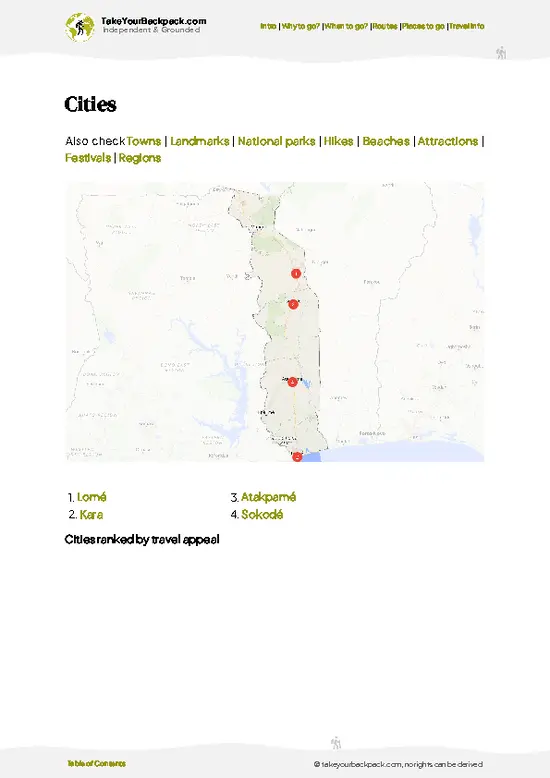
  • Sokode—central crossroads, traditional festivals, mosque quarter, local textiles| 64 km away
  • Atakpame—hilltop views, textile workshops, regional crossroads| 225 km away
  • Lome—beachfront boulevards, grand marché, colonial architecture, port activity| 380 km away

💡 Not sure where to go next?
Create a personalized itinerary for Togo including Kara and the places that fit your trip.

Generate my itinerary

👉 Discover all cities

Or checkout all Togo has to offer (think cities, towns, villages, national parks, hikes, beaches, festivals)
Country photo of Togo

We 💚 feedbackSumming up the experience

Kara has a pulse that’s hard to resist. The vibrant market buzzes with laughter and the scent of spices wafts through the air, inviting you to dive in. Don’t miss the local street food; it’s a delightful surprise that’ll make your taste buds dance. Just be cautious with the water—stick to bottled. Embrace the chaos, and let the warmth of the people wrap around you. This isn’t just a stop; it’s a chance to feel Togo’s heart.

✍️ Help improve this page!
The information on this page is based on in-depth research, insights shared by experienced travelers, and feedback from the local travel community in Togo. While every effort is made to keep the information accurate and current, conditions can change — so if you spot anything incorrect or outdated, please get in touch.


🙋‍♂️ Give feedback

👋 Meet the founderWho’s Behind Take Your Backpack?

Johan, backpacker and founder of TakeYourBackpackHi, I’m Johan (Netherlands 🇳🇱), the creator of TakeYourBackpack. Over the past decade, I’ve backpacked through 80+ countries across six continents, gaining extensive experience with independent travel, long-term trips, and overland routes.

This site is built on a combination of firsthand travel experience and carefully curated insights from other backpackers. Many guides are based on places I’ve personally visited, while others bring together tips, observations, and practical advice shared by trusted travelers I’ve met along the way.

The goal is to provide realistic, experience-driven guidance — not generic itineraries — so you can explore destinations with better context, clearer expectations, and more confidence.

Get full Togo guide •
Instant download • 55 highlights • Full Offline guide