v2.webp)
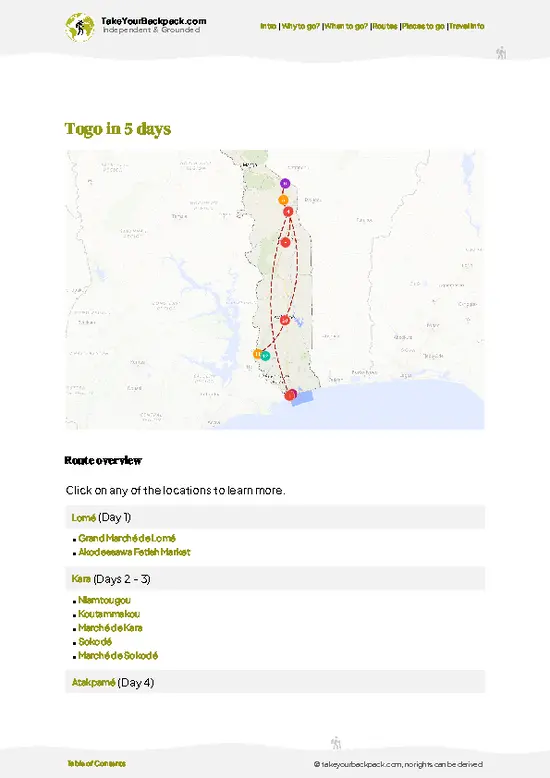

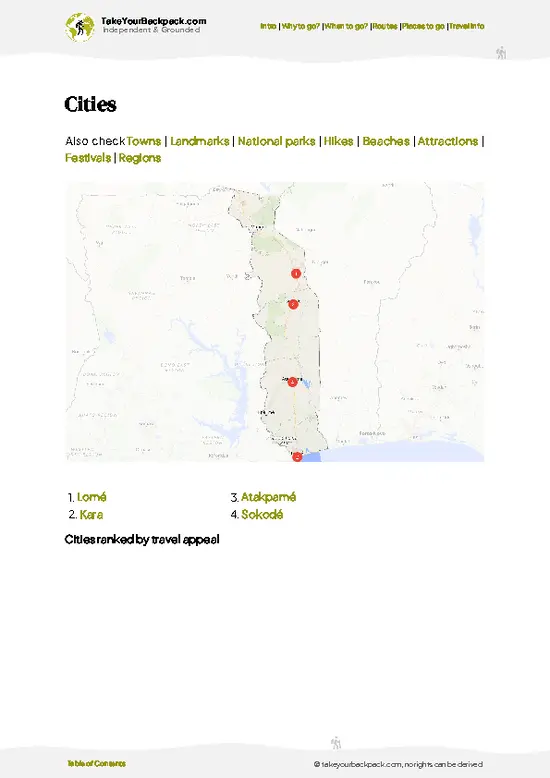
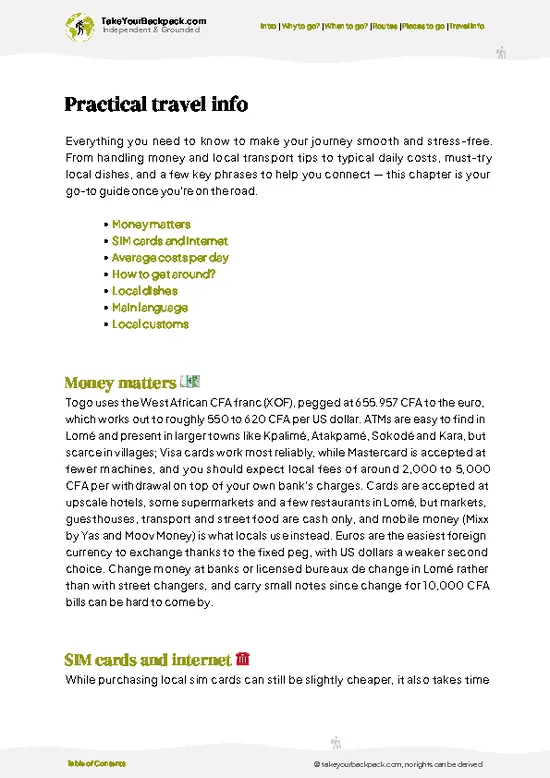
- Notre-Dame du Lac sanctuary, Togoville. A Catholic pilgrimage church with a grotto, its cool interior a welcome relief after the sun-baked village lanes.
- Togoville voodoo shrines. Small family shrines and fetish sites stand between the houses. A local guide explains who each is dedicated to and when to keep your camera down.
- Mlapa royal quarter, Togoville. The historic seat of the chiefs who signed the 1884 treaty with Germany, a short walk from the lakefront.
- Pirogue crossing of Lake Togo. Slow paddling past fishing nets and reed banks, with herons and the village shoreline sliding by. Agree the price before boarding.
- Agbodrafo Slave House. A small museum on the site of a former slave-trade departure point, sobering and well worth the stop.
- Aného colonial quarter. Peeling German and French-era
- Notre-Dame du Lac sanctuary, Togoville. A Catholic pilgrimage church with a grotto, its cool interior a welcome relief after the sun-baked village lanes.
- Togoville voodoo shrines. Small family shrines and fetish sites stand between the houses. A local guide explains who each is dedicated to and when to keep your camera down.
- Mlapa royal quarter, Togoville. The historic seat of the chiefs who signed the 1884 treaty with Germany, a short walk from the lakefront.
- Pirogue crossing of Lake Togo. Slow paddling past fishing nets and reed banks, with herons and the village shoreline sliding by. Agree the price before boarding.
- Agbodrafo Slave House. A small museum on the site of a former slave-trade departure point, sobering and well worth the stop.
- Aného colonial quarter. Peeling German and French-era buildings and old merchant houses along quiet streets, the town where the colony began.
- Palais Lawson, Aného. The home of the influential Lawson family, a reminder of the trading dynasties of the coast.
- Bouche du Roy. The spit where lagoon and ocean nearly meet. Lesser known, it is best at low-key hours when fishermen mend nets and almost nobody else is there.
- Glidji. A quiet Guin town inland from Aného with historic royal sites. Few tourists come, and locals will happily explain its history.
- Gaou festival, Aného. The Guin people’s annual celebration of drumming, dancing and ancestors, which fills the town when it takes place.
Spotted a mistake or missing something? Contact us.

Guided tour of the city of Lomé

Day Trip to Agbodrafo Togoville and Aneho

Private full day to see the best of Lomé-TOGO

Kpalimé & Mont Agou: Adventure in the Heart of the Wonders of Togo

Lomé authentic tour

Historical Tour to Togoville

3-Day Tour in the Heart of Benin - Check-out Lomé or Cotonou

Private Maritimes Region Historical And Cultural Tour

Private transfer from Lomé Airport to Lomé


 Best Backpacking
.jpg) Hi, I’m Johan (Netherlands 🇳🇱), the creator of TakeYourBackpack. Over the past 3 decades, I’ve backpacked through 90+ countries across six continents, gaining extensive experience with independent travel, long-term trips, and overland routes.
Hi, I’m Johan (Netherlands 🇳🇱), the creator of TakeYourBackpack. Over the past 3 decades, I’ve backpacked through 90+ countries across six continents, gaining extensive experience with independent travel, long-term trips, and overland routes.