


×

Tonga🇹🇴 | townsHavelulotoSunday hymns, umu ovens, lagoon mudflats, village lanes | things to do and best time to go

Explore LifukaExplore Neiafu

Backpacking in Haveluloto
👌 Worth visitingtown ranked #4
By Johan Kruseman 🇳🇱 | Updated October 16, 2026

A pig-roast smell drifts from an earth oven (umu) behind a low house as a bus rattles past with its windows open, and a church choir somewhere inland starts a hymn in full harmony. That is Haveluloto on a Sunday. It sits in Tonga, on the southern edge of Nuku’alofa on the main island of Tongatapu, a residential village of tin roofs, taro patches and grazing pigs. Nobody comes here for sights. It works as a quiet, cheap-ish base beside the capital, with a short ride into town for banks, the market and ferry offices, and it suits travelers who want locals rather than other backpackers. Hostels are scarce and evenings are slow, so you will meet fewer travelers than in the center. The reward is a street where children shout “Malo e lelei” from bicycles and the lagoon breeze carries frangipani at dusk.

Discover everything you want to know in the 📖 Tonga Travel Guide.


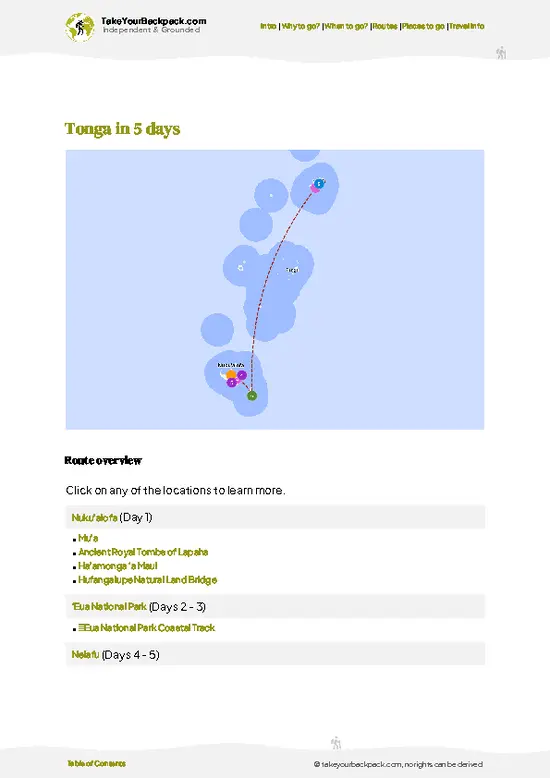
example page 0 from our offline Travel Guide for Tonga
example page 1 from our offline Travel Guide for Tonga
example page 2 from our offline Travel Guide for Tonga
example page 3 from our offline Travel Guide for Tonga
example page 4 from our offline Travel Guide for Tonga
example page 5 from our offline Travel Guide for Tonga
example page 6 from our offline Travel Guide for Tonga
example page 7 from our offline Travel Guide for Tonga
Loading the map 🌍
CLICK TO FILTER
towns
villages
landmarks
national parks
hikes
beaches
attractions
festivals
regions
SHOW COUNTRY’S BESTSHOW ALL

✨ Why go?
Ranked #4 town in Tonga
Why visitors keep coming back

Haveluloto makes sense if you want Tongan village life without a long commute. You sleep in a residential neighborhood next to the capital, hear roosters at dawn and church bells on the Sabbath, and still reach the ferry terminal, the central market and the island’s blowholes and sea cliffs within a short ride. Most travelers pass through for a night or two. Slower travelers linger, because the walking is flat and shaded and families tend to wave you into conversation. It is not a party town: Sunday shuts almost everything, including most shops, and swimming and sport are frowned upon that day. That quiet is the point for solo travelers and couples who prefer guesthouse hosts over dorm bars. Social backpacker scenes are in central Nuku’alofa, so plan to commute for company and retreat here … read more 👉
Haveluloto makes sense if you want Tongan village life without a long commute. You sleep in a residential neighborhood next to the capital, hear roosters at dawn and church bells on the Sabbath, and still reach the ferry terminal, the central market and the island’s blowholes and sea cliffs within a short ride. Most travelers pass through for a night or two. Slower travelers linger, because the walking is flat and shaded and families tend to wave you into conversation. It is not a party town: Sunday shuts almost everything, including most shops, and swimming and sport are frowned upon that day. That quiet is the point for solo travelers and couples who prefer guesthouse hosts over dorm bars. Social backpacker scenes are in central Nuku’alofa, so plan to commute for company and retreat here to sleep. Bring modest clothes, since knees and shoulders covered is the local standard, and bring small bills for buses and roadside stalls.

💡 HighlightsTop highlights of Haveluloto

  1. Sunday church service: The Free Wesleyan Church is the main denomination, and the village’s congregation sings unaccompanied in rich, layered harmony that fills the whole building. Go in the morning, dress modestly (men often wear a tupenu wrap skirt, women a ta’ovala mat around the waist), sit at the back and stay quiet. Entry is free, a small donation is welcome, and services run about 1 to 2 hours.
  2. Village lanes walk: A slow loop through the back streets shows tapa-beating, vegetable plots, pigs on tethers and family graves covered in colorful quilts and mats. Early morning, before 8 AM, is cooler and busier with people. It is free and takes 1 to 1.5 hours.
  3. Lagoon-side sunset stop: Where the lane meets the shallow shoreline, the tide pulls back and leaves mud flats with wading birds and fishermen
… read more 👉
  1. Sunday church service: The Free Wesleyan Church is the main denomination, and the village’s congregation sings unaccompanied in rich, layered harmony that fills the whole building. Go in the morning, dress modestly (men often wear a tupenu wrap skirt, women a ta’ovala mat around the waist), sit at the back and stay quiet. Entry is free, a small donation is welcome, and services run about 1 to 2 hours.
  2. Village lanes walk: A slow loop through the back streets shows tapa-beating, vegetable plots, pigs on tethers and family graves covered in colorful quilts and mats. Early morning, before 8 AM, is cooler and busier with people. It is free and takes 1 to 1.5 hours.
  3. Lagoon-side sunset stop: Where the lane meets the shallow shoreline, the tide pulls back and leaves mud flats with wading birds and fishermen working nets. Come an hour before sunset when the light turns the water copper. No cost, 30 to 45 minutes, and mosquitoes arrive at dusk.
  4. Roadside umu food: On Saturdays families cook feasts in underground ovens and sometimes sell plates of root crops, taro leaf and pork at the gate. Go before midday for the best choice. Expect roughly TOP 10 to 25 (US$4 to 10) a plate, and a 20 minute stop.
Beyond the village, the Mapu’a ‘a Vaea blowholes and the Ha’amonga ‘a Maui trilithon are the standout day trips on Tongatapu, along with the sea caves at ‘Anahulu. The part most visitors skip is the evening lane walk, when the whole village is outdoors, kava circles gather under lamps and a short hello can turn into an invitation to sit.
Spotted a mistake or missing something? Contact us.

🏘️ NeighborhoodsWhere things are and how it's laid out

Haveluloto is a residential district on the southern edge of Nuku’alofa, on Tongatapu, and it reads best as a few distinct strips rather than a town with a center. Everything below is within a short ride of the capital.
  • Main road and Taufa’ahau Road frontage: This is the noisy spine, with minibuses grinding past, dogs barking and bakeries putting out warm coconut buns early in the morning. Small shops sell tinned fish, cold drinks and phone credit, and you can walk the stretch in 15 minutes. You come away with a feel for ordinary Tongan errands.
  • Residential back lanes: Sandy, potholed lanes run between fenced yards of banana, taro and frangipani, with pigs rooting by the verge and church choirs carrying across the evening. Walk them in the late afternoon when the light turns gold and the heat
… read more 👉
Haveluloto is a residential district on the southern edge of Nuku’alofa, on Tongatapu, and it reads best as a few distinct strips rather than a town with a center. Everything below is within a short ride of the capital.
  • Main road and Taufa’ahau Road frontage: This is the noisy spine, with minibuses grinding past, dogs barking and bakeries putting out warm coconut buns early in the morning. Small shops sell tinned fish, cold drinks and phone credit, and you can walk the stretch in 15 minutes. You come away with a feel for ordinary Tongan errands.
  • Residential back lanes: Sandy, potholed lanes run between fenced yards of banana, taro and frangipani, with pigs rooting by the verge and church choirs carrying across the evening. Walk them in the late afternoon when the light turns gold and the heat drops. You end up with a view into daily family life, and the occasional wave from a porch.
  • Lagoon shoreline: The southern edge meets the shallow lagoon, where low tide exposes gray mud, mangrove roots and a salty, sulfur-tinged smell. Footing is slippery and there is little shade, so go early. The reward is open sky, wading birds and quiet.
  • Sunday church zone: Around the larger churches, the whole district dresses in white and woven mats and hymns drift out through open doors. Shops shut, so eat beforehand. Standing politely outside gives you some of the best singing in Tonga.

⌛️ 1 dayWhat you can realistically do in a day

8:00 AM, Village lanes: Start with the loop through the back streets while it is cool. You see tapa being beaten, women sweeping yards and pigs on ropes, and locals usually greet you first. Finish at the lagoon edge for a quiet look at the tide flats and fishing nets.
9:30 AM, Local bakery breakfast: Walk or catch a bus toward the main road for fresh coconut buns and sweet tea, which is the cheapest filling start. Take a seat outside and watch the morning traffic of school uniforms and utes.
11:00 AM, Free Wesleyan service (Sundays) or Nuku’alofa market: On Sunday, join a service at the village church and listen to the harmonies. On other days, ride into the capital to browse the Talamahu Market for fruit, handwoven mats and kava root. Either way, leave time for a slow stroll.
1:00 PM, Umu lunch: … read more 👉
8:00 AM, Village lanes: Start with the loop through the back streets while it is cool. You see tapa being beaten, women sweeping yards and pigs on ropes, and locals usually greet you first. Finish at the lagoon edge for a quiet look at the tide flats and fishing nets.
9:30 AM, Local bakery breakfast: Walk or catch a bus toward the main road for fresh coconut buns and sweet tea, which is the cheapest filling start. Take a seat outside and watch the morning traffic of school uniforms and utes.
11:00 AM, Free Wesleyan service (Sundays) or Nuku’alofa market: On Sunday, join a service at the village church and listen to the harmonies. On other days, ride into the capital to browse the Talamahu Market for fruit, handwoven mats and kava root. Either way, leave time for a slow stroll.
1:00 PM, Umu lunch: Look for a family selling plates of roast pork, taro and root crops. Eat in the shade and ask what is in each dish.
3:00 PM, Quiet back lane and cemetery edge: Wander the unvisited side of the village, where graves are covered in bright quilts and flowers. Keep voices low and photos respectful. It is a side of Tonga that most day visitors never see.
5:30 PM, Lagoon sunset: Return to the shoreline as the light turns copper and herons work the flats. Bring repellent.
7:00 PM, Kava or dinner at your guesthouse: Finish with a simple home-style meal and, if invited, a short kava circle.

🌤️ When to go?Best time to visit Haveluloto

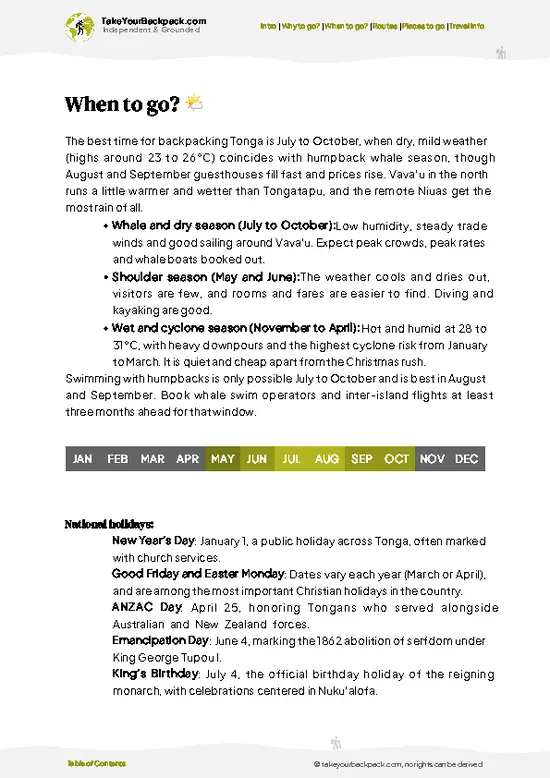
May to October is the easiest window for backpacking Haveluloto, with dry, breezy days and cool nights.
  • Dry season (May to October): Daytime temperatures run about 23 to 26°C (73 to 79°F), nights dip to roughly 17 to 19°C (63 to 66°F), and daylight lasts about 11 hours in June. Humpback whales arrive from July to October, so flights and guesthouses in Nuku’alofa fill and prices rise.
  • Wet season (November to April): Expect 27 to 31°C (81 to 88°F), heavy humidity and downpours that turn lanes to puddles. Daylight stretches to nearly 13.5 hours. Cyclone risk peaks from January to March, but rooms are cheaper and crowds thin.
  • Festival periods: The Heilala Festival in early July brings parades and packed accommodation. Around Christmas and New Year, many local families return home and transport gets
… read more 👉
May to October is the easiest window for backpacking Haveluloto, with dry, breezy days and cool nights.
  • Dry season (May to October): Daytime temperatures run about 23 to 26°C (73 to 79°F), nights dip to roughly 17 to 19°C (63 to 66°F), and daylight lasts about 11 hours in June. Humpback whales arrive from July to October, so flights and guesthouses in Nuku’alofa fill and prices rise.
  • Wet season (November to April): Expect 27 to 31°C (81 to 88°F), heavy humidity and downpours that turn lanes to puddles. Daylight stretches to nearly 13.5 hours. Cyclone risk peaks from January to March, but rooms are cheaper and crowds thin.
  • Festival periods: The Heilala Festival in early July brings parades and packed accommodation. Around Christmas and New Year, many local families return home and transport gets crowded.
Book whale-season beds two to three months ahead, or travel in May for lower rates and the same dry weather.


source: climatestotravel.comJANJanuary: fair for travelingFEBFebruary: fair for travelingMARMarch: fair for travelingAPRApril: fair for travelingMAYMay: highly recommended for travelingJUNJune: highly recommended for travelingJULJuly: highly recommended for travelingAUGAugust: highly recommended for travelingSEPSeptember: highly recommended for travelingOCTOctober: highly recommended for travelingNOVNovember: fair for travelingDECDecember: fair for traveling
when-to-go

✈️ The backpacker research shortcutTonga Travel Guide

An offline-friendly backpacking guide with optimized travel routes, ranked highlights, transport advice, and the best areas to stay.
example page 0 from our offline Travel Guide for Tonga
example page 1 from our offline Travel Guide for Tonga
example page 2 from our offline Travel Guide for Tonga
example page 3 from our offline Travel Guide for Tonga
example page 4 from our offline Travel Guide for Tonga
example page 5 from our offline Travel Guide for Tonga
example page 6 from our offline Travel Guide for Tonga
example page 7 from our offline Travel Guide for Tonga
The digital guide (128 pages) contains:
✅ 31 highlights, ranked by travel appeal
✅ Optimized 2, 3 & 5-day travel routes
✅ Cities, national parks, landmarks, beaches
✅ How to get around
✅ Offline-friendly for travel without Wi-Fi
👉 Click to see all 30+ guide features

📅 Plan smarter in minutes, not weeks
✅ Month by month travel advice
✅ Festivals & national holidays
✅ Budget expectations

🗺️ Go to the right places, skip the overrated ones
✅ Honest pros & cons of destinations
✅ Top hikes, parks & viewpoints
✅ Lesser-known places most travelers miss
✅ Clear “worth it vs skip it” guidance

🛏️ Travel smoothly without rookie mistakes
✅ Best areas to stay
✅ Transport systems explained simply
✅ Common scams & safety advice
✅ SIM cards, money & practical tips

🌍 Understand the country, not just visit it
✅ Culture & traditions
✅ 52 Essential phrases & customs
✅ Festivals worth planning around
✅ Traveler-friendly historical context
✅ Insights that make places more meaningful

📱 Built for real travel conditions
✅ Fully downloadable PDF
✅ Works completely offline
✅ Optimized for phone use
✅ Useful in remote areas & buses
✅ Everything in one place
Stop searching, start planning
Get instant access to your full guide. 30‑day money-back guarantee.
+ Add another guide for just

By proceeding you agree to our terms.
Sent to your inbox immediately after payment • 100% Secure Checkout
Best Backpacking Travel Advisor 2025 tourism awardBest Backpacking
Travel Advisor
2025
What others say about Take Your Backpack Guides:
⭐⭐⭐⭐⭐
Fantastic, amazing amount of information!
⭐⭐⭐⭐⭐
My goodness this is amazing, it's what I've been looking for hats off too you!
⭐⭐⭐⭐⭐
I think this is absolutely BRILLIANT
⭐⭐⭐⭐
Very complete and informative. It's still missing places, but I gotta to commend you
⭐⭐⭐⭐⭐
This is truly amazing, thank you, can't wait to explore it with my kids!
⭐⭐⭐⭐⭐
Awesome resource, thank you!
⭐⭐⭐⭐⭐
This is amazing! Can't wait to explore the ones I haven't seen
⭐⭐⭐⭐
I love this! Well done, great idea.
⭐⭐⭐⭐⭐
Thanks for taking the time to make this gem!
⭐⭐⭐⭐⭐
This might be the best website I've ever seen.
⭐⭐⭐⭐⭐
Congratulations, and thank you so much for your work; it's incredibly valuable.
⭐⭐⭐⭐
In all seriousness I think you did a great job pointing out the important spots
⭐⭐⭐⭐⭐
10/10 very good
⭐⭐⭐⭐⭐
As someone who's only just starting to visit regularly this is awesome, thank you.
⭐⭐⭐⭐
Thank you very much! I'm going to visit my dad, it's going to be very useful!
⭐⭐⭐⭐⭐
This is really cool! We'll be travelling for the first time and this definitely come in handy.
⭐⭐⭐⭐⭐
You are now our minister of culture, congratulations 👨‍💼
⭐⭐⭐⭐⭐
Just wanted to tell you that this is a pearl! Going to follow your recommendations.
⭐⭐⭐⭐⭐
This is so cool. I'll definitely be using the resource for my travels soon.
⭐⭐⭐⭐⭐
This is very impressive! Good work.
⭐⭐⭐⭐⭐
This is an amazing and informative site. Very well done!

🛏️ Where to stay?Choosing the right base

For a budget bed, sleep in central Nuku’alofa, 10 to 20 minutes away, rather than in Haveluloto itself. Haveluloto has few tourist beds, mostly homestays and the occasional guesthouse room, while the capital holds the main cluster of hostels and cheap guesthouses, along with the ferry port, ATMs, supermarkets and the minibus terminal.

The waterfront and downtown area is the practical first choice. Dorms and basic doubles are easy to find, restaurants stay open into the evening, and transport to the rest of Tongatapu starts here. Nights are quiet by international standards, though roosters and … read more 👉
For a budget bed, sleep in central Nuku’alofa, 10 to 20 minutes away, rather than in Haveluloto itself. Haveluloto has few tourist beds, mostly homestays and the occasional guesthouse room, while the capital holds the main cluster of hostels and cheap guesthouses, along with the ferry port, ATMs, supermarkets and the minibus terminal.

The waterfront and downtown area is the practical first choice. Dorms and basic doubles are easy to find, restaurants stay open into the evening, and transport to the rest of Tongatapu starts here. Nights are quiet by international standards, though roosters and early church bells will wake you. Streets are lit and walkable after dark, but a taxi is wise late at night.

The second option is a homestay in Haveluloto, or nearby on the southeast side of the capital, if you want a family setting, home-cooked meals and a slower pace. Expect lower noise, little nightlife and a need for taxis after buses stop. It suits stays of several days. Book ahead in whale season from July to October, because the small number of beds goes first.

🚌 Getting aroundTransportation options and practical tips

Haveluloto is flat and compact, so you can walk its main road and back lanes in under 30 minutes, but the heat and the lack of footpaths make anything beyond about 2 kilometers (1.2 miles) a ride. Traffic is light and slow, with minibuses and taxis the main vehicles, and public transport is informal and runs on local habits rather than timetables.
  • Walking: Free, and the best way to see the lanes. Sun is fierce from 10 am to 3 pm, so start early. You get the smell of cooking fires and hear hymns drifting from open windows.
  • Local buses and minibuses: Fares into Nuku’alofa cost about TOP$1 to 2 (US$0.40 to 0.85), and rides take roughly 10 to 20 minutes. They run from early morning until around early evening, and mostly stop on Sundays. Expect loud music and a squeeze, and you get a front-row look
… read more 👉
Haveluloto is flat and compact, so you can walk its main road and back lanes in under 30 minutes, but the heat and the lack of footpaths make anything beyond about 2 kilometers (1.2 miles) a ride. Traffic is light and slow, with minibuses and taxis the main vehicles, and public transport is informal and runs on local habits rather than timetables.
  • Walking: Free, and the best way to see the lanes. Sun is fierce from 10 am to 3 pm, so start early. You get the smell of cooking fires and hear hymns drifting from open windows.
  • Local buses and minibuses: Fares into Nuku’alofa cost about TOP$1 to 2 (US$0.40 to 0.85), and rides take roughly 10 to 20 minutes. They run from early morning until around early evening, and mostly stop on Sundays. Expect loud music and a squeeze, and you get a front-row look at daily life.
  • Taxis: Plentiful in Nuku’alofa, and a trip to or from Haveluloto costs around TOP$5 to 15 (US$2 to 6). Agree on the fare before you get in, since meters are rare. You get an air-conditioned break and a late-night ride when buses have stopped.
  • Bicycle rental: Some guesthouses lend or rent bikes for about TOP$10 to 20 (US$4 to 8) a day. The terrain is flat, and you glide past pigs, gardens and the lagoon. Dogs may chase you, so keep moving.
  • Rental car or scooter: Cars cost roughly TOP$80 to 130 (US$33 to 54) a day and need a local driving permit from the police station. Driving is on the left. This is worth it for reaching the blowholes and beaches across the island at your own timing.

👛 Costs (as of 16 October 2026)What things cost and how to budget

Backpacking in Haveluloto, a village on the south coast of Tongatapu just east of Nuku’alofa, runs about US$50 to 91 a day, and the total in the table below uses the high-season bed price (US$85). Everything is paid in Tongan pa’anga, and cards work only in a few Nuku’alofa businesses, so carry cash.
CategoryBudget RangeLocal Reality
Dorm accommodationUS$20 to 30 (high season US$30)Dorm beds are scarce. Expect simple guesthouse rooms or a shared room in Nuku’alofa. Prices rise from June to October.
MealsUS$15 to 25 (high season US$20)Bakery pastries and market lunch plates cost US$3 to 6. A sit-down fish or chicken dinner costs US$10 to 15.
Local transportUS$2 to 6 (high season US$4)Buses on the main road toward town cost under US$1 per ride. A shared or private taxi to Nuku’alofa costs US$4 to
… read more 👉
Backpacking in Haveluloto, a village on the south coast of Tongatapu just east of Nuku’alofa, runs about US$50 to 91 a day, and the total in the table below uses the high-season bed price (US$85). Everything is paid in Tongan pa’anga, and cards work only in a few Nuku’alofa businesses, so carry cash.
CategoryBudget RangeLocal Reality
Dorm accommodationUS$20 to 30 (high season US$30)Dorm beds are scarce. Expect simple guesthouse rooms or a shared room in Nuku’alofa. Prices rise from June to October.
MealsUS$15 to 25 (high season US$20)Bakery pastries and market lunch plates cost US$3 to 6. A sit-down fish or chicken dinner costs US$10 to 15.
Local transportUS$2 to 6 (high season US$4)Buses on the main road toward town cost under US$1 per ride. A shared or private taxi to Nuku’alofa costs US$4 to 8.
Basic activities/entry feesUS$5 to 15 (high season US$12)Beaches and village walks are free. Cave and cultural site entries cost a few dollars, and a guided lagoon trip costs US$25 to 40 if you add one.
Miscellaneous expensesUS$8 to 15 (high season US$10)Covers drinking water, a SIM card (US$5 to 10), snacks and church or village donations.
Total Daily BudgetUS$50 to 91About US$76 in high season with a bed at US$30
Note: the total row sums the high-season figures: US$30 + 20 + 4 + 12 + 10 = US$76. The opening range is a realistic spread.
Buy fruit, root vegetables and fresh fish from the Talamahu Market in Nuku’alofa in the morning and cook at your guesthouse, which can cut food costs by about half.
⚠️ Prices can change and everyone travels differently, so take this as a rough guide. Hope it helps you plan your adventure!

🚌 Day tripsExploring the surroundings

Haveluloto works well as a base for day trips, since most of Tongatapu lies within about an hour by road and nothing needs an overnight stay.
Mu’a and the Ancient Tombs:
The old royal capital sits around 20 to 30 minutes away by bus or taxi and holds the langi, huge stepped stone tombs of Tongan kings. Budget TOP$10 to 20 (US$4 to 8) return by bus, and bring water, since there is little shade. Go in the morning, and avoid Sundays when buses are scarce.
👉 Explore Mu’a
Hufangalupe and the Southern Coast:
A natural limestone arch over the sea on the southeast coast, about 20 to 30 minutes away, and the blowholes at Mapu’a ‘a Vaea on the southwest coast can be added. Hire a taxi or car, which runs around TOP$80 to 150 (US$33 to 62) shared. Blowholes are best on a rough-sea day, and first-timers often … read more 👉
Haveluloto works well as a base for day trips, since most of Tongatapu lies within about an hour by road and nothing needs an overnight stay.
Mu’a and the Ancient Tombs:
The old royal capital sits around 20 to 30 minutes away by bus or taxi and holds the langi, huge stepped stone tombs of Tongan kings. Budget TOP$10 to 20 (US$4 to 8) return by bus, and bring water, since there is little shade. Go in the morning, and avoid Sundays when buses are scarce.
👉 Explore Mu’a
Hufangalupe and the Southern Coast:
A natural limestone arch over the sea on the southeast coast, about 20 to 30 minutes away, and the blowholes at Mapu’a ‘a Vaea on the southwest coast can be added. Hire a taxi or car, which runs around TOP$80 to 150 (US$33 to 62) shared. Blowholes are best on a rough-sea day, and first-timers often stand too close to the edge. Keep well back from the cliff.

Pangaimotu Island:
A short boat ride of about 10 minutes from Nuku’alofa, with shallow reef for snorkeling and a beachside bar. Return boats cost roughly TOP$25 to 40 (US$10 to 17). Visit on a calm, sunny day in the dry season. Many forget reef shoes and sunscreen.

Anahulu Cave and Ha’atafu Beach:
A freshwater cave pool at Haveluliku on the east coast, about 30 minutes away by car, and a surf and snorkel beach on the northwest tip, about 40 minutes away in the other direction. Entry to the cave is a few pa’anga, and a taxi costs TOP$60 to 120 (US$25 to 50). Late morning gives the best light underground.

🛡️ SafetyStaying Safe: What Travelers Should Know

Haveluloto is a calm residential district, and violent crime against visitors is rare. The usual rule is ordinary awareness. Keep phones and cash out of sight when walking, and lock your room, as opportunistic theft from unlocked homestays or beach bags does occur. Loose dogs are the most common annoyance, and they tend to bark and chase on quiet lanes. Carry a stick-like posture of calm, walk steadily and avoid eye contact with them. Street lighting is patchy, so use a flashlight and take a taxi after dark. Solo women generally report friendly treatment, but dress modestly in shirts covering shoulders and skirts or shorts to the knee, and especially on Sundays when behavior around churches is conservative. Alcohol-fueled arguments sometimes spill out late on weekends near Nuku’alofa venues, … read more 👉
Haveluloto is a calm residential district, and violent crime against visitors is rare. The usual rule is ordinary awareness. Keep phones and cash out of sight when walking, and lock your room, as opportunistic theft from unlocked homestays or beach bags does occur. Loose dogs are the most common annoyance, and they tend to bark and chase on quiet lanes. Carry a stick-like posture of calm, walk steadily and avoid eye contact with them. Street lighting is patchy, so use a flashlight and take a taxi after dark. Solo women generally report friendly treatment, but dress modestly in shirts covering shoulders and skirts or shorts to the knee, and especially on Sundays when behavior around churches is conservative. Alcohol-fueled arguments sometimes spill out late on weekends near Nuku’alofa venues, so leave early. Scams are uncommon. Agree on taxi fares first. Swim only in calm water, because lagoon mud and tide currents are the real hazards.

FAQCommon questions from travelers

Haveluloto is mostly a quiet residential stop, not a destination on its own. Its appeal is everyday Tongan life, with church singing on Sundays, lagoon walks and village lanes, plus easy access to Nuku’alofa about 10 to 20 minutes away. Most travelers use it as a low-key base for Tongatapu sights such as Mu’a and Hufangalupe.
One full day covers Haveluloto itself, and two to three days suits it as part of a Tongatapu visit. Add a day for the southern coast and blowholes, and another for Mu’a and Pangaimotu Island. Whale season from July to October may call for a couple of extra days for swims with humpbacks, which cost roughly US$150 to 250.
Yes, easily, because Haveluloto sits on the edge of Nuku’alofa, only 10 to 20 minutes by bus or taxi. A bus costs about TOP$1 to 2 (US$0.40 to 0.85), and a taxi roughly TOP$5 to 15. Services thin out in the evening and almost stop on Sundays, so plan return trips before dusk.
⚠️ Things can change over time, so always validate details locally before you go.

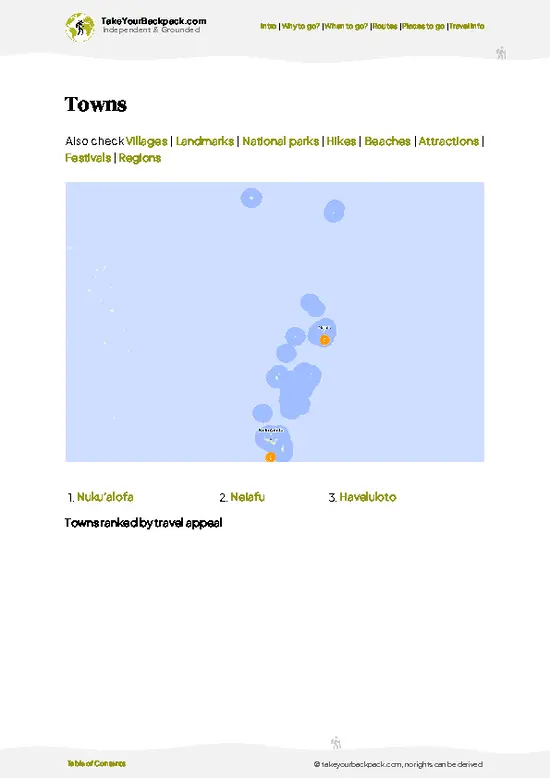
Other Tongan towns near Haveluloto

Explore more nearby:

  • Nuku’alofa—Royal palace, Talamahu stalls, Centenary Chapel, Vuna Road| 3 km away
  • Neiafu—Port of Refuge, yacht moorings, whale swims, Talau summit| 307 km away

💡 Not sure where to go next?
Create a personalized itinerary for Tonga including Haveluloto and the places that fit your trip.

Generate my itinerary

👉 Discover all towns

Or checkout all Tonga has to offer (think cities, towns, villages, national parks, hikes, beaches, festivals)
Country photo of Tonga

We 💚 feedbackFinal thoughts on visiting Haveluloto

The common mistake is arriving on a Saturday afternoon and expecting a shop, café or boat trip on Sunday. Nearly everything stops, so buy food and cash ahead and plan the day around church, a long lunch and the lagoon. Pack a wrap skirt or long shorts, and say yes if a family waves you to the table.

✍️ Help improve this page!
The information on this page is based on in-depth research, insights shared by experienced travelers, and feedback from the local travel community in Tonga. While every effort is made to keep the information accurate and current, conditions can change — so if you spot anything incorrect or outdated, please get in touch.


🙋‍♂️ Give feedback

👋 Meet the founderWho’s Behind Take Your Backpack?

Johan, backpacker and founder of TakeYourBackpackHi, I’m Johan (Netherlands 🇳🇱), the creator of TakeYourBackpack. Over the past 3 decades, I’ve backpacked through 90+ countries across six continents, gaining extensive experience with independent travel, long-term trips, and overland routes.

This site is built on a combination of firsthand travel experience and carefully curated insights from other backpackers. Many guides are based on places I’ve personally visited, while others bring together tips, observations, and practical advice shared by trusted travelers I’ve met along the way.

The goal is to provide realistic, experience-driven guidance — not generic itineraries — so you can explore destinations with better context, clearer expectations, and more confidence.