v2.webp)

- Kolovai Flying Fox Sanctuary: The village’s headline sight is a colony of Tongan flying foxes hanging in the trees beside the road, wings wrapped around their bodies, occasionally unfolding to squabble. They are protected by tradition, linked in local stories to Samoa, and sacred to Tongan royalty. Go in the morning for the best activity, or near dusk when they start to stir. Entry is free or by small donation, and 30 to 60 minutes is plenty. Bring a hat, as the colony is noisy and smelly.
- Ha’atafu Beach Reserve: A marine reserve on the coast with protected reef, calm shallow lagoon sections and good snorkeling. Visit at mid to high tide for easier access over the reef. Fish and coral are the attraction, and there is little shade, so plan 2 to 3 hours. Bring your own mask, and expect to pay
- Kolovai Flying Fox Sanctuary: The village’s headline sight is a colony of Tongan flying foxes hanging in the trees beside the road, wings wrapped around their bodies, occasionally unfolding to squabble. They are protected by tradition, linked in local stories to Samoa, and sacred to Tongan royalty. Go in the morning for the best activity, or near dusk when they start to stir. Entry is free or by small donation, and 30 to 60 minutes is plenty. Bring a hat, as the colony is noisy and smelly.
- Ha’atafu Beach Reserve: A marine reserve on the coast with protected reef, calm shallow lagoon sections and good snorkeling. Visit at mid to high tide for easier access over the reef. Fish and coral are the attraction, and there is little shade, so plan 2 to 3 hours. Bring your own mask, and expect to pay a small reserve or beach fee at most.
- Ha’atafu surf breaks: The reef passes off this coast are among Tongatapu’s best-known surf spots. Watching from the shore is free, and 1 to 2 hours will do. The breaks sit about 100 meters offshore, an easy paddle from the beach.
- Kanokupolu Beach: A quiet stretch of sand and reef with a small beachfront setup, good for swimming at higher tides and for sunset. Allow 1 to 2 hours. It is typically free to walk on, with a few pa’anga needed for food or drink if you stop.
- Sunday service at the village church: Kolovai’s Sunday morning worship, with full-voiced Tongan hymns in harmony, is the most moving thing you can hear on the island. Dress modestly, in long skirt or trousers, and arrive early. It is free, lasts 1 to 2 hours, and is open to respectful visitors.
Spotted a mistake or missing something? Contact us.

 Best Backpacking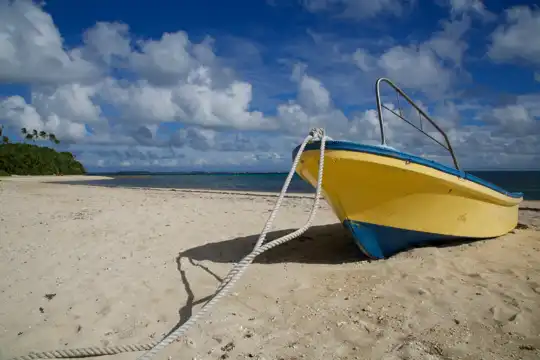
.jpg) Hi, I’m Johan (Netherlands 🇳🇱), the creator of TakeYourBackpack. Over the past 3 decades, I’ve backpacked through 90+ countries across six continents, gaining extensive experience with independent travel, long-term trips, and overland routes.
Hi, I’m Johan (Netherlands 🇳🇱), the creator of TakeYourBackpack. Over the past 3 decades, I’ve backpacked through 90+ countries across six continents, gaining extensive experience with independent travel, long-term trips, and overland routes.