×

Trinidad and Tobago🇹🇹 | townsArimabustling market, Amerindian heritage, horse racing | things to do and best time to go

Explore ChaguaramasExplore Chaguanas

Backpacking in Arima
🌟 Highlighttown ranked #7
By Johan Kruseman 🇳🇱 | Updated June 2, 2026

Most people hear “Arima” and picture a beach town or a mini-Port of Spain; it’s neither. Arima sits inland on Trinidad’s eastern side, at the foot of the Northern Range, more gateway than postcard. For backpackers, it’s a practical stop: cheaper than Port of Spain, less rough around the edges than parts of San Juan or Curepe, but still very local. The air smells like fried chicken, exhaust, and ripe fruit from the market, and the compact center is walkable once you’re off the main road. It works best as a base for nearby waterfalls and forest drives, or as a transit hub heading east or north, not as a “stay-put” destination. Shared taxis and maxis are constant, hostels are scarce, nightlife is mostly bars and street liming, and safety is fine with normal city awareness.

Discover everything you want to know in the 📖 Trinidad and Tobago Travel Guide.
Loading the map 🌍
CLICK TO FILTER
cities
towns
villages
landmarks
national parks
hikes
beaches
attractions
festivals
regions
SHOW COUNTRY’S BESTSHOW ALL

✨ Why go?
Ranked #7 town in Trinidad and Tobago
The unique appeal for travelers

Arima is a backpacker’s hub that offers a unique blend of convenience and charm. Nestled in the lush hills, it serves as a gateway to nearby hikes like the El Tucuche Trail and the Northern Range, where the air is thick with the scent of damp earth and wildflowers. The town’s walkable streets are lined with small-scale hostels and guesthouses, perfect for those seeking a cozy, communal vibe. You’ll find local food stalls serving up doubles and roti, filling your senses with spices that linger long after the meal.

Travelers often stay a few days, soaking in the friendly atmosphere that invites both solo adventurers and small groups to connect. While it’s not a nightlife hotspot, the evenings can be lively with local music, making it a great spot for slow travelers who appreciate a balance … read more 👉
Arima is a backpacker’s hub that offers a unique blend of convenience and charm. Nestled in the lush hills, it serves as a gateway to nearby hikes like the El Tucuche Trail and the Northern Range, where the air is thick with the scent of damp earth and wildflowers. The town’s walkable streets are lined with small-scale hostels and guesthouses, perfect for those seeking a cozy, communal vibe. You’ll find local food stalls serving up doubles and roti, filling your senses with spices that linger long after the meal.

Travelers often stay a few days, soaking in the friendly atmosphere that invites both solo adventurers and small groups to connect. While it’s not a nightlife hotspot, the evenings can be lively with local music, making it a great spot for slow travelers who appreciate a balance of activity and relaxation. Arima isn’t just a stopover; it’s a place to breathe in the essence of Trinidad and Tobago.
Want to include Arima in your Trinidad and Tobago route?
Create a personalized Trinidad and Tobago itinerary that includes Arima and the places that fit your trip — based on your travel style, budget, and available time. Get your route in seconds.

Generate my trip

💡 HighlightsWhat this place is best known for

  • Santa Rosa First Peoples Community / Carib Village — The living heart of Arima’s Indigenous heritage: a small, active Carib community preserving language, crafts, and ceremonies. Visit the community centre for artifacts, hand-made crafts, and to experience the traditions behind the annual Santa Rosa Festival.
  • Santa Rosa Roman Catholic Church (Church of Santa Rosa de Lima) — The landmark church at the centre of Arima’s religious and festival life, closely linked to the town’s Santa Rosa celebrations. Architecturally modest but historically important, it’s where many festival processions and local rites start or finish, giving real context to Arima’s community rhythms.
  • Arima Borough Market (Central Market) — A bustling, colourful market where locals buy produce, spices, and hot street food.
read more 👉
  • Santa Rosa First Peoples Community / Carib Village — The living heart of Arima’s Indigenous heritage: a small, active Carib community preserving language, crafts, and ceremonies. Visit the community centre for artifacts, hand-made crafts, and to experience the traditions behind the annual Santa Rosa Festival.
  • Santa Rosa Roman Catholic Church (Church of Santa Rosa de Lima) — The landmark church at the centre of Arima’s religious and festival life, closely linked to the town’s Santa Rosa celebrations. Architecturally modest but historically important, it’s where many festival processions and local rites start or finish, giving real context to Arima’s community rhythms.
  • Arima Borough Market (Central Market) — A bustling, colourful market where locals buy produce, spices, and hot street food. Best place to taste local fare, watch everyday life, pick up tropical fruit, and see the practical side of Arima culture in one energetic spot.
  • Arima Velodrome / Arima Cycling Complex — The main sports hub for cycling and community events in Arima, regularly hosting local races, training sessions, and gatherings. It gives a good snapshot of active local life and is often used for festivals or larger town events.
  • Arima Borough Council / Town Hall area — The civic centre where municipal life happens: public notices, community events, and street-side vendors often cluster here. The square and surrounding streets are handy for catching local parades, craft stalls, and the day-to-day pulse of the town.
A few excellent day trips close to Arima: Asa Wright Nature Centre (birding in the Arima Valley), Aripo Cave in the Northern Range, and Maracas Bay on the north coast.
Spotted a mistake or missing something? Contact us.

Things to do around Arima

Ratings based on Tripadvisor reviews. When you book through this link, you support our work at no extra cost to you.

🏘️ NeighborhoodsHow different areas shape the experience

Arima is a vibrant hub in Trinidad, rich in culture and history, making it a fantastic base for backpackers eager to explore the island.

Town Center
This area pulses with local life. You’ll find bustling markets and street vendors serving up delicious doubles. It’s walkable, with everything you need close by. Nightlife is low-key, perfect for unwinding after a day of exploration. Budget-friendly accommodations are abundant, making it ideal for short stays.

Curepe
Just a short bus ride away, Curepe offers a more laid-back vibe. It’s quieter, with a few charming cafes and local eateries. The cost of living here is slightly lower, and you can easily access public transport to other parts of Trinidad. This area suits longer stays if you prefer a slower pace while still being connected.

read more 👉
Arima is a vibrant hub in Trinidad, rich in culture and history, making it a fantastic base for backpackers eager to explore the island.

Town Center
This area pulses with local life. You’ll find bustling markets and street vendors serving up delicious doubles. It’s walkable, with everything you need close by. Nightlife is low-key, perfect for unwinding after a day of exploration. Budget-friendly accommodations are abundant, making it ideal for short stays.

Curepe
Just a short bus ride away, Curepe offers a more laid-back vibe. It’s quieter, with a few charming cafes and local eateries. The cost of living here is slightly lower, and you can easily access public transport to other parts of Trinidad. This area suits longer stays if you prefer a slower pace while still being connected.

La Pastora
This neighborhood is a hidden treasure for those seeking a local experience. It’s less touristy, with friendly residents and authentic Trinidadian culture. Walkability is decent, but you might need to rely on taxis for longer distances. Accommodations are affordable, making it a great option for budget-conscious travelers looking to immerse themselves in the community.

Santa Rosa
Known for its historical significance, Santa Rosa is quieter and perfect for those who appreciate tranquility. It’s a bit removed from the hustle, so you’ll need transport to reach the main attractions. Ideal for longer stays, it offers a peaceful retreat with a few local spots to enjoy.

⌛️ 1 dayWhat you can realistically do in a day

Arima, a charming town nestled in the foothills of Trinidad’s Northern Range, is a vibrant blend of culture and nature. It’s known for its rich history and the warm hospitality of its residents. The scent of fresh cocoa and the sound of laughter fill the air, inviting you to explore its hidden corners.

Start your morning at the Arima Market. The early sun casts a golden hue over the colorful stalls, where vendors sell everything from ripe mangoes to handmade crafts. Grab a local breakfast of bake and shark from a nearby vendor. The crispy, golden bread filled with tender fish is a must-try. As you savor each bite, soak in the lively atmosphere, where locals exchange stories and smiles.

In the afternoon, head to the nearby Caroni Bird Sanctuary. It’s a bit off the usual tourist path, but … read more 👉
Arima, a charming town nestled in the foothills of Trinidad’s Northern Range, is a vibrant blend of culture and nature. It’s known for its rich history and the warm hospitality of its residents. The scent of fresh cocoa and the sound of laughter fill the air, inviting you to explore its hidden corners.

Start your morning at the Arima Market. The early sun casts a golden hue over the colorful stalls, where vendors sell everything from ripe mangoes to handmade crafts. Grab a local breakfast of bake and shark from a nearby vendor. The crispy, golden bread filled with tender fish is a must-try. As you savor each bite, soak in the lively atmosphere, where locals exchange stories and smiles.

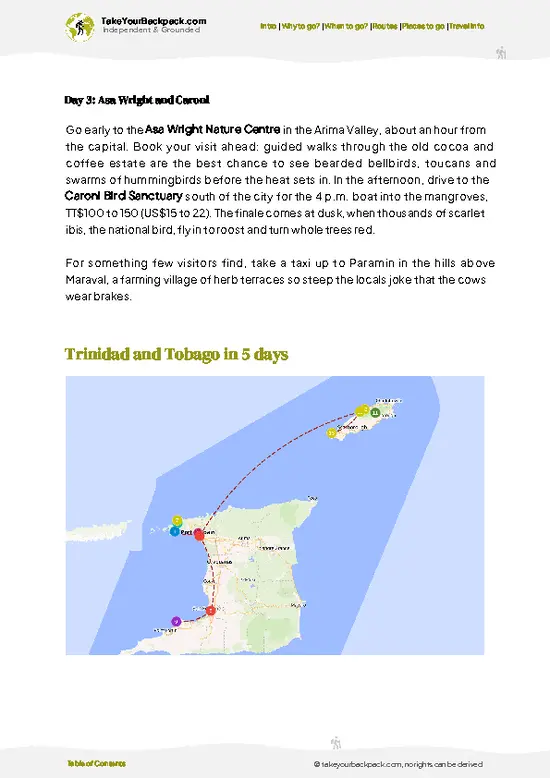
In the afternoon, head to the nearby Caroni Bird Sanctuary. It’s a bit off the usual tourist path, but the tranquility of the mangroves and the sight of scarlet ibises returning to roost is worth the detour. The air is thick with the scent of wet earth and saltwater, and the gentle rustle of leaves creates a soothing backdrop. A guided boat tour will give you a closer look at this unique ecosystem.

As evening falls, return to Arima and stroll through the quaint streets of the town center. Stop by the Arima Heritage Park, where the soft glow of lanterns illuminates the pathways. Grab a local drink at a nearby bar, where you can mingle with friendly locals and share stories of your day. The warmth of the community and the rhythm of the night will leave you feeling connected to this beautiful place.
Turn your Arima visit into an Trinidad and Tobago adventure
Build a complete Trinidad and Tobago route with Arima, hidden gems, must-see destinations, and realistic travel times included.

Generate my trip

🌤️ When to go?Choosing the right time of year


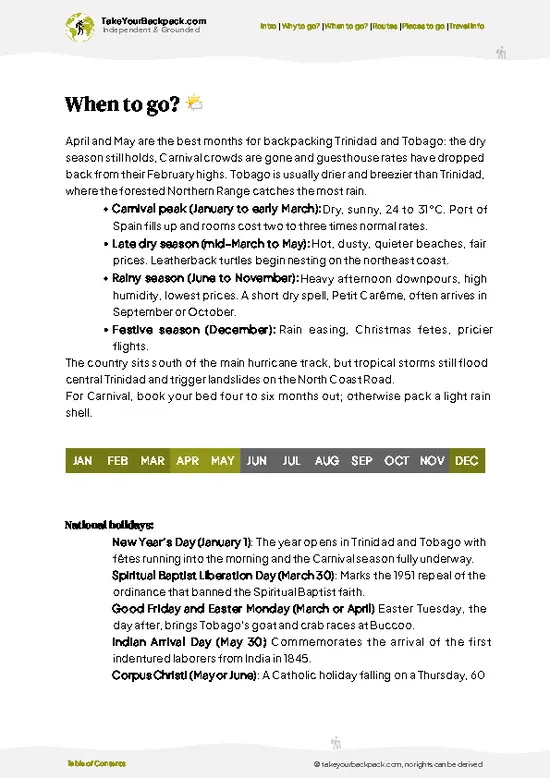
  • Weather: Arima’s tropical climate means hot, humid days year-round, but the dry season from January to May offers clearer skies and less sticky air, making hikes and street strolls more pleasant.

  • Temperature: Expect highs around 30–32°C (86–90°F) during the day, cooling to 22–24°C (72–75°F) at night. The dry season feels less oppressive, while the wet season (June to December) brings sudden downpours that can soak you in minutes.

  • Daylight Hours: Roughly 11 to 12 hours of daylight year-round, but the sun sets earlier in the wet season, which can cut your exploration time if you’re relying on natural light.

  • Crowds: Peak tourist flow aligns with the dry season and local festivals, especially around Carnival in February or March, when Arima buzzes with energy but accommodations fill fast
read more 👉

  • Weather: Arima’s tropical climate means hot, humid days year-round, but the dry season from January to May offers clearer skies and less sticky air, making hikes and street strolls more pleasant.

  • Temperature: Expect highs around 30–32°C (86–90°F) during the day, cooling to 22–24°C (72–75°F) at night. The dry season feels less oppressive, while the wet season (June to December) brings sudden downpours that can soak you in minutes.

  • Daylight Hours: Roughly 11 to 12 hours of daylight year-round, but the sun sets earlier in the wet season, which can cut your exploration time if you’re relying on natural light.

  • Crowds: Peak tourist flow aligns with the dry season and local festivals, especially around Carnival in February or March, when Arima buzzes with energy but accommodations fill fast and prices spike.

  • Seasonal Activities: The dry months are prime for outdoor markets, hiking the nearby hills, and enjoying open-air events. The wet season’s lush greenery is tempting but often interrupted by rain, limiting outdoor plans.

  • Price Fluctuations: Accommodation and transport costs climb during Carnival and the dry season’s peak months. Visiting just before or after these times can save money while still offering decent weather.


Pro-tip: Aim for late January or early May—when the air is crisp, the crowds thin, and the town’s pulse feels just right for soaking in Arima’s authentic vibe without the hassle of rain or inflated prices.


source: climatestotravel.comJANJanuary: excellent for travelingFEBFebruary: highly recommended for travelingMARMarch: highly recommended for travelingAPRApril: excellent for travelingMAYMay: excellent for travelingJUNJune: fair for travelingJULJuly: fair for travelingAUGAugust: fair for travelingSEPSeptember: fair for travelingOCTOctober: fair for travelingNOVNovember: fair for travelingDECDecember: fair for traveling
when-to-go

✈️ The backpacker research shortcutTrinidad and Tobago Travel Guide

An offline-friendly backpacking guide with optimized travel routes, ranked highlights, transport advice, and the best areas to stay.
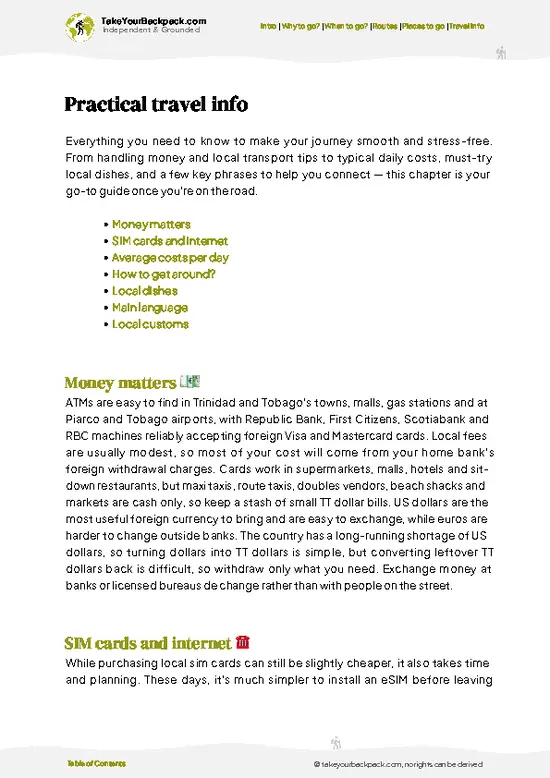
example page 0 from our offline Travel Guide for Trinidad and Tobago
example page 1 from our offline Travel Guide for Trinidad and Tobago
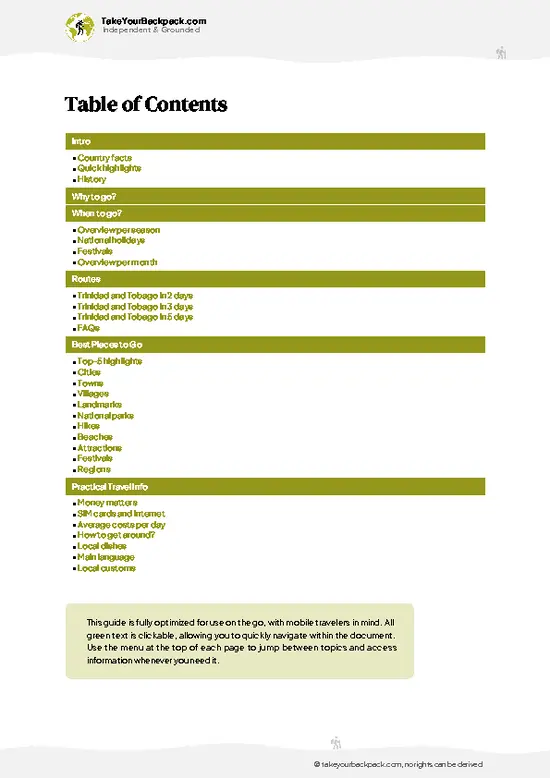
example page 2 from our offline Travel Guide for Trinidad and Tobago
example page 3 from our offline Travel Guide for Trinidad and Tobago
example page 4 from our offline Travel Guide for Trinidad and Tobago
example page 5 from our offline Travel Guide for Trinidad and Tobago
example page 6 from our offline Travel Guide for Trinidad and Tobago
example page 7 from our offline Travel Guide for Trinidad and Tobago
The digital guide (237 pages) contains:
61 highlights, ranked by travel appeal
Optimized 2, 3 & 5-day travel routes
Cities, national parks, landmarks, beaches
How to get around
Offline-friendly for travel without Wi-Fi
👉 Click to see all 30+ guide features

📅 Plan smarter in minutes, not weeks
Month by month travel advice
Festivals & national holidays
Budget expectations

🗺️ Go to the right places, skip the overrated ones
Honest pros & cons of destinations
Top hikes, parks & viewpoints
Lesser-known places most travelers miss
Clear “worth it vs skip it” guidance

🛏️ Travel smoothly without rookie mistakes
Best areas to stay
Transport systems explained simply
Common scams & safety advice
SIM cards, money & practical tips

🌍 Understand the country, not just visit it
Culture & traditions
Local customs
Festivals worth planning around
Traveler-friendly historical context
Insights that make places more meaningful

📱 Built for real travel conditions
Fully downloadable PDF
Works completely offline
Optimized for phone use
Useful in remote areas & buses
Everything in one place
Save weeks of stressful planning
Get instant access to your full guide. 30‑day money-back guarantee.


By proceeding you agree to our terms.
Sent to your inbox immediately after payment • 100% Secure Checkout
Best Backpacking Travel Advisor 2025 tourism awardBest Backpacking
Travel Advisor
2025
What others say about Take Your Backpack Guides:
⭐⭐⭐⭐⭐
Fantastic, amazing amount of information!
⭐⭐⭐⭐⭐
My goodness this is amazing, it's what I've been looking for hats off too you!
⭐⭐⭐⭐⭐
I think this is absolutely BRILLIANT
⭐⭐⭐⭐
Very complete and informative. It's still missing places, but I gotta to commend you
⭐⭐⭐⭐⭐
This is truly amazing, thank you, can't wait to explore it with my kids!
⭐⭐⭐⭐⭐
Awesome resource, thank you!
⭐⭐⭐⭐⭐
This is amazing! Can't wait to explore the ones I haven't seen
⭐⭐⭐⭐
I love this! Well done, great idea.
⭐⭐⭐⭐⭐
Thanks for taking the time to make this gem!
⭐⭐⭐⭐⭐
This might be the best website I've ever seen.
⭐⭐⭐⭐⭐
Congratulations, and thank you so much for your work; it's incredibly valuable.
⭐⭐⭐⭐
In all seriousness I think you did a great job pointing out the important spots
⭐⭐⭐⭐⭐
10/10 very good
⭐⭐⭐⭐⭐
As someone who's only just starting to visit regularly this is awesome, thank you.
⭐⭐⭐⭐
Thank you very much! I'm going to visit my dad, it's going to be very useful!
⭐⭐⭐⭐⭐
This is really cool! We'll be travelling for the first time and this definitely come in handy.
⭐⭐⭐⭐⭐
You are now our minister of culture, congratulations 👨‍💼
⭐⭐⭐⭐⭐
Just wanted to tell you that this is a pearl! Going to follow your recommendations.
⭐⭐⭐⭐⭐
This is so cool. I'll definitely be using the resource for my travels soon.
⭐⭐⭐⭐⭐
This is very impressive! Good work.
⭐⭐⭐⭐⭐
This is an amazing and informative site. Very well done!

🛏️ Where to stay?How to pick the right area

Arima’s heart beats strongest around its bustling town center, where backpackers find the best mix of safety, social buzz, and budget options. This area hums with local life—street vendors selling doubles and fresh coconut water, the scent of spices mingling with the tropical heat. Staying here means you’re steps away from lively markets and the pulse of Trinidadian culture, making it easy to strike up conversations with locals and fellow travelers alike.

Compared to quieter, more residential neighborhoods on the outskirts, the town center offers a practical advantage: hostels and guesthouses … read more 👉
Arima’s heart beats strongest around its bustling town center, where backpackers find the best mix of safety, social buzz, and budget options. This area hums with local life—street vendors selling doubles and fresh coconut water, the scent of spices mingling with the tropical heat. Staying here means you’re steps away from lively markets and the pulse of Trinidadian culture, making it easy to strike up conversations with locals and fellow travelers alike.

Compared to quieter, more residential neighborhoods on the outskirts, the town center offers a practical advantage: hostels and guesthouses cluster here, catering to solo backpackers looking for connection without sacrificing security. The streets are well-lit and busy well into the evening, which naturally wards off the kind of sketchy vibes you want to avoid.

If you venture too far out, you’ll find fewer social spots and more reliance on taxis, which eats into your budget and spontaneity. So, lock in your base where the light spills warmly onto the sidewalks, where the chatter never dies down, and where every corner offers a chance to dive deeper into Arima’s authentic rhythm.

🚌 Getting aroundHow to get from A to B

Arima’s rhythm isn’t dictated by clocks but by the slow, deliberate pulse of mountain air and the soft murmur of hot springs. The town moves at a pace that feels like a gentle exhale—no rush, just a steady flow of locals and visitors weaving through narrow streets lined with wooden ryokans and steamy baths. You won’t find a rigid timetable here; instead, you’ll sync with the natural cadence of the place, where the scent of mineral-rich water and the rustle of bamboo guide your steps. Understanding this flow means embracing a mix of old-school charm and practical simplicity, which makes getting around both straightforward and part of the experience.


  • Walking: The heart of Arima is compact and best explored on foot. Strolling through the town lets you catch the subtle steam rising from hidden
read more 👉
Arima’s rhythm isn’t dictated by clocks but by the slow, deliberate pulse of mountain air and the soft murmur of hot springs. The town moves at a pace that feels like a gentle exhale—no rush, just a steady flow of locals and visitors weaving through narrow streets lined with wooden ryokans and steamy baths. You won’t find a rigid timetable here; instead, you’ll sync with the natural cadence of the place, where the scent of mineral-rich water and the rustle of bamboo guide your steps. Understanding this flow means embracing a mix of old-school charm and practical simplicity, which makes getting around both straightforward and part of the experience.


  • Walking: The heart of Arima is compact and best explored on foot. Strolling through the town lets you catch the subtle steam rising from hidden springs and the occasional clink of geta sandals on stone paths. Most attractions are within a 10-15 minute walk, making this the cheapest and most immersive option.


  • Arima Ropeway: This cable car connects Arima Onsen with the Rokko Mountain area. It runs roughly from 9:30 AM to 5:00 PM, with a round-trip ticket costing around 1,000 yen. The ride offers a quick, scenic ascent that saves you a steep climb and rewards you with panoramic views of the town and surrounding forest—a perfect balance of efficiency and atmosphere.


  • Local Bus: The Kobe City Bus #16 links Arima with nearby hubs like Sannomiya and Rokko. Buses run every 30-60 minutes, starting early morning until early evening. Tickets cost about 230 yen. It’s slower than a taxi but reliable and budget-friendly, ideal if you’re carrying luggage or want to extend your exploration beyond the town center.


  • Taxi: For quick, door-to-door convenience, taxis are available but pricier—expect around 1,000 to 2,000 yen for short trips within town. They’re best reserved for late arrivals or when you’re hauling gear after a long hike. The drivers know the hidden spots, so a quick chat can unlock local tips you won’t find on maps.

👛 Costs (as of 30 April 2026)How expensive it really is

Backpacking in Arima, Trinidad and Tobago, offers a mix of local charm and practical affordability, but knowing the real costs helps you plan without surprises.
  • Dorm Accommodation: Expect to pay around $10 to $20 USD per night for a bed in a basic guesthouse or hostel dorm. Options are limited compared to bigger cities, so booking ahead can secure the best rates and avoid last-minute price hikes.
  • Meals: Local eateries serve hearty, flavorful meals for about $3 to $7 USD each. Street food and small local restaurants are your best bets for authentic dishes like doubles or roti, keeping your food budget tight without sacrificing taste or portion size.
  • Local Transport: Getting around Arima is cheap and straightforward. Maxi taxis and buses cost roughly $0.50 to $1.50 USD per ride. These shared
read more 👉
Backpacking in Arima, Trinidad and Tobago, offers a mix of local charm and practical affordability, but knowing the real costs helps you plan without surprises.
  • Dorm Accommodation: Expect to pay around $10 to $20 USD per night for a bed in a basic guesthouse or hostel dorm. Options are limited compared to bigger cities, so booking ahead can secure the best rates and avoid last-minute price hikes.
  • Meals: Local eateries serve hearty, flavorful meals for about $3 to $7 USD each. Street food and small local restaurants are your best bets for authentic dishes like doubles or roti, keeping your food budget tight without sacrificing taste or portion size.
  • Local Transport: Getting around Arima is cheap and straightforward. Maxi taxis and buses cost roughly $0.50 to $1.50 USD per ride. These shared vans run frequently and connect you to nearby towns, making them a practical choice for daily travel.
  • Basic Activities/Entry Fees: Most local attractions, like community parks or cultural sites, have minimal or no entry fees, usually under $5 USD. If you want to explore nearby nature reserves or museums, budget around $5 to $10 USD for entrance.
  • Miscellaneous Expenses: Small extras like bottled water, snacks, or occasional treats can add up to about $2 to $5 USD daily. Keep some cash handy for these little things, especially since card payments aren’t always accepted in smaller shops.

All told, you’re looking at roughly $20 to $45 USD per day to cover the essentials in Arima. This range lets you move comfortably through the town, enjoy local flavors, and experience the culture without stretching your wallet.
⚠️ Prices can change and everyone travels differently, so take this as a rough guide. Hope it helps you plan your adventure!

🚌 Day tripsExploring the surroundings

Arima, Trinidad and Tobago, is a backpacker’s dream base for day trips, offering a blend of culture, nature, and adventure. The town itself hums with local life, from the scent of fresh bake and shark wafting through the air to the vibrant chatter of market vendors. Here are some must-do day trips that will elevate your experience.

Maracas Beach
Just a 45-minute drive from Arima, Maracas Beach is the quintessential Caribbean escape. The golden sands stretch out before you, kissed by turquoise waves. Grab a “bake and shark” from a beach vendor—trust me, it’s a rite of passage. The best time to visit is early morning to beat the crowds and snag a prime spot. Budget around $10 for transport and food. A common mistake? Arriving too late; the beach can get packed, and parking becomes a hassle. … read more 👉
Arima, Trinidad and Tobago, is a backpacker’s dream base for day trips, offering a blend of culture, nature, and adventure. The town itself hums with local life, from the scent of fresh bake and shark wafting through the air to the vibrant chatter of market vendors. Here are some must-do day trips that will elevate your experience.

Maracas Beach
Just a 45-minute drive from Arima, Maracas Beach is the quintessential Caribbean escape. The golden sands stretch out before you, kissed by turquoise waves. Grab a “bake and shark” from a beach vendor—trust me, it’s a rite of passage. The best time to visit is early morning to beat the crowds and snag a prime spot. Budget around $10 for transport and food. A common mistake? Arriving too late; the beach can get packed, and parking becomes a hassle.


El Tucuche
For the adventurous spirit, hiking El Tucuche is a rewarding challenge. This trek takes about 4-5 hours round trip and offers breathtaking views of the Northern Range. The trailhead is a short taxi ride from Arima, costing around $15. Bring plenty of water and snacks; you’ll need the fuel. The dry season, from January to May, is ideal for this hike. Many first-timers underestimate the trail’s difficulty, so prepare for some steep sections.


Caroni Bird Sanctuary
A visit to the Caroni Bird Sanctuary is a serene escape into nature. Just a 30-minute drive from Arima, this wetland paradise is home to the stunning scarlet ibis. A guided boat tour costs about $25 and lasts around 2 hours, best taken in the late afternoon when the birds return to roost. Don’t forget your camera! Many overlook the importance of booking a tour in advance, especially during peak season.
👉 Explore Caroni Bird Sanctuary

Asa Wright Nature Centre
Immerse yourself in the lush biodiversity at Asa Wright Nature Centre, about an hour from Arima. This eco-lodge offers guided tours through its sprawling grounds, where you can spot exotic birds and butterflies. Entrance fees are around $30, and the experience is worth every penny. The best time to visit is early morning when the wildlife is most active. A common pitfall is not allowing enough time to explore the trails fully.
👉 Explore Asa Wright Nature Centre
Want to know what more Trinidad and Tobago offers?
The Trinidad and Tobago Travel Guide describes 61 highlights, from cities to national parks, from beaches to hikes

Get the Travel Guide -

🛡️ SafetyStaying Safe: What Travelers Should Know

Arima, Trinidad and Tobago, is generally safe, but a few practical tips can enhance your experience. Stay aware in crowded areas, especially near markets or bus terminals, where pickpockets might lurk. If you’re solo, avoid wandering too far after dark; the streets can feel deserted, and it’s best to stick to well-lit areas.

Common scams are rare, but be cautious with unsolicited offers for tours or rides—always negotiate prices upfront. Locals are friendly, but a firm “no, thank you” works wonders if someone is overly persistent.

Carry a small amount of cash for street vendors, and keep your belongings close. A confident demeanor goes a long way; blend in, smile, and enjoy the vibrant atmosphere without unnecessary stress.

Other Trinidadian and Tobagonian towns near Arima

Explore more nearby:

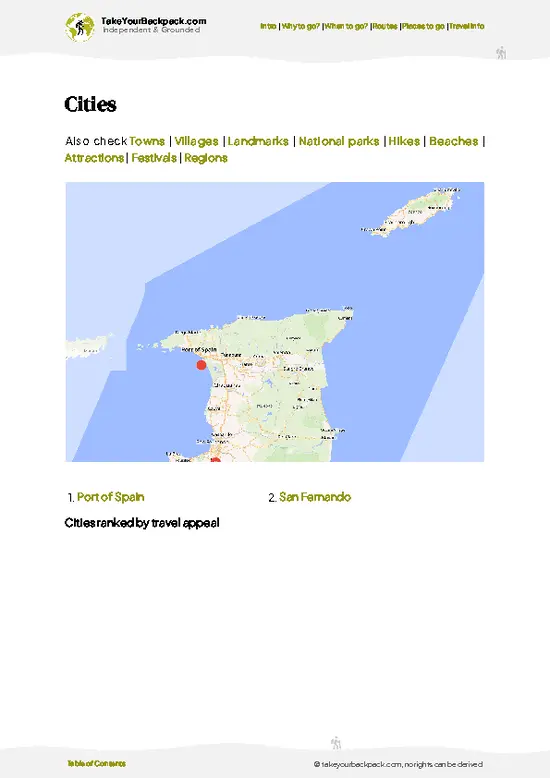
  • Sangre Grande—transport hub, street food stalls, gateway to northeast| 17 km away
  • Chaguanas—open-air bazaars, Indo-Trinidadian cuisine, temple landmarks| 19 km away
  • Maracas Bay Village—beachfront shacks, bake and shark, surf breaks| 22 km away

💡 Not sure where to go next?
Create a personalized itinerary for Trinidad and Tobago including Arima and the places that fit your trip.

Generate my itinerary

👉 Discover all towns

Or checkout all Trinidad and Tobago has to offer (think cities, towns, villages, national parks, hikes, beaches, festivals)
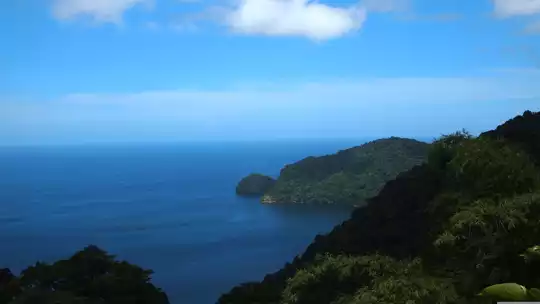
Country photo of Trinidad and Tobago

We 💚 feedbackSumming up the experience

Arima has a pulse that’s both lively and laid-back. You’ll find the scent of fresh bake and shark wafting through the air, mingling with the laughter of locals. The best surprise? Stumbling upon a spontaneous street party where the rhythm of steel drums pulls you in. Just a heads-up: the roads can be a bit bumpy, so brace yourself for a few jolts. Embrace the chaos; it’s part of the charm.

✍️ Help improve this page!
The information on this page is based on in-depth research, insights shared by experienced travelers, and feedback from the local travel community in Trinidad and Tobago. While every effort is made to keep the information accurate and current, conditions can change — so if you spot anything incorrect or outdated, please get in touch.


🙋‍♂️ Give feedback

👋 Meet the founderWho’s Behind Take Your Backpack?

Johan, backpacker and founder of TakeYourBackpackHi, I’m Johan (Netherlands 🇳🇱), the creator of TakeYourBackpack. Over the past decade, I’ve backpacked through 80+ countries across six continents, gaining extensive experience with independent travel, long-term trips, and overland routes.

This site is built on a combination of firsthand travel experience and carefully curated insights from other backpackers. Many guides are based on places I’ve personally visited, while others bring together tips, observations, and practical advice shared by trusted travelers I’ve met along the way.

The goal is to provide realistic, experience-driven guidance — not generic itineraries — so you can explore destinations with better context, clearer expectations, and more confidence.

Get full country guide •
Instant download • 61 highlights • Full Offline guide