v2.webp)
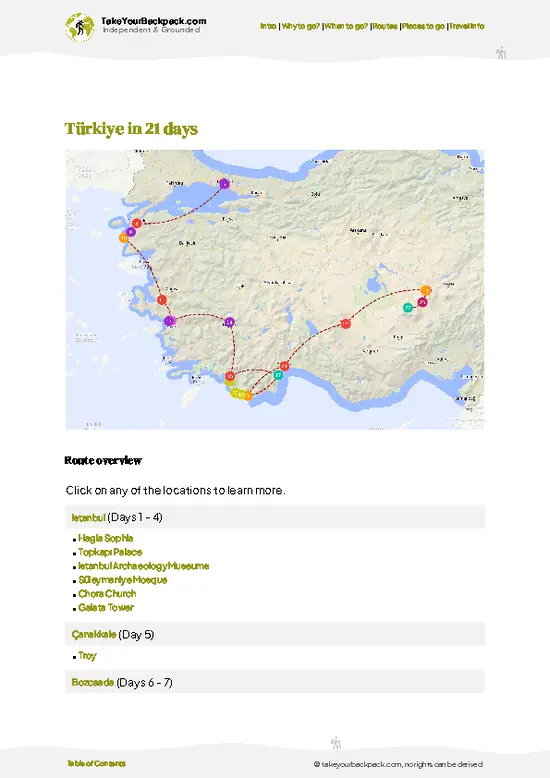
- The black basalt city walls — Massive, continuous walls made of dark volcanic stone that ring the old city; their sheer scale (several kilometres long) and state of preservation make them one of the most impressive surviving fortification systems in the world.
- The towers and battlements — Dozens of towers punctuate the walls with different shapes and sizes; look closely and you’ll see how repairs and additions from Roman, Byzantine, Seljuk and Ottoman eras were layered on top of each other, a physical timeline in stone.
- Stone carvings and inscriptions — Bas-reliefs, Arabic and other inscriptions, and decorative motifs carved into the basalt tell stories of rulers, repairs and cultural exchange; they’re small details that reward slow walking and a curious eye.
- The main gates (Dağ Kapı,
- The black basalt city walls — Massive, continuous walls made of dark volcanic stone that ring the old city; their sheer scale (several kilometres long) and state of preservation make them one of the most impressive surviving fortification systems in the world.
- The towers and battlements — Dozens of towers punctuate the walls with different shapes and sizes; look closely and you’ll see how repairs and additions from Roman, Byzantine, Seljuk and Ottoman eras were layered on top of each other, a physical timeline in stone.
- Stone carvings and inscriptions — Bas-reliefs, Arabic and other inscriptions, and decorative motifs carved into the basalt tell stories of rulers, repairs and cultural exchange; they’re small details that reward slow walking and a curious eye.
- The main gates (Dağ Kapı, Urfa Kapı, etc.) — The four principal gates are more than entrances; each has its own character, inscriptions and vantage points. They’ve controlled trade and movement here for centuries and make for great photo stops.
- Hevsel Gardens and the Tigris view — The green ribbon of orchards and fields between the walls and the Tigris is part of the UNESCO inscription; it shows why the site was strategically important and offers a surprising, peaceful contrast to the black stone.
- Walking the ramparts at sunset (personal favorite) — Hands down the best way to feel the place: climb up, walk along the ramparts, watch the light hit the basalt and the river valley below. The view, the breeze and the layered skyline make it magical—especially as the city settles into evening.
- Religious and urban layers inside the walls — Inside the fortress you’ll find ancient mosques, churches and old mansions that reveal the multi-ethnic, multi-religious history of the city; the Great Mosque (Ulu Cami) and nearby historic neighborhoods show how people kept living and adapting within the fortifications.
Spotted a mistake or missing something? Contact us.


 Best Backpacking
.jpg) Hi, I’m Johan (Netherlands 🇳🇱), the creator of TakeYourBackpack. Over the past 3 decades, I’ve backpacked through 90+ countries across six continents, gaining extensive experience with independent travel, long-term trips, and overland routes.
Hi, I’m Johan (Netherlands 🇳🇱), the creator of TakeYourBackpack. Over the past 3 decades, I’ve backpacked through 90+ countries across six continents, gaining extensive experience with independent travel, long-term trips, and overland routes.