v2.webp)
The Dome (and the Impossible Engineering)
Forget the Instagram angle—stand under the main dome and let your neck ache. This isn’t just a big ceiling; it’s a 6th-century engineering flex that still baffles architects. The dome floats, seemingly unsupported, thanks to a ring of forty windows that pour in light and make the whole thing feel weightless. You’ll see tourists snapping photos, but the real magic is in the hush that falls when you realize you’re standing beneath a structure that’s survived earthquakes, empires, and centuries of human ambition.
The Mosaics (and the Stories They Tell)
Yes, some mosaics are covered, but enough remain to make you stop in your tracks. These aren’t just pretty tiles—they’re coded messages from Byzantium, with gold backgrounds that shimmer in the half-light … read more 👉
Forget the Instagram angle—stand under the main dome and let your neck ache. This isn’t just a big ceiling; it’s a 6th-century engineering flex that still baffles architects. The dome floats, seemingly unsupported, thanks to a ring of forty windows that pour in light and make the whole thing feel weightless. You’ll see tourists snapping photos, but the real magic is in the hush that falls when you realize you’re standing beneath a structure that’s survived earthquakes, empires, and centuries of human ambition.
The Mosaics (and the Stories They Tell)
Yes, some mosaics are covered, but enough remain to make you stop in your tracks. These aren’t just pretty tiles—they’re coded messages from Byzantium, with gold backgrounds that shimmer in the half-light … read more 👉
The Dome (and the Impossible Engineering)
Forget the Instagram angle—stand under the main dome and let your neck ache. This isn’t just a big ceiling; it’s a 6th-century engineering flex that still baffles architects. The dome floats, seemingly unsupported, thanks to a ring of forty windows that pour in light and make the whole thing feel weightless. You’ll see tourists snapping photos, but the real magic is in the hush that falls when you realize you’re standing beneath a structure that’s survived earthquakes, empires, and centuries of human ambition.
The Mosaics (and the Stories They Tell)
Yes, some mosaics are covered, but enough remain to make you stop in your tracks. These aren’t just pretty tiles—they’re coded messages from Byzantium, with gold backgrounds that shimmer in the half-light and faces that have watched the world change from Christianity to Islam and back again. Look for the Deësis mosaic in the upper gallery: Christ, Mary, and John the Baptist, all rendered with a humanity that’s almost unnerving. This is art that survived iconoclasm, conquest, and restoration. It’s not just decoration; it’s a time capsule.
The Calligraphic Roundels
Those massive black-and-gold medallions hanging from the upper walls? They’re not just for show. Each one bears the name of a key Islamic figure, written in script so bold it could double as a superhero logo. They’re a visual declaration: this is a mosque now, and the building’s identity has shifted. The scale alone is jaw-dropping, but the real trick is how seamlessly they coexist with the Christian mosaics. It’s a visual negotiation between faiths, and it works.
The Marble Omphalos (Imperial Door)
Most people breeze past the Imperial Door, but if you want to feel the weight of history, linger here. This was the entrance reserved for emperors—Byzantine, Ottoman, take your pick. The marble omphalos (navel of the world) marks the ceremonial center, and the door itself is rumored to be made from the wood of Noah’s Ark. Is that true? Who cares. The myth is part of the experience, and the sense of ceremony is real.
The Upper Gallery (Personal Favorite)
Climb the ramp—yes, it’s a slog, and yes, it’s worth every step. The upper gallery is where the Hagia Sophia reveals its full drama. You get a bird’s-eye view of the nave, the dome, and the interplay of Christian and Islamic art. This is where you escape the ground-level crowds and get a sense of the building’s scale and complexity. It’s quieter, the light is better, and you can actually breathe. If you want to feel the pulse of centuries, this is the spot.
Forget the Instagram angle—stand under the main dome and let your neck ache. This isn’t just a big ceiling; it’s a 6th-century engineering flex that still baffles architects. The dome floats, seemingly unsupported, thanks to a ring of forty windows that pour in light and make the whole thing feel weightless. You’ll see tourists snapping photos, but the real magic is in the hush that falls when you realize you’re standing beneath a structure that’s survived earthquakes, empires, and centuries of human ambition.
The Mosaics (and the Stories They Tell)
Yes, some mosaics are covered, but enough remain to make you stop in your tracks. These aren’t just pretty tiles—they’re coded messages from Byzantium, with gold backgrounds that shimmer in the half-light and faces that have watched the world change from Christianity to Islam and back again. Look for the Deësis mosaic in the upper gallery: Christ, Mary, and John the Baptist, all rendered with a humanity that’s almost unnerving. This is art that survived iconoclasm, conquest, and restoration. It’s not just decoration; it’s a time capsule.
The Calligraphic Roundels
Those massive black-and-gold medallions hanging from the upper walls? They’re not just for show. Each one bears the name of a key Islamic figure, written in script so bold it could double as a superhero logo. They’re a visual declaration: this is a mosque now, and the building’s identity has shifted. The scale alone is jaw-dropping, but the real trick is how seamlessly they coexist with the Christian mosaics. It’s a visual negotiation between faiths, and it works.
The Marble Omphalos (Imperial Door)
Most people breeze past the Imperial Door, but if you want to feel the weight of history, linger here. This was the entrance reserved for emperors—Byzantine, Ottoman, take your pick. The marble omphalos (navel of the world) marks the ceremonial center, and the door itself is rumored to be made from the wood of Noah’s Ark. Is that true? Who cares. The myth is part of the experience, and the sense of ceremony is real.
The Upper Gallery (Personal Favorite)
Climb the ramp—yes, it’s a slog, and yes, it’s worth every step. The upper gallery is where the Hagia Sophia reveals its full drama. You get a bird’s-eye view of the nave, the dome, and the interplay of Christian and Islamic art. This is where you escape the ground-level crowds and get a sense of the building’s scale and complexity. It’s quieter, the light is better, and you can actually breathe. If you want to feel the pulse of centuries, this is the spot.
Spotted a mistake or missing something? Contact us.
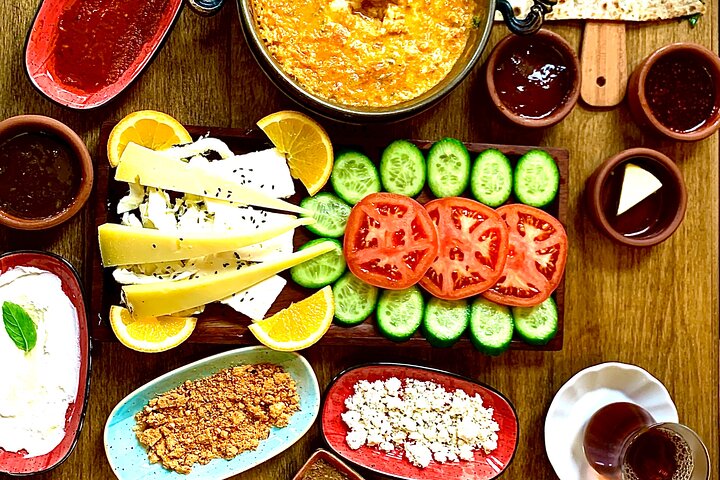
Private and Guided Istanbul Food Tour: Taste of Istanbul

Istanbul Photoshoot at ALL Top Sightseeings

Hidden Beyoğlu Tour

Daily Ertugrul Tour from Istanbul

Istanbul Photoshoot tour with Local Photographer

Traditional Home Cooking with a Local in İstanbul City Center

Basilica Cistern (Private Guide & No waiting) Ticket not included

Hagia Sophia Skip-the-Line Private Tour - Best Highlights

Private 4 Days Turkey Tour from Istanbul to Cappadocia, Ephesus, Pamukkale


 Best Backpacking
.jpg) Hi, I’m Johan (Netherlands 🇳🇱), the creator of TakeYourBackpack. Over the past decade, I’ve backpacked through 80+ countries across six continents, gaining extensive experience with independent travel, long-term trips, and overland routes.
Hi, I’m Johan (Netherlands 🇳🇱), the creator of TakeYourBackpack. Over the past decade, I’ve backpacked through 80+ countries across six continents, gaining extensive experience with independent travel, long-term trips, and overland routes.