v2.webp)
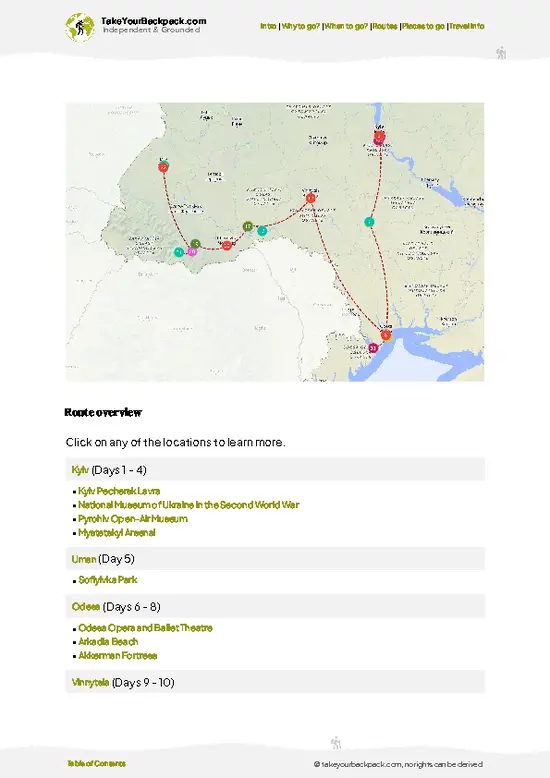
- National Pysanka Museum (Museum of the Pysanka) — The oddball icon of the city: a bright egg-shaped museum that houses an impressive collection of decorated eggs, folk art and temporary exhibitions. It’s the quickest way to get why Kolomyia is famous for pysanky and to see traditional patterns up close.
- Giant Pysanka Monument (the city’s Easter egg sculpture) — Right by the museum, this oversized pysanka is an unmissable photo stop and a local meeting point. Walk around it, watch people compare designs, and enjoy the small park that surrounds it.
- Museum of Hutsul and Pokuttya Folk Art — A focused collection of Hutsul clothing, wood carving, metalwork and household items that shows how mountain craft traditions shaped daily life. Great for getting texture on regional folk culture beyond
- National Pysanka Museum (Museum of the Pysanka) — The oddball icon of the city: a bright egg-shaped museum that houses an impressive collection of decorated eggs, folk art and temporary exhibitions. It’s the quickest way to get why Kolomyia is famous for pysanky and to see traditional patterns up close.
- Giant Pysanka Monument (the city’s Easter egg sculpture) — Right by the museum, this oversized pysanka is an unmissable photo stop and a local meeting point. Walk around it, watch people compare designs, and enjoy the small park that surrounds it.
- Museum of Hutsul and Pokuttya Folk Art — A focused collection of Hutsul clothing, wood carving, metalwork and household items that shows how mountain craft traditions shaped daily life. Great for getting texture on regional folk culture beyond the pysanka clichés.
- Kolomyia Regional (Local Lore) Museum — Good for context: exhibits on the town’s history, archaeological finds, and social life through the centuries. If you want a quick primer on the area — economy, multiethnic past, and notable local figures — this is the place.
- Central Market / Rynok area — The working heart of town: a lively market, small cafes, bakeries and stalls selling cheese, smoked meat and local crafts. It’s where you hear local dialect, bargain with vendors, and try simple home-style food without tourist-menu prices.
- Old Jewish cemetery and Holocaust memorial sites — Quiet, somber, and important for understanding Kolomyia’s pre-war multiethnic fabric and the tragedies of the 20th century. Visit respectfully to see weathered gravestones and memorial plaques that mark a community that once shaped the town.
- Historic churches in the city centre — Kolomyia’s churches (Greek Catholic and Orthodox) offer attractive iconostases, local frescoes and everyday religious life. Even if you’re not religious, stepping inside gives a sense of local craftsmanship and ritual that’s still alive.
- Local art galleries and small craft shops — Scattered around the centre, these spots showcase contemporary takes on Hutsul motifs: embroidery, ceramics, carved wood and prints. Good for finding authentic small souvenirs and meeting young local artists.
- City parks and promenades (including the park around the Pysanka complex) — Pleasant spots to sit, people-watch, and watch families and students congregate. Parks in Kolomyia are small but sociable — often hosting weekend bazaars or informal music/drinks gatherings in summer.
- Kolomyia cultural venues and seasonal festivals — The town punches above its weight with occasional folk festivals, open-air concerts and craft fairs tied to Hutsul culture and Orthodox/Greek Catholic holidays. If your visit lines up with one, it’s the best way to see local customs in real time.
Spotted a mistake or missing something? Contact us.


 Best Backpacking
.jpg) Hi, I’m Johan (Netherlands 🇳🇱), the creator of TakeYourBackpack. Over the past 3 decades, I’ve backpacked through 90+ countries across six continents, gaining extensive experience with independent travel, long-term trips, and overland routes.
Hi, I’m Johan (Netherlands 🇳🇱), the creator of TakeYourBackpack. Over the past 3 decades, I’ve backpacked through 90+ countries across six continents, gaining extensive experience with independent travel, long-term trips, and overland routes.