v2.webp)



The Rosetta Stone
Let’s get this out of the way: you will not have this artifact to yourself. The crowd is always three-deep, and yes, someone will be taking a selfie with their back to the glass. But the Rosetta Stone is the real deal—arguably the most famous slab of rock on earth. It’s the key that unlocked ancient Egyptian hieroglyphs, and standing in front of it, you’re staring at the literal codebreaker of lost civilizations. The thrill isn’t in the aesthetics (it’s a battered chunk of granodiorite), but in the raw, world-changing impact it had on human knowledge. If you’re a history nerd, this is your Beatles moment.
The Elgin Marbles (Parthenon Sculptures)
Controversial? Absolutely. But the Elgin Marbles are a masterclass in ancient Greek artistry and a crash course in international … read more 👉
Let’s get this out of the way: you will not have this artifact to yourself. The crowd is always three-deep, and yes, someone will be taking a selfie with their back to the glass. But the Rosetta Stone is the real deal—arguably the most famous slab of rock on earth. It’s the key that unlocked ancient Egyptian hieroglyphs, and standing in front of it, you’re staring at the literal codebreaker of lost civilizations. The thrill isn’t in the aesthetics (it’s a battered chunk of granodiorite), but in the raw, world-changing impact it had on human knowledge. If you’re a history nerd, this is your Beatles moment.
The Elgin Marbles (Parthenon Sculptures)
Controversial? Absolutely. But the Elgin Marbles are a masterclass in ancient Greek artistry and a crash course in international … read more 👉
The Rosetta Stone
Let’s get this out of the way: you will not have this artifact to yourself. The crowd is always three-deep, and yes, someone will be taking a selfie with their back to the glass. But the Rosetta Stone is the real deal—arguably the most famous slab of rock on earth. It’s the key that unlocked ancient Egyptian hieroglyphs, and standing in front of it, you’re staring at the literal codebreaker of lost civilizations. The thrill isn’t in the aesthetics (it’s a battered chunk of granodiorite), but in the raw, world-changing impact it had on human knowledge. If you’re a history nerd, this is your Beatles moment.
The Elgin Marbles (Parthenon Sculptures)
Controversial? Absolutely. But the Elgin Marbles are a masterclass in ancient Greek artistry and a crash course in international debate. The scale and detail of these sculptures—friezes, metopes, and statues from the Parthenon—are jaw-dropping up close. You’ll see muscles, drapery, and even veins carved with obsessive precision, all from a time when the world was still figuring out democracy. The room itself is stark, almost clinical, which only makes the drama of the marbles hit harder. You’ll leave with opinions, guaranteed.
The Egyptian Mummies
Forget the cartoonish, curse-laden nonsense. The British Museum’s Egyptian galleries are a parade of real, ancient people—mummified royalty, priests, and even cats. The preservation is so good you’ll see hair, teeth, and the faded linen wrappings. It’s not just spectacle; it’s a direct, sometimes unsettling, confrontation with mortality and ancient beliefs about the afterlife. The room smells faintly of old paper and dust, and the hush is real. Kids are awed, adults get philosophical.
The Sutton Hoo Treasure
If you think British history is all tea and stiff upper lips, the Sutton Hoo exhibit will slap you awake. This is the UK’s answer to Tutankhamun: a ship burial packed with gold, weapons, and that iconic helmet that looks straight out of a Viking saga. The craftsmanship is wild—tiny garnet inlays, intricate metalwork, and a sense of mystery that still fuels debates about early English kings. It’s the closest you’ll get to time travel in the museum.
The Enlightenment Gallery (Room 1)
Personal favorite. This room is the antidote to museum fatigue. It’s a cabinet-of-curiosities fever dream: fossils, ancient coins, taxidermy, and books stacked in glass cases, all arranged like a mad scientist’s study. The Enlightenment Gallery isn’t about one culture or era; it’s about the thrill of discovery itself. You’ll find yourself grinning at the weirdness and ambition of collectors who wanted to know everything about everything. It’s the British Museum’s soul, and most tourists breeze right past it.
The Assyrian Lion Hunt Reliefs
These wall panels are pure ancient action movie. Carved in the 7th century BCE, they show Assyrian kings hunting lions with spears and bows—muscles tensed, arrows flying, lions mid-roar. The detail is so sharp you can see the fear in the animals’ eyes. It’s propaganda, sure, but it’s also storytelling at its most visceral. You’ll feel the adrenaline, even if you’ve never picked up a history book.
Let’s get this out of the way: you will not have this artifact to yourself. The crowd is always three-deep, and yes, someone will be taking a selfie with their back to the glass. But the Rosetta Stone is the real deal—arguably the most famous slab of rock on earth. It’s the key that unlocked ancient Egyptian hieroglyphs, and standing in front of it, you’re staring at the literal codebreaker of lost civilizations. The thrill isn’t in the aesthetics (it’s a battered chunk of granodiorite), but in the raw, world-changing impact it had on human knowledge. If you’re a history nerd, this is your Beatles moment.
The Elgin Marbles (Parthenon Sculptures)
Controversial? Absolutely. But the Elgin Marbles are a masterclass in ancient Greek artistry and a crash course in international debate. The scale and detail of these sculptures—friezes, metopes, and statues from the Parthenon—are jaw-dropping up close. You’ll see muscles, drapery, and even veins carved with obsessive precision, all from a time when the world was still figuring out democracy. The room itself is stark, almost clinical, which only makes the drama of the marbles hit harder. You’ll leave with opinions, guaranteed.
The Egyptian Mummies
Forget the cartoonish, curse-laden nonsense. The British Museum’s Egyptian galleries are a parade of real, ancient people—mummified royalty, priests, and even cats. The preservation is so good you’ll see hair, teeth, and the faded linen wrappings. It’s not just spectacle; it’s a direct, sometimes unsettling, confrontation with mortality and ancient beliefs about the afterlife. The room smells faintly of old paper and dust, and the hush is real. Kids are awed, adults get philosophical.
The Sutton Hoo Treasure
If you think British history is all tea and stiff upper lips, the Sutton Hoo exhibit will slap you awake. This is the UK’s answer to Tutankhamun: a ship burial packed with gold, weapons, and that iconic helmet that looks straight out of a Viking saga. The craftsmanship is wild—tiny garnet inlays, intricate metalwork, and a sense of mystery that still fuels debates about early English kings. It’s the closest you’ll get to time travel in the museum.
The Enlightenment Gallery (Room 1)
Personal favorite. This room is the antidote to museum fatigue. It’s a cabinet-of-curiosities fever dream: fossils, ancient coins, taxidermy, and books stacked in glass cases, all arranged like a mad scientist’s study. The Enlightenment Gallery isn’t about one culture or era; it’s about the thrill of discovery itself. You’ll find yourself grinning at the weirdness and ambition of collectors who wanted to know everything about everything. It’s the British Museum’s soul, and most tourists breeze right past it.
The Assyrian Lion Hunt Reliefs
These wall panels are pure ancient action movie. Carved in the 7th century BCE, they show Assyrian kings hunting lions with spears and bows—muscles tensed, arrows flying, lions mid-roar. The detail is so sharp you can see the fear in the animals’ eyes. It’s propaganda, sure, but it’s also storytelling at its most visceral. You’ll feel the adrenaline, even if you’ve never picked up a history book.
Spotted a mistake or missing something? Contact us.

Private Guided Tour of the British Museum - Tickets Included

British Museum & National Gallery of London Semi-Private 8ppl Max

Explore Biblical Artifacts at the British Museum
British Museum & National Gallery of London - Exclusive Guided Combo Tour

Private Guided Tour of the British Museum

British Museum In-Depth Private Guided Tour

British Museum London Private Guided Tour - 3 hour

British Museum Highlights Private Guided Tour
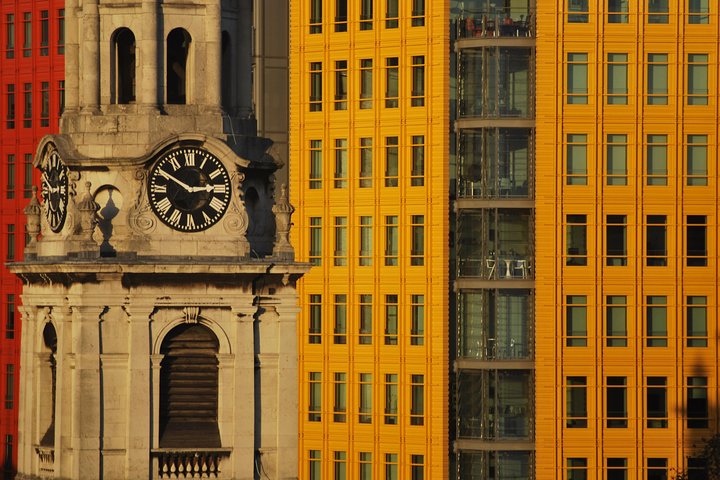
Photography Tour walking the back streets of London's West End (3 hours)

 Best Backpacking
.jpg) Hi, I’m Johan (Netherlands 🇳🇱), the creator of TakeYourBackpack. Over the past 3 decades, I’ve backpacked through 90+ countries across six continents, gaining extensive experience with independent travel, long-term trips, and overland routes.
Hi, I’m Johan (Netherlands 🇳🇱), the creator of TakeYourBackpack. Over the past 3 decades, I’ve backpacked through 90+ countries across six continents, gaining extensive experience with independent travel, long-term trips, and overland routes.