How many attractions to pack in: Plan on one paid attraction a day, two at most, and leave a few days with none. That number holds up because the UK’s big sights are dense, queue-heavy and often need a timed ticket, so a third stop usually means rushing the first two. Rain also reshuffles plans more often than any itinerary admits, and a spare half day is the cheapest insurance you can buy. Over a ten-day trip, six to eight paid entries is a comfortable load.
Which kind to prioritize: Free is the UK’s secret weapon. Most national museums and many major galleries in London, Edinburgh, Cardiff and Belfast charge nothing for permanent collections, so a culture-first traveler can fill days without opening a wallet. Spend your money on the things that have no free equivalent: a castle with a proper …
read more 👉 How many attractions to pack in: Plan on one paid attraction a day, two at most, and leave a few days with none. That number holds up because the UK’s big sights are dense, queue-heavy and often need a timed ticket, so a third stop usually means rushing the first two. Rain also reshuffles plans more often than any itinerary admits, and a spare half day is the cheapest insurance you can buy. Over a ten-day trip, six to eight paid entries is a comfortable load.Which kind to prioritize: Free is the UK’s secret weapon. Most national museums and many major galleries in London, Edinburgh, Cardiff and Belfast charge nothing for permanent collections, so a culture-first traveler can fill days without opening a wallet. Spend your money on the things that have no free equivalent: a castle with a proper interior, a heritage railway, a distillery tour, a boat trip to an island. If history is your thing, a membership pass pays off fast. English Heritage and the National Trust each cost roughly £60 to 75 for an adult year, and the Historic Scotland pass runs around £60 to 70. Check the overseas visitor passes too. They are sold for 7 or 14 days and make sense if you plan four or five major sites in one country. Hikers and landscape lovers should lean on the national parks and coastal paths, which cost nothing beyond transport and a decent waterproof. Nightlife and pub-culture types can treat the pub itself as the attraction, and a pint runs about £4.50 to 7 depending on city.What it costs: A frugal backpacker doing a mix of free and paid sights spends about £50 to 80 a day (US$65 to 105) on hostel bed, food and entry, with London at the high end. Add £15 to 40 per paid visit: big castles and cathedrals sit at £15 to 30, the Tower of London is above £30, and major attractions like Edinburgh Castle are around £20 to 25. Guided tours add £10 to 30 for walking tours, where free ones run on tips of £5 to 10. Local transport to reach a site is the sneaky cost. A rural bus fare can be £3 to 8 each way, and a taxi from a train station to a remote site easily hits £20 to 30.Costs and mistakes that catch people out: Buying on the door is the classic one. Popular sites often sell cheaper online tickets, typically 10 to 15 percent below gate price, and timed slots sell out in summer and on school holidays. Book a few days ahead and save the money for a pie. Another trap is walking up to a major site on a Monday or in winter, when smaller places run reduced hours or close entirely. Check the opening times the day before, because the website and the sign on the gate do not always agree. Then there are the cash-free surprises: many attractions take cards only, so a wallet of coins gets you nowhere, but small village honesty boxes and some church donations still want change. Tap-to-pay on your phone is accepted nearly everywhere. Rail is the other budget leak. Turn-up fares between cities can be double the advance price, so buy early or look at coach services, which cost far less than the train.Safety and etiquette: The UK is a low-risk country for visitors, with pickpocketing the main concern around London’s busiest sites, on the Tube and in crowded queues. Keep your phone out of back pockets and your bag zipped in front. The real danger is the outdoors. Weather on hills and coasts turns quickly, tides cut off causeways and beaches, and cliff edges are often unfenced. Read tide tables, carry a waterproof layer and tell someone your plans before any upland walk, even a short one. Mountain rescue teams are volunteer-run and busy. Sundays and bank holidays bring crowds and traffic, so pick quieter weekdays when you can.Manners that matter: Queueing is a way of life and cutting in earns silent but lethal glares. In churches and cathedrals that are still active places of worship, expect quiet, no flash photography, and sometimes a small suggested donation of £3 to 10 where entry is nominally free. Drone flying is restricted at many historic sites, so check before you launch. Finally, mind the sarcasm: a Briton calling your plan “interesting” may mean something less kind, so ask a local for a second opinion on any bus timetable.
v2.webp)
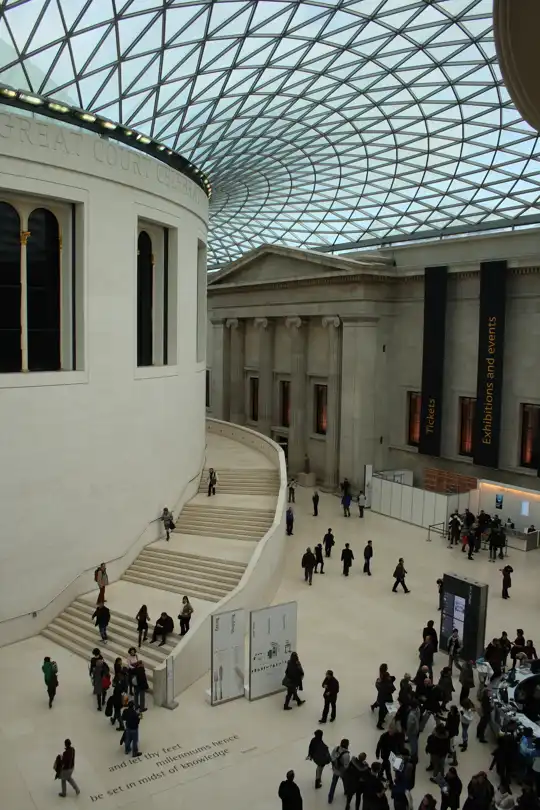
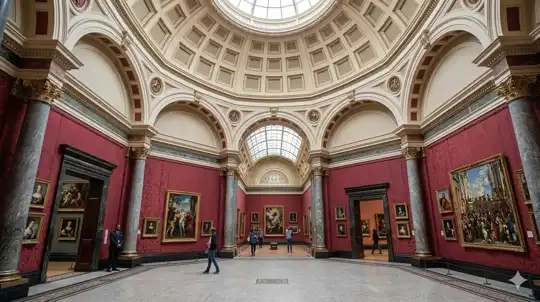
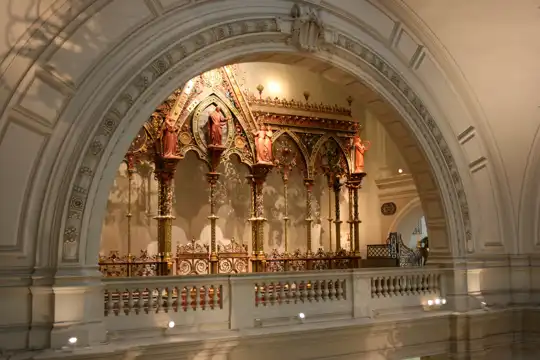

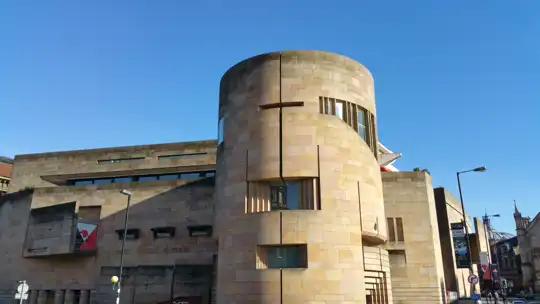
 Best Backpacking
.jpg) Hi, I’m Johan (Netherlands 🇳🇱), the creator of TakeYourBackpack. Over the past 3 decades, I’ve backpacked through 90+ countries across six continents, gaining extensive experience with independent travel, long-term trips, and overland routes.
Hi, I’m Johan (Netherlands 🇳🇱), the creator of TakeYourBackpack. Over the past 3 decades, I’ve backpacked through 90+ countries across six continents, gaining extensive experience with independent travel, long-term trips, and overland routes.