v2.webp)

The Main Stage Performance (The Auditorium Experience)
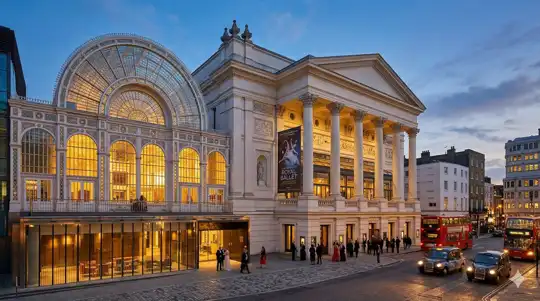
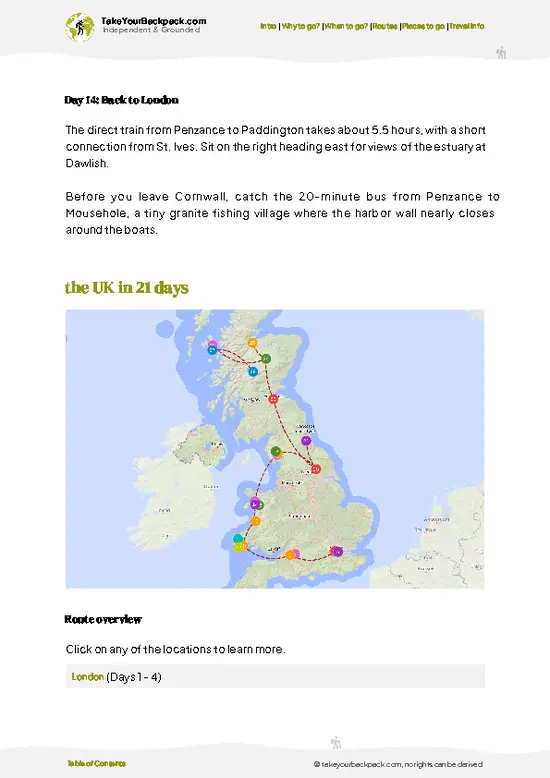
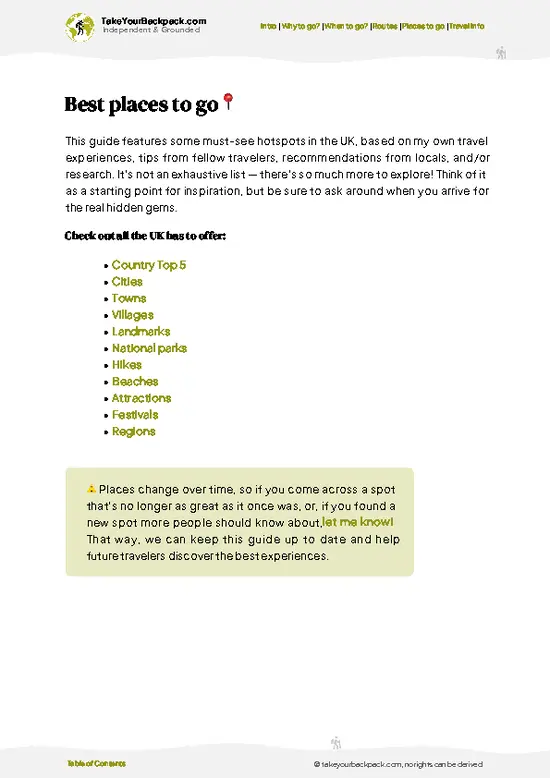
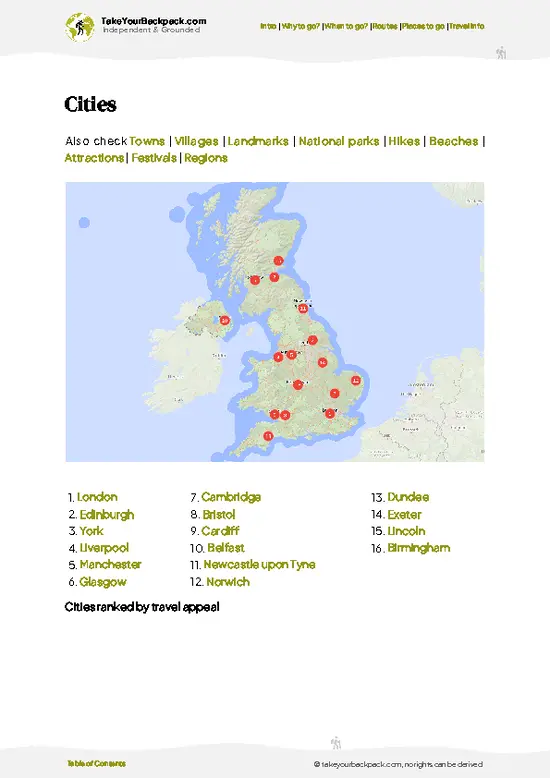
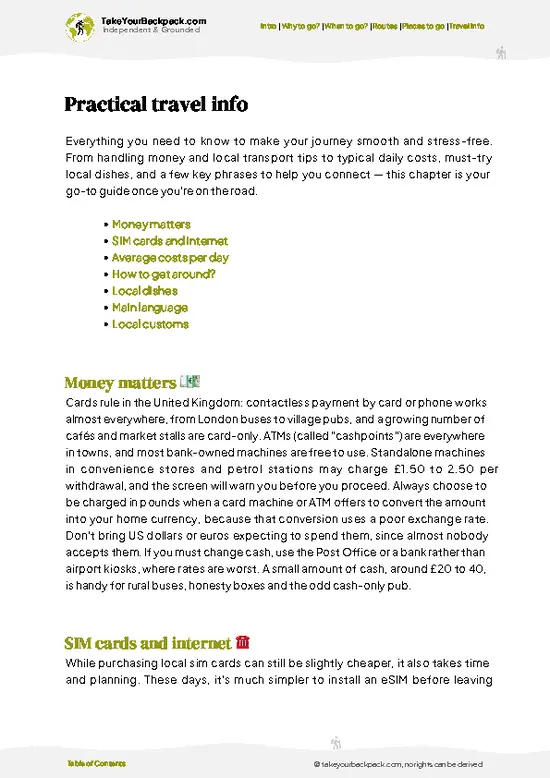
Let’s cut through the fantasy: yes, you’ll pay a premium for the best seats, and yes, you’ll be sharing air with a sea of selfie-takers and opera newbies. But when the lights drop and the curtain rises, the Royal Opera House’s main auditorium delivers a sensory gut-punch. The acoustics are so sharp you’ll hear the flutter of a soprano’s breath. The gold-and-crimson horseshoe design isn’t just for show—it’s a time machine, dropping you into the same plush seats that have hosted royalty and rebels since 1858. The real magic isn’t on Instagram; it’s in the collective gasp when the orchestra hits that first note. If you want to know why people still dress up for the opera in the UK, this is it.
The Paul Hamlyn Hall (The Glasshouse Bar)
Skip … read more 👉
Let’s cut through the fantasy: yes, you’ll pay a premium for the best seats, and yes, you’ll be sharing air with a sea of selfie-takers and opera newbies. But when the lights drop and the curtain rises, the Royal Opera House’s main auditorium delivers a sensory gut-punch. The acoustics are so sharp you’ll hear the flutter of a soprano’s breath. The gold-and-crimson horseshoe design isn’t just for show—it’s a time machine, dropping you into the same plush seats that have hosted royalty and rebels since 1858. The real magic isn’t on Instagram; it’s in the collective gasp when the orchestra hits that first note. If you want to know why people still dress up for the opera in the UK, this is it.
The Paul Hamlyn Hall (The Glasshouse Bar)
Skip … read more 👉
The Main Stage Performance (The Auditorium Experience)
Let’s cut through the fantasy: yes, you’ll pay a premium for the best seats, and yes, you’ll be sharing air with a sea of selfie-takers and opera newbies. But when the lights drop and the curtain rises, the Royal Opera House’s main auditorium delivers a sensory gut-punch. The acoustics are so sharp you’ll hear the flutter of a soprano’s breath. The gold-and-crimson horseshoe design isn’t just for show—it’s a time machine, dropping you into the same plush seats that have hosted royalty and rebels since 1858. The real magic isn’t on Instagram; it’s in the collective gasp when the orchestra hits that first note. If you want to know why people still dress up for the opera in the UK, this is it.
The Paul Hamlyn Hall (The Glasshouse Bar)
Skip the overpriced, overcrowded Covent Garden pubs and head straight for the Paul Hamlyn Hall. This Victorian iron-and-glass atrium is the Royal Opera House’s secret flex. Order a glass of English sparkling wine and watch the pre-show crowd—everyone from tuxedoed old-timers to wide-eyed students. The light here is pure drama, especially at sunset, and the people-watching is Olympic-level. It’s the only place in the building where you can feel both the weight of history and the buzz of the present, all under a ceiling that looks like it belongs in a Wes Anderson film.
Backstage Tours
Forget the velvet rope mystique. The backstage tour is where the Royal Opera House drops its guard. You’ll see the set carpenters, the wig-makers, and the organized chaos that turns a blank stage into a world-class spectacle. It’s not always glamorous—sometimes it smells like glue and sweat—but it’s the antidote to the polished Instagram feed. If you want to understand why this place is a living, breathing machine, not just a pretty façade, this is the ticket. My personal favorite—nothing beats the thrill of standing in the wings, imagining the nerves before a debut.
The Linbury Theatre
The Linbury is the Royal Opera House’s wild child. Smaller, riskier, and far less formal than the main stage, this is where you’ll catch experimental dance, new opera, and the kind of performances that make traditionalists squirm. The vibe is raw, the audience is younger, and the ticket prices won’t make you wince. If you want to see the future of UK performance art, this is where it’s being built—one boundary-pushing show at a time.
The Crush Room
It’s easy to overlook, but the Crush Room is the Royal Opera House’s most atmospheric corner. Think chandeliers, velvet, and a sense of occasion that’s impossible to fake. It’s where you go to soak up the pre-show tension or debate the second act over a glass of something strong. If you want to feel like you’re in on a secret, slip in here between acts.
Let’s cut through the fantasy: yes, you’ll pay a premium for the best seats, and yes, you’ll be sharing air with a sea of selfie-takers and opera newbies. But when the lights drop and the curtain rises, the Royal Opera House’s main auditorium delivers a sensory gut-punch. The acoustics are so sharp you’ll hear the flutter of a soprano’s breath. The gold-and-crimson horseshoe design isn’t just for show—it’s a time machine, dropping you into the same plush seats that have hosted royalty and rebels since 1858. The real magic isn’t on Instagram; it’s in the collective gasp when the orchestra hits that first note. If you want to know why people still dress up for the opera in the UK, this is it.
The Paul Hamlyn Hall (The Glasshouse Bar)
Skip the overpriced, overcrowded Covent Garden pubs and head straight for the Paul Hamlyn Hall. This Victorian iron-and-glass atrium is the Royal Opera House’s secret flex. Order a glass of English sparkling wine and watch the pre-show crowd—everyone from tuxedoed old-timers to wide-eyed students. The light here is pure drama, especially at sunset, and the people-watching is Olympic-level. It’s the only place in the building where you can feel both the weight of history and the buzz of the present, all under a ceiling that looks like it belongs in a Wes Anderson film.
Backstage Tours
Forget the velvet rope mystique. The backstage tour is where the Royal Opera House drops its guard. You’ll see the set carpenters, the wig-makers, and the organized chaos that turns a blank stage into a world-class spectacle. It’s not always glamorous—sometimes it smells like glue and sweat—but it’s the antidote to the polished Instagram feed. If you want to understand why this place is a living, breathing machine, not just a pretty façade, this is the ticket. My personal favorite—nothing beats the thrill of standing in the wings, imagining the nerves before a debut.
The Linbury Theatre
The Linbury is the Royal Opera House’s wild child. Smaller, riskier, and far less formal than the main stage, this is where you’ll catch experimental dance, new opera, and the kind of performances that make traditionalists squirm. The vibe is raw, the audience is younger, and the ticket prices won’t make you wince. If you want to see the future of UK performance art, this is where it’s being built—one boundary-pushing show at a time.
The Crush Room
It’s easy to overlook, but the Crush Room is the Royal Opera House’s most atmospheric corner. Think chandeliers, velvet, and a sense of occasion that’s impossible to fake. It’s where you go to soak up the pre-show tension or debate the second act over a glass of something strong. If you want to feel like you’re in on a secret, slip in here between acts.
Spotted a mistake or missing something? Contact us.

The Great British Pub Walking Tour: London

Private Tour to Stonehenge, Bath and The Cotswolds

The StrummerWalk

Explore Biblical Artifacts at the British Museum

Private Classic London Taxi Tour

The National Gallery of London - Exclusive Guided Museum Tour

London Private Black Cab Tour: 3 memorable hours/hotel pick-up

A craft beer tasting tour of the Bermondsey Beer Mile

Private tour with an accredited expert guide Hampton Court Palace

 Best Backpacking
.jpg) Hi, I’m Johan (Netherlands 🇳🇱), the creator of TakeYourBackpack. Over the past 3 decades, I’ve backpacked through 90+ countries across six continents, gaining extensive experience with independent travel, long-term trips, and overland routes.
Hi, I’m Johan (Netherlands 🇳🇱), the creator of TakeYourBackpack. Over the past 3 decades, I’ve backpacked through 90+ countries across six continents, gaining extensive experience with independent travel, long-term trips, and overland routes.