

The Great Bath
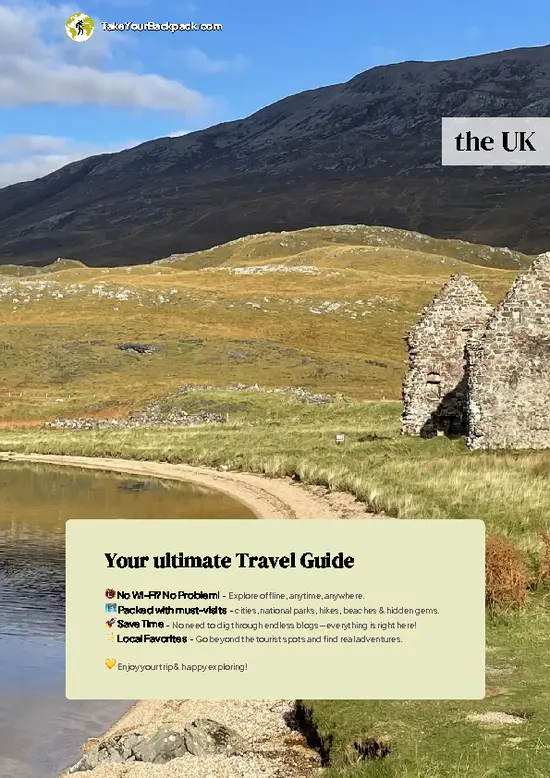
Let’s get real: you’re not soaking in it, but standing beside the Great Bath is still a punchy, time-warp moment. This open-air pool is the Instagram shot everyone wants, but it’s the scale and the steam that hit you in person. The Romans engineered this thing nearly 2,000 years ago, and it’s still bubbling with hot spring water. Yes, you’ll be elbow-to-elbow with selfie sticks, but the sense of ancient leisure—Romans gossiping, plotting, flirting—seeps through the crowds. If you want to feel the pulse of Roman Britain, this is the spot.
The Sacred Spring
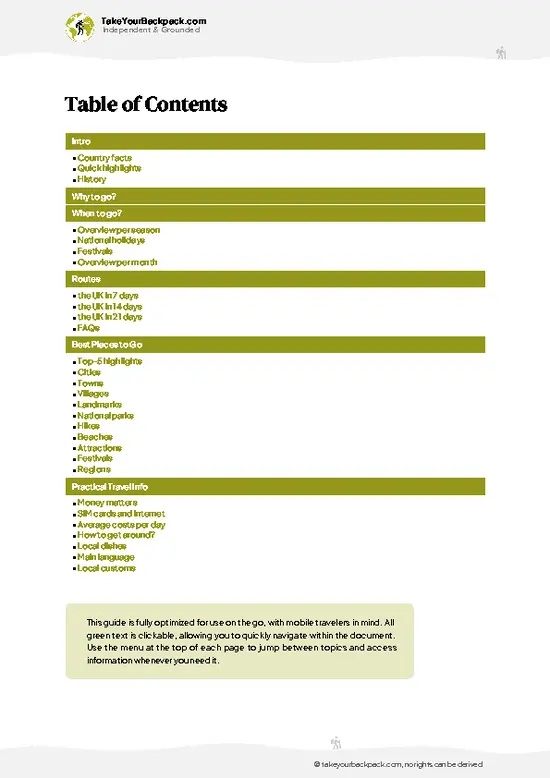
This is the heart of the whole complex. The water here is piping hot, straight from the earth, and the Romans believed it was the literal domain of the goddess Sulis Minerva. You’ll see coins and curses tossed in by ancient … read more 👉
The Great Bath
Let’s get real: you’re not soaking in it, but standing beside the Great Bath is still a punchy, time-warp moment. This open-air pool is the Instagram shot everyone wants, but it’s the scale and the steam that hit you in person. The Romans engineered this thing nearly 2,000 years ago, and it’s still bubbling with hot spring water. Yes, you’ll be elbow-to-elbow with selfie sticks, but the sense of ancient leisure—Romans gossiping, plotting, flirting—seeps through the crowds. If you want to feel the pulse of Roman Britain, this is the spot.
The Sacred Spring
This is the heart of the whole complex. The water here is piping hot, straight from the earth, and the Romans believed it was the literal domain of the goddess Sulis Minerva. You’ll see coins and curses tossed in by ancient hands, wishing for justice or luck. It’s not just a pool; it’s a time capsule of hope, spite, and superstition. The spring’s constant, ghostly bubbling is a reminder that the earth itself is alive under Bath.
The Temple Courtyard
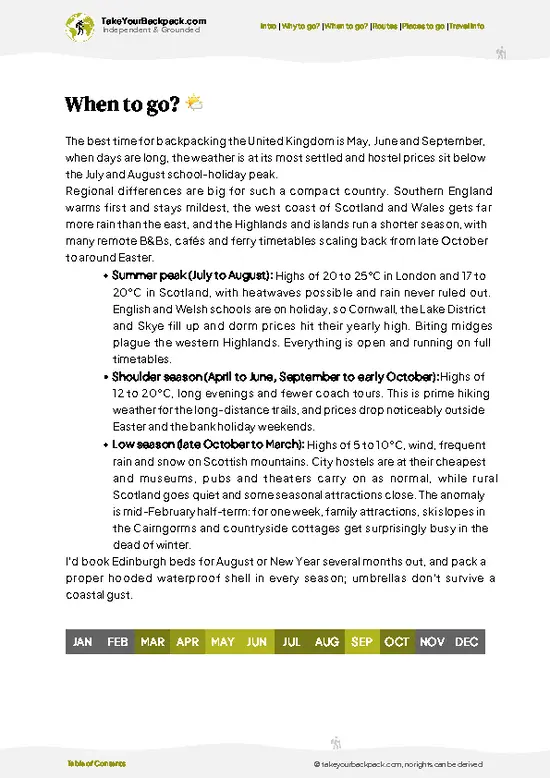
Most people breeze past this, but stop and look at the temple ruins. The Romans didn’t just come here to bathe—they came to worship, to ask for miracles, to show off. The fragments of carved stone and the reconstructed pediment are a crash course in Roman ambition and ego. The Medusa’s face on the temple front? That’s a flex. It’s a rare chance to see religious architecture from Roman Britain up close, not just in a textbook.
The Roman Bath Museum
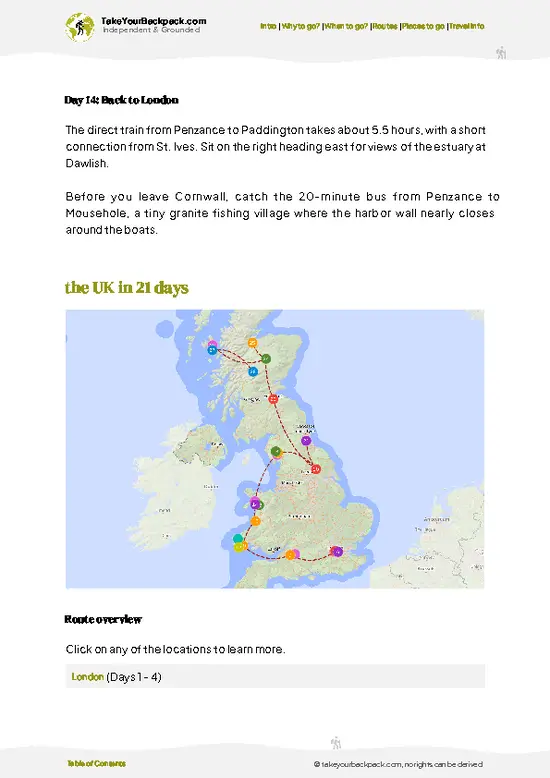
This isn’t your average dusty display. The museum is packed with finds from the site: curse tablets, mosaics, jewelry, and the famous Gorgon’s head. The curse tablets are the real showstopper—tiny sheets of lead where ancient visitors scribbled pleas for revenge (“May the person who stole my cloak lose his mind!”). It’s raw, personal, and sometimes hilarious. You get the human side of history, not just the marble and stone.
The Pump Room
Here’s where the Georgian era crashes the Roman party. The Pump Room is a chandeliered, high-ceilinged tea salon where you can sip the mineral water (spoiler: it tastes like hot pennies) and imagine Jane Austen eavesdropping on gossip. It’s touristy, yes, but it’s also a living piece of Bath’s social history. The entertainment is in the people-watching and the sense of continuity—Romans, Georgians, and now you, all drawn by the same springs.
My personal favorite: The Curse Tablets in the Museum
There’s nothing like reading a 2,000-year-old complaint about stolen sandals to remind you that people never change. It’s history with teeth—petty, passionate, and weirdly relatable. If you want to cut through the marble and myth, this is where the real voices of Roman Bath still echo.
Spotted a mistake or missing something? Contact us.

Bath Tour - 3 Hour Private Tour with Local Guide, £220 per group

Stonehenge Private Tour - Half-Day Tour from Bath

Private Day Tour from Bath to the Captivating Cotswolds

Bath: Local Pubs & Historic Sights Walking Tour (3h)

Stonehenge and Bath City Tour - Private tour from Bath

Glastonbury Tour - Private Tour from Bath

Private Cotswold Village Day Trip from Bath

Quintessential Cotswolds Half-Day tour from Bath (for 2-8 guests)

Rock and roll Through Time Bath’s Hidden Music History


 Best Backpacking

 Hi, I’m Johan (Netherlands 🇳🇱), the creator of TakeYourBackpack. Over the past 3 decades, I’ve backpacked through 90+ countries across six continents, gaining extensive experience with independent travel, long-term trips, and overland routes.