×

Uruguay🇺🇾 | national parksCerro Verdesand dunes, Atlantic coast, sea turtle nesting | things to do and best time to go

Explore Sierra de las ÁnimasExplore Esteros de Farrapos e Islas del Río Uruguay

Backpacking in Cerro Verde
👍 Recommendednational park ranked #6
By Johan Kruseman 🇳🇱 | Updated June 13, 2026

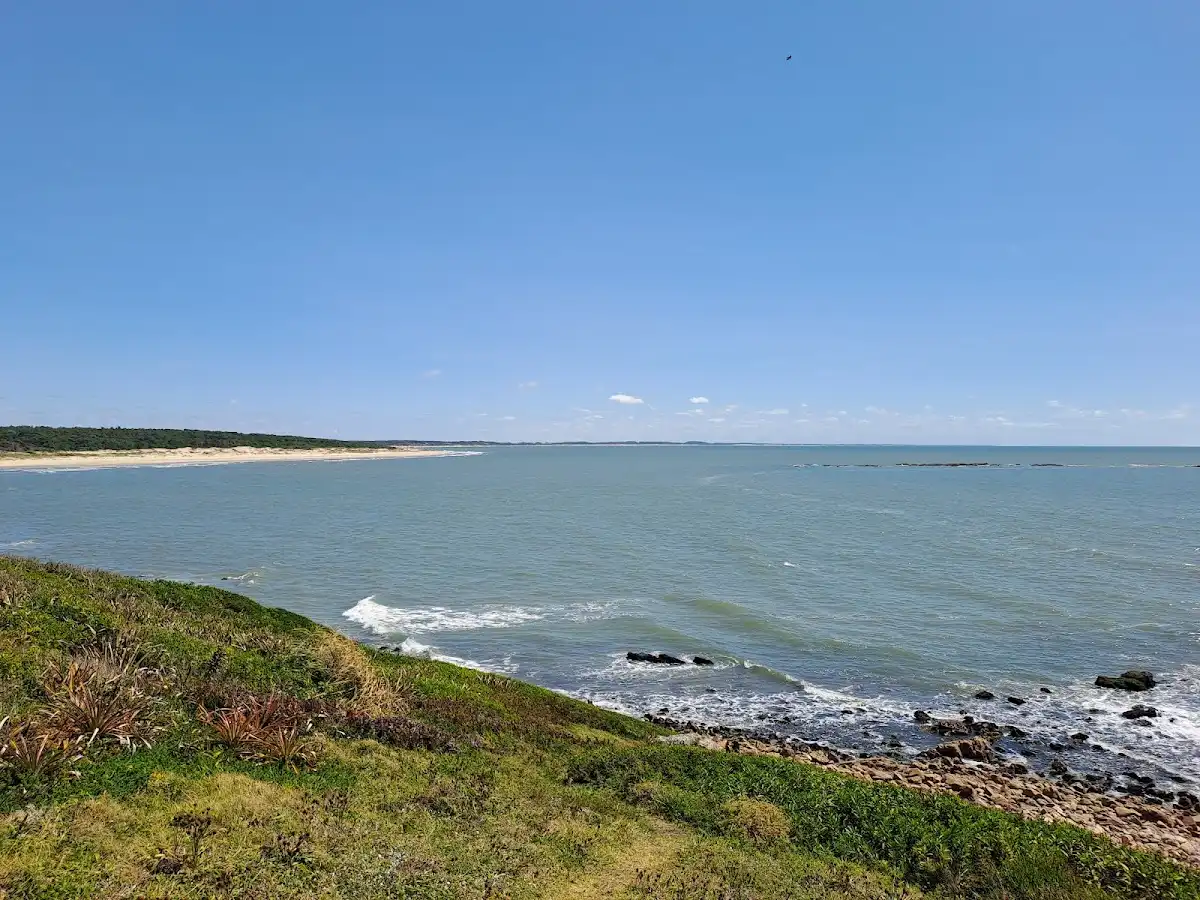
Many travelers assume Cerro Verde is a big, developed “national park hub” with infrastructure like Iguazú or Torres del Paine. It isn’t. Cerro Verde sits on Uruguay’s Atlantic coast in Rocha Department, near Punta del Diablo and Santa Teresa, and it feels more like a protected coastal backcountry zone than a classic park complex. You get low-key trails over dunes and scrubby hills, ocean views, sea turtles and birdlife, and a calm, almost empty feel outside local holidays. Access is straightforward by road, but public transport is limited and you’ll walk or hitch a bit. Fees are modest, yet services are minimal: basic signage, no real shops, and camping or budget stays are easier in nearby beach towns than inside the protected area. Compared with Cabo Polonio or Santa Teresa, Cerro Verde is quieter, wilder, and less convenient, but also less diluted by crowds and commerce.

Discover everything you want to know in the 📖 Uruguay Travel Guide.


Get your Uruguay guide
64 ranked highlights, routes & tips, works offline (256 pages)
Loading the map 🌍
CLICK TO FILTER
cities
towns
villages
landmarks
national parks
hikes
beaches
attractions
festivals
regions
SHOW COUNTRY’S BESTSHOW ALL

✨ Why go?
Ranked #6 national park in Uruguay
What makes this national park worth exploring

Cerro Verde in Uruguay attracts backpackers for several solid reasons. Independent exploration is a major draw; the park’s well-marked trails allow you to roam freely without the constraints of guided tours. This autonomy lets you soak in the scenery at your own pace, whether you’re chasing sunsets or birdwatching.

For budget-conscious travelers, camping and hostels nearby provide affordable options. Pitch your tent under the stars or find a cozy bed in a local hostel, keeping your expenses low while maximizing your experience.

The trail variety is another highlight. From easy walks to more challenging hikes, there’s something for everyone, making it ideal for both novices and seasoned trekkers.

Cerro Verde suits self-guided travelers perfectly. With clear signage and a friendly atmosphere, … read more 👉
Cerro Verde in Uruguay attracts backpackers for several solid reasons. Independent exploration is a major draw; the park’s well-marked trails allow you to roam freely without the constraints of guided tours. This autonomy lets you soak in the scenery at your own pace, whether you’re chasing sunsets or birdwatching.

For budget-conscious travelers, camping and hostels nearby provide affordable options. Pitch your tent under the stars or find a cozy bed in a local hostel, keeping your expenses low while maximizing your experience.

The trail variety is another highlight. From easy walks to more challenging hikes, there’s something for everyone, making it ideal for both novices and seasoned trekkers.

Cerro Verde suits self-guided travelers perfectly. With clear signage and a friendly atmosphere, you can navigate the park confidently. Avoid the pitfalls of overpriced tours and invest your energy in the moments that truly matter.
Want to include Cerro Verde in your Uruguay route?
Create a personalized Uruguay itinerary that includes Cerro Verde and the places that fit your trip — based on your travel style, budget, and available time. Get your route in seconds.

Generate my trip

💡 HighlightsPlaces and moments you shouldn't skip

  • Mirador de la Cima: A compact climb that rewards you with sweeping views of the surrounding pampas and distant coastline. It’s the easiest way to get a sense of the park’s scale—go on a clear morning for crisp light and quieter trails.
  • Sendero de las Pampas: A rolling grassland trail that winds through native grasses and wildflowers. Easy to moderate; great for spotting ground-dwelling birds and appreciating the open, wind-swept character that makes this region special.
  • Bosque Ribereño: A stretch of riverside woodland that contrasts sharply with the pampas. Cooler, shadier, and surprisingly lush—good for short detours, insect life, and small mammals that hide in the undergrowth.
  • Laguna del Valle: A peaceful wetland pocket where you can watch waterbirds and amphibians. Bring binoculars
read more 👉
  • Mirador de la Cima: A compact climb that rewards you with sweeping views of the surrounding pampas and distant coastline. It’s the easiest way to get a sense of the park’s scale—go on a clear morning for crisp light and quieter trails.
  • Sendero de las Pampas: A rolling grassland trail that winds through native grasses and wildflowers. Easy to moderate; great for spotting ground-dwelling birds and appreciating the open, wind-swept character that makes this region special.
  • Bosque Ribereño: A stretch of riverside woodland that contrasts sharply with the pampas. Cooler, shadier, and surprisingly lush—good for short detours, insect life, and small mammals that hide in the undergrowth.
  • Laguna del Valle: A peaceful wetland pocket where you can watch waterbirds and amphibians. Bring binoculars and a quiet voice; early morning or late afternoon concentrates the activity and the light.
  • Formaciones de Roca: Weather-sculpted outcrops and low cliffs that add texture to the landscape. They make for fun short scrambles and excellent photo compositions without needing technical gear.
  • Puestos de Observación de Aves: A few simple hides and platforms placed at key water and woodland edges. If you love birds, set aside a couple of hours here—migrants pass through seasonally and resident species are easier to see from these spots.
  • Paso al Atardecer: A local favorite for sunset walks. The light on the grasses turns golden and the temperature drops just enough to make a simple snack and a thermos feel like luxury. Low effort, high payoff.
Spotted a mistake or missing something? Contact us.
🌤️ When to go?Seasonal considerations and timing


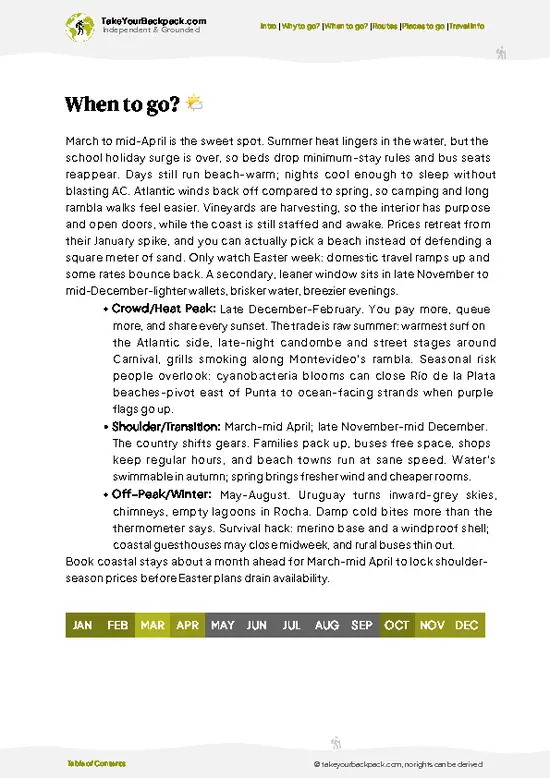
  • Weather: Cerro Verde’s climate swings between mild and humid. The dry season, from April to September, offers cooler, more stable weather with daytime highs around 18-22°C (64-72°F). Rainfall drops significantly, reducing trail muddiness and mosquito presence.

  • Temperature: Expect chilly mornings and evenings during the dry season, sometimes dipping to 8°C (46°F). The wet season (October to March) heats up to 25-30°C (77-86°F) but brings heavy rains that can turn trails slippery and unpredictable.

  • Daylight Hours: Longer days from November to February provide up to 14 hours of light, ideal for extended hikes. In winter months, daylight shrinks to about 10 hours, limiting your trekking window.

  • Crowds: Peak visitation aligns with summer holidays (December to February), when locals and
read more 👉

  • Weather: Cerro Verde’s climate swings between mild and humid. The dry season, from April to September, offers cooler, more stable weather with daytime highs around 18-22°C (64-72°F). Rainfall drops significantly, reducing trail muddiness and mosquito presence.

  • Temperature: Expect chilly mornings and evenings during the dry season, sometimes dipping to 8°C (46°F). The wet season (October to March) heats up to 25-30°C (77-86°F) but brings heavy rains that can turn trails slippery and unpredictable.

  • Daylight Hours: Longer days from November to February provide up to 14 hours of light, ideal for extended hikes. In winter months, daylight shrinks to about 10 hours, limiting your trekking window.

  • Crowds: Peak visitation aligns with summer holidays (December to February), when locals and tourists flood the park. If you prefer solitude, aim for shoulder months like March or September.

  • Seasonal Activities: Birdwatching and wildflower spotting peak in spring (September-November). Wet season supports lush greenery but can restrict access to some trails due to flooding.

  • Price Fluctuations: Accommodation and transport costs spike during the summer holidays. Booking in advance is crucial. Off-season visits often yield better deals but come with trade-offs in weather and daylight.


Pro-tip: Target late April to early June for a balance of manageable weather, fewer crowds, and reasonable prices—perfect for conserving energy and budget for what truly counts on the trail.


source: climatestotravel.comJANJanuary: good for travelingFEBFebruary: good for travelingMARMarch: highly recommended for travelingAPRApril: excellent for travelingMAYMay: excellent for travelingJUNJune: excellent for travelingJULJuly: highly recommended for travelingAUGAugust: highly recommended for travelingSEPSeptember: highly recommended for travelingOCTOctober: fair for travelingNOVNovember: good for travelingDECDecember: good for traveling
uruguay-national-park-cerro-verde
© Google |

✈️ The backpacker research shortcutUruguay Travel Guide

An offline-friendly backpacking guide with optimized travel routes, ranked highlights, transport advice, and the best areas to stay.
example page 0 from our offline Travel Guide for Uruguay
example page 1 from our offline Travel Guide for Uruguay
example page 2 from our offline Travel Guide for Uruguay
example page 3 from our offline Travel Guide for Uruguay
example page 4 from our offline Travel Guide for Uruguay
example page 5 from our offline Travel Guide for Uruguay
example page 6 from our offline Travel Guide for Uruguay
example page 7 from our offline Travel Guide for Uruguay
The digital guide (256 pages) contains:
64 highlights, ranked by travel appeal
Optimized 5, 10 & 15-day travel routes
Cities, national parks, landmarks, beaches
How to get around
Offline-friendly for travel without Wi-Fi
👉 Click to see all 30+ guide features

📅 Plan smarter in minutes, not weeks
Month by month travel advice
Festivals & national holidays
Budget expectations

🗺️ Go to the right places, skip the overrated ones
Honest pros & cons of destinations
Top hikes, parks & viewpoints
Lesser-known places most travelers miss
Clear “worth it vs skip it” guidance

🛏️ Travel smoothly without rookie mistakes
Best areas to stay
Transport systems explained simply
Common scams & safety advice
SIM cards, money & practical tips

🌍 Understand the country, not just visit it
Culture & traditions
52 Essential phrases & customs
Festivals worth planning around
Traveler-friendly historical context
Insights that make places more meaningful

📱 Built for real travel conditions
Fully downloadable PDF
Works completely offline
Optimized for phone use
Useful in remote areas & buses
Everything in one place
Save weeks of stressful planning
Get instant access to your full guide. 30‑day money-back guarantee.


By proceeding you agree to our terms.
Sent to your inbox immediately after payment • 100% Secure Checkout
Best Backpacking Travel Advisor 2025 tourism awardBest Backpacking
Travel Advisor
2025
What others say about Take Your Backpack Guides:
⭐⭐⭐⭐⭐
Fantastic, amazing amount of information!
⭐⭐⭐⭐⭐
My goodness this is amazing, it's what I've been looking for hats off too you!
⭐⭐⭐⭐⭐
I think this is absolutely BRILLIANT
⭐⭐⭐⭐
Very complete and informative. It's still missing places, but I gotta to commend you
⭐⭐⭐⭐⭐
This is truly amazing, thank you, can't wait to explore it with my kids!
⭐⭐⭐⭐⭐
Awesome resource, thank you!
⭐⭐⭐⭐⭐
This is amazing! Can't wait to explore the ones I haven't seen
⭐⭐⭐⭐
I love this! Well done, great idea.
⭐⭐⭐⭐⭐
Thanks for taking the time to make this gem!
⭐⭐⭐⭐⭐
This might be the best website I've ever seen.
⭐⭐⭐⭐⭐
Congratulations, and thank you so much for your work; it's incredibly valuable.
⭐⭐⭐⭐
In all seriousness I think you did a great job pointing out the important spots
⭐⭐⭐⭐⭐
10/10 very good
⭐⭐⭐⭐⭐
As someone who's only just starting to visit regularly this is awesome, thank you.
⭐⭐⭐⭐
Thank you very much! I'm going to visit my dad, it's going to be very useful!
⭐⭐⭐⭐⭐
This is really cool! We'll be travelling for the first time and this definitely come in handy.
⭐⭐⭐⭐⭐
You are now our minister of culture, congratulations 👨‍💼
⭐⭐⭐⭐⭐
Just wanted to tell you that this is a pearl! Going to follow your recommendations.
⭐⭐⭐⭐⭐
This is so cool. I'll definitely be using the resource for my travels soon.
⭐⭐⭐⭐⭐
This is very impressive! Good work.
⭐⭐⭐⭐⭐
This is an amazing and informative site. Very well done!

🛏️ Where to stay?Best areas to stay in Uruguay

Cerro Verde National Park in Uruguay is a fantastic spot for backpackers, but your lodging choices can make or break your experience. Inside the park, options are limited. There’s a basic camping area that allows you to immerse yourself in nature, but it’s essential to come prepared. Bring your own gear and be ready for variable weather.

For a more comfortable stay, head to nearby towns like La Paloma or Aiguá. La Paloma offers hostels and budget-friendly guesthouses, perfect for meeting fellow travelers. Aiguá is smaller but has a few cozy spots that cater to backpackers. Both towns provide … read more 👉
Cerro Verde National Park in Uruguay is a fantastic spot for backpackers, but your lodging choices can make or break your experience. Inside the park, options are limited. There’s a basic camping area that allows you to immerse yourself in nature, but it’s essential to come prepared. Bring your own gear and be ready for variable weather.

For a more comfortable stay, head to nearby towns like La Paloma or Aiguá. La Paloma offers hostels and budget-friendly guesthouses, perfect for meeting fellow travelers. Aiguá is smaller but has a few cozy spots that cater to backpackers. Both towns provide easy access to the park, allowing you to explore during the day and unwind in the evenings.

Keep an eye on your budget; some accommodations may charge extra for amenities you might not need. Prioritize places that offer kitchen access to save on meals. This way, you can focus your funds on experiences that truly matter, like hiking the park’s trails or enjoying local cuisine.

👛 Costs (as of 23 June 2026)Typical daily expenses

Cerro Verde National Park in Uruguay is a fantastic destination, but it’s essential to be aware of the costs involved to avoid surprises.

Entry fees typically range from $5 to $10 USD per person. This fee grants you access to the park’s trails and facilities. If you’re planning to camp, expect to pay around $15 to $25 USD per night for a campsite. Reservations are recommended, especially during peak seasons.

Food options inside the park can be limited. If you plan to eat at any on-site facilities, budget around $10 to $20 USD for a meal. Bringing your own snacks and water can save you money and keep you energized for your hikes.

Transportation costs can vary. If you’re driving, factor in gas prices and potential parking fees, which can be around $5 USD per day. Public transport options … read more 👉
Cerro Verde National Park in Uruguay is a fantastic destination, but it’s essential to be aware of the costs involved to avoid surprises.

Entry fees typically range from $5 to $10 USD per person. This fee grants you access to the park’s trails and facilities. If you’re planning to camp, expect to pay around $15 to $25 USD per night for a campsite. Reservations are recommended, especially during peak seasons.

Food options inside the park can be limited. If you plan to eat at any on-site facilities, budget around $10 to $20 USD for a meal. Bringing your own snacks and water can save you money and keep you energized for your hikes.

Transportation costs can vary. If you’re driving, factor in gas prices and potential parking fees, which can be around $5 USD per day. Public transport options may be available, but they can be less reliable, so plan accordingly.

Lastly, consider any guided tours or activities. Prices for these can range from $30 to $100 USD, depending on the length and type of experience. These can enhance your visit but check reviews to ensure they’re worth the investment.

Being aware of these costs will help you manage your budget effectively, allowing you to focus on enjoying the beauty of Cerro Verde without financial stress.
⚠️ Prices can change and everyone travels differently, so take this as a rough guide. Hope it helps you plan your adventure!

🥾 TrailsWhere to hike in Cerro Verde: trails for every level

Cerro Verde National Park in Uruguay is a hidden gem for hikers looking for a mix of stunning landscapes and diverse wildlife. The park is primarily known for its rolling hills and lush greenery, providing a refreshing escape from city life. You can expect to see a variety of birds, including colorful toucans and hummingbirds, as well as the occasional capybara lounging near the water.

One of the standout trails is the Sendero de los Cañadones. Here are the details:
  • Length: 5 km
  • Estimated Duration: 2-3 hours
  • Difficulty Level: Moderate
  • Key Features: Scenic overlooks, diverse flora, and opportunities
read more 👉
Cerro Verde National Park in Uruguay is a hidden gem for hikers looking for a mix of stunning landscapes and diverse wildlife. The park is primarily known for its rolling hills and lush greenery, providing a refreshing escape from city life. You can expect to see a variety of birds, including colorful toucans and hummingbirds, as well as the occasional capybara lounging near the water.

One of the standout trails is the Sendero de los Cañadones. Here are the details:
  • Length: 5 km
  • Estimated Duration: 2-3 hours
  • Difficulty Level: Moderate
  • Key Features: Scenic overlooks, diverse flora, and opportunities for wildlife spotting.
  • Terrain: Mostly dirt paths with some rocky sections and gentle inclines.

Reaching Cerro Verde is fairly straightforward, with public transport options available from major cities like Montevideo. Buses run regularly, making it easy to hop on for a day trip. The park isn’t usually overcrowded, so you can enjoy the tranquility, especially on weekdays. Just a heads-up: there’s a small entrance fee, but it’s totally worth it for the experience you’ll get.
⚠️ Hiking info can sometimes be outdated or inaccurate. Before you hit the trail, check the latest conditions with locals. If you do spot anything that's off, I'd love to hear from you, so I can update it for fellow travelers.

🛡️ SafetyStaying Safe: What Travelers Should Know

Cerro Verde National Park in Uruguay is generally straightforward for backpackers, but a few practical considerations can enhance your experience. Weather can shift quickly, so pack layers to adapt to temperature changes. The trails are well-marked, but some sections can be steep and rocky, requiring good footwear and a steady pace.

Wildlife is present, including birds and small mammals. Keep a respectful distance; feeding animals disrupts their natural behavior.

First-time visitors often underestimate the importance of hydration. Carry enough water, especially on warmer days, as streams may not always be reliable.

Timing your hikes for early morning or late afternoon can help you avoid the heat and crowds. With these tips, you’ll navigate Cerro Verde confidently, preserving your energy and budget for the moments that truly matter.

Other Uruguayan national parks near Cerro Verde

Explore more nearby:


💡 Not sure where to go next?
Create a personalized itinerary for Uruguay including Cerro Verde and the places that fit your trip.

Generate my itinerary

👉 Discover all national parks

Or checkout all Uruguay has to offer (think cities, towns, villages, national parks, hikes, beaches, festivals)
Country photo of Uruguay

We 💚 feedbackFinal thoughts on exploring Cerro Verde

Cerro Verde has a laid-back vibe that feels like a well-kept secret. The best surprise? The local food scene—don’t skip the asado; it’s a flavor explosion. Just a heads-up: the weather can change on a dime, so pack layers. Embrace the slower pace and soak in the natural beauty; it’s worth every moment. This place isn’t just a stop; it’s a chance to breathe and recharge.

✍️ Help improve this page!
The information on this page is based on in-depth research, insights shared by experienced travelers, and feedback from the local travel community in Uruguay. While every effort is made to keep the information accurate and current, conditions can change — so if you spot anything incorrect or outdated, please get in touch.


🙋‍♂️ Give feedback

👋 Meet the founderWho’s Behind Take Your Backpack?

Johan, backpacker and founder of TakeYourBackpackHi, I’m Johan (Netherlands 🇳🇱), the creator of TakeYourBackpack. Over the past decade, I’ve backpacked through 80+ countries across six continents, gaining extensive experience with independent travel, long-term trips, and overland routes.

This site is built on a combination of firsthand travel experience and carefully curated insights from other backpackers. Many guides are based on places I’ve personally visited, while others bring together tips, observations, and practical advice shared by trusted travelers I’ve met along the way.

The goal is to provide realistic, experience-driven guidance — not generic itineraries — so you can explore destinations with better context, clearer expectations, and more confidence.

Get full Uruguay guide •
Instant download • 64 highlights • Full Offline guide