v2.webp)
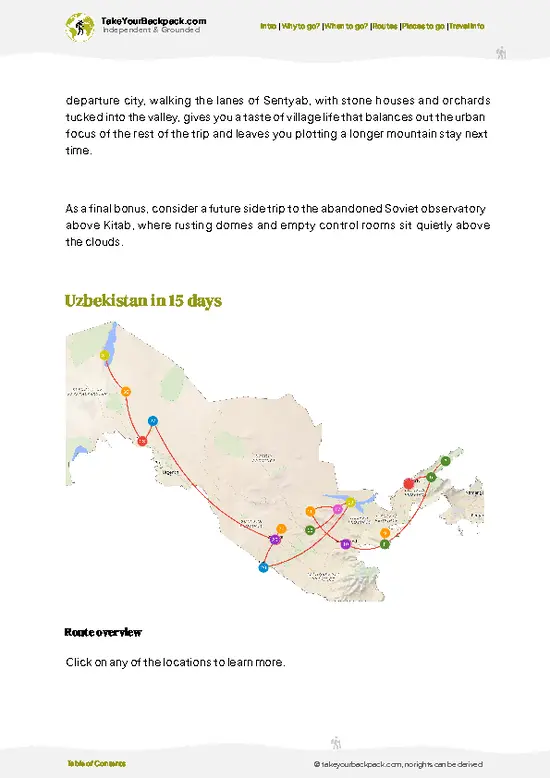
The Outer Walls: A Lesson in Survival, Not Just Stonework
Forget the Instagram drone shots—up close, the battered mud-brick ramparts of Gaur Kala are a crash course in Central Asian siege warfare. These walls aren’t just old; they’re scarred, sun-baked, and still standing after centuries of sandstorms and invasions. Run your hand along the crumbling surface and you’re touching the same clay that repelled armies. The scale is humbling, but it’s the raw, unvarnished erosion that tells the real story: this fortress was built to last, not to impress tourists.
The Gateways: Where Empires Came Knocking
Most fortress gates are reconstructed for photo ops. Not here. The main entrances of Gaur Kala are half-swallowed by earth and time, but you can still trace the outlines where caravans, soldiers, … read more 👉
Forget the Instagram drone shots—up close, the battered mud-brick ramparts of Gaur Kala are a crash course in Central Asian siege warfare. These walls aren’t just old; they’re scarred, sun-baked, and still standing after centuries of sandstorms and invasions. Run your hand along the crumbling surface and you’re touching the same clay that repelled armies. The scale is humbling, but it’s the raw, unvarnished erosion that tells the real story: this fortress was built to last, not to impress tourists.
The Gateways: Where Empires Came Knocking
Most fortress gates are reconstructed for photo ops. Not here. The main entrances of Gaur Kala are half-swallowed by earth and time, but you can still trace the outlines where caravans, soldiers, … read more 👉
The Outer Walls: A Lesson in Survival, Not Just Stonework
Forget the Instagram drone shots—up close, the battered mud-brick ramparts of Gaur Kala are a crash course in Central Asian siege warfare. These walls aren’t just old; they’re scarred, sun-baked, and still standing after centuries of sandstorms and invasions. Run your hand along the crumbling surface and you’re touching the same clay that repelled armies. The scale is humbling, but it’s the raw, unvarnished erosion that tells the real story: this fortress was built to last, not to impress tourists.
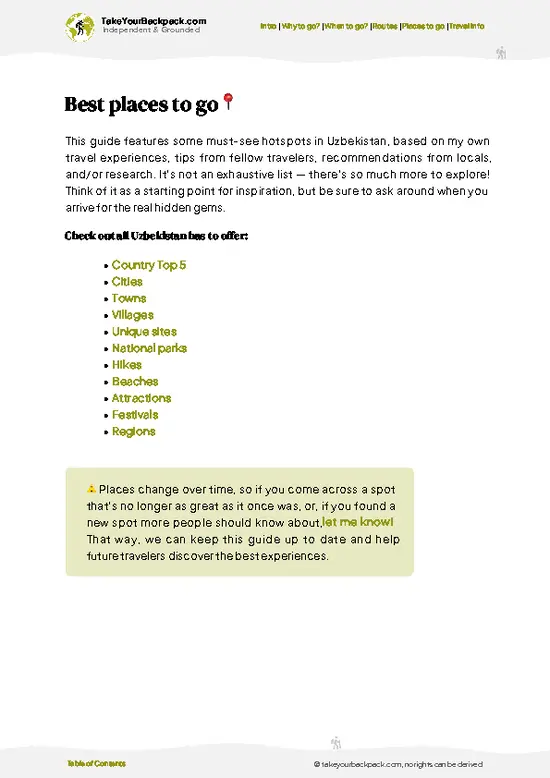
The Gateways: Where Empires Came Knocking
Most fortress gates are reconstructed for photo ops. Not here. The main entrances of Gaur Kala are half-swallowed by earth and time, but you can still trace the outlines where caravans, soldiers, and traders once passed. There’s no velvet rope, no interpretive sign—just the wind and the sense that you’re standing where the Silk Road’s pulse once beat. It’s not pretty, but it’s real. If you want a selfie, you’ll have to earn it by scrambling over uneven ground.
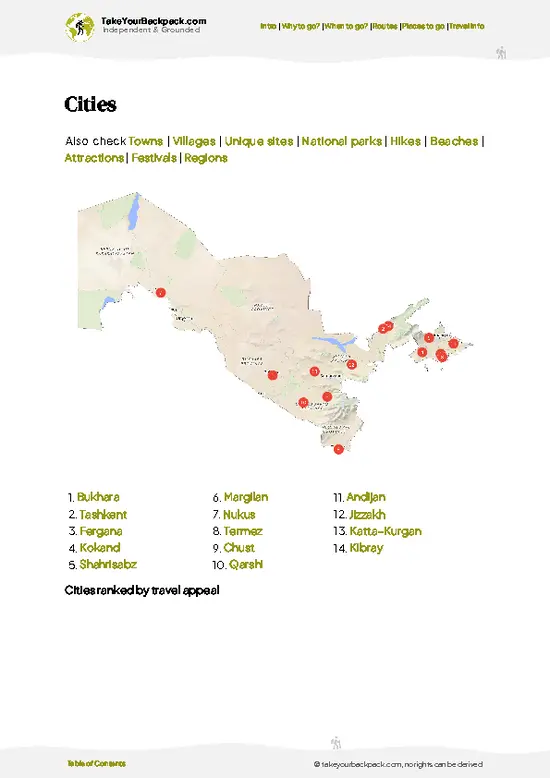
The Citadel Ruins: Power, Reduced to Rubble
At the heart of Gaur Kala, the remains of the citadel rise like a broken tooth. This was the command center, the last stand. Today, it’s a maze of collapsed walls and sunken chambers. The magic isn’t in what’s left, but in what’s missing—no glossy restoration, no crowds, just the bones of history. Stand here at sunset and you’ll feel the weight of centuries, with only the wind and the call of distant herders for company.
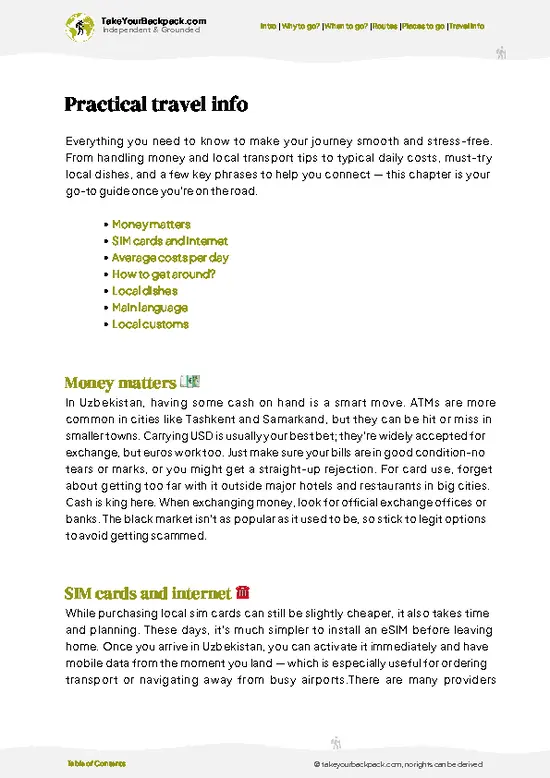
The Panoramic Vantage: Uzbekistan’s Desert, Unfiltered
Climb to the highest surviving point and you’ll get a view that no influencer can fake. The Kyzylkum desert stretches out, raw and endless, with the Amu Darya river a faint shimmer on the horizon if the light is right. No ticket booth, no safety rail—just you, the wind, and the realization that this fortress was once the edge of the known world. It’s not about the perfect shot; it’s about feeling small in the best possible way.
The Silence: The Most Honest Guide You’ll Meet
Here’s the truth: Gaur Kala isn’t crowded because it’s not easy. There’s no snack bar, no souvenir stand, and—most days—no one else. The silence is total, broken only by your footsteps and the occasional lizard. This is the real luxury: space to think, to imagine, to connect with a place that hasn’t been sanitized for mass consumption. If you want to brag about something, brag about the quiet. It’s rarer than you think.
Forget the Instagram drone shots—up close, the battered mud-brick ramparts of Gaur Kala are a crash course in Central Asian siege warfare. These walls aren’t just old; they’re scarred, sun-baked, and still standing after centuries of sandstorms and invasions. Run your hand along the crumbling surface and you’re touching the same clay that repelled armies. The scale is humbling, but it’s the raw, unvarnished erosion that tells the real story: this fortress was built to last, not to impress tourists.
The Gateways: Where Empires Came Knocking
Most fortress gates are reconstructed for photo ops. Not here. The main entrances of Gaur Kala are half-swallowed by earth and time, but you can still trace the outlines where caravans, soldiers, and traders once passed. There’s no velvet rope, no interpretive sign—just the wind and the sense that you’re standing where the Silk Road’s pulse once beat. It’s not pretty, but it’s real. If you want a selfie, you’ll have to earn it by scrambling over uneven ground.
The Citadel Ruins: Power, Reduced to Rubble
At the heart of Gaur Kala, the remains of the citadel rise like a broken tooth. This was the command center, the last stand. Today, it’s a maze of collapsed walls and sunken chambers. The magic isn’t in what’s left, but in what’s missing—no glossy restoration, no crowds, just the bones of history. Stand here at sunset and you’ll feel the weight of centuries, with only the wind and the call of distant herders for company.
The Panoramic Vantage: Uzbekistan’s Desert, Unfiltered
Climb to the highest surviving point and you’ll get a view that no influencer can fake. The Kyzylkum desert stretches out, raw and endless, with the Amu Darya river a faint shimmer on the horizon if the light is right. No ticket booth, no safety rail—just you, the wind, and the realization that this fortress was once the edge of the known world. It’s not about the perfect shot; it’s about feeling small in the best possible way.
The Silence: The Most Honest Guide You’ll Meet
Here’s the truth: Gaur Kala isn’t crowded because it’s not easy. There’s no snack bar, no souvenir stand, and—most days—no one else. The silence is total, broken only by your footsteps and the occasional lizard. This is the real luxury: space to think, to imagine, to connect with a place that hasn’t been sanitized for mass consumption. If you want to brag about something, brag about the quiet. It’s rarer than you think.
Spotted a mistake or missing something? Contact us.

Discover The Aral Sea With Ayimtour
✓ Free cancellation

2 Days Private Tour To Aral Sea from Nukus.
✓ Free cancellation

Daytrip from Nukus to Khiva by visiting 6 Fortresses and The Lake
✓ Free cancellation

Muynak - "Ship Cemetery" Tour from Nukus
✓ Free cancellation

Karakalpak Heritage Tour to Chimbay and Khalkabad Villages
✓ Free cancellation

Experience a Breathtaking Sunset at Aral Sea with Friendly People
✓ Free cancellation

Aral Sea - Lost Paradise

Photo Tour to Aral Sea from Khiva or Nukus

Eco Tour to the Aral Sea
✓ Free cancellation

Karakalpakstan Ancient Sites Tour
✓ Free cancellation

 Best Backpacking
.jpg) Hi, I’m Johan (Netherlands 🇳🇱), the creator of TakeYourBackpack. Over the past decade, I’ve backpacked through 80+ countries across six continents, gaining extensive experience with independent travel, long-term trips, and overland routes.
Hi, I’m Johan (Netherlands 🇳🇱), the creator of TakeYourBackpack. Over the past decade, I’ve backpacked through 80+ countries across six continents, gaining extensive experience with independent travel, long-term trips, and overland routes.