v2.webp)
- Khudayar Khan Palace — The showstopper: a restored 19th-century khan’s residence with carved wood, gilt mirrors and tiled halls that give a real feel for Kokand’s brief period as a regional capital. It’s museum-ready and strollable, so you can see both the fancy rooms and the city views from the compound.
- Norbut-biy Madrasah — One of Kokand’s most photogenic madrasahs: colorful tilework, arched iwans and courtyard life. Even if you don’t know Islamic architecture, the patterns and scale are worth a slow walk and some quiet time on the steps.
- Juma (Friday) Mosque of Kokand — A major spiritual center in the city with traditional domes and a calm courtyard. Visiting during prayer hours (as a respectful observer) gives a vivid sense of local religious life and community rhythms.
- Kokand Regional
- Khudayar Khan Palace — The showstopper: a restored 19th-century khan’s residence with carved wood, gilt mirrors and tiled halls that give a real feel for Kokand’s brief period as a regional capital. It’s museum-ready and strollable, so you can see both the fancy rooms and the city views from the compound.
- Norbut-biy Madrasah — One of Kokand’s most photogenic madrasahs: colorful tilework, arched iwans and courtyard life. Even if you don’t know Islamic architecture, the patterns and scale are worth a slow walk and some quiet time on the steps.
- Juma (Friday) Mosque of Kokand — A major spiritual center in the city with traditional domes and a calm courtyard. Visiting during prayer hours (as a respectful observer) gives a vivid sense of local religious life and community rhythms.
- Kokand Regional Museum of Local History — Small but packed: artifacts from the Khanate era, traditional dress, tools and displays on Kokand’s trade role in the Fergana Valley. Good context that makes the monuments around town more meaningful.
- Central Bazaar (Chorsu) — The real heart of daily Kokand: spices, melon piles, fresh bread, and stalls selling textiles and household goods. Perfect for people-watching, cheap eats and picking up handmade souvenirs—bring cash and a bargaining smile.
- Madali Khan Mausoleum (Maqbara) — A quieter historic site where local rulers are buried. The courtyard and funerary architecture offer a reflective contrast to the louder palace and market scenes nearby.
- Old-town streets and courtyard houses — Wander the lanes behind the main monuments to see lived-in wooden facades, carved doors and everyday courtyards. That’s where the city’s texture lives—photogenic, authentic, and great for slow exploration.
- Traditional craft workshops — Small, family-run places around the bazaar where potters, metalworkers and woodcarvers still practice local trades. You can watch techniques handed down generations and often buy directly from the maker.
- Remnants of the Kokand Khanate fortifications — Scattered walls and historic footprints where the old citadel and defensive works once stood. They don’t feel like a polished park, but they tell the story of Kokand’s strategic past when you visit in person.
- Local cultural venues (theaters and performance spaces) — Catching a concert or a local drama—often in a Soviet-era theatre or open square—gives insight into contemporary Kokand: music, dance and community events that continue traditional arts in a modern setting.
Spotted a mistake or missing something? Contact us.



 Best Backpacking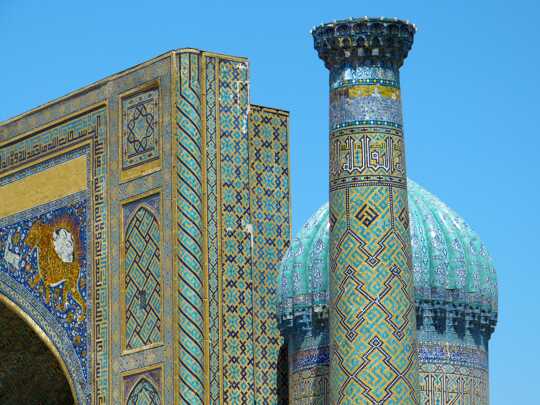
.jpg) Hi, I’m Johan (Netherlands 🇳🇱), the creator of TakeYourBackpack. Over the past decade, I’ve backpacked through 80+ countries across six continents, gaining extensive experience with independent travel, long-term trips, and overland routes.
Hi, I’m Johan (Netherlands 🇳🇱), the creator of TakeYourBackpack. Over the past decade, I’ve backpacked through 80+ countries across six continents, gaining extensive experience with independent travel, long-term trips, and overland routes.