How many cities: three to four: Three to four cities is the sweet spot for most trips of 7 to 12 days. Each major Silk Road stop needs two nights to see the monuments in morning and evening light and still wander the lanes behind them. Past four, you spend more time on platforms than in courtyards, and the restored sights start to blur together. If you have three weeks, add a fifth or sixth, but only in a different region.
Which kind of city for which traveler: Pick the
capital for transport connections, food variety, nightlife, a modern metro and the best-stocked shops. Pick the
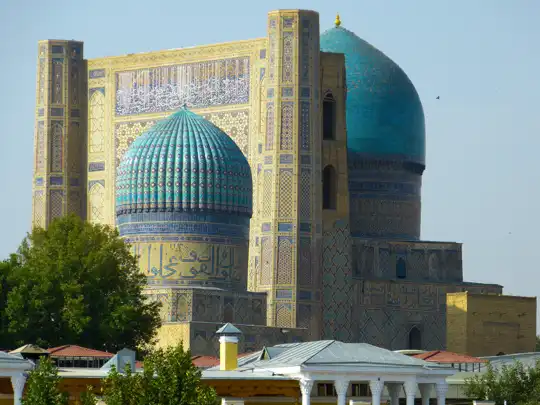
oasis towns for the historic core, madrasas, bazaars and tea houses; these are the reason most people come. Pick
far-flung regional cities for fewer tourists, lower prices and more curious locals. Culture seekers …
read more 👉 How many cities: three to four: Three to four cities is the sweet spot for most trips of 7 to 12 days. Each major Silk Road stop needs two nights to see the monuments in morning and evening light and still wander the lanes behind them. Past four, you spend more time on platforms than in courtyards, and the restored sights start to blur together. If you have three weeks, add a fifth or sixth, but only in a different region.
Which kind of city for which traveler: Pick the capital for transport connections, food variety, nightlife, a modern metro and the best-stocked shops. Pick the oasis towns for the historic core, madrasas, bazaars and tea houses; these are the reason most people come. Pick far-flung regional cities for fewer tourists, lower prices and more curious locals. Culture seekers should prioritize the oasis towns and skip extra capital time. Budget travelers will find the east cheapest. Photographers should favor places with intact old quarters and plan around early light.
What it costs: Expect US$30 to 50 a day as a backpacker (roughly 380,000 to 640,000 som): dorm bed or basic guesthouse US$8 to 20, street food and café meals US$5 to 12 a day, local transport and taxis US$2 to 8. Comfortable midrange travel runs US$60 to 100 a day. Monument entry is usually US$2 to 6 a site (about 25,000 to 75,000 som), so a busy city can add US$10 to 25. Many sites charge extra for camera permits or minaret climbs, typically a dollar or two. A licensed guide costs about US$25 to 50 for a half day and is worth it for one major site, not for all of them. High-speed trains between big hubs are US$10 to 30 depending on class and distance, while slower trains are cheaper. Ride-hailing apps keep taxis cheap and honest in cities.
Safety and etiquette: Uzbekistan is among the safer countries in Central Asia for travelers, with low violent crime and a friendly attitude to visitors. Watch for petty theft in crowded bazaars, overcharging by unmetered taxi drivers, and street money changers offering rates that look too good. Use banks, ATMs or exchange offices, and carry some cash because small guesthouses and bazaar stalls often do not take cards.
Dress modestly at mosques and mausoleums, with covered shoulders and knees for everyone, and a headscarf for women in active shrines. Remove shoes where locals do. Accept tea when offered, and take bread with your right hand when sharing. Bargain politely at bazaars; a smile gets a better price than a hard stance. Avoid photographing police posts, military sites and government buildings. In summer, carry a liter or two of water and a hat, because shade is rarer than the maps suggest. Always keep your passport and registration slips for the length of the trip.

 Best Backpacking
 Hi, I’m Johan (Netherlands 🇳🇱), the creator of TakeYourBackpack. Over the past 3 decades, I’ve backpacked through 90+ countries across six continents, gaining extensive experience with independent travel, long-term trips, and overland routes.