×

Venezuela🇻🇪 | regionsAndes venezolanosPáramo lakes, cable car, stone chapels, frailejón passes | things to do and best time to go

Explore Gran SabanaExplore Isla Margarita

Backpacking in Andes venezolanos
🌟 Highlightregion ranked #2
By Johan Kruseman 🇳🇱 | Updated October 19, 2026

Andes venezolanos lets you go from a warm valley town to a frozen lagoon on a páramo plateau in a single morning, and that compression is the whole argument for coming. The region sits in the west of Venezuela, mostly in Mérida state, with Trujillo and Táchira on either side. The ground is steep and cold at altitude. Roads switchback through potato terraces and past stone chapels, and every bend ends in a view of ridgelines. Mérida city is the base: easy, student-lively, full of cheap arepa counters and tour desks. Skip the souvenir stalls near the main plaza, which sell the same trinkets as everywhere. Back the high villages instead, where woolen ruanas are sold by the people who wear them and the coffee comes strong and sweet. Power cuts and fuel queues can slow things down, so keep plans loose. At Pico El Águila, the pass road tops out among frailejón plants and the wind carries the smell of wet stone.

Discover everything you want to know in the 📖 Venezuela Travel Guide.
Safety warning

The current risk level for Venezuela is high. Check the advice before going.


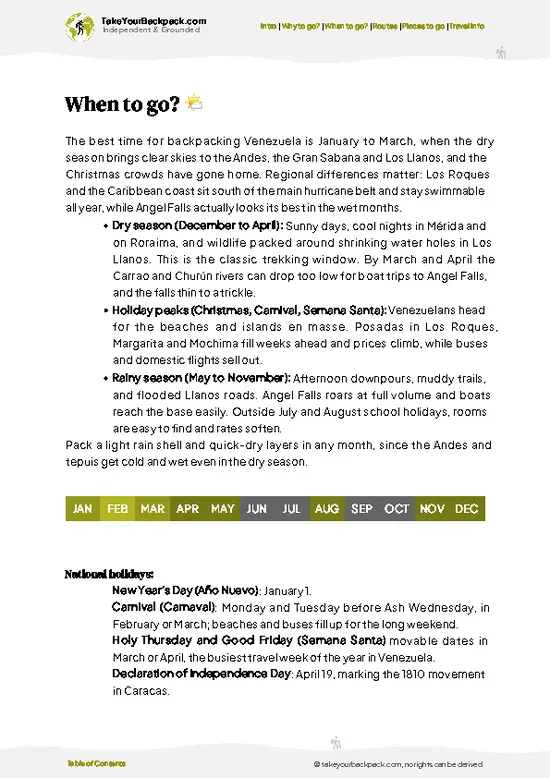
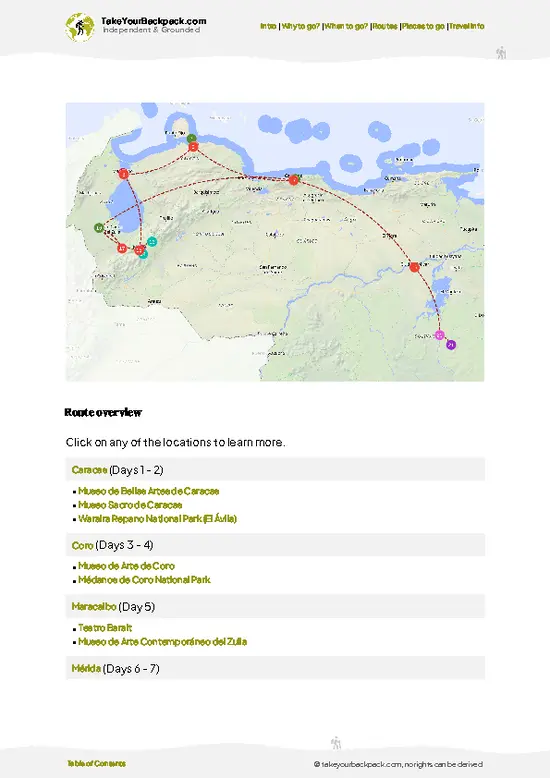
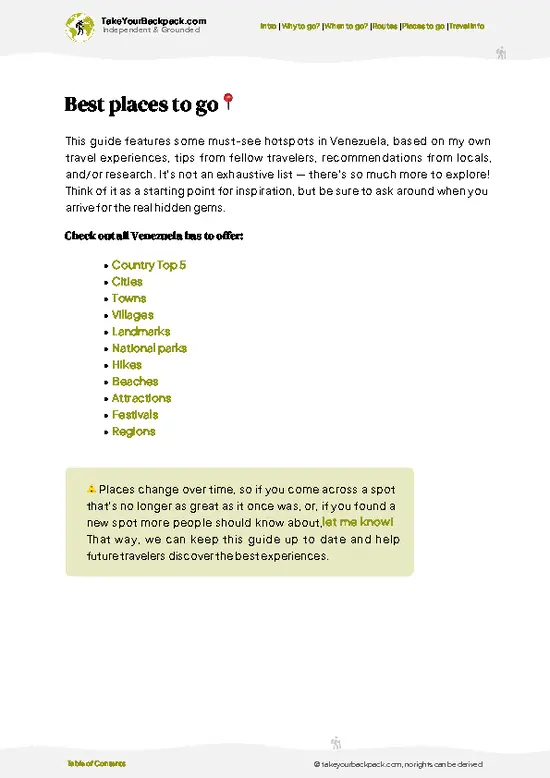
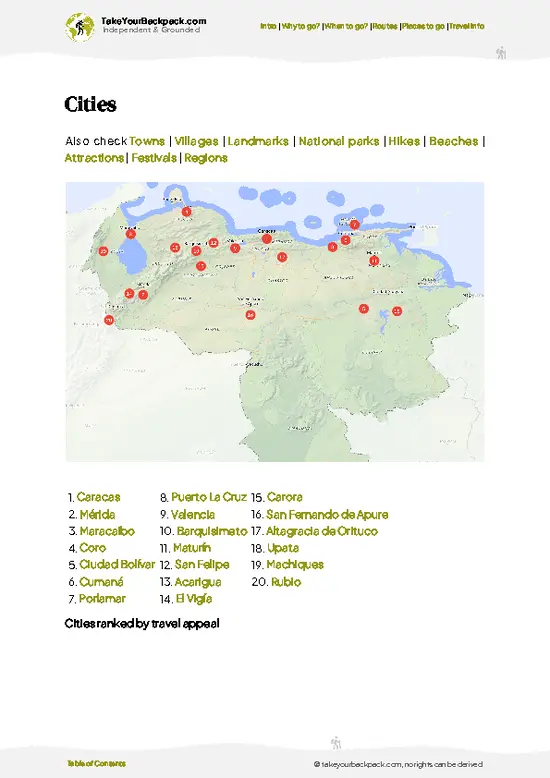
example page 0 from our offline Travel Guide for Venezuela
example page 1 from our offline Travel Guide for Venezuela
example page 2 from our offline Travel Guide for Venezuela
example page 3 from our offline Travel Guide for Venezuela
example page 4 from our offline Travel Guide for Venezuela
example page 5 from our offline Travel Guide for Venezuela
example page 6 from our offline Travel Guide for Venezuela
example page 7 from our offline Travel Guide for Venezuela
Loading the map 🌍
CLICK TO FILTER
cities
towns
villages
landmarks
national parks
hikes
beaches
attractions
festivals
regions
SHOW COUNTRY’S BESTSHOW ALL

✨ Why go?
Ranked #2 region in Venezuela
Why visitors keep coming back

Andes venezolanos packs altitude zones into one compact region, so you can change climate without changing base. From Mérida city you can go up to the cold páramo, drop into cloud-forest villages like Jají, or sit in the plaza with a coffee, all on short hops by shared jeep or bus. That flexibility suits slow travel: you can stay put for a week and rarely repeat a day.

The second reason is the mix of walking and culture. The Sierra Nevada de Mérida holds the country’s highest summits, and the trailheads start within reach of small villages where families still farm garlic and potatoes. After a cold morning on a ridge you can eat trout or a hot soup at a village inn and talk with the locals, who tend to be curious about visitors. Add the long tradition of mountain guides and you get a region … read more 👉
Andes venezolanos packs altitude zones into one compact region, so you can change climate without changing base. From Mérida city you can go up to the cold páramo, drop into cloud-forest villages like Jají, or sit in the plaza with a coffee, all on short hops by shared jeep or bus. That flexibility suits slow travel: you can stay put for a week and rarely repeat a day.

The second reason is the mix of walking and culture. The Sierra Nevada de Mérida holds the country’s highest summits, and the trailheads start within reach of small villages where families still farm garlic and potatoes. After a cold morning on a ridge you can eat trout or a hot soup at a village inn and talk with the locals, who tend to be curious about visitors. Add the long tradition of mountain guides and you get a region where a first-timer can join an easy hike and a veteran can chase a multi-day route toward Pico Bolívar.

💡 HighlightsKey sights and experiences for travelers

  1. Teleférico Mukumbarí (Mérida): the cable car system climbs from the city toward the Sierra Nevada in several sections, with the upper stations near Pico Espejo and views of Pico Bolívar. Go early, before cloud fills the valleys.
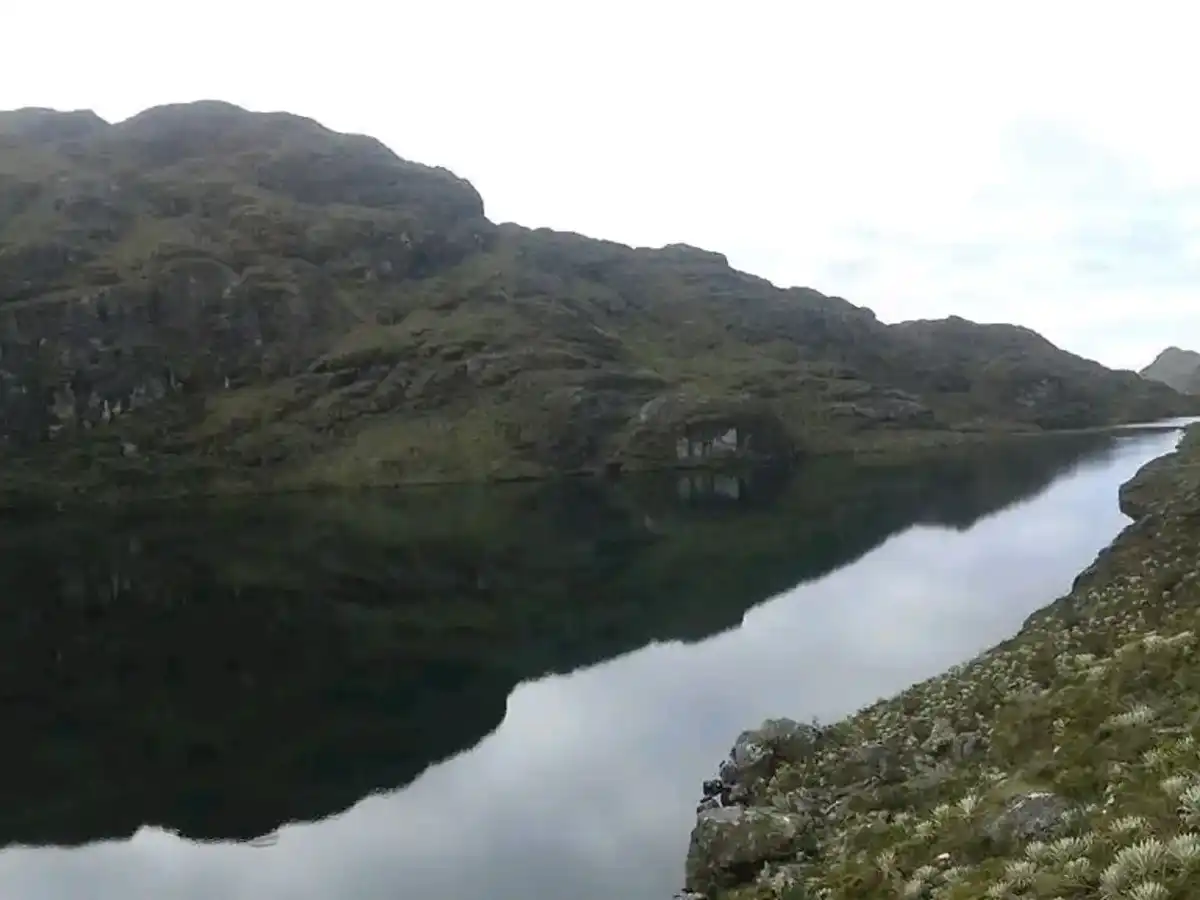
  2. Laguna de Mucubají: a glacial lake inside Sierra Nevada National Park, ringed by frailejones. Short trails lead to higher lakes, and the air is thin and cold.
  3. Capilla de Piedra, San Rafael de Mucuchíes: a small chapel built by hand from local stone by the folk artist Juan Félix Sánchez. Its simple interior is peaceful, and the setting is farmland under the peaks.
  4. Pico El Águila: the high pass on the Trans-Andean road, with a condor statue, a windswept viewpoint and fields of frailejón. Dress for wind.
  5. Laguna Negra: a dark lake in a quiet valley reached by a forest walk,
… read more 👉
  1. Teleférico Mukumbarí (Mérida): the cable car system climbs from the city toward the Sierra Nevada in several sections, with the upper stations near Pico Espejo and views of Pico Bolívar. Go early, before cloud fills the valleys.
  2. Laguna de Mucubají: a glacial lake inside Sierra Nevada National Park, ringed by frailejones. Short trails lead to higher lakes, and the air is thin and cold.
  3. Capilla de Piedra, San Rafael de Mucuchíes: a small chapel built by hand from local stone by the folk artist Juan Félix Sánchez. Its simple interior is peaceful, and the setting is farmland under the peaks.
  4. Pico El Águila: the high pass on the Trans-Andean road, with a condor statue, a windswept viewpoint and fields of frailejón. Dress for wind.
  5. Laguna Negra: a dark lake in a quiet valley reached by a forest walk, far fewer visitors than Mucubají. The water reflects the slopes, and the stillness is the draw.
  6. Los Nevados: a mountain village below the cable car line, reached by jeep or on foot, with stone lanes, a small plaza and no traffic. It is a good base for walks and the kind of place locals mention first.
  7. Jají: a colonial-style village rebuilt in whitewashed fashion, with a plaza, craft shops and a church. It sits in cooler cloud forest and is popular with Venezuelans on weekends.
  8. Los Aleros: a living-history village that recreates Andean life with a chapel, a store and traditional crafts. It is playful rather than precise, and best on a slow afternoon.
  9. Mucuchíes: a highland town known for its namesake dog breed, with a cheerful plaza and weekend trade in fresh produce and sweets.
  10. Heladería Coromoto (Mérida): the ice cream parlor famous for its hundreds of unusual flavors, from trout to beer. Order one odd scoop and one safe one.
If time is short, skip Los Aleros and spend the hours in the high páramo instead.
Spotted a mistake or missing something? Contact us.
⌛️ 5 daysSeeing the highlights in 5 days

Day 1: Mérida: A slow city morning suits the first day, because altitude and travel fatigue both hit harder than expected. Wander the plazas, find the cathedral, and finish at Heladería Coromoto. Mérida is the hub where the regional buses and shared jeeps start, so it makes sense to settle here and sort out tickets and gear before heading up.
Day 2: Los Nevados: This is a cable car day. Ride the Teleférico Mukumbarí as far as the line goes and continue by jeep or on foot into Los Nevados village. Transport in the mountains runs on a few fixed departures, so it dictates a relaxed pace: you arrive, eat, walk, and sleep early at a posada.
Day 3: Mucubají: Go back down and then climb along the main highway toward the páramo by shared transport. Laguna de Mucubají is the logical first stop, as the … read more 👉
Day 1: Mérida: A slow city morning suits the first day, because altitude and travel fatigue both hit harder than expected. Wander the plazas, find the cathedral, and finish at Heladería Coromoto. Mérida is the hub where the regional buses and shared jeeps start, so it makes sense to settle here and sort out tickets and gear before heading up.
Day 2: Los Nevados: This is a cable car day. Ride the Teleférico Mukumbarí as far as the line goes and continue by jeep or on foot into Los Nevados village. Transport in the mountains runs on a few fixed departures, so it dictates a relaxed pace: you arrive, eat, walk, and sleep early at a posada.
Day 3: Mucubají: Go back down and then climb along the main highway toward the páramo by shared transport. Laguna de Mucubají is the logical first stop, as the buses pass it, and the walk to the higher lakes is the best acclimatization you can get. Stay in Apartaderos or a nearby inn.
Day 4: Pico El Águila: Continue upward toward the pass for a windy viewpoint, then roll back down through San Rafael de Mucuchíes for the stone chapel. This stretch is all roadside stops, so the day is flexible and easy to adjust if weather turns.
Day 5: Jají: Return to Mérida and take the detour to Jají, which lies on a separate road into cloud forest and adds a different climate and a village with an old-world feel. It is a short outing and does not disturb the schedule.

If you only get one day out of the five, make it Day 3 at Mucubají. The thin air, the glassy lake and the frailejones show you what makes this region different.

🌤️ When to go?When to go for the best experience

  • Dry Season (December to March): Clear mornings give the best views of Pico Bolívar and Pico Humboldt. Páramo highs reach 10 to 15°C (50 to 59°F) and nights near Apartaderos and Laguna Mucubají drop to around 0°C (32°F). Mérida city stays at roughly 18 to 24°C (64 to 75°F). Christmas, New Year and Carnival fill posadas and push prices up.
  • Early Wet Season (April to June): Showers arrive in the afternoon, so start treks at dawn. The valleys turn green and crowds thin.
  • Peak Rains (July to October): Cloud sits on the high trails and landslides can close mountain roads. Beds are cheapest now, but summit attempts are a gamble.
  • Early Dry Spell (November): Skies clear and prices have not yet jumped.
Daylight stays close to 12 hours all year, so plan to be off the ridge by mid-afternoon. Book mountain … read more 👉
  • Dry Season (December to March): Clear mornings give the best views of Pico Bolívar and Pico Humboldt. Páramo highs reach 10 to 15°C (50 to 59°F) and nights near Apartaderos and Laguna Mucubají drop to around 0°C (32°F). Mérida city stays at roughly 18 to 24°C (64 to 75°F). Christmas, New Year and Carnival fill posadas and push prices up.
  • Early Wet Season (April to June): Showers arrive in the afternoon, so start treks at dawn. The valleys turn green and crowds thin.
  • Peak Rains (July to October): Cloud sits on the high trails and landslides can close mountain roads. Beds are cheapest now, but summit attempts are a gamble.
  • Early Dry Spell (November): Skies clear and prices have not yet jumped.
Daylight stays close to 12 hours all year, so plan to be off the ridge by mid-afternoon. Book mountain guides a few days ahead around Carnival and Christmas.


source: climatestotravel.comJANJanuary: excellent for travelingFEBFebruary: excellent for travelingMARMarch: excellent for travelingAPRApril: highly recommended for travelingMAYMay: fair for travelingJUNJune: fair for travelingJULJuly: fair for travelingAUGAugust: fair for travelingSEPSeptember: fair for travelingOCTOctober: fair for travelingNOVNovember: fair for travelingDECDecember: highly recommended for traveling
venezuela-region-andes-venezolanos
© Google | Ernesto Malpa

✈️ The backpacker research shortcutVenezuela Travel Guide

An offline-friendly backpacking guide with optimized travel routes, ranked highlights, transport advice, and the best areas to stay.
example page 0 from our offline Travel Guide for Venezuela
example page 1 from our offline Travel Guide for Venezuela
example page 2 from our offline Travel Guide for Venezuela
example page 3 from our offline Travel Guide for Venezuela
example page 4 from our offline Travel Guide for Venezuela
example page 5 from our offline Travel Guide for Venezuela
example page 6 from our offline Travel Guide for Venezuela
example page 7 from our offline Travel Guide for Venezuela
The digital guide (290 pages) contains:
✅ 91 highlights, ranked by travel appeal
✅ Optimized 5, 10 & 15-day travel routes
✅ Cities, national parks, landmarks, beaches
✅ How to get around
✅ Offline-friendly for travel without Wi-Fi
👉 Click to see all 30+ guide features

📅 Plan smarter in minutes, not weeks
✅ Month by month travel advice
✅ Festivals & national holidays
✅ Budget expectations

🗺️ Go to the right places, skip the overrated ones
✅ Honest pros & cons of destinations
✅ Top hikes, parks & viewpoints
✅ Lesser-known places most travelers miss
✅ Clear “worth it vs skip it” guidance

🛏️ Travel smoothly without rookie mistakes
✅ Best areas to stay
✅ Transport systems explained simply
✅ Common scams & safety advice
✅ SIM cards, money & practical tips

🌍 Understand the country, not just visit it
✅ Culture & traditions
✅ 52 Essential phrases & customs
✅ Festivals worth planning around
✅ Traveler-friendly historical context
✅ Insights that make places more meaningful

📱 Built for real travel conditions
✅ Fully downloadable PDF
✅ Works completely offline
✅ Optimized for phone use
✅ Useful in remote areas & buses
✅ Everything in one place
Stop searching, start planning
Get instant access to your full guide. 30‑day money-back guarantee.
+ Add another guide for just

By proceeding you agree to our terms.
Sent to your inbox immediately after payment • 100% Secure Checkout
Best Backpacking Travel Advisor 2025 tourism awardBest Backpacking
Travel Advisor
2025
What others say about Take Your Backpack Guides:
⭐⭐⭐⭐⭐
Fantastic, amazing amount of information!
⭐⭐⭐⭐⭐
My goodness this is amazing, it's what I've been looking for hats off too you!
⭐⭐⭐⭐⭐
I think this is absolutely BRILLIANT
⭐⭐⭐⭐
Very complete and informative. It's still missing places, but I gotta to commend you
⭐⭐⭐⭐⭐
This is truly amazing, thank you, can't wait to explore it with my kids!
⭐⭐⭐⭐⭐
Awesome resource, thank you!
⭐⭐⭐⭐⭐
This is amazing! Can't wait to explore the ones I haven't seen
⭐⭐⭐⭐
I love this! Well done, great idea.
⭐⭐⭐⭐⭐
Thanks for taking the time to make this gem!
⭐⭐⭐⭐⭐
This might be the best website I've ever seen.
⭐⭐⭐⭐⭐
Congratulations, and thank you so much for your work; it's incredibly valuable.
⭐⭐⭐⭐
In all seriousness I think you did a great job pointing out the important spots
⭐⭐⭐⭐⭐
10/10 very good
⭐⭐⭐⭐⭐
As someone who's only just starting to visit regularly this is awesome, thank you.
⭐⭐⭐⭐
Thank you very much! I'm going to visit my dad, it's going to be very useful!
⭐⭐⭐⭐⭐
This is really cool! We'll be travelling for the first time and this definitely come in handy.
⭐⭐⭐⭐⭐
You are now our minister of culture, congratulations 👨‍💼
⭐⭐⭐⭐⭐
Just wanted to tell you that this is a pearl! Going to follow your recommendations.
⭐⭐⭐⭐⭐
This is so cool. I'll definitely be using the resource for my travels soon.
⭐⭐⭐⭐⭐
This is very impressive! Good work.
⭐⭐⭐⭐⭐
This is an amazing and informative site. Very well done!

🛏️ Where to stay?Where staying makes the most sense

Mérida city is the best base in Andes venezolanos, with dorm beds for about US$8 to 15 and private rooms for US$20 to 40. It sits at roughly 1,600 m with a mild climate, a student crowd, cafés, and the departure points for guides and por puestos to every trailhead. Most travelers sleep around the Plaza Bolívar and the streets toward the Parque Las Heroínas, where hostels and posadas cluster and the walking is easy. After dark, stay on lit streets and take a taxi home.

Jají, a whitewashed colonial village about an hour away, suits a quieter night. Posadas run US$20 to 40, and the plaza is a short … read more 👉
Mérida city is the best base in Andes venezolanos, with dorm beds for about US$8 to 15 and private rooms for US$20 to 40. It sits at roughly 1,600 m with a mild climate, a student crowd, cafés, and the departure points for guides and por puestos to every trailhead. Most travelers sleep around the Plaza Bolívar and the streets toward the Parque Las Heroínas, where hostels and posadas cluster and the walking is easy. After dark, stay on lit streets and take a taxi home.

Jají, a whitewashed colonial village about an hour away, suits a quieter night. Posadas run US$20 to 40, and the plaza is a short walk from the cobbled lanes and the coffee stalls.

For the high páramo, Apartaderos and Mucuchíes are the practical bases. Family posadas here run US$15 to 35, usually with a wood fire and hot soup, and Laguna Mucubají sits a short ride away. San Rafael de Mucuchíes, with its hand-built stone chapel, makes a calm stop.

Los Nevados gives you a night in a mountain hamlet at around 2,700 m, with basic rooms near US$10 to 25. It is more remote and far less social, so go if you want stars and silence rather than other travelers.

🚌 Getting aroundMoving around without the hassle

The easiest way to get around Andes venezolanos is the por puesto, a shared car or minibus that leaves when full and runs from Mérida’s terminal and street corners to nearly every mountain town. It costs little, it goes where you are going, and you get a window seat on switchbacks that climb past potato terraces and cloud forest. Reliability is decent on main roads and patchy elsewhere. Fuel shortages and uneven schedules can thin service, so carry small US dollar bills and start early.
  • Por puestos and minibuses: Mérida to Jají takes about 1 hour and Mérida to Mucuchíes or Apartaderos roughly 1.5 to 2 hours, usually US$2 to 5. Expect cramped seats and loud music. The reward is stepping out at Apartaderos with frailejones (silvery páramo plants) in front of you and cold, thin air.
  • Long-distance
… read more 👉
The easiest way to get around Andes venezolanos is the por puesto, a shared car or minibus that leaves when full and runs from Mérida’s terminal and street corners to nearly every mountain town. It costs little, it goes where you are going, and you get a window seat on switchbacks that climb past potato terraces and cloud forest. Reliability is decent on main roads and patchy elsewhere. Fuel shortages and uneven schedules can thin service, so carry small US dollar bills and start early.
  • Por puestos and minibuses: Mérida to Jají takes about 1 hour and Mérida to Mucuchíes or Apartaderos roughly 1.5 to 2 hours, usually US$2 to 5. Expect cramped seats and loud music. The reward is stepping out at Apartaderos with frailejones (silvery páramo plants) in front of you and cold, thin air.
  • Long-distance buses: Mérida to Caracas runs overnight, about 12 to 14 hours, US$20 to 35. Mérida to Barinas takes 4 to 5 hours over the páramo past Laguna de Mucubají and Santo Domingo. Take the daylight bus for that road, because the views of the páramo drop are worth staying awake for. Overnight Caracas coaches are cold, so keep a jacket handy.
  • Jeep transfers to Los Nevados: A 4x4 climbs and descends a rough track in 4 to 6 hours, around US$15 to 30 a seat or more for a private jeep. It is bumpy and exposed, and it ends in a stone-street village with woodsmoke and strong coffee.
  • Taxis: Within Mérida city a ride costs about US$1 to 4. Agree on the fare before you get in. They are not worth hiring for a full day when por puestos reach the same places for a fraction.
Skip rented cars. Fuel is scarce, roads are steep and potholed, and you will not need one. Do your hiking from a base and use por puestos for the legs between towns, leaving before 10 a.m. so you are not stuck waiting for a ride back in the afternoon fog.

🍲 FoodLocal Flavors for Backpackers

Start with the trucha (trout), pulled from cold streams near Mucubají and served fried or in garlic sauce with potatoes, usually US$6 to 10. For a hangover or a chill, order pisca andina, a hot broth of potato, egg, milk and cilantro that costs about US$2 to 4. Breakfast means an arepa andina, a wheat-based round that is denser and slightly sweeter than the usual cornmeal version, and a pastelito stuffed with cheese or meat from a street cart.

On the drinks side, try mistela, a sweet spiced liqueur, and vino de mora, a tart blackberry wine sold in roadside shops along the high route. Local café is strong and small, and Mérida’s hot chocolate arrives thick with spices. Ice cream parlors in the city stack unexpected flavors, and a scoop costs about US$1 to 3.

For casual eating, head to the … read more 👉
Start with the trucha (trout), pulled from cold streams near Mucubají and served fried or in garlic sauce with potatoes, usually US$6 to 10. For a hangover or a chill, order pisca andina, a hot broth of potato, egg, milk and cilantro that costs about US$2 to 4. Breakfast means an arepa andina, a wheat-based round that is denser and slightly sweeter than the usual cornmeal version, and a pastelito stuffed with cheese or meat from a street cart.

On the drinks side, try mistela, a sweet spiced liqueur, and vino de mora, a tart blackberry wine sold in roadside shops along the high route. Local café is strong and small, and Mérida’s hot chocolate arrives thick with spices. Ice cream parlors in the city stack unexpected flavors, and a scoop costs about US$1 to 3.

For casual eating, head to the Mercado Principal in Mérida, where stalls sell fruit, cheese, bread and cheap lunch plates. Roadside kiosks in Apartaderos and Mucuchíes serve soup and trout to people stepping off the bus.

Say buen provecho when you pass a table. Lunch is the main meal, restaurants may close in the late afternoon, and cash in small US dollar bills is often easier than cards.

FAQTraveler FAQ

Plan 4 to 5 days for Andes venezolanos if you want Mérida city plus the high páramo, and 7 to 10 days if you add a multi-day trek. Spend a day in Mérida, another at Jají or the Apartaderos and Laguna Mucubají area, and one or two for Los Nevados. Summit attempts on Pico Bolívar or Humboldt need 3 to 5 days with a guide.
In Andes venezolanos, por puestos and minibuses link nearly every town from Mérida’s terminal, with fares of US$2 to 5 for rides of 1 to 2 hours to Jají, Mucuchíes and Apartaderos. Jeeps handle the rough road to Los Nevados in 4 to 6 hours for about US$15 to 30 a seat. Long-distance buses reach Caracas in 12 to 14 hours for about US$20 to 35. Taxis inside Mérida cost US$1 to 4.
Andes venezolanos is known for the Sierra Nevada de Mérida, home to Pico Bolívar at 4,978 m and the high páramo covered in frailejones. Mérida is the adventure hub, with trekking, paragliding and rafting, and it is also a university city. Visitors come for trout, mistela, stone-chapel villages like San Rafael de Mucuchíes, and the road across Pico El Águila at 4,118 m.
⚠️ Things can change over time, so always validate details locally before you go.

Other Venezuelan regions near Andes venezolanos

Explore more nearby:

  • Isla Margarita—Wind-sport beaches, mangrove lagoon, Spanish forts, dry Macanao| 808 km away
  • Gran Sabana—Red jasper creeks, tepui views, walk-behind waterfalls, Pemón villages| 1085 km away

💡 Not sure where to go next?
Create a personalized itinerary for Venezuela including Andes venezolanos and the places that fit your trip.

Generate my itinerary

👉 Discover all regions

Or checkout all Venezuela has to offer (think cities, towns, villages, national parks, hikes, beaches, festivals)
Country photo of Venezuela

We 💚 feedbackKey takeaways before you go

Andes venezolanos is a place where the weather in the morning rarely matches the weather by noon, and first-timers often forget that cloud can swallow a view within minutes. I would bring a warm layer even for a day trip to the páramo and start early. The reward is a clear, silent mountain with nobody on it.

✍️ Help improve this page!
The information on this page is based on in-depth research, insights shared by experienced travelers, and feedback from the local travel community in Venezuela. While every effort is made to keep the information accurate and current, conditions can change — so if you spot anything incorrect or outdated, please get in touch.


🙋‍♂️ Give feedback

👋 Meet the founderWho’s Behind Take Your Backpack?

Johan, backpacker and founder of TakeYourBackpackHi, I’m Johan (Netherlands 🇳🇱), the creator of TakeYourBackpack. Over the past 3 decades, I’ve backpacked through 90+ countries across six continents, gaining extensive experience with independent travel, long-term trips, and overland routes.

This site is built on a combination of firsthand travel experience and carefully curated insights from other backpackers. Many guides are based on places I’ve personally visited, while others bring together tips, observations, and practical advice shared by trusted travelers I’ve met along the way.

The goal is to provide realistic, experience-driven guidance — not generic itineraries — so you can explore destinations with better context, clearer expectations, and more confidence.