×

Venezuela🇻🇪 | beachesCayo La PelonaOpen sandbar, waist-deep flats, lancha access, no facilities | things to do and best time to go

Explore Museo de Arte ValenciaExplore Cayo Muerto

Backpacking in Cayo La Pelona
By Johan Kruseman 🇳🇱 | Updated October 19, 2026

Cayo La Pelona is a bare sandbar, not a resort island with shade, restaurants or a place to sleep. It sits in the Caribbean off the Paria Peninsula coast in the northeast of Venezuela, near the Sucre state fishing towns, and you reach it only by boat. Say it plainly: skip it if you want facilities, because there are none, and bring your own water, food and shade. Go for the water, which is shallow, clear and calm, with a pale sand bar that fills with day-trip boats on weekends and holidays. Snorkeling over the seagrass is decent but not a reef dive. Boat fares are the main cost, and they drop when you split a lancha with other travelers. Compared with the busier, more developed beaches around Margarita, Cayo La Pelona is emptier, simpler and far more rustic.

Discover everything you want to know in the 📖 Venezuela Travel Guide.
Safety warning

The current risk level for Venezuela is high. Check the advice before going.


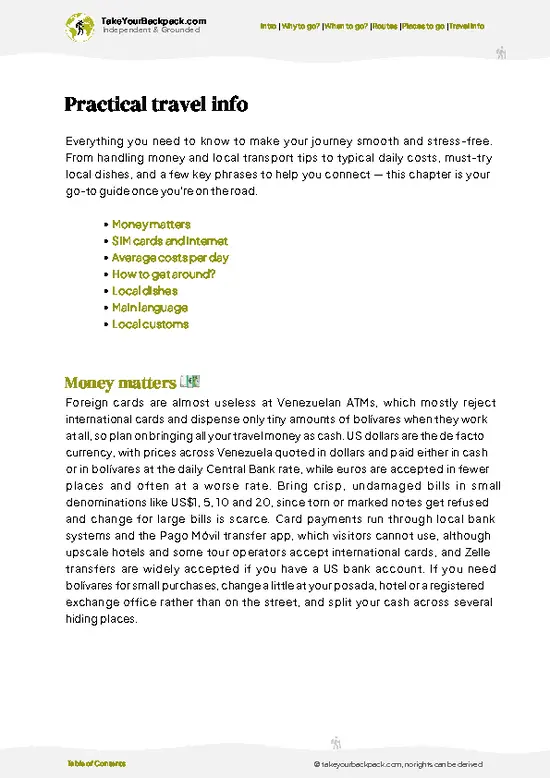
example page 0 from our offline Travel Guide for Venezuela
example page 1 from our offline Travel Guide for Venezuela
example page 2 from our offline Travel Guide for Venezuela
example page 3 from our offline Travel Guide for Venezuela
example page 4 from our offline Travel Guide for Venezuela
example page 5 from our offline Travel Guide for Venezuela
example page 6 from our offline Travel Guide for Venezuela
example page 7 from our offline Travel Guide for Venezuela
Loading the map 🌍
CLICK TO FILTER
cities
towns
villages
landmarks
national parks
hikes
beaches
attractions
festivals
regions
SHOW COUNTRY’S BESTSHOW ALL

✨ Why go?
Ranked #99 beach in Venezuela
What makes it a must-see beach

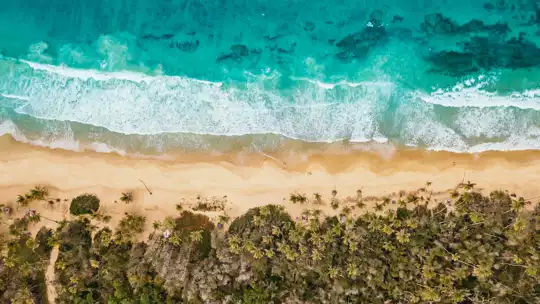
Cayo La Pelona beach draws backpackers who want a day on water so shallow and clear that you can wade a long way out. The appeal is that it is a pause, not a destination with a schedule. You hire a lancha from the coast, load a cooler, and the captain drops you on a sandbar with almost no infrastructure, which keeps the crowd small outside weekends. Splitting the boat with other travelers from your posada is the easy way to keep costs down, and it turns the trip into a social outing. The second reason is the water itself. The shallow turquoise flats suit weak swimmers and families, and snorkelers can drift over seagrass beds looking for starfish and small fish. It also fits a coastal route through northeastern Venezuela, a break between fishing towns and longer stretches of road. Bring shade, because the sandbar offers none.

💡 HighlightsEssential experiences to have while visiting Cayo La Pelona

  1. The Sandbar Itself: The reason for the trip is the long, pale strip of sand surrounded by water that stays shallow for a good distance. Walk its length and the color shifts from clear to turquoise.
  2. Wading the Shallow Flats: Water here sits around waist deep far from shore and is usually calm, so it works for nervous swimmers and for floating about with a drink in hand.
  3. Snorkeling the Seagrass Beds: Bring your own mask. You will see small reef fish, rays occasionally and starfish over the grass, though this is gentle looking, not a dramatic reef dive.
  4. Boat Ride from the Coast: The lancha trip is part of the experience, with open sea, spray and a view of the coast from the water. Pelicans and frigatebirds often follow the boats.
  5. Sunset Light on the Water: If your captain agrees to a late return,
… read more 👉
  1. The Sandbar Itself: The reason for the trip is the long, pale strip of sand surrounded by water that stays shallow for a good distance. Walk its length and the color shifts from clear to turquoise.
  2. Wading the Shallow Flats: Water here sits around waist deep far from shore and is usually calm, so it works for nervous swimmers and for floating about with a drink in hand.
  3. Snorkeling the Seagrass Beds: Bring your own mask. You will see small reef fish, rays occasionally and starfish over the grass, though this is gentle looking, not a dramatic reef dive.
  4. Boat Ride from the Coast: The lancha trip is part of the experience, with open sea, spray and a view of the coast from the water. Pelicans and frigatebirds often follow the boats.
  5. Sunset Light on the Water: If your captain agrees to a late return, the sandbar looks softer and emptier once the day boats leave, and the sky color reflects on the flats.
The sandbar and the snorkeling combine well in one day, since you can walk out, swim and float over the seagrass without moving the boat.
Spotted a mistake or missing something? Contact us.

🌤️ When to go?Seasonal considerations and timing

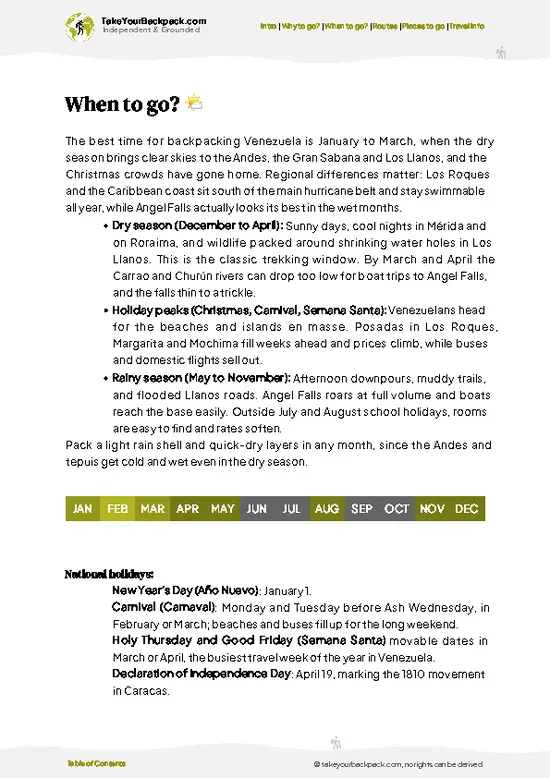
  • Dry Season (December to April): Trade winds blow steadily and rain is rare, so seas are bright and calm in the lee of the cay. Days run 28 to 31°C (82 to 88°F), nights 23 to 25°C (73 to 77°F), with roughly 11 to 12 hours of daylight.
  • Carnival and Easter Weeks: Venezuelan holiday crowds fill the Los Roques-style boat departures from Margarita’s coast and the water gets busy with day-trip boats. Boat and room prices climb 20 to 40 percent.
  • Rainy Season (May to November): Short, heavy afternoon showers arrive, humidity rises and the sea can turn choppy and cloudy. Temperatures stay 29 to 32°C (84 to 90°F). Boat operators offer lower rates and you share the sand with few others.
  • Hurricane Fringe (August to October): Storms rarely hit this coast directly, but swells and cancelled boats happen.
Go on … read more 👉
  • Dry Season (December to April): Trade winds blow steadily and rain is rare, so seas are bright and calm in the lee of the cay. Days run 28 to 31°C (82 to 88°F), nights 23 to 25°C (73 to 77°F), with roughly 11 to 12 hours of daylight.
  • Carnival and Easter Weeks: Venezuelan holiday crowds fill the Los Roques-style boat departures from Margarita’s coast and the water gets busy with day-trip boats. Boat and room prices climb 20 to 40 percent.
  • Rainy Season (May to November): Short, heavy afternoon showers arrive, humidity rises and the sea can turn choppy and cloudy. Temperatures stay 29 to 32°C (84 to 90°F). Boat operators offer lower rates and you share the sand with few others.
  • Hurricane Fringe (August to October): Storms rarely hit this coast directly, but swells and cancelled boats happen.
Go on a weekday in February or March and book your boat the evening before.


source: climatestotravel.comJANJanuary: excellent for travelingFEBFebruary: excellent for travelingMARMarch: excellent for travelingAPRApril: excellent for travelingMAYMay: fair for travelingJUNJune: fair for travelingJULJuly: fair for travelingAUGAugust: fair for travelingSEPSeptember: fair for travelingOCTOctober: fair for travelingNOVNovember: fair for travelingDECDecember: highly recommended for traveling
when-to-go

✈️ The backpacker research shortcutVenezuela Travel Guide

An offline-friendly backpacking guide with optimized travel routes, ranked highlights, transport advice, and the best areas to stay.
example page 0 from our offline Travel Guide for Venezuela
example page 1 from our offline Travel Guide for Venezuela
example page 2 from our offline Travel Guide for Venezuela
example page 3 from our offline Travel Guide for Venezuela
example page 4 from our offline Travel Guide for Venezuela
example page 5 from our offline Travel Guide for Venezuela
example page 6 from our offline Travel Guide for Venezuela
example page 7 from our offline Travel Guide for Venezuela
The digital guide (290 pages) contains:
✅ 91 highlights, ranked by travel appeal
✅ Optimized 5, 10 & 15-day travel routes
✅ Cities, national parks, landmarks, beaches
✅ How to get around
✅ Offline-friendly for travel without Wi-Fi
👉 Click to see all 30+ guide features

📅 Plan smarter in minutes, not weeks
✅ Month by month travel advice
✅ Festivals & national holidays
✅ Budget expectations

🗺️ Go to the right places, skip the overrated ones
✅ Honest pros & cons of destinations
✅ Top hikes, parks & viewpoints
✅ Lesser-known places most travelers miss
✅ Clear “worth it vs skip it” guidance

🛏️ Travel smoothly without rookie mistakes
✅ Best areas to stay
✅ Transport systems explained simply
✅ Common scams & safety advice
✅ SIM cards, money & practical tips

🌍 Understand the country, not just visit it
✅ Culture & traditions
✅ 52 Essential phrases & customs
✅ Festivals worth planning around
✅ Traveler-friendly historical context
✅ Insights that make places more meaningful

📱 Built for real travel conditions
✅ Fully downloadable PDF
✅ Works completely offline
✅ Optimized for phone use
✅ Useful in remote areas & buses
✅ Everything in one place
Stop searching, start planning
Get instant access to your full guide. 30‑day money-back guarantee.
+ Add another guide for just

By proceeding you agree to our terms.
Sent to your inbox immediately after payment • 100% Secure Checkout
Best Backpacking Travel Advisor 2025 tourism awardBest Backpacking
Travel Advisor
2025
What others say about Take Your Backpack Guides:
⭐⭐⭐⭐⭐
Fantastic, amazing amount of information!
⭐⭐⭐⭐⭐
My goodness this is amazing, it's what I've been looking for hats off too you!
⭐⭐⭐⭐⭐
I think this is absolutely BRILLIANT
⭐⭐⭐⭐
Very complete and informative. It's still missing places, but I gotta to commend you
⭐⭐⭐⭐⭐
This is truly amazing, thank you, can't wait to explore it with my kids!
⭐⭐⭐⭐⭐
Awesome resource, thank you!
⭐⭐⭐⭐⭐
This is amazing! Can't wait to explore the ones I haven't seen
⭐⭐⭐⭐
I love this! Well done, great idea.
⭐⭐⭐⭐⭐
Thanks for taking the time to make this gem!
⭐⭐⭐⭐⭐
This might be the best website I've ever seen.
⭐⭐⭐⭐⭐
Congratulations, and thank you so much for your work; it's incredibly valuable.
⭐⭐⭐⭐
In all seriousness I think you did a great job pointing out the important spots
⭐⭐⭐⭐⭐
10/10 very good
⭐⭐⭐⭐⭐
As someone who's only just starting to visit regularly this is awesome, thank you.
⭐⭐⭐⭐
Thank you very much! I'm going to visit my dad, it's going to be very useful!
⭐⭐⭐⭐⭐
This is really cool! We'll be travelling for the first time and this definitely come in handy.
⭐⭐⭐⭐⭐
You are now our minister of culture, congratulations 👨‍💼
⭐⭐⭐⭐⭐
Just wanted to tell you that this is a pearl! Going to follow your recommendations.
⭐⭐⭐⭐⭐
This is so cool. I'll definitely be using the resource for my travels soon.
⭐⭐⭐⭐⭐
This is very impressive! Good work.
⭐⭐⭐⭐⭐
This is an amazing and informative site. Very well done!

🛏️ Where to stay?Best areas and accommodation options

Base yourself in Pampatar or the Playa El Agua area on Isla de Margarita, or in Juangriego on the northwest coast, since Cayo La Pelona beach is a small sandbar reached by boat and has no lodging of its own. Juangriego is the pick for solo travelers: a laid-back fishing town with a waterfront promenade, small posadas at roughly US$15 to 35 a night, and boat captains who run cay trips directly from the shore. Evenings revolve around the bay, where travelers swap plans over cheap seafood and watch the sunset from the seafront bars. Playa El Agua suits those who want a long beach, nightlife and more … read more 👉
Base yourself in Pampatar or the Playa El Agua area on Isla de Margarita, or in Juangriego on the northwest coast, since Cayo La Pelona beach is a small sandbar reached by boat and has no lodging of its own. Juangriego is the pick for solo travelers: a laid-back fishing town with a waterfront promenade, small posadas at roughly US$15 to 35 a night, and boat captains who run cay trips directly from the shore. Evenings revolve around the bay, where travelers swap plans over cheap seafood and watch the sunset from the seafront bars. Playa El Agua suits those who want a long beach, nightlife and more posadas, though prices run higher at about US$25 to 50 a night. Pampatar is calmer, with a historic fort and easy bus links to Porlamar, and it works if you want markets and supermarkets nearby. Whichever area you choose, ask the posada owner to arrange the boat, since they usually know a trusted captain and can negotiate a fair group price. Cash in US dollars is widely accepted across Margarita.

🛡️ SafetyStaying Safe: What Travelers Should Know

The water around Cayo La Pelona is generally calm and shallow, with clear conditions that suit relaxed swimming for most of the year. Currents are mild close to the sandbar, but they can pick up toward the channel, so stay within a comfortable distance of the boat. Waves are small in the dry season and a little bigger from June onward. Sun is the main issue: there is little natural shade on the cay, so bring a hat, reef-safe sunscreen, a long-sleeve shirt and plenty of water. Rays can rest in the sandy shallows, so shuffle your feet when you wade in. Boats anchor close, and captains usually keep an eye on swimmers. Leave valuables at your posada and carry only cash and a phone in a dry bag. Go in the morning when the sea is flattest, and head back before afternoon clouds and wind arrive.

FAQFrequently asked questions about Cayo La Pelona

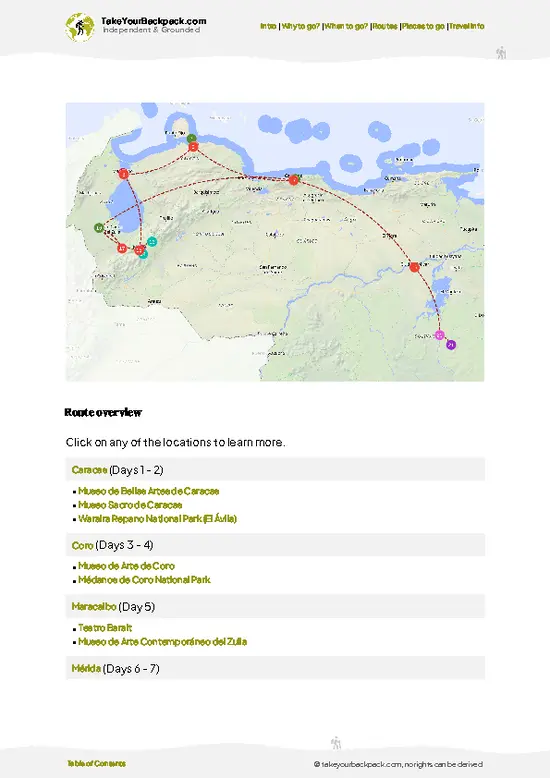
Cayo La Pelona beach is reached by boat from the northern coast of Isla de Margarita, most commonly from Juangriego or nearby fishing harbors. The crossing takes roughly 30 to 60 minutes depending on the boat and sea. Margarita itself is reached by a ferry from Puerto La Cruz (about 4 to 6 hours) or a short flight into Porlamar. Day trips are typically US$15 to 40 per person.
Swimming and snorkeling are the highlights at Cayo La Pelona beach, where the water is shallow, clear and calm, with sandy bottoms and patches of marine life near the edges. Surfing is not an option because waves are too small. Bring your own mask and fins or rent them from the boat operator for around US$3 to 8. Morning visits between December and April give the best visibility.
Cayo La Pelona beach has no entrance fee, so your cost is the boat transport, usually US$15 to 40 per person for a half or full day. Some operators include lunch, drinks or chair and umbrella rental, while others charge extra of about US$2 to 5. There are no facilities on the sand, so pack water, snacks and cash in US dollars.
⚠️ Things can change over time, so always validate details locally before you go.

Other Venezuelan beaches near Cayo La Pelona

Explore more nearby:

  • Playa Parguito—Surf break, board rentals, tostones and fried fish| 14 km away
  • Playa El Agua—Four-kilometer strip, kitesurf winds, sand-side grills, evening bars| 15 km away
  • Playa Medina—Coconut grove, freshwater stream, shorebreak, fried-fish stands| 96 km away

💡 Not sure where to go next?
Create a personalized itinerary for Venezuela including Cayo La Pelona and the places that fit your trip.

Generate my itinerary

👉 Discover all beaches

Or checkout all Venezuela has to offer (think cities, towns, villages, national parks, hikes, beaches, festivals)
Country photo of Venezuela

We 💚 feedbackKey takeaways before you go

Most first-timers focus on the sandbar and forget the sun, which has no shelter at all out here. I would bring a pop-up shade or a big hat, plus far more water than seems reasonable. Cayo La Pelona beach is best on a weekday, when the lancha is yours and the flats are quiet.

✍️ Help improve this page!
The information on this page is based on in-depth research, insights shared by experienced travelers, and feedback from the local travel community in Venezuela. While every effort is made to keep the information accurate and current, conditions can change — so if you spot anything incorrect or outdated, please get in touch.


🙋‍♂️ Give feedback

👋 Meet the founderWho’s Behind Take Your Backpack?

Johan, backpacker and founder of TakeYourBackpackHi, I’m Johan (Netherlands 🇳🇱), the creator of TakeYourBackpack. Over the past 3 decades, I’ve backpacked through 90+ countries across six continents, gaining extensive experience with independent travel, long-term trips, and overland routes.

This site is built on a combination of firsthand travel experience and carefully curated insights from other backpackers. Many guides are based on places I’ve personally visited, while others bring together tips, observations, and practical advice shared by trusted travelers I’ve met along the way.

The goal is to provide realistic, experience-driven guidance — not generic itineraries — so you can explore destinations with better context, clearer expectations, and more confidence.