×

Venezuela🇻🇪 | beachesCayo MuertoMorrocoy islet, warm shallows, reef patches, camping-style visits | things to do and best time to go

Explore Cayo La PelonaExplore Cayo Sal

Backpacking in Cayo Muerto
👀 For curious travelersbeach ranked #7
By Johan Kruseman 🇳🇱 | Updated October 19, 2026

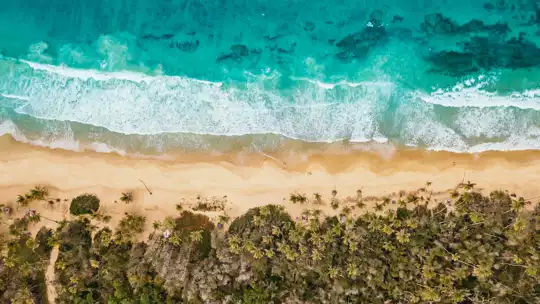
Cayo Muerto is a small sandy islet sitting on a reef flat, and the water around it stays shallow and warm far out from shore. It lies in the Morrocoy area on the Caribbean coast in the north of Venezuela, west of Puerto Cabello and reached by boat from Chichiriviche. The sand is white, the water is clear and turquoise, and snorkeling over the seagrass and coral patches is the best thing to do here. Swimming is calm, with no surf at all. Skip it on holiday weekends, when boats pack the shallows and trash piles up. The islet has no real hotels or restaurants, so bring your own water, food and shade. Best for beach loungers, snorkelers and campers who travel prepared. Anyone wanting nightlife, waves or walk-up services will be bored.

Discover everything you want to know in the 📖 Venezuela Travel Guide.
Safety warning

The current risk level for Venezuela is high. Check the advice before going.


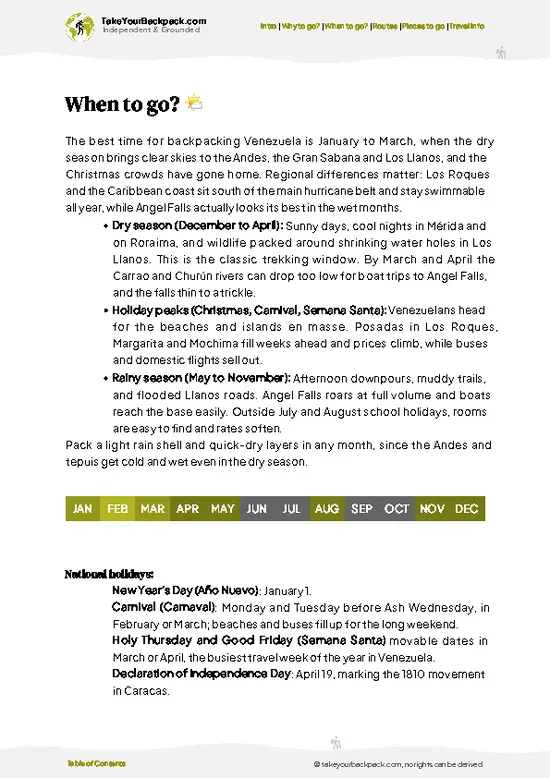
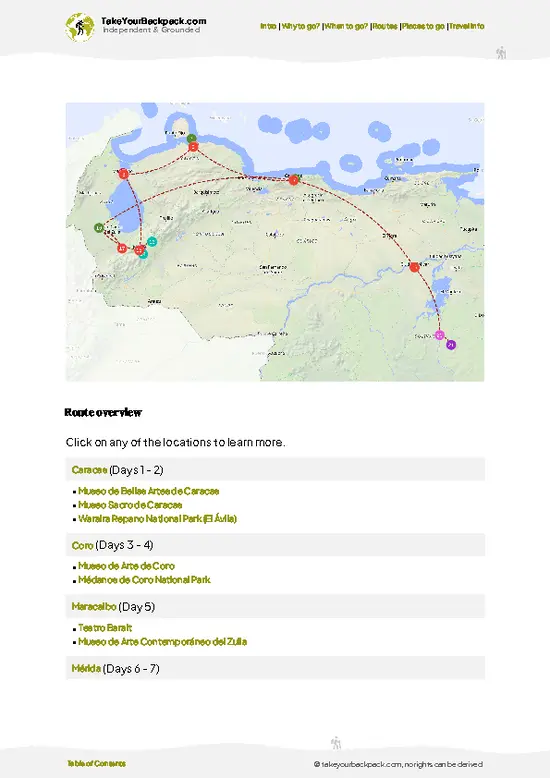
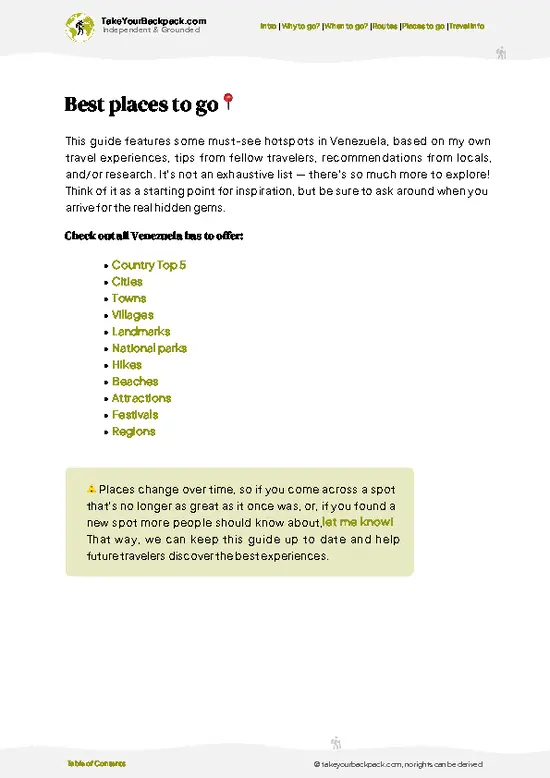
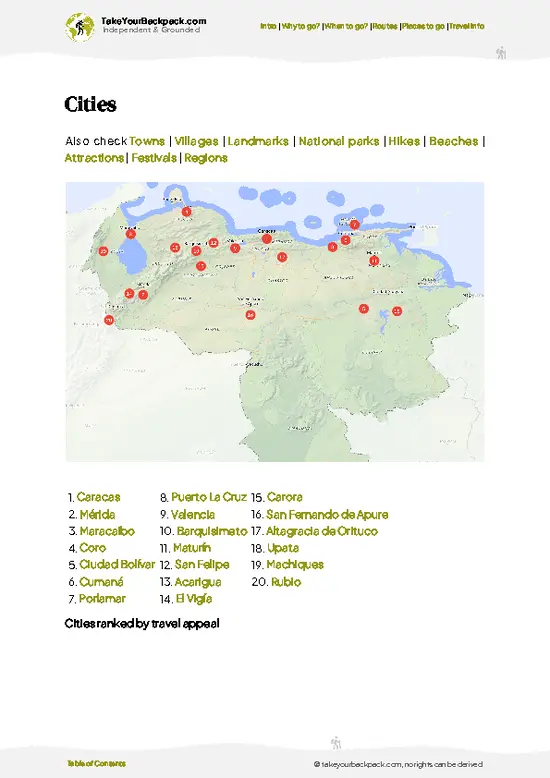
example page 0 from our offline Travel Guide for Venezuela
example page 1 from our offline Travel Guide for Venezuela
example page 2 from our offline Travel Guide for Venezuela
example page 3 from our offline Travel Guide for Venezuela
example page 4 from our offline Travel Guide for Venezuela
example page 5 from our offline Travel Guide for Venezuela
example page 6 from our offline Travel Guide for Venezuela
example page 7 from our offline Travel Guide for Venezuela
Loading the map 🌍
CLICK TO FILTER
cities
towns
villages
landmarks
national parks
hikes
beaches
attractions
festivals
regions
SHOW COUNTRY’S BESTSHOW ALL

✨ Why go?
Ranked #7 beach in Venezuela
The unique appeal for travelers

Cayo Muerto beach is a place to stop because the water behaves like a giant warm pool. The shallows reach out so far that you can wade a long way from the sand with water barely at your waist, and that suits first-timers, families and anyone who simply wants to float. The islet is a short boat hop from the Chichiriviche waterfront, so it works as a day trip from Chichiriviche rather than a destination that swallows your itinerary. Its position inside the Morrocoy coastal park means you can pair it with neighboring cays in one boat arrangement, picking the quiet one for lunch and another for snorkeling. Weekdays feel very different from weekends: you can have long stretches of sand to yourself, with only pelicans and the odd fishing skiff for company. There is no social scene to speak of, so … read more 👉
Cayo Muerto beach is a place to stop because the water behaves like a giant warm pool. The shallows reach out so far that you can wade a long way from the sand with water barely at your waist, and that suits first-timers, families and anyone who simply wants to float. The islet is a short boat hop from the Chichiriviche waterfront, so it works as a day trip from Chichiriviche rather than a destination that swallows your itinerary. Its position inside the Morrocoy coastal park means you can pair it with neighboring cays in one boat arrangement, picking the quiet one for lunch and another for snorkeling. Weekdays feel very different from weekends: you can have long stretches of sand to yourself, with only pelicans and the odd fishing skiff for company. There is no social scene to speak of, so the draw is simple: clean sand, clear water and a slow day.

💡 HighlightsPlaces and moments you shouldn't skip

  1. Shallow turquoise flats: the water off Cayo Muerto stays knee to waist deep far from shore, so you can wade out and sit in warm, clear water with almost no current.
  2. Snorkeling the reef patches: seagrass beds and small coral heads around the islet hold reef fish, rays on occasion and sea stars. Bring your own mask, because quality varies and rentals are not always on hand.
  3. Sandbar sunbathing: the white sand strip is narrow, so you can walk its length in minutes and pick a spot with sea on both sides. Pitch a shade umbrella or tarp, since natural shade is scarce.
  4. Boat hopping between cays: the Morrocoy park has several islets within a short ride, and a boat captain can drop you at Cayo Muerto and move on to a neighboring cay for a different crowd and a different bottom.
  5. Birdwatching at the edges:
… read more 👉
  1. Shallow turquoise flats: the water off Cayo Muerto stays knee to waist deep far from shore, so you can wade out and sit in warm, clear water with almost no current.
  2. Snorkeling the reef patches: seagrass beds and small coral heads around the islet hold reef fish, rays on occasion and sea stars. Bring your own mask, because quality varies and rentals are not always on hand.
  3. Sandbar sunbathing: the white sand strip is narrow, so you can walk its length in minutes and pick a spot with sea on both sides. Pitch a shade umbrella or tarp, since natural shade is scarce.
  4. Boat hopping between cays: the Morrocoy park has several islets within a short ride, and a boat captain can drop you at Cayo Muerto and move on to a neighboring cay for a different crowd and a different bottom.
  5. Birdwatching at the edges: pelicans dive close to the sandbar, and frigatebirds and herons work the mangrove fringe nearby. Early morning is the quietest time and best for sighting.
Snorkeling in the morning and sandbar sunbathing after lunch fit neatly into the same day, once the sun is high and the water is clearest.
Spotted a mistake or missing something? Contact us.

🌤️ When to go?Seasonal considerations and timing

  • Dry Season (December to April): Cayo Muerto beach is at its best, with steady sun, trade winds and little rain. Highs sit around 30 to 32°C (86 to 90°F), nights near 24°C (75°F), and the water stays calm and clear.
  • Holiday Peaks: Christmas, Carnival (February or March) and Easter week fill the boat queues at Morrocoy with Venezuelan families. Boat prices and crowds rise, and weekends are busy all year.
  • Wet Season (May to November): Afternoon downpours are common, humidity climbs, and highs reach 32 to 34°C (90 to 93°F). Visibility can drop after heavy rain, but beaches empty out on weekdays and boat operators bargain more.
Daylight runs about 11 to 13 hours across the year, so go early. Pick a Tuesday or Wednesday in January or March for the calmest water and the fewest people.

source: climatestotravel.comJANJanuary: excellent for travelingFEBFebruary: excellent for travelingMARMarch: excellent for travelingAPRApril: highly recommended for travelingMAYMay: fair for travelingJUNJune: fair for travelingJULJuly: fair for travelingAUGAugust: fair for travelingSEPSeptember: fair for travelingOCTOctober: fair for travelingNOVNovember: good for travelingDECDecember: highly recommended for traveling

✈️ The backpacker research shortcutVenezuela Travel Guide

An offline-friendly backpacking guide with optimized travel routes, ranked highlights, transport advice, and the best areas to stay.
example page 0 from our offline Travel Guide for Venezuela
example page 1 from our offline Travel Guide for Venezuela
example page 2 from our offline Travel Guide for Venezuela
example page 3 from our offline Travel Guide for Venezuela
example page 4 from our offline Travel Guide for Venezuela
example page 5 from our offline Travel Guide for Venezuela
example page 6 from our offline Travel Guide for Venezuela
example page 7 from our offline Travel Guide for Venezuela
The digital guide (290 pages) contains:
✅ 91 highlights, ranked by travel appeal
✅ Optimized 5, 10 & 15-day travel routes
✅ Cities, national parks, landmarks, beaches
✅ How to get around
✅ Offline-friendly for travel without Wi-Fi
👉 Click to see all 30+ guide features

📅 Plan smarter in minutes, not weeks
✅ Month by month travel advice
✅ Festivals & national holidays
✅ Budget expectations

🗺️ Go to the right places, skip the overrated ones
✅ Honest pros & cons of destinations
✅ Top hikes, parks & viewpoints
✅ Lesser-known places most travelers miss
✅ Clear “worth it vs skip it” guidance

🛏️ Travel smoothly without rookie mistakes
✅ Best areas to stay
✅ Transport systems explained simply
✅ Common scams & safety advice
✅ SIM cards, money & practical tips

🌍 Understand the country, not just visit it
✅ Culture & traditions
✅ 52 Essential phrases & customs
✅ Festivals worth planning around
✅ Traveler-friendly historical context
✅ Insights that make places more meaningful

📱 Built for real travel conditions
✅ Fully downloadable PDF
✅ Works completely offline
✅ Optimized for phone use
✅ Useful in remote areas & buses
✅ Everything in one place
Stop searching, start planning
Get instant access to your full guide. 30‑day money-back guarantee.
+ Add another guide for just

By proceeding you agree to our terms.
Sent to your inbox immediately after payment • 100% Secure Checkout
Best Backpacking Travel Advisor 2025 tourism awardBest Backpacking
Travel Advisor
2025
What others say about Take Your Backpack Guides:
⭐⭐⭐⭐⭐
Fantastic, amazing amount of information!
⭐⭐⭐⭐⭐
My goodness this is amazing, it's what I've been looking for hats off too you!
⭐⭐⭐⭐⭐
I think this is absolutely BRILLIANT
⭐⭐⭐⭐
Very complete and informative. It's still missing places, but I gotta to commend you
⭐⭐⭐⭐⭐
This is truly amazing, thank you, can't wait to explore it with my kids!
⭐⭐⭐⭐⭐
Awesome resource, thank you!
⭐⭐⭐⭐⭐
This is amazing! Can't wait to explore the ones I haven't seen
⭐⭐⭐⭐
I love this! Well done, great idea.
⭐⭐⭐⭐⭐
Thanks for taking the time to make this gem!
⭐⭐⭐⭐⭐
This might be the best website I've ever seen.
⭐⭐⭐⭐⭐
Congratulations, and thank you so much for your work; it's incredibly valuable.
⭐⭐⭐⭐
In all seriousness I think you did a great job pointing out the important spots
⭐⭐⭐⭐⭐
10/10 very good
⭐⭐⭐⭐⭐
As someone who's only just starting to visit regularly this is awesome, thank you.
⭐⭐⭐⭐
Thank you very much! I'm going to visit my dad, it's going to be very useful!
⭐⭐⭐⭐⭐
This is really cool! We'll be travelling for the first time and this definitely come in handy.
⭐⭐⭐⭐⭐
You are now our minister of culture, congratulations 👨‍💼
⭐⭐⭐⭐⭐
Just wanted to tell you that this is a pearl! Going to follow your recommendations.
⭐⭐⭐⭐⭐
This is so cool. I'll definitely be using the resource for my travels soon.
⭐⭐⭐⭐⭐
This is very impressive! Good work.
⭐⭐⭐⭐⭐
This is an amazing and informative site. Very well done!

🛏️ Where to stay?Where staying makes the most sense

Chichiriviche is the best base for Cayo Muerto beach, because the boats to the cays leave from its waterfront and it has the densest cluster of budget posadas in the area. Rooms run about US$15 to 35 a night, and the town has simple seafood eateries, bakeries and bars within a few blocks, so you can eat well for US$4 to 8. Boat captains gather along the pier each morning, and sharing a boat with other guests is the easiest way to cut the roughly US$10 to 20 per person round trip.
Tucacas, about 30 minutes away by road, is the alternative. It is larger, with more supermarkets, ATMs and mid-range … read more 👉
Chichiriviche is the best base for Cayo Muerto beach, because the boats to the cays leave from its waterfront and it has the densest cluster of budget posadas in the area. Rooms run about US$15 to 35 a night, and the town has simple seafood eateries, bakeries and bars within a few blocks, so you can eat well for US$4 to 8. Boat captains gather along the pier each morning, and sharing a boat with other guests is the easiest way to cut the roughly US$10 to 20 per person round trip.
Tucacas, about 30 minutes away by road, is the alternative. It is larger, with more supermarkets, ATMs and mid-range options, and boats leave from nearby Playa Mero and Tucacas for the western cays. Expect a quieter, more local feel with fewer travelers.
Camping on the cays is sometimes done by Venezuelans over holidays, but sleeping in a town and taking day boats is simpler and keeps your gear safe. Book ahead for Carnival and Easter, when rooms in both towns fill up.

🛡️ SafetySafety Tips and Common Scams in Cayo Muerto

Cayo Muerto beach has calm, shallow, warm water with almost no surf, which makes swimming easy for most travelers. Currents are weak, though channels between cays can pull gently, so stay near the shore where other people are swimming. Sea urchins and sharp coral sit in some patches, so reef shoes help when wading. Jellyfish appear occasionally, mostly in the wetter months.
The sun is the biggest problem. There is little natural shade on the sand, and midday glare off the white sand burns quickly, so bring a hat, reef-safe sunscreen and plenty of water, since you are on a boat-access cay. Afternoon storms can roll in during the wet season, and captains will head back early.
Agree on the pickup time and price before leaving the pier. Keep valuables with you rather than leaving bags unattended … read more 👉
Cayo Muerto beach has calm, shallow, warm water with almost no surf, which makes swimming easy for most travelers. Currents are weak, though channels between cays can pull gently, so stay near the shore where other people are swimming. Sea urchins and sharp coral sit in some patches, so reef shoes help when wading. Jellyfish appear occasionally, mostly in the wetter months.
The sun is the biggest problem. There is little natural shade on the sand, and midday glare off the white sand burns quickly, so bring a hat, reef-safe sunscreen and plenty of water, since you are on a boat-access cay. Afternoon storms can roll in during the wet season, and captains will head back early.
Agree on the pickup time and price before leaving the pier. Keep valuables with you rather than leaving bags unattended on the beach, and take only the cash you need for the day.

FAQTraveler FAQ

Cayo Muerto beach is reached by boat from Chichiriviche or Tucacas in Falcón state, both about 3.5 to 4.5 hours by road from Caracas via Valencia. From Chichiriviche the boat ride takes roughly 15 to 25 minutes and costs about US$10 to 20 per person round trip, often cheaper when the boat is shared. Agree on a return time with the captain before you set off.
Cayo Muerto beach is good for swimming and relaxed snorkeling, but not for surfing. The water is shallow, warm and mostly flat, and the surrounding reefs and seagrass hold small tropical fish within a short swim of shore. Bring your own mask and fins, since rentals are limited. Calm conditions are most reliable from December to April.
Cayo Muerto beach is free to visit, but you pay for the boat to reach it. Because the cays sit inside Morrocoy National Park, a small park entry fee of a few dollars (about US$1 to 5) may be collected, and boat operators often bundle it in. Budget about US$15 to 25 total for a day trip, plus extra for food and water.
⚠️ Things can change over time, so always validate details locally before you go.

Other Venezuelan beaches near Cayo Muerto

Explore more nearby:

  • Cayo Sal—Morrocoy cay, pale-to-deep water, shoreline shells, seabirds| 1 km away
  • Cayo de Agua—Two-cay sandbar, knee-deep shallows, boat-crew lunch, Gran Roque departures| 174 km away
  • Playa El Agua—Four-kilometer strip, kitesurf winds, sand-side grills, evening bars| 481 km away

💡 Not sure where to go next?
Create a personalized itinerary for Venezuela including Cayo Muerto and the places that fit your trip.

Generate my itinerary

👉 Discover all beaches

Or checkout all Venezuela has to offer (think cities, towns, villages, national parks, hikes, beaches, festivals)
Country photo of Venezuela

We 💚 feedbackWhat to keep in mind

Many travelers show up at Cayo Muerto beach on a holiday weekend with no food, water or shade, then spend the day squeezed among loud boats. Go midweek instead. Agree your return pickup time with the boatman before you land, and pack out every scrap of trash you bring.

✍️ Help improve this page!
The information on this page is based on in-depth research, insights shared by experienced travelers, and feedback from the local travel community in Venezuela. While every effort is made to keep the information accurate and current, conditions can change — so if you spot anything incorrect or outdated, please get in touch.


🙋‍♂️ Give feedback

👋 Meet the founderWho’s Behind Take Your Backpack?

Johan, backpacker and founder of TakeYourBackpackHi, I’m Johan (Netherlands 🇳🇱), the creator of TakeYourBackpack. Over the past 3 decades, I’ve backpacked through 90+ countries across six continents, gaining extensive experience with independent travel, long-term trips, and overland routes.

This site is built on a combination of firsthand travel experience and carefully curated insights from other backpackers. Many guides are based on places I’ve personally visited, while others bring together tips, observations, and practical advice shared by trusted travelers I’ve met along the way.

The goal is to provide realistic, experience-driven guidance — not generic itineraries — so you can explore destinations with better context, clearer expectations, and more confidence.