×

Venezuela🇻🇪 | attractionsMuseo Sacro de CaracasCathedral annex, carved saints, church silver, Plaza Bolívar | things to do and best time to go

Explore Museo de Arte Colonial Quinta de AnaucoExplore Museo de Arte de Coro

Backpacking in Museo Sacro de Caracas
👌 Worth visitingattraction ranked #12
By Johan Kruseman 🇳🇱 | Updated October 19, 2026

Come for the colonial religious art, stay for the building itself: the Museo Sacro de Caracas occupies the old Catedral de Caracas annex on Plaza Bolívar, in Venezuela’s capital. The collection is small, so skip it if you expect a Prado. It is worth your time for the altarpieces, silver and sacred sculpture, which explain why churches here look the way they do. Entry is cheap, and the guides are usually the best part, so go with one rather than wandering alone. Plaza Bolívar sits in the busy historic center, so you should visit in the morning and check opening days at the door before planning around it.

Discover everything you want to know in the 📖 Venezuela Travel Guide.
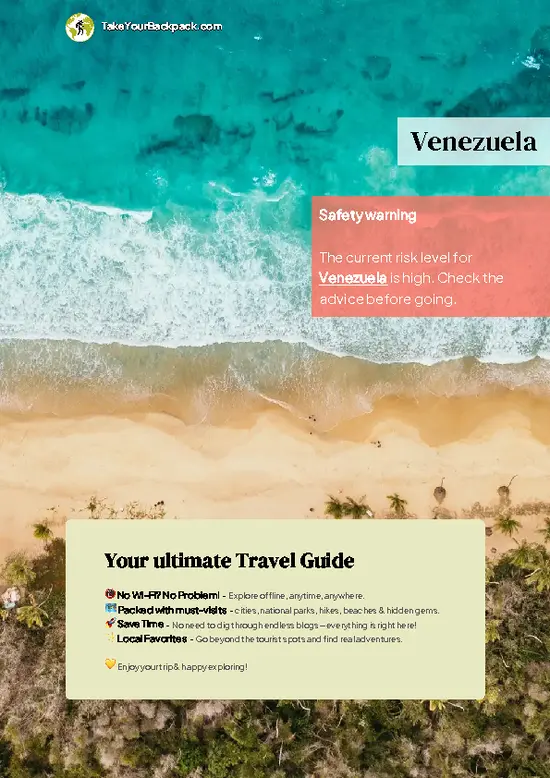
Safety warning

The current risk level for Venezuela is high. Check the advice before going.


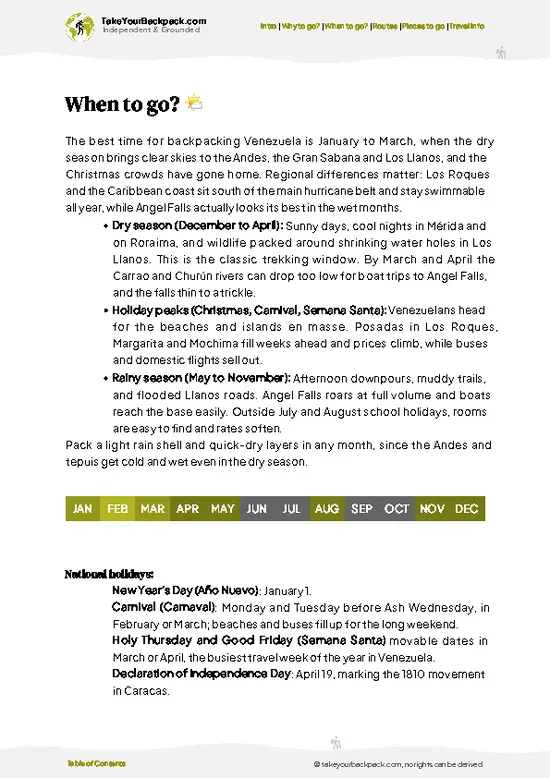
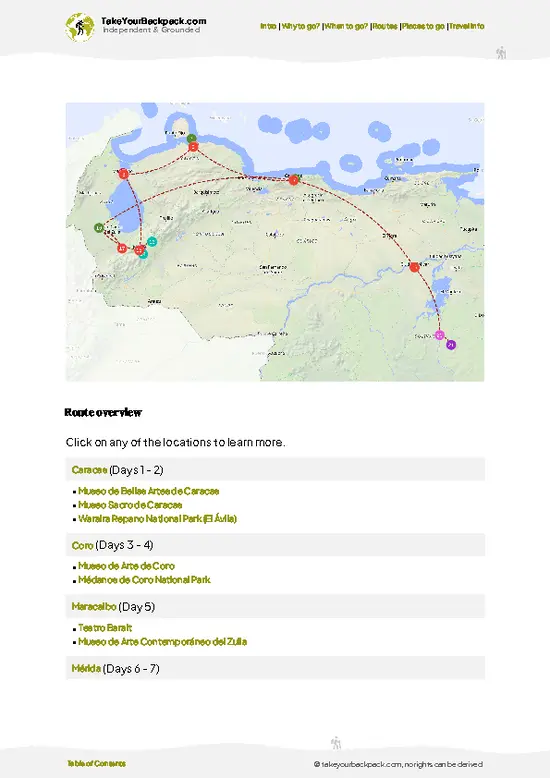
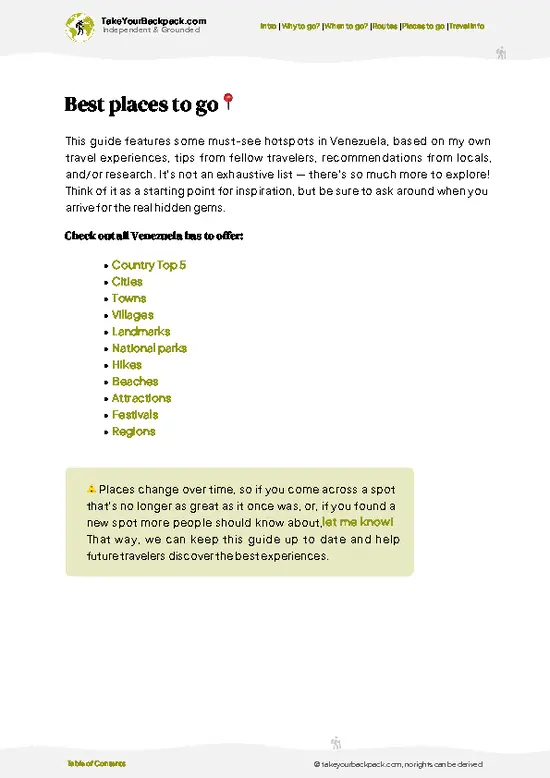
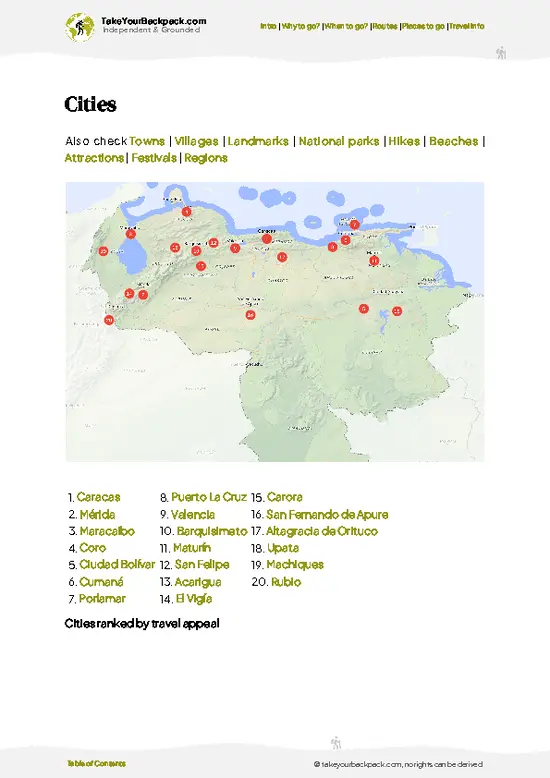
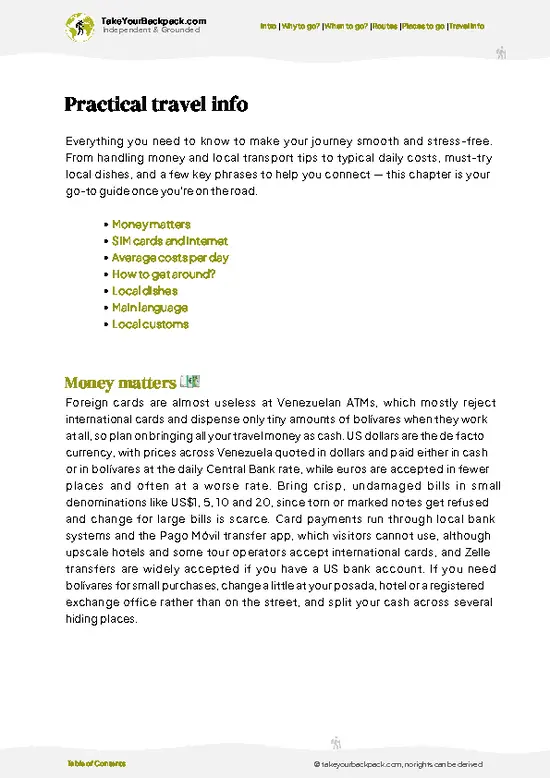
example page 0 from our offline Travel Guide for Venezuela
example page 1 from our offline Travel Guide for Venezuela
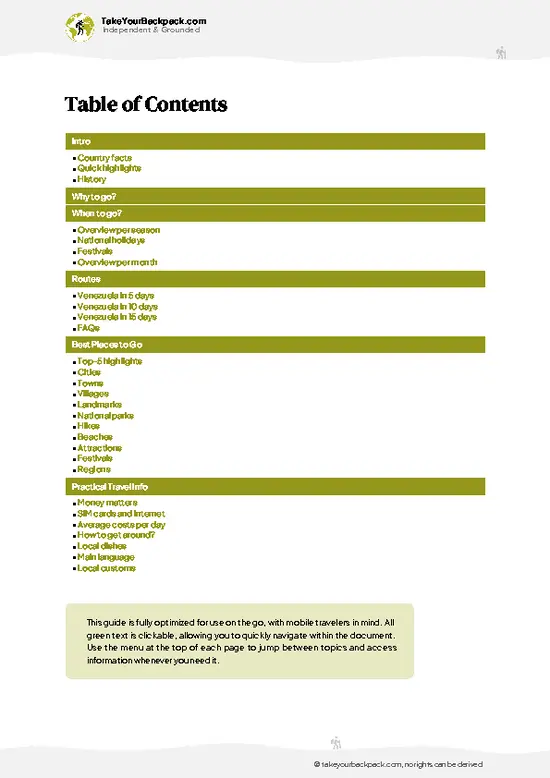
example page 2 from our offline Travel Guide for Venezuela
example page 3 from our offline Travel Guide for Venezuela
example page 4 from our offline Travel Guide for Venezuela
example page 5 from our offline Travel Guide for Venezuela
example page 6 from our offline Travel Guide for Venezuela
example page 7 from our offline Travel Guide for Venezuela
Loading the map 🌍
CLICK TO FILTER
cities
towns
villages
landmarks
national parks
hikes
beaches
attractions
festivals
regions
SHOW COUNTRY’S BESTSHOW ALL

✨ Why go?
Ranked #12 attraction in Venezuela
The unique appeal for travelers

Museo Sacro de Caracas gives you the clearest short lesson in how Catholic art shaped Venezuelan colonial life, and it does it in under an hour. The first reason to go is the Plaza Bolívar location: you can pair it with the cathedral, the Casa Natal del Libertador and the Capitolio within a few blocks, so it works as an anchor for a walking morning in the old center. The second is the colonial religious art. Carved saints, gilded frames and liturgical silver show a provincial capital trying to match Spanish taste with local craftsmen and local materials. Backpackers who skip churches elsewhere often find this more digestible, because the rooms are compact and labeled, and the exhibits do the explaining without crowds crowding you.

💡 HighlightsKey sights and experiences for travelers

  1. Colonial Religious Art Collection: The museum sits in the Caracas Cathedral complex on Plaza Bolívar, and its core is a collection of colonial-era sacred painting, sculpture and silverwork. Look for the carved saints and the gilded altar pieces, which show how Spanish and local workshops shaped devotion in the old Santiago de León de Caracas.
  2. Silver and Liturgical Objects: Chalices, monstrances and processional crosses fill the display cases. The metalwork is fine enough that you will slow down to read the small labels.
  3. Vestments and Church Textiles: Embroidered robes in heavy thread show the wealth that once flowed through the cathedral. Up close, the stitching is the draw.
  4. The Cathedral Next Door: The Catedral Metropolitana de Caracas shares the plaza and the complex. Inside is a painting attributed
… read more 👉
  1. Colonial Religious Art Collection: The museum sits in the Caracas Cathedral complex on Plaza Bolívar, and its core is a collection of colonial-era sacred painting, sculpture and silverwork. Look for the carved saints and the gilded altar pieces, which show how Spanish and local workshops shaped devotion in the old Santiago de León de Caracas.
  2. Silver and Liturgical Objects: Chalices, monstrances and processional crosses fill the display cases. The metalwork is fine enough that you will slow down to read the small labels.
  3. Vestments and Church Textiles: Embroidered robes in heavy thread show the wealth that once flowed through the cathedral. Up close, the stitching is the draw.
  4. The Cathedral Next Door: The Catedral Metropolitana de Caracas shares the plaza and the complex. Inside is a painting attributed to Rubens, and the nave is cool and quiet after the street noise.
  5. Plaza Bolívar Surroundings: Step outside and you stand in the historic heart of the capital, with the Bolívar statue at center and old government buildings around. Shade trees, pigeons and street preachers set the mood.
  6. Courtyard and Colonial Architecture: The building keeps its old stone, arches and calm interior spaces. It is a pleasant place to cool off between rooms.
The silverwork is easy to overlook, because people rush past the cases toward the paintings.
Spotted a mistake or missing something? Contact us.

🌤️ When to go?Choosing the right time of year

  • Dry Season (December to April): Caracas sits at about 900 meters, so days run 25 to 29°C (77 to 84°F) and nights drop to 15 to 18°C (59 to 64°F). Rain is rare, and walking the Plaza Bolívar area is pleasant.
  • Rainy Season (May to November): Afternoon downpours are common, with highs of 26 to 30°C (79 to 86°F). Go in the morning, when skies are usually clear.
  • Holy Week and December: Religious art takes on extra meaning, and local visitors increase. Hotel prices barely move, though flights can rise.
  • Daylight: Roughly 11 to 13 hours year-round, so aim to finish before late afternoon.
Visit on a weekday morning, when the museum is quiet and the surrounding streets are at their safest.

source: climatestotravel.comJANJanuary: excellent for travelingFEBFebruary: excellent for travelingMARMarch: excellent for travelingAPRApril: highly recommended for travelingMAYMay: fair for travelingJUNJune: fair for travelingJULJuly: fair for travelingAUGAugust: fair for travelingSEPSeptember: fair for travelingOCTOctober: fair for travelingNOVNovember: fair for travelingDECDecember: highly recommended for traveling
when-to-go

✈️ The backpacker research shortcutVenezuela Travel Guide

An offline-friendly backpacking guide with optimized travel routes, ranked highlights, transport advice, and the best areas to stay.
example page 0 from our offline Travel Guide for Venezuela
example page 1 from our offline Travel Guide for Venezuela
example page 2 from our offline Travel Guide for Venezuela
example page 3 from our offline Travel Guide for Venezuela
example page 4 from our offline Travel Guide for Venezuela
example page 5 from our offline Travel Guide for Venezuela
example page 6 from our offline Travel Guide for Venezuela
example page 7 from our offline Travel Guide for Venezuela
The digital guide (290 pages) contains:
✅ 91 highlights, ranked by travel appeal
✅ Optimized 5, 10 & 15-day travel routes
✅ Cities, national parks, landmarks, beaches
✅ How to get around
✅ Offline-friendly for travel without Wi-Fi
👉 Click to see all 30+ guide features

📅 Plan smarter in minutes, not weeks
✅ Month by month travel advice
✅ Festivals & national holidays
✅ Budget expectations

🗺️ Go to the right places, skip the overrated ones
✅ Honest pros & cons of destinations
✅ Top hikes, parks & viewpoints
✅ Lesser-known places most travelers miss
✅ Clear “worth it vs skip it” guidance

🛏️ Travel smoothly without rookie mistakes
✅ Best areas to stay
✅ Transport systems explained simply
✅ Common scams & safety advice
✅ SIM cards, money & practical tips

🌍 Understand the country, not just visit it
✅ Culture & traditions
✅ 52 Essential phrases & customs
✅ Festivals worth planning around
✅ Traveler-friendly historical context
✅ Insights that make places more meaningful

📱 Built for real travel conditions
✅ Fully downloadable PDF
✅ Works completely offline
✅ Optimized for phone use
✅ Useful in remote areas & buses
✅ Everything in one place
Stop searching, start planning
Get instant access to your full guide. 30‑day money-back guarantee.
+ Add another guide for just

By proceeding you agree to our terms.
Sent to your inbox immediately after payment • 100% Secure Checkout
Best Backpacking Travel Advisor 2025 tourism awardBest Backpacking
Travel Advisor
2025
What others say about Take Your Backpack Guides:
⭐⭐⭐⭐⭐
Fantastic, amazing amount of information!
⭐⭐⭐⭐⭐
My goodness this is amazing, it's what I've been looking for hats off too you!
⭐⭐⭐⭐⭐
I think this is absolutely BRILLIANT
⭐⭐⭐⭐
Very complete and informative. It's still missing places, but I gotta to commend you
⭐⭐⭐⭐⭐
This is truly amazing, thank you, can't wait to explore it with my kids!
⭐⭐⭐⭐⭐
Awesome resource, thank you!
⭐⭐⭐⭐⭐
This is amazing! Can't wait to explore the ones I haven't seen
⭐⭐⭐⭐
I love this! Well done, great idea.
⭐⭐⭐⭐⭐
Thanks for taking the time to make this gem!
⭐⭐⭐⭐⭐
This might be the best website I've ever seen.
⭐⭐⭐⭐⭐
Congratulations, and thank you so much for your work; it's incredibly valuable.
⭐⭐⭐⭐
In all seriousness I think you did a great job pointing out the important spots
⭐⭐⭐⭐⭐
10/10 very good
⭐⭐⭐⭐⭐
As someone who's only just starting to visit regularly this is awesome, thank you.
⭐⭐⭐⭐
Thank you very much! I'm going to visit my dad, it's going to be very useful!
⭐⭐⭐⭐⭐
This is really cool! We'll be travelling for the first time and this definitely come in handy.
⭐⭐⭐⭐⭐
You are now our minister of culture, congratulations 👨‍💼
⭐⭐⭐⭐⭐
Just wanted to tell you that this is a pearl! Going to follow your recommendations.
⭐⭐⭐⭐⭐
This is so cool. I'll definitely be using the resource for my travels soon.
⭐⭐⭐⭐⭐
This is very impressive! Good work.
⭐⭐⭐⭐⭐
This is an amazing and informative site. Very well done!

🛏️ Where to stay?Choosing the right base

Stay in Chacao or Altamira, the East Caracas districts, if you want the safest and most social base within a 20 to 30 minute Metro ride of the museum. Both have cafés, restaurants and a steady stream of expats and visiting travelers, and you can walk after dark more comfortably than in the center. Expect dorm beds and simple private rooms at about US$10 to 30 a night.

Los Palos Grandes, next to Altamira, is quieter and residential. It suits solo travelers who want calm streets, supermarkets and easy Metro access.

Sabana Grande is cheaper and lively, with a long pedestrian boulevard and many … read more 👉
Stay in Chacao or Altamira, the East Caracas districts, if you want the safest and most social base within a 20 to 30 minute Metro ride of the museum. Both have cafés, restaurants and a steady stream of expats and visiting travelers, and you can walk after dark more comfortably than in the center. Expect dorm beds and simple private rooms at about US$10 to 30 a night.

Los Palos Grandes, next to Altamira, is quieter and residential. It suits solo travelers who want calm streets, supermarkets and easy Metro access.

Sabana Grande is cheaper and lively, with a long pedestrian boulevard and many guesthouses. It is a good compromise on price, but stay alert at night and use taxis after dark.

Staying in the historic center near Plaza Bolívar puts you steps from the museum, but the area empties early in the evening and has few traveler-oriented options, so most backpackers prefer the eastern districts.

👛 Costs (as of 19 October 2026)What things cost and how to budget

A day around Museo Sacro de Caracas costs roughly US$25 to 45 for a backpacker, because the museum itself is inexpensive and the center is easy to cover on foot.
CategoryBudget RangeLocal Reality
Museum entryUS$0 to 3Entry is low or free depending on current arrangements. Bring small US dollar bills.
Accommodation (high season)US$10 to 25Dorm bed or basic room in Sabana Grande, Chacao or Altamira.
Local transportUS$0.50 to 6Metro rides cost cents. A taxi from the east side runs US$4 to 8.
FoodUS$5 to 12Arepas, empanadas and set lunches (menú del día) cost less than café meals.
Nearby sightsUS$0 to 5Plaza Bolívar, the Cathedral and nearby museums are free or cheap.
Total Daily BudgetUS$25 to 45Assumes high-season accommodation, metro travel and cheap meals.
⚠️ Prices can change and everyone travels differently, so take this as a rough guide. Hope it helps you plan your adventure!

FAQCommon questions from travelers

Museo Sacro de Caracas needs about 45 minutes to 1 hour on its own. It sits beside the Cathedral on Plaza Bolívar, so most travelers add the cathedral, the Casa Natal de Bolívar and nearby museums for a half day of 3 to 4 hours in total.
Museo Sacro de Caracas is a good value because it costs little, roughly US$0 to 3 depending on current arrangements. It holds colonial religious art, silver pieces and sculpture in a quiet setting, and it pairs well with the free Plaza Bolívar sights nearby.
To reach Museo Sacro de Caracas, take the Metro to Capitolio station, in the historic center, and walk a few blocks to Plaza Bolívar. From Chacao or Altamira the trip takes about 25 to 35 minutes and costs under US$1. A taxi from the east side costs about US$4 to 8, and walking the last few blocks to Plaza Bolívar is easy by day.
⚠️ Things can change over time, so always validate details locally before you go.

Other Venezuelan attractions near Museo Sacro de Caracas

Explore more nearby:


💡 Not sure where to go next?
Create a personalized itinerary for Venezuela including Museo Sacro de Caracas and the places that fit your trip.

Generate my itinerary

👉 Discover all attractions

Or checkout all Venezuela has to offer (think cities, towns, villages, national parks, hikes, beaches, festivals)
Country photo of Venezuela

We 💚 feedbackParting advice and final tips

Museo Sacro de Caracas pairs best with the cathedral next door and the Casa Natal del Libertador a few steps away, so I would do all three in one morning and finish with a coffee on Plaza Bolívar. Bring small cash for entry and go early.

✍️ Help improve this page!
The information on this page is based on in-depth research, insights shared by experienced travelers, and feedback from the local travel community in Venezuela. While every effort is made to keep the information accurate and current, conditions can change — so if you spot anything incorrect or outdated, please get in touch.


🙋‍♂️ Give feedback

👋 Meet the founderWho’s Behind Take Your Backpack?

Johan, backpacker and founder of TakeYourBackpackHi, I’m Johan (Netherlands 🇳🇱), the creator of TakeYourBackpack. Over the past 3 decades, I’ve backpacked through 90+ countries across six continents, gaining extensive experience with independent travel, long-term trips, and overland routes.

This site is built on a combination of firsthand travel experience and carefully curated insights from other backpackers. Many guides are based on places I’ve personally visited, while others bring together tips, observations, and practical advice shared by trusted travelers I’ve met along the way.

The goal is to provide realistic, experience-driven guidance — not generic itineraries — so you can explore destinations with better context, clearer expectations, and more confidence.