×

Venezuela🇻🇪 | citiesRubioCoffee hills, border commerce, Andean market produce | things to do and best time to go

Explore UpataExplore Carora

Backpacking in Rubio
👀 For curious travelerscity ranked #20
By Johan Kruseman 🇳🇱 | Updated October 19, 2026

Rubio forces one decision: treat it as a destination or as a quiet base near the Colombian border. I say base. It sits in the Andean foothills of western Táchira state in Venezuela, a working coffee and commerce town with real local life but few sights. Skip it if you want nightlife or a checklist of attractions. Go if you like unhurried markets, mountain air and being the only foreigner at the lunch counter. Travelers on a slow overland route will like it most.

Discover everything you want to know in the 📖 Venezuela Travel Guide.
Safety warning

The current risk level for Venezuela is high. Check the advice before going.


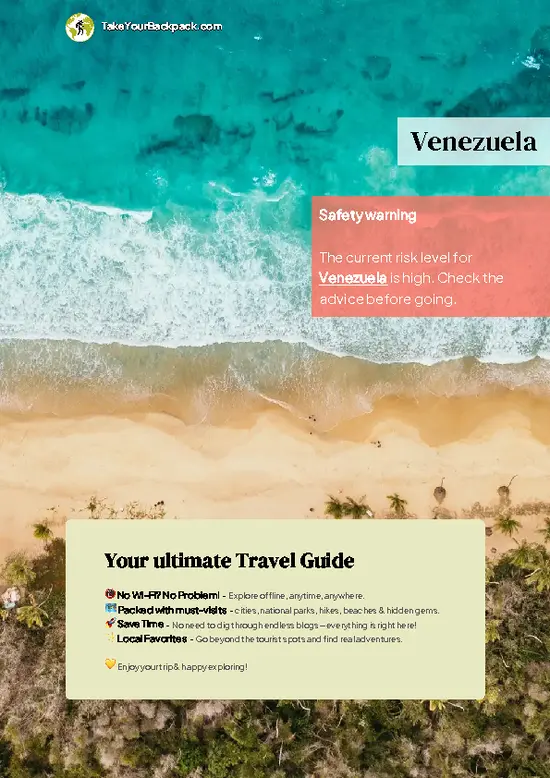
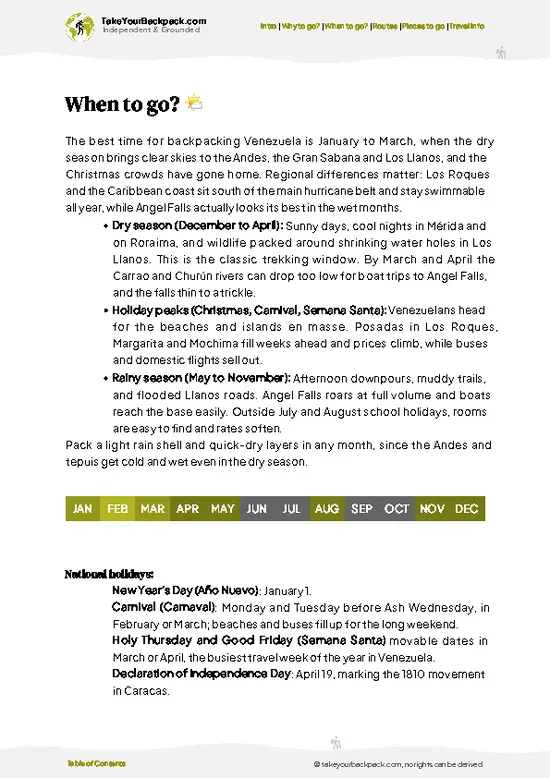
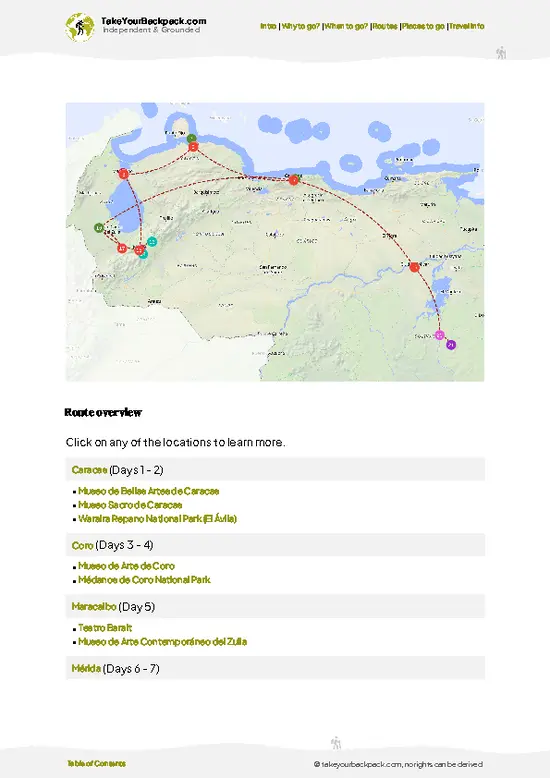
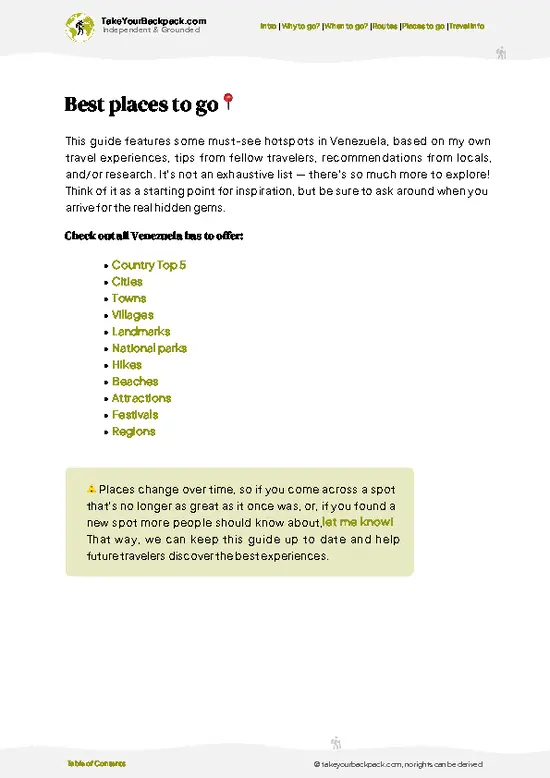
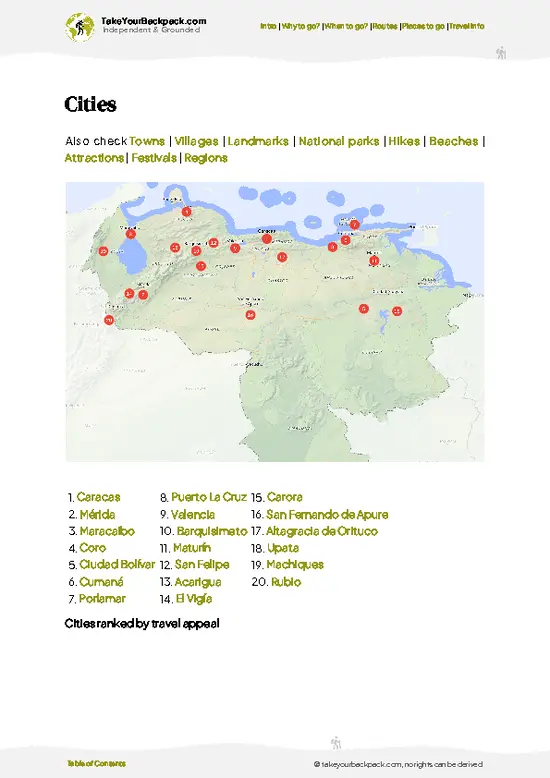
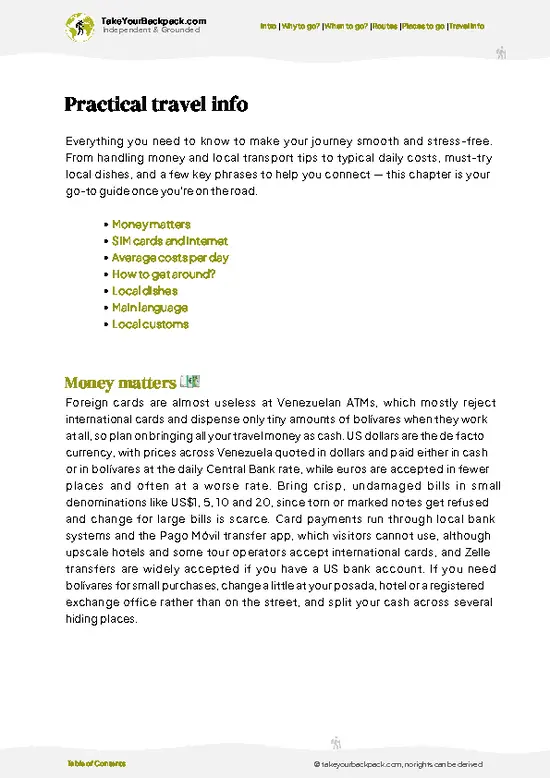
example page 0 from our offline Travel Guide for Venezuela
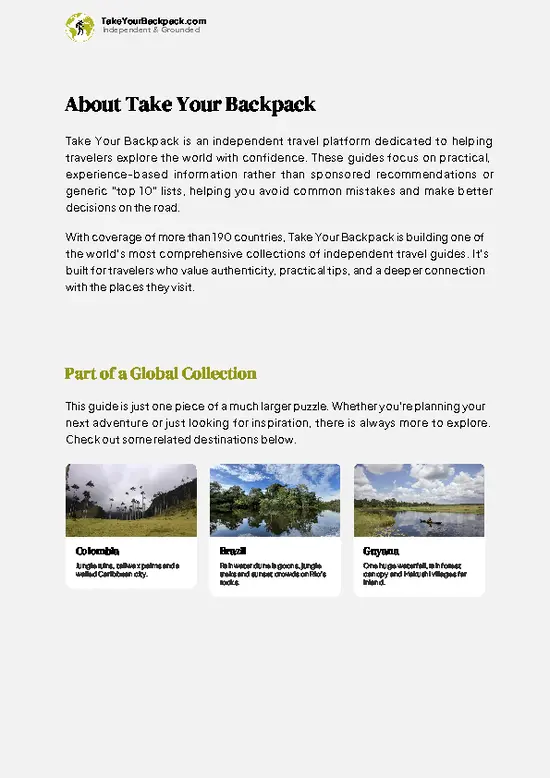
example page 1 from our offline Travel Guide for Venezuela
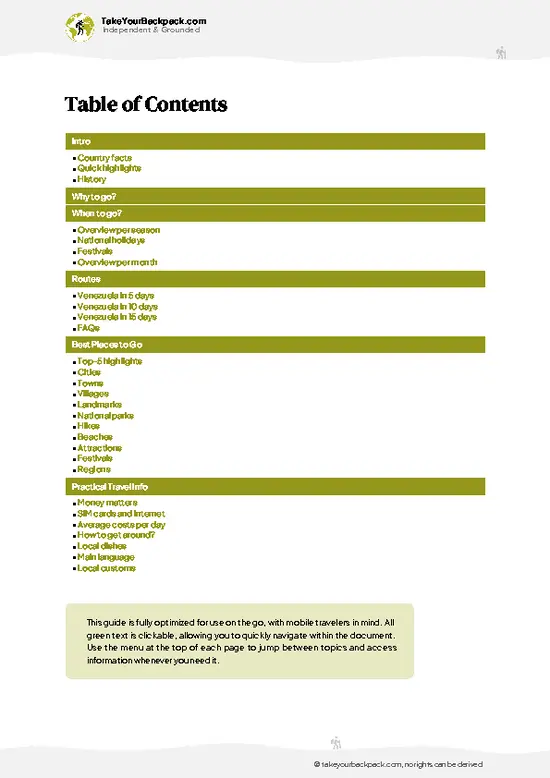
example page 2 from our offline Travel Guide for Venezuela
example page 3 from our offline Travel Guide for Venezuela
example page 4 from our offline Travel Guide for Venezuela
example page 5 from our offline Travel Guide for Venezuela
example page 6 from our offline Travel Guide for Venezuela
example page 7 from our offline Travel Guide for Venezuela
Loading the map 🌍
CLICK TO FILTER
cities
towns
villages
landmarks
national parks
hikes
beaches
attractions
festivals
regions
SHOW COUNTRY’S BESTSHOW ALL

✨ Why go?
Ranked #20 city in Venezuela
What makes it a must-see city

Rubio earns a stop because it is a practical, low-key place to rest between the border and the Andes. Its position beside San Cristóbal means you get a calmer, more local alternative to the state capital, with plain guesthouses and cheap eateries rather than hostel scenes. The coffee-growing hills around town give you cool mornings and easy walks, and onward buses are frequent. It works as one or two nights, not a week.

💡 HighlightsEssential experiences to have while visiting Rubio

  1. Plaza Bolívar and the Iglesia de Santa Bárbara: the town’s center, with the neo-Gothic parish church, shade trees and old men arguing over news. Go in the late afternoon. Free, 30 to 45 minutes.
  2. Mercado Municipal: the best place to see how the region eats, with Andean produce, fresh cheese, arepa flour and local coffee. Go before 10 AM. Entry is free, a coffee or snack costs US$1 to 2, allow 1 hour.
  3. Casa de la Cultura: a small cultural space that hosts local art and music events. Check what is on that day. Usually free, 30 minutes.
  4. Coffee farm visit in the surrounding hills: small producers around Rubio sometimes receive visitors to show drying, roasting and tasting. Best in the harvest months, roughly October to February. Expect US$5 to 15 with a local guide, 2 to 3 hours.
  5. Calle del Comercio
… read more 👉
  1. Plaza Bolívar and the Iglesia de Santa Bárbara: the town’s center, with the neo-Gothic parish church, shade trees and old men arguing over news. Go in the late afternoon. Free, 30 to 45 minutes.
  2. Mercado Municipal: the best place to see how the region eats, with Andean produce, fresh cheese, arepa flour and local coffee. Go before 10 AM. Entry is free, a coffee or snack costs US$1 to 2, allow 1 hour.
  3. Casa de la Cultura: a small cultural space that hosts local art and music events. Check what is on that day. Usually free, 30 minutes.
  4. Coffee farm visit in the surrounding hills: small producers around Rubio sometimes receive visitors to show drying, roasting and tasting. Best in the harvest months, roughly October to February. Expect US$5 to 15 with a local guide, 2 to 3 hours.
  5. Calle del Comercio walk: the busy commercial street where traders from both sides of the border sell clothing, hardware and snacks. Mornings are liveliest. Free, about 1 hour.
Pair the market with the plaza on the same morning, since they sit a short walk apart. For day trips, head to San Cristóbal, the Páramo de Tamá area and the colonial town of Capacho.
Spotted a mistake or missing something? Contact us.

🏘️ NeighborhoodsNeighborhood guide to Rubio

Rubio is small enough to cover on foot, and three areas matter.
  • Plaza Bolívar and the center: Start here. The plaza, the church and the surrounding streets hold the bakeries, pharmacies and bus offices, and it is flat and easy to walk. Give it a morning, not a day.
  • Avenida Carabobo and the market streets: Worth an hour for cheap lunches, fruit stalls and fresh bread. Loud and crowded by midday, so go early.
  • Hillside residential barrios: Skip them. Steep, quiet and with nothing to see, and you gain nothing by wandering there.
Nightlife is thin. For bars and restaurants, most travelers head to San Cristóbal, which is close.

⌛️ 1 daySeeing the highlights in 24 hours

This is a slow market-and-town day with coffee at both ends.
8:00 AM: Mercado Municipal Start with a strong coffee and a fresh cheese empanada among the produce stalls. Walk through slowly, then head five minutes to the center.
10:00 AM: Plaza Bolívar Sit by the church and watch the morning errands. Step inside if the doors are open.
12:30 PM: Lunch on Calle del Comercio Eat a set lunch at a local counter, then wander the trading street.
3:00 PM: Coffee farm in the hills Less visited, and the best part of the day. Arrange a taxi and a farm visit earlier, and return by dusk.

🌤️ When to go?Best time to visit Rubio

Rubio suits a visit from December to March, when rain is lightest.
  • Dry Season (December to March): Mostly sunny, highs of 26 to 30°C (79 to 86°F), cooler nights. Roads and trails are in their best shape.
  • Rainy Season (April to November): Afternoon downpours are common, with two peaks around May and October. Temperatures stay at 22 to 28°C (72 to 82°F).
  • Holidays: Carnival and Semana Santa fill buses and raise fares.
Daylight stays close to 12 hours all year, so plan outings for the morning.

source: climatestotravel.comJANJanuary: excellent for travelingFEBFebruary: excellent for travelingMARMarch: excellent for travelingAPRApril: highly recommended for travelingMAYMay: good for travelingJUNJune: fair for travelingJULJuly: fair for travelingAUGAugust: fair for travelingSEPSeptember: fair for travelingOCTOctober: good for travelingNOVNovember: good for travelingDECDecember: highly recommended for traveling
when-to-go

✈️ The backpacker research shortcutVenezuela Travel Guide

An offline-friendly backpacking guide with optimized travel routes, ranked highlights, transport advice, and the best areas to stay.
example page 0 from our offline Travel Guide for Venezuela
example page 1 from our offline Travel Guide for Venezuela
example page 2 from our offline Travel Guide for Venezuela
example page 3 from our offline Travel Guide for Venezuela
example page 4 from our offline Travel Guide for Venezuela
example page 5 from our offline Travel Guide for Venezuela
example page 6 from our offline Travel Guide for Venezuela
example page 7 from our offline Travel Guide for Venezuela
The digital guide (290 pages) contains:
✅ 91 highlights, ranked by travel appeal
✅ Optimized 5, 10 & 15-day travel routes
✅ Cities, national parks, landmarks, beaches
✅ How to get around
✅ Offline-friendly for travel without Wi-Fi
👉 Click to see all 30+ guide features

📅 Plan smarter in minutes, not weeks
✅ Month by month travel advice
✅ Festivals & national holidays
✅ Budget expectations

🗺️ Go to the right places, skip the overrated ones
✅ Honest pros & cons of destinations
✅ Top hikes, parks & viewpoints
✅ Lesser-known places most travelers miss
✅ Clear “worth it vs skip it” guidance

🛏️ Travel smoothly without rookie mistakes
✅ Best areas to stay
✅ Transport systems explained simply
✅ Common scams & safety advice
✅ SIM cards, money & practical tips

🌍 Understand the country, not just visit it
✅ Culture & traditions
✅ 52 Essential phrases & customs
✅ Festivals worth planning around
✅ Traveler-friendly historical context
✅ Insights that make places more meaningful

📱 Built for real travel conditions
✅ Fully downloadable PDF
✅ Works completely offline
✅ Optimized for phone use
✅ Useful in remote areas & buses
✅ Everything in one place
Stop searching, start planning
Get instant access to your full guide. 30‑day money-back guarantee.
+ Add another guide for just

By proceeding you agree to our terms.
Sent to your inbox immediately after payment • 100% Secure Checkout
Best Backpacking Travel Advisor 2025 tourism awardBest Backpacking
Travel Advisor
2025
What others say about Take Your Backpack Guides:
⭐⭐⭐⭐⭐
Fantastic, amazing amount of information!
⭐⭐⭐⭐⭐
My goodness this is amazing, it's what I've been looking for hats off too you!
⭐⭐⭐⭐⭐
I think this is absolutely BRILLIANT
⭐⭐⭐⭐
Very complete and informative. It's still missing places, but I gotta to commend you
⭐⭐⭐⭐⭐
This is truly amazing, thank you, can't wait to explore it with my kids!
⭐⭐⭐⭐⭐
Awesome resource, thank you!
⭐⭐⭐⭐⭐
This is amazing! Can't wait to explore the ones I haven't seen
⭐⭐⭐⭐
I love this! Well done, great idea.
⭐⭐⭐⭐⭐
Thanks for taking the time to make this gem!
⭐⭐⭐⭐⭐
This might be the best website I've ever seen.
⭐⭐⭐⭐⭐
Congratulations, and thank you so much for your work; it's incredibly valuable.
⭐⭐⭐⭐
In all seriousness I think you did a great job pointing out the important spots
⭐⭐⭐⭐⭐
10/10 very good
⭐⭐⭐⭐⭐
As someone who's only just starting to visit regularly this is awesome, thank you.
⭐⭐⭐⭐
Thank you very much! I'm going to visit my dad, it's going to be very useful!
⭐⭐⭐⭐⭐
This is really cool! We'll be travelling for the first time and this definitely come in handy.
⭐⭐⭐⭐⭐
You are now our minister of culture, congratulations 👨‍💼
⭐⭐⭐⭐⭐
Just wanted to tell you that this is a pearl! Going to follow your recommendations.
⭐⭐⭐⭐⭐
This is so cool. I'll definitely be using the resource for my travels soon.
⭐⭐⭐⭐⭐
This is very impressive! Good work.
⭐⭐⭐⭐⭐
This is an amazing and informative site. Very well done!

🛏️ Where to stay?Best areas and accommodation options

Sleep in San Cristóbal rather than Rubio itself, because Rubio has only a handful of basic guesthouses and no real hostel scene. San Cristóbal offers dorms and cheap rooms from about US$8 to 15, restaurants open late, and frequent por puestos back to Rubio in 30 to 45 minutes. If you stay in Rubio, pick a room within a few blocks of Plaza Bolívar. The streets are quiet at night, shops are close by, and transport passes the door. Avoid the steep outer barrios, where taxis are scarce after dark.

🚌 Getting aroundHow to get from A to B

From the Rubio bus terminal area, the center is a 10 to 15 minute walk or a short shared taxi ride of about US$1. Rubio is compact and walkable, but the main road is clogged at rush hour and fuel shortages can thin out public transport. Carry small US dollar bills, since many drivers prefer them.
  • Walking: Best option for the center and market. Hills make the outskirts tiring, so don’t walk them in the midday heat.
  • Por puestos (shared cars and minibuses): The workhorse of the region, costing about US$0.30 to 1 per ride. They run from early morning until about 8 pm, and they are the right choice for San Cristóbal, around 30 to 45 minutes away.
  • Taxis: About US$2 to 5 within town. Agree on the fare first. Worth it after dark or with luggage.
  • Moto-taxis: Fast and cheap at US$1 to 2, but I would skip
… read more 👉
From the Rubio bus terminal area, the center is a 10 to 15 minute walk or a short shared taxi ride of about US$1. Rubio is compact and walkable, but the main road is clogged at rush hour and fuel shortages can thin out public transport. Carry small US dollar bills, since many drivers prefer them.
  • Walking: Best option for the center and market. Hills make the outskirts tiring, so don’t walk them in the midday heat.
  • Por puestos (shared cars and minibuses): The workhorse of the region, costing about US$0.30 to 1 per ride. They run from early morning until about 8 pm, and they are the right choice for San Cristóbal, around 30 to 45 minutes away.
  • Taxis: About US$2 to 5 within town. Agree on the fare first. Worth it after dark or with luggage.
  • Moto-taxis: Fast and cheap at US$1 to 2, but I would skip them in rain, because helmets are rare and roads get slick.

👛 Costs (as of 19 October 2026)How expensive it really is

Rubio costs about US$27 a day in high season for a backpacker who travels simply.
CategoryBudget RangeLocal Reality
Dorm (high season)US$10 to 15Basic guesthouse room; dorms are rare
Dorm (off-season)US$8 to 12Little seasonal difference
MealsUS$5 to 8Market lunch, bakery snacks
Local transportUS$1 to 3Por puestos, short taxi rides
City transport passNot availablePay per ride
Activities/entry feesUS$0 to 3Mostly free plazas and walks
MiscellaneousUS$2 to 4Water, coffee, SIM data
Total Daily BudgetUS$27High season, one bed
Carry small US dollar bills, because change is often hard to find.

source: numbeo.com
⚠️ Prices can change and everyone travels differently, so take this as a rough guide. Hope it helps you plan your adventure!

🚌 Day tripsExploring the surroundings

Rubio works as a base for short hops in the Táchira highlands, with por puestos running most of the day.San Cristóbal: The state capital is the easiest outing, with the cathedral, cafés and the region’s best selection of restaurants. Expect 30 to 45 minutes each way and US$1 to 3 round trip. Go in the morning, since late buses thin out.
Capacho: This colonial town of old streets and small plazas takes about an hour by por puesto, with a round trip near US$2 to 4. Weekends are lively, while weekdays can feel sleepy. Bring cash.
Cúcuta border area: The Colombian city of Cúcuta lies about 25 km away through the border town of San Antonio del Táchira. Check that your passport and entry rules are in order before leaving, and allow US$8 to 15 for the day. Many first-timers arrive at the crossing too late, so leave early.

🍲 FoodWhat to Eat & Drink

Rubio sits in the Andean part of Táchira, so the food leans toward pan andino and mountain baking. Look for pan de horno and sweet breads warm from local bakeries, plus pastelitos andinos, fried pastries filled with cheese or meat. Mountain coffee is strong and cheap, and mistela, a sweet regional liqueur, appears at festivals. Eat at the market stalls for cheap lunches of soup and grilled meat, and grab snacks at the bakeries around Plaza Bolívar. Lunch is the main meal, and by evening many places have closed.

🛡️ SafetyTraveler Safety Guide

Rubio is a small, working town, and daytime is generally relaxed. Petty theft is the main concern, so keep your phone out of sight in the market and on crowded por puestos. After dark, stick to the lit streets around the plaza and take a taxi instead of walking uphill. Solo travelers do fine with this routine. Carry a copy of your passport, and expect occasional checkpoints on roads toward the border. Power cuts and fuel shortages are everyday annoyances.

FAQFrequently asked questions about Rubio

One day covers Rubio itself, since the plaza, church and market take half a day on foot. Add a second day for San Cristóbal, about 30 to 45 minutes away, or Capacho, around an hour by por puesto. Most travelers pass through on a longer Táchira route.
Rubio is reasonably calm for solo backpackers who use common sense. Keep phones hidden in the market, avoid the steep outer barrios after dark, and use taxis costing about US$2 to 5 at night. Staying in San Cristóbal, 30 to 45 minutes away, gives more services.
Rubio is known for its Andean setting in Táchira, its bakeries and its role as a small town near San Cristóbal and the Colombian border. It is also associated with the nearby mountain culture, strong coffee and sweet breads. Visitors come for a day, with meals at the market costing about US$3 to 6.
⚠️ Things can change over time, so always validate details locally before you go.

Other Venezuelan cities near Rubio

Explore more nearby:

  • El Vigía—Bus terminal hub, Andes connections, plantain market| 127 km away
  • Mérida—Andean cable car, 800-flavor ice cream, paragliding, student pulse| 161 km away
  • Machiques—Perijá foothills, cuajada counters, plaza street food| 263 km away

💡 Not sure where to go next?
Create a personalized itinerary for Venezuela including Rubio and the places that fit your trip.

Generate my itinerary

👉 Discover all cities

Or checkout all Venezuela has to offer (think cities, towns, villages, national parks, hikes, beaches, festivals)
Country photo of Venezuela

We 💚 feedbackFinal thoughts on visiting Rubio

Rubio suits slow travelers who like local markets, mountain coffee and conversations over cheap lunches. I would pair it with San Cristóbal rather than rush through, and bring small bills for taxis and market stalls.

✍️ Help improve this page!
The information on this page is based on in-depth research, insights shared by experienced travelers, and feedback from the local travel community in Venezuela. While every effort is made to keep the information accurate and current, conditions can change — so if you spot anything incorrect or outdated, please get in touch.


🙋‍♂️ Give feedback

👋 Meet the founderWho’s Behind Take Your Backpack?

Johan, backpacker and founder of TakeYourBackpackHi, I’m Johan (Netherlands 🇳🇱), the creator of TakeYourBackpack. Over the past 3 decades, I’ve backpacked through 90+ countries across six continents, gaining extensive experience with independent travel, long-term trips, and overland routes.

This site is built on a combination of firsthand travel experience and carefully curated insights from other backpackers. Many guides are based on places I’ve personally visited, while others bring together tips, observations, and practical advice shared by trusted travelers I’ve met along the way.

The goal is to provide realistic, experience-driven guidance — not generic itineraries — so you can explore destinations with better context, clearer expectations, and more confidence.