×

Vietnam🇻🇳 | citiesCa MauSouthernmost cape, mangrove boardwalks, melaleuca forest, shrimp ponds | things to do and best time to go

Explore Tuyen QuangExplore Lai Chau

Backpacking in Ca Mau
👀 For curious travelerscity ranked #45
By Johan Kruseman 🇳🇱 | Updated November 17, 2026

Most travelers face the choice of pushing on to Ca Mau Cape or stopping in the city itself, and the cape wins if you can spare the extra day, since the city mostly serves as the gateway. Ca Mau sits in the far south of Vietnam, deep in the Mekong Delta. My host once waved at my map and said, “Skip the highway, take the canal boat, and bring your appetite.” I did. Mangrove-lined waterways and shrimp ponds run right up to the edge of town.

Part of Backpacking in Vietnam: all 118 places on one map, with routes and the best time to go.
Discover everything you want to know in the 📖 Vietnam Travel Guide.


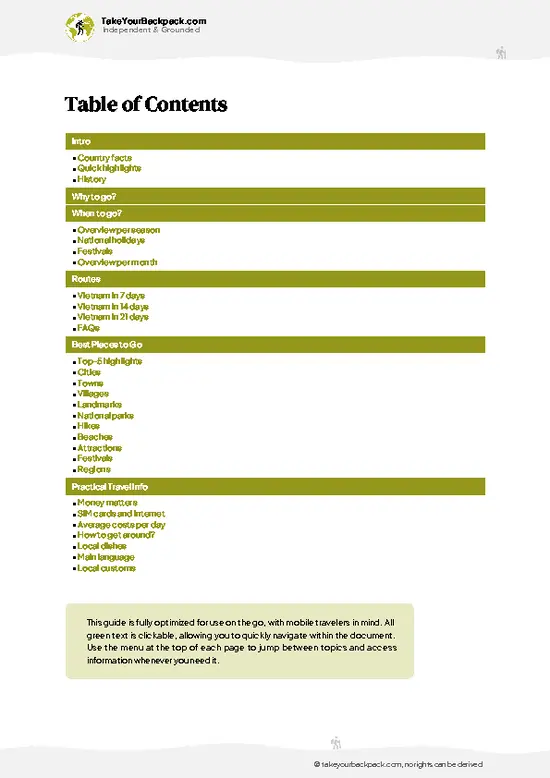
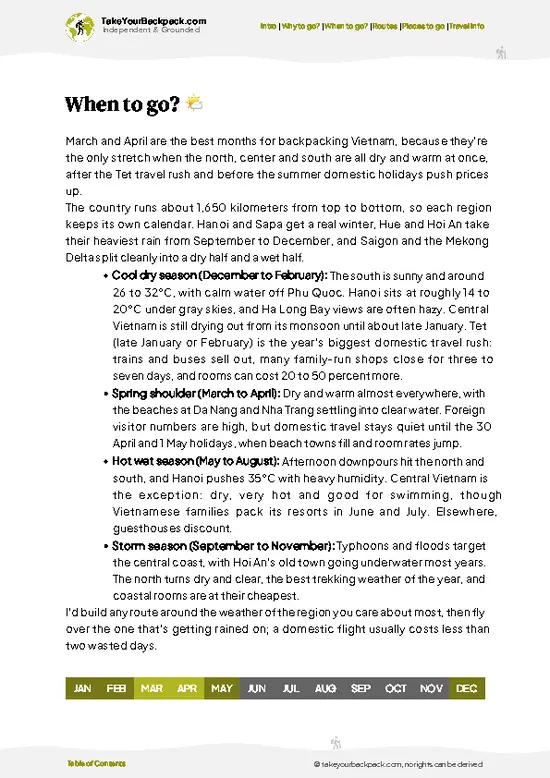
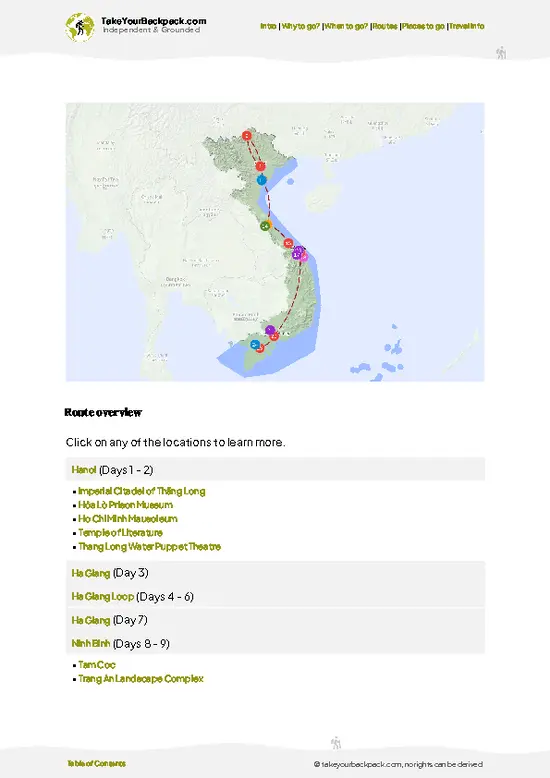
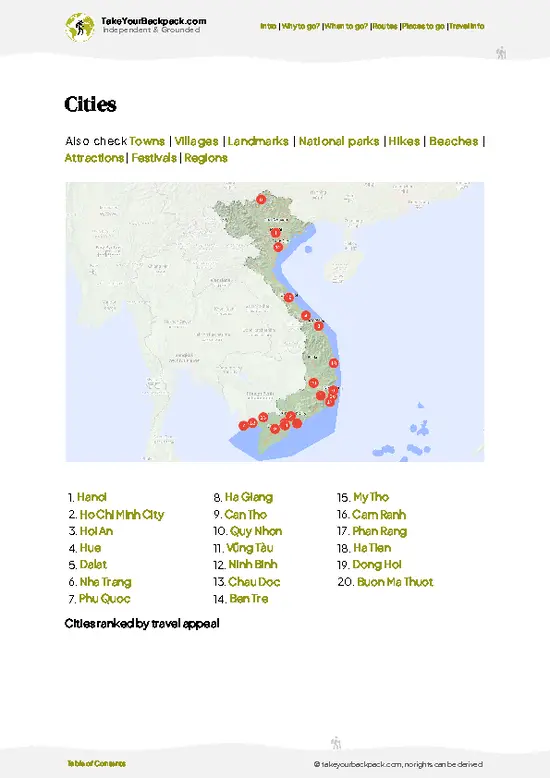
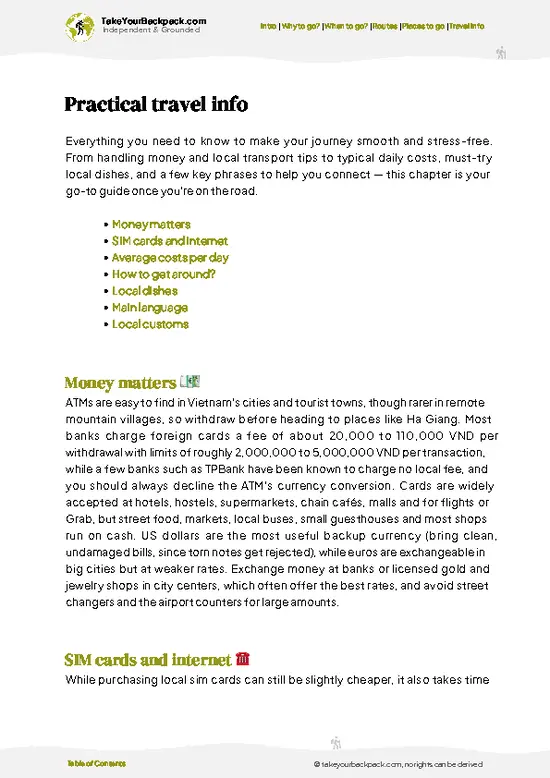
example page 0 from our offline Travel Guide for Vietnam
example page 1 from our offline Travel Guide for Vietnam
example page 2 from our offline Travel Guide for Vietnam
example page 3 from our offline Travel Guide for Vietnam
example page 4 from our offline Travel Guide for Vietnam
example page 5 from our offline Travel Guide for Vietnam
example page 6 from our offline Travel Guide for Vietnam
example page 7 from our offline Travel Guide for Vietnam
Loading the map 🌍
CLICK TO FILTER
cities
towns
villages
landmarks
national parks
hikes
beaches
attractions
festivals
regions
SHOW COUNTRY’S BESTSHOW ALL

✨ Why go?
Ranked #45 city in Vietnam
What makes it a must-see city

Ca Mau works for backpackers who want the Mekong Delta without the tour buses of Can Tho. The city gives you a real base for the U Minh melaleuca forests and the southern tip of the country, and hostels are few, so guesthouses do the job. Food leans on crab, shrimp and river fish, and the floating market culture of the delta lives on in canal life here. Nightlife is quiet, so treat Ca Mau as a one or two night stop on the way to the cape.

💡 HighlightsThe experiences that define the visit

  1. Ca Mau Cape National Park (Mui Ca Mau): the southernmost point of Vietnam, reached through mangrove forest by boat or boardwalk, with the famous bow-shaped landmark at the tip. Go in the morning. Entry is about US$2 to 4, boats extra, allow half a day.
  2. Hong Bang Park and Van Thuy Lake: a central park and lake where locals walk and eat in the evening. Free, 1 hour, best at dusk.
  3. U Minh Ha National Park: flooded melaleuca forest explored by small boat or walkway, with birdlife and a quiet canopy. Tickets about US$3 to 6, 2 to 3 hours, best in the morning.
  4. Ca Mau Museum: a compact look at the delta’s frontier history, local life and wartime past. Usually under US$1, 1 hour, and a good option in the heat of midday.
  5. Ca Mau Central Market: dried shrimp, fresh crabs, river fish and snack stalls in the
… read more 👉
  1. Ca Mau Cape National Park (Mui Ca Mau): the southernmost point of Vietnam, reached through mangrove forest by boat or boardwalk, with the famous bow-shaped landmark at the tip. Go in the morning. Entry is about US$2 to 4, boats extra, allow half a day.
  2. Hong Bang Park and Van Thuy Lake: a central park and lake where locals walk and eat in the evening. Free, 1 hour, best at dusk.
  3. U Minh Ha National Park: flooded melaleuca forest explored by small boat or walkway, with birdlife and a quiet canopy. Tickets about US$3 to 6, 2 to 3 hours, best in the morning.
  4. Ca Mau Museum: a compact look at the delta’s frontier history, local life and wartime past. Usually under US$1, 1 hour, and a good option in the heat of midday.
  5. Ca Mau Central Market: dried shrimp, fresh crabs, river fish and snack stalls in the middle of town. Free to wander, 45 minutes, go early.
  6. Canal boat trip: take a short canal trip from the city to see stilt houses and shrimp farms. Boat hire runs roughly US$8 to 15, 2 hours.
Ca Mau also makes a good base for day trips to Bac Lieu’s salt fields and bird sanctuary, Nam Can’s mangrove coast and Dat Mui village. Pair the market with the museum in one morning, since both sit close together in the center.
Spotted a mistake or missing something? Contact us.

Things to do near Ca Mau

Ratings based on Tripadvisor reviews. When you book through this link, you support our work at no extra cost to you.

🏘️ NeighborhoodsUnderstanding the local layout

Ca Mau is compact, so you can hit every corner on foot, by bike or with a short motorbike taxi hop. Here is how the areas stack up.
  • Central Ca Mau (Phuong 2 and the market streets): This is where you land and where you should spend most of your time. Walk the riverside lanes, grab hu tieu and iced coffee at sidewalk stalls, and browse the main market for dried shrimp and fresh crab. Cheap, loud and fully walkable.
  • Ca Mau City Park and the lakeside: Stroll here in the evening, when families fill the paths and snack carts roll out. It costs nothing and gives you the best local people-watching.
  • Outskirts and canal districts: Rent a motorbike or hire a boat to chase mangrove channels and stilt-house villages. It costs more in time and money than staying central, but it delivers the region’s real character.

⌛️ 1 dayWhat you can realistically do in a day

7:00 AM: Ca Mau Cape National Park Start early by taking a boat through the mangroves to the southern tip of Vietnam, where the landmark stands over the water. Cool air and few crowds make this the day’s highlight.
12:00 PM: Lunch in town Head back and eat crab or shrimp at a local restaurant near the center, the best way to taste the province’s main product.
2:00 PM: Ca Mau Museum Spend an hour on the delta’s history, a quiet break from the afternoon sun.
3:30 PM: Small canal-side shrimp farm Walk or take a short ride to a family pond and watch how it is worked.
6:00 PM: Lakeside park End with an evening stroll among families and street snacks.

🌤️ When to go?Choosing the right time of year

  • Dry Season (December to April): Expect 22 to 33°C (72 to 91°F), sunny days and easy road and boat travel. Prices rise a little around Tet in late January or February.
  • Rainy Season (May to November): Afternoon downpours arrive, with 25 to 32°C (77 to 90°F) and high humidity. Rooms and tours are cheaper and crowds are thin, though some canal trips get muddy.
  • Daylight: Days stay close to 11 to 13 hours all year.
Pick December to March for comfortable mangrove exploring.

source: climatestotravel.comJANJanuary: excellent for travelingFEBFebruary: excellent for travelingMARMarch: excellent for travelingAPRApril: highly recommended for travelingMAYMay: fair for travelingJUNJune: fair for travelingJULJuly: fair for travelingAUGAugust: fair for travelingSEPSeptember: fair for travelingOCTOctober: fair for travelingNOVNovember: fair for travelingDECDecember: highly recommended for traveling
when-to-go

✈️ The backpacker research shortcutVietnam Travel Guide

What the free pages can't give you: ready-made routes, every place ranked, and it works offline. All in 1 guide.
example page 0 from our offline Travel Guide for Vietnam
example page 1 from our offline Travel Guide for Vietnam
example page 2 from our offline Travel Guide for Vietnam
example page 3 from our offline Travel Guide for Vietnam
example page 4 from our offline Travel Guide for Vietnam
example page 5 from our offline Travel Guide for Vietnam
example page 6 from our offline Travel Guide for Vietnam
example page 7 from our offline Travel Guide for Vietnam
The digital guide (344 pages) contains:-page digital guide:
✅ Ready-made 7, 14 & 21-day routes
✅ All 118 places ranked, so you skip the overrated ones
✅ Works offline, all in 1 guide
✅ Cities, national parks, landmarks, beaches
✅ How to get around
👉 Click to see all 30+ guide features

📅 Plan smarter in minutes, not weeks
✅ Month by month travel advice
✅ Festivals & national holidays
✅ Budget expectations

🗺️ Go to the right places, skip the overrated ones
✅ Honest pros & cons of destinations
✅ Top hikes, parks & viewpoints
✅ Lesser-known places most travelers miss
✅ Clear “worth it vs skip it” guidance

🛏️ Travel smoothly without rookie mistakes
✅ Best areas to stay
✅ Transport systems explained simply
✅ Common scams & safety advice
✅ SIM cards, money & practical tips

🌍 Understand the country, not just visit it
✅ Culture & traditions
✅ 52 Essential phrases & customs
✅ Festivals worth planning around
✅ Traveler-friendly historical context
✅ Insights that make places more meaningful

📱 Built for real travel conditions
✅ Fully downloadable PDF
✅ Works completely offline
✅ Optimized for phone use
✅ Useful in remote areas & buses
✅ All in 1 guide
Stop searching, start planning
Get instant access to your full guide. 30‑day money-back guarantee.


By proceeding you agree to our terms.
Sent to your inbox immediately after payment • 100% Secure Checkout
Best Backpacking Travel Advisor 2025 tourism awardBest Backpacking
Travel Advisor
2025
What others say about Take Your Backpack Guides:
⭐⭐⭐⭐⭐
Fantastic, amazing amount of information!
⭐⭐⭐⭐⭐
My goodness this is amazing, it's what I've been looking for hats off too you!
⭐⭐⭐⭐⭐
I think this is absolutely BRILLIANT
⭐⭐⭐⭐
Very complete and informative. It's still missing places, but I gotta to commend you
⭐⭐⭐⭐⭐
This is truly amazing, thank you, can't wait to explore it with my kids!
⭐⭐⭐⭐⭐
Awesome resource, thank you!
⭐⭐⭐⭐⭐
This is amazing! Can't wait to explore the ones I haven't seen
⭐⭐⭐⭐
I love this! Well done, great idea.
⭐⭐⭐⭐⭐
Thanks for taking the time to make this gem!
⭐⭐⭐⭐⭐
This might be the best website I've ever seen.
⭐⭐⭐⭐⭐
Congratulations, and thank you so much for your work; it's incredibly valuable.
⭐⭐⭐⭐
In all seriousness I think you did a great job pointing out the important spots
⭐⭐⭐⭐⭐
10/10 very good
⭐⭐⭐⭐⭐
As someone who's only just starting to visit regularly this is awesome, thank you.
⭐⭐⭐⭐
Thank you very much! I'm going to visit my dad, it's going to be very useful!
⭐⭐⭐⭐⭐
This is really cool! We'll be travelling for the first time and this definitely come in handy.
⭐⭐⭐⭐⭐
You are now our minister of culture, congratulations 👨‍💼
⭐⭐⭐⭐⭐
Just wanted to tell you that this is a pearl! Going to follow your recommendations.
⭐⭐⭐⭐⭐
This is so cool. I'll definitely be using the resource for my travels soon.
⭐⭐⭐⭐⭐
This is very impressive! Good work.
⭐⭐⭐⭐⭐
This is an amazing and informative site. Very well done!

🛏️ Where to stay?Choosing the right base

Central Ca Mau, around the main market and riverfront, is the best area for a budget bed. Hostels are scarce here, so most backpackers use cheap mini-hotels and guesthouses, with simple private rooms at about US$10 to 18 a night, and fan rooms at the bottom of that range. Streets are quiet after 10 pm, with only some karaoke noise on weekends, and walking to food stalls and the bus ticket offices takes minutes. The streets near City Park are a calmer alternative with a bit more space, and you can still walk to dinner. Book ahead around Tet.

🚌 Getting aroundHow to get around Ca Mau

Ca Mau rewards a rented motorbike more than any other option, because the sights sit spread out along flat roads and canals, and a scooter costs about US$6 to 10 a day. Traffic is light compared with Ho Chi Minh City, and the city center is flat and easy to cover. Public transport is thin, so plan around that.
  • Walking: Free, and perfect for the center, where the market, park and riverfront sit within about 2 km of each other. Midday heat pushes you toward shade quickly.
  • Motorbike taxi (xe om): Short hops cost US$1 to 2. Agree the price first, and use it when you don’t want to ride yourself.
  • Grab and taxis: Cars run about US$0.60 to 0.80 per km, with a short city ride at US$2 to 4. They give the most comfort in rain, though app coverage is patchier than in big cities.
  • Boats: Hire a private longtail
… read more 👉
Ca Mau rewards a rented motorbike more than any other option, because the sights sit spread out along flat roads and canals, and a scooter costs about US$6 to 10 a day. Traffic is light compared with Ho Chi Minh City, and the city center is flat and easy to cover. Public transport is thin, so plan around that.
  • Walking: Free, and perfect for the center, where the market, park and riverfront sit within about 2 km of each other. Midday heat pushes you toward shade quickly.
  • Motorbike taxi (xe om): Short hops cost US$1 to 2. Agree the price first, and use it when you don’t want to ride yourself.
  • Grab and taxis: Cars run about US$0.60 to 0.80 per km, with a short city ride at US$2 to 4. They give the most comfort in rain, though app coverage is patchier than in big cities.
  • Boats: Hire a private longtail or small boat for the mangroves, usually US$15 to 40 per boat depending on distance. Splitting with other travelers makes this the best value for reaching the Mekong Delta wetlands.
  • Intercity buses: Services to Can Tho take about 3 hours for US$5 to 8, and run from early morning until late afternoon.

👛 Costs (as of 17 November 2026)Travel costs and budget guide for Ca Mau

Ca Mau costs about US$30 to 42 a day for a backpacker, cheaper than the big tourist cities.
CategoryBudget RangeLocal Reality
Dorm accommodation (high season)US$8 to 14Few dorms exist, so a basic private room is the norm
Dorm accommodation (off-season)US$6 to 10Rooms drop slightly in the rainy season
MealsUS$6 to 10Street food and market plates at US$1.50 to 4
Local transportUS$2 to 6Motorbike taxis and Grab rides
City transport passNot availableNo pass exists, pay per ride
Basic activities and entry feesUS$5 to 15Park entries and shared boat trips
MiscellaneousUS$2 to 4Water, coffee and SIM data
Total Daily BudgetUS$30 to 42Based on high season
Split boat hire costs with other travelers to save money.

source: vietnam.travel
⚠️ Prices can change and everyone travels differently, so take this as a rough guide. Hope it helps you plan your adventure!

🚌 Day tripsExploring the surroundings

Ca Mau works well as a base for wetland trips, as long as you start early and book boats locally.
U Minh Ha National Park:
Peat-swamp forest laced with canals, reached by a 1.5 to 2 hour ride north. Entry and a small boat tour run US$10 to 25. Go from December to April, when water levels allow boats through, and don’t arrive after midday.

Ca Mau Cape (Mui Ca Mau):
Vietnam’s southernmost point, with a wooden walkway and the landmark at the tip. It takes 2.5 to 3 hours each way, so start at dawn. A motorbike or shared car with buses and a boat costs roughly US$10 to 30. First-timers often underestimate the distance.

Dat Mui Mangrove Forest:
Part of the cape area, this stretch offers boat rides through tangled mangrove channels. Boats cost US$15 to 30 from the nearby villages. Visit at high tide for the best access.

🍲 FoodLocal Flavors for Backpackers

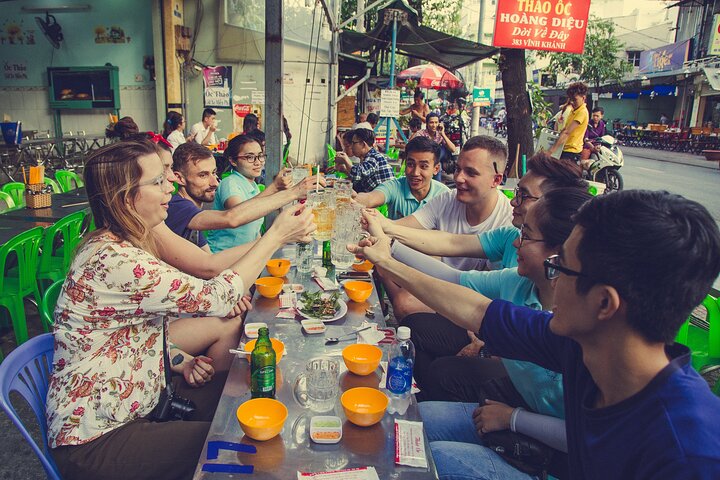
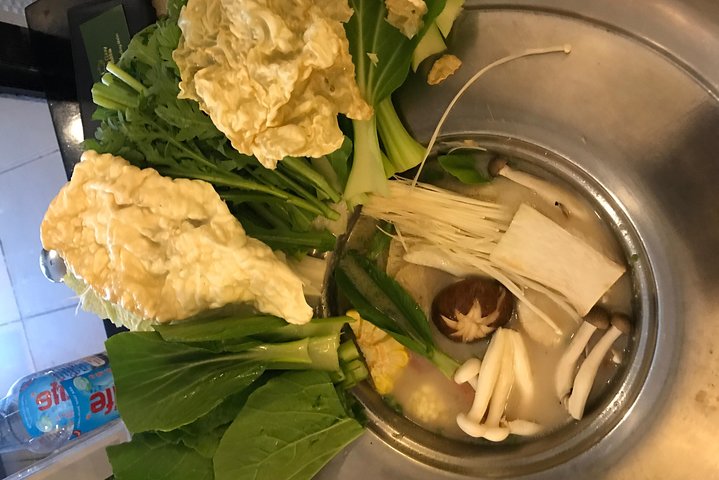
Ca Mau is crab country, so order cua Ca Mau, steamed or tamarind-stir-fried, and expect sweet, heavy meat. Dried shrimp and fermented fish sauces flavor local soups and salads, and mam dishes carry a strong, salty punch. Try fresh river prawns and snakehead fish grilled over coals or in clay-pot braises. The central market and the evening street stalls near the park serve cheap plates, usually US$1.50 to 4. Cafés pour sweet iced coffee over condensed milk, and locals linger for hours.

🛡️ SafetyStaying Safe: What Travelers Should Know

Ca Mau is calm and low-risk, and most problems are small. Watch your phone and bag on a motorbike, since snatch thefts happen in bigger cities. Streets are quiet at night, so solo travelers can walk the center comfortably, but taking a Grab after 10 pm is simpler. Agree boat and taxi prices before you go. Mosquitoes along the canals are the main annoyance, so carry repellent.

FAQCommon questions from travelers

Two days is enough for Ca Mau, with one day for the town and one for a boat trip into the mangroves. Reaching Ca Mau Cape takes 2.5 to 3 hours each way, so add a third day if you want to include it and U Minh Ha National Park. Most travelers fit it into a Mekong Delta loop with Can Tho, about 3 hours away by bus.
Yes, Ca Mau is easy for solo backpackers, with low crime and quiet streets. Keep your phone secure on a motorbike and use Grab after 10 pm. Mosquitoes along the canals are the main nuisance, and boat prices should be agreed before departure.
Ca Mau is known for Vietnam’s southernmost point at Ca Mau Cape, where a mangrove forest meets the sea. It also has U Minh Ha peat-swamp forest and seafood, especially crab and prawns, at US$1.50 to 4 for street plates. Stilt-house villages and canal life along the Mekong Delta define the area.
⚠️ Things can change over time, so always validate details locally before you go.

Other Vietnamese cities near Ca Mau

Explore more nearby:

  • Rach Gia—Fishing port, Khmer pagoda, Oc Eo museum, night shellfish| 94 km away
  • Soc Trang—Bat Pagoda, Khmer temples, Ngo boat races, banh pia| 102 km away
  • Can Tho—Cai Rang floating market, riverside wharf, Khmer pagoda, noodle factory| 118 km away

💡 Not sure where to go next?
Create a personalized itinerary for Vietnam including Ca Mau and the places that fit your trip.

Generate my itinerary

👉 Discover all cities

Or checkout all Vietnam has to offer (think cities, towns, villages, national parks, hikes, beaches, festivals)
Country photo of Vietnam

We 💚 feedbackParting advice and final tips

Ca Mau’s real character sits on the water, in the mangrove canals and the river-lined villages beyond the town center, where most first-timers never look. I would spend the extra day on a small boat, bring mosquito repellent, and skip rushing the Cape.

✈️ When did I visit Vietnam?
I have backpacked through the northern part of Vietnam all the way back in 1998.

✍️ Help improve this page!
The information on this page is based on my own backpacking experience in Vietnam, supplemented with up-to-date research and feedback from other travelers. Travel details can change, so if you notice anything outdated or incomplete, feel free to let me know.


🙋‍♂️ Give feedback

👋 Meet the founderWho’s Behind Take Your Backpack?

Johan, backpacker and founder of TakeYourBackpackHi, I’m Johan (Netherlands 🇳🇱), the creator of TakeYourBackpack. Over the past 30 years, I’ve backpacked through 88 countries across six continents, gaining extensive experience with independent travel, long-term trips, and overland routes.

This site is built on a combination of firsthand travel experience and carefully curated insights from other backpackers. Many guides are based on places I’ve personally visited, while others bring together tips, observations, and practical advice shared by trusted travelers I’ve met along the way.

The goal is to provide realistic, experience-driven guidance — not generic itineraries — so you can explore destinations with better context, clearer expectations, and more confidence.