×

Vietnam🇻🇳 | citiesRach Giaferry port, coastal city, seafood markets | things to do and best time to go

Explore Ben TreExplore Phu Quoc

Backpacking in Rach Gia
👍 Recommendedcity ranked #24
By Johan Kruseman 🇳🇱 | Updated September 4, 2026

Most people treat Rach Gia as a throwaway ferry port for Phu Quoc and miss that it’s an actual Mekong-side city with its own quirks. It sits on Vietnam’s southwest coast in Kien Giang province, close to the Cambodian border. For backpackers, it’s cheap, safe-feeling, and very local: a waterfront promenade, the Nguyen Trung Truc temple, chaotic markets, and seafood everywhere, but almost no hostel scene or nightlife. Compared with Can Tho or Ha Tien, it’s less pretty, less social, but more “real life Vietnam,” which can be either quietly rewarding or just dull, depending on your mood.

Discover everything you want to know in the 📖 Vietnam Travel Guide.


Get your Vietnam guide
121 ranked highlights, routes & tips, works offline (428 pages)
Loading the map 🌍
CLICK TO FILTER
cities
towns
villages
landmarks
national parks
hikes
beaches
attractions
festivals
regions
SHOW COUNTRY’S BESTSHOW ALL

✨ Why go?
Ranked #24 city in Vietnam
Why Rach Gia should be on your travel list

Rach Gia is a strategic stop for backpackers weaving through Vietnam. It offers a solid basecamp for day trips to nearby islands, making it easy to explore without the hassle of constant packing. The hostels here are budget-friendly and social, perfect for meeting fellow travelers. You’ll find delicious street food at every corner, fueling your adventures. The city is walkable, allowing you to soak in the local vibe without needing transport. While the nightlife is laid-back, it’s a great spot to recharge before heading onward. Rach Gia is ideal for those seeking a mix of convenience and authenticity.
Want to include Rach Gia in your Vietnam route?
Create a personalized Vietnam itinerary that includes Rach Gia and the places that fit your trip — based on your travel style, budget, and available time. Get your route in seconds.

Generate my trip

💡 HighlightsMust-see experiences and standout moments

  1. Bảo tàng Kiên Giang (Kiên Giang Museum) — Compact but well-curated: local artifacts, Khmer and Cham relics, and displays about the Mekong Delta’s ecology and history. Good place to get context before wandering the city.
  2. Bãi biển Rạch Giá (Rạch Giá Beach & sea promenade) — A tidy, palm-lined stretch where locals stroll at dusk. Not a postcard-perfect tropical beach, but great for sunset people-watching, seafood stalls, and sensing the city’s coastal rhythm.
  3. Cảng Bến Tàu Rạch Giá (Rach Gia Ferry Terminal / Harbor) — The working heart of the city: ferries to the islands leave from here, and the bustle of fishboats, traders and ticket counters is an experience in itself.
  4. Chợ Rạch Giá (Rạch Giá Central Market) — Loud, colorful, and useful: fresh Mekong seafood, tropical fruit, and street eats.
read more 👉
  1. Bảo tàng Kiên Giang (Kiên Giang Museum) — Compact but well-curated: local artifacts, Khmer and Cham relics, and displays about the Mekong Delta’s ecology and history. Good place to get context before wandering the city.
  2. Bãi biển Rạch Giá (Rạch Giá Beach & sea promenade) — A tidy, palm-lined stretch where locals stroll at dusk. Not a postcard-perfect tropical beach, but great for sunset people-watching, seafood stalls, and sensing the city’s coastal rhythm.
  3. Cảng Bến Tàu Rạch Giá (Rach Gia Ferry Terminal / Harbor) — The working heart of the city: ferries to the islands leave from here, and the bustle of fishboats, traders and ticket counters is an experience in itself.
  4. Chợ Rạch Giá (Rạch Giá Central Market) — Loud, colorful, and useful: fresh Mekong seafood, tropical fruit, and street eats. Perfect for tasting local flavors fast and cheap (and for watching the daily grind).
  5. Chợ đêm ven biển (Rạch Giá Night Market) — Evening stalls selling grilled seafood, bánh xèo, snacks and cheap souvenirs. More local than touristy; a good place to snack and mingle without breaking the bank.
  6. Nhà thờ Rạch Giá (Rạch Giá Cathedral) — A compact colonial-era church that anchors a quiet neighborhood. Even if you’re not religious, the architecture and the slower pace inside make for a calm break from market chaos.
  7. Đền/miếu Nguyễn Trung Trực (Nguyễn Trung Trực shrine) — A locally important shrine to a regional resistance hero. Offers a real slice of southern Vietnamese patriotism and rites—especially lively on commemorative days.
  8. Chùa Khmer địa phương (Local Khmer pagoda) — Rạch Giá has a Khmer community; visiting a Khmer-style pagoda lets you see different religious architecture, colorful festivals, and local craftsmanship.
  9. Cảng cá / khu chợ hải sản (Working fish port & seafood market) — Early morning is best: auctions, neon-fresh catches, and the chance to buy fish right off the boats. It’s noisy, pungent, and totally authentic.
  10. Khu phố ven biển và một vài quán cà phê địa phương (Seaside neighborhoods & local cafés) — Walkable streets by the water with small cafés, bakeries, and family-run places where you can slow down, sip cà phê sữa đá, and watch day-to-day life unfold.
A few excellent day trips outside the city: Phú Quốc island (ferry from Rạch Giá), the small island clusters for snorkeling and island-hopping like Hòn Tre and Nam Du, and the rural markets and canals of Kiên Giang province—Phú Quốc is my personal favorite.
Spotted a mistake or missing something? Contact us.

Things to do near Rach Gia

Ratings based on Tripadvisor reviews. When you book through this link, you support our work at no extra cost to you.

🏘️ NeighborhoodsUnderstanding the local layout

Rach Gia offers a unique blend of coastal charm and local culture, perfect for backpackers seeking authentic experiences.

City Center: This is the heartbeat of Rach Gia. It’s bustling, with street food stalls and local shops. Costs are moderate, and you can easily walk to attractions. Nightlife is lively but not overwhelming. Ideal for short stays.

Nguyen Hue Street: A quieter area with a laid-back vibe. It’s more residential, offering affordable guesthouses. Walkability is decent, and it’s close to parks. Great for longer stays if you prefer a slower pace.

Rach Gia Port: A hub for ferries and boats. The atmosphere is vibrant, with seafood markets nearby. Costs can vary, but it’s generally budget-friendly. Perfect for those planning island-hopping adventures.

⌛️ 1 day1-day itinerary for Rach Gia

Rach Gia, a coastal city in Vietnam, is a blend of vibrant local life and serene waterfront views. It’s often overlooked, but that’s what makes it special. Start your morning at the bustling Rach Gia Market. The aroma of fresh seafood and local fruits fills the air. Grab a bowl of bánh canh, a hearty noodle soup, from a street vendor. It’s a delicious way to fuel up for the day.

In the afternoon, stroll along the waterfront promenade. The sea breeze is refreshing, and you’ll find locals fishing or enjoying a leisurely chat. Don’t miss the stunning sunset at Nguyen Trung Truc Monument, a spot that’s not on every tourist’s radar but offers a genuine glimpse into local life.

As evening falls, head to the lively street food scene in the city center. Try grilled squid or bánh xèo, a savory pancake. … read more 👉
Rach Gia, a coastal city in Vietnam, is a blend of vibrant local life and serene waterfront views. It’s often overlooked, but that’s what makes it special. Start your morning at the bustling Rach Gia Market. The aroma of fresh seafood and local fruits fills the air. Grab a bowl of bánh canh, a hearty noodle soup, from a street vendor. It’s a delicious way to fuel up for the day.

In the afternoon, stroll along the waterfront promenade. The sea breeze is refreshing, and you’ll find locals fishing or enjoying a leisurely chat. Don’t miss the stunning sunset at Nguyen Trung Truc Monument, a spot that’s not on every tourist’s radar but offers a genuine glimpse into local life.

As evening falls, head to the lively street food scene in the city center. Try grilled squid or bánh xèo, a savory pancake. The atmosphere is electric, and you’ll feel the pulse of Rach Gia. This day isn’t just about sights; it’s about immersing yourself in the rhythm of the city.
Turn your Rach Gia visit into an Vietnam adventure
Build a complete Vietnam route with Rach Gia, hidden gems, must-see destinations, and realistic travel times included.

Generate my trip

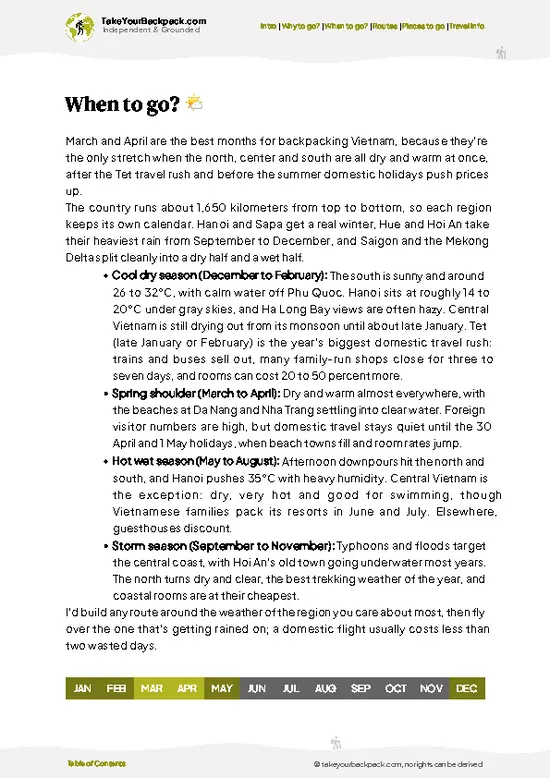
🌤️ When to go?Best time to visit Rach Gia


  • Weather: Rach Gia’s dry season from December to April offers clear skies and minimal rain, perfect for trekking and beach time. The wet season (May to November) brings heavy, unpredictable showers that can disrupt plans.

  • Temperature: Expect a warm range of 25–33°C (77–91°F) year-round. The dry season feels more comfortable with lower humidity, while the wet season’s heat is sticky and oppressive.

  • Daylight Hours: Daylight stays steady around 11–12 hours daily, so no drastic shifts to worry about when planning hikes or boat trips.

  • Crowds: Tourist numbers peak during the dry season, especially around Tet (Vietnamese New Year), making popular spots busier and prices higher.

  • Seasonal Activities: Dry months unlock fishing village tours and island hopping; the wet season limits outdoor
read more 👉

  • Weather: Rach Gia’s dry season from December to April offers clear skies and minimal rain, perfect for trekking and beach time. The wet season (May to November) brings heavy, unpredictable showers that can disrupt plans.

  • Temperature: Expect a warm range of 25–33°C (77–91°F) year-round. The dry season feels more comfortable with lower humidity, while the wet season’s heat is sticky and oppressive.

  • Daylight Hours: Daylight stays steady around 11–12 hours daily, so no drastic shifts to worry about when planning hikes or boat trips.

  • Crowds: Tourist numbers peak during the dry season, especially around Tet (Vietnamese New Year), making popular spots busier and prices higher.

  • Seasonal Activities: Dry months unlock fishing village tours and island hopping; the wet season limits outdoor options but can offer lush landscapes if you don’t mind the rain.

  • Price Fluctuations: Accommodation and tours spike in the dry season and Tet holidays; the wet season sees discounts but at the cost of comfort and reliability.


Pro-tip: Aim for late dry season (February to April) to balance fewer crowds, pleasant weather, and better prices—a sweet spot where you get the best bang for your backpacking buck.


source: climatestotravel.comJANJanuary: highly recommended for travelingFEBFebruary: excellent for travelingMARMarch: excellent for travelingAPRApril: excellent for travelingMAYMay: fair for travelingJUNJune: fair for travelingJULJuly: fair for travelingAUGAugust: fair for travelingSEPSeptember: fair for travelingOCTOctober: fair for travelingNOVNovember: good for travelingDECDecember: highly recommended for traveling
when-to-go

✈️ The backpacker research shortcutVietnam Travel Guide

An offline-friendly backpacking guide with optimized travel routes, ranked highlights, transport advice, and the best areas to stay.
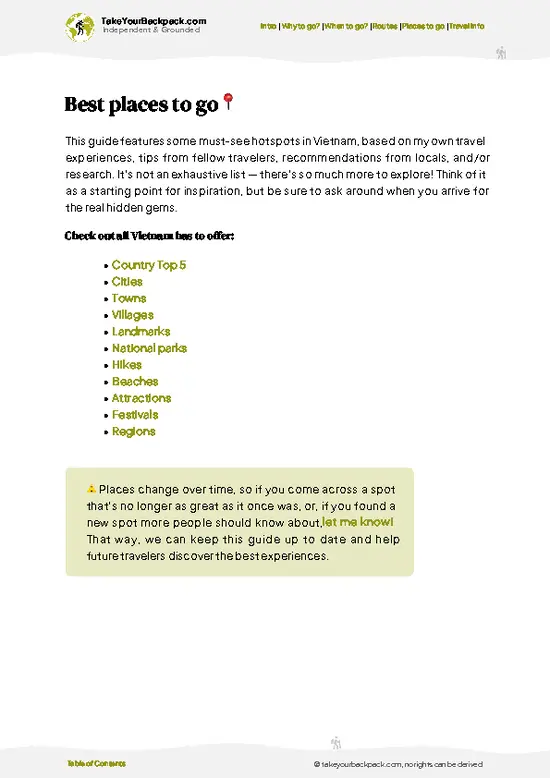
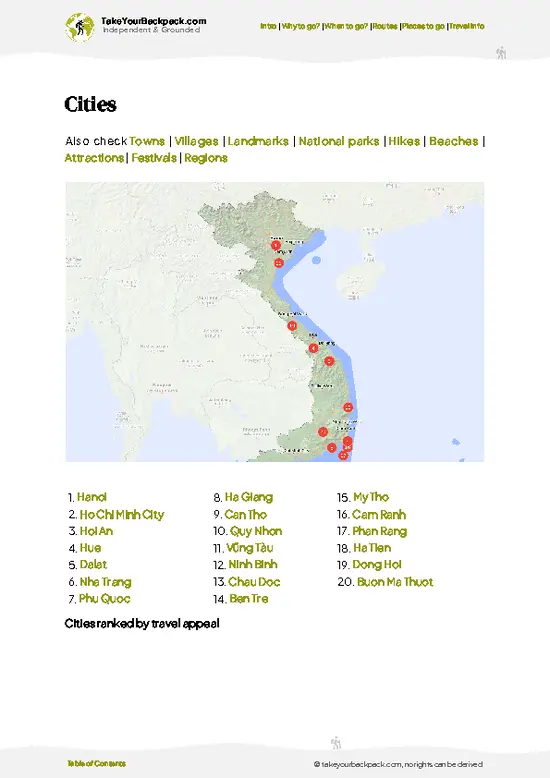
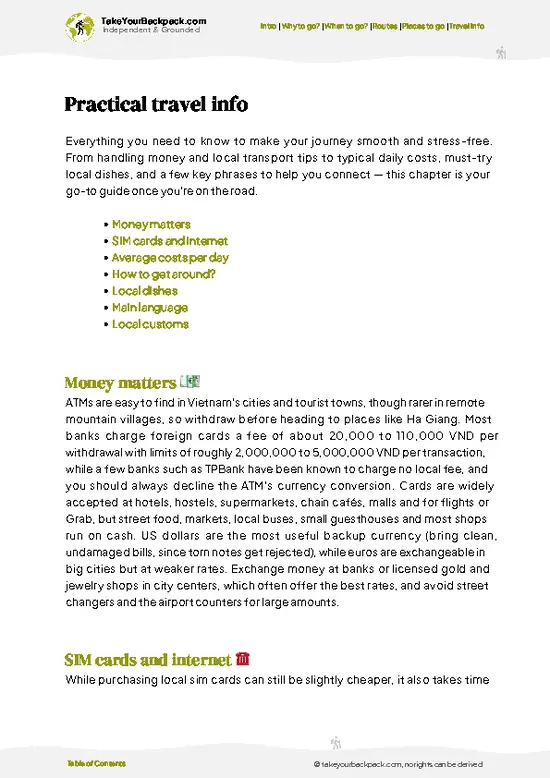
example page 0 from our offline Travel Guide for Vietnam
example page 1 from our offline Travel Guide for Vietnam
example page 2 from our offline Travel Guide for Vietnam
example page 3 from our offline Travel Guide for Vietnam
example page 4 from our offline Travel Guide for Vietnam
example page 5 from our offline Travel Guide for Vietnam
example page 6 from our offline Travel Guide for Vietnam
example page 7 from our offline Travel Guide for Vietnam
The digital guide (428 pages) contains:
121 highlights, ranked by travel appeal
Optimized 7, 14 & 21-day travel routes
Cities, national parks, landmarks, beaches
How to get around
Offline-friendly for travel without Wi-Fi
👉 Click to see all 30+ guide features

📅 Plan smarter in minutes, not weeks
Month by month travel advice
Festivals & national holidays
Budget expectations

🗺️ Go to the right places, skip the overrated ones
Honest pros & cons of destinations
Top hikes, parks & viewpoints
Lesser-known places most travelers miss
Clear “worth it vs skip it” guidance

🛏️ Travel smoothly without rookie mistakes
Best areas to stay
Transport systems explained simply
Common scams & safety advice
SIM cards, money & practical tips

🌍 Understand the country, not just visit it
Culture & traditions
52 Essential phrases & customs
Festivals worth planning around
Traveler-friendly historical context
Insights that make places more meaningful

📱 Built for real travel conditions
Fully downloadable PDF
Works completely offline
Optimized for phone use
Useful in remote areas & buses
Everything in one place
Save weeks of stressful planning
Get instant access to your full guide. 30‑day money-back guarantee.
+ Add another guide for just US$7.80

By proceeding you agree to our terms.
Sent to your inbox immediately after payment • 100% Secure Checkout
Best Backpacking Travel Advisor 2025 tourism awardBest Backpacking
Travel Advisor
2025
What others say about Take Your Backpack Guides:
⭐⭐⭐⭐⭐
Fantastic, amazing amount of information!
⭐⭐⭐⭐⭐
My goodness this is amazing, it's what I've been looking for hats off too you!
⭐⭐⭐⭐⭐
I think this is absolutely BRILLIANT
⭐⭐⭐⭐
Very complete and informative. It's still missing places, but I gotta to commend you
⭐⭐⭐⭐⭐
This is truly amazing, thank you, can't wait to explore it with my kids!
⭐⭐⭐⭐⭐
Awesome resource, thank you!
⭐⭐⭐⭐⭐
This is amazing! Can't wait to explore the ones I haven't seen
⭐⭐⭐⭐
I love this! Well done, great idea.
⭐⭐⭐⭐⭐
Thanks for taking the time to make this gem!
⭐⭐⭐⭐⭐
This might be the best website I've ever seen.
⭐⭐⭐⭐⭐
Congratulations, and thank you so much for your work; it's incredibly valuable.
⭐⭐⭐⭐
In all seriousness I think you did a great job pointing out the important spots
⭐⭐⭐⭐⭐
10/10 very good
⭐⭐⭐⭐⭐
As someone who's only just starting to visit regularly this is awesome, thank you.
⭐⭐⭐⭐
Thank you very much! I'm going to visit my dad, it's going to be very useful!
⭐⭐⭐⭐⭐
This is really cool! We'll be travelling for the first time and this definitely come in handy.
⭐⭐⭐⭐⭐
You are now our minister of culture, congratulations 👨‍💼
⭐⭐⭐⭐⭐
Just wanted to tell you that this is a pearl! Going to follow your recommendations.
⭐⭐⭐⭐⭐
This is so cool. I'll definitely be using the resource for my travels soon.
⭐⭐⭐⭐⭐
This is very impressive! Good work.
⭐⭐⭐⭐⭐
This is an amazing and informative site. Very well done!

🛏️ Where to stay?How to pick the right area

In Rach Gia, the sweet spot for backpackers is the city center around Nguyen Trung Truc Street. This area nails the balance between safety and social buzz, with plenty of budget hostels packed close to local markets and street food stalls. It’s where you’ll find fellow travelers swapping tips over iced coffee or a cold bia hoi. Compared to quieter residential zones, this neighborhood keeps you plugged into the city’s pulse without the chaos of busier transport hubs. The vibe here is relaxed but lively—perfect for solo backpackers who want to meet people without sacrificing comfort or breaking the bank.

🚌 Getting aroundMoving around without the hassle

Rach Gia moves at its own rhythm—a blend of laid-back coastal life and bursts of market hustle. It’s not a city that demands you sync your watch to a strict timetable. Instead, it’s a place where intuition and local cues guide your flow. You’ll find that time here is elastic: buses might show up early or late, and the ferry schedules flex with the tides and weather. This isn’t chaos; it’s a system that rewards patience and savvy. Your choices between time, money, and comfort will shape how deeply you tap into the city’s pulse.


  • Walking: The ultimate budget option. Rach Gia’s compact downtown means many key spots are within a 20-30 minute stroll. Zero cost, full control, and a chance to soak in street life, but not ideal for long distances or midday heat.

  • Local Bus: Runs roughly from 5:30
read more 👉
Rach Gia moves at its own rhythm—a blend of laid-back coastal life and bursts of market hustle. It’s not a city that demands you sync your watch to a strict timetable. Instead, it’s a place where intuition and local cues guide your flow. You’ll find that time here is elastic: buses might show up early or late, and the ferry schedules flex with the tides and weather. This isn’t chaos; it’s a system that rewards patience and savvy. Your choices between time, money, and comfort will shape how deeply you tap into the city’s pulse.


  • Walking: The ultimate budget option. Rach Gia’s compact downtown means many key spots are within a 20-30 minute stroll. Zero cost, full control, and a chance to soak in street life, but not ideal for long distances or midday heat.

  • Local Bus: Runs roughly from 5:30 AM to 9 PM, fares around 7,000–10,000 VND. Slow and crowded during rush hours but dirt cheap. Expect basic comfort and frequent stops—perfect if you’re not in a hurry and want to blend in.

  • Motorbike Taxi (Xe Om): Available 24/7, fares vary by distance but usually 20,000–50,000 VND within the city. Fast and flexible, but less comfortable and riskier if you’re not used to chaotic traffic. Great for saving time when you’re on a schedule.

  • Ferry to Phu Quoc: Departs early morning and mid-afternoon, tickets around 200,000–300,000 VND. Takes 2-3 hours. More expensive and slower than a flight but offers a scenic, relaxed ride. Comfort varies by vessel class.

👛 Costs (as of 4 September 2026)Travel costs and budget guide for Rach Gia

Backpacking in Rach Gia, Vietnam, offers a clear trade-off between cost and comfort, with surprisingly affordable options that let you stretch your budget without sacrificing the essentials.
  • Dorm Accommodation (High Season and Off-Season): In the high season, expect to pay around $5 to $8 per night for a bed in a basic dorm. Off-season drops that to about $3 to $5. These dorms are simple but clean, often with shared bathrooms and basic air conditioning or fans.
  • Meals: Street food and local eateries dominate here. A typical meal costs between $1 and $3, with dishes like bánh xèo or fresh seafood. If you opt for a mid-range restaurant, prices rise to about $4 to $7 per meal, but the street food is where you get the best value and authentic flavors.
  • Local Transport: Motorbike taxis (xe ôm)
read more 👉
Backpacking in Rach Gia, Vietnam, offers a clear trade-off between cost and comfort, with surprisingly affordable options that let you stretch your budget without sacrificing the essentials.
  • Dorm Accommodation (High Season and Off-Season): In the high season, expect to pay around $5 to $8 per night for a bed in a basic dorm. Off-season drops that to about $3 to $5. These dorms are simple but clean, often with shared bathrooms and basic air conditioning or fans.
  • Meals: Street food and local eateries dominate here. A typical meal costs between $1 and $3, with dishes like bánh xèo or fresh seafood. If you opt for a mid-range restaurant, prices rise to about $4 to $7 per meal, but the street food is where you get the best value and authentic flavors.
  • Local Transport: Motorbike taxis (xe ôm) and cyclos are common, with short rides costing around $0.50 to $1. For longer trips within the city, budget up to $2. Renting a motorbike yourself will cost about $5 to $7 per day, giving you more freedom but requiring confidence in local traffic.
  • City Transport Pass: Rach Gia doesn’t have a formal city transport pass system like bigger cities. Instead, daily transport costs are mostly pay-as-you-go, so factor in about $1 to $3 per day depending on your travel frequency.
  • Basic Activities/Entry Fees: Most local attractions, like markets and temples, are free or charge a nominal fee of $1 to $3. Organized tours or boat trips can push this up to $10 to $15, but casual exploration keeps costs minimal.
  • Miscellaneous Expenses: This covers bottled water, snacks, occasional coffee, or small souvenirs. Budget around $1 to $3 daily, depending on your habits.

Altogether, a realistic daily budget for backpacking in Rach Gia ranges from about $10 on the tightest shoestring to $25 if you lean into a bit more comfort and flexibility. This city rewards those who embrace local rhythms and simple pleasures, making every dollar count without feeling like a sacrifice.
⚠️ Prices can change and everyone travels differently, so take this as a rough guide. Hope it helps you plan your adventure!

🚌 Day tripsShort trips worth adding

Rach Gia is a fantastic launchpad for day trips that pack a punch without draining your wallet. Here are some standout options that will enrich your experience.

Bai Tu Long Bay
A day trip to Bai Tu Long Bay offers a more tranquil alternative to its famous neighbor, Ha Long Bay. Expect a scenic boat ride through emerald waters dotted with limestone karsts. The journey takes about 2.5 hours, and you can find tours for around $30. The best time to visit is from October to April when the weather is cooler. A common mistake? Skipping the chance to kayak among the islands—it’s a must-do for a real taste of the bay.


Phu Quoc Island
Just a ferry ride away, Phu Quoc Island is a tropical paradise worth the trip. The ferry takes about 1.5 hours, and you can snag a round-trip ticket for around … read more 👉
Rach Gia is a fantastic launchpad for day trips that pack a punch without draining your wallet. Here are some standout options that will enrich your experience.

Bai Tu Long Bay
A day trip to Bai Tu Long Bay offers a more tranquil alternative to its famous neighbor, Ha Long Bay. Expect a scenic boat ride through emerald waters dotted with limestone karsts. The journey takes about 2.5 hours, and you can find tours for around $30. The best time to visit is from October to April when the weather is cooler. A common mistake? Skipping the chance to kayak among the islands—it’s a must-do for a real taste of the bay.


Phu Quoc Island
Just a ferry ride away, Phu Quoc Island is a tropical paradise worth the trip. The ferry takes about 1.5 hours, and you can snag a round-trip ticket for around $20. Spend your day lounging on pristine beaches or exploring the local night market for delicious street food. The dry season from November to March is ideal. Many first-timers underestimate the time it takes to get back—plan accordingly to avoid missing the last ferry!
👉 Explore Phu Quoc Island

Can Tho
A visit to Can Tho is essential for experiencing the Mekong Delta’s vibrant floating markets. It’s a 2-hour bus ride, costing about $5. Arrive early to catch the bustling Cai Rang market at its peak. The best months are from December to April when the weather is pleasant. A rookie mistake? Not bargaining at the market—haggling is part of the fun!
👉 Explore Can Tho
Want to know what more Vietnam offers?
The Vietnam Travel Guide describes 121 highlights, from cities to national parks, from beaches to hikes

Get the Travel Guide -

🍲 FoodWhat to Eat & Drink

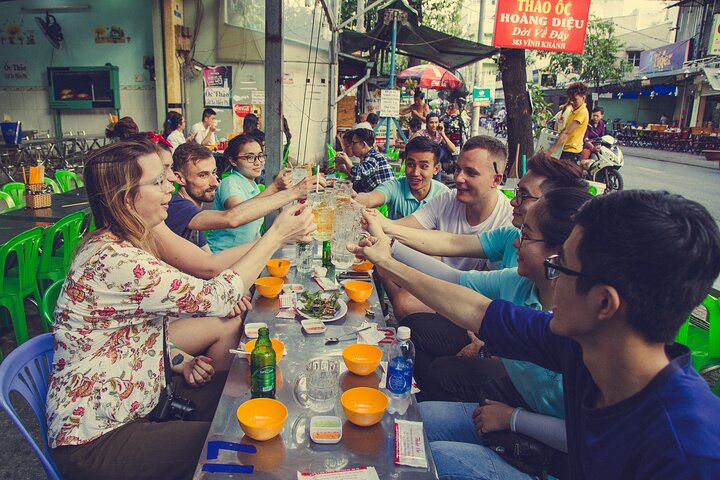
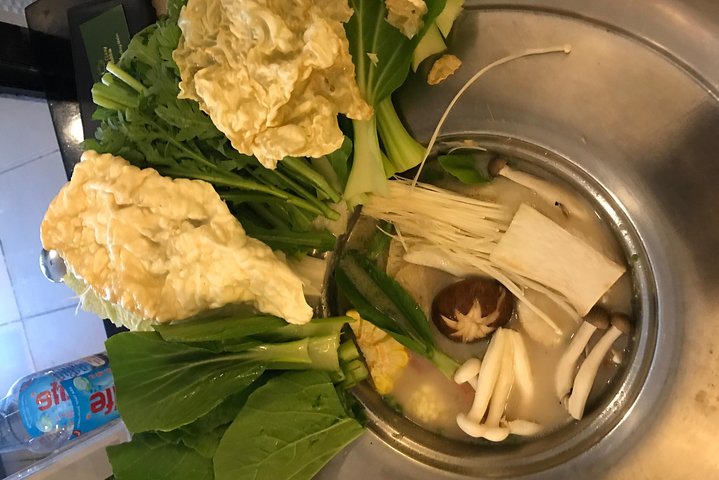
In Rach Gia, **local cuisine** is a vibrant tapestry of flavors. Dive into **bánh xèo**, crispy pancakes filled with shrimp and bean sprouts, or savor a bowl of **hủ tiếu**, a noodle soup that warms the soul. Street vendors are your best friends here; their stalls buzz with energy and the aroma of grilled seafood wafting through the air.

When it comes to drinks, don’t miss out on **cà phê sữa đá**, a sweet iced coffee that’s a daily ritual for locals. Eating is often communal; share dishes and stories with fellow travelers and locals alike. Embrace the laid-back vibe, and remember: slurping your noodles is not just acceptable, it’s encouraged!

🛡️ SafetyTraveler Safety Guide

Rach Gia is generally safe, but a few smart moves can enhance your experience. Stay alert in crowded markets, where pickpockets might lurk. If you’re solo and out at night, stick to well-lit areas and avoid empty streets; the vibe is relaxed, but it’s wise to be cautious. Common scams include overly friendly locals offering unsolicited help, often with a hidden agenda. Trust your instincts—if something feels off, it probably is. Carry yourself confidently, and you’ll navigate the city like a pro.

FAQTraveler FAQ

2 to 3 days is sufficient to explore Rach Gia. This allows time to visit key sites like the Rach Gia Floating Market and nearby islands such as Hon Tre. It also provides a chance to enjoy local seafood and the coastal atmosphere.
Yes, Rach Gia is generally safe for solo backpackers. The city has low crime rates and a friendly local population, but standard precautions like avoiding poorly lit areas at night and securing belongings are advised. Solo travelers often find it easy to navigate and interact with locals here.
Rach Gia is known for its fishing industry and as a gateway to the beautiful islands of the Gulf of Thailand. It is famous for the Rach Gia Floating Market and fresh seafood. The city also serves as a transport hub for ferries to Phu Quoc Island.
⚠️ Things can change over time, so always validate details locally before you go.

Other Vietnamese cities near Rach Gia

Explore more nearby:

  • Long Xuyen—river city, Khmer pagodas, floating homes| 53 km away
  • Can Tho—floating markets, Mekong canals, riverfront promenade| 72 km away
  • Chau Doc—border town, floating villages, pilgrimage sites| 76 km away

💡 Not sure where to go next?
Create a personalized itinerary for Vietnam including Rach Gia and the places that fit your trip.

Generate my itinerary

👉 Discover all cities

Or checkout all Vietnam has to offer (think cities, towns, villages, national parks, hikes, beaches, festivals)
Country photo of Vietnam

We 💚 feedbackIs it worth it?

Rach Gia offers a genuine slice of coastal life, where you can savor fresh seafood right by the water. But be ready for a slower pace; it’s not a bustling tourist hub. Embrace the charm, but don’t expect non-stop action.

✈️ When did I visit Vietnam?
I have backpacked through the northern part of Vietnam all the way back in 1998.

✍️ Help improve this page!
The information on this page is based on my own backpacking experience in Vietnam, supplemented with up-to-date research and feedback from other travelers. Travel details can change, so if you notice anything outdated or incomplete, feel free to let me know.


🙋‍♂️ Give feedback

👋 Meet the founderWho’s Behind Take Your Backpack?

Johan, backpacker and founder of TakeYourBackpackHi, I’m Johan (Netherlands 🇳🇱), the creator of TakeYourBackpack. Over the past decade, I’ve backpacked through 80+ countries across six continents, gaining extensive experience with independent travel, long-term trips, and overland routes.

This site is built on a combination of firsthand travel experience and carefully curated insights from other backpackers. Many guides are based on places I’ve personally visited, while others bring together tips, observations, and practical advice shared by trusted travelers I’ve met along the way.

The goal is to provide realistic, experience-driven guidance — not generic itineraries — so you can explore destinations with better context, clearer expectations, and more confidence.

Get full Vietnam guide •
Instant download • 121 highlights • Full Offline guide