
×

Vietnam🇻🇳 | attractionsImperial Citadel of Thăng Longancient ramparts, archaeological sites, royal relics | things to do and best time to go

Explore Vietnam Museum of EthnologyExplore Temple of Literature

Backpacking in Imperial Citadel of Thăng Long
🏆 Top pickattraction ranked #3
By Johan Kruseman 🇳🇱 | Updated May 20, 2026

You won’t see this on your feed: the Imperial Citadel of Thăng Long is one of the only UNESCO World Heritage sites in Vietnam where you can wander the ancient ramparts and grassy courtyards almost alone, even at midday. Forget the crowds choking Hạ Long Bay or Hội An’s lantern-lit streets—here, in the heart of Hanoi, the real surprise is how few people seem to care. That means you get the layered history—11 centuries of dynasties, war bunkers, and imperial intrigue—without elbowing for space or paying a premium. The entry fee is pocket change compared to Vietnam’s headline acts, and the vibe is almost meditative, more time-travel than tourist circus. Sure, the ruins aren’t as photogenic as the temples of Hue, and you’ll need to use your imagination in some spots, but if you want to feel the pulse of old Vietnam without the Instagram filter, this is where the story gets real.

Discover everything you want to know in the 📖 Vietnam Travel Guide.


Get your Vietnam guide
122 ranked highlights, routes & tips, works offline (437 pages)
Loading the map 🌍
CLICK TO FILTER
cities
towns
villages
landmarks
national parks
hikes
beaches
attractions
festivals
regions
SHOW COUNTRY’S BESTSHOW ALL

✨ Why go?
Ranked #3 attraction in Vietnam
What makes this attraction worth visiting

The Imperial Citadel of Thăng Long isn’t just another photo op on your Vietnam itinerary—it’s a raw, unfiltered dive into the country’s soul. Sure, it draws crowds, especially during peak hours, and the entrance fee isn’t dirt cheap by local standards. But here’s the kicker: this place is a living timeline of Vietnam’s turbulent history, stretching back over a millennium. You’re not just looking at old bricks; you’re standing where emperors ruled, where dynasties clashed, and where the city’s heartbeat first took shape.

Backpackers who make the trek here aren’t just ticking a box—they’re soaking in the cultural gravity that shapes modern Hanoi. The sprawling ruins, the intricate stone carvings, and the underground tunnels whisper stories that no guidebook hype can capture. It’s a major milestoneread more 👉
The Imperial Citadel of Thăng Long isn’t just another photo op on your Vietnam itinerary—it’s a raw, unfiltered dive into the country’s soul. Sure, it draws crowds, especially during peak hours, and the entrance fee isn’t dirt cheap by local standards. But here’s the kicker: this place is a living timeline of Vietnam’s turbulent history, stretching back over a millennium. You’re not just looking at old bricks; you’re standing where emperors ruled, where dynasties clashed, and where the city’s heartbeat first took shape.

Backpackers who make the trek here aren’t just ticking a box—they’re soaking in the cultural gravity that shapes modern Hanoi. The sprawling ruins, the intricate stone carvings, and the underground tunnels whisper stories that no guidebook hype can capture. It’s a major milestone on any Vietnam route because it connects you to the country’s past in a way that’s visceral and immediate. The effort to navigate the site, dodge the crowds, and decode the layers of history pays off with a sense of perspective few other spots offer. This isn’t just sightseeing—it’s a moment where history grabs you by the collar and demands your attention.
Want to include Imperial Citadel of Thăng Long in your Vietnam route?
Create a personalized Vietnam itinerary that includes Imperial Citadel of Thăng Long and the places that fit your trip — based on your travel style, budget, and available time. Get your route in seconds.

Generate my trip

💡 HighlightsEssential experiences to have while visiting Imperial Citadel of Thăng Long

1. The Flag Tower
Let’s get real: most people’s first photo of the Citadel is the Flag Tower, and yes, it’s crowded with selfie sticks and school groups. But here’s the kicker—this isn’t just a backdrop. Built in 1812, it’s one of the few structures that survived the French colonial bulldozers. Climb up for a Hanoi panorama that’s more honest than any Instagram filter: tangled traffic, distant skyscrapers, and the Citadel’s own battered dignity. It’s a rare spot where you can feel the city’s layers pressing in from every direction.


2. The Kinh Thien Palace Foundation
Don’t expect a palace—what’s left is a raised stone platform, flanked by dragons so weathered they look like they’ve been through a few wars (because they have). This is the spiritual heart of the Citadel, where emperors once … read more 👉
1. The Flag Tower
Let’s get real: most people’s first photo of the Citadel is the Flag Tower, and yes, it’s crowded with selfie sticks and school groups. But here’s the kicker—this isn’t just a backdrop. Built in 1812, it’s one of the few structures that survived the French colonial bulldozers. Climb up for a Hanoi panorama that’s more honest than any Instagram filter: tangled traffic, distant skyscrapers, and the Citadel’s own battered dignity. It’s a rare spot where you can feel the city’s layers pressing in from every direction.


2. The Kinh Thien Palace Foundation
Don’t expect a palace—what’s left is a raised stone platform, flanked by dragons so weathered they look like they’ve been through a few wars (because they have). This is the spiritual heart of the Citadel, where emperors once held court. The real magic? Stand here at dusk, when the tour groups thin out, and you can almost hear the echo of ancient rituals. It’s not flashy, but it’s loaded with gravity. If you want a sense of Vietnam’s imperial soul, this is where it lingers.


3. The Underground Bunker D67
This is where the Citadel’s history gets gritty. Forget imperial robes—think war maps, rotary phones, and the cold sweat of the Vietnam War. The bunker is a concrete time capsule from the 1960s, where generals plotted strategy under the threat of American bombs. The air is thick with paranoia and resolve. If you want to see the Citadel’s most cinematic side, this is it. My personal favorite—because nothing else here feels so raw and real.


4. The Archaeological Site
Skip the manicured lawns and head for the pits—literally. The ongoing digs expose brickwork, wells, and ceramics from dynasties you’ve never heard of. It’s messy, unpolished, and a reminder that history is always under construction. You’ll see schoolkids peering into trenches and archaeologists brushing off centuries of dust. This is the Citadel’s backstage pass, and it’s the antidote to every over-restored monument you’ve ever seen.


5. The North Gate (Đoan Môn)
This battered gateway is the Citadel’s best survivor. Look for bullet scars from the French assault in 1882—no plaque, just stone that’s been through hell. It’s not pretty, but it’s honest. Stand under the arch and you’ll feel the weight of every army that’s marched through, from emperors to colonizers to revolutionaries. This is history you can touch, not just read about.
Spotted a mistake or missing something? Contact us.

Things to do around Imperial Citadel of Thăng Long

Ratings based on Tripadvisor reviews. When you book through this link, you support our work at no extra cost to you.

🌤️ When to go?Weather, crowds, and seasonal trade-offs


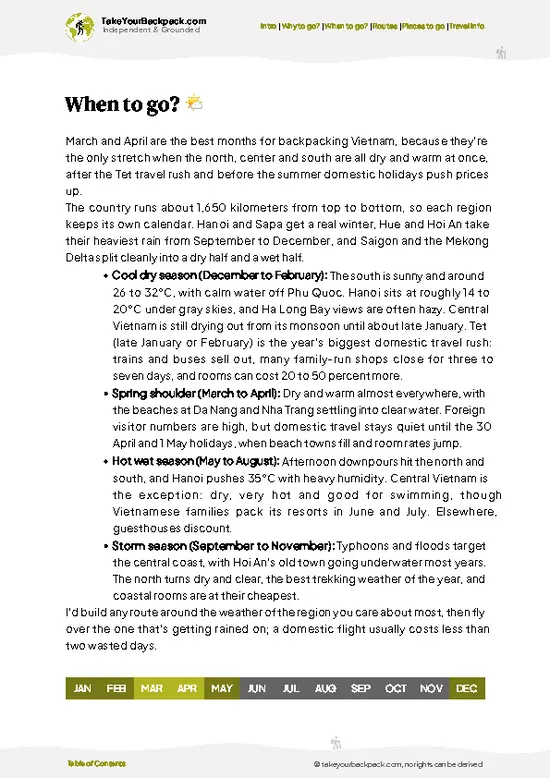
  • Weather: Hanoi’s weather swings between sticky summers and chilly winters. The best window to hit the Imperial Citadel of Thăng Long is from October to December when the air is crisp, dry, and far less oppressive than the sweaty months of June through August.

  • Temperature: Expect a comfortable 18-25°C (64-77°F) in the fall months. Spring (March to April) is also mild but can get humid as it edges toward summer. Avoid the peak summer heat that can push 35°C (95°F) and make wandering the ruins a slog.

  • Daylight Hours: Around 11 to 12 hours of daylight from October to April gives you plenty of time to explore without rushing, unlike the shorter winter days that can cut your sightseeing time.

  • Crowds: The Imperial Citadel draws a steady flow of tourists year-round, but the shoulder seasons
read more 👉

  • Weather: Hanoi’s weather swings between sticky summers and chilly winters. The best window to hit the Imperial Citadel of Thăng Long is from October to December when the air is crisp, dry, and far less oppressive than the sweaty months of June through August.

  • Temperature: Expect a comfortable 18-25°C (64-77°F) in the fall months. Spring (March to April) is also mild but can get humid as it edges toward summer. Avoid the peak summer heat that can push 35°C (95°F) and make wandering the ruins a slog.

  • Daylight Hours: Around 11 to 12 hours of daylight from October to April gives you plenty of time to explore without rushing, unlike the shorter winter days that can cut your sightseeing time.

  • Crowds: The Imperial Citadel draws a steady flow of tourists year-round, but the shoulder seasons (October-November and March-April) see fewer tour groups, making it easier to soak in the history without feeling herded.

  • Seasonal Activities: The autumn months coincide with local festivals and cultural events around Hanoi, adding layers of authentic experience beyond the citadel walls. Spring brings blooming flowers, but also more humidity and occasional rain.

  • Price Fluctuations: Entry fees stay stable year-round, but accommodation and transport costs spike during the peak tourist season from December to February. Booking in shoulder seasons can save you cash and hassle.


Pro-tip: Aim for late October or early November—cool weather, manageable crowds, and a chance to catch local festivals without the tourist stampede.


source: climatestotravel.comJANJanuary: good for travelingFEBFebruary: good for travelingMARMarch: highly recommended for travelingAPRApril: highly recommended for travelingMAYMay: fair for travelingJUNJune: below average for travelingJULJuly: below average for travelingAUGAugust: below average for travelingSEPSeptember: fair for travelingOCTOctober: excellent for travelingNOVNovember: excellent for travelingDECDecember: highly recommended for traveling
when-to-go

✈️ The backpacker research shortcutVietnam Travel Guide

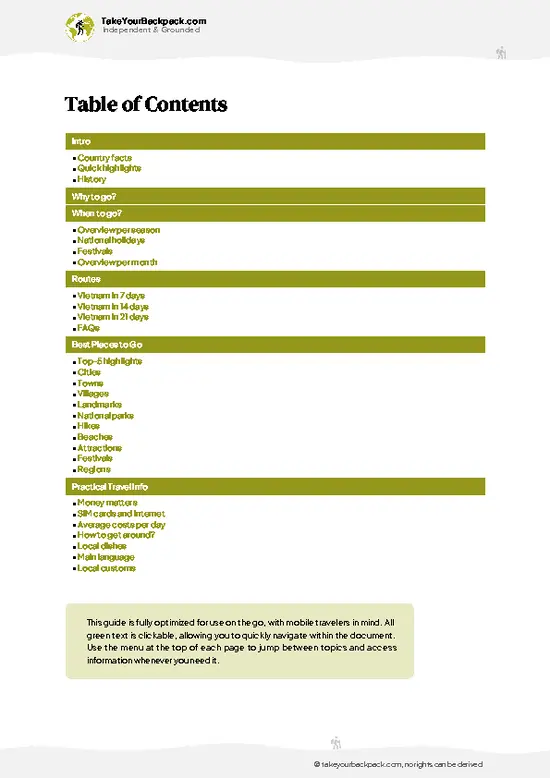
An offline-friendly backpacking guide with optimized travel routes, ranked highlights, transport advice, and the best areas to stay.
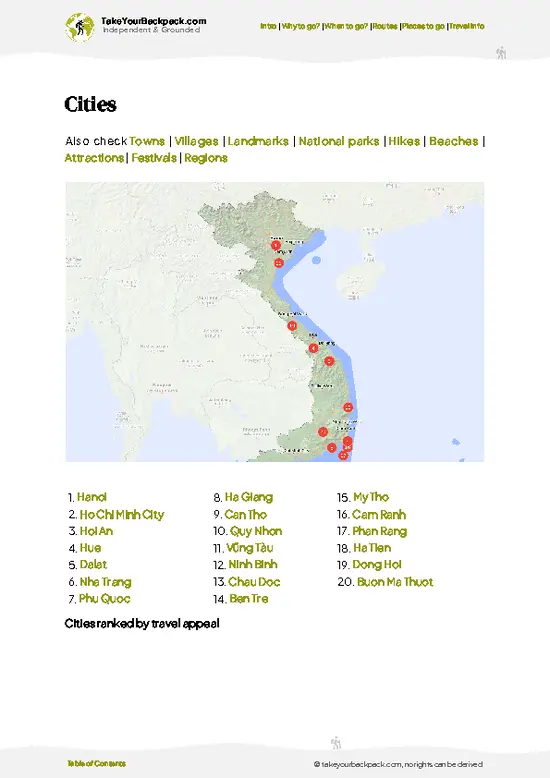
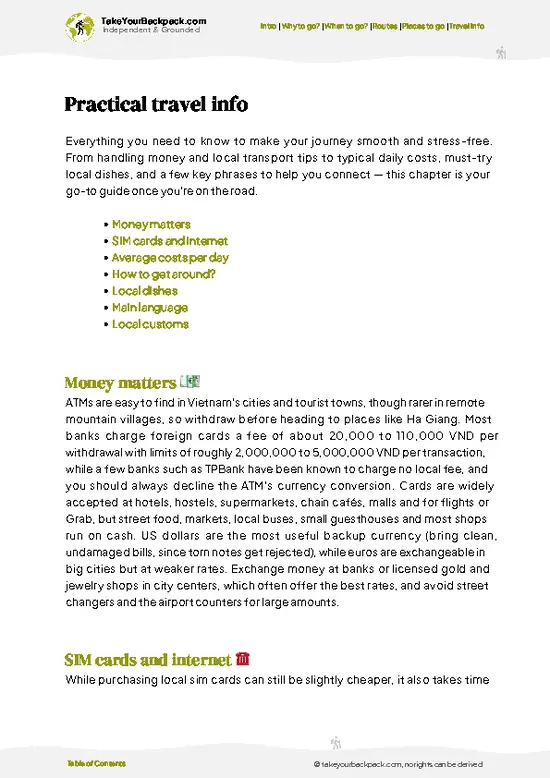
example page 0 from our offline Travel Guide for Vietnam
example page 1 from our offline Travel Guide for Vietnam
example page 2 from our offline Travel Guide for Vietnam
example page 3 from our offline Travel Guide for Vietnam
example page 4 from our offline Travel Guide for Vietnam
example page 5 from our offline Travel Guide for Vietnam
example page 6 from our offline Travel Guide for Vietnam
example page 7 from our offline Travel Guide for Vietnam
The digital guide (437 pages) contains:
122 highlights, ranked by travel appeal
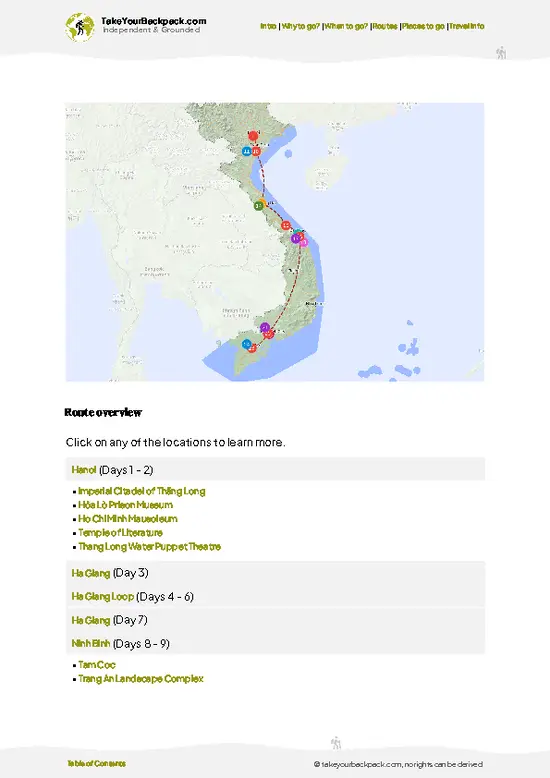
Optimized 7, 14 & 21-day travel routes
Cities, national parks, landmarks, beaches
How to get around
Offline-friendly for travel without Wi-Fi
👉 Click to see all 30+ guide features

📅 Plan smarter in minutes, not weeks
Month by month travel advice
Festivals & national holidays
Budget expectations

🗺️ Go to the right places, skip the overrated ones
Honest pros & cons of destinations
Top hikes, parks & viewpoints
Lesser-known places most travelers miss
Clear “worth it vs skip it” guidance

🛏️ Travel smoothly without rookie mistakes
Best areas to stay
Transport systems explained simply
Common scams & safety advice
SIM cards, money & practical tips

🌍 Understand the country, not just visit it
Culture & traditions
52 Essential phrases & customs
Festivals worth planning around
Traveler-friendly historical context
Insights that make places more meaningful

📱 Built for real travel conditions
Fully downloadable PDF
Works completely offline
Optimized for phone use
Useful in remote areas & buses
Everything in one place
Save weeks of stressful planning
Get instant access to your full guide. 30‑day money-back guarantee.


By proceeding you agree to our terms.
Sent to your inbox immediately after payment • 100% Secure Checkout
Best Backpacking Travel Advisor 2025 tourism awardBest Backpacking
Travel Advisor
2025
What others say about Take Your Backpack Guides:
⭐⭐⭐⭐⭐
Fantastic, amazing amount of information!
⭐⭐⭐⭐⭐
My goodness this is amazing, it's what I've been looking for hats off too you!
⭐⭐⭐⭐⭐
I think this is absolutely BRILLIANT
⭐⭐⭐⭐
Very complete and informative. It's still missing places, but I gotta to commend you
⭐⭐⭐⭐⭐
This is truly amazing, thank you, can't wait to explore it with my kids!
⭐⭐⭐⭐⭐
Awesome resource, thank you!
⭐⭐⭐⭐⭐
This is amazing! Can't wait to explore the ones I haven't seen
⭐⭐⭐⭐
I love this! Well done, great idea.
⭐⭐⭐⭐⭐
Thanks for taking the time to make this gem!
⭐⭐⭐⭐⭐
This might be the best website I've ever seen.
⭐⭐⭐⭐⭐
Congratulations, and thank you so much for your work; it's incredibly valuable.
⭐⭐⭐⭐
In all seriousness I think you did a great job pointing out the important spots
⭐⭐⭐⭐⭐
10/10 very good
⭐⭐⭐⭐⭐
As someone who's only just starting to visit regularly this is awesome, thank you.
⭐⭐⭐⭐
Thank you very much! I'm going to visit my dad, it's going to be very useful!
⭐⭐⭐⭐⭐
This is really cool! We'll be travelling for the first time and this definitely come in handy.
⭐⭐⭐⭐⭐
You are now our minister of culture, congratulations 👨‍💼
⭐⭐⭐⭐⭐
Just wanted to tell you that this is a pearl! Going to follow your recommendations.
⭐⭐⭐⭐⭐
This is so cool. I'll definitely be using the resource for my travels soon.
⭐⭐⭐⭐⭐
This is very impressive! Good work.
⭐⭐⭐⭐⭐
This is an amazing and informative site. Very well done!

🛏️ Where to stay?Choosing the right base

If you’re backpacking to see the Imperial Citadel of Thăng Long, forget the postcard-perfect image of serene, empty courtyards. This place draws crowds, especially midday, and the surrounding area reflects that buzz. The real trick is where you crash after soaking in the history.

The best spots to stay are in the Old Quarter and the nearby Hoan Kiem district. These areas are the heartbeat of Hanoi’s backpacker scene—safe, lively, and packed with budget-friendly guesthouses and hostels. You’ll find plenty of fellow travelers to swap stories with, plus street food stalls that serve up some of the … read more 👉
If you’re backpacking to see the Imperial Citadel of Thăng Long, forget the postcard-perfect image of serene, empty courtyards. This place draws crowds, especially midday, and the surrounding area reflects that buzz. The real trick is where you crash after soaking in the history.

The best spots to stay are in the Old Quarter and the nearby Hoan Kiem district. These areas are the heartbeat of Hanoi’s backpacker scene—safe, lively, and packed with budget-friendly guesthouses and hostels. You’ll find plenty of fellow travelers to swap stories with, plus street food stalls that serve up some of the city’s most authentic eats without the tourist markup. It’s not just about convenience; it’s about plugging into the city’s pulse.

Walking from these neighborhoods to the Citadel is a breeze, so you can dodge the tourist buses and explore early or late when the crowds thin out. Plus, the streets here have character—motorbikes weaving through narrow alleys, vendors shouting over the noise, and the scent of fresh herbs and grilled meats hanging in the air. It’s raw, chaotic, and real. That’s the kind of energy that makes your visit to the Imperial Citadel more than just a photo op—it makes it a memory.

👛 Costs (as of 31 March 2026)Travel costs and budget guide for Imperial Citadel of Thăng Long

As of January 1, 2025, the entrance fee for the Imperial Citadel of Thăng Long is 100,000 VND per person. Eligible visitors, including individuals with severe disabilities, Vietnamese citizens aged 60 and older, students aged 16 and over with valid student IDs, and beneficiaries of cultural enjoyment policies, receive a 50% discount, reducing the fee to 50,000 VND per person. Children under 16 years of age are granted free admission. Please note that these fees are subject to change; it's advisable to check the official website for the most current information.

source: hoangthanhthanglong.vn
⚠️ Prices can change and everyone travels differently, so take this as a rough guide. Hope it helps you plan your adventure!

Other Vietnamese attractions near Imperial Citadel of Thăng Long

Explore more nearby:


💡 Not sure where to go next?
Create a personalized itinerary for Vietnam including Imperial Citadel of Thăng Long and the places that fit your trip.

Generate my itinerary

👉 Discover all attractions

Or checkout all Vietnam has to offer (think cities, towns, villages, national parks, hikes, beaches, festivals)
Country photo of Vietnam

We 💚 feedbackIs it worth it?

The Imperial Citadel of Thăng Long isn’t some polished, crowd-free relic—it’s often packed, especially on weekends, and the entry fee isn’t dirt cheap by local standards. But here’s the kicker: walking through its layered ruins, you feel the pulse of a thousand years of Vietnamese history, raw and unfiltered. It’s not just a photo op; it’s a chance to stand where emperors once ruled, and that kind of connection is rare anywhere.

✈️ When did I visit Vietnam?
I have backpacked through the northern part of Vietnam all the way back in 1998.

✍️ Help improve this page!
The information on this page is based on my own backpacking experience in Vietnam, supplemented with up-to-date research and feedback from other travelers. Travel details can change, so if you notice anything outdated or incomplete, feel free to let me know.


🙋‍♂️ Give feedback

👋 Meet the founderWho’s Behind Take Your Backpack?

Johan, backpacker and founder of TakeYourBackpackHi, I’m Johan (Netherlands 🇳🇱), the creator of TakeYourBackpack. Over the past decade, I’ve backpacked through 80+ countries across six continents, gaining extensive experience with independent travel, long-term trips, and overland routes.

This site is built on a combination of firsthand travel experience and carefully curated insights from other backpackers. Many guides are based on places I’ve personally visited, while others bring together tips, observations, and practical advice shared by trusted travelers I’ve met along the way.

The goal is to provide realistic, experience-driven guidance — not generic itineraries — so you can explore destinations with better context, clearer expectations, and more confidence.

Get full Vietnam guide •
Instant download • 122 highlights • Full Offline guide