v2.webp)


The Outdoor Life-Size Houses
Skip the glass cases—outside, you’ll find full-scale traditional homes from Vietnam’s major ethnic groups. These aren’t just props. You can walk inside a stilted Tay house, duck into a cramped Hmong dwelling, or climb the ladder of a Bahnar communal house that towers like a wooden spaceship. It’s the closest you’ll get to village architecture without leaving Hanoi. If you’ve ever wondered how a family of eight fits into a bamboo hut, this is your answer.
The Water Puppetry Shows
Forget the tourist-trap versions in the Old Quarter. Here, the water puppet theater is smaller, less commercial, and the audience is mostly Vietnamese families. The show is a riot of splashing, clacking, and live folk music. You’ll see dragons, farmers, and fish leap from the water, all … read more 👉
Skip the glass cases—outside, you’ll find full-scale traditional homes from Vietnam’s major ethnic groups. These aren’t just props. You can walk inside a stilted Tay house, duck into a cramped Hmong dwelling, or climb the ladder of a Bahnar communal house that towers like a wooden spaceship. It’s the closest you’ll get to village architecture without leaving Hanoi. If you’ve ever wondered how a family of eight fits into a bamboo hut, this is your answer.
The Water Puppetry Shows
Forget the tourist-trap versions in the Old Quarter. Here, the water puppet theater is smaller, less commercial, and the audience is mostly Vietnamese families. The show is a riot of splashing, clacking, and live folk music. You’ll see dragons, farmers, and fish leap from the water, all … read more 👉
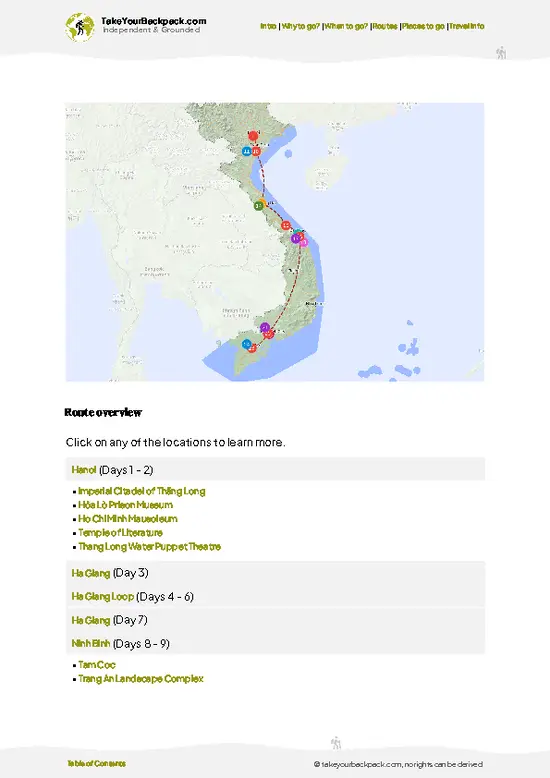
The Outdoor Life-Size Houses
Skip the glass cases—outside, you’ll find full-scale traditional homes from Vietnam’s major ethnic groups. These aren’t just props. You can walk inside a stilted Tay house, duck into a cramped Hmong dwelling, or climb the ladder of a Bahnar communal house that towers like a wooden spaceship. It’s the closest you’ll get to village architecture without leaving Hanoi. If you’ve ever wondered how a family of eight fits into a bamboo hut, this is your answer.
The Water Puppetry Shows
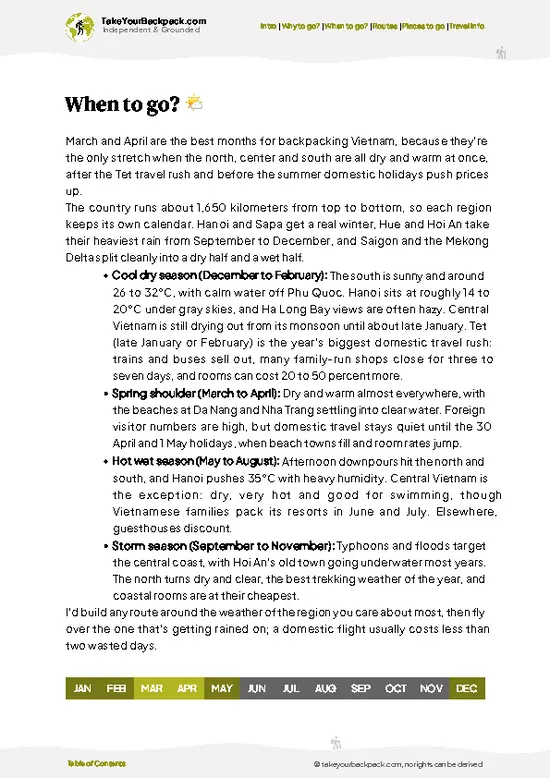
Forget the tourist-trap versions in the Old Quarter. Here, the water puppet theater is smaller, less commercial, and the audience is mostly Vietnamese families. The show is a riot of splashing, clacking, and live folk music. You’ll see dragons, farmers, and fish leap from the water, all powered by puppeteers standing waist-deep behind a bamboo screen. It’s weird, joyful, and pure Vietnam.
The Textile and Costume Galleries
This isn’t just a parade of pretty fabrics. The museum’s textile rooms are a crash course in Vietnamese identity politics, gender roles, and survival. You’ll see hand-embroidered Hmong jackets, Red Dao headdresses bristling with silver, and wedding skirts that took months to make. If you’re a gear nerd, the weaving looms and dying vats are worth a close look.
The Ritual Objects Room
Masks, drums, shaman’s staffs, and ancestor altars—this is where the museum gets weird and wonderful. The displays are dense and sometimes chaotic, but that’s the point. You’re peeking into the spiritual toolkit of dozens of cultures, from buffalo-horned fertility icons to Taoist exorcism swords. My personal favorite: the collection of funeral effigies, which are equal parts haunting and beautiful.
The Audio-Visual Storytelling Booths
If you want to hear the voices behind the artifacts, duck into the AV booths. You’ll get oral histories, wedding songs, and field recordings of mountain markets. It’s not always slick, but it’s real—no voiceover, no filter, just people telling their own stories. This is where the museum’s soul lives.
Skip the glass cases—outside, you’ll find full-scale traditional homes from Vietnam’s major ethnic groups. These aren’t just props. You can walk inside a stilted Tay house, duck into a cramped Hmong dwelling, or climb the ladder of a Bahnar communal house that towers like a wooden spaceship. It’s the closest you’ll get to village architecture without leaving Hanoi. If you’ve ever wondered how a family of eight fits into a bamboo hut, this is your answer.
The Water Puppetry Shows
Forget the tourist-trap versions in the Old Quarter. Here, the water puppet theater is smaller, less commercial, and the audience is mostly Vietnamese families. The show is a riot of splashing, clacking, and live folk music. You’ll see dragons, farmers, and fish leap from the water, all powered by puppeteers standing waist-deep behind a bamboo screen. It’s weird, joyful, and pure Vietnam.
The Textile and Costume Galleries
This isn’t just a parade of pretty fabrics. The museum’s textile rooms are a crash course in Vietnamese identity politics, gender roles, and survival. You’ll see hand-embroidered Hmong jackets, Red Dao headdresses bristling with silver, and wedding skirts that took months to make. If you’re a gear nerd, the weaving looms and dying vats are worth a close look.
The Ritual Objects Room
Masks, drums, shaman’s staffs, and ancestor altars—this is where the museum gets weird and wonderful. The displays are dense and sometimes chaotic, but that’s the point. You’re peeking into the spiritual toolkit of dozens of cultures, from buffalo-horned fertility icons to Taoist exorcism swords. My personal favorite: the collection of funeral effigies, which are equal parts haunting and beautiful.
The Audio-Visual Storytelling Booths
If you want to hear the voices behind the artifacts, duck into the AV booths. You’ll get oral histories, wedding songs, and field recordings of mountain markets. It’s not always slick, but it’s real—no voiceover, no filter, just people telling their own stories. This is where the museum’s soul lives.
Spotted a mistake or missing something? Contact us.

12 Days Vietnam Tour Package

PRIVATE Hanoi City Tour One Day

11-Day Itinerary through Vietnam: From North to South | Top 1

17-Day Vietnam Tour | Explore the Best Highlights of Vietnam

Vietnam Delights In 10 Days

19-Day Tours | Explore the Essential and Highlights in Vietnam

21-Day Vietnam Itinerary Explore North to South Highlights

10-Day Vietnam Highlights (4-star Hotels + Flights)

Private Hanoi city tour


 Best Backpacking
.jpg) Hi, I’m Johan (Netherlands 🇳🇱), the creator of TakeYourBackpack. Over the past 3 decades, I’ve backpacked through 90+ countries across six continents, gaining extensive experience with independent travel, long-term trips, and overland routes.
Hi, I’m Johan (Netherlands 🇳🇱), the creator of TakeYourBackpack. Over the past 3 decades, I’ve backpacked through 90+ countries across six continents, gaining extensive experience with independent travel, long-term trips, and overland routes.