×

Yemen🇾🇪 | townsKawkabanclifftop town, stone ramparts, panoramic views | things to do and best time to go

Explore Bura’aExplore Shibam

Backpacking in Kawkaban
🌟 Highlighttown ranked #5
By Johan Kruseman 🇳🇱 | Updated June 13, 2026

Everyone talks about Kawkaban for the cliff-top views, the way the stone houses seem to grow straight out of the escarpment. That’s real, but what matters more for you as a backpacker is how it feels to stand there in the thin, cool highland air, hearing almost nothing but wind and distant calls from the valley below. Kawkaban sits above Shibam in Yemen’s highlands, northwest of Sana’a, and it’s more lookout and stronghold than city. It works best as a side trip or overnight from Sana’a rather than a long-term base: you come for the steep walk up, the old stone lanes, and the drop-away views over terraced hills. It’s quiet, conservative, and very low on backpacker infrastructure; you’ll likely need private transport, local contacts, and a high tolerance for uncertainty, but the payoff is a rare, raw highland atmosphere.

Discover everything you want to know in the 📖 Yemen Travel Guide.
Safety warning

The current risk level for Yemen is high. Check the advice before going.


Get your Yemen guide
72 ranked highlights, routes & tips, works offline (290 pages)
Loading the map 🌍
CLICK TO FILTER
cities
towns
landmarks
national parks
hikes
beaches
attractions
festivals
regions
SHOW COUNTRY’S BESTSHOW ALL

✨ Why go?
Ranked #5 town in Yemen
Why Kawkaban should be on your travel list

Kawkaban draws backpackers for its strategic location and authentic vibe. Nestled in the mountains, it serves as a gateway to stunning hikes and nearby cultural sites, making it a perfect base for those eager to explore. The walkable streets invite you to wander, with small-scale hostels and guesthouses offering a cozy, communal atmosphere. Here, you can share stories over a plate of local cuisine, where the spices linger in the air, and the warmth of the people matches the sun-soaked days.

Travelers often find themselves lingering for a few days, soaking in the slow pace that contrasts sharply with busier destinations. It’s a haven for solo travelers and small groups looking to connect with fellow adventurers. The town feels friendly yet tranquil, allowing for both social interactions and … read more 👉
Kawkaban draws backpackers for its strategic location and authentic vibe. Nestled in the mountains, it serves as a gateway to stunning hikes and nearby cultural sites, making it a perfect base for those eager to explore. The walkable streets invite you to wander, with small-scale hostels and guesthouses offering a cozy, communal atmosphere. Here, you can share stories over a plate of local cuisine, where the spices linger in the air, and the warmth of the people matches the sun-soaked days.

Travelers often find themselves lingering for a few days, soaking in the slow pace that contrasts sharply with busier destinations. It’s a haven for solo travelers and small groups looking to connect with fellow adventurers. The town feels friendly yet tranquil, allowing for both social interactions and quiet reflection. If you’re after a place that balances exploration with a sense of community, Kawkaban is a worthwhile stop on your journey, offering a taste of Yemen that feels both genuine and rewarding.
Want to include Kawkaban in your Yemen route?
Create a personalized Yemen itinerary that includes Kawkaban and the places that fit your trip — based on your travel style, budget, and available time. Get your route in seconds.

Generate my trip

💡 HighlightsWhat this place is best known for

  • Kawkaban citadel and ramparts — the ruined fortress that crowns the town; walking the crumbling walls gives you the clearest sense of why people built a defensive city here and rewards you with sweeping views of the Haraz slopes below.
  • Multi-storey tower houses — real Yemeni architecture on display: tall stone-and-mud homes stacked into the hillside with carved wooden windows and layered rooms. Great for wandering, photographing, and seeing how families once lived vertically.
  • Narrow alleys and old souq quarter — the maze of stepped lanes where traders once met; not a modern shopping mall, but still where you catch everyday life, small stalls, and honest local interactions away from tourist trappings.
  • Historic mosques and minarets — several small, aged mosques are tucked into the town,
read more 👉
  • Kawkaban citadel and ramparts — the ruined fortress that crowns the town; walking the crumbling walls gives you the clearest sense of why people built a defensive city here and rewards you with sweeping views of the Haraz slopes below.
  • Multi-storey tower houses — real Yemeni architecture on display: tall stone-and-mud homes stacked into the hillside with carved wooden windows and layered rooms. Great for wandering, photographing, and seeing how families once lived vertically.
  • Narrow alleys and old souq quarter — the maze of stepped lanes where traders once met; not a modern shopping mall, but still where you catch everyday life, small stalls, and honest local interactions away from tourist trappings.
  • Historic mosques and minarets — several small, aged mosques are tucked into the town, showing traditional stonework and community ritual. Visiting (quietly, respectfully) lets you observe local religious life and older building techniques up close.
  • Quranic schools (madrasa) and community learning spots — modest, functioning religious schools with carved benches, old manuscripts or teaching corners—small but telling slices of living cultural history.
  • Ancient cisterns and water channels — old stone reservoirs and irrigation works that still mark how the town stored and managed water on the mountain; understanding them gives real insight into how Kawkaban survived in a harsh environment.
  • Terraced fields and nearby village plots — the tightly kept terraces that cling to the slopes around town; walking the lower terraces connects you with local farming rhythms and seasonal crops (and the handiwork that shapes the Haraz landscape).
  • Watchtowers and lookout platforms — scattered stone towers and high points used historically to spot approaching caravans or danger; small climbs lead to stunning photo spots and a sense of frontier life.
  • Old cemetery and carved grave markers — hillside burial grounds with weathered stones and traditional inscriptions; these quiet places tell family stories and lineages you won’t find in guidebooks.
  • Traditional coffeehouses and guest-houses — simple, local qahwa spots and family guesthouses where you can sit, drink Yemen’s coffee or tea, and trade stories with residents—arguably the best way to feel the town’s pulse.
A few excellent day trips nearby: the cliff-perched village of Al Hajjarah, the terraced villages and coffee farms of Jabal Haraz/Manakha, and the fortified old town of Thula are all real, visitable places you can reach from Kawkaban in a day.
Spotted a mistake or missing something? Contact us.
🏘️ NeighborhoodsNeighborhood guide to Kawkaban

Kawkaban is a captivating blend of history and culture, perched high in the mountains of Yemen. Each neighborhood offers a unique flavor, making it essential to choose wisely for your stay.

Old Kawkaban: This is the heart of the town, where ancient stone houses cling to the cliffs. The vibe is tranquil, perfect for soaking in the history. Walkability is excellent; narrow paths lead you to stunning views and local shops. Costs here are reasonable, with small guesthouses offering a cozy stay. Ideal for both short and longer visits, you can easily immerse yourself in the local culture.

Al-Mahjar: A bit quieter, this area is known for its lush gardens and friendly locals. The atmosphere is relaxed, making it great for unwinding after a day of exploration. While transport access is limited, the … read more 👉
Kawkaban is a captivating blend of history and culture, perched high in the mountains of Yemen. Each neighborhood offers a unique flavor, making it essential to choose wisely for your stay.

Old Kawkaban: This is the heart of the town, where ancient stone houses cling to the cliffs. The vibe is tranquil, perfect for soaking in the history. Walkability is excellent; narrow paths lead you to stunning views and local shops. Costs here are reasonable, with small guesthouses offering a cozy stay. Ideal for both short and longer visits, you can easily immerse yourself in the local culture.

Al-Mahjar: A bit quieter, this area is known for its lush gardens and friendly locals. The atmosphere is relaxed, making it great for unwinding after a day of exploration. While transport access is limited, the walk to Old Kawkaban is scenic and rewarding. It’s best for longer stays if you want to escape the hustle and truly connect with the community.

Al-Qahira: This neighborhood buzzes with life, especially in the evenings. Cafés and small eateries line the streets, offering a taste of local cuisine. It’s more vibrant, perfect for those seeking nightlife. However, it can be a bit pricier. Short stays work well here if you want to experience the local scene without diving too deep.

Choose your area wisely, and let Kawkaban’s charm unfold.

⌛️ 1 dayHow to make the most of one day

Kawkaban, perched high in the Yemeni mountains, is a treasure trove of history and culture. Its ancient stone buildings, with their intricate patterns and weathered facades, tell stories of a time long past. The air is crisp, carrying the scent of wild herbs and the distant sound of laughter from local markets. This town isn’t on every tourist’s radar, but that’s what makes it special.

Start your morning with a stroll through the narrow streets of the Old Town. The sun rises slowly, casting a golden hue on the stone walls. Stop by a local café for a cup of traditional Yemeni coffee, rich and aromatic, paired with a piece of honey-soaked baklava. As you sip, take in the vibrant chatter of morning life around you.

After fueling up, head to the Kawkaban Castle, a short hike uphill. The views … read more 👉
Kawkaban, perched high in the Yemeni mountains, is a treasure trove of history and culture. Its ancient stone buildings, with their intricate patterns and weathered facades, tell stories of a time long past. The air is crisp, carrying the scent of wild herbs and the distant sound of laughter from local markets. This town isn’t on every tourist’s radar, but that’s what makes it special.

Start your morning with a stroll through the narrow streets of the Old Town. The sun rises slowly, casting a golden hue on the stone walls. Stop by a local café for a cup of traditional Yemeni coffee, rich and aromatic, paired with a piece of honey-soaked baklava. As you sip, take in the vibrant chatter of morning life around you.

After fueling up, head to the Kawkaban Castle, a short hike uphill. The views from the ramparts are breathtaking, revealing the sprawling valleys below. The castle’s history is palpable; you can almost hear the whispers of those who once walked its halls. Spend some time exploring the nooks and crannies, letting the cool breeze refresh your spirit.

In the afternoon, wander over to the less-visited neighborhood of Al-Mahjar. Here, you’ll find artisans crafting traditional pottery and textiles. Engage with the locals; they’re eager to share their craft and stories. This is a slice of life that many tourists miss, and it’s where the heart of Kawkaban truly beats.

As evening approaches, make your way to the local market. The vibrant colors of spices and textiles create a feast for the eyes. Grab a bite of freshly made street food—perhaps some savory sambusas filled with spiced potatoes.

End your day by watching the sunset from a hilltop, where the sky transforms into a canvas of oranges and purples. Kawkaban isn’t just a place; it’s an experience that lingers long after you leave.
Turn your Kawkaban visit into an Yemen adventure
Build a complete Yemen route with Kawkaban, hidden gems, must-see destinations, and realistic travel times included.

Generate my trip

🌤️ When to go?Seasonal considerations and timing


  • Weather: Kawkaban perches high at around 2,800 meters (9,200 feet), so expect cool mountain air year-round. Summers hover between 20-25°C (68-77°F), offering relief from Yemen’s lowland heat, while winters dip to 5-10°C (41-50°F), sometimes colder at night. Rain is scarce but mostly falls from March to May, making spring a bit damp but lush.

  • Temperature: The best months—October to February—bring crisp, dry days with temperatures around 15-20°C (59-68°F). Nights can be chilly, so layering is key. This cool window lets you explore without sweating through your gear or shivering in the dark.

  • Daylight Hours: Daylight stretches roughly 11 to 12 hours during the prime visiting months, enough to start early hikes and still catch the sunset glow on the stone houses and terraced fields.

  • Crowds:
read more 👉

  • Weather: Kawkaban perches high at around 2,800 meters (9,200 feet), so expect cool mountain air year-round. Summers hover between 20-25°C (68-77°F), offering relief from Yemen’s lowland heat, while winters dip to 5-10°C (41-50°F), sometimes colder at night. Rain is scarce but mostly falls from March to May, making spring a bit damp but lush.

  • Temperature: The best months—October to February—bring crisp, dry days with temperatures around 15-20°C (59-68°F). Nights can be chilly, so layering is key. This cool window lets you explore without sweating through your gear or shivering in the dark.

  • Daylight Hours: Daylight stretches roughly 11 to 12 hours during the prime visiting months, enough to start early hikes and still catch the sunset glow on the stone houses and terraced fields.

  • Crowds: Kawkaban is off the beaten path, but local festivals in spring and autumn draw small crowds. Visiting outside these times means near solitude, letting you soak in the ancient fortresses and narrow alleys without interruption.

  • Seasonal Activities: Spring brings blooming wildflowers and fresh mountain herbs, perfect for nature walks. Autumn offers harvest festivals in nearby villages, a chance to taste local honey and pomegranate, grounding your trip in culture.

  • Price Fluctuations: Prices for local guides and accommodations remain steady year-round due to limited tourism infrastructure. However, booking in the cooler months can sometimes yield better deals as fewer travelers venture up the mountain.


Pro-tip: Aim for late autumn or early winter to catch crisp air, clear skies, and quiet trails—this is when Kawkaban’s rugged charm feels most alive, and your layers will keep you comfortable from dawn’s first light to the starry night.


source: climatestotravel.comJANJanuary: excellent for travelingFEBFebruary: excellent for travelingMARMarch: good for travelingAPRApril: good for travelingMAYMay: good for travelingJUNJune: fair for travelingJULJuly: fair for travelingAUGAugust: fair for travelingSEPSeptember: highly recommended for travelingOCTOctober: excellent for travelingNOVNovember: excellent for travelingDECDecember: excellent for traveling
when-to-go

✈️ The backpacker research shortcutYemen Travel Guide

An offline-friendly backpacking guide with optimized travel routes, ranked highlights, transport advice, and the best areas to stay.
example page 0 from our offline Travel Guide for Yemen
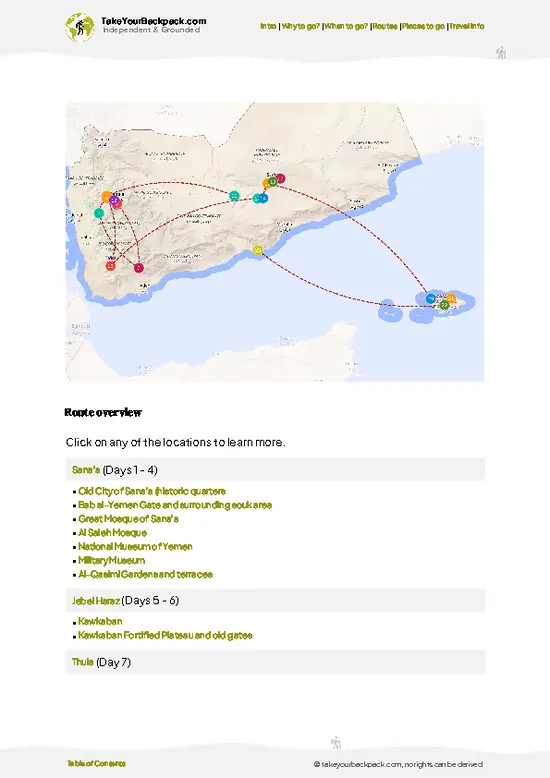
example page 1 from our offline Travel Guide for Yemen
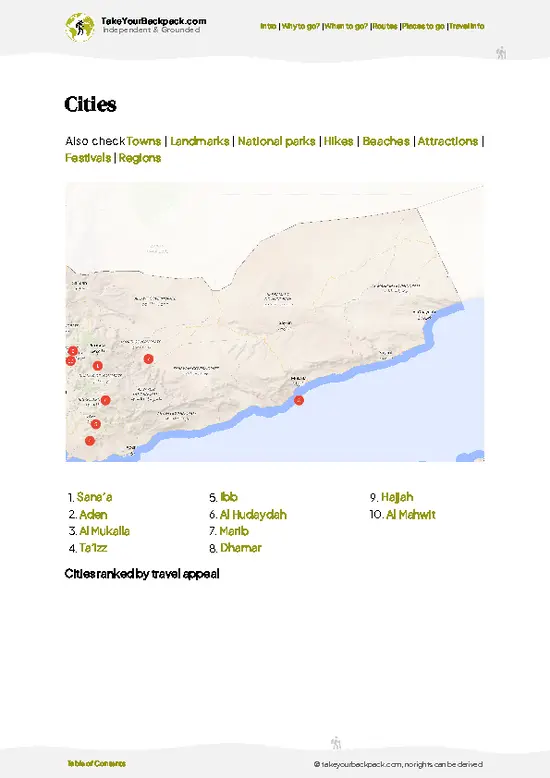
example page 2 from our offline Travel Guide for Yemen
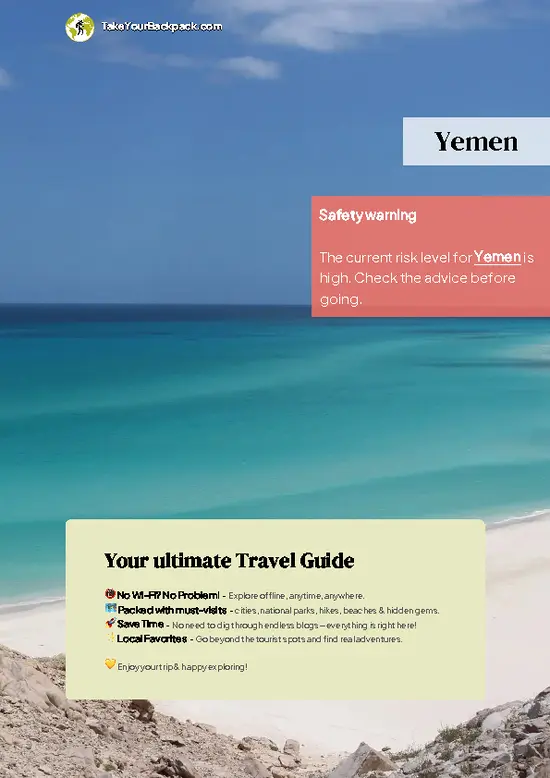
example page 3 from our offline Travel Guide for Yemen
example page 4 from our offline Travel Guide for Yemen
example page 5 from our offline Travel Guide for Yemen
example page 6 from our offline Travel Guide for Yemen
example page 7 from our offline Travel Guide for Yemen
The digital guide (290 pages) contains:
72 highlights, ranked by travel appeal
Optimized 5, 10 & 15-day travel routes
Cities, national parks, landmarks, beaches
How to get around
Offline-friendly for travel without Wi-Fi
👉 Click to see all 30+ guide features

📅 Plan smarter in minutes, not weeks
Month by month travel advice
Festivals & national holidays
Budget expectations

🗺️ Go to the right places, skip the overrated ones
Honest pros & cons of destinations
Top hikes, parks & viewpoints
Lesser-known places most travelers miss
Clear “worth it vs skip it” guidance

🛏️ Travel smoothly without rookie mistakes
Best areas to stay
Transport systems explained simply
Common scams & safety advice
SIM cards, money & practical tips

🌍 Understand the country, not just visit it
Culture & traditions
52 Essential phrases & customs
Festivals worth planning around
Traveler-friendly historical context
Insights that make places more meaningful

📱 Built for real travel conditions
Fully downloadable PDF
Works completely offline
Optimized for phone use
Useful in remote areas & buses
Everything in one place
Save weeks of stressful planning
Get instant access to your full guide. 30‑day money-back guarantee.


By proceeding you agree to our terms.
Sent to your inbox immediately after payment • 100% Secure Checkout
Best Backpacking Travel Advisor 2025 tourism awardBest Backpacking
Travel Advisor
2025
What others say about Take Your Backpack Guides:
⭐⭐⭐⭐⭐
Fantastic, amazing amount of information!
⭐⭐⭐⭐⭐
My goodness this is amazing, it's what I've been looking for hats off too you!
⭐⭐⭐⭐⭐
I think this is absolutely BRILLIANT
⭐⭐⭐⭐
Very complete and informative. It's still missing places, but I gotta to commend you
⭐⭐⭐⭐⭐
This is truly amazing, thank you, can't wait to explore it with my kids!
⭐⭐⭐⭐⭐
Awesome resource, thank you!
⭐⭐⭐⭐⭐
This is amazing! Can't wait to explore the ones I haven't seen
⭐⭐⭐⭐
I love this! Well done, great idea.
⭐⭐⭐⭐⭐
Thanks for taking the time to make this gem!
⭐⭐⭐⭐⭐
This might be the best website I've ever seen.
⭐⭐⭐⭐⭐
Congratulations, and thank you so much for your work; it's incredibly valuable.
⭐⭐⭐⭐
In all seriousness I think you did a great job pointing out the important spots
⭐⭐⭐⭐⭐
10/10 very good
⭐⭐⭐⭐⭐
As someone who's only just starting to visit regularly this is awesome, thank you.
⭐⭐⭐⭐
Thank you very much! I'm going to visit my dad, it's going to be very useful!
⭐⭐⭐⭐⭐
This is really cool! We'll be travelling for the first time and this definitely come in handy.
⭐⭐⭐⭐⭐
You are now our minister of culture, congratulations 👨‍💼
⭐⭐⭐⭐⭐
Just wanted to tell you that this is a pearl! Going to follow your recommendations.
⭐⭐⭐⭐⭐
This is so cool. I'll definitely be using the resource for my travels soon.
⭐⭐⭐⭐⭐
This is very impressive! Good work.
⭐⭐⭐⭐⭐
This is an amazing and informative site. Very well done!

🛏️ Where to stay?Where staying makes the most sense

In Kawkaban, the best spot for backpackers is the area around the old town’s central square. This neighborhood pulses with life during daylight hours—vendors hawk spices and dried fruits, and the scent of freshly baked flatbread drifts through narrow alleys. It’s the social hub where you’ll find other travelers and locals mingling, making it easier to swap stories or find a guide. The streets here are compact and walkable, so you’re never far from a teahouse or a quiet corner to soak in the mountain air.

Compared to the outskirts, which feel isolated and less secure after dark, the central old … read more 👉
In Kawkaban, the best spot for backpackers is the area around the old town’s central square. This neighborhood pulses with life during daylight hours—vendors hawk spices and dried fruits, and the scent of freshly baked flatbread drifts through narrow alleys. It’s the social hub where you’ll find other travelers and locals mingling, making it easier to swap stories or find a guide. The streets here are compact and walkable, so you’re never far from a teahouse or a quiet corner to soak in the mountain air.

Compared to the outskirts, which feel isolated and less secure after dark, the central old town offers a safer vibe. The stone buildings and winding lanes create natural barriers, and locals keep a watchful eye on the flow of visitors. Hostels are modest but functional, often family-run, giving you a chance to connect with Yemeni hospitality firsthand. The trade-off is that amenities are basic—electricity can flicker, and hot water isn’t guaranteed—but that’s part of the charm. Staying here means embracing the rhythm of Kawkaban, where every narrow street and sunlit terrace feels earned through the climb and the culture.

🚌 Getting aroundMoving around without the hassle

Kawkaban moves at its own rhythm — a blend of ancient stone pathways and the occasional burst of local chatter that cuts through the dry mountain air. This isn’t a place where you’ll find neat timetables or polished transit hubs. Instead, the town’s pulse is set by the sun climbing over jagged peaks and the slow shuffle of feet on cobblestones. The scent of wood smoke and spices drifts from open windows, mixing with the occasional bray of a donkey or the clatter of a vendor’s cart. Here, getting around is less about strict schedules and more about reading the flow of the town’s daily life. You’ll find that patience and a bit of local intuition unlock the best routes and experiences.


  • Walking: The heart of Kawkaban is best explored on foot. Narrow, steep alleys wind through the town’s centuries-old
read more 👉
Kawkaban moves at its own rhythm — a blend of ancient stone pathways and the occasional burst of local chatter that cuts through the dry mountain air. This isn’t a place where you’ll find neat timetables or polished transit hubs. Instead, the town’s pulse is set by the sun climbing over jagged peaks and the slow shuffle of feet on cobblestones. The scent of wood smoke and spices drifts from open windows, mixing with the occasional bray of a donkey or the clatter of a vendor’s cart. Here, getting around is less about strict schedules and more about reading the flow of the town’s daily life. You’ll find that patience and a bit of local intuition unlock the best routes and experiences.


  • Walking: The heart of Kawkaban is best explored on foot. Narrow, steep alleys wind through the town’s centuries-old architecture, and walking lets you absorb the textures—the rough stone underfoot, the cool shade of archways, the sudden bursts of sunlight on whitewashed walls. It’s free, flexible, and the only way to reach many of the town’s tucked-away viewpoints and historic sites.


  • Shared Minibuses: These are the budget traveler’s lifeline for reaching nearby villages or the outskirts of Kawkaban. They don’t run on a strict timetable but tend to fill up and leave once full, usually between 7 a.m. and 5 p.m. Expect a fare under $1, a cramped but lively ride, and a chance to chat with locals who’ll help you navigate the stops.


  • Donkey Transport: For steep or rocky paths where vehicles can’t go, donkeys are still the go-to. Hiring one costs a few dollars per hour and is surprisingly comfortable if you’re prepared for a slow, rhythmic climb. This option is perfect for carrying gear or reaching remote spots without the strain of hiking every step.


  • Taxi Services: Taxis exist but are rare and usually reserved for short hops within town or to the busier roads below. They’re pricier—around $3–5 per trip—and less reliable in terms of availability, but they offer a faster, shaded ride when the sun is at its peak and your legs need a break.

👛 Costs (as of 1 March 2025)Travel costs and budget guide for Kawkaban

Backpacking in Kawkaban, Yemen, demands a grounded approach to budgeting, reflecting both the town’s remote charm and the practical realities of travel there today.
  • Dorm Accommodation: Options are extremely limited and basic, often in guesthouses rather than formal hostels. Expect to pay around $10 to $15 per night for a simple shared room, sometimes with minimal amenities and variable comfort levels.
  • Meals: Food is straightforward and hearty—think flatbreads, lentils, and local stews. Street food and small local eateries offer meals for about $2 to $5 each. If you opt for a slightly more comfortable sit-down meal, prices can rise to $7 or $8, but the local flavors are worth it.
  • Local Transport: Kawkaban’s steep, narrow streets mean most travel is on foot. For longer trips to nearby villages
read more 👉
Backpacking in Kawkaban, Yemen, demands a grounded approach to budgeting, reflecting both the town’s remote charm and the practical realities of travel there today.
  • Dorm Accommodation: Options are extremely limited and basic, often in guesthouses rather than formal hostels. Expect to pay around $10 to $15 per night for a simple shared room, sometimes with minimal amenities and variable comfort levels.
  • Meals: Food is straightforward and hearty—think flatbreads, lentils, and local stews. Street food and small local eateries offer meals for about $2 to $5 each. If you opt for a slightly more comfortable sit-down meal, prices can rise to $7 or $8, but the local flavors are worth it.
  • Local Transport: Kawkaban’s steep, narrow streets mean most travel is on foot. For longer trips to nearby villages or towns, shared taxis or minibuses cost roughly $1 to $3 per ride. Transport is infrequent and schedules flexible, so plan for some waiting time.
  • Basic Activities/Entry Fees: The town’s main draw is its historic architecture and panoramic views. Entry fees to local sites are minimal or nonexistent, often under $1. Guided tours are rare and usually arranged privately, potentially costing $10 to $20 if you want a deeper dive into the history and culture.
  • Miscellaneous Expenses: Water, snacks, and small essentials might add $1 to $3 daily. Internet access is patchy and expensive, so budget accordingly if you need connectivity. Souvenirs and local crafts can vary widely but expect to pay $5 to $10 for authentic pieces.

A realistic daily budget for backpacking in Kawkaban hovers between $15 and $35. This range covers the bare essentials while allowing for some comfort and cultural engagement. The town’s rugged atmosphere and limited infrastructure mean every dollar spent is a step closer to experiencing its unique, timeworn character.
⚠️ Prices can change and everyone travels differently, so take this as a rough guide. Hope it helps you plan your adventure!

🚌 Day tripsShort trips worth adding

Kawkaban, Yemen, is a backpacker’s dream base, offering a rich tapestry of history and culture just waiting to be explored. The town itself, perched on a mountain, provides stunning views and a unique atmosphere that makes every day trip feel like an adventure.

1. The Ancient City of Thula
Just a short 30-minute drive from Kawkaban, Thula is a treasure trove of mud-brick architecture and ancient ruins. The scent of spices wafts through the narrow streets, and the locals are eager to share stories of their heritage. Spend a few hours wandering the labyrinthine alleys, soaking in the history. The best time to visit is early morning when the light casts a golden hue over the buildings. Expect to spend around $10 for transportation and snacks. A common mistake? Rushing through without taking … read more 👉
Kawkaban, Yemen, is a backpacker’s dream base, offering a rich tapestry of history and culture just waiting to be explored. The town itself, perched on a mountain, provides stunning views and a unique atmosphere that makes every day trip feel like an adventure.

1. The Ancient City of Thula
Just a short 30-minute drive from Kawkaban, Thula is a treasure trove of mud-brick architecture and ancient ruins. The scent of spices wafts through the narrow streets, and the locals are eager to share stories of their heritage. Spend a few hours wandering the labyrinthine alleys, soaking in the history. The best time to visit is early morning when the light casts a golden hue over the buildings. Expect to spend around $10 for transportation and snacks. A common mistake? Rushing through without taking the time to chat with the residents; their stories are the real gems.
👉 Explore Thula

2. The Majestic Jebel Haraz
A 1.5-hour drive will take you to Jebel Haraz, where the mountains rise dramatically, and terraced fields stretch as far as the eye can see. This area is perfect for a day of hiking, with trails that lead you through breathtaking landscapes. Bring a packed lunch to enjoy at one of the viewpoints. The best months to hike are from October to March when the weather is cooler. Budget about $15 for transport and food. Many first-timers underestimate the difficulty of the trails; wear sturdy shoes and bring plenty of water.
👉 Explore Jebel Haraz

3. The Historic Town of Bani Matar
Only an hour away, Bani Matar is known for its stunning architecture and vibrant local markets. The atmosphere is alive with the sounds of bargaining and laughter. Explore the traditional houses and enjoy a meal at a local eatery. Aim for a visit on Fridays when the market is bustling. Expect to spend around $12 for transport and lunch. A common pitfall? Not venturing beyond the main square; the hidden corners of this town hold the best surprises.


4. The Enigmatic Al-Saleh Mosque in Sana’a
A 2-hour trip will land you in Sana’a, where the Al-Saleh Mosque stands as a testament to Yemen’s architectural beauty. The intricate designs and serene atmosphere make it a must-see. Plan your visit for the late afternoon to catch the sunset illuminating the mosque’s minarets. Total costs should be around $20 for transport and a small donation. Many travelers overlook the importance of dressing modestly; it’s respectful and will enhance your experience.
Want to know what more Yemen offers?
The Yemen Travel Guide describes 72 highlights, from cities to national parks, from beaches to hikes

Get the Travel Guide -

🛡️ SafetyTraveler Safety Guide

Kawkaban is generally safe, but staying aware enhances your experience. The narrow, winding streets can feel disorienting, especially at dusk. Stick to well-lit areas and avoid wandering too far from the main paths after dark.

Solo travelers should engage with locals; a friendly smile can open doors. However, be mindful of overly eager guides who may want to show you around for a fee. Politely decline if it feels off.

Scams are rare, but some vendors might inflate prices for tourists. Always ask for the price upfront, and don’t hesitate to haggle—it’s part of the culture.

Annoyances like stray dogs can pop up, but they’re usually harmless. Just keep your distance. Embrace the quirks of Kawkaban; they add character to your journey. With a little awareness, you’ll navigate this enchanting town like a pro.

Other Yemeni towns near Kawkaban

Explore more nearby:

  • Thula—basalt walls, ancient gates, stepped alleys| 9 km away
  • Al Qanawis—Red Sea fishing, tidal flats, salt pans| 84 km away
  • Bura’a—nature reserve, cloud forest, endemic plants| 85 km away

💡 Not sure where to go next?
Create a personalized itinerary for Yemen including Kawkaban and the places that fit your trip.

Generate my itinerary

👉 Discover all towns

Or checkout all Yemen has to offer (think cities, towns, villages, national parks, hikes, beaches, festivals)
Country photo of Yemen

We 💚 feedbackFinal thoughts on visiting Kawkaban

Kawkaban feels like stepping into a time capsule. The air carries a mix of spices and history, with ancient stone walls whispering tales of resilience. Don’t miss the sunrise; it paints the mountains in hues you’ll chase in your dreams. A heads-up: the roads can be rough, so take your time. Embrace the slow pace. The locals are warm and curious, ready to share their stories. This isn’t just a visit; it’s a connection.

✍️ Help improve this page!
The information on this page is based on in-depth research, insights shared by experienced travelers, and feedback from the local travel community in Yemen. While every effort is made to keep the information accurate and current, conditions can change — so if you spot anything incorrect or outdated, please get in touch.


🙋‍♂️ Give feedback

👋 Meet the founderWho’s Behind Take Your Backpack?

Johan, backpacker and founder of TakeYourBackpackHi, I’m Johan (Netherlands 🇳🇱), the creator of TakeYourBackpack. Over the past decade, I’ve backpacked through 80+ countries across six continents, gaining extensive experience with independent travel, long-term trips, and overland routes.

This site is built on a combination of firsthand travel experience and carefully curated insights from other backpackers. Many guides are based on places I’ve personally visited, while others bring together tips, observations, and practical advice shared by trusted travelers I’ve met along the way.

The goal is to provide realistic, experience-driven guidance — not generic itineraries — so you can explore destinations with better context, clearer expectations, and more confidence.

Get full Yemen guide •
Instant download • 72 highlights • Full Offline guide