

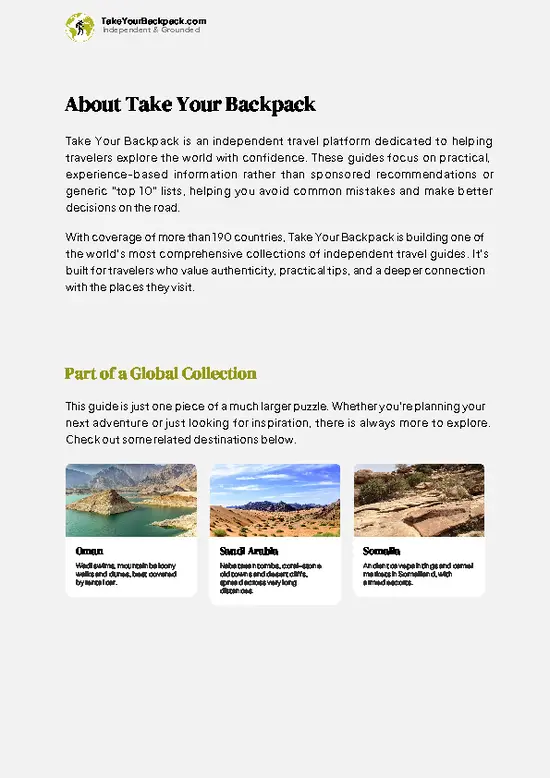
Al-Muhdhar Mosque: The Minaret That Owns the Skyline
Forget the Instagram angles—this is the real centerpiece. The Al-Muhdhar Mosque’s minaret isn’t just tall; it’s a 53-meter mudbrick exclamation mark that dominates Tarim’s horizon. Built in 1914, it’s the tallest mudbrick minaret in the world. You don’t just see it—you feel it, especially when the call to prayer rolls over the rooftops. The craftsmanship is raw, geometric, and utterly unique to Hadhramaut. No filter needed; the sun does all the work.
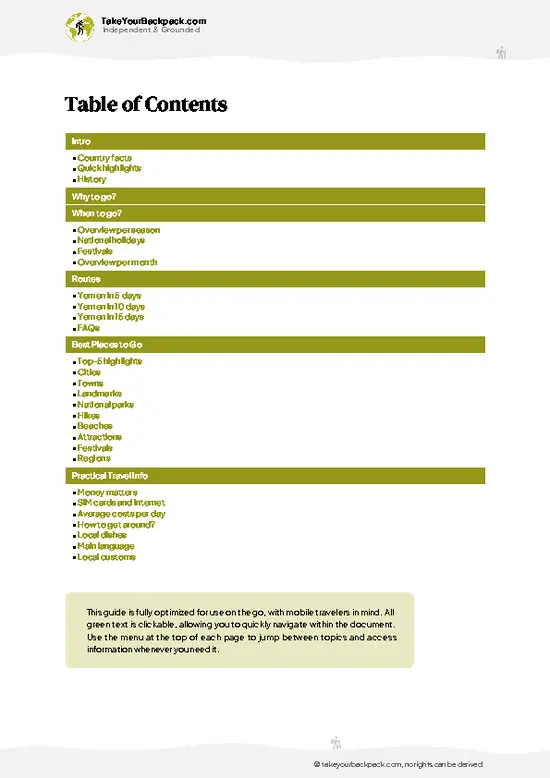
Al-Mihdar Library: Manuscripts Older Than Most Countries
Skip the tourist gloss. The Al-Mihdar Library is a living archive, not a museum. You’ll find handwritten Qur’ans, centuries-old treatises on astronomy, and poetry that predates the printing press. The air smells like dust and ink. If … read more 👉
Al-Muhdhar Mosque: The Minaret That Owns the Skyline
Forget the Instagram angles—this is the real centerpiece. The Al-Muhdhar Mosque’s minaret isn’t just tall; it’s a 53-meter mudbrick exclamation mark that dominates Tarim’s horizon. Built in 1914, it’s the tallest mudbrick minaret in the world. You don’t just see it—you feel it, especially when the call to prayer rolls over the rooftops. The craftsmanship is raw, geometric, and utterly unique to Hadhramaut. No filter needed; the sun does all the work.
Al-Mihdar Library: Manuscripts Older Than Most Countries
Skip the tourist gloss. The Al-Mihdar Library is a living archive, not a museum. You’ll find handwritten Qur’ans, centuries-old treatises on astronomy, and poetry that predates the printing press. The air smells like dust and ink. If you’re lucky, a local scholar might let you peek at a manuscript that’s survived invasions, floods, and the slow grind of time. This is intellectual adrenaline for anyone who cares about the roots of civilization.
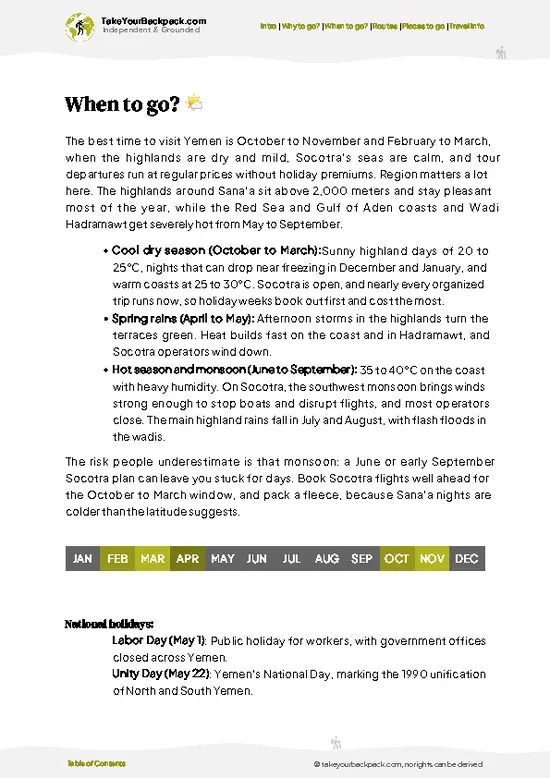
Friday Mosque (Jama’a Mosque): The Social Heartbeat
This isn’t just a place to pray—it’s where Tarim’s pulse is strongest. On Fridays, the courtyard fills with locals in crisp white robes, and the city’s rhythm shifts. The architecture is classic Hadhrami: thick walls, arched colonnades, and a sense of coolness even in the midday heat. The real show is the people-watching—generations gathering, deals being made, and news traveling faster than any Wi-Fi.
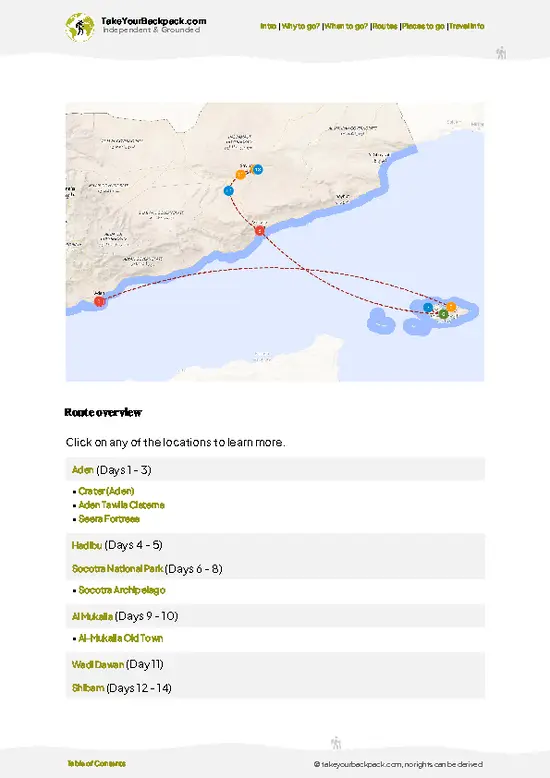
Walking the Alleyways: Living History, No Ticket Required
Tarim’s mosques aren’t isolated monuments—they’re woven into a labyrinth of alleyways lined with mudbrick homes, each with its own story. Wander at dawn or dusk when the light turns gold and the city feels like a living diorama. You’ll pass scholars, kids playing football, and the occasional goat. This is the Tarim that never makes it to the postcards, but it’s the one you’ll remember.
Spotted a mistake or missing something? Contact us.


 Best Backpacking

 Hi, I’m Johan (Netherlands 🇳🇱), the creator of TakeYourBackpack. Over the past 3 decades, I’ve backpacked through 90+ countries across six continents, gaining extensive experience with independent travel, long-term trips, and overland routes.