×

Zambia🇿🇲 | attractionsKabwata Cultural VillageTraditional huts, artisan workshops, craft market | things to do and best time to go

Explore Lusaka National MuseumExplore Choma Museum and Crafts Centre

Backpacking in Kabwata Cultural Village
👍 Recommendedattraction ranked #7
By Johan Kruseman 🇳🇱 | Updated September 3, 2026

Forget the Instagram myth: Kabwata Cultural Village is not some untouched, open-air time capsule where you’ll wander alone among master carvers and dancers. It’s a living, working crafts market on the edge of Lusaka, Zambia’s capital—easy to reach by minibus or even on foot if you’re staying central. Here’s the honest deal: yes, you’ll see busloads of tourists, and yes, some stalls sell the same wooden giraffes you’ll spot from Nairobi to Cape Town. But if you look past the surface, Kabwata is a rare window into Zambia’s creative pulse. Artisans actually work here, not just pose for photos, and if you’re willing to chat, you’ll get stories that don’t fit on a price tag. Prices are negotiable, but don’t expect rock-bottom bargains—this is city-center convenience, not a rural roadside steal. Compared to Zambia’s wild parks or Victoria Falls, Kabwata won’t blow your mind with spectacle, but it will reward curiosity with real human connection and a taste of urban Zambian culture you can’t get from a safari jeep.

Discover everything you want to know in the 📖 Zambia Travel Guide.


Get your Zambia guide
91 ranked highlights, routes & tips, works offline (357 pages)
Loading the map 🌍
CLICK TO FILTER
cities
towns
landmarks
national parks
hikes
beaches
attractions
festivals
SHOW COUNTRY’S BESTSHOW ALL

✨ Why go?
Ranked #7 attraction in Zambia
Why Kabwata Cultural Village should be on your travel list

Kabwata Cultural Village isn’t some polished, Instagram-perfect setup where everything feels staged and sanitized. It’s raw, real, and unapologetically Zambian. Yes, it draws crowds—mostly because it’s one of the few places where you can genuinely connect with Zambia’s rich cultural tapestry without the usual tourist fluff. This isn’t a museum behind glass; it’s a living, breathing community where traditions are practiced daily. You’ll see artisans crafting baskets, dancers performing rituals that have survived centuries, and storytellers who don’t just recite history—they live it.

The village’s cultural significance runs deep. It’s a snapshot of Zambia’s tribal diversity, showcasing customs from multiple ethnic groups in one place. For backpackers, it’s a milestone on the Zambia route because … read more 👉
Kabwata Cultural Village isn’t some polished, Instagram-perfect setup where everything feels staged and sanitized. It’s raw, real, and unapologetically Zambian. Yes, it draws crowds—mostly because it’s one of the few places where you can genuinely connect with Zambia’s rich cultural tapestry without the usual tourist fluff. This isn’t a museum behind glass; it’s a living, breathing community where traditions are practiced daily. You’ll see artisans crafting baskets, dancers performing rituals that have survived centuries, and storytellers who don’t just recite history—they live it.

The village’s cultural significance runs deep. It’s a snapshot of Zambia’s tribal diversity, showcasing customs from multiple ethnic groups in one place. For backpackers, it’s a milestone on the Zambia route because it offers more than just a photo op—it’s an immersive experience that demands your attention and respect. The effort to get here, often involving a bit of local transport hustle, pays off with an adrenaline rush of discovery that no guidebook can replicate.

Sure, it’s not cheap by local standards, but the effort-to-reward ratio is high. You’re investing in authentic encounters, not just souvenirs. Kabwata is where Zambia’s soul shows up, unfiltered and unforgettable.
Want to include Kabwata Cultural Village in your Zambia route?
Create a personalized Zambia itinerary that includes Kabwata Cultural Village and the places that fit your trip — based on your travel style, budget, and available time. Get your route in seconds.

Generate my trip

💡 HighlightsEssential experiences to have while visiting Kabwata Cultural Village

1. Live Craftsmanship in Action
Forget the sanitized, glass-case museum vibe. At Kabwata Cultural Village, you’re face-to-face with the artists—woodcarvers, basket weavers, textile makers—actually making the goods you see for sale. No smoke and mirrors. You’ll hear the tap of mallets, smell the wood shavings, and see hands stained with dye. This is the real deal: a living, breathing workshop, not a tourist trap. If you want to understand Zambian artistry, watch the process, ask questions, and—if you’re lucky—try your hand at a technique or two. The artists are used to curious visitors and usually happy to show off their skills, especially if you show genuine interest.


2. The Marketplace: Bargaining as Performance Art
Here’s the truth: prices start high, and you’re expected to negotiate. But … read more 👉
1. Live Craftsmanship in Action
Forget the sanitized, glass-case museum vibe. At Kabwata Cultural Village, you’re face-to-face with the artists—woodcarvers, basket weavers, textile makers—actually making the goods you see for sale. No smoke and mirrors. You’ll hear the tap of mallets, smell the wood shavings, and see hands stained with dye. This is the real deal: a living, breathing workshop, not a tourist trap. If you want to understand Zambian artistry, watch the process, ask questions, and—if you’re lucky—try your hand at a technique or two. The artists are used to curious visitors and usually happy to show off their skills, especially if you show genuine interest.


2. The Marketplace: Bargaining as Performance Art
Here’s the truth: prices start high, and you’re expected to negotiate. But this isn’t just commerce—it’s theater. The back-and-forth is half the fun, and the sellers are quick-witted, often hilarious, and never pushy in the aggressive, big-city sense. You’ll walk away with a story, not just a souvenir. If you want to skip the haggling, you can, but you’ll miss out on the banter and the sly grins that make the experience memorable. The goods themselves? Expect everything from intricate masks to bold chitenge fabrics, with quality that varies—so inspect before you buy.


3. Real-World Cultural Exchange
Instagram will show you the colors and the crafts, but it won’t capture the conversations. The real magic is in the unscripted chats with the artists and vendors, many of whom live on-site. Ask about their origins, their techniques, or the meaning behind a pattern, and you’ll get stories that cut through the tourist gloss. This is where you get context—why a certain carving matters, what a motif means, how traditions are passed down. It’s not a staged “cultural show”; it’s real people sharing their lives, if you’re willing to listen.


4. The Village Setting: Not a Disney Facsimile
Kabwata isn’t polished. The huts are real, the grounds are dusty, and chickens sometimes wander through. This isn’t a sanitized, airbrushed version of Zambian village life—it’s a working community. That means you’ll see the grit alongside the beauty. The authenticity is the point. If you’re looking for a perfect Instagram backdrop, you’ll find it, but you’ll also see the everyday realities that give the place its soul.


5. Occasional Live Music and Dance
If you time it right (especially weekends or public holidays), you might catch spontaneous drumming, singing, or dance performances. These aren’t scheduled for the benefit of bus tours—they’re for the community, and you’re welcome to join in. The energy is contagious, the rhythms are impossible to ignore, and it’s a reminder that culture here isn’t just preserved—it’s lived. Don’t expect a polished stage show; expect something raw, loud, and utterly joyful.
Spotted a mistake or missing something? Contact us.

Things to do near Kabwata Cultural Village

Ratings based on Tripadvisor reviews. When you book through this link, you support our work at no extra cost to you.

🌤️ When to go?Choosing the right time of year


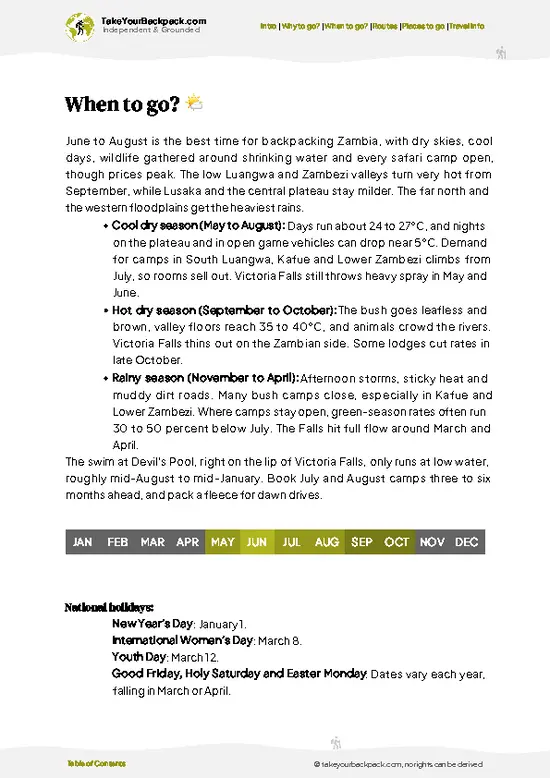
  • Weather: Zambia’s rainy season runs from November to April, turning Kabwata Cultural Village into a muddy mess and making outdoor activities less enjoyable. The dry season from May to October offers clear skies and comfortable conditions, perfect for exploring without the constant threat of downpours.

  • Temperature: During the dry months, expect daytime highs around 25-28°C (77-82°F), with cooler nights dropping to 10-15°C (50-59°F). The rainy season heats up to 30°C+ (86°F+), but humidity spikes, making it sticky and less pleasant for walking tours.

  • Daylight Hours: Zambia enjoys roughly 11-12 hours of daylight year-round, but from May to August, the sun rises later and sets earlier, giving you a solid window for daytime activities without rushing.

  • Crowds: Peak tourist season aligns
read more 👉

  • Weather: Zambia’s rainy season runs from November to April, turning Kabwata Cultural Village into a muddy mess and making outdoor activities less enjoyable. The dry season from May to October offers clear skies and comfortable conditions, perfect for exploring without the constant threat of downpours.

  • Temperature: During the dry months, expect daytime highs around 25-28°C (77-82°F), with cooler nights dropping to 10-15°C (50-59°F). The rainy season heats up to 30°C+ (86°F+), but humidity spikes, making it sticky and less pleasant for walking tours.

  • Daylight Hours: Zambia enjoys roughly 11-12 hours of daylight year-round, but from May to August, the sun rises later and sets earlier, giving you a solid window for daytime activities without rushing.

  • Crowds: Peak tourist season aligns with the dry months, especially July and August, when international visitors flock in. This means more hustle at the village, but also more vibrant cultural performances and artisan markets in full swing.

  • Seasonal Activities: The dry season is when traditional ceremonies and craft workshops are most active, offering authentic engagement rather than staged tourist shows. The rainy season sees fewer events and some artisans may close up shop.

  • Price Fluctuations: Expect higher prices for tours and crafts during the dry, high-season months due to demand. Visiting in shoulder months like May or September can score you better deals without sacrificing much on experience.


Pro-tip: Aim for late May or early September to dodge crowds and rain, catch genuine cultural moments, and stretch your budget further—Kabwata shines brightest when it’s not trying too hard.


source: climatestotravel.comJANJanuary: fair for travelingFEBFebruary: fair for travelingMARMarch: fair for travelingAPRApril: fair for travelingMAYMay: highly recommended for travelingJUNJune: excellent for travelingJULJuly: excellent for travelingAUGAugust: excellent for travelingSEPSeptember: highly recommended for travelingOCTOctober: highly recommended for travelingNOVNovember: fair for travelingDECDecember: fair for traveling
when-to-go

✈️ The backpacker research shortcutZambia Travel Guide

An offline-friendly backpacking guide with optimized travel routes, ranked highlights, transport advice, and the best areas to stay.
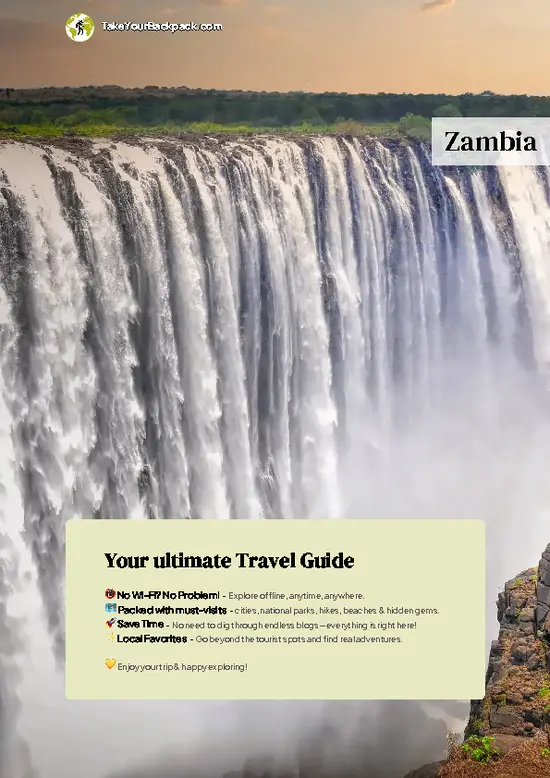
example page 0 from our offline Travel Guide for Zambia
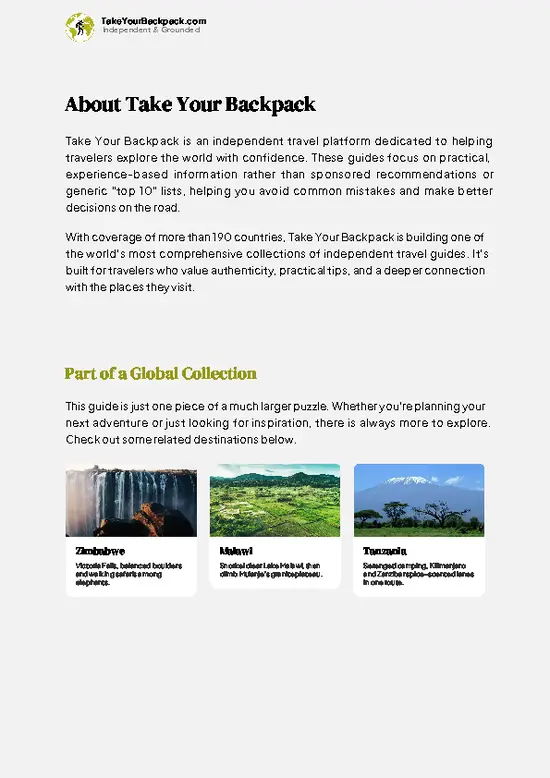
example page 1 from our offline Travel Guide for Zambia
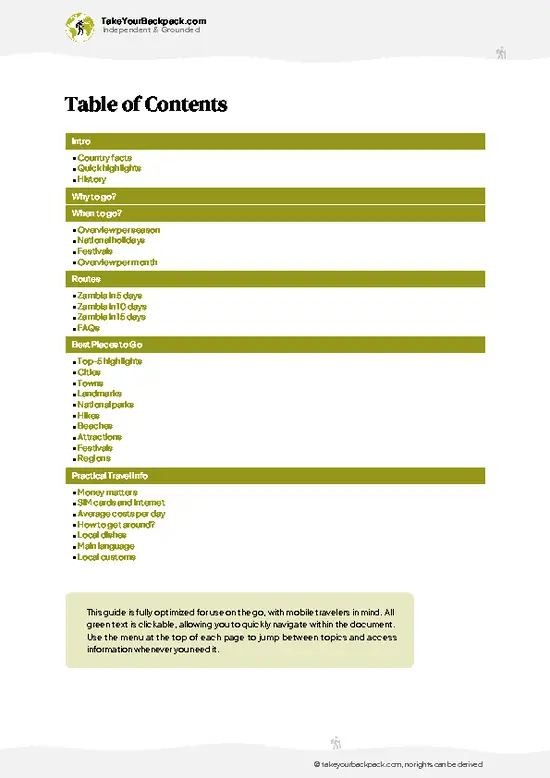
example page 2 from our offline Travel Guide for Zambia
example page 3 from our offline Travel Guide for Zambia
example page 4 from our offline Travel Guide for Zambia
example page 5 from our offline Travel Guide for Zambia
example page 6 from our offline Travel Guide for Zambia
example page 7 from our offline Travel Guide for Zambia
The digital guide (357 pages) contains:
91 highlights, ranked by travel appeal
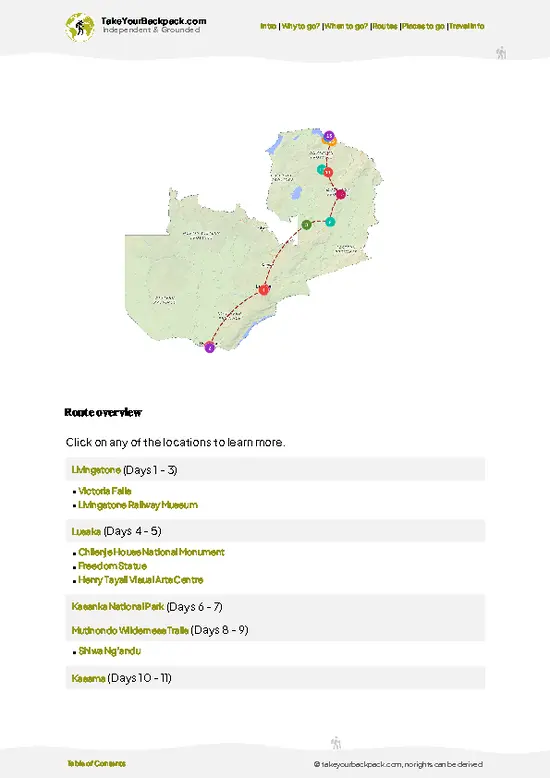
Optimized 5, 10 & 15-day travel routes
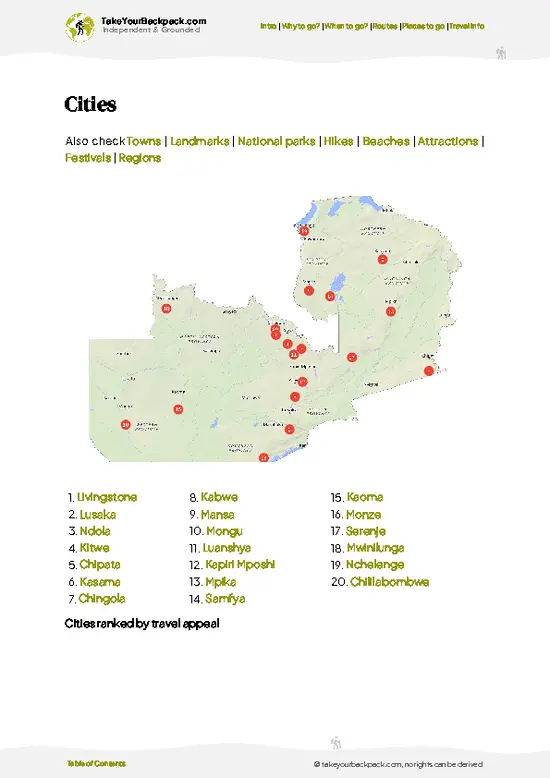
Cities, national parks, landmarks, beaches
How to get around
Offline-friendly for travel without Wi-Fi
👉 Click to see all 30+ guide features

📅 Plan smarter in minutes, not weeks
Month by month travel advice
Festivals & national holidays
Budget expectations

🗺️ Go to the right places, skip the overrated ones
Honest pros & cons of destinations
Top hikes, parks & viewpoints
Lesser-known places most travelers miss
Clear “worth it vs skip it” guidance

🛏️ Travel smoothly without rookie mistakes
Best areas to stay
Transport systems explained simply
Common scams & safety advice
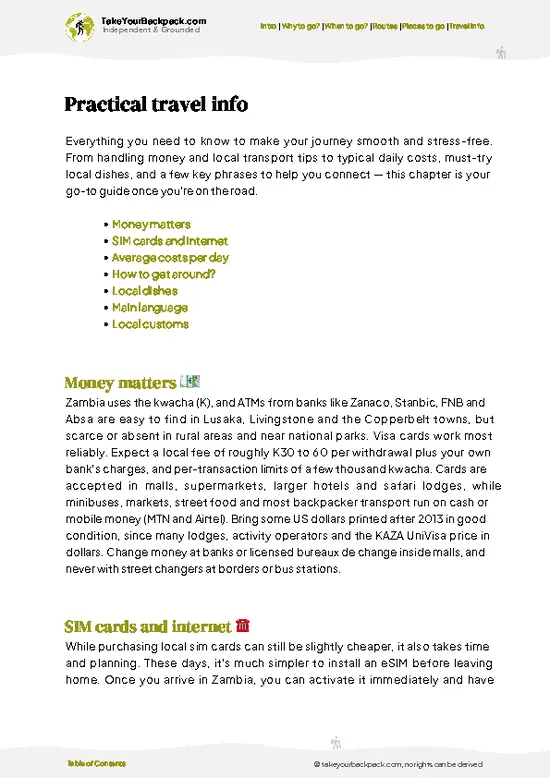
SIM cards, money & practical tips

🌍 Understand the country, not just visit it
Culture & traditions
52 Essential phrases & customs
Festivals worth planning around
Traveler-friendly historical context
Insights that make places more meaningful

📱 Built for real travel conditions
Fully downloadable PDF
Works completely offline
Optimized for phone use
Useful in remote areas & buses
Everything in one place
Save weeks of stressful planning
Get instant access to your full guide. 30‑day money-back guarantee.
+ Add another guide for just US$7.80

By proceeding you agree to our terms.
Sent to your inbox immediately after payment • 100% Secure Checkout
Best Backpacking Travel Advisor 2025 tourism awardBest Backpacking
Travel Advisor
2025
What others say about Take Your Backpack Guides:
⭐⭐⭐⭐⭐
Fantastic, amazing amount of information!
⭐⭐⭐⭐⭐
My goodness this is amazing, it's what I've been looking for hats off too you!
⭐⭐⭐⭐⭐
I think this is absolutely BRILLIANT
⭐⭐⭐⭐
Very complete and informative. It's still missing places, but I gotta to commend you
⭐⭐⭐⭐⭐
This is truly amazing, thank you, can't wait to explore it with my kids!
⭐⭐⭐⭐⭐
Awesome resource, thank you!
⭐⭐⭐⭐⭐
This is amazing! Can't wait to explore the ones I haven't seen
⭐⭐⭐⭐
I love this! Well done, great idea.
⭐⭐⭐⭐⭐
Thanks for taking the time to make this gem!
⭐⭐⭐⭐⭐
This might be the best website I've ever seen.
⭐⭐⭐⭐⭐
Congratulations, and thank you so much for your work; it's incredibly valuable.
⭐⭐⭐⭐
In all seriousness I think you did a great job pointing out the important spots
⭐⭐⭐⭐⭐
10/10 very good
⭐⭐⭐⭐⭐
As someone who's only just starting to visit regularly this is awesome, thank you.
⭐⭐⭐⭐
Thank you very much! I'm going to visit my dad, it's going to be very useful!
⭐⭐⭐⭐⭐
This is really cool! We'll be travelling for the first time and this definitely come in handy.
⭐⭐⭐⭐⭐
You are now our minister of culture, congratulations 👨‍💼
⭐⭐⭐⭐⭐
Just wanted to tell you that this is a pearl! Going to follow your recommendations.
⭐⭐⭐⭐⭐
This is so cool. I'll definitely be using the resource for my travels soon.
⭐⭐⭐⭐⭐
This is very impressive! Good work.
⭐⭐⭐⭐⭐
This is an amazing and informative site. Very well done!

🛏️ Where to stay?How to pick the right area

Kabwata Cultural Village is a magnet for travelers craving a raw slice of Zambian culture, but let’s cut through the Instagram gloss: it’s not a polished tourist resort. The crowds can be a mixed bag—weekends and holidays bring a surge of local visitors and tour groups, which means the vibe swings from intimate to bustling in a heartbeat. Costs? Entrance fees are reasonable, but don’t expect luxury; this is grassroots cultural exchange, not a curated theme park.

Now, where to crash if you want to be close, safe, and in the thick of backpacker life? The neighborhoods just south and southeast of … read more 👉
Kabwata Cultural Village is a magnet for travelers craving a raw slice of Zambian culture, but let’s cut through the Instagram gloss: it’s not a polished tourist resort. The crowds can be a mixed bag—weekends and holidays bring a surge of local visitors and tour groups, which means the vibe swings from intimate to bustling in a heartbeat. Costs? Entrance fees are reasonable, but don’t expect luxury; this is grassroots cultural exchange, not a curated theme park.

Now, where to crash if you want to be close, safe, and in the thick of backpacker life? The neighborhoods just south and southeast of Kabwata are your best bets. These areas strike a balance between accessibility and atmosphere. They’re known for a lively backpacker scene, with guesthouses and budget lodges that attract solo travelers and small groups who value social connection over sterile comfort. Safety here is decent, especially if you stick to well-trodden streets and avoid wandering after dark.

What makes these spots stand out isn’t just proximity—it’s the chance to mingle with locals and fellow travelers, swap stories over a cold drink, and get insider tips on the village and beyond. You’re not just a visitor; you’re part of a community that’s curious, welcoming, and real. That’s the kind of magic no filtered photo can capture.

👛 Costs (as of 3 September 2026)How expensive it really is

Entry to Kabwata Cultural Village is free. Souvenir prices range from 10 ZMW (€0.50) to 300 ZMW (€15). Guided tours may be available for an additional fee.

source: zambia.travel
⚠️ Prices can change and everyone travels differently, so take this as a rough guide. Hope it helps you plan your adventure!

FAQFrequently asked questions about Kabwata Cultural Village

Plan to spend about 1 to 2 hours at Kabwata Cultural Village to fully explore the craft market and interact with local artisans. This allows enough time to browse handmade crafts, watch demonstrations, and purchase souvenirs without rushing.
Yes, Kabwata Cultural Village is worth the entrance fee, which is typically around 10 to 20 Zambian Kwacha. The fee supports local artisans and provides an authentic cultural experience with unique crafts and traditional art forms.
To get to Kabwata Cultural Village, take a taxi or local minibuses (known as kombis) from central Lusaka, as it is located about 7 kilometers south of the city center. The village is well-known locally, so drivers will be familiar with the destination.
⚠️ Things can change over time, so always validate details locally before you go.

Other Zambian attractions near Kabwata Cultural Village

Explore more nearby:


💡 Not sure where to go next?
Create a personalized itinerary for Zambia including Kabwata Cultural Village and the places that fit your trip.

Generate my itinerary

👉 Discover all attractions

Or checkout all Zambia has to offer (think cities, towns, villages, national parks, hikes, beaches, festivals)
Country photo of Zambia

We 💚 feedbackParting advice and final tips

Kabwata Cultural Village isn’t some polished tourist trap, and that’s exactly why it hits differently. Yes, it can get busy, especially midday, but the real magic is in the genuine connections you make with the artisans—people who live and breathe their craft every day. Don’t expect a staged show; expect raw, hands-on moments that stick with you. If you’re after authenticity over Instagram-perfect shots, this place delivers. Just come ready to listen, learn, and maybe haggle a bit—it’s part of the charm.

✍️ Help improve this page!
The information on this page is based on in-depth research, insights shared by experienced travelers, and feedback from the local travel community in Zambia. While every effort is made to keep the information accurate and current, conditions can change — so if you spot anything incorrect or outdated, please get in touch.


🙋‍♂️ Give feedback

👋 Meet the founderWho’s Behind Take Your Backpack?

Johan, backpacker and founder of TakeYourBackpackHi, I’m Johan (Netherlands 🇳🇱), the creator of TakeYourBackpack. Over the past decade, I’ve backpacked through 80+ countries across six continents, gaining extensive experience with independent travel, long-term trips, and overland routes.

This site is built on a combination of firsthand travel experience and carefully curated insights from other backpackers. Many guides are based on places I’ve personally visited, while others bring together tips, observations, and practical advice shared by trusted travelers I’ve met along the way.

The goal is to provide realistic, experience-driven guidance — not generic itineraries — so you can explore destinations with better context, clearer expectations, and more confidence.

Get full Zambia guide •
Instant download • 91 highlights • Full Offline guide