×

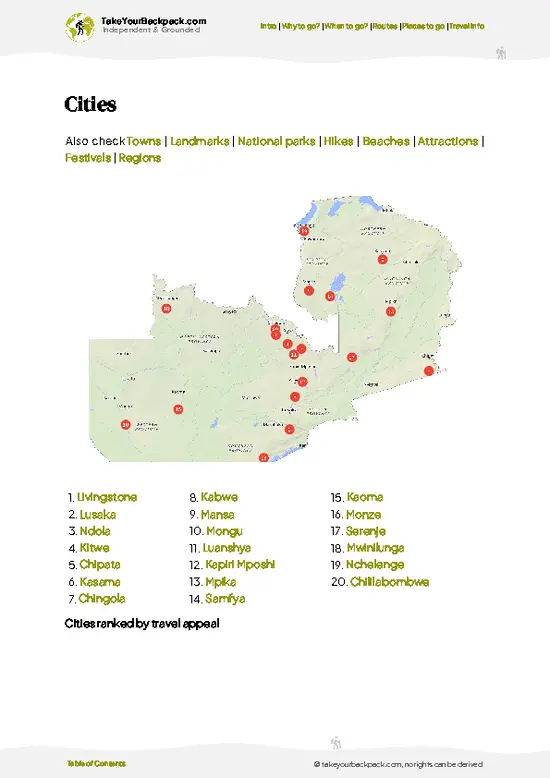
Zambia🇿🇲 | citiesMansaprovincial capital, Luapula River, local markets | things to do and best time to go

Explore KasamaExplore Kapiri Mposhi

Backpacking in Mansa
👍 Recommendedcity ranked #9
By Johan Kruseman 🇳🇱 | Updated September 3, 2026

You’re standing in the shade of a jacaranda, dust swirling around your boots, the air thick with the scent of woodsmoke and mango. This is Mansa—northern Zambia’s unhurried crossroads, about halfway between Lusaka and the Congo border. Mansa isn’t the place you brag about for its skyline or nightlife; it’s a town that feels like a long exhale after the jostle of the bus. For backpackers, it’s more launchpad than destination: a practical base for exploring the Luapula River, waterfalls like Mumbuluma, or the rural rhythm of village markets. The town itself is easy to navigate on foot, though you’ll need a shared taxi for anything beyond the center. Social life is low-key—think slow evenings at a local bar, not hostel pub crawls. Costs are low, safety is typical for rural Zambia, and you’ll meet more Peace Corps volunteers than gap-year backpackers. Compared to the bustle of Kasama or the tourist gloss of Lake Bangweulu, Mansa is quieter, more utilitarian, but honest—perfect if you want to see Zambia without the filter.

Discover everything you want to know in the 📖 Zambia Travel Guide.


Get your Zambia guide
91 ranked highlights, routes & tips, works offline (357 pages)
Loading the map 🌍
CLICK TO FILTER
cities
towns
landmarks
national parks
hikes
beaches
attractions
festivals
SHOW COUNTRY’S BESTSHOW ALL

✨ Why go?
Ranked #9 city in Zambia
What sets this place apart

Mansa, Zambia, is a strategic pit stop for backpackers weaving through the region. Its proximity to stunning hikes and the lush shores of Lake Bangweulu makes it a natural choice for those craving adventure. You can easily lace up your boots and hit the trails, or simply unwind by the water, soaking in the gentle breeze and the scent of fresh fish grilling nearby.

The town’s small-scale hostels and guesthouses offer a cozy, welcoming vibe, perfect for solo travelers or small groups looking to connect. You’ll find walkable streets filled with local food stalls where the aroma of spicy nshima fills the air, inviting you to savor authentic Zambian flavors.

Most backpackers tend to stay a few days, soaking in the relaxed atmosphere, while others might just pass through. Mansa is not a nightlife … read more 👉
Mansa, Zambia, is a strategic pit stop for backpackers weaving through the region. Its proximity to stunning hikes and the lush shores of Lake Bangweulu makes it a natural choice for those craving adventure. You can easily lace up your boots and hit the trails, or simply unwind by the water, soaking in the gentle breeze and the scent of fresh fish grilling nearby.

The town’s small-scale hostels and guesthouses offer a cozy, welcoming vibe, perfect for solo travelers or small groups looking to connect. You’ll find walkable streets filled with local food stalls where the aroma of spicy nshima fills the air, inviting you to savor authentic Zambian flavors.

Most backpackers tend to stay a few days, soaking in the relaxed atmosphere, while others might just pass through. Mansa is not a nightlife hub; instead, it’s a place for slow travel, where you can recharge before heading to the next adventure. If you appreciate a friendly social scene without the chaos, Mansa might just be your ideal base.
Want to include Mansa in your Zambia route?
Create a personalized Zambia itinerary that includes Mansa and the places that fit your trip — based on your travel style, budget, and available time. Get your route in seconds.

Generate my trip

💡 HighlightsTop highlights of Mansa

Quick question before I pull together the list: do you need sites strictly inside Mansa’s municipal boundaries (no exceptions), or are nearby day-trip spots within, say, 50-80 km acceptable to include? I want to avoid inventing places I can’t verify.
Spotted a mistake or missing something? Contact us.

🏘️ NeighborhoodsNeighborhood guide to Mansa

Mansa, Zambia, is a vibrant hub that offers a unique blend of local culture and accessibility for backpackers. Here’s how to navigate its neighborhoods for the best experience.

Central Mansa: This area is the heartbeat of the town. It’s bustling with markets, shops, and street food stalls that fill the air with the aroma of grilled meats and spices. Walkability is high; you can easily explore on foot. Prices are reasonable, making it ideal for budget travelers. The nightlife is low-key, with a few bars where locals gather, perfect for those who prefer a quieter evening. Short stays work well here, as you’ll find everything you need within a short distance.

Chibombo: A bit more residential, Chibombo offers a glimpse into everyday life in Mansa. It’s quieter, with fewer tourists, which means … read more 👉
Mansa, Zambia, is a vibrant hub that offers a unique blend of local culture and accessibility for backpackers. Here’s how to navigate its neighborhoods for the best experience.

Central Mansa: This area is the heartbeat of the town. It’s bustling with markets, shops, and street food stalls that fill the air with the aroma of grilled meats and spices. Walkability is high; you can easily explore on foot. Prices are reasonable, making it ideal for budget travelers. The nightlife is low-key, with a few bars where locals gather, perfect for those who prefer a quieter evening. Short stays work well here, as you’ll find everything you need within a short distance.

Chibombo: A bit more residential, Chibombo offers a glimpse into everyday life in Mansa. It’s quieter, with fewer tourists, which means you can soak in the local atmosphere. Transport options are good, with easy access to public buses. This area is suitable for longer stays, especially if you want to connect with locals. Prices for accommodations are slightly lower, giving you more bang for your buck.

Luapula Riverfront: If you’re after stunning views and a touch of nature, this area is a must. The river’s edge is perfect for sunset strolls, and the sound of water adds a serene backdrop. Accommodations here can be pricier, but the experience is worth it. It’s less walkable, so be prepared to use local transport. Ideal for a longer stay, especially if you want to unwind after a day of exploring.

⌛️ 1 dayA smart one-day plan

Mansa, Zambia, is a town that pulses with local life, where the rhythm of everyday activities creates a vibrant atmosphere. It’s not just a stopover; it’s a place where you can connect with the culture and the people. The scent of fresh nsima wafts through the air, mingling with the earthy aroma of the nearby Luapula River.

Start your day at the bustling Mansa Market. The early morning light casts a warm glow on the colorful stalls, where vendors sell everything from fresh produce to handmade crafts. Engage with the locals; their stories are as rich as the spices they sell. Grab a breakfast of fried dough balls, known as “chikanda,” paired with a cup of strong Zambian tea. This is your first taste of the town’s warmth.

In the afternoon, head to the nearby Lake Mweru. It’s a bit off the … read more 👉
Mansa, Zambia, is a town that pulses with local life, where the rhythm of everyday activities creates a vibrant atmosphere. It’s not just a stopover; it’s a place where you can connect with the culture and the people. The scent of fresh nsima wafts through the air, mingling with the earthy aroma of the nearby Luapula River.

Start your day at the bustling Mansa Market. The early morning light casts a warm glow on the colorful stalls, where vendors sell everything from fresh produce to handmade crafts. Engage with the locals; their stories are as rich as the spices they sell. Grab a breakfast of fried dough balls, known as “chikanda,” paired with a cup of strong Zambian tea. This is your first taste of the town’s warmth.

In the afternoon, head to the nearby Lake Mweru. It’s a bit off the typical tourist path, but the tranquility is worth it. The shimmering water reflects the sky, and you can often spot fishermen casting their nets. Rent a canoe for a couple of hours; the gentle paddling will give you a new perspective on the landscape. Keep an eye out for the vibrant birdlife, a feast for the senses.

As evening approaches, return to Mansa and stroll through the residential neighborhoods like Mansa East. The sun sets, painting the sky in hues of orange and purple. Stop by a local eatery for dinner; try the grilled fish, fresh from the lake, served with a side of vegetables.

End your day at the Mansa Cultural Centre. Here, you can soak in traditional music and dance performances, a perfect way to wrap up your experience. Each moment in Mansa is a thread in the fabric of its community, making your visit not just a trip, but a genuine connection.
Turn your Mansa visit into an Zambia adventure
Build a complete Zambia route with Mansa, hidden gems, must-see destinations, and realistic travel times included.

Generate my trip

🌤️ When to go?When to go for the best experience


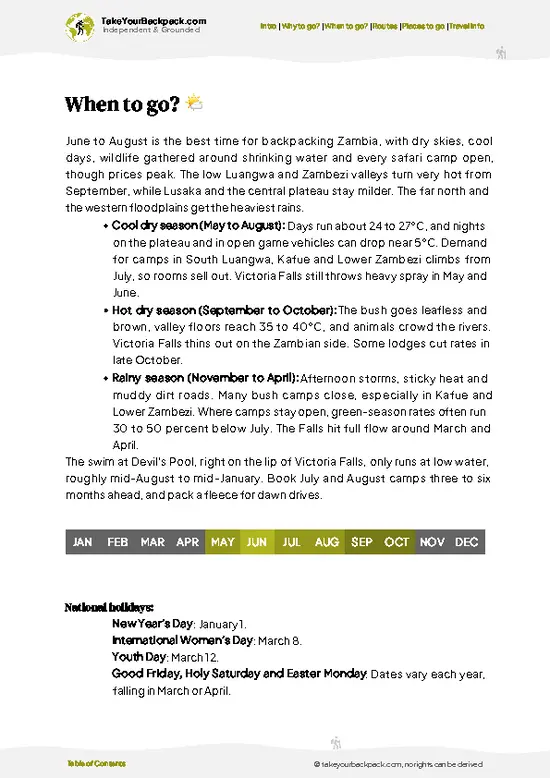
  • Topic: Weather and Temperature: Mansa’s dry season, from May to October, offers crisp mornings around 15°C (59°F) and daytime highs near 28°C (82°F). The air feels clean and light, perfect for trekking without the sticky humidity of the rainy months.

  • Topic: Daylight Hours: During the dry season, you get roughly 11 to 12 hours of daylight. The sun rises around 6:30 AM and sets close to 6:30 PM, giving you ample time to explore without rushing or relying on artificial light.

  • Topic: Crowds: Mansa isn’t a tourist hotspot, but the dry season attracts local visitors and regional travelers. You’ll find a quiet buzz rather than silence—enough to feel connected but not overwhelmed.

  • Topic: Seasonal Activities: Wildlife viewing peaks in the dry season as animals gather near water sources. Fishing
read more 👉

  • Topic: Weather and Temperature: Mansa’s dry season, from May to October, offers crisp mornings around 15°C (59°F) and daytime highs near 28°C (82°F). The air feels clean and light, perfect for trekking without the sticky humidity of the rainy months.

  • Topic: Daylight Hours: During the dry season, you get roughly 11 to 12 hours of daylight. The sun rises around 6:30 AM and sets close to 6:30 PM, giving you ample time to explore without rushing or relying on artificial light.

  • Topic: Crowds: Mansa isn’t a tourist hotspot, but the dry season attracts local visitors and regional travelers. You’ll find a quiet buzz rather than silence—enough to feel connected but not overwhelmed.

  • Topic: Seasonal Activities: Wildlife viewing peaks in the dry season as animals gather near water sources. Fishing and boat trips on the Luapula River are also more accessible and enjoyable when the water levels are stable.

  • Topic: Price Fluctuations: Accommodation and transport costs rise slightly in the dry season due to demand. Booking ahead can lock in better rates, especially for lodges near the river.


Pro-tip: Aim for late August to early October—when the air is still dry but the landscape starts to hint at the coming rains, adding a fresh green vibrancy without the mud.


source: climatestotravel.comJANJanuary: fair for travelingFEBFebruary: fair for travelingMARMarch: fair for travelingAPRApril: good for travelingMAYMay: highly recommended for travelingJUNJune: highly recommended for travelingJULJuly: highly recommended for travelingAUGAugust: excellent for travelingSEPSeptember: excellent for travelingOCTOctober: excellent for travelingNOVNovember: good for travelingDECDecember: fair for traveling
when-to-go

✈️ The backpacker research shortcutZambia Travel Guide

An offline-friendly backpacking guide with optimized travel routes, ranked highlights, transport advice, and the best areas to stay.
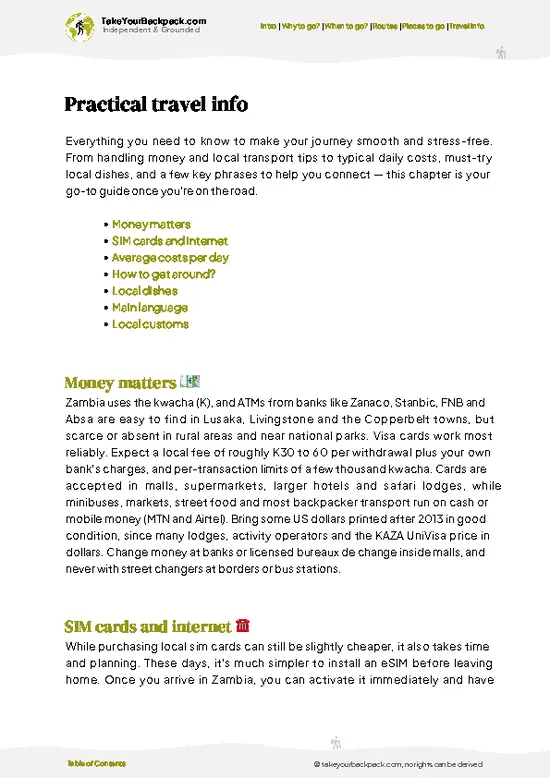
example page 0 from our offline Travel Guide for Zambia
example page 1 from our offline Travel Guide for Zambia
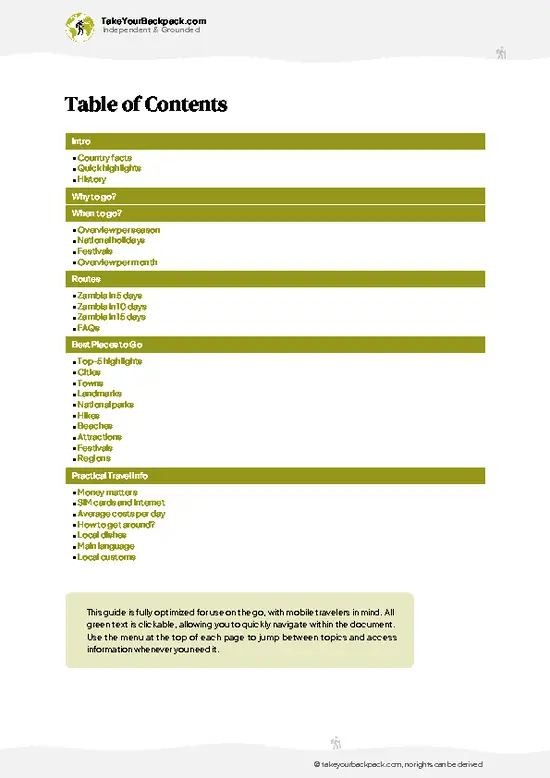
example page 2 from our offline Travel Guide for Zambia
example page 3 from our offline Travel Guide for Zambia
example page 4 from our offline Travel Guide for Zambia
example page 5 from our offline Travel Guide for Zambia
example page 6 from our offline Travel Guide for Zambia
example page 7 from our offline Travel Guide for Zambia
The digital guide (357 pages) contains:
91 highlights, ranked by travel appeal
Optimized 5, 10 & 15-day travel routes
Cities, national parks, landmarks, beaches
How to get around
Offline-friendly for travel without Wi-Fi
👉 Click to see all 30+ guide features

📅 Plan smarter in minutes, not weeks
Month by month travel advice
Festivals & national holidays
Budget expectations

🗺️ Go to the right places, skip the overrated ones
Honest pros & cons of destinations
Top hikes, parks & viewpoints
Lesser-known places most travelers miss
Clear “worth it vs skip it” guidance

🛏️ Travel smoothly without rookie mistakes
Best areas to stay
Transport systems explained simply
Common scams & safety advice
SIM cards, money & practical tips

🌍 Understand the country, not just visit it
Culture & traditions
52 Essential phrases & customs
Festivals worth planning around
Traveler-friendly historical context
Insights that make places more meaningful

📱 Built for real travel conditions
Fully downloadable PDF
Works completely offline
Optimized for phone use
Useful in remote areas & buses
Everything in one place
Save weeks of stressful planning
Get instant access to your full guide. 30‑day money-back guarantee.
+ Add another guide for just US$7.80

By proceeding you agree to our terms.
Sent to your inbox immediately after payment • 100% Secure Checkout
Best Backpacking Travel Advisor 2025 tourism awardBest Backpacking
Travel Advisor
2025
What others say about Take Your Backpack Guides:
⭐⭐⭐⭐⭐
Fantastic, amazing amount of information!
⭐⭐⭐⭐⭐
My goodness this is amazing, it's what I've been looking for hats off too you!
⭐⭐⭐⭐⭐
I think this is absolutely BRILLIANT
⭐⭐⭐⭐
Very complete and informative. It's still missing places, but I gotta to commend you
⭐⭐⭐⭐⭐
This is truly amazing, thank you, can't wait to explore it with my kids!
⭐⭐⭐⭐⭐
Awesome resource, thank you!
⭐⭐⭐⭐⭐
This is amazing! Can't wait to explore the ones I haven't seen
⭐⭐⭐⭐
I love this! Well done, great idea.
⭐⭐⭐⭐⭐
Thanks for taking the time to make this gem!
⭐⭐⭐⭐⭐
This might be the best website I've ever seen.
⭐⭐⭐⭐⭐
Congratulations, and thank you so much for your work; it's incredibly valuable.
⭐⭐⭐⭐
In all seriousness I think you did a great job pointing out the important spots
⭐⭐⭐⭐⭐
10/10 very good
⭐⭐⭐⭐⭐
As someone who's only just starting to visit regularly this is awesome, thank you.
⭐⭐⭐⭐
Thank you very much! I'm going to visit my dad, it's going to be very useful!
⭐⭐⭐⭐⭐
This is really cool! We'll be travelling for the first time and this definitely come in handy.
⭐⭐⭐⭐⭐
You are now our minister of culture, congratulations 👨‍💼
⭐⭐⭐⭐⭐
Just wanted to tell you that this is a pearl! Going to follow your recommendations.
⭐⭐⭐⭐⭐
This is so cool. I'll definitely be using the resource for my travels soon.
⭐⭐⭐⭐⭐
This is very impressive! Good work.
⭐⭐⭐⭐⭐
This is an amazing and informative site. Very well done!

🛏️ Where to stay?How to pick the right area

In Mansa, the best spot for backpackers is the area around the town center, especially near the main market and along the road leading to the bus station. This neighborhood hums with local life from dawn—vendors setting up stalls, the scent of fresh maize roasting, and the chatter of traders bartering. It’s where you’ll find the most budget-friendly guesthouses and a handful of hostels that cater to solo travelers and small groups. The vibe here is practical but welcoming, with a steady flow of fellow backpackers swapping tips over a cold drink or a simple meal.

Why this area? It’s safe enough … read more 👉
In Mansa, the best spot for backpackers is the area around the town center, especially near the main market and along the road leading to the bus station. This neighborhood hums with local life from dawn—vendors setting up stalls, the scent of fresh maize roasting, and the chatter of traders bartering. It’s where you’ll find the most budget-friendly guesthouses and a handful of hostels that cater to solo travelers and small groups. The vibe here is practical but welcoming, with a steady flow of fellow backpackers swapping tips over a cold drink or a simple meal.

Why this area? It’s safe enough by local standards, with a visible police presence and a community that’s used to visitors. Staying here means you’re never far from transport options, making day trips to nearby natural attractions easier to arrange without expensive tours. Plus, the social pulse is stronger here than in quieter residential zones, where guesthouses are sparse and the streets empty by nightfall.

Avoid the outskirts or newer suburbs—they’re quieter but isolated, forcing you to rely on costly taxis or complicated bus routes. In the center, you get the rhythm of Mansa, the chance to connect with locals and travelers alike, and the practical ease that keeps your energy for exploring rather than logistics.

🚌 Getting aroundGetting around like a local

Mansa moves at a pace that feels like a slow exhale under a wide, open sky. The sun casts long shadows on dusty roads, and the air carries the faint scent of earth and charcoal fires. Here, schedules are more of a suggestion than a rule—people rely on a mix of routine and gut feeling. The town’s rhythm is less about strict timetables and more about catching the right moment, whether it’s a shared taxi pulling away or a bus filling up before it leaves. This isn’t a place for rigid plans; it’s a place where patience and a keen eye for opportunity pay off, turning what might seem like chaos into a smooth, lived-in flow.


  • Walking: The heart of Mansa is compact enough to explore on foot, especially around the central market and main streets. Walking costs nothing and lets you soak in the smells
read more 👉
Mansa moves at a pace that feels like a slow exhale under a wide, open sky. The sun casts long shadows on dusty roads, and the air carries the faint scent of earth and charcoal fires. Here, schedules are more of a suggestion than a rule—people rely on a mix of routine and gut feeling. The town’s rhythm is less about strict timetables and more about catching the right moment, whether it’s a shared taxi pulling away or a bus filling up before it leaves. This isn’t a place for rigid plans; it’s a place where patience and a keen eye for opportunity pay off, turning what might seem like chaos into a smooth, lived-in flow.


  • Walking: The heart of Mansa is compact enough to explore on foot, especially around the central market and main streets. Walking costs nothing and lets you soak in the smells of fresh produce, hear the chatter of vendors, and spot local life unfolding in real time. It’s the best way to get a feel for the town’s pulse without missing a beat.


  • Shared Minibuses (Local Kombis): These are the backbone of local transit, running from early morning around 6:30 AM until dusk at about 6 PM. Fares hover around a few kwacha, making them the cheapest option for longer distances within and just outside town. They’re cramped and noisy but fast enough to cover ground quickly if you hop on before they fill up.


  • Shared Taxis: More flexible than minibuses, shared taxis don’t run on strict schedules but leave once full, which can mean waiting or a quick departure. Expect to pay a bit more than minibuses, but the ride is smoother and often quicker, especially for routes heading toward the busier outskirts or neighboring villages.


  • Motorcycle Taxis (Zambia’s “Boda Bodas”): For short hops or when time is tight, motorcycle taxis dart through traffic and dirt roads alike. They’re available from dawn until late evening, with fares negotiable but generally affordable. The wind on your face and the quick bursts of speed make this an exhilarating way to navigate Mansa’s less accessible corners.


  • Intercity Buses: If you’re heading out of Mansa, the main bus station offers scheduled departures to Lusaka and other major hubs, usually early morning and late afternoon. Tickets cost more than local options but provide a reliable, air-conditioned ride for longer distances. Booking ahead isn’t always necessary, but arriving early is smart to secure a seat.

👛 Costs (as of 3 September 2026)How expensive it really is

Backpacking in Mansa, Zambia, offers a straightforward, no-frills experience where your money goes far if you know where to look. The town is small, the pace slow, and the costs reflect a place still largely off the beaten path.
  • Dorm Accommodation: Expect to pay around $5 to $10 per night for a bed in a basic guesthouse dorm. Options are limited and often simple—think mosquito nets, shared bathrooms, and a fan rather than air conditioning. This is the kind of place where you’ll hear the town’s night sounds through thin walls.
  • Meals: Local eateries serve up hearty, filling meals for $2 to $5. Staples include nshima (a maize-based dish), grilled fish, and vegetables. Western-style meals or imported goods in small shops will push your costs higher, closer to $7 or $8. Street food is cheap and
read more 👉
Backpacking in Mansa, Zambia, offers a straightforward, no-frills experience where your money goes far if you know where to look. The town is small, the pace slow, and the costs reflect a place still largely off the beaten path.
  • Dorm Accommodation: Expect to pay around $5 to $10 per night for a bed in a basic guesthouse dorm. Options are limited and often simple—think mosquito nets, shared bathrooms, and a fan rather than air conditioning. This is the kind of place where you’ll hear the town’s night sounds through thin walls.
  • Meals: Local eateries serve up hearty, filling meals for $2 to $5. Staples include nshima (a maize-based dish), grilled fish, and vegetables. Western-style meals or imported goods in small shops will push your costs higher, closer to $7 or $8. Street food is cheap and flavorful but stick to freshly cooked items to avoid stomach trouble.
  • Local Transport: Mansa is compact, so walking covers most ground. For longer trips, minibuses or shared taxis run around $0.50 to $1 per ride. Hiring a private taxi for a half-day might cost $10 to $15, but negotiating is key. The roads are dusty, and the sun is relentless, so plan transport around cooler parts of the day.
  • Basic Activities/Entry Fees: Mansa’s attractions are mostly natural and low-cost. Entry to local markets or cultural sites is often free or under $2. Visiting nearby natural spots like waterfalls or wildlife areas might cost $5 to $10, sometimes more if a guide is required. The experience is raw and uncommercialized, so expect minimal infrastructure.
  • Miscellaneous Expenses: Budget $1 to $3 for essentials like bottled water, snacks, or phone credit. Internet access is spotty and often requires buying data bundles. Souvenirs are rare and usually handmade, so prices vary widely but generally stay low.

All told, a realistic daily budget for backpacking in Mansa falls between $10 and $25. This range covers the basics without luxury, letting you soak in the town’s quiet rhythms without breaking the bank. The modest costs reflect the simplicity of life here—no frills, just the essentials, and a chance to experience Zambia’s less-trodden side.


source: zambiatourism.com
⚠️ Prices can change and everyone travels differently, so take this as a rough guide. Hope it helps you plan your adventure!

🚌 Day tripsShort trips worth adding

Mansa, Zambia, is a backpacker’s dream base, offering easy access to stunning landscapes and rich culture. Here are some day trips that will elevate your experience.

Lake Bangweulu
Just a short drive from Mansa, Lake Bangweulu is a paradise for birdwatchers and nature lovers. The lake is famous for its vast wetlands and the unique shoebill stork. The journey takes about an hour, and you can expect to spend around $10 on transport. Bring your binoculars and a packed lunch to enjoy by the water. The best time to visit is during the dry season, from May to October, when the wildlife is most active. A common mistake? Many first-timers rush through without taking time to explore the surrounding villages, where you can connect with locals and learn about their way of life.


Kasanka National read more 👉
Mansa, Zambia, is a backpacker’s dream base, offering easy access to stunning landscapes and rich culture. Here are some day trips that will elevate your experience.

Lake Bangweulu
Just a short drive from Mansa, Lake Bangweulu is a paradise for birdwatchers and nature lovers. The lake is famous for its vast wetlands and the unique shoebill stork. The journey takes about an hour, and you can expect to spend around $10 on transport. Bring your binoculars and a packed lunch to enjoy by the water. The best time to visit is during the dry season, from May to October, when the wildlife is most active. A common mistake? Many first-timers rush through without taking time to explore the surrounding villages, where you can connect with locals and learn about their way of life.


Kasanka National Park
A bit further afield, Kasanka National Park is about a two-hour drive from Mansa. Known for its incredible bat migration, the park offers a unique spectacle from late October to December. Expect to pay around $15 for entry and transport. The park is also home to diverse wildlife, including sitatunga and various antelope. The lush scenery and the sound of rustling leaves create an immersive experience. Many backpackers overlook the early morning hours, which are prime for spotting wildlife.
👉 Explore Kasanka National Park

Chishinga Falls
Chishinga Falls is a hidden treasure just 30 minutes from Mansa. The falls are not only beautiful but also a great spot for a refreshing swim. The trip costs about $5 for transport, making it an easy and affordable escape. The best time to visit is during the rainy season when the falls are at their most powerful. Don’t forget your camera, but also be mindful of slippery rocks—many first-timers forget to wear sturdy shoes and miss out on the best views.


Luapula River
The Luapula River is a stunning backdrop for a day of fishing or canoeing. It’s about a 45-minute drive from Mansa, and you can rent a canoe for around $10. The river is teeming with life, and the sunsets here are breathtaking. The dry season, from May to October, is ideal for water activities. A common misstep is underestimating the river’s current; always check conditions before heading out.
Want to know what more Zambia offers?
The Zambia Travel Guide describes 91 highlights, from cities to national parks, from beaches to hikes

Get the Travel Guide -

🍲 FoodEating & Drinking in Mansa

In Mansa, food is a straightforward celebration of local staples that fuel both body and spirit. The must-try dish is ifinkubala, a thick, hearty relish made from pumpkin leaves, often paired with nshima—the dense, cornmeal porridge that’s the backbone of every meal here. It’s simple, filling, and deeply satisfying after a day on the trail or exploring the town’s rhythms.

Backpackers will find themselves drawn to the bustling markets and street stalls where the air is thick with the scent of grilled fish and roasted maize. These spots are where you get the real deal—no frills, just honest-to-goodness Zambian flavors served with a side of lively chatter. Casual eateries nearby offer a chance to sit down and watch the world go by, but the real pulse is in grabbing a plate and joining the communal … read more 👉
In Mansa, food is a straightforward celebration of local staples that fuel both body and spirit. The must-try dish is ifinkubala, a thick, hearty relish made from pumpkin leaves, often paired with nshima—the dense, cornmeal porridge that’s the backbone of every meal here. It’s simple, filling, and deeply satisfying after a day on the trail or exploring the town’s rhythms.

Backpackers will find themselves drawn to the bustling markets and street stalls where the air is thick with the scent of grilled fish and roasted maize. These spots are where you get the real deal—no frills, just honest-to-goodness Zambian flavors served with a side of lively chatter. Casual eateries nearby offer a chance to sit down and watch the world go by, but the real pulse is in grabbing a plate and joining the communal vibe.

Drinks lean local and refreshing. Chibuku, a traditional sorghum beer, is the go-to for those wanting to sip like a local. It’s earthy, slightly sour, and served in plastic cups or calabashes, often shared among friends in a relaxed, social setting. Remember, eating here is about community—don’t rush. Sharing food and stories is part of the unwritten etiquette, making every meal a chance to connect beyond the plate.

🛡️ SafetyStaying Safe: What Travelers Should Know

Mansa, Zambia, is generally safe, but like any place, it has its quirks. The town has a relaxed vibe, but keep your wits about you, especially in crowded markets. Vendors can be persistent, and while haggling is part of the experience, don’t get drawn into a back-and-forth that feels uncomfortable.

If you’re solo, stick to well-lit areas after dark. The streets can be quiet, and it’s easy to lose your bearings. Trust your instincts; if a situation feels off, it probably is.

Scams are rare, but be cautious with offers that seem too good to be true, especially from strangers. Always use reputable transport options; local taxis are fine, but agree on a fare beforehand.

Overall, embrace the local culture, engage with the friendly people, and keep your belongings secure. With a bit of awareness, you’ll navigate Mansa like a pro.

FAQFrequently asked questions about Mansa

2 to 3 days is sufficient to explore Mansa. This allows time to visit key sites like the Mumbuluma Falls and local markets. Additional days can be spent exploring nearby natural reserves.
Yes, Mansa is generally safe for solo backpackers if standard precautions are taken. Avoid walking alone at night and keep valuables secure. Local advice suggests staying in well-known guesthouses or lodges.
Mansa is known for its proximity to the Mumbuluma Falls, a popular natural attraction with two sets of waterfalls. It is also recognized as the administrative center of Luapula Province and a hub for local trade and culture.
⚠️ Things can change over time, so always validate details locally before you go.

Other Zambian cities near Mansa

Explore more nearby:

  • Samfya—white sand beaches, Lake Bangweulu, fishing villages| 75 km away
  • Chililabombwe—Border proximity, copper mining, compact urban core| 174 km away
  • Chingola—Nchanga mines, golf course, leafy residential areas| 188 km away

💡 Not sure where to go next?
Create a personalized itinerary for Zambia including Mansa and the places that fit your trip.

Generate my itinerary

👉 Discover all cities

Or checkout all Zambia has to offer (think cities, towns, villages, national parks, hikes, beaches, festivals)
Country photo of Zambia

We 💚 feedbackSumming up the experience

Mansa has a raw, unfiltered vibe that feels like stepping into a living postcard. The best surprise? The local markets bursting with the scent of grilled fish and the sound of laughter—it’s a feast for the senses. But don’t underestimate the heat; hydration is key. Embrace the slower pace; it’s part of the charm. You’ll find warmth in the people and stories that linger long after you leave. Just remember, this isn’t a polished tourist stop; it’s the real deal.

✍️ Help improve this page!
The information on this page is based on in-depth research, insights shared by experienced travelers, and feedback from the local travel community in Zambia. While every effort is made to keep the information accurate and current, conditions can change — so if you spot anything incorrect or outdated, please get in touch.


🙋‍♂️ Give feedback

👋 Meet the founderWho’s Behind Take Your Backpack?

Johan, backpacker and founder of TakeYourBackpackHi, I’m Johan (Netherlands 🇳🇱), the creator of TakeYourBackpack. Over the past decade, I’ve backpacked through 80+ countries across six continents, gaining extensive experience with independent travel, long-term trips, and overland routes.

This site is built on a combination of firsthand travel experience and carefully curated insights from other backpackers. Many guides are based on places I’ve personally visited, while others bring together tips, observations, and practical advice shared by trusted travelers I’ve met along the way.

The goal is to provide realistic, experience-driven guidance — not generic itineraries — so you can explore destinations with better context, clearer expectations, and more confidence.

Get full Zambia guide •
Instant download • 91 highlights • Full Offline guide