×

Zimbabwe🇿🇼 | festivalsHIFAinternational acts, multidisciplinary shows, Harare venues | things to do and best time to go

Explore Chimanimani Arts FestivalExplore Harare International Carnival

Backpacking in HIFA
🏆 Top pickfestival ranked #2
By Johan Kruseman 🇳🇱 | Updated June 15, 2026

You’re shoulder-to-shoulder in a jostling crowd, the air thick with the scent of grilled maize and sweat, bass thumping through the soles of your boots. A trumpet blares, laughter ricochets off canvas tents, and someone hands you a plastic cup of something cold and sweet. This is HIFA—Harare International Festival of the Arts—smack in the heart of Zimbabwe’s capital, where the city’s pulse is loudest in late April.

HIFA isn’t just a music festival; it’s a week-long collision of theater, dance, poetry, and every genre from Afro-jazz to experimental electronica. The crowd is a wild mix: local students, expats, artists, and the occasional backpacker who heard about it from someone in a hostel dorm. The vibe? Electric, unpredictable, sometimes chaotic—think creative energy with a dash of logistical mayhem. It’s not cheap, but it’s a rare chance to see Zimbabwe’s creative scene unleashed. If you thrive on sensory overload and don’t mind the odd power cut or queue, HIFA rewards you with raw, unfiltered culture.

Discover everything you want to know in the 📖 Zimbabwe Travel Guide.


Get your Zimbabwe guide
90 ranked highlights, routes & tips, works offline (356 pages)
Loading the map 🌍
CLICK TO FILTER
cities
towns
landmarks
national parks
hikes
beaches
attractions
festivals
regions
SHOW COUNTRY’S BESTSHOW ALL

✨ Why go?
Ranked #2 festival in Zimbabwe
The unique appeal for travelers

Backpackers flock to HIFA in Zimbabwe for a reason. This festival isn’t just an event; it’s a social energy powerhouse. Picture this: artists, musicians, and performers converging in a vibrant celebration of culture. You’re not just a spectator; you’re part of a temporary community that pulses with creativity and connection.

Planning your route around HIFA means diving headfirst into cultural immersion. You’ll experience local art, music, and cuisine that you won’t find in guidebooks. It’s a chance to engage with Zimbabweans, share stories, and maybe even dance a little.

Affordability is another draw. Compared to similar festivals worldwide, HIFA offers a rich experience without breaking the bank. You can enjoy world-class performances while keeping your budget intact for other adventures. … read more 👉
Backpackers flock to HIFA in Zimbabwe for a reason. This festival isn’t just an event; it’s a social energy powerhouse. Picture this: artists, musicians, and performers converging in a vibrant celebration of culture. You’re not just a spectator; you’re part of a temporary community that pulses with creativity and connection.

Planning your route around HIFA means diving headfirst into cultural immersion. You’ll experience local art, music, and cuisine that you won’t find in guidebooks. It’s a chance to engage with Zimbabweans, share stories, and maybe even dance a little.

Affordability is another draw. Compared to similar festivals worldwide, HIFA offers a rich experience without breaking the bank. You can enjoy world-class performances while keeping your budget intact for other adventures.

Integrating HIFA into your travel plans is a smart move. It serves as a catalyst for exploring Zimbabwe’s stunning landscapes and vibrant cities. You’ll leave with memories that resonate far beyond the festival grounds. So, lace up those boots and get ready to embrace the rhythm of HIFA—it’s an experience that fuels both your spirit and your journey.
Want to include HIFA in your Zimbabwe route?
Create a personalized Zimbabwe itinerary that includes HIFA and the places that fit your trip — based on your travel style, budget, and available time. Get your route in seconds.

Generate my trip

💡 HighlightsWhat this place is best known for

  1. Eclectic live music programme — HIFA’s heartbeat. You’ll hear everything from traditional mbira and chimurenga to stripped-back acoustic sets, jazz and unexpected cross-cultural collaborations on intimate stages and open-air tents. It’s the place to catch raw, unrepeatable jams and late-night sets where local and visiting musicians swap ideas on the fly. (Personal favorite)
  2. Theatre and contemporary dance — bold storytelling and physical theatre share the bill with rooted, traditional movement. Small black-box shows sit alongside bigger productions, so you get both experimental pieces that push boundaries and performances steeped in local cultural narratives.
  3. Street performances and pop-up happenings — part planned, part serendipity. Performers take over plazas, corners and sidewalks: buskers,
read more 👉
  1. Eclectic live music programme — HIFA’s heartbeat. You’ll hear everything from traditional mbira and chimurenga to stripped-back acoustic sets, jazz and unexpected cross-cultural collaborations on intimate stages and open-air tents. It’s the place to catch raw, unrepeatable jams and late-night sets where local and visiting musicians swap ideas on the fly. (Personal favorite)
  2. Theatre and contemporary dance — bold storytelling and physical theatre share the bill with rooted, traditional movement. Small black-box shows sit alongside bigger productions, so you get both experimental pieces that push boundaries and performances steeped in local cultural narratives.
  3. Street performances and pop-up happenings — part planned, part serendipity. Performers take over plazas, corners and sidewalks: buskers, clowning, site-specific theatre and surprise ensembles that make wandering Harare during the festival feel alive and a little magical. Great for stumbling into something you didn’t know you needed.
  4. Visual arts, galleries and artisan markets — exhibitions, pop-up galleries and stalls selling textiles, beadwork, paintings and sculpture. You can watch artists at work, find one-of-a-kind souvenirs, and see contemporary Zimbabwean visual art conversations that don’t always make it into tourist brochures.
  5. Workshops, talks and artist interactions — hands-on sessions, panel discussions and masterclasses run throughout the festival. They’re where you move beyond spectator mode: learn a rhythm, pick up a local craft technique, or sit in on a frank conversation with creators about art and community.
Spotted a mistake or missing something? Contact us.
🌤️ When to go?When is the celebration of HIFA?


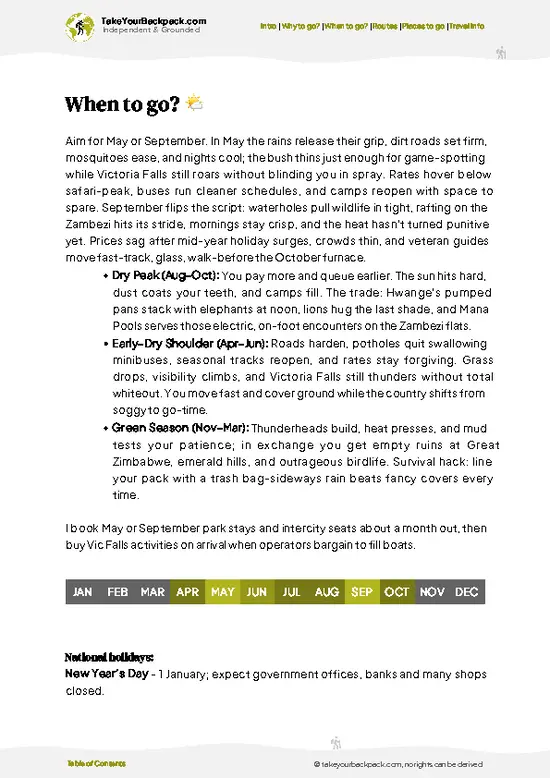
  • Topic: Weather – HIFA runs in late April, right when Zimbabwe’s rainy season is wrapping up. Expect dry, crisp air that keeps the dust down and your gear light. Avoid the heavy rains of summer (Nov-Mar) that can turn roads to mud traps and dampen your vibe.

  • Topic: Temperature – Daytime temps hover around 22-26°C (72-79°F), perfect for long festival days without overheating. Nights dip to 10-14°C (50-57°F), so pack a warm layer to stay comfortable after sunset.

  • Topic: Daylight Hours – With about 11-12 hours of daylight, you get plenty of time to soak in performances and explore Harare’s streets before dark. The sun sets around 6 PM, giving you a natural rhythm to pace your energy.

  • Topic: Crowds – The festival draws a lively but manageable crowd. Arriving early in the week means fewer
read more 👉

  • Topic: Weather – HIFA runs in late April, right when Zimbabwe’s rainy season is wrapping up. Expect dry, crisp air that keeps the dust down and your gear light. Avoid the heavy rains of summer (Nov-Mar) that can turn roads to mud traps and dampen your vibe.

  • Topic: Temperature – Daytime temps hover around 22-26°C (72-79°F), perfect for long festival days without overheating. Nights dip to 10-14°C (50-57°F), so pack a warm layer to stay comfortable after sunset.

  • Topic: Daylight Hours – With about 11-12 hours of daylight, you get plenty of time to soak in performances and explore Harare’s streets before dark. The sun sets around 6 PM, giving you a natural rhythm to pace your energy.

  • Topic: Crowds – The festival draws a lively but manageable crowd. Arriving early in the week means fewer people and better access to shows. Weekends pack the house, so brace for a buzzing, electric atmosphere if you thrive on energy.

  • Topic: Seasonal Activities – April is prime for pairing HIFA with nearby wildlife safaris or cultural tours. The dry season means animals gather around waterholes, upping your chances for epic sightings without the summer heat.

  • Topic: Price Fluctuations – Festival time nudges prices up on accommodation and transport. Booking early locks in better rates. Avoid last-minute splurges by securing your spot months ahead, especially for budget stays.


Pro-tip: Time your arrival a day before HIFA kicks off to settle in, dodge the weekend crush, and catch the festival’s opening energy without burning out.


source: climatestotravel.comJANJanuary: not recommended for travelingFEBFebruary: not recommended for travelingMARMarch: not recommended for travelingAPRApril: excellent for travelingMAYMay: not recommended for travelingJUNJune: not recommended for travelingJULJuly: not recommended for travelingAUGAugust: not recommended for travelingSEPSeptember: not recommended for travelingOCTOctober: not recommended for travelingNOVNovember: not recommended for travelingDECDecember: not recommended for traveling

✈️ The backpacker research shortcutZimbabwe Travel Guide

An offline-friendly backpacking guide with optimized travel routes, ranked highlights, transport advice, and the best areas to stay.
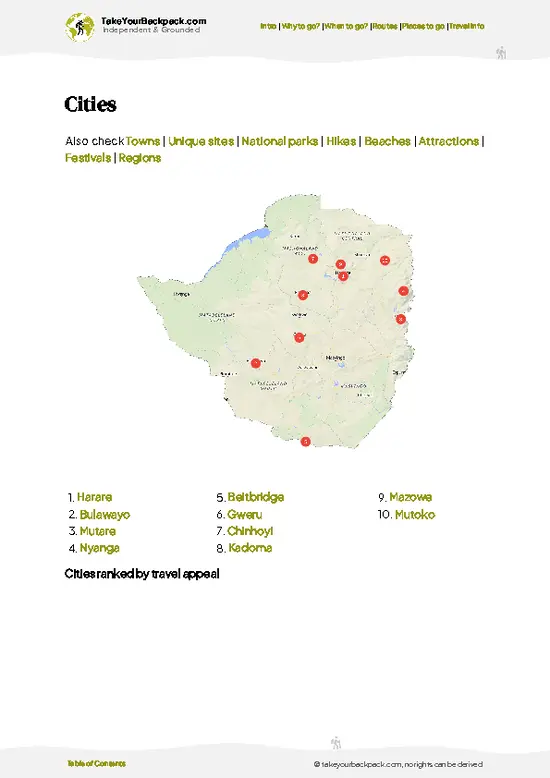
example page 0 from our offline Travel Guide for Zimbabwe
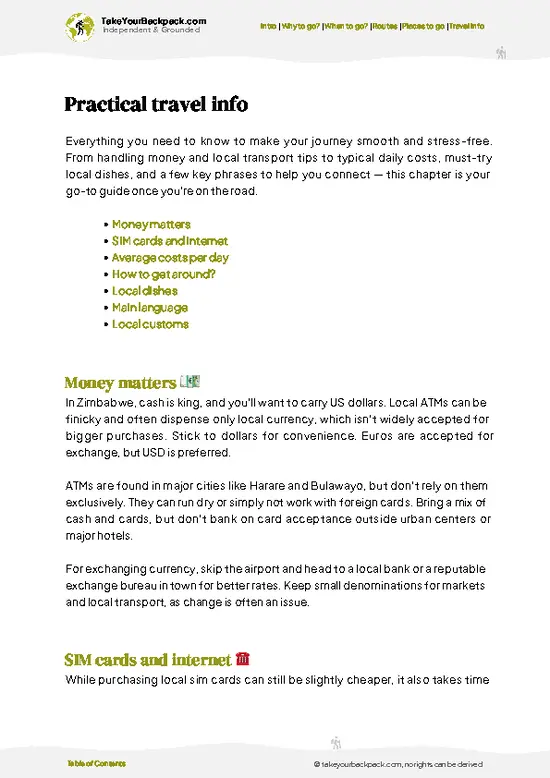
example page 1 from our offline Travel Guide for Zimbabwe
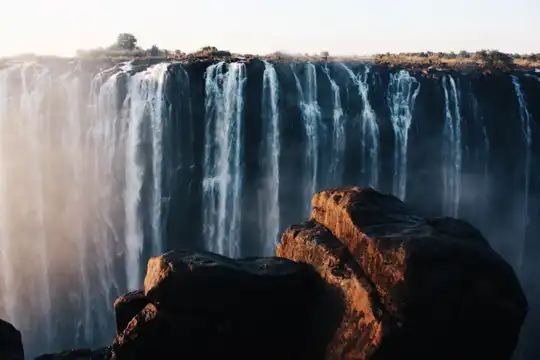
example page 2 from our offline Travel Guide for Zimbabwe
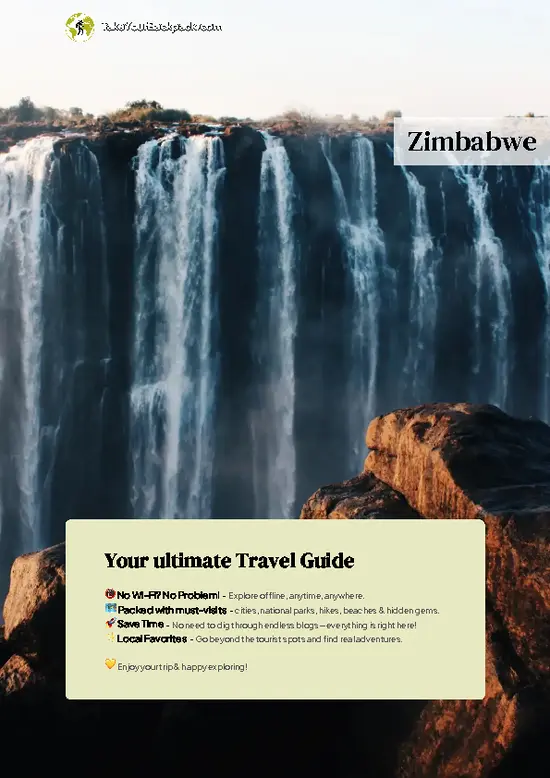
example page 3 from our offline Travel Guide for Zimbabwe
example page 4 from our offline Travel Guide for Zimbabwe
example page 5 from our offline Travel Guide for Zimbabwe
example page 6 from our offline Travel Guide for Zimbabwe
example page 7 from our offline Travel Guide for Zimbabwe
The digital guide (356 pages) contains:
90 highlights, ranked by travel appeal
Optimized 5, 10 & 15-day travel routes
Cities, national parks, landmarks, beaches
How to get around
Offline-friendly for travel without Wi-Fi
👉 Click to see all 30+ guide features

📅 Plan smarter in minutes, not weeks
Month by month travel advice
Festivals & national holidays
Budget expectations

🗺️ Go to the right places, skip the overrated ones
Honest pros & cons of destinations
Top hikes, parks & viewpoints
Lesser-known places most travelers miss
Clear “worth it vs skip it” guidance

🛏️ Travel smoothly without rookie mistakes
Best areas to stay
Transport systems explained simply
Common scams & safety advice
SIM cards, money & practical tips

🌍 Understand the country, not just visit it
Culture & traditions
52 Essential phrases & customs
Festivals worth planning around
Traveler-friendly historical context
Insights that make places more meaningful

📱 Built for real travel conditions
Fully downloadable PDF
Works completely offline
Optimized for phone use
Useful in remote areas & buses
Everything in one place
Save weeks of stressful planning
Get instant access to your full guide. 30‑day money-back guarantee.


By proceeding you agree to our terms.
Sent to your inbox immediately after payment • 100% Secure Checkout
Best Backpacking Travel Advisor 2025 tourism awardBest Backpacking
Travel Advisor
2025
What others say about Take Your Backpack Guides:
⭐⭐⭐⭐⭐
Fantastic, amazing amount of information!
⭐⭐⭐⭐⭐
My goodness this is amazing, it's what I've been looking for hats off too you!
⭐⭐⭐⭐⭐
I think this is absolutely BRILLIANT
⭐⭐⭐⭐
Very complete and informative. It's still missing places, but I gotta to commend you
⭐⭐⭐⭐⭐
This is truly amazing, thank you, can't wait to explore it with my kids!
⭐⭐⭐⭐⭐
Awesome resource, thank you!
⭐⭐⭐⭐⭐
This is amazing! Can't wait to explore the ones I haven't seen
⭐⭐⭐⭐
I love this! Well done, great idea.
⭐⭐⭐⭐⭐
Thanks for taking the time to make this gem!
⭐⭐⭐⭐⭐
This might be the best website I've ever seen.
⭐⭐⭐⭐⭐
Congratulations, and thank you so much for your work; it's incredibly valuable.
⭐⭐⭐⭐
In all seriousness I think you did a great job pointing out the important spots
⭐⭐⭐⭐⭐
10/10 very good
⭐⭐⭐⭐⭐
As someone who's only just starting to visit regularly this is awesome, thank you.
⭐⭐⭐⭐
Thank you very much! I'm going to visit my dad, it's going to be very useful!
⭐⭐⭐⭐⭐
This is really cool! We'll be travelling for the first time and this definitely come in handy.
⭐⭐⭐⭐⭐
You are now our minister of culture, congratulations 👨‍💼
⭐⭐⭐⭐⭐
Just wanted to tell you that this is a pearl! Going to follow your recommendations.
⭐⭐⭐⭐⭐
This is so cool. I'll definitely be using the resource for my travels soon.
⭐⭐⭐⭐⭐
This is very impressive! Good work.
⭐⭐⭐⭐⭐
This is an amazing and informative site. Very well done!

🛏️ Where to stay?Choosing the right base

When you’re gearing up for the Harare International Festival of the Arts (HIFA), the right base can make all the difference. Head to the vibrant neighborhoods of Avondale and Borrowdale. These areas buzz with energy and creativity, perfect for soaking up the festival vibe.

Avondale is a hotspot for backpackers. You’ll find a mix of local eateries and lively bars, where you can swap stories with fellow travelers. The streets are safe, and the community is welcoming. Plus, you’re just a short ride away from the festival grounds.

Borrowdale, on the other hand, offers a slightly more upscale feel … read more 👉
When you’re gearing up for the Harare International Festival of the Arts (HIFA), the right base can make all the difference. Head to the vibrant neighborhoods of Avondale and Borrowdale. These areas buzz with energy and creativity, perfect for soaking up the festival vibe.

Avondale is a hotspot for backpackers. You’ll find a mix of local eateries and lively bars, where you can swap stories with fellow travelers. The streets are safe, and the community is welcoming. Plus, you’re just a short ride away from the festival grounds.

Borrowdale, on the other hand, offers a slightly more upscale feel without breaking the bank. It’s quieter but still social, with plenty of cafes and markets to explore. You can mingle with locals and other backpackers, all while enjoying a bit of greenery.

Both neighborhoods are well-connected by public transport, so you won’t waste time or energy getting to the festival. Just keep an eye out for hidden costs—some places might charge extra for amenities that should be included.

By choosing these areas, you’ll preserve your budget and energy for the real adventure: diving into the art, music, and culture of HIFA.

👛 Costs (as of 6 July 2025)Travel costs and budget guide for HIFA

The Harare International Festival of the Arts (HIFA) is a vibrant celebration that can be a blast, but you need to navigate the costs smartly to keep your energy and budget intact.
  • Festival Tickets: Expect to pay between $10 to $50 for a day pass, depending on the lineup and events. Multi-day passes can range from $100 to $200. Buy early to snag the best deals and avoid last-minute price hikes.
  • Accommodation: Options vary widely. Budget hostels start around $15 per night, while mid-range hotels can run from $50 to $100. If you want a touch of luxury, expect to pay $150 and up. Book in advance to secure your spot and avoid inflated festival rates.
  • Local Transport: Public transport is affordable. Minibus fares typically cost $1 to $3 for short trips. If you prefer taxis, budget around $5 to $15
read more 👉
The Harare International Festival of the Arts (HIFA) is a vibrant celebration that can be a blast, but you need to navigate the costs smartly to keep your energy and budget intact.
  • Festival Tickets: Expect to pay between $10 to $50 for a day pass, depending on the lineup and events. Multi-day passes can range from $100 to $200. Buy early to snag the best deals and avoid last-minute price hikes.
  • Accommodation: Options vary widely. Budget hostels start around $15 per night, while mid-range hotels can run from $50 to $100. If you want a touch of luxury, expect to pay $150 and up. Book in advance to secure your spot and avoid inflated festival rates.
  • Local Transport: Public transport is affordable. Minibus fares typically cost $1 to $3 for short trips. If you prefer taxis, budget around $5 to $15 for rides within the city. Consider walking when possible; it’s a great way to soak in the local vibe.
  • Food & Drinks: Street food is your friend here. Meals can cost as little as $2 to $5. If you opt for sit-down restaurants, expect to pay $10 to $20 per meal. Drinks vary; local beers are about $2, while imported ones can hit $5 or more.
  • Miscellaneous Expenses: Set aside $50 to $100 for souvenirs, tips, and unexpected costs. This cushion helps you enjoy spontaneous experiences without stress.

Keep these figures in mind as you plan. They’ll help you focus on the festival’s energy rather than financial surprises.


source: zimbabwetourism.net
⚠️ Prices can change and everyone travels differently, so take this as a rough guide. Hope it helps you plan your adventure!

🍲 FoodWhat to Eat & Drink

At the HIFA festival in Zimbabwe, food and drinks are a vibrant part of the experience, bursting with local flavor. You’ll find stalls offering sadza, a staple maize dish, often served with rich, savory stews. Don’t miss the nyama choma—grilled meat that’s smoky and tender, perfect for sharing with new friends.

For a refreshing drink, grab a Zambezi lager or try maheu, a traditional fermented drink that’s both sweet and tangy. The festival atmosphere is electric, and the food reflects that energy.

When you dive into the culinary scene, be ready for some quirks. Lines can get long, especially for the most popular stalls, so patience is key. Cash is king here; many vendors may not accept cards, so stock up on local currency. Serving sizes can vary, so don’t hesitate to ask for recommendations … read more 👉
At the HIFA festival in Zimbabwe, food and drinks are a vibrant part of the experience, bursting with local flavor. You’ll find stalls offering sadza, a staple maize dish, often served with rich, savory stews. Don’t miss the nyama choma—grilled meat that’s smoky and tender, perfect for sharing with new friends.

For a refreshing drink, grab a Zambezi lager or try maheu, a traditional fermented drink that’s both sweet and tangy. The festival atmosphere is electric, and the food reflects that energy.

When you dive into the culinary scene, be ready for some quirks. Lines can get long, especially for the most popular stalls, so patience is key. Cash is king here; many vendors may not accept cards, so stock up on local currency. Serving sizes can vary, so don’t hesitate to ask for recommendations on what to try.

Sharing is part of the culture—don’t be surprised if someone offers you a taste of their dish. It’s all about connection and community. Embrace the chaos, savor the flavors, and let the festival feed your spirit as much as your stomach.

Other Zimbabwean festivals near HIFA

Explore more nearby:


💡 Not sure where to go next?
Create a personalized itinerary for Zimbabwe including HIFA and the places that fit your trip.

Generate my itinerary

👉 Discover all festivals

Or checkout all Zimbabwe has to offer (think cities, towns, villages, national parks, hikes, beaches, festivals)
Country photo of Zimbabwe

We 💚 feedbackSumming up the experience

HIFA in Zimbabwe is a pulse of creativity that’ll ignite your spirit. The performances? Pure magic. You’ll feel the energy of local artists weaving stories that resonate deep within. But here’s the catch: accommodation can get pricey and scarce during the festival. Plan ahead to avoid scrambling last minute. Embrace the vibrant chaos, but keep your budget in check so you can fully dive into the experience without worrying about where you’ll sleep.

✈️ When did I visit Zimbabwe?
I have backpacked Zimbabwe all the way back in 2001.

✍️ Help improve this page!
The information on this page is based on my own backpacking experience in Zimbabwe, supplemented with up-to-date research and feedback from other travelers. Travel details can change, so if you notice anything outdated or incomplete, feel free to let me know.


🙋‍♂️ Give feedback

👋 Meet the founderWho’s Behind Take Your Backpack?

Johan, backpacker and founder of TakeYourBackpackHi, I’m Johan (Netherlands 🇳🇱), the creator of TakeYourBackpack. Over the past decade, I’ve backpacked through 80+ countries across six continents, gaining extensive experience with independent travel, long-term trips, and overland routes.

This site is built on a combination of firsthand travel experience and carefully curated insights from other backpackers. Many guides are based on places I’ve personally visited, while others bring together tips, observations, and practical advice shared by trusted travelers I’ve met along the way.

The goal is to provide realistic, experience-driven guidance — not generic itineraries — so you can explore destinations with better context, clearer expectations, and more confidence.

Get full Zimbabwe guide •
Instant download • 90 highlights • Full Offline guide