×

Zimbabwe🇿🇼 | festivalsJikinya Dance FestivalHide skirts and rattles, school competitions, drumming circles | things to do and best time to go

Explore Victoria Falls CarnivalExplore Shoko Festival

Backpacking in Jikinya Dance
👀 For curious travelersfestival ranked #11
By Johan Kruseman 🇳🇱 | Updated October 22, 2026

Jikinya Dance Festival began as a school and community competition, and it has grown into a national showcase where dancers arrive from across the country. It runs in Bulawayo, in the southwest of Zimbabwe, and fills one long weekend with traditional drumming, mbira, song and dance. Expect families, students, cultural groups and a handful of curious travelers, all shouting for their favorite troupe. The mood is loud, proud and friendly. Go if you want real performance over polished packaging. I took a crowded minibus in, and when it stalled, the driver and passengers pushed it uphill while singing in rhythm. Dancers rehearsed in the dusty yard outside, ankle rattles clacking.

Discover everything you want to know in the 📖 Zimbabwe Travel Guide.


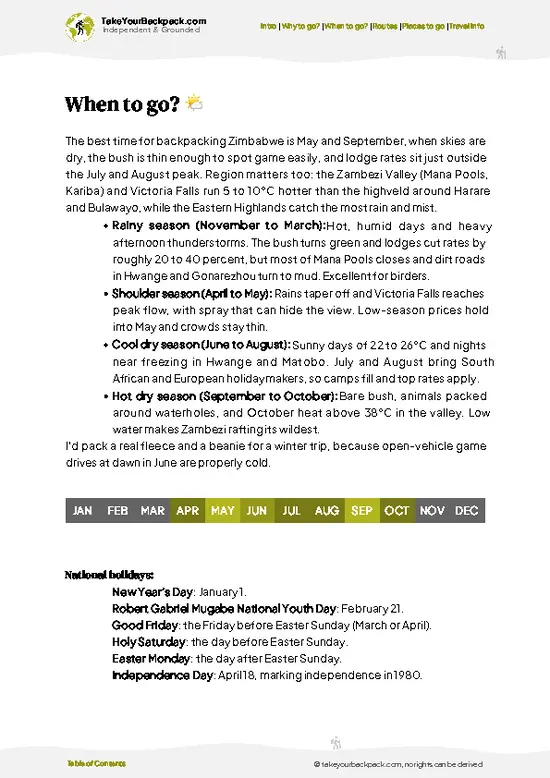
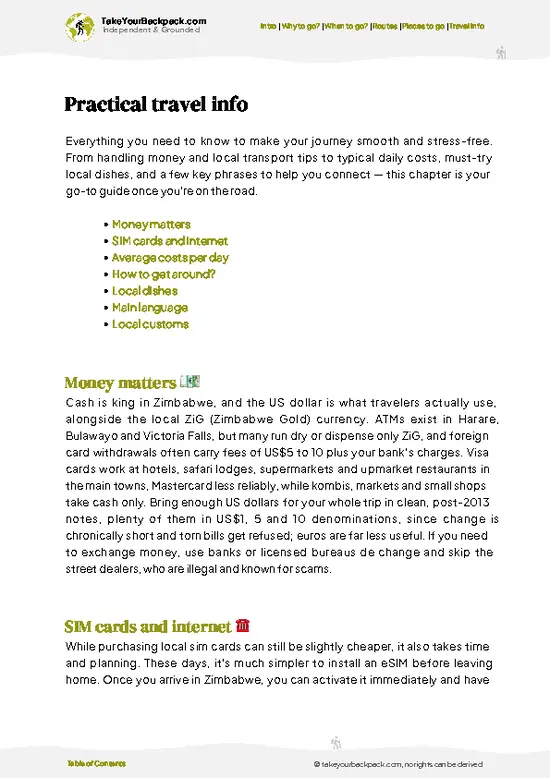
example page 0 from our offline Travel Guide for Zimbabwe
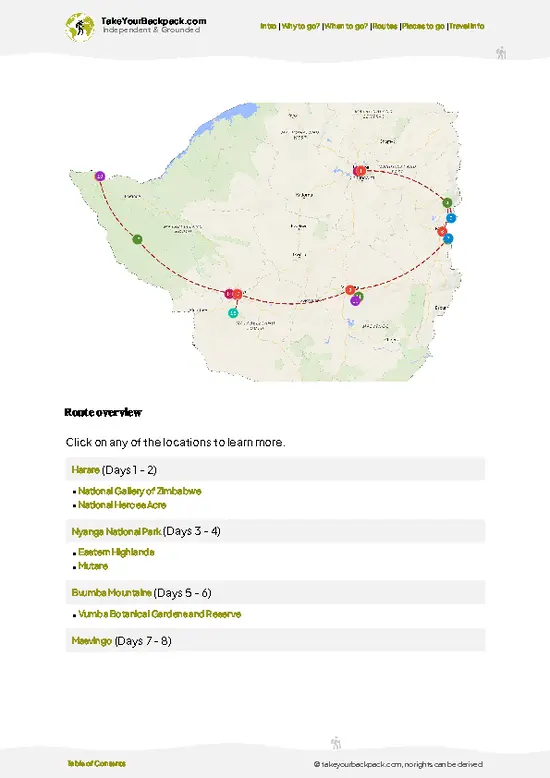
example page 1 from our offline Travel Guide for Zimbabwe
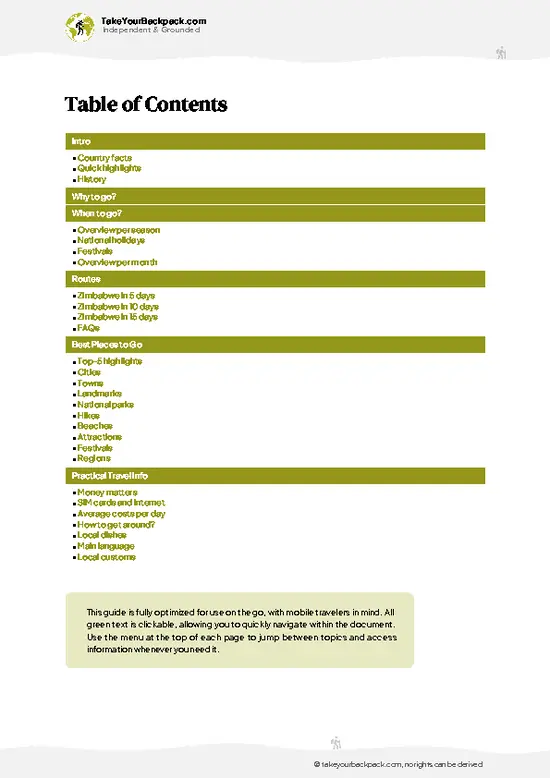
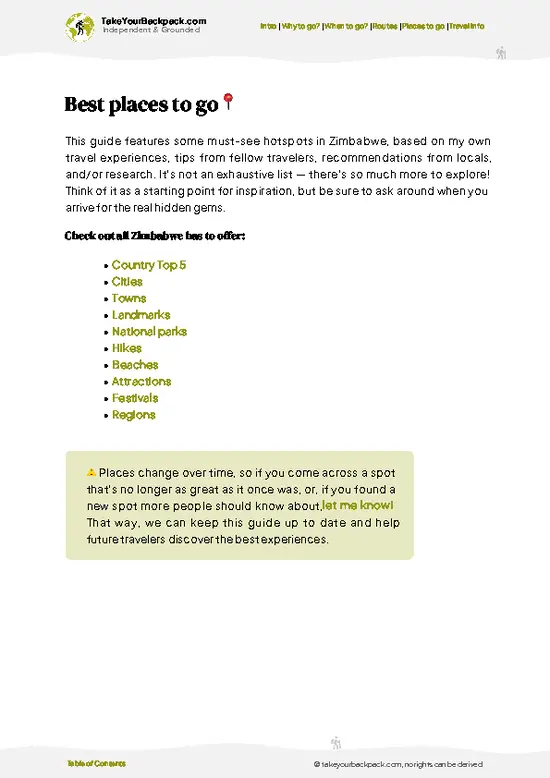
example page 2 from our offline Travel Guide for Zimbabwe
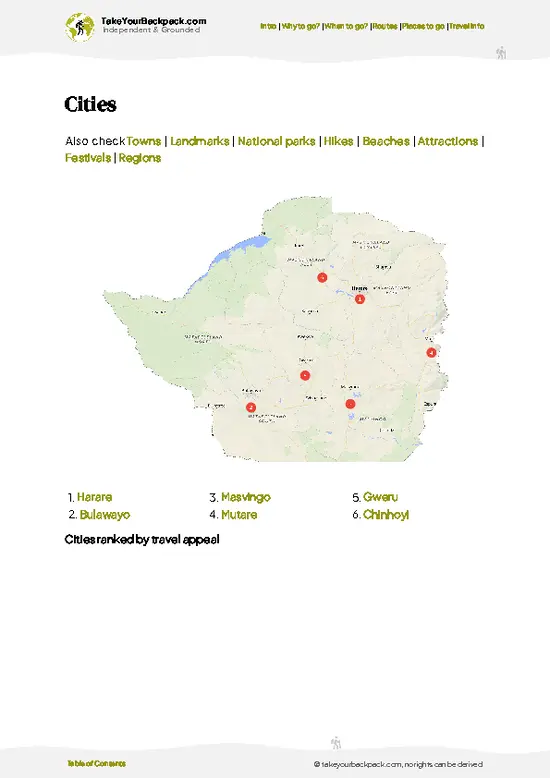
example page 3 from our offline Travel Guide for Zimbabwe
example page 4 from our offline Travel Guide for Zimbabwe
example page 5 from our offline Travel Guide for Zimbabwe
example page 6 from our offline Travel Guide for Zimbabwe
example page 7 from our offline Travel Guide for Zimbabwe
Loading the map 🌍
CLICK TO FILTER
cities
towns
landmarks
national parks
hikes
beaches
attractions
festivals
regions
SHOW COUNTRY’S BESTSHOW ALL

✨ Why go?
Ranked #11 festival in Zimbabwe
Why visitors keep coming back

Jikinya Dance Festival gives backpackers something rare in Zimbabwe: a gathering where the country performs for itself, not for tour groups. You stand a few feet from dancers in full regalia, and nobody hands you a brochure. Conversations start easily. Troupes explain their steps, vendors share food, and by the second evening you recognize faces.

The second reason is cost. Compared with large international music festivals, entry is modest, and you spend your money on local food and craft stalls instead of overpriced drinks.

It also fits longer routes. Pair it with a swing through Matobo Hills or Hwange, and the festival becomes the cultural chapter of a trip otherwise built around landscapes and wildlife.

💡 HighlightsMust-see experiences and standout moments

  1. Jikinya traditional dance showcase: The main draw. Troupes in hide skirts, beads and rattles perform the dance that gives the festival its name, with steady drum rhythm and call-and-response singing.
  2. Mbira performances: Players coax shimmering, looping patterns from the thumb piano. It is the sound most Zimbabweans associate with ceremony, and hearing it live changes how you listen to it.
  3. Drumming circles: Groups of drummers trade rhythms in the open, and spectators often get pulled in. Watch the hands first, then try.
  4. Craft and food stalls: Carved stone, baskets, beadwork and grilled meat sell side by side. Bargain gently, and try sadza with relish for a proper local meal.
  5. Youth and school competitions: Young dancers compete with serious focus. This is where you see traditions being handed on,
… read more 👉
  1. Jikinya traditional dance showcase: The main draw. Troupes in hide skirts, beads and rattles perform the dance that gives the festival its name, with steady drum rhythm and call-and-response singing.
  2. Mbira performances: Players coax shimmering, looping patterns from the thumb piano. It is the sound most Zimbabweans associate with ceremony, and hearing it live changes how you listen to it.
  3. Drumming circles: Groups of drummers trade rhythms in the open, and spectators often get pulled in. Watch the hands first, then try.
  4. Craft and food stalls: Carved stone, baskets, beadwork and grilled meat sell side by side. Bargain gently, and try sadza with relish for a proper local meal.
  5. Youth and school competitions: Young dancers compete with serious focus. This is where you see traditions being handed on, and the crowd noise is spectacular.
The stalls and open drumming circles cost nothing to enjoy, while the main stage requires the gate fee.
Spotted a mistake or missing something? Contact us.

🌤️ When to go?When is the celebration of Jikinya Dance Festival?

Jikinya Dance Festival is held over a weekend in late August or September in Chinhoyi, Mashonaland West, with the date set each year by organizers and the main performances staged at a public ground in town.
  • Best day: Go on the main Saturday, when the biggest dance groups and the crowds arrive. Sunday is calmer and good for photos.
  • Weather: Days are dry and warm, about 24 to 30°C (75 to 86°F), with cool nights near 10°C (50°F). Bring a hat, sunscreen, a light jacket and a water bottle.
  • Booking: Reserve a bed two to three weeks ahead, as Chinhoyi rooms fill and prices can rise 20 to 40 percent.
  • Travel timing: Reach Chinhoyi on Friday and leave Sunday midday, before the Harare road gets busy.
Check the current dates with the organizers before booking transport.

source: climatestotravel.comJANJanuary: not recommended for travelingFEBFebruary: not recommended for travelingMARMarch: not recommended for travelingAPRApril: not recommended for travelingMAYMay: not recommended for travelingJUNJune: not recommended for travelingJULJuly: not recommended for travelingAUGAugust: excellent for travelingSEPSeptember: not recommended for travelingOCTOctober: not recommended for travelingNOVNovember: not recommended for travelingDECDecember: not recommended for traveling

✈️ The backpacker research shortcutZimbabwe Travel Guide

An offline-friendly backpacking guide with optimized travel routes, ranked highlights, transport advice, and the best areas to stay.
example page 0 from our offline Travel Guide for Zimbabwe
example page 1 from our offline Travel Guide for Zimbabwe
example page 2 from our offline Travel Guide for Zimbabwe
example page 3 from our offline Travel Guide for Zimbabwe
example page 4 from our offline Travel Guide for Zimbabwe
example page 5 from our offline Travel Guide for Zimbabwe
example page 6 from our offline Travel Guide for Zimbabwe
example page 7 from our offline Travel Guide for Zimbabwe
The digital guide (265 pages) contains:
✅ 67 highlights, ranked by travel appeal
✅ Optimized 5, 10 & 15-day travel routes
✅ Cities, national parks, landmarks, beaches
✅ How to get around
✅ Offline-friendly for travel without Wi-Fi
👉 Click to see all 30+ guide features

📅 Plan smarter in minutes, not weeks
✅ Month by month travel advice
✅ Festivals & national holidays
✅ Budget expectations

🗺️ Go to the right places, skip the overrated ones
✅ Honest pros & cons of destinations
✅ Top hikes, parks & viewpoints
✅ Lesser-known places most travelers miss
✅ Clear “worth it vs skip it” guidance

🛏️ Travel smoothly without rookie mistakes
✅ Best areas to stay
✅ Transport systems explained simply
✅ Common scams & safety advice
✅ SIM cards, money & practical tips

🌍 Understand the country, not just visit it
✅ Culture & traditions
✅ 52 Essential phrases & customs
✅ Festivals worth planning around
✅ Traveler-friendly historical context
✅ Insights that make places more meaningful

📱 Built for real travel conditions
✅ Fully downloadable PDF
✅ Works completely offline
✅ Optimized for phone use
✅ Useful in remote areas & buses
✅ Everything in one place
Stop searching, start planning
Get instant access to your full guide. 30‑day money-back guarantee.
+ Add another guide for just

By proceeding you agree to our terms.
Sent to your inbox immediately after payment • 100% Secure Checkout
Best Backpacking Travel Advisor 2025 tourism awardBest Backpacking
Travel Advisor
2025
What others say about Take Your Backpack Guides:
⭐⭐⭐⭐⭐
Fantastic, amazing amount of information!
⭐⭐⭐⭐⭐
My goodness this is amazing, it's what I've been looking for hats off too you!
⭐⭐⭐⭐⭐
I think this is absolutely BRILLIANT
⭐⭐⭐⭐
Very complete and informative. It's still missing places, but I gotta to commend you
⭐⭐⭐⭐⭐
This is truly amazing, thank you, can't wait to explore it with my kids!
⭐⭐⭐⭐⭐
Awesome resource, thank you!
⭐⭐⭐⭐⭐
This is amazing! Can't wait to explore the ones I haven't seen
⭐⭐⭐⭐
I love this! Well done, great idea.
⭐⭐⭐⭐⭐
Thanks for taking the time to make this gem!
⭐⭐⭐⭐⭐
This might be the best website I've ever seen.
⭐⭐⭐⭐⭐
Congratulations, and thank you so much for your work; it's incredibly valuable.
⭐⭐⭐⭐
In all seriousness I think you did a great job pointing out the important spots
⭐⭐⭐⭐⭐
10/10 very good
⭐⭐⭐⭐⭐
As someone who's only just starting to visit regularly this is awesome, thank you.
⭐⭐⭐⭐
Thank you very much! I'm going to visit my dad, it's going to be very useful!
⭐⭐⭐⭐⭐
This is really cool! We'll be travelling for the first time and this definitely come in handy.
⭐⭐⭐⭐⭐
You are now our minister of culture, congratulations 👨‍💼
⭐⭐⭐⭐⭐
Just wanted to tell you that this is a pearl! Going to follow your recommendations.
⭐⭐⭐⭐⭐
This is so cool. I'll definitely be using the resource for my travels soon.
⭐⭐⭐⭐⭐
This is very impressive! Good work.
⭐⭐⭐⭐⭐
This is an amazing and informative site. Very well done!

🛏️ Where to stay?Choosing the right base

Chinhoyi town center is the smartest base, because the festival, the market, the minibus rank and the food spots sit within a short walk or cheap ride of each other. Guesthouses and small lodges here are safe, and they are where other festival-goers and visiting performers gather in the evening, so solo travelers meet people quickly. Stay on the central side of town and you can walk home after dark in the main streets, though a taxi is wiser late at night. Near the Chinhoyi Caves, about 8 km (5 miles) out, camping and simple chalets suit travelers who want quiet, a swim in the Sleeping Pool and … read more 👉
Chinhoyi town center is the smartest base, because the festival, the market, the minibus rank and the food spots sit within a short walk or cheap ride of each other. Guesthouses and small lodges here are safe, and they are where other festival-goers and visiting performers gather in the evening, so solo travelers meet people quickly. Stay on the central side of town and you can walk home after dark in the main streets, though a taxi is wiser late at night. Near the Chinhoyi Caves, about 8 km (5 miles) out, camping and simple chalets suit travelers who want quiet, a swim in the Sleeping Pool and a short ride in each morning. Expect US$15 to 40 a night for budget rooms in town. Harare, roughly 115 km (70 miles) away, works as a fallback if Chinhoyi is full, but the daily return trip makes the late performances awkward.

👛 Costs (as of 22 October 2026)Travel costs and budget guide for Jikinya Dance

Jikinya Dance Festival costs roughly US$35 to 75 a day for an independent traveler, including a mid-range bed in Chinhoyi. Prices are in US dollars, which most vendors prefer.
CategoryBudget RangeLocal Reality
Festival ticketsUS$0 to 5Entry is low or free at many community events, with small gate charges possible.
AccommodationUS$15 to 40Guesthouse rooms rise toward the top of the range on the festival weekend.
Local transportUS$2 to 8Shared minibuses and short taxi rides around Chinhoyi. Harare to Chinhoyi costs about US$4 to 6.
Food & drinksUS$8 to 18Stall plates run US$2 to 5, and a beer is about US$1.50 to 3.
MiscellaneousUS$3 to 10Crafts, water, sunscreen and a possible Chinhoyi Caves entry of around US$5 to 15.
Total Daily BudgetUS$43Budget accommodation, shared transport and stall meals.
⚠️ Prices can change and everyone travels differently, so take this as a rough guide. Hope it helps you plan your adventure!

🍲 FoodLocal Cuisine & Drinks

Expect the sadza to steal the show. Stalls around the festival ground serve it with beef stew, chicken, greens and kapenta (tiny dried fish), usually on a plate big enough to share. Grilled maize cobs and roasted meat smoke away at the edges, and a few vendors sell roasted peanuts and fried dough for the long afternoon of drumming. Drinks run from Mazoe orange cordial and sodas to Zambezi lager, plus homemade mahewu from some sellers. A plate costs about US$2 to 5.
Try sadza with kapenta if you want something truly local, and eat where the lines of local families form. Carry small US dollar notes, because card machines are unreliable and change can be scarce. Lines move slowly, so order before the main acts start. Sharing a plate is normal, and washing hands before eating is the custom, so look for the basin.

FAQCommon questions from travelers

Jikinya Dance Festival usually takes place over a weekend in late August or September in Chinhoyi, Mashonaland West. Dates are set by the organizers each year, so confirm them before you book. Most travelers arrive Friday and stay through Sunday, with the main performances on Saturday.
Attending Jikinya Dance Festival is inexpensive, with entry often free or about US$0 to 5. A realistic daily budget is US$35 to 75 including a guesthouse bed at US$15 to 40 and stall meals at US$2 to 5. Harare to Chinhoyi by minibus is roughly US$4 to 6.
Jikinya Dance Festival generally does not require tickets far in advance, and gate entry is common on the day. Rooms in Chinhoyi are the real bottleneck, so book two to three weeks ahead for the festival weekend. Carry small US dollar notes for entry, since card payments are unreliable.
⚠️ Things can change over time, so always validate details locally before you go.

Other Zimbabwean festivals near Jikinya Dance

Explore more nearby:


💡 Not sure where to go next?
Create a personalized itinerary for Zimbabwe including Jikinya Dance and the places that fit your trip.

Generate my itinerary

👉 Discover all festivals

Or checkout all Zimbabwe has to offer (think cities, towns, villages, national parks, hikes, beaches, festivals)
Country photo of Zimbabwe

We 💚 feedbackIs it worth it?

Jikinya Dance Festival suits culture-hungry travelers who like crowds, rhythm and conversation, and it frustrates anyone wanting polished production or quiet. I would arrive early, bring small notes and a phone with spare battery, and skip any rigid schedule so you can follow whichever drum catches your ear.

✈️ When did I visit Zimbabwe?
I have backpacked Zimbabwe all the way back in 2001.

✍️ Help improve this page!
The information on this page is based on my own backpacking experience in Zimbabwe, supplemented with up-to-date research and feedback from other travelers. Travel details can change, so if you notice anything outdated or incomplete, feel free to let me know.


🙋‍♂️ Give feedback

👋 Meet the founderWho’s Behind Take Your Backpack?

Johan, backpacker and founder of TakeYourBackpackHi, I’m Johan (Netherlands 🇳🇱), the creator of TakeYourBackpack. Over the past 3 decades, I’ve backpacked through 90+ countries across six continents, gaining extensive experience with independent travel, long-term trips, and overland routes.

This site is built on a combination of firsthand travel experience and carefully curated insights from other backpackers. Many guides are based on places I’ve personally visited, while others bring together tips, observations, and practical advice shared by trusted travelers I’ve met along the way.

The goal is to provide realistic, experience-driven guidance — not generic itineraries — so you can explore destinations with better context, clearer expectations, and more confidence.