

×

Zimbabwe🇿🇼 | townsShamvaGold belt, mine compound, kopje lookouts, tobacco farm roads | things to do and best time to go

Explore SanyatiExplore Mhangura

Backpacking in Shamva
👀 For curious travelerstown ranked #9
By Johan Kruseman 🇳🇱 | Updated October 22, 2026

Shamva sits on one of Zimbabwe’s oldest gold-mining belts, and you can still see working shafts and mine dumps from the road into town. It lies in the north of Zimbabwe, northeast of Harare, in Mashonaland Central. I once arrived without cash and assumed a card would work; it didn’t, and I spent an afternoon hunting for an agent. Bring US dollars in small notes. Come for the mining heritage, the farmland drives and the granite hills, and skip any hope of nightlife or a hostel scene. Getting here is easy by minibus from the capital, but you’ll meet few other backpackers, so evenings are quiet. Walk the old mine compound streets at dusk, where cooking smoke and chatter drift past brick-red houses.

Discover everything you want to know in the 📖 Zimbabwe Travel Guide.


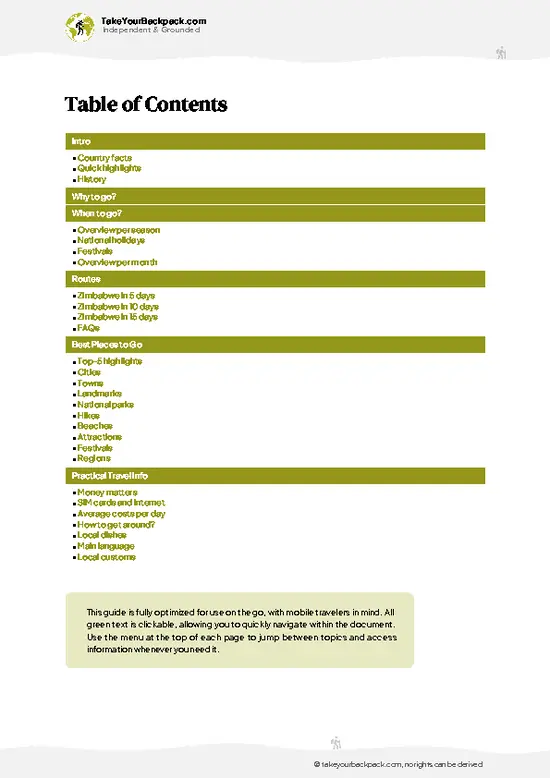
example page 0 from our offline Travel Guide for Zimbabwe
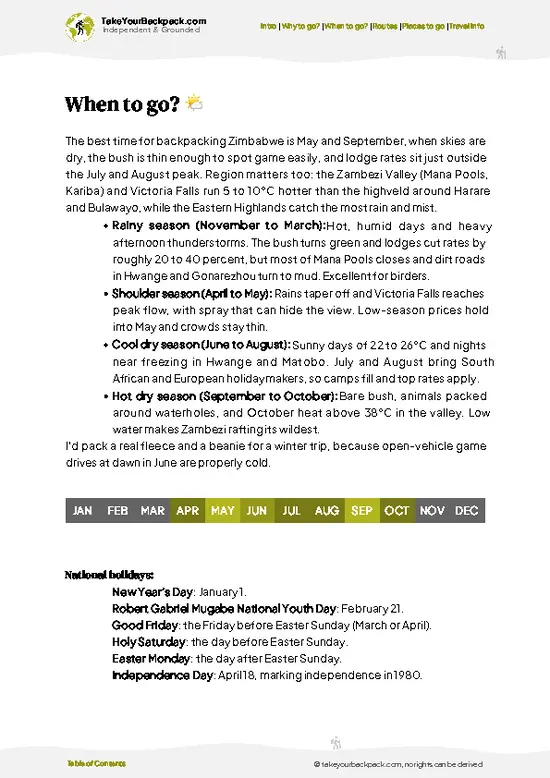
example page 1 from our offline Travel Guide for Zimbabwe
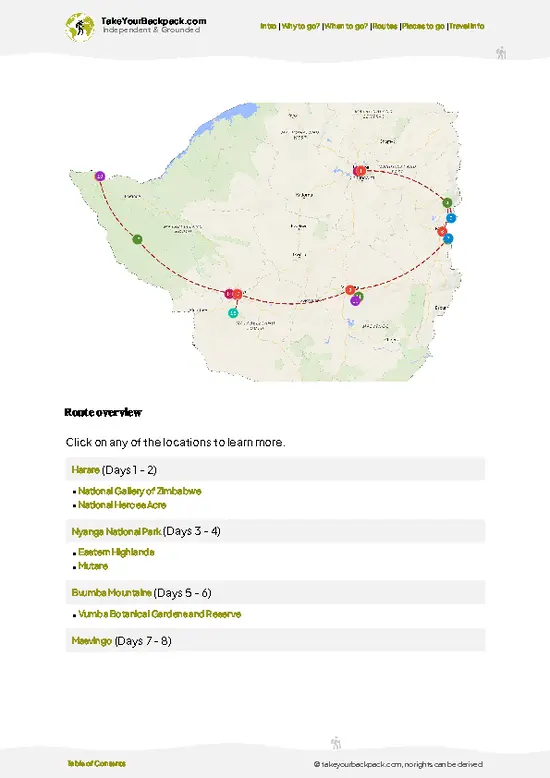
example page 2 from our offline Travel Guide for Zimbabwe
example page 3 from our offline Travel Guide for Zimbabwe
example page 4 from our offline Travel Guide for Zimbabwe
example page 5 from our offline Travel Guide for Zimbabwe
example page 6 from our offline Travel Guide for Zimbabwe
example page 7 from our offline Travel Guide for Zimbabwe
Loading the map 🌍
CLICK TO FILTER
cities
towns
landmarks
national parks
hikes
beaches
attractions
festivals
regions
SHOW COUNTRY’S BESTSHOW ALL

✨ Why go?
Ranked #9 town in Zimbabwe
What makes this town worth visiting

Shamva works for travelers who want a working Zimbabwean town instead of a polished stop. The draw is its gold-mining identity: the Shamva Mine shapes the skyline, the layout and the conversations over a plate of sadza. Staying is simple, with small guesthouses and few tourist services, so slow travelers and solo backpackers who like talking to locals get the most from it. Most people stay one night, two at most, using the town as a rural detour from Harare or on the way to the northeast. The surrounding Mazowe valley farmland and the rocky kopjes make for good walks if you ask around first. Evenings are quiet, so bring a book. If you need hostels, bars and other backpackers, pick somewhere bigger. If you like unhurried places where you are the only visitor, Shamva is a good fit.

💡 HighlightsEssential experiences to have while visiting Shamva

  1. Shamva Mine viewpoints: The gold mine is the reason the town exists, and you can see headframes, tailings and the mine village from public roads. Free, 30 to 45 minutes, best in morning light. Photograph from the roadside and ask before going near gates.
  2. Mine compound streets: Old brick housing and small shops give a real picture of how a mining community lives. Free, about an hour, best late afternoon when people are out.
  3. Shamva town market: Stalls sell vegetables, secondhand clothes and snacks, and it is the easiest place to chat with locals. Spending is small, roughly US$1 to 4 for a snack and fruit, 30 to 60 minutes, best before noon.
  4. Kopje walk on the town edge: Granite outcrops give views over farmland and mine dumps. Free, 1 to 2 hours, best at sunrise or in the evening. Go with a local
… read more 👉
  1. Shamva Mine viewpoints: The gold mine is the reason the town exists, and you can see headframes, tailings and the mine village from public roads. Free, 30 to 45 minutes, best in morning light. Photograph from the roadside and ask before going near gates.
  2. Mine compound streets: Old brick housing and small shops give a real picture of how a mining community lives. Free, about an hour, best late afternoon when people are out.
  3. Shamva town market: Stalls sell vegetables, secondhand clothes and snacks, and it is the easiest place to chat with locals. Spending is small, roughly US$1 to 4 for a snack and fruit, 30 to 60 minutes, best before noon.
  4. Kopje walk on the town edge: Granite outcrops give views over farmland and mine dumps. Free, 1 to 2 hours, best at sunrise or in the evening. Go with a local guide or a guesthouse host.
  5. Local farm roads: A walk or bike ride along dirt roads shows tobacco, maize and cattle country. Free, 1 to 2 hours, best in the cooler morning hours.
For day trips from Shamva, Mazowe Dam and the Mazowe valley citrus estates are close, and Harare’s museums and markets are reachable in a day. Together, the five stops fill one relaxed day.
Spotted a mistake or missing something? Contact us.

Things to do near Shamva

Ratings based on Tripadvisor reviews. When you book through this link, you support our work at no extra cost to you.

🏘️ NeighborhoodsNeighborhood guide to Shamva

Shamva is a compact gold-mining and farming town, so you can cover every area on foot in an afternoon, and a couple of spots deserve more of your time than the rest.
  • Town Center and Market: Start here and move fast. The main road, the small shops, the bus rank and the produce stalls make up the liveliest stretch. Grab sadza with beef stew or a fresh roasted maize cob from a vendor, then wander the stalls for tomatoes, oranges and dried fish. It is the best place for talking with locals, and it is fully walkable.
  • Mine Area and Surroundings: Shamva’s identity is its gold mine, and the old mine housing and headgear on the edge of town tell that story better than any sign. Look from the road and keep your camera low-key, because this is working industrial ground. Skip it if you want polished sights.
… read more 👉
Shamva is a compact gold-mining and farming town, so you can cover every area on foot in an afternoon, and a couple of spots deserve more of your time than the rest.
  • Town Center and Market: Start here and move fast. The main road, the small shops, the bus rank and the produce stalls make up the liveliest stretch. Grab sadza with beef stew or a fresh roasted maize cob from a vendor, then wander the stalls for tomatoes, oranges and dried fish. It is the best place for talking with locals, and it is fully walkable.
  • Mine Area and Surroundings: Shamva’s identity is its gold mine, and the old mine housing and headgear on the edge of town tell that story better than any sign. Look from the road and keep your camera low-key, because this is working industrial ground. Skip it if you want polished sights.
  • Residential Suburbs: Quiet, tree-lined and flat. Walk through for a feel of daily life, but there is little to eat or see, so don’t linger.
  • Farmland Outskirts: Push out here for granite kopjes, tobacco and maize fields and big skies. You will want a lift for distance, though short walks along dirt roads are lovely. Nightlife is minimal anywhere, with a few beer halls near the center.

⌛️ 1 dayA smart one-day plan

8:00 AM, Mine compound streets: Start where Shamva’s story is clearest, walking the brick housing around the mine and watching the morning shift routine. Keep your camera discreet and greet people first.
9:30 AM, Shamva Mine viewpoints: Follow public roads to see headframes and dumps from outside the gates. It explains the town’s layout in minutes.
11:00 AM, Town market: Wander the stalls, buy fruit or a snack, and talk to vendors. It is the best place to hear about local life.
12:30 PM, Lunch: Eat a plate of sadza with relish at a small local eatery near the center. Portions are filling and the pace is slow.
2:30 PM, Farm roads: Walk a dirt road out of town through maize and tobacco fields, a stretch most visitors never see. Greet farmers and keep to the tracks.
4:30 PM, Kopje walk: Climb a granite … read more 👉
8:00 AM, Mine compound streets: Start where Shamva’s story is clearest, walking the brick housing around the mine and watching the morning shift routine. Keep your camera discreet and greet people first.
9:30 AM, Shamva Mine viewpoints: Follow public roads to see headframes and dumps from outside the gates. It explains the town’s layout in minutes.
11:00 AM, Town market: Wander the stalls, buy fruit or a snack, and talk to vendors. It is the best place to hear about local life.
12:30 PM, Lunch: Eat a plate of sadza with relish at a small local eatery near the center. Portions are filling and the pace is slow.
2:30 PM, Farm roads: Walk a dirt road out of town through maize and tobacco fields, a stretch most visitors never see. Greet farmers and keep to the tracks.
4:30 PM, Kopje walk: Climb a granite outcrop on the town edge with a local guide for wide views over farmland and mine dumps.
6:00 PM, Back in town: Finish with a cold drink at a local bar or shop, and watch the evening traffic go by.

🌤️ When to go?When to go for the best experience

May to August is the most comfortable window for Shamva, with dry days and cool, crisp mornings that suit walking the surrounding hills and farmland.
  • Cool Dry Season (May to August): Days reach about 22 to 26°C (72 to 79°F), and nights drop to 6 to 10°C (43 to 50°F), so bring a warm layer. Daylight lasts roughly 10.5 to 11 hours. Skies stay dry, roads are firm, and prices stay steady since few tourists come.
  • Hot Dry Season (September to October): Temperatures climb to 28 to 34°C (82 to 93°F), with dust and little shade. Early starts matter, and daylight stretches to about 12 hours.
  • Rainy Season (November to March): Afternoon storms are common, highs sit around 26 to 30°C (79 to 86°F), and gravel roads to the mines and farms turn muddy. Fields are green and the light is long, up to about 13 hours.
… read more 👉
May to August is the most comfortable window for Shamva, with dry days and cool, crisp mornings that suit walking the surrounding hills and farmland.
  • Cool Dry Season (May to August): Days reach about 22 to 26°C (72 to 79°F), and nights drop to 6 to 10°C (43 to 50°F), so bring a warm layer. Daylight lasts roughly 10.5 to 11 hours. Skies stay dry, roads are firm, and prices stay steady since few tourists come.
  • Hot Dry Season (September to October): Temperatures climb to 28 to 34°C (82 to 93°F), with dust and little shade. Early starts matter, and daylight stretches to about 12 hours.
  • Rainy Season (November to March): Afternoon storms are common, highs sit around 26 to 30°C (79 to 86°F), and gravel roads to the mines and farms turn muddy. Fields are green and the light is long, up to about 13 hours.
  • Early Autumn (April): The rains fade, the countryside stays green, and temperatures ease to 24 to 27°C (75 to 81°F).
Plan to arrive in June or July, and book your onward transport a day early, since buses fill around school holidays and month ends.


source: climatestotravel.comJANJanuary: fair for travelingFEBFebruary: fair for travelingMARMarch: good for travelingAPRApril: highly recommended for travelingMAYMay: highly recommended for travelingJUNJune: highly recommended for travelingJULJuly: highly recommended for travelingAUGAugust: excellent for travelingSEPSeptember: excellent for travelingOCTOctober: excellent for travelingNOVNovember: fair for travelingDECDecember: fair for traveling
when-to-go

✈️ The backpacker research shortcutZimbabwe Travel Guide

An offline-friendly backpacking guide with optimized travel routes, ranked highlights, transport advice, and the best areas to stay.
example page 0 from our offline Travel Guide for Zimbabwe
example page 1 from our offline Travel Guide for Zimbabwe
example page 2 from our offline Travel Guide for Zimbabwe
example page 3 from our offline Travel Guide for Zimbabwe
example page 4 from our offline Travel Guide for Zimbabwe
example page 5 from our offline Travel Guide for Zimbabwe
example page 6 from our offline Travel Guide for Zimbabwe
example page 7 from our offline Travel Guide for Zimbabwe
The digital guide (265 pages) contains:
✅ 67 highlights, ranked by travel appeal
✅ Optimized 5, 10 & 15-day travel routes
✅ Cities, national parks, landmarks, beaches
✅ How to get around
✅ Offline-friendly for travel without Wi-Fi
👉 Click to see all 30+ guide features

📅 Plan smarter in minutes, not weeks
✅ Month by month travel advice
✅ Festivals & national holidays
✅ Budget expectations

🗺️ Go to the right places, skip the overrated ones
✅ Honest pros & cons of destinations
✅ Top hikes, parks & viewpoints
✅ Lesser-known places most travelers miss
✅ Clear “worth it vs skip it” guidance

🛏️ Travel smoothly without rookie mistakes
✅ Best areas to stay
✅ Transport systems explained simply
✅ Common scams & safety advice
✅ SIM cards, money & practical tips

🌍 Understand the country, not just visit it
✅ Culture & traditions
✅ 52 Essential phrases & customs
✅ Festivals worth planning around
✅ Traveler-friendly historical context
✅ Insights that make places more meaningful

📱 Built for real travel conditions
✅ Fully downloadable PDF
✅ Works completely offline
✅ Optimized for phone use
✅ Useful in remote areas & buses
✅ Everything in one place
Stop searching, start planning
Get instant access to your full guide. 30‑day money-back guarantee.
+ Add another guide for just

By proceeding you agree to our terms.
Sent to your inbox immediately after payment • 100% Secure Checkout
Best Backpacking Travel Advisor 2025 tourism awardBest Backpacking
Travel Advisor
2025
What others say about Take Your Backpack Guides:
⭐⭐⭐⭐⭐
Fantastic, amazing amount of information!
⭐⭐⭐⭐⭐
My goodness this is amazing, it's what I've been looking for hats off too you!
⭐⭐⭐⭐⭐
I think this is absolutely BRILLIANT
⭐⭐⭐⭐
Very complete and informative. It's still missing places, but I gotta to commend you
⭐⭐⭐⭐⭐
This is truly amazing, thank you, can't wait to explore it with my kids!
⭐⭐⭐⭐⭐
Awesome resource, thank you!
⭐⭐⭐⭐⭐
This is amazing! Can't wait to explore the ones I haven't seen
⭐⭐⭐⭐
I love this! Well done, great idea.
⭐⭐⭐⭐⭐
Thanks for taking the time to make this gem!
⭐⭐⭐⭐⭐
This might be the best website I've ever seen.
⭐⭐⭐⭐⭐
Congratulations, and thank you so much for your work; it's incredibly valuable.
⭐⭐⭐⭐
In all seriousness I think you did a great job pointing out the important spots
⭐⭐⭐⭐⭐
10/10 very good
⭐⭐⭐⭐⭐
As someone who's only just starting to visit regularly this is awesome, thank you.
⭐⭐⭐⭐
Thank you very much! I'm going to visit my dad, it's going to be very useful!
⭐⭐⭐⭐⭐
This is really cool! We'll be travelling for the first time and this definitely come in handy.
⭐⭐⭐⭐⭐
You are now our minister of culture, congratulations 👨‍💼
⭐⭐⭐⭐⭐
Just wanted to tell you that this is a pearl! Going to follow your recommendations.
⭐⭐⭐⭐⭐
This is so cool. I'll definitely be using the resource for my travels soon.
⭐⭐⭐⭐⭐
This is very impressive! Good work.
⭐⭐⭐⭐⭐
This is an amazing and informative site. Very well done!

🛏️ Where to stay?How to pick the right area

The center of Shamva near the market and bus rank is the best budget base, because you can walk to food, shops and the minibuses without paying for transport. Dedicated hostels are essentially absent, so budget beds are mainly guesthouses and simple lodges, typically US$15 to 30 a night for a private room. Mornings start early with traffic and roosters, but nights are quiet, and the main road is busy enough to feel safe until evening. Book ahead when you can, since rooms are limited.
The quieter residential edge of town is the second option. It suits light sleepers, and you will often find a bit … read more 👉
The center of Shamva near the market and bus rank is the best budget base, because you can walk to food, shops and the minibuses without paying for transport. Dedicated hostels are essentially absent, so budget beds are mainly guesthouses and simple lodges, typically US$15 to 30 a night for a private room. Mornings start early with traffic and roosters, but nights are quiet, and the main road is busy enough to feel safe until evening. Book ahead when you can, since rooms are limited.
The quieter residential edge of town is the second option. It suits light sleepers, and you will often find a bit more space and parking. You will need to walk or take a shared taxi to reach the center, so keep a flashlight handy and avoid walking unlit streets late. If beds are full or you want more choice, many travelers instead sleep in Harare and make Shamva a day outing, which costs a minibus fare each way.

🚌 Getting aroundMoving around without the hassle

Shamva catches visitors out when they wait for a minibus late in the afternoon, because the last ones toward Harare fill up and leave by about 5 pm, leaving you stuck overnight. Go early, and you will move easily. The town itself is small and flat, traffic is light, and the real action is on the main road. Public transport is informal but frequent on the Harare corridor, so you will rarely wait long before sunset.
  • Walking: Do this first. Most of the market, shops and bus rank sit within 1 to 2 kilometers, and it is free. Avoid unlit roads after dark.
  • Minibus (kombi) to Harare: The workhorse. Expect US$2 to 4 for the trip of about 1.5 to 2 hours, depending on stops. Vehicles leave when full, from early morning until late afternoon. Carry small notes.
  • Shared Taxi and Pickups: Local hops and farm
… read more 👉
Shamva catches visitors out when they wait for a minibus late in the afternoon, because the last ones toward Harare fill up and leave by about 5 pm, leaving you stuck overnight. Go early, and you will move easily. The town itself is small and flat, traffic is light, and the real action is on the main road. Public transport is informal but frequent on the Harare corridor, so you will rarely wait long before sunset.
  • Walking: Do this first. Most of the market, shops and bus rank sit within 1 to 2 kilometers, and it is free. Avoid unlit roads after dark.
  • Minibus (kombi) to Harare: The workhorse. Expect US$2 to 4 for the trip of about 1.5 to 2 hours, depending on stops. Vehicles leave when full, from early morning until late afternoon. Carry small notes.
  • Shared Taxi and Pickups: Local hops and farm roads cost around US$1 to 3. They are the best way to reach outskirts where kombis rarely run. Agree the price before you climb in.
  • Private Taxi or Hired Driver: For the day trips and awkward routes, pay roughly US$25 to 50 for a half day. It saves hours, and splitting it with others makes sense.
  • Hitchhiking: Common on rural roads, though traffic can be thin. Offer a small contribution of US$1 to 2 and keep it to daylight.

👛 Costs (as of 22 October 2026)Typical daily expenses

Shamva costs about US$31 to 40 a day for a backpacker who sleeps in a budget room and eats local food.
CategoryBudget RangeLocal Reality
Dorm accommodationUS$10 to 15Dorms are rare, so expect a basic guesthouse bed or a simple private room.
MealsUS$6 to 10Sadza with relish or stew at a local eatery costs US$2 to 4, and groceries from town shops keep costs low.
Local transportUS$2 to 5Shared minibuses (kombis) run short hops for under US$1, while a trip to Harare costs more.
Basic activities/entry feesUS$0 to 5Walking, village visits, and hill views are free, though guides may expect a small tip.
Miscellaneous expensesUS$3 to 5Mobile data, a SIM top-up, bottled water, and snacks.
Total Daily BudgetUS$31 to 40Carry small US dollar notes, because change is often scarce.
Buy fruit, bread, and vegetables … read more 👉
Shamva costs about US$31 to 40 a day for a backpacker who sleeps in a budget room and eats local food.
CategoryBudget RangeLocal Reality
Dorm accommodationUS$10 to 15Dorms are rare, so expect a basic guesthouse bed or a simple private room.
MealsUS$6 to 10Sadza with relish or stew at a local eatery costs US$2 to 4, and groceries from town shops keep costs low.
Local transportUS$2 to 5Shared minibuses (kombis) run short hops for under US$1, while a trip to Harare costs more.
Basic activities/entry feesUS$0 to 5Walking, village visits, and hill views are free, though guides may expect a small tip.
Miscellaneous expensesUS$3 to 5Mobile data, a SIM top-up, bottled water, and snacks.
Total Daily BudgetUS$31 to 40Carry small US dollar notes, because change is often scarce.
Buy fruit, bread, and vegetables at the local market rather than from shops, and you can cut your food bill by about a third.
⚠️ Prices can change and everyone travels differently, so take this as a rough guide. Hope it helps you plan your adventure!

🚌 Day tripsShort trips worth adding

Shamva works as a base for rural, low-key outings, and you will usually need your own wheels or a hired driver for most of them.
Mazowe Dam and Citrus Estate:
The dam sits to the west, about 1 to 1.5 hours away by a mix of minibus and shared transport, and reaching it costs roughly US$5 to 10 round trip. The water is calm and the citrus orchards stretch for miles. Go in dry months when roads are clear. First-timers often arrive too late and miss the last ride back.

Harare:
The capital is a short ride on a kombi, roughly US$2 to 4 each way and 1.5 to 2 hours. The National Gallery, Mbare Musika market and the botanical garden make a full day. Leave Shamva by 7 am and return before dark.
👉 Explore Harare
Mount Darwin Road Kopjes:
Granite hills north of town reward a half-day walk or a hired lift … read more 👉
Shamva works as a base for rural, low-key outings, and you will usually need your own wheels or a hired driver for most of them.
Mazowe Dam and Citrus Estate:
The dam sits to the west, about 1 to 1.5 hours away by a mix of minibus and shared transport, and reaching it costs roughly US$5 to 10 round trip. The water is calm and the citrus orchards stretch for miles. Go in dry months when roads are clear. First-timers often arrive too late and miss the last ride back.

Harare:
The capital is a short ride on a kombi, roughly US$2 to 4 each way and 1.5 to 2 hours. The National Gallery, Mbare Musika market and the botanical garden make a full day. Leave Shamva by 7 am and return before dark.
👉 Explore Harare
Mount Darwin Road Kopjes:
Granite hills north of town reward a half-day walk or a hired lift costing about US$10 to 20. Bring water and a hat, because shade is rare. The cool months are best, and the light is good for photos.

🛡️ SafetyTraveler Safety Guide

Shamva is broadly safe, with low crime and a friendly, curious population. Petty theft is the main risk, so keep your phone and cash out of sight in the market and around the bus rank, where crowds build in the morning. After dark the streets are poorly lit, so walk with a flashlight, take a taxi for anything beyond the center, and avoid solo wandering on dirt roads. Solo travelers, including women, generally find locals helpful, though dressing modestly helps. Touts are rare, but minibus crews sometimes quote foreigners higher fares, so ask a local what the usual price is. Photographing the mine, police or officials can cause trouble, so ask first. Carry small US dollar notes, since change is often short.

FAQFrequently asked questions about Shamva

Shamva is worth a short visit if you want to see rural Zimbabwe away from the tourist trail, but it is not a headline destination. You can see working gold mine surroundings, a lively market and granite kopjes within a day. Most travelers pair it with Harare, roughly 1.5 to 2 hours away by minibus.
Shamva needs one full day, or two if you want to explore the farmland and kopjes on foot. A morning at the market and mine area followed by an afternoon walk covers the main points. A second day is useful for a trip toward Mazowe Dam, with transport costing roughly US$5 to 10.
Shamva is an easy day trip from Harare, which lies roughly 90 kilometers away, taking 1.5 to 2 hours each way by kombi for about US$2 to 4. Leave early so you can return before the last minibuses fill in late afternoon. Overnighting is possible in guesthouses at around US$15 to 30 if you want an unhurried day.
⚠️ Things can change over time, so always validate details locally before you go.

Other Zimbabwean towns near Shamva

Explore more nearby:

  • Mazowe—Orange groves, reservoir shore, gold-rush memorial, Iron Mask Hill| 65 km away
  • Mutoko—Granite kopjes, San-era paintings, dry-stone hilltop ruins| 72 km away
  • Mhangura—Copper headframes, company housing rows, slag-heap skyline| 155 km away

💡 Not sure where to go next?
Create a personalized itinerary for Zimbabwe including Shamva and the places that fit your trip.

Generate my itinerary

👉 Discover all towns

Or checkout all Zimbabwe has to offer (think cities, towns, villages, national parks, hikes, beaches, festivals)
Country photo of Zimbabwe

We 💚 feedbackSumming up the experience

Most first-timers overlook how much Shamva’s farm roads reveal compared with the mine itself. Walk them in the cooler hours and say hello to everyone; greetings open conversations faster than any guidebook. I would stay one night, bring small US dollar notes and plenty of patience, and leave the plan loose.

✈️ When did I visit Zimbabwe?
I have backpacked Zimbabwe all the way back in 2001.

✍️ Help improve this page!
The information on this page is based on my own backpacking experience in Zimbabwe, supplemented with up-to-date research and feedback from other travelers. Travel details can change, so if you notice anything outdated or incomplete, feel free to let me know.


🙋‍♂️ Give feedback

👋 Meet the founderWho’s Behind Take Your Backpack?

Johan, backpacker and founder of TakeYourBackpackHi, I’m Johan (Netherlands 🇳🇱), the creator of TakeYourBackpack. Over the past 3 decades, I’ve backpacked through 90+ countries across six continents, gaining extensive experience with independent travel, long-term trips, and overland routes.

This site is built on a combination of firsthand travel experience and carefully curated insights from other backpackers. Many guides are based on places I’ve personally visited, while others bring together tips, observations, and practical advice shared by trusted travelers I’ve met along the way.

The goal is to provide realistic, experience-driven guidance — not generic itineraries — so you can explore destinations with better context, clearer expectations, and more confidence.