If you love
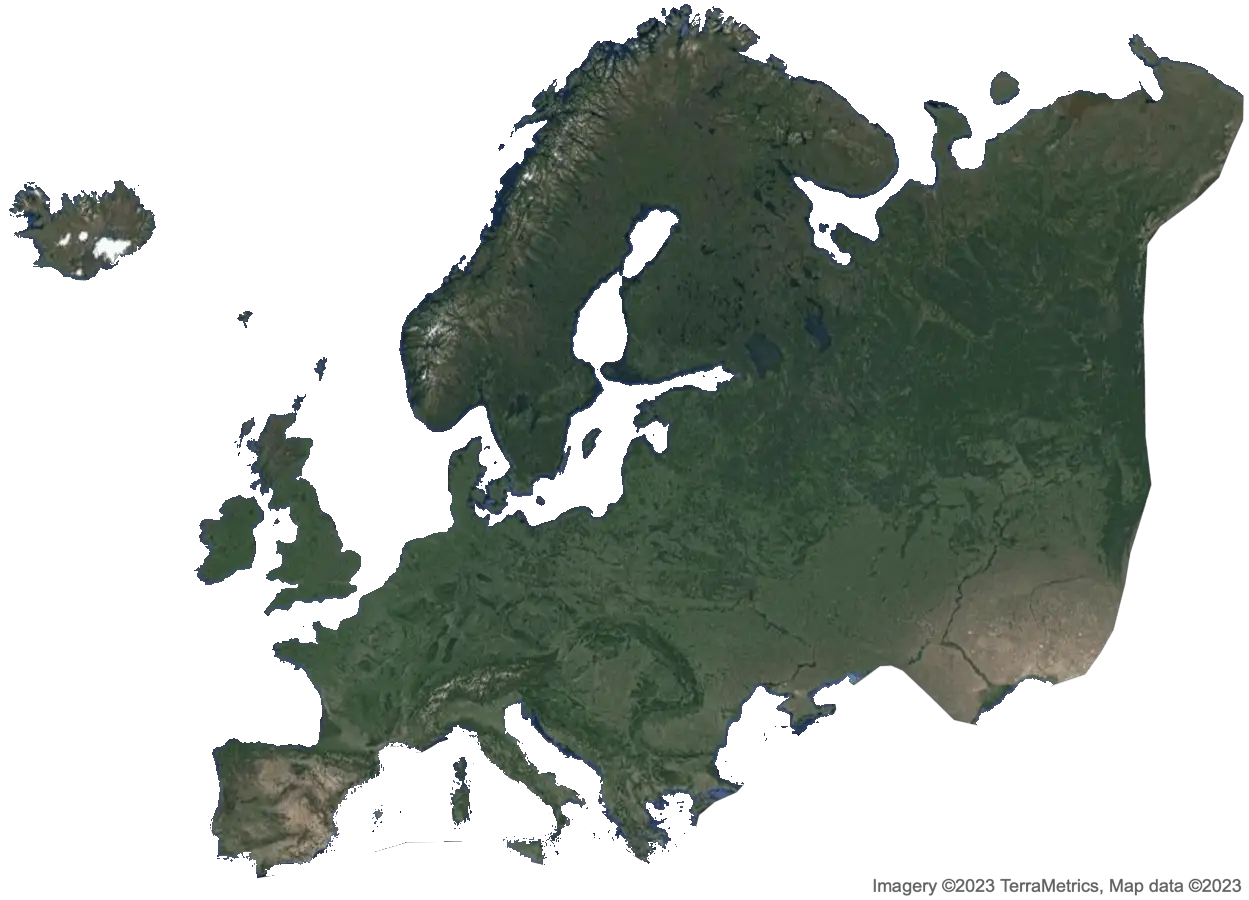
| | | | | | | | | | When it comes to budget travel in Europe, some regions stand out more than others for their affordability. Eastern Europe, in particular, is a haven for backpackers looking to stretch their euros while enjoying rich culture and stunning landscapes. Meanwhile, certain parts of Southern and Central Europe can be more expensive, but there are still plenty of affordable spots to explore.
Eastern Europe is where you'll find some of the most wallet-friendly destinations. Countries like Bulgaria, Romania, and Serbia offer low prices on food, accommodation, and transport, making it easy to experience vibrant cities and beautiful nature without breaking the bank. The culture is diverse and fascinating, and the locals are often welcoming to budget travelers. Plus, with plenty of historical sites, you won't run out of things to see and do.
In
Southern Europe, you can find affordable options, especially in places like Albania and North Macedonia. While tourist hotspots like Greece and Croatia can be pricey, venturing off the beaten path leads to charming towns and stunning landscapes that won’t drain your wallet. Keep an eye out for local eateries and accommodations that offer great value.
Central Europe is a mixed bag. Countries like Hungary and Poland can be quite budget-friendly, especially if you stick to local markets and public transport. However, places like Czechia and Slovakia may have higher prices in their more touristy areas, so it's worth exploring smaller towns and rural areas for better deals.
Overall, while some regions in Europe can be a bit pricey, many countries offer fantastic opportunities for budget travelers. Just remember to do your research and look for local options to make the most of your trip!
⚠️ Select affordability in the filters below on the right to find your perfect match.
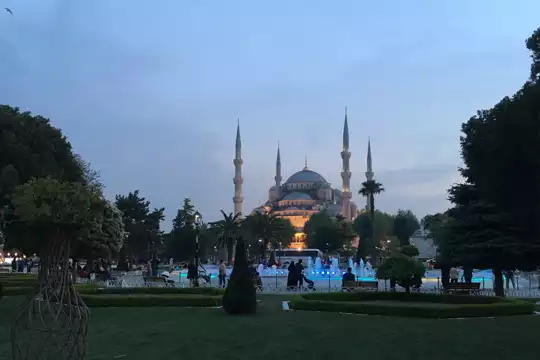
When it comes to exploring Europe for its architectural wonders, certain regions really stand out, while others may not be as captivating for those with a keen eye for design. The blend of historical significance, diverse styles, and innovative modern designs make some areas a must-visit for architecture enthusiasts.
The
Western Europe region is a top pick, featuring countries like France, Belgium, and the Netherlands. Here, you can wander through medieval towns, admire Gothic cathedrals, and marvel at contemporary structures. Cities like Paris and Amsterdam offer a rich tapestry of architecture, from the opulent palaces to cutting-edge museums. This region often has well-maintained infrastructure, making it easier for backpackers to explore on a budget.
Moving a bit east,
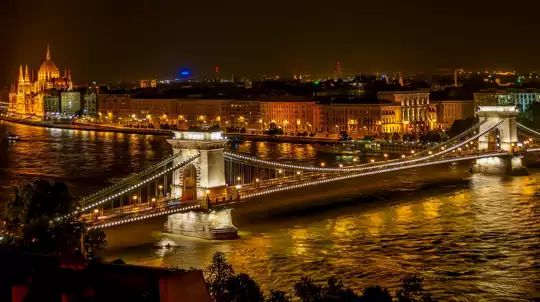
Central and Eastern Europe shines with its unique blend of styles, particularly in countries like Czechia, Hungary, and Poland. The mix of baroque, Renaissance, and socialist-era architecture tells the story of the region’s tumultuous history. Cities like Prague and Budapest are not only stunning but also offer affordable accommodation and food options, making them great stops for budget travelers who appreciate history and design.
In the
Southern Europe region, countries like Italy, Greece, and Croatia boast some of the most iconic architectural sites, from ancient ruins to stunning Renaissance buildings. The blend of history and stunning landscapes can be a dream for any architecture lover. However, keep in mind that tourist hotspots can get pricey, so seek out smaller towns where you can find authentic architecture without the crowds and high costs.
Lastly,
Northern Europe brings a different flavor with countries like Estonia and Finland. Here, you’ll find a mix of medieval architecture and modern design, particularly in cities like Tallinn and Helsinki. Although these locations may be less frequented than their southern counterparts, they offer a unique perspective on architectural trends and are often more budget-friendly.
In summary, while regions like Western and Central Europe are ideal for architecture lovers, Southern Europe offers iconic sights at a premium during peak seasons, and Northern Europe provides a fresh take on the architectural scene. Happy travels!
⚠️ Select architecture in the filters below on the right to find your perfect match.
For backpackers looking for a lively scene in Europe, certain regions stand out as hotspots for adventure, culture, and community. The eastern and southern parts of the continent tend to be more vibrant and budget-friendly, while some northern and western areas can be pricier and less backpacker-centric.
The
Eastern Europe region is a goldmine for budget travelers. Countries like Poland, Czechia, and Hungary offer a mix of rich history, buzzing nightlife, and affordable accommodations. Cities like Kraków and Budapest are particularly popular among backpackers, thanks to their thriving hostel scenes and plenty of opportunities to meet fellow travelers. Plus, the ease of getting around via trains or buses makes it a breeze to explore multiple destinations.
Moving to the
Southern Europe region, countries like Croatia, Greece, and Serbia are equally appealing. The stunning coastlines, delicious food, and laid-back vibes draw in a diverse backpacker crowd. Cities like Dubrovnik and Belgrade are known for their vibrant nightlife and social atmosphere, while places like Albania offer an emerging scene that’s both cheap and welcoming.
In contrast, the
Western Europe region, while iconic and rich in history, can be a bit less backpacker-friendly. Countries like Ireland and Spain offer great experiences, but they often come with a higher price tag for accommodations and activities. The hostels might be more expensive, and the overall travel costs can add up quickly, which may deter some budget travelers.
Lastly,
Scandinavia, including Iceland, is breathtaking but is generally not ideal for those on a tight budget. The high cost of living and limited backpacker infrastructure can make it tough to enjoy the vibrant social scene without breaking the bank.
Overall, if you’re seeking a lively backpacker experience, stick to Eastern and Southern Europe where your money goes further and the scene is buzzing.
⚠️ Select backpackers in the filters below on the right to find your perfect match.
When it comes to beach life in Europe, certain regions really stand out for their stunning coastlines, vibrant beach culture, and affordable options for backpackers. For those craving sun, sand, and surf, the Mediterranean is your best bet. However, some areas are less ideal if you're looking to soak up the sun without breaking the bank.
The
Southern Mediterranean is a hotspot for beach lovers. Countries like Greece and Italy offer not only beautiful sandy beaches but also rich history and delicious cuisine. The islands in Greece, like Crete and Santorini, are particularly famous for their picturesque beaches, while the Amalfi Coast in Italy boasts stunning views and charming seaside towns. Plus, places like Albania and Croatia are becoming increasingly popular for their stunning coastlines and affordable lodging, making them perfect for budget travelers.
On the Iberian Peninsula,
Spain and
Portugal are hard to beat. The Algarve in Portugal is known for its amazing beaches and laid-back vibe, while Spain's Costa del Sol is a classic choice for sun-seekers. Both countries have a range of budget accommodations, from hostels to guesthouses, making it easy to stay without spending a fortune.
The
Central Mediterranean offers a unique mix of cultures and stunning seaside experiences. Malta is a great option for those looking for beautiful beaches combined with historical sites. Cyprus also provides a blend of beach life and rich history, though it can be pricier in some areas.
In contrast, the
Northern Mediterranean, while beautiful, can be less ideal for beach life. Countries like France have stunning coastal areas, especially the French Riviera, but they can be more expensive, especially in peak season. So, if you're on a budget, you might want to stick to the southern regions.
Overall, if beach life is your priority, focus on the Southern Mediterranean and the Iberian Peninsula. These areas not only provide stunning landscapes and vibrant cultures but also affordable options that won't burn a hole in your wallet.
⚠️ Select beach life in the filters below on the right to find your perfect match.
If you’re a backpacker with a serious appetite, Europe is a fantastic playground for food lovers. Generally, the Mediterranean region and parts of Western Europe shine when it comes to delicious local cuisine. These areas boast a rich culinary heritage, fresh ingredients, and vibrant street food scenes that are sure to satisfy your taste buds. On the flip side, some Eastern European countries might not have the same culinary reputation, but they often surprise with hearty, traditional dishes that reflect their cultural history.
Starting with the
Southern Europe region, think about places like Italy and Greece. You’ll find a treasure trove of flavors here, from savory pastas and pizzas in Italy to fresh seafood and aromatic herbs in Greece. Both countries offer bustling markets and local eateries where you can dive into authentic dishes without breaking the bank. Plus, the outdoor dining culture in these countries makes every meal feel like a special occasion.
Moving to
Western Europe, countries like France, Belgium, and Spain are culinary heavyweights. France is known for its pastries and fine dining, while Belgium brings you mouthwatering chocolates and waffles. Spain’s tapas culture lets you sample a variety of flavors in one go, making it perfect for budget travelers who want to taste a bit of everything. Eating in these countries can be a bit pricier, but street food and local bistros often provide affordable options that won’t skimp on flavor.
Lastly, the
Eastern Europe region, including Albania, Kosovo, and Ukraine, might not always be on the foodie radar, but they offer hearty, traditional meals that reflect local customs and ingredients. You can find amazing comfort food here, like hearty stews and fresh bread, at very reasonable prices. While you might not find the same gourmet experiences as in the West, the authenticity and warmth of these cuisines can be quite rewarding.
In summary, if food is your travel focus, stick to Southern and Western Europe for the most recognized culinary experiences, while also keeping an open mind about the hearty offerings in Eastern Europe. Each region has its own unique flavors that are worth exploring on a budget!
⚠️ Select food in the filters below on the right to find your perfect match.
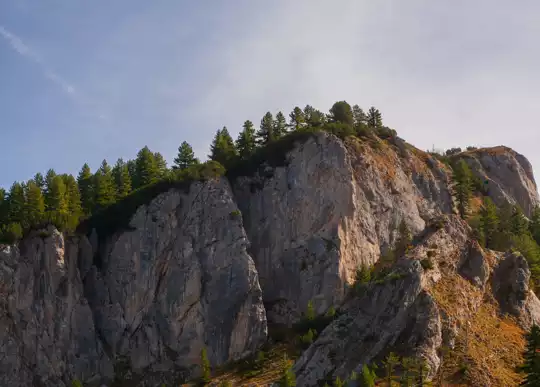
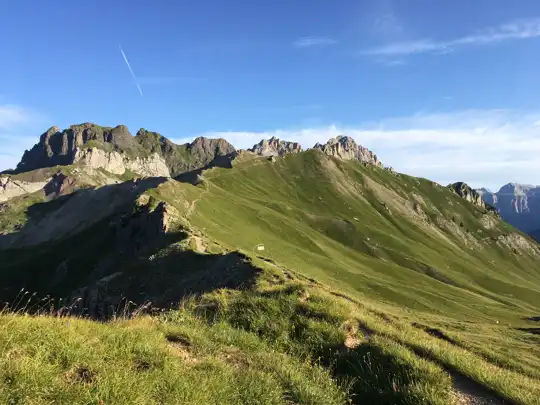
When it comes to exploring mountains in Europe, some regions truly stand out for their breathtaking landscapes and diverse hiking opportunities. The best spots are often in Central and Northern Europe, where the scenery is stunning and the trails are plentiful. On the other hand, regions with flatter terrain or less accessible mountain ranges might not be as appealing for mountain enthusiasts.
The
Alps in Central Europe are a top choice, encompassing parts of Austria, France, Germany, Italy, and Switzerland. This region offers iconic peaks and well-marked trails suitable for all levels of hikers. Whether you're into serious climbs or leisurely walks with stunning views, the Alps have it all. Plus, the infrastructure is excellent, with plenty of budget accommodation options and public transport to get you to trailheads.
Moving to the
Balkan Mountains, countries like Albania, Bulgaria, Kosovo, Montenegro, and North Macedonia provide a more rugged, off-the-beaten-path experience. These areas are less crowded than the Alps, offering a chance to explore pristine nature and local cultures. While you might find fewer amenities, the scenery is just as breathtaking, and the warmth of the locals makes up for it.
In Northern Europe,
Scandinavia—particularly Norway and Sweden—offers dramatic fjords and expansive wilderness. The hiking trails here range from well-trodden paths to remote adventures. Just be prepared for more rugged conditions and a higher cost of living. Iceland also fits into this region, boasting unique volcanic landscapes that attract adventurous hikers. However, it's worth noting that accessibility can be a bit tricky depending on the season.
Finally, the
Carpathians in Romania and parts of Poland offer beautiful, less-explored mountain ranges that are perfect for those looking to escape the crowds. The hikes here are often rewarded with stunning views and rich wildlife, plus they tend to be friendlier on the budget.
In summary, stick to the Alps for classic mountain experiences, explore the Balkans for adventure and culture, embrace the wild beauty of Scandinavia, and don’t overlook the Carpathians for a more tranquil experience. Each region has its own charm and challenges, so pick based on your style and comfort level!
⚠️ Select mountains in the filters below on the right to find your perfect match.
When it comes to meeting people in Europe, certain regions stand out as particularly welcoming and vibrant for backpackers. The social dynamics can vary widely, so if you’re looking to connect with locals and fellow travelers, some areas will be more favorable than others.
The
Southern Europe region, including countries like Greece, Italy, Portugal, and Spain, is a hotspot for social interaction. The warm climate and laid-back lifestyle encourage outdoor gatherings, beach parties, and lively festivals. You’ll find bustling hostels where travelers share stories over tapas or gelato, and locals are usually eager to invite you into their culture through food and festivities. Plus, the café culture here makes it easy to strike up conversations.
Moving north, the
Central Europe region, featuring Hungary, Poland, and Slovenia, has a rich tapestry of history and culture that naturally draws people together. Cities like Budapest and Warsaw are known for their lively nightlife, where you can easily meet both locals and fellow travelers. The mix of history, arts, and affordable prices means you’ll often find events and gatherings that foster connections.
The
Western Europe region, particularly Ireland and the United Kingdom, is renowned for its friendly locals and pub culture. Whether you're in a cozy Irish pub or a trendy London café, striking up a conversation is almost a given. The people here are generally open and love sharing their stories, making it easy to feel at home and meet new friends.
Lastly, the
Nordic region represented by Sweden, while beautiful and advanced, can be a bit more reserved in social settings. Although cities like Stockholm may offer plenty of opportunities to meet other travelers, locals might take a while to warm up. However, once you break the ice, the connections can be meaningful.
In summary, if making connections is your priority, aim for the vibrant atmospheres of Southern and Central Europe, where the culture thrives on social interactions. Western Europe is also a solid choice with its friendly pubs and gatherings, while the Nordic countries, though lovely, might require a bit more patience in building relationships.
⚠️ Select people in the filters below on the right to find your perfect match.
When it comes to safety in Europe, some regions stand out as particularly welcoming for travelers who prioritize their security. Generally, Western and Northern Europe tend to be the safest, offering well-maintained infrastructure, low crime rates, and a strong sense of community. On the flip side, parts of Eastern Europe might present some challenges, though many travelers still find them to be quite safe with the right precautions.
The
Northern Europe region, including countries like Finland, Sweden, and Denmark, is often hailed for its overall safety. These countries boast low crime rates, efficient public services, and friendly locals who are usually eager to help. Plus, the stunning natural landscapes and vibrant cities make it a fantastic region for backpackers looking to explore without the stress of safety concerns.
In
Western Europe, countries such as Germany, Austria, and the Netherlands offer a similar sense of security. The stable political climate, excellent healthcare systems, and reliable public transportation make it easy to travel around. While major cities can have their share of petty crime, sticking to well-trodden paths and staying alert will keep you safe.
Moving south to
Southern Europe, you’ll find places like Portugal, Spain, and Italy. These destinations are generally safe, especially in tourist areas, but it's wise to stay cautious during busy times and in crowded spots. While you might encounter some pickpockets in tourist-heavy locations, the warmth and hospitality of the locals make these countries enjoyable to explore.
Lastly,
Central and Eastern Europe, which includes countries like Poland, Hungary, and Croatia, can vary in safety. While many cities are quite safe, some areas might require a bit more awareness, especially when it comes to scams or navigating the nightlife. But with a little common sense and research, you can still have a fantastic time exploring these rich cultures.
In summary, if safety is your top priority, stick to Northern and Western Europe for a worry-free adventure. Southern Europe is also a solid choice, while Central and Eastern Europe can be rewarding with a bit of caution.
⚠️ Select safety in the filters below on the right to find your perfect match.
Europe is a haven for travelers seeking incredible scenery, with various regions offering diverse landscapes, from rugged mountains to stunning coastlines. Some areas are particularly favorable for those who love breathtaking views, while others may not be as ideal for scenery-focused backpackers.
The
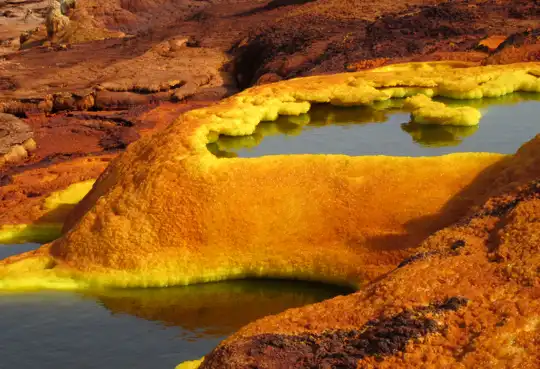
Nordic Region—comprising the Faroe Islands, Finland, Iceland, Norway, and Svalbard—delivers some of the most dramatic landscapes in Europe. Expect fjords, glaciers, and untouched wilderness. The Faroe Islands are known for their steep cliffs and lush green valleys, while Iceland’s geothermal wonders and volcanic landscapes are simply unmatched. Norway's fjords are iconic, and Svalbard offers a unique Arctic experience. Just keep in mind that travel here can be pricey and the weather unpredictable, so pack appropriately.
Over in
Southern Europe, countries like Greece, Italy, and Croatia boast stunning coastlines and charming countryside. The cliffs of Amalfi in Italy are picture-perfect, while Croatia’s national parks, like Plitvice Lakes, are incredibly scenic. Greece offers the beauty of its islands, but be wary of the tourist crowds during peak seasons. Montenegro also fits here, providing dramatic mountain ranges and stunning coastal views.
In
Central Europe, Austria, Switzerland, and Slovenia shine with their majestic Alps and picturesque lakes. This region is ideal for hiking and outdoor activities, with Austria's Tyrol and Switzerland's lakes offering postcard-perfect views. Slovenia, often overlooked, has beautiful alpine scenery and a charming capital, Ljubljana, that should not be missed.
Lastly,
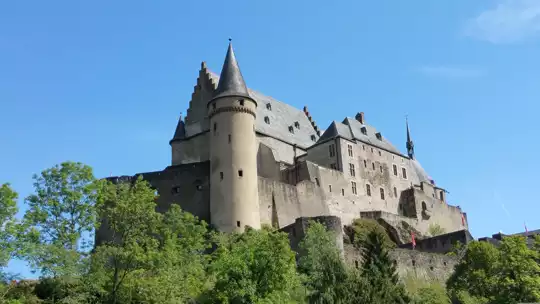
Western Europe, including Ireland and parts of the UK, presents lush green landscapes and rugged coastlines. The Cliffs of Moher in Ireland and the Scottish Highlands offer breathtaking scenery that feels straight out of a fairy tale. While Luxembourg is smaller, its hilly terrain and quaint villages provide a charming backdrop for those looking to explore off the beaten path.
While all these regions have incredible scenery, remember that accessibility and costs can vary. Some areas, like the Nordic countries, are less budget-friendly, while others may offer more affordable options. Plan accordingly, and you’ll find stunning views without breaking the bank!
⚠️ Select scenery in the filters below on the right to find your perfect match.
Europe is a treasure trove for travelers seeking unique experiences, with some regions standing out more than others for their distinct cultures, landscapes, and histories. Generally, Eastern Europe and the Balkans are fantastic for those looking to dive into something different, while Western Europe, while beautiful, can often feel more homogenized due to its popularity.
The
Balkans are a top pick for uniqueness. Countries like Bosnia and Herzegovina, Kosovo, North Macedonia, and Serbia boast rich histories, diverse cultures, and stunning natural landscapes. You’ll find a mix of Ottoman, Austro-Hungarian, and Slavic influences, which makes for a fascinating cultural tapestry. Plus, the affordability here is a big bonus for budget travelers.
Moving on to
Eastern Europe, countries like Ukraine and Romania offer a blend of rustic charm and urban energy. Explore medieval castles, vibrant cities, and local traditions that are often overlooked by mainstream tourism. The food scene is also worth mentioning, with unique local dishes that can satisfy any foodie’s cravings.
In
Scandinavia, Iceland and the Faroe Islands deliver jaw-dropping landscapes and a strong sense of identity. They might be a bit pricier, but the unique geography, culture, and outdoor activities can make it worth the splurge.
Then there's
Southern Europe, with Greece and Slovenia offering a different flavor. Greece is often celebrated for its ancient history and stunning islands, while Slovenia is a smaller, less crowded alternative with breathtaking nature and a vibrant café culture.
On the other hand,
Western Europe—while undeniably beautiful—can sometimes feel too familiar with its well-trodden tourist paths and higher costs. While Italy and Ireland have their quirks, they often cater to a more conventional travel experience.
Overall, if you're on the hunt for uniqueness, stick to the Balkans and Eastern Europe, and don't overlook the hidden wonders in Scandinavia and Southern Europe. Each region has its own flavor, ready to be discovered by adventurous backpackers.
⚠️ Select uniqueness in the filters below on the right to find your perfect match.
When it comes to wildlife watching in Europe, certain regions stand out for their rich biodiversity and accessibility, especially for backpackers looking to connect with nature. The northern parts of Europe, particularly the Nordic countries, are prime spots for spotting unique wildlife and breathtaking landscapes. In contrast, areas that are more urbanized or heavily agricultural tend to offer fewer opportunities for wildlife enthusiasts, so it’s best to steer clear of those if your primary goal is to observe animals in their natural habitats.
The
Nordic region is a haven for wildlife lovers. Countries like Finland, Sweden, and Norway boast vast wilderness areas, national parks, and pristine lakes. Here, you can catch a glimpse of iconic species like reindeer, moose, and even the elusive lynx. The northern lights in winter and the midnight sun in summer add an extra layer of adventure to your wildlife encounters. Many of these countries have well-marked trails and budget-friendly options for camping, making it easier for backpackers to immerse themselves in nature without breaking the bank.
Moving on to
Eastern Europe, Romania stands out as a fantastic option for wildlife enthusiasts. The Carpathian Mountains and the Danube Delta are teeming with diverse flora and fauna, including bears, wolves, and a variety of bird species. While not as expansive as the Nordic wilds, Romania offers a mix of accessible trails and local guides who can enhance your experience. It’s an affordable destination, perfect for those looking to explore the great outdoors without the high costs often associated with wildlife tourism.
Lastly,
Iceland is a unique spot that deserves mention, particularly for those interested in marine wildlife. While it may seem more geared toward geology and landscapes, the waters surrounding Iceland are rich in marine life. You can spot whales, seals, and a myriad of seabirds, especially during the summer months. The rugged terrain also means plenty of hiking opportunities, though you’ll want to plan your route carefully to maximize your chances of seeing wildlife.
In summary, if you're passionate about wildlife watching in Europe, focus on the
Nordic region and
Eastern Europe for the best experiences. Each area offers its own unique charm and opportunities, making them well worth the visit for any budget backpacker.
⚠️ Select wildlife in the filters below on the right to find your perfect match.
If you travel in
| | | | | | | | | | | April in Europe can be a bit of a mixed bag when it comes to weather and travel conditions. As spring takes hold, some regions start to bloom with vibrant colors and milder temperatures, while others might still be dragging their feet in winter’s chill. For backpackers, this month can offer a great balance between avoiding the heavy tourist crowds of summer and enjoying more temperate weather.
In
Southern Europe, countries like Greece, Italy, and Portugal are particularly inviting in April. Temperatures are generally mild, making it perfect for exploring ancient ruins or enjoying the beautiful coastlines without the scorching summer heat. Plus, you’ll find fewer tourists compared to the peak months, which means better prices on accommodation and a more authentic experience. Just keep an eye on the weather, as some coastal areas might still be a bit unpredictable.
Moving to
Western Europe, countries like France, Belgium, and the Netherlands also see a rise in pleasant weather during April. You can expect charming spring festivals, blooming gardens, and a lively atmosphere in cities. However, it’s best to be prepared for the occasional rain shower, especially in places like Belgium. Still, it’s a great time to enjoy outdoor cafes and local markets.
In
Eastern Europe, countries like Bulgaria and Romania start to warm up, but they can be hit or miss. While you might catch some lovely days, there’s a chance of lingering cold snaps. Still, if you’re willing to brave the variable weather, you can discover vibrant culture and stunning landscapes without the tourist hordes.
Lastly, in
Northern Europe, countries like Denmark and Lithuania are still quite chilly in April. While spring is on the horizon, you might encounter a mix of cold days and occasional sunny ones. This region is less favorable for those looking for warm weather, but if you’re into cozy cafes and cultural experiences, it still has its charm. Just be sure to pack layers and a sturdy umbrella.
Overall, April can be a fantastic time to explore Europe, but it’s all about choosing the right region for your travel style and weather preferences.
⚠️ Select April in the filters below on the right to find your perfect match.
August in Europe can be a mixed bag, with some regions basking in pleasant weather while others can be a bit extreme. Generally, it's peak summer, so expect warmer temperatures and crowded tourist spots. If you're backpacking, knowing where to go can make all the difference, especially regarding budget and comfort.
For those looking for a warm and enjoyable experience, the
Scandinavia region, including countries like Norway, Sweden, and Denmark, offers long days and stunning natural beauty. This is an excellent time to explore the fjords, hiking trails, and vibrant cities. Just keep in mind that prices can be on the higher side, so budgeting is key.
Moving east, the
Baltic States — including Estonia, Latvia, and Lithuania — offer a unique blend of culture and history with a milder climate. August is ideal for enjoying local festivals and outdoor events, plus accommodation prices tend to be more backpacker-friendly compared to Western Europe.
In Central Europe, the
Alpine region (Austria and Switzerland) is gorgeous in August, perfect for hiking and enjoying stunning landscapes. Just be prepared for some tourist crowds, especially in popular spots. The weather is generally pleasant, but accommodation can get pricey, so book ahead if you can.
Head south to the
Balkans (Albania, Montenegro, Kosovo, and Serbia) for a different vibe. The beaches along the Adriatic Sea are buzzing in August, and prices are typically lower than in Western Europe. The heat can be intense, so plan your activities for early mornings or late afternoons, and don't miss out on the local cuisine.
Finally, the
UK and Ireland can be a hit or miss in August. While you might find some decent weather, it's also a time for unpredictable rain. Still, this is when festivals are in full swing, making it a vibrant time to visit. Just budget for some potential rainfall and keep your plans flexible.
Overall, August offers diverse experiences across Europe, so pick your region wisely based on your interests and budget.
⚠️ Select August in the filters below on the right to find your perfect match.
December in Europe brings a mix of winter wonderland vibes and festive cheer, but the experience can vary widely depending on where you are. While some regions are perfect for holiday markets, cozy cafés, and snow-covered landscapes, others might be a bit dreary with less appeal for budget travelers.
Starting with
Northern Europe, countries like Sweden and Finland can be magical with their snowy landscapes and Christmas spirit. Expect winter activities like skiing and ice skating, plus stunning views of the Northern Lights in more remote areas. However, prepare for frigid temperatures and shorter daylight hours, which can limit your exploration time. Budget travelers should keep an eye on accommodation prices, as they can spike during the holiday season.
Moving to
Western Europe, cities like Germany and Austria are renowned for their Christmas markets, where you can snag affordable gifts, warm drinks, and tasty treats. The festive atmosphere is unbeatable, and many cities are accessible by train, making it easy to bounce from one market to another. Just be mindful of the crowds — especially in popular tourist spots. The weather can be chilly and rainy, so pack your layers!
In
Southern Europe, countries like Spain and Italy offer milder weather, which can be a refreshing change from the cold up north. While you won't find snow in most places, you can enjoy festive decorations and local celebrations without the harsh winter chill. Prices may be more budget-friendly, but do check local holidays as some attractions might close or have limited hours.
Lastly,
Eastern Europe is an interesting mix. While places like Poland and the Czech Republic have stunning architecture, cozy vibes, and affordable prices, the weather can be quite cold and unpredictable. Snowfall can add charm, but be prepared for icy conditions and plan your activities accordingly to avoid the chill.
Overall, December in Europe is about finding the right balance between festive cheer, weather conditions, and budget-friendly options. Whether you're after winter sports or vibrant markets, there's something for every backpacker if you choose the right region!
⚠️ Select December in the filters below on the right to find your perfect match.
February in Europe can be a mixed bag, with winter still holding sway in many parts while others start to hint at the first signs of spring. If you're planning a budget backpacking trip, it’s vital to consider both the climate and the local events happening during this month to get the most out of your travels.
The
Southern Europe region, including places like Italy and Spain, can be quite pleasant in February. While it’s still chilly, particularly in the evenings, you’ll find milder temperatures compared to the north. Plus, the crowds are much thinner, which means cheaper accommodation and a more laid-back experience at popular sites. February also coincides with various local festivals, which can add a vibrant cultural touch to your trip without breaking the bank.
In contrast, the
Northern Europe region tends to be pretty frosty during this time. Countries like Sweden and Norway can be stunning, with snow-covered landscapes and winter activities, but this also means higher costs for accommodation and gear rentals, not to mention shorter days. If you’re up for the cold and have a solid plan for winter sports or cozy indoor activities, it can still be a rewarding experience.
The
Central Europe region, encompassing countries like Germany and Austria, often sees chilly weather with a mix of snow and rain. This can lead to slippery sidewalks and less than ideal sightseeing conditions. However, this area often boasts beautiful winter markets and cultural events that can make it worthwhile for budget travelers. Just be prepared for the weather and pack accordingly.
Ultimately, the best choice in February really depends on what you’re after. If you’re looking for milder weather and cultural experiences, Southern Europe is your best bet. For those who thrive in winter wonderlands, Northern and Central Europe can offer a unique charm—just be ready for the cold and potentially higher costs.
⚠️ Select February in the filters below on the right to find your perfect match.
January in Europe can be a mixed bag, with some regions offering winter wonderlands and others feeling a bit dreary. It’s all about where you choose to go. Northern and Central Europe can be quite chilly, with temperatures plunging and shorter daylight hours, while Southern Europe generally offers milder weather, making it a more attractive option for backpackers looking to explore without the crowds.
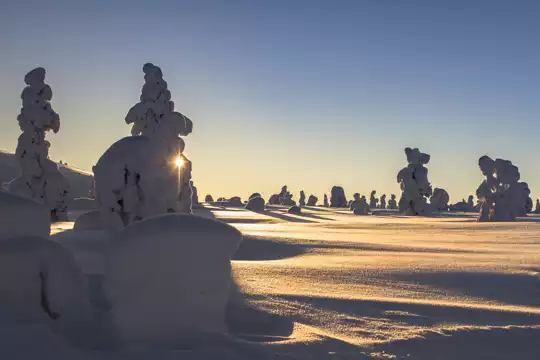
Northern Europe can be beautiful in January, especially if you're a fan of snow and winter sports. Destinations like Norway and Sweden provide stunning snowy landscapes and opportunities for activities like skiing and dog sledding. However, keep in mind that daylight is limited, and temperatures can dip well below freezing, which might not suit everyone. If you can handle the cold, the scenery is magical, and prices for hostels and flights tend to be lower this time of year.
Moving on to
Central Europe, places like Germany and Austria can be a great experience in January. While it’s still cold, you can enjoy cozy cafés, beautiful holiday markets, and a vibrant cultural scene. Cities like Vienna and Munich offer plenty of indoor attractions, and you might snag some good deals on accommodation as this isn't peak tourist season. Just be prepared for the chill and bring plenty of layers!
Lastly,
Southern Europe is where you’ll find the most favorable conditions for travel in January. Countries like Italy and Spain boast milder temperatures, making it easier to explore cities like Rome or Barcelona without the summer crowds. While it might not be beach weather, the climate is usually pleasant enough for sightseeing, and you’ll find that prices for food and lodging are often more budget-friendly this time of year, especially in the off-peak areas.
In summary, if you're looking for a winter adventure, head north or central, but for a more temperate escape, Southern Europe is your best bet in January. Just make sure to check local events or festivals, as there can often be unique experiences during this quieter travel season!
⚠️ Select January in the filters below on the right to find your perfect match.
July in Europe offers a mixed bag of climates and conditions, making it a fantastic time to explore, but also one where some regions can get a bit sweltering or crowded. Generally, the northern parts of Europe tend to be mild and pleasant, while the southern regions can experience intense heat, especially in tourist hotspots. Here’s a quick breakdown of what to expect from different regions this month.
Starting with the
Nordic region, including countries like Norway, Sweden, Finland, and Iceland, July is prime time for backpackers. The weather is usually mild, perfect for hiking and exploring stunning landscapes without the biting cold. Plus, the long daylight hours mean you can make the most of your adventures. Just be mindful that some areas can be a bit pricey, especially Iceland, so budgeting is key.
Moving to
Central Europe, countries like Germany, Austria, and Switzerland come alive in July. Expect warm, sunny days that are ideal for outdoor activities, beer gardens, and festivals. However, this is peak tourist season, so popular spots can be crowded. If you're looking to avoid the throngs, consider venturing into the lesser-known towns or rural areas.
In the
Eastern Europe corner, countries such as Poland, Estonia, Latvia, and Lithuania offer a nice mix of warm weather and fewer tourists compared to their western counterparts. July is a great time to experience local festivals and outdoor events, while also enjoying relatively affordable prices for accommodation and food. Just keep an eye on the weather, as it can be unpredictable at times.
Lastly, the
British Isles—including the United Kingdom, Ireland, and the Channel Islands—can be a bit of a toss-up in July. While you might encounter some lovely sunny days, you should also be prepared for rain. The upside? The landscapes are lush and green, and outdoor festivals are in full swing. Just pack a light rain jacket and you’ll be good to go.
In summary, July in Europe has something for everyone, but it’s all about picking the right region for your travel style. Whether you prefer the cooler northern climates or the warmer central and eastern areas, there’s plenty to explore without breaking the bank.
⚠️ Select July in the filters below on the right to find your perfect match.
June is a fantastic month to explore Europe, as the weather starts to warm up, and the crowds are generally manageable compared to peak summer months. However, Europe’s climates can vary significantly, so it’s worth knowing which regions shine in June and which might be a bit trickier for travel.
In the
Southern Europe region, countries like Greece, Italy, and Spain offer warm temperatures and plenty of sunshine, making them perfect for beach days and outdoor activities. This time of year also brings vibrant festivals and local events, so you'll get a taste of authentic culture without the overwhelming summer tourist rush. Just be prepared for occasional heatwaves, especially in southern Spain and Greece.
Moving up to
Central Europe, including countries like Austria, Czechia, and Hungary, you’ll find pleasant weather that’s ideal for hiking and exploring cities. June is a great time for outdoor festivals and events, and you’ll enjoy longer daylight hours. However, be mindful that some popular cities can get crowded as the month progresses, so try to book accommodations in advance if you can.
The
Northern Europe region, featuring countries like Denmark, Sweden, and Finland, welcomes the return of vibrant greenery and longer days in June. This is a prime time for nature lovers, with plenty of opportunities for hiking, cycling, and even enjoying the midnight sun in places like Norway. However, keep in mind that prices can be higher in popular spots, so it may take a bit of budgeting to make the most of your trip.
Lastly, the
Eastern Europe region, including countries like Poland, Ukraine, and Romania, is experiencing a warm climate in June, making it a great time to explore lesser-known cities and rural areas. You'll find better prices on food and accommodations compared to Western Europe, and the cultural experiences can be incredibly rewarding. Just make sure to stay updated on any travel advisories or local conditions, especially in places with ongoing political situations.
Overall, June is a wonderful time to backpack through Europe, with diverse experiences available across regions. Just plan accordingly for weather and crowds, and you’ll find plenty of adventures waiting for you!
⚠️ Select June in the filters below on the right to find your perfect match.
March in Europe is a bit of a mixed bag when it comes to weather and travel vibes. As winter starts to fade, some regions are warming up, while others are still dealing with chilly temps and occasional snow. If you're a backpacker looking for adventure, this month can be a great time to explore before the summer crowds roll in. Here’s a look at how different regions stack up.
The
Southern Europe region, including places like Spain and Italy, begins to shake off the winter chill in March. You’ll find milder temperatures and blooming landscapes, making it an ideal time for outdoor activities and city exploration without the sweltering heat. Plus, tourist spots are less crowded, meaning you can enjoy iconic sights without feeling rushed.
In
Western Europe, countries like France and Germany can be a mixed experience. While cities like Paris start to warm up, rain is quite common, so pack an umbrella. Cultural events and festivals begin ramping up, though, so you might catch some local celebrations. Just be prepared for cooler evenings, especially in northern parts.
On the flip side,
Eastern Europe is still feeling the grip of winter in March. Temperatures can be quite low, and snow is still a possibility in many places. However, the off-peak travel season means you’ll find lower prices and fewer tourists in cities like Prague and Budapest. If you’re okay with bundling up, this region can be a quiet and budget-friendly option.
Lastly,
Northern Europe is best left for the warmer months. Countries like Sweden and Norway are still experiencing winter conditions, making travel a bit challenging. If you’re keen on winter sports, it’s a good time to hit the slopes, but for general sightseeing, you might want to wait until later in the spring.
Overall, March offers a unique blend of opportunities across Europe, with Southern Europe leading the pack for pleasant weather, while Eastern and Northern regions offer quieter experiences, albeit with cooler temps. Plan according to your preferences, and you’ll find plenty of adventures waiting!
⚠️ Select March in the filters below on the right to find your perfect match.
May is a fantastic time to explore Europe as the weather starts to warm up, making it perfect for outdoor adventures and city strolls. However, the climate can vary quite a bit from region to region, so it’s worth considering where to go based on your travel style and preferences.
In southern Europe,
the Mediterranean region shines in May. Countries like Greece, Croatia, and Portugal boast sunny skies, blooming landscapes, and fewer crowds compared to the summer months. This is prime time for beach lovers and hikers alike, as temperatures are comfortably warm but not scorching. Plus, you'll find plenty of local festivals celebrating spring, which adds to the vibrant atmosphere.
Moving northward,
Central Europe offers a delightful mix of historical charm and budding spring scenery. Countries like the Czech Republic, Hungary, and Poland are particularly inviting, with pleasant temperatures ideal for sightseeing and enjoying outdoor cafés. The crowds are manageable, making it a great time to explore both urban and rural settings without the summer rush.
On the flip side,
Northern Europe can be a bit tricky in May. While places like Denmark and Sweden are beautiful, temperatures can still be on the chilly side, and you might encounter some rain. If you’re prepared for unpredictable weather and want to experience longer daylight hours, this region can still be enjoyable but just be ready for layering up.
Lastly, the
Balkans are emerging as a great choice for budget travelers. Countries like Serbia, Montenegro, and Bosnia and Herzegovina are not only budget-friendly but also offer stunning landscapes and rich culture. May is a lovely time to visit before the summer heat kicks in and before tourist numbers swell.
In summary, May presents a diverse range of options across Europe. Southern and Central Europe are generally more favorable for pleasant weather and activities, while Northern Europe may require some flexibility with your plans. The Balkans are a solid bet for those looking to explore off the beaten path without breaking the bank.
⚠️ Select May in the filters below on the right to find your perfect match.
November in Europe can be a mixed bag when it comes to weather and travel conditions. While many places are cooling down and entering a more wintry vibe, a few regions still offer pleasant experiences for budget travelers. Some areas are great for off-season exploration, while others might not be ideal due to dampness or chill.
Starting with the
Southern Europe region, countries like Malta are a solid bet. November temperatures are mild, making it perfect for wandering around ancient sites or enjoying outdoor activities. Plus, with fewer tourists, you can soak up the local culture without the crowds. The Mediterranean vibe remains inviting, and prices for accommodation and food often drop compared to peak summer months.
On the other hand,
Western Europe, including Luxembourg, can be quite chilly and damp in November. While the cities are charming and there are plenty of cozy cafés to duck into, be prepared for gray skies and the possibility of rain. If you’re okay with bundling up and enjoying indoor attractions like museums and galleries, this region still has its perks. Just keep an eye on local events, as many cities host festivals and holiday markets that can be a lot of fun.
Lastly, the
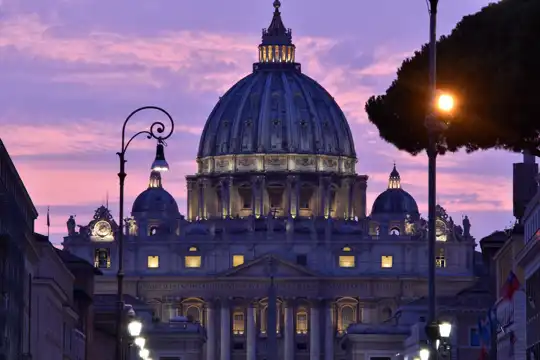
Central Europe region, which includes places like Vatican City State, can be hit or miss. While daytime temperatures are cooler, the cultural richness and historical significance draw visitors year-round. You might encounter some rainy days, but exploring iconic sites with fewer people can be a rewarding experience. Plus, the festive spirit starts to kick in as Christmas approaches, adding a unique charm to the experience.
In summary, for backpackers in November, look to
Southern Europe for milder weather and fewer tourists, while
Western Europe and
Central Europe offer a blend of culture and cozy atmospheres, albeit with a chill in the air. Just be prepared for any weather surprises and make the most of your off-peak adventure!
⚠️ Select November in the filters below on the right to find your perfect match.
October in Europe is a mixed bag when it comes to weather and travel conditions. As the summer crowds thin out, this month can offer a sweet spot for budget travelers looking to explore without the hustle and bustle. However, the climate varies widely across the continent, so it's worth noting which regions are more favorable for a visit during this time.
Starting with
Southern Europe, places like Italy, Greece, and Croatia are particularly appealing. The weather is generally mild, often warm enough for comfortable sightseeing. The summer tourist rush is over, meaning you can explore the stunning coastlines, historical sites, and vibrant cities without feeling overwhelmed. Plus, accommodations often drop in price, making it a budget-friendly option for backpackers.
Moving up to
Central Europe, countries like Czechia, Hungary, and Austria can be quite pleasant in October. You’ll likely experience crisp air and beautiful autumn foliage—perfect for those picturesque city strolls. However, pack a light jacket as evenings can get chilly. This region also has plenty of cultural events and festivals during the fall, adding to the travel experience.
On the other hand,
Northern Europe can be less ideal in October. Countries like Denmark and Norway start to feel the chill, with shorter days and a higher chance of rain. While the landscapes can be stunning with their autumn colors, the weather might put a damper on outdoor activities. If you don’t mind bundling up and possibly dodging showers, it can still be a worthwhile experience.
Finally,
Eastern Europe—think places like Bulgaria and Romania—can offer a mix of both worlds. While the weather is generally cooler, it’s often still manageable for exploring cities and nature. Plus, these countries tend to be less touristy, so you'll have a chance to dive deeper into local culture without breaking the bank.
In summary, while Southern and Central Europe shine in October for milder weather and fewer crowds, Northern Europe may require a bit more preparation for those cooler temps. Eastern Europe can be a great compromise, offering unique experiences at lower costs. Just be sure to check local weather forecasts as your travel date approaches!
⚠️ Select October in the filters below on the right to find your perfect match.
September is a fantastic time to explore Europe, as the summer crowds start to thin out, and you can enjoy milder weather in many regions. The climate varies significantly across the continent, which means some areas are perfect for backpacking adventures, while others might be a bit less appealing due to cooler temperatures or increased rainfall.
In the
Southern Europe region, countries like Spain, Italy, and Greece offer warm, pleasant weather, making it ideal for outdoor activities and beach time. With the summer rush winding down, you'll find more affordable accommodation and less crowded sights, allowing for a more relaxed experience. Plus, many festivals and local events take place in September, adding a vibrant touch to your travels.
Moving towards
Central Europe, countries like Austria, Germany, and Czechia also provide enjoyable weather and plenty of cultural experiences. The temperatures are generally comfortable for sightseeing, and the autumn colors start to emerge, especially in parks and countryside areas. This region is excellent for city hopping, as transportation links are strong, and you can soak in the rich history and stunning architecture without battling the peak tourist season.
On the other hand,
Eastern Europe can be a mixed bag in September. Countries like Poland, Hungary, and Romania may still have decent weather, but you might encounter some rain as the month progresses. That said, the vibrant cities and rich history still make it worth a visit. Just be prepared for cooler evenings and pack accordingly.
Lastly, the
Nordic and Northern Europe region, including countries like Denmark and Lithuania, starts to cool down more noticeably in September. While you'll find fewer tourists, the weather can be unpredictable, with more chances of rain and chilly days. If you're ready for some crisp air and stunning autumn scenery, this can still be a rewarding experience, especially for those who enjoy hiking and exploring nature.
Overall, September is a great month to travel across Europe, especially if you're looking to avoid crowds and enjoy more budget-friendly options. Just keep an eye on the weather based on the region you choose, and you'll have a fantastic adventure!
⚠️ Select September in the filters below on the right to find your perfect match.
v2.webp)