×

Best countries in Europe to visit in September

Discover the best countries to go backpacking in September, based on weather, festivals, wildlife, and seasonal highlights. Drawing on firsthand travel experiences, this guide helps you find destinations that match your interests—whether it’s scenic landscapes, cultural events, or unique adventures. Refine your search to plan the perfect September journey.”
Europe
Explore North America in September
Preferences
WHEN DO YOU GO?


WHAT DO YOU LIKE?


How does it work?

show best time to go
Greece
1

Greece

Climb ancient ruins, then hike gorges down to the sea.


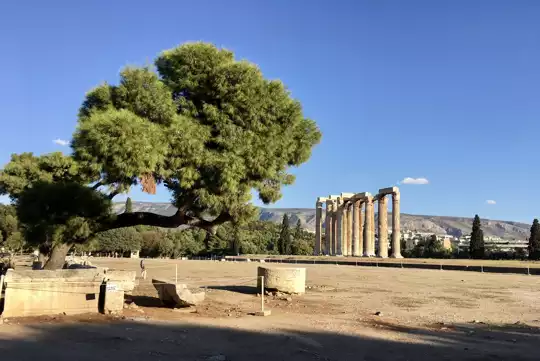
Stand beneath the Parthenon, visit the cliff-top monasteries of Meteora, walk Samaria Gorge on Crete and hike Vikos Gorge in the Zagori mountains.
June and September are the best months for backpacking Greece: the sea is warm enough for long swims, ferries run full summer timetables, and island rooms cost roughly €40 to 70 a double instead of the €80 to 150 that popular islands charge in August. Crete, Rhodes and the rest of the Dodecanese warm up earlier and stay swimmable into late October, while the northern mainland (Thessaloniki, Zagori, the Pindus) gets proper winters with snow and suits hiking more than beaches.
  • Shoulder season (May, June, September, October): Highs of 24 to 30°C (75 to 86°F), sea temperatures from a brisk 19°C in May to 25°C in September, nearly every island guesthouse open and prices well below peak. This is the window for island hopping and for the Samaria Gorge on Crete.
  • Peak summer (July and August): Athens regularly hits 33 to 38°C, heatwaves push past 40°C, and the meltemi wind can cancel small boats in the Cyclades. Prices and crowds top out. The anomaly is Athens itself around 15 August: locals flee to the islands for the Dormition holiday, so the capital goes half-empty while ferries sell out.
  • Spring (March and April): Changeable weather, wildflowers and cold seas, with islands reopening around Orthodox Easter.
  • Winter (November to February): Rain, highs of 12 to 16°C in Athens, most Cyclades hotels shut, cheap city stays and skiing in the mountains.
I’d book ferries and island beds for mid-August the day your dates are fixed, and in the shoulder months I pack a light fleece for windy ferry decks.
Best known for:Known for: architecture | beach life | food
Best time to visit: April - June, September - October
Daily cost: €50 to €80
Türkiye
2

Türkiye

Balloons over Cappadocia, Roman ruins and coastal trails, linked by comfy buses.


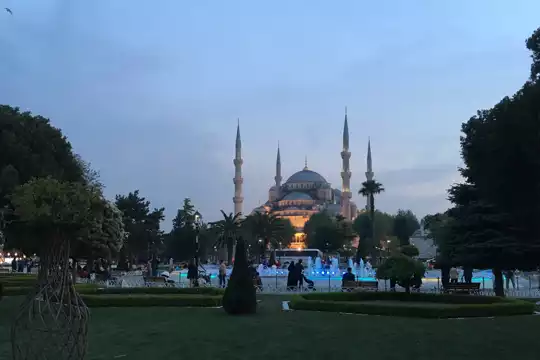
Walk Ephesus’s marble street, visit Istanbul’s Süleymaniye Mosque, watch sunrise at Mount Nemrut, and hike the Lycian Way above Kabak.
May, June, September and October are the best months for backpacking Türkiye: daytime temperatures sit around 20 to 28°C across most of the country, the south coast sea is warm enough to swim, and guesthouses charge well below their July and August rates. Region changes the picture a lot. The Aegean and Mediterranean coasts stay mild enough for winter walking, while Cappadocia and the eastern plateau around Kars and Erzurum get real snow and sub-zero nights from December to March, and the Black Sea coast is wet in every season.
  • Spring shoulder (April to June): Tulips across Istanbul’s parks in April, wildflowers on the Lycian Way, and sea water warming from about 18°C in May to around 24°C by late June. Crowds build slowly, and prices climb from mid-June when Turkish school holidays begin. Best for hiking, Cappadocia and city sightseeing.
  • Summer peak (July and August): 35 to 40°C in Antalya, Pamukkale and the interior, with Istanbul humid at around 30°C. Beach towns such as Kaş and Bodrum are packed and rooms cost the most of the year. This is the narrow window for the high country: climbing Mount Ararat (permit required) and walking between the Kaçkar Mountains’ summer pasture villages work mainly in July and August.
  • Autumn shoulder (September and October): Sea still near its summer peak in September (around 26°C), cooling air, and grape harvest in Cappadocia and the Aegean hills. Crowds and prices ease after mid-September.
  • Winter (November to March): Istanbul is rainy at 5 to 10°C, the coast stays mild at 12 to 17°C but many beach pensions and boat tours shut, snow covers Cappadocia, and ski season runs at Palandöken and Uludağ. Lowest prices of the year outside ski resorts and New Year in Istanbul.
Check the dates of Ramazan Bayramı and Kurban Bayramı before you book, since they move about 11 days earlier each year and buses and coastal rooms sell out nationwide. Around those holidays I’d buy intercity bus tickets at least three or four days ahead.
Best known for:Known for: people | backpackers | beach life
Best time to visit: March - November
Daily cost: €30 to €50
Italy
3

Italy

Walk Roman ruins and Dolomite loops, then eat lunch standing at the bar.


Wander the Roman Forum, circle the Tre Cime in the Dolomites, explore Pompeii and the cave-house district of Matera, and see Venice at dawn.
The best months for backpacking Italy are late May, June and September, when days are warm, the sea is swimmable and hostel beds cost noticeably less than in July and August.
Region matters more than the calendar suggests. Sicily, Puglia and Sardinia stay beach-warm into October, while the Dolomites run on a separate clock: hiking huts open from roughly mid-June to late September, and ski season covers December to April.
  • Spring shoulder (March to May): Highs climb from about 15°C to 25°C, with showers that taper off by May. Crowds are moderate except around Easter and the April 25 and May 1 holidays, when Italians travel too and prices jump. Coastal ferries and seasonal guesthouses reopen around Easter. The sea stays too cold for most swimmers until late May.
  • Summer peak (June to August): Hot and mostly dry, with inland cities like Florence and Rome often at 32 to 35°C by July. Beaches, islands and the Amalfi Coast are packed, and rooms there can double in price compared with spring. Many city businesses close for a week or two around Ferragosto (August 15). Mountains and islands are at their best.
  • Autumn shoulder (September to October): The sea is at its warmest in September, heat eases, and grape and truffle season starts. Coastal resorts begin closing from late October, and rain picks up as the month goes on.
  • Winter low season (November to February): Cool and damp, with fog in the Po Valley and mild sun in Sicily. Museums are quieter, dorm beds cheapest, and much of the coast is shut. Christmas week and Venice Carnival are the exceptions, with high-season prices.
I’d book beds two to three months ahead for Easter week and anything coastal in July or August, and in spring or autumn I’d pack a light rain shell rather than an umbrella, which is useless on windy ferry decks.
Best known for:Known for: architecture | food | scenery
Best time to visit: March - October
Daily cost: €60 to €95 [italia.it]
Spain
4

Spain

Eat at crowded pintxo bars, then walk Moorish palaces and gorges.


Book Alhambra slots in Granada, see Gaudí’s Sagrada Família, walk the Córdoba mosque’s columns and hike the Cares Gorge in the Picos de Europa.
The best months for backpacking Spain are May, June, September and October, when daytime highs sit around 20 to 28°C across most of the country, the sea is warm or warming, and hostel prices run well below the July and August peak. Timing shifts by region. The green north (Galicia, Asturias, the Basque Country) is driest and most reliable in July and August, while Andalusia and the interior around Madrid are far better in spring and autumn. The Canary Islands stay mild all year, so winter is their busy season.
  • Spring (April to June): Andalusia hits 22 to 28°C, Madrid warms from showery to hot, and the north stays green and damp. Crowds and prices are moderate, apart from Semana Santa week, when beds in Seville, Málaga and Granada can double. The Mediterranean only becomes comfortable for swimming in late June.
  • Summer peak (July to August): Inland highs of 35 to 40°C are normal, and Seville and Córdoba regularly pass 40°C. Coasts and islands are packed, and dorms in Barcelona, Ibiza or San Sebastián often cost €45 to 80. It’s the best time for the Pyrenees, the Picos de Europa and northern beaches. Many family-run bars and shops in Madrid close for part of August.
  • Autumn (September to October): The sea is at its warmest in September, the heat breaks inland, and prices fall once Spanish school holidays end. Rain returns to the north and northwest from late October.
  • Winter (November to March): The cheapest stretch, with dorms from €15 to 25. Madrid nights drop near freezing, Andalusia sees sunny 15 to 18°C days, and Sierra Nevada and the Pyrenees run ski seasons. Some beach-town hostels and Balearic hotels close outright.
The risk travelers underestimate is midday summer heat inland: sightseeing in Seville or Córdoba between 2 and 6 p.m. in July can cause heat exhaustion, so plan mornings and evenings and rest when locals do.
If your dates touch Semana Santa, I’d book beds in Andalusia at least two months ahead, and in any season I pack a warm layer, because nights inland drop 12 to 15°C below daytime highs.
Best known for:Known for: architecture | beach life | mountains
Best time to visit: April - October
Daily cost: €50 to €80
Kosovo
5

Kosovo

Cross Ottoman lanes and canyon roads in a young, compact country.


Wander Prizren’s old town, drive into Rugova Canyon, see frescoes at Visoki Dečani and swim at the Mirusha waterfalls.
The best time for backpacking Kosovo is June and September, when days sit around 22 to 28°C, mountain trails are clear of snow, and beds cost their normal rate instead of diaspora-season prices. Regional differences are real. Prizren and the south run a few degrees warmer, while the Rugova Gorge above Peja and the Sharr Mountains around Brezovica hold snow well into May.
  • Spring shoulder (April to June): Mild and green with frequent showers early on, few visitors and low prices. Towns are at their best, and high trails open from mid-June.
  • Summer peak (July to August): Lowland highs of 30 to 33°C. The diaspora returns from Germany and Switzerland, so border queues grow, weddings fill weekends and room rates climb.
  • Autumn shoulder (September to November): Warm, then crisp. Crowds thin, prices fall, and rain returns by November.
  • Winter (December to March): Freezing nights and regular snow. This is the season for skiing at Brezovica and the cheapest rooms of the year, but the high trekking routes are shut.
I’d book Prizren beds early for summer. I would also pack a fleece even in July, because Rugova evenings can drop to around 10°C.
Best known for:Known for: people | food | low cost
Best time to visit: March - November
Daily cost: €25 to €40
Portugal
6

Portugal

Ride tram-hilled Lisbon, port-wine terraces and Atlantic sea caves.


Wander Alfama and Sintra’s fog-wrapped palace, taste wine in the Douro, paddle the grottoes at Lagos and cross the crater lakes of the Azores.
The best months for backpacking Portugal are late May, June and September, when days are dry and warm at 22 to 28°C and hostel prices sit well below the August peak. The north (Porto, the Minho, Peneda-Gerês) is greener and far wetter, with showers possible into June, while the Algarve stays dry and mild enough for winter walking, and the Alentejo interior and Douro Valley regularly pass 35°C in high summer.
  • Spring (March to May): Lisbon climbs from 18 to 24°C, the south dries out first and the north keeps its showers. Crowds are moderate and prices are mid-range, with most coastal businesses reopened by April.
  • Summer (June to August): Hot and almost rainless. July and August bring Portuguese and European holidaymakers, full beach towns and dorm rates roughly double winter levels. Every beach bar, ferry and surf school is running.
  • Autumn (September to October): Dry and warm through September, with crowds thinning after the first week and rain returning by late October.
  • Winter (November to February): Highs of 12 to 17°C, Atlantic storms and frequent rain in Porto and Lisbon, the cheapest beds (€15 to 25 a night), and many Algarve guesthouses and beach restaurants closed.
The risk people ignore is indoor cold: most older buildings here have no central heating, so a mild January day can still mean a 12°C dorm at night.

For July and August I would lock in Algarve and Lisbon beds at least two months ahead; the rest of the year, booking a few days out works fine.
Best known for:Known for: safety | people | architecture
Best time to visit: March - November
Daily cost: €45 to €70 [visitportugal.com]
Romania
7

Romania

Drive mountain roads past painted monasteries and citadel towns.


Cross the Transfăgărășan road, see Voroneț’s blue frescoes, wander Sighișoara’s citadel, visit the salt mine at Turda and the Săpânța cemetery.
The best time for backpacking Romania is late May to June and September, when days sit around 20 to 27°C, most trails are open, and rooms cost less than in the August holiday rush. Region matters. The Carpathians hold snow into May and often get it again by late October, while Bucharest and the Danube plain bake in July and August, and the Black Sea coast only makes sense from June to early September.
  • Spring (April to May): The lowlands are mild at 15 to 23°C, rain is frequent, and high passes are still closed. Prices are low and visitors few. Orthodox Easter brings village traditions, and birds return to the Danube Delta.
  • Summer (June to August): The south is hot (30°C and up, with heatwaves toward 38°C), Transylvania is cooler, and the mountains get afternoon thunderstorms. Mountain huts are open, festivals stack up and the coast fills. August is the most crowded and expensive month.
  • Autumn (September to October): September is stable and warm. October turns crisp as the beech forests go orange. Crowds thin fast and prices drop after mid-September.
  • Winter (November to March): Grey and cold, from around 0°C in Bucharest to −15°C in the mountains. Ski resorts like Poiana Brașov run from roughly mid-December to March, while many huts and rural guesthouses close.
The Transfăgărășan high road over the Făgăraș Mountains usually opens only from July to October, so plan that drive or ride inside the window. Pack a warm layer and a rain shell even in July, because nights at Bâlea Lake can drop to around 5°C.
Best known for:Known for: safety | backpackers | architecture
Best time to visit: April - July, September - October
Daily cost: €35 to €50 [romaniatourism.com]
Albania
8

Albania

Walk from Valbona to Theth, then ride a ferry through limestone walls.


Cross a mountain pass on foot, ride the Komani Lake ferry, then wander Roman ruins at Butrint and the slate-roofed lanes of Gjirokastër.
The best time for backpacking Albania is September to early October, with late May and June close behind, because the sea is warm, the mountain trails are open and beds on the Riviera cost far less than in August. Region matters a lot here. The northern Accursed Mountains hold snow into late May and shut down by mid-October, while the south around Sarandë and Gjirokastër stays mild enough for sightseeing most of the year.
  • Winter (November to March): The wettest stretch, with coastal highs of 12 to 16°C, frost in Tirana at night and snow up north. Most beach hotels close, but Berat, Gjirokastër and Tirana stay open, empty and at their cheapest.
  • Spring (April to June): Highs climb from about 18°C to 30°C, rivers run full and wildflowers cover the hills. Prices stay low until late June, when the coast starts filling.
  • Peak summer (July to August): Coastal heat of 32 to 35°C, Ksamil and Dhërmi packed with Italian, Kosovar and diaspora families, and Riviera rates up by 50 to 100 percent.
  • Autumn (September to October): Sea around 22 to 25°C, crowds thin quickly and the hills turn gold. Rain returns in late October.
The Valbona to Theth crossing is only realistic from mid-June to late September, when the pass is snow-free and the Koman Lake ferry connects. Outside July and August, I’d always pack a proper rain shell.
Best known for:Known for: food | low cost | safety
Best time to visit: March - October
Daily cost: €30 to €45 [albania.al]
Iceland
9

Iceland

Chase glaciers, geothermal pools and puffin cliffs along the Ring Road.


Watch icebergs wash ashore at Jökulsárlón, hike colored rhyolite hills, soak in warm rivers and look for puffins on the Látrabjarg cliffs.
The best time to go backpacking in Iceland is June to September, when roads are open, daytime temperatures sit around 10 to 15°C and daylight stretches 16 to 24 hours, though July and August bring the highest prices and the thickest crowds on the South Coast. Region matters a lot here: the interior highlands and their F-roads usually open only from late June to early September, while passes in the Westfjords and the north can stay snowbound well into spring.
  • Summer peak (June to August): 10 to 15°C, almost no darkness, every campsite and mountain hut open. Gullfoss and Reynisfjara are packed by mid-morning, and Reykjavik dorm beds run ISK 6,000 to 11,000 (US$50 to 90). Highland hiking, including the Laugavegur trail, works only in this window.
  • Autumn shoulder (September to October): 3 to 10°C, more wind and rain, and prices drop after mid-September. Northern lights return, but most campsites and highland huts shut by mid-September.
  • Spring shoulder (April to May): 0 to 9°C, quiet roads, puffins back on the cliffs, but the highlands stay closed and mountain trails turn to mud.
  • Winter (November to March): -3 to 3°C on the coast, colder inland and in the north, as little as 4 hours of daylight, and storms that close roads. Aurora, ice caves on Vatnajökull and cheaper rooms. The week between Christmas and New Year is the oddity: Reykjavik books solid for the fireworks despite the darkness.
I’d reserve Laugavegur huts and any summer rental car by February, and pack a proper waterproof shell for every month, because the wind is what wears you down here.
Best known for:Known for: scenery | uniqueness | safety
Best time to visit: April - October
Daily cost: €90 to €130 [visiticeland.com]
Croatia
10

Croatia

Pair terraced waterfall lakes with Roman ruins and island coasts.


Follow boardwalks at Plitvice, sleep inside Diocletian’s Palace in Split, walk the Dubrovnik walls and ferry out to quiet Vis.
The best time for backpacking Croatia is June and September, when the Adriatic sits around 22 to 24°C, coastal highs stay in the mid to high 20s, and island hostel prices run roughly 20 to 40 percent below the July and August peak. The coast and islands run on a strict tourist calendar that shuts down hard in winter, while Zagreb and the inland north get cold, sometimes snowy winters and a much milder summer spike.
  • Peak summer (July to August): Highs of 30 to 33°C in Split and Dubrovnik, the warmest sea of the year and the fullest ferry timetables. Dorms on Hvar or in Dubrovnik often cost €35 to 60, and ferries sell out.
  • Early shoulder (May to June): Warm days, a cool but swimmable sea by June, long evenings and moderate prices. Almost everything is open by late May.
  • Late shoulder (September to October): The sea stays warm well into September, crowds thin fast and prices fall, while Istria’s truffle and wine season starts. Island bars and some hostels close by mid-October.
  • Low season (November to April): Mild but rainy and windy on the coast, cold inland. Dorms drop to €12 to 20, ferry schedules shrink and many island businesses lock up until Easter.
I’d book island hostels and the Split catamarans two to three weeks ahead for June or September, and pack a light windproof layer, because an evening bura off the mountains drops the coastal temperature fast.
Best known for:Known for: backpackers | safety | beach life
Best time to visit: May - October
Daily cost: €50 to €80 [croatia.hr]
Bosnia and Herzegovina
11

Bosnia and Herzegovina

Cross rebuilt Ottoman bridges and swim below waterfalls.


Watch divers leap from Mostar’s bridge, wander Sarajevo’s old bazaar, and cool off at the Pliva, Štrbački Buk and Kravica waterfalls.
The best time for backpacking Bosnia and Herzegovina is June or September, when days run in the mid-20s °C, rivers are good for rafting and swimming, and beds cost less than in July and August. The country splits into two climates: Herzegovina, around Mostar and Trebinje, is hot and Mediterranean, while Sarajevo and the central mountains get real snow from December to March.
  • Spring (April to May): Sarajevo highs of 15 to 22°C, frequent showers and rivers at full spring flow. Prices stay low, but trails above 1,500 meters still hold snow.
  • Summer (June to August): Sarajevo reaches 25 to 30°C, and Mostar regularly passes 35°C. July and August bring tour buses to the Old Bridge and higher dorm prices, though every mountain hut and village road is open.
  • Autumn (September to October): Settled weather, warm rivers into September and grape harvest in Herzegovina. Crowds thin out after mid-September.
  • Winter (November to March): Sarajevo hovers near freezing and traps smog on still days. Jahorina and Bjelašnica ski resorts open in December with some of Europe’s cheapest lift passes, while many rural guesthouses close.
Book Sarajevo beds weeks ahead for Film Festival week in mid-August, and pack a fleece for the mountains, where summer nights can drop to around 10°C.
Best known for:Known for: uniqueness | low cost | scenery
Best time to visit: March - October
Daily cost: €30 to €45
Bulgaria
12

Bulgaria

Combine painted monasteries, glacial lakes and Roman-era old towns.


Visit Rila Monastery, walk between the Seven Rila Lakes, climb Plovdiv’s cobbled hill, see Veliko Tarnovo’s fortress and the red rocks of Belogradchik.
June and September are the best months for backpacking Bulgaria, with daytime highs of roughly 22 to 28°C, snow-free mountain trails, a Black Sea warm enough to swim in, and coastal room rates well below their July and August peak. Region matters more than the calendar suggests. Rila and Pirin keep snow on high passes into June, the Thracian plain around Plovdiv bakes in midsummer, and the coast runs a summer-only economy that largely shuts from October to May.
  • Summer (June to August): Inland highs of 30 to 35°C, with afternoon thunderstorms in the mountains. Mountain huts are open and the coast runs at full capacity. July and August are the most expensive and crowded months by the sea.
  • Autumn (September to November): A warm, settled September gives way to a cooler October with beech forests turning gold, then a gray, damp November. Wine harvest happens around Melnik and the Thracian valley, and beach resorts close from early October.
  • Winter (December to February): Sofia hovers around freezing and the mountains get reliable snow. Bansko, Borovets and Pamporovo fill with skiers and charge peak rates, while cities and the coast sit quiet and cheap.
  • Spring (March to May): Changeable, with rain and late snow in March, mild and green by May. The public holidays on 1, 6 and 24 May are the anomaly: Bulgarians pack Plovdiv, Veliko Tarnovo and mountain guesthouses, so an otherwise quiet month suddenly needs bookings.
If you plan to sleep in a Rila or Pirin hut, pack a warm layer and a rain shell even in July, and phone ahead for weekend beds.
Best known for:Known for: safety | backpackers | low cost
Best time to visit: April - July, September - October
Daily cost: €30 to €45 [bulgariatravel.org]
Hungary
13

Hungary

Soak in thermal baths, taste cellar wines and cross the puszta.


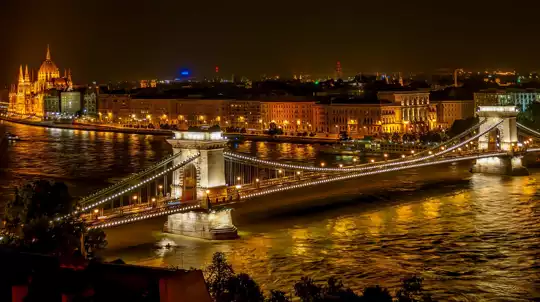
Warm up at Budapest’s Széchenyi baths, climb Castle Hill, drink red wine in Eger’s cellars, and see Balaton’s Tihany and the Hortobágy plains.
September and October are the best months for backpacking Hungary: days sit around 15 to 25°C, the summer crowds have gone, hostel prices drop back to off-peak rates, and the wine regions are harvesting. Regional differences are modest in a country this flat and compact, but Lake Balaton runs on a strict June to August season, and the Great Plain around Szeged gets the hottest, driest summers.
  • Spring (April to May): Mild, 15 to 23°C, though May and June are the rainiest stretch thanks to short thunderstorms. Shoulder prices, light crowds, and Budapest’s café terraces fill up again.
  • Summer (June to August): Hot, 26 to 30°C, with heatwaves above 35°C most years. Peak crowds and prices in Budapest and at Balaton, where ferries, beach clubs and lakeside campsites all run full schedules. Festival season.
  • Autumn (September to October): Warm, then crisp. The northern hills turn gold, Eger and Tokaj hold harvest events, and dorm beds return to shoulder rates.
  • Winter (November to March): Cold and gray, often below freezing at night, and most Balaton resorts shut. The cheapest season, and the outdoor thermal pools are at their best.
For a narrow window, aim for mid to late June, when the Tisza mayfly bloom fills the river for only a few days. Pack a swimsuit whatever the season, since the baths need it in January as much as Balaton does in July.
Best known for:Known for: backpackers | architecture | safety
Best time to visit: March - November
Daily cost: €40 to €60
Ireland
14

Ireland

Trace Atlantic cliffs, monastic ruins and pubs with live music.


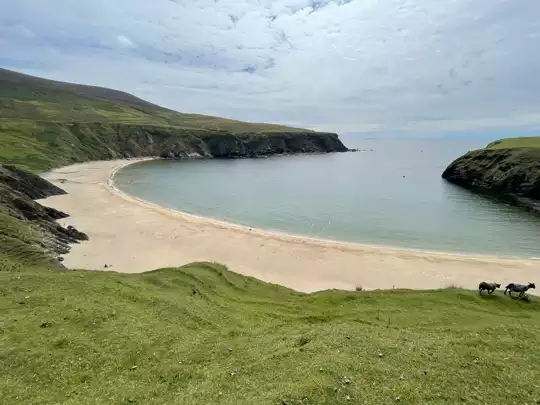
Take a boat to Skellig Michael, walk the Burren’s limestone, stand at the cliff-edge fort of Inis Mór and drive Slea Head.
The best months for backpacking Ireland are May, June and September, when you get the steadiest weather of the year, hostel beds priced below the July and August peak, and walking trails you share with sheep more than tour groups. The west coast (Kerry, Connemara, Donegal) gets roughly twice the rain of Dublin and the east, and many rural hostels, island ferries and boat trips there run only from around Easter to October, while Dublin, Cork and Galway city work year-round.
  • Summer peak (July to August): Highs of 18 to 20°C, still with regular showers. School holidays and European visitors fill everything, Dublin dorms climb to roughly €40 to 60, and tour coaches stack up at the Cliffs of Moher. Book beds weeks ahead.
  • Shoulder season (April to June, September to October): Highs of 12 to 17°C, changeable skies, thinner crowds and fairer prices. Boats to Skellig Michael, the 6th-century monastery on a sea rock off Kerry, run only from mid-May to late September, and rough swell cancels a good share of sailings.
  • Winter (November to March): Highs of 8 to 10°C, gales on the Atlantic side and dark afternoons. Dorms drop to around €18 to 30, many rural places shut, and city pubs with live sessions carry the season.
I’d book Skellig seats as soon as your dates are fixed and build in a spare day for cancellations. Pack a hooded waterproof shell instead of an umbrella, because coastal wind wrecks umbrellas in minutes.
Best known for:Known for: safety | people | scenery
Best time to visit: March - October
Daily cost: €65 to €100 [ireland.com]
Slovenia
15

Slovenia

Sleep in mountain huts, then swim in Alpine lakes and rivers.


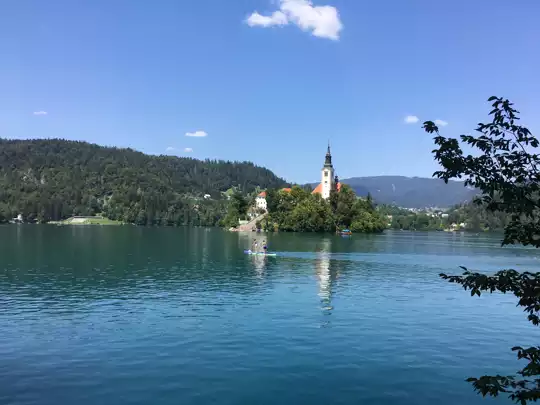
Hike between Julian Alps huts, descend into Škocjan Caves, swim Lake Bohinj, follow the turquoise Soča and finish in Piran on the coast.
June and September are the best months for backpacking Slovenia. You get warm, mostly settled weather and open mountain huts, and beds are cheaper and easier to find than in August. Region matters a lot for a country this small. The Julian Alps around Bovec and Bohinj get far more rain and hold snow longer, the Adriatic coast at Piran stays milder and drier, and Ljubljana can sit under winter fog that the surrounding hills escape.
  • Peak summer (July to August): Ljubljana highs of 27 to 30°C, afternoon thunderstorms in the Alps and sea temperatures around 24 to 26°C. Bled and Vintgar Gorge are packed, and Ljubljana dorms run roughly €25 to 45. This is prime time for high Triglav routes and swimming.
  • Shoulder (June and September): highs of 20 to 26°C and long days, and high huts open from late June. Crowds thin fast after early September. You hike the same trails as in August for less money.
  • Transition months (April, May, October, November): changeable and often wet, especially in the Soča Valley in autumn. Vršič Pass can stay shut into May, and most high huts close by early October. Dorms cost around €20 to 30.
  • Winter (December to March): inland highs near 0 to 5°C and snow in the mountains. Ski areas such as Kranjska Gora and Vogel are running, but most hiking and coastal life is on pause.
I’d book July and August beds at Bled and Bohinj at least a month ahead. Pack a proper rain shell in any month, because Alpine storms here build fast.
Best known for:Known for: safety | mountains | scenery
Best time to visit: May - October
Daily cost: €50 to €75
France
16

France

Mix Alpine cable cars, Roman bridges and tidal abbeys.


Ride up Aiguille du Midi, hike to Calanques inlets, cross the tidal flats at Mont Saint-Michel and walk Carcassonne’s walls after dark.
The best months for backpacking France are May, June and September, when daytime highs sit around 18 to 25°C (64 to 77°F) across most of the country, hostel prices run well below July and August, and the French themselves are still at work. Region matters: the Mediterranean coast and Corsica stay warm enough to swim into early October, the Alps and Pyrenees only open their high trails from mid-June, and Paris works year-round if you can live with gray skies from November to March.
  • Spring shoulder (April to June): April swings between sun and cold showers, then May and June settle into mild, long-light weather. Prices stay moderate, but long holiday weekends in May fill trains and rural guesthouses fast. The hills turn green and markets fill with asparagus and strawberries.
  • Summer peak (July to August): Paris reaches 25 to 30°C and Provence regularly tops 30°C, with recent heatwaves above 35°C. French families pour onto the coasts, dorm beds in Paris and Nice climb to €40 to 60, and beach towns book out weeks ahead. In exchange, every mountain refuge, ferry and seasonal bus is running.
  • Autumn shoulder (September to October): Summer warmth hangs on in the south while crowds thin sharply after schools restart. Wine regions are at their busiest with the harvest. By late October, many campsites and beach-town hostels shut until Easter.
  • Winter (November to March): Expect 3 to 8°C, drizzle and early sunsets in the north, with 10 to 14°C and more sun on the Riviera. City rooms are at their cheapest, but ski resorts in the Alps charge their highest rates of the year.
I’d book long-distance trains for May and September as soon as you have dates, since the cheap fares vanish first, and I’d pack a light rain shell even for June.
Best known for:Known for: architecture | mountains | beach life
Best time to visit: April - October
Daily cost: €60 to €100 [france.fr]
North Macedonia
17

North Macedonia

Combine lake-side monasteries with canyons and Ottoman bazaars.


Walk Ohrid’s old town and St. Naum’s springs, kayak Matka Canyon, stroll Bitola’s pedestrian street and visit the crater-set town of Kratovo.
The best months for backpacking North Macedonia are May, June and September, when lowland days run 22 to 28°C, hostels have space and Ohrid hasn’t yet switched to summer pricing. Region matters: Skopje and the Vardar valley bake in July and August, while Ohrid, Prespa and the Mavrovo highlands stay several degrees cooler.
  • Spring (April to June): Mild, green and sometimes showery, with thin crowds and off-season rates. Trails above 2,000 meters hold snow into late May.
  • Summer (July and August): Skopje regularly tops 35°C, Ohrid fills up and lakeside rooms can double in price. This is the only stretch when Lake Ohrid is warm enough for long swims.
  • Autumn (September and October): Warm, dry and quiet, with the best hiking light of the year.
  • Winter (November to March): Cold and smoggy in Skopje, snowy for skiing in Mavrovo and Popova Šapka; many Ohrid guesthouses close.
Book Ohrid for August at least a month ahead, and pack a fleece for mountain evenings even in midsummer.
Best known for:Known for: safety | architecture | low cost
Best time to visit: April - October
Daily cost: €30 to €45 [macedonia-timeless.com]
Poland
18

Poland

Go from Kraków’s squares to Tatra lakes and bison forest.


Explore Kraków and Kazimierz, visit Auschwitz-Birkenau, hike to Morskie Oko, see Gdańsk’s rebuilt merchant streets and the Białowieża primeval forest.
The best months for backpacking Poland are June and September, when days run 18 to 24°C, hostels are open and stocked, and prices sit below the July and August peak. Regional differences are mostly about altitude and coast: the Baltic shore near Gdańsk only gets swimmable from July, while the Tatras around Zakopane keep snow on high trails into June and turn wintry again by late October.
  • Spring (March to May): Cold, damp March gives way to a green, changeable May with highs of 15 to 20°C. Crowds stay thin outside Easter and the early-May long weekend, and room rates are moderate.
  • Summer peak (June to August): Highs of 22 to 28°C, open-air festivals, lake and seaside season in Masuria and on the Baltic. Kraków, Gdańsk and Zakopane fill up, and dorm beds cost the most.
  • Autumn (September to October): Crisp, settled weather, golden forests in the Bieszczady and Tatras, smaller crowds and falling prices.
  • Winter (November to February): Gray skies, minus 5 to 2°C, sunsets before 4 pm. Christmas markets and skiing near Zakopane, cheap city beds, many seaside guesthouses shut.
In the Tatras, watch for afternoon thunderstorms: in July and August storms roll in fast after noon, so start high-mountain hikes by 7 am. Book Intercity train seats early for summer Fridays, and pack a rain shell in every season.
Best known for:Known for: safety | mountains | backpackers
Best time to visit: March - October
Daily cost: €35 to €55 [poland.travel]
Montenegro
19

Montenegro

Climb from Kotor’s bay to canyons and glacial lakes.


Walk Kotor’s fortress steps, hike Durmitor’s peaks, cross the deep Tara Canyon bridge and take a boat among the water lilies of Lake Skadar.
The best months for backpacking Montenegro are late May to June and September to early October, when the sea is swimmable, dorm beds cost roughly half the August rate and Kotor’s old town lanes are walkable again. The coast and the mountains run on different clocks: Budva and the Bay of Kotor stay mild but very wet in winter, while Žabljak and Kolašin sit under snow from about December to March and only open fully for high hiking from late June.
  • Peak summer (July to August): Coastal highs of 29 to 32°C, sea around 25°C, and Podgorica often tops 35°C. Dorms run €20 to 35, beaches are packed and coastal buses sell out. Durmitor and the Tara canyon are at their best, a good 10°C cooler.
  • Shoulder (May to June, September to October): Days of 20 to 27°C, sea warm enough for most from June through October, dorms around €12 to 20. This is the window for combining beaches, Tara rafting and mountain trails on one trip.
  • Early spring (April): Mild, showery and quiet. Seasonal hostels reopen late in the month and rivers run high with snowmelt.
  • Low season (November to March): Coastal days of 8 to 15°C and heavy rain. Many beach bars and seasonal hostels close, beds drop to €10 to 15, and ski runs open at Kolašin and Savin Kuk.
I’d pack a real rain shell for any trip outside summer, and book Kotor or Budva beds two to three weeks ahead for July and August; the rest of the year, a day or two out is plenty.
Best known for:Known for: safety | low cost | scenery
Best time to visit: April - October
Daily cost: €35 to €55
Austria
20

Austria

Hike Alpine ridges, then drive the hairpins of the Grossglockner.


Take the high road up Grossglockner, wander Hallstatt after the day buses leave, and tour Vienna’s palaces, the Wachau vineyards and an ice cave.
June and September are the best months for backpacking Austria: mountain trails and huts are open, valley highs sit around 20 to 25°C, and you dodge the July and August crowds and peak hostel rates. The country splits in two climatically, with Vienna, Burgenland and the Danube valley running warmer and drier than the Alps of Tyrol, Salzburg and Vorarlberg, where snow can block high passes well into June.
  • Summer (June to August): Warm valleys with occasional 30°C heat waves in Vienna, plus near-daily afternoon thunderstorms in the mountains. High cable cars, alpine huts and the Grossglockner High Alpine Road all run. July and August bring European school holidays, full lakeside campsites in Carinthia and the Salzkammergut, and the year’s highest dorm prices.
  • Autumn (September to October): Settled, clear weather, the grape harvest, cattle drives down from the high pastures and noticeably lower prices after mid-September. Most staffed huts shut in late September or early October.
  • Shoulder (November, April and May): Grey, damp and changeable. Many ski-resort hotels and lifts close between seasons, but city beds are at their cheapest.
  • Winter (December to March): City highs of roughly 0 to 5°C, reliable snow in the Alps and peak ski-resort rates over Christmas and February holidays. Christmas markets run from mid-November to December 24.
Hut-to-hut trekking only really works from late June to mid-September, when staffed huts open and passes are snow-free. Reserve Alpenverein hut bunks weeks ahead for weekends and pack a proper waterproof shell even in August.
Best known for:Known for: mountains | safety | scenery
Best time to visit: March - October
Daily cost: €60 to €90 [austria.info]
Czechia
21

Czechia

Drink cheap lager between castle towns, sandstone arches and bone chapels.


Cross Prague’s Charles Bridge at dawn, then reach Český Krumlov, Kutná Hora’s ossuary, the Bohemian Switzerland arch and Moravian wine cellars.
May, June and September are the best months for backpacking Czechia, with daytime highs of roughly 18 to 24°C, long evenings, every castle open and hostel prices still below the July and August peak. Prague and Český Krumlov fill up first and stay busy longest, while South Moravia’s wine country and the Krkonoše and Šumava mountains follow their own calendar of harvests and ski seasons.
  • Spring (April to June): Unsettled in April, warm and green by late May. Castles reopen and prices sit in the middle range. Easter week breaks the quiet pattern: Prague dorms can sell out as European school holidays land while the rest of April stays calm.
  • Summer peak (July to August): Highs of 23 to 27°C, the odd heatwave above 30°C and afternoon thunderstorms. Prague dorm beds run about CZK 600 to 1,000 (US$26 to 43), and the Old Town is packed. Best for hiking, paddling and festivals.
  • Autumn (September to October): Crisp mornings, wine harvests and fall color. Crowds thin fast after the first week of September, and prices drop 20 to 30 percent from peak.
  • Winter (November to March): Highs around 0 to 5°C, short gray days and the lowest rates, from CZK 350 (US$15) for a dorm. Many castle interiors close, Christmas markets run from late November, and skiing in the Krkonoše runs roughly January to March.
I’d book Prague beds about two months ahead for any summer weekend and pack a light rain shell whatever the season, because showers here arrive in every month.
Best known for:Known for: backpackers | safety | architecture
Best time to visit: April - October, December
Daily cost: €40 to €60 [visitczechia.com]
Norway
22

Norway

Choose between fjord walls and Arctic islands, then hike.


Climb Preikestolen above the Lysefjord, hike Lofoten’s stone steps, cruise the Geirangerfjord and walk Bergen’s wooden wharf before visiting a stave church.
The best time for backpacking Norway is mid-June to early September, when mountain trails and passes are snow-free, ferries and buses run full timetables, and daylight runs late into the evening. Late August and early September keep most of that with thinner crowds. Region matters a lot here: the fjords and high mountains get a short summer window, while the Arctic north has a second high season from late November to March for snow and northern lights.
  • Summer peak (mid-June to August): Highs of roughly 16 to 25°C in the south, cooler and changeable on the west coast, where Bergen sees rain in every month. Cruise ships fill Geiranger and Flåm, and hostel dorms (around NOK 350 to 600, US$33 to 55) sell out. Every staffed mountain hut, scenic road and hiking bus is running.
  • Shoulder (May and September): Fewer people and softer lodging rates. In May the high trails are still under snow; September brings the first storms and the best autumn color in the mountains.
  • Dark autumn (October to November): Wet, windy and short on daylight. Trollstigen and other mountain roads close, and many fjord-village hotels and cafés shut until spring.
  • Winter (December to April): Snow across the interior, -5 to -15°C inland, milder on the coast. Ski and aurora season makes Tromsø and Lofoten busy and pricey.
The midnight sun lasts only from about late May to late July north of the Arctic Circle. For summer, I’d book hostels and the Flåm Railway two to three months ahead and pack a real waterproof shell.
Best known for:Known for: safety | scenery | mountains
Best time to visit: April - October
Daily cost: €80 to €120
Serbia
23

Serbia

Eat grilled meat, then hike river canyons and visit monasteries.


Walk Belgrade’s fortress above the rivers, see vultures over Uvac Canyon, visit Studenica’s marble church and the strange earth pillars of Devil’s Town.
The best time for backpacking Serbia is late May to June and September to early October, when daytime highs sit around 20 to 27°C, hostels charge normal rates and the summer festival crowds either haven’t arrived or have gone home. The north, around Belgrade and Novi Sad on the flat Pannonian plain, runs hotter in summer and grayer in winter. The southwestern mountains (Zlatibor, Tara, Kopaonik) stay several degrees cooler all year and hold reliable snow from December.
  • Spring (April to May): Mild days of 15 to 24°C, passing showers and green hills across Šumadija. Few foreign visitors and regular prices. Hiking picks up in May, though higher trails can still be muddy.
  • Summer (June to August): Peak season. Belgrade regularly hits 30°C and heatwaves push past 35°C. Festival weeks such as the Guča trumpet festival in August send bed prices sharply up, yet the river clubs, lake beaches and mountain parks are at their liveliest.
  • Autumn (September to October): Settled, warm weather, grape harvests in Fruška Gora and Župa, and room rates back to normal. The most comfortable stretch for mixing cities with hikes.
  • Winter (November to March): Cold, often foggy, with nights below freezing. Cities are cheap and quiet, while Kopaonik ski resort fills up and charges its highest rates.
Book beds around Guča at least a month ahead for festival week, and pack a warm layer even in June for evenings up on Tara.
Best known for:Known for: safety | uniqueness | low cost
Best time to visit: March - November
Daily cost: €30 to €45
United Kingdom
24

United Kingdom

Hike Highland ridges and lakeland fells, then end in a pub.


Walk Edinburgh’s old closes, tour Skye’s black ridges, hike the Lake District and Hadrian’s Wall, and see the basalt columns of the Giant’s Causeway.
The best time for backpacking the United Kingdom is May, June and September, when days are long, the weather is at its most settled and hostel prices sit below the July and August school-holiday peak.
Regional differences are big for such a compact country. Southern England warms first and stays mildest, the west coast of Scotland and Wales gets far more rain than the east, and the Highlands and islands run a shorter season, with many remote B&Bs, cafés and ferry timetables scaling back from late October to around Easter.
  • Summer peak (July to August): Highs of 20 to 25°C in London and 17 to 20°C in Scotland, with heatwaves possible and rain never ruled out. English and Welsh schools are on holiday, so Cornwall, the Lake District and Skye fill up and dorm prices hit their yearly high. Biting midges plague the western Highlands. Everything is open and running on full timetables.
  • Shoulder season (April to June, September to early October): Highs of 12 to 20°C, long evenings and fewer coach tours. This is prime hiking weather for the long-distance trails, and prices drop noticeably outside Easter and the bank holiday weekends.
  • Low season (late October to March): Highs of 5 to 10°C, wind, frequent rain and snow on Scottish mountains. City hostels are at their cheapest and museums, pubs and theaters carry on as normal, while rural Scotland goes quiet and some seasonal attractions close. The anomaly is mid-February half-term: for one week, family attractions, ski slopes in the Cairngorms and countryside cottages get surprisingly busy in the dead of winter.
I’d book Edinburgh beds for August or New Year several months out, and pack a proper hooded waterproof shell in every season; umbrellas don’t survive a coastal gust.
Best known for:Known for: architecture | scenery | people
Best time to visit: March - October
Daily cost: €65 to €95 [visitbritain.com]
Malta
25

Malta

Pack temples, a baroque capital and sea caves into a few islands.


Enter St John’s Co-Cathedral in Valletta, see the Ġgantija temples on Gozo, take a boat into the Blue Grotto and walk the Dingli Cliffs.
Late May, June, September and early October are the best months for backpacking Malta: daytime highs of 24 to 30°C, a sea warm enough to swim (20 to 26°C), and dorm prices well below the August spike. Malta and Gozo share the same weather, but Gozo stays quieter year-round, and Comino’s boats run a thinner schedule from November to March.
  • Peak summer (July to August): 31 to 34°C, almost no rain, packed beaches and the highest prices, with hostel dorms around €30 to 50. Best for swimming, night diving and nightlife.
  • Shoulder (April to June, September to October): warm and mostly dry, with fewer crowds and dorms at €20 to 35. The best time for coastal hiking, diving and island-hopping.
  • Winter (November to March): 10 to 18°C with most of the year’s rain. Rooms are cheapest (dorms from €15), and some beach kiosks and boat trips shut down.
Village festas, with brass bands, street processions and fireworks, run almost every weekend from June to September. Book August beds two months ahead, and pack a rain shell for winter.
Best known for:Known for: safety | architecture | beach life
Best time to visit: April - October
Daily cost: €45 to €70 [visitmalta.com]
Sweden
26

Sweden

Camp freely, paddle granite islands and hike beyond the Arctic Circle.


See the Vasa warship in Stockholm, walk Visby’s medieval wall, hike Abisko, climb Skuleberget on the High Coast and paddle the Bohuslän skerries.
The best time for backpacking Sweden is late May through mid-September, when days are long (with round-the-clock light in Lapland around midsummer), hostels and mountain huts are open, and September trims both crowds and room rates. Region matters a lot here: Skåne and Stockholm warm up weeks before Lapland, where trails stay snowbound into June and the aurora season runs roughly from September to March.
  • Summer (June to August): Highs of 20 to 25°C in the south and 15 to 18°C in Lapland, with midnight sun above the Arctic Circle until mid-July. This is peak season for the archipelago, Gotland and the Kungsleden, with dorm beds around 350 to 500 SEK (US$33 to 48). Oddly, July is when Stockholm empties of locals: Swedes leave for their summer cottages, some city restaurants close for weeks, and business hotels cut their rates.
  • Shoulder (May and September): Around 10 to 18°C, thinner crowds and lower prices. May brings blossom and long evenings; September brings autumn color on the fells and the first auroras, while some ferries and summer cafés run reduced timetables.
  • Dark season (October to November): Grey, wet and 0 to 10°C, with short days and little snow. The cheapest stretch, with many seasonal sights shut.
  • Winter (December to April): Around -5 to 2°C in Stockholm and -15 to -30°C in Kiruna. Aurora, dog sledding and skiing up north; ski resorts fill during the February school breaks.
I’d book STF mountain huts and any Lapland winter lodging months ahead, and pack a proper head net if you plan to hike the north in July, when mosquitoes peak.
Best known for:Known for: people | safety | mountains
Best time to visit: February, May - October
Daily cost: €60 to €90 [visitsweden.com]
Slovakia
27

Slovakia

Catch regional trains to Tatra peaks, gorge ladders and castles.


Hike the High Tatras, climb ladders through Slovak Paradise, visit Spiš Castle and the mining town of Banská Štiavnica and walk Bardejov’s square.
September is the best month for backpacking Slovakia: every mountain trail is still open, lowland days sit around 18 to 23°C, and summer crowds and bed prices drop once Slovak schools restart. Timing matters most in the mountains. In the High Tatras, trails above the mountain huts close from 1 November to 15 June, so the classic ridge hikes only work for about four and a half months, while Bratislava and the Little Carpathian wine villages stay pleasant from May into October.
  • Peak summer (July to August): Lowland highs of 26 to 32°C with heatwaves past 35°C, afternoon thunderstorms in the Tatras, sold-out huts and packed paths around Štrbské Pleso. Festivals and every trail are on, at the year’s highest prices.
  • Shoulder (mid-June and September to October): The same open trails with far fewer people, cooler hiking weather and cheaper beds. October adds golden larches and the first snow up high.
  • Spring (March to mid-June): Mild and often wet, with snow on high trails into June. Cities, caves and spa towns work; the alpine Tatras stay off limits.
  • Winter (November to February): Short gray days, around 0°C in Bratislava and far colder in the mountains. Ski resorts like Jasná fill up while many castles and rural sights close.
Book Tatras mountain huts (chaty) several weeks ahead for summer weekends, and pack a rain shell even in September.
Best known for:Known for: safety | backpackers | architecture
Best time to visit: June - October
Daily cost: €45 to €65 [slovakia.travel]
Svalbard
28

Svalbard

Join guided trips to glaciers, mines and polar landscapes.


Cruise to the Nordenskiöldbreen glacier, crawl into a coal mine, visit the Global Seed Vault and the museum, and enter winter ice caves.
July to September is the best time for backpacking Svalbard: 3 to 8°C, open hiking and boat routes, and fewer crowds and easier bookings than the March and April snowmobile rush. Regions differ by sea ice more than weather. The west coast around Longyearbyen clears first, while the northeast and Nordaustlandet often stay icebound into July and are reached only by expedition ship.
  • Polar night (November to January): Constant darkness, -10 to -20°C, the lowest hotel rates, aurora and dog sledding. Most boat trips are closed.
  • Sunny winter (February to May): Fast-returning light, snowmobile and ski season, top prices in March and April.
  • Midnight sun (June to August): 24-hour daylight, hiking, kayaking and boats to Pyramiden, with cruise-ship crowds in town.
  • Autumn (September to October): Quiet, first snow, aurora returns, tours thinning.
Polar bears roam year-round and are harder to spot on bare summer tundra. Beyond Longyearbyen you need a guide or a rifle. Book spring beds months ahead.
Best known for:Known for: uniqueness | safety | scenery
Best time to visit: May - October
Daily cost: €100 to €160 [visitsvalbard.com]
Switzerland
29

Switzerland

Picnic below glaciers, ride cog railways and walk cliff-walled valleys.


Ride the Gornergrat train toward the Matterhorn, walk the Lauterbrunnen Valley, see the Aletsch Glacier, taste Lavaux wines and stroll Bern’s arcades.
The best time for backpacking Switzerland is mid-June to mid-September, when high trails, mountain huts and pass roads are all open, and September beats July and August on both crowds and bed prices. Region matters: Ticino and the Lake Geneva shore warm up weeks earlier than the Bernese Oberland or Valais, where trails above 2,000 meters often keep snow into late June.
  • Summer (June to August): Lowland highs of 20 to 28°C, afternoon thunderstorms in the mountains, and every cable car running. This is peak season, with Interlaken and Zermatt dorms filling weeks ahead at CHF 45 to 70 (US$50 to 80) a bed.
  • Autumn shoulder (September to October): The most stable weather of the year and clear views. Rates fall after mid-September, though many huts and high lifts shut by mid-October.
  • Winter (December to March): Snow above roughly 1,000 meters, short days and full-price ski resorts, especially over Christmas and the February school holidays. Cities stay grey but cheaper.
  • Spring and the gap months (April, May and November): The quietest, cheapest stretch, good for lakes and lowland walks, but many mountain lifts close for maintenance and high trails stay snowbound.
I’d lock in July and August beds in the Bernese Oberland before booking anything else, and I’d pack a proper rain shell even on a clear forecast, since mountain storms build fast after lunch.
Best known for:Known for: mountains | safety | scenery
Best time to visit: March - October
Daily cost: €100 to €150 [myswitzerland.com]
Germany
30

Germany

Link Gothic cathedrals, Rhine castles and sandstone towers by train.


Climb Cologne Cathedral, wander Rhine villages, drink smoked beer in Bamberg and hike the Elbe sandstone towers and the Königssee.
The best time for backpacking Germany is late May through June and September, when afternoons sit around 18 to 24°C, beer gardens and mountain huts are open, and hostel prices stay below the July and August school-holiday peak. Regions run on slightly different clocks: the Bavarian Alps lag the lowlands by several weeks, with high trails often snowbound until mid-June, while the North Sea and Baltic coasts stay cooler and windier than Munich or Freiburg in every month.
  • Spring (April to May): Changeable weather, from 12°C hail showers to 20°C beer-garden afternoons in the same week. Crowds stay moderate except over Easter and the May public-holiday long weekends, when trains and dorms fill. Rhine and Elbe boat services restart, and the Black Forest and Saxon Switzerland are green and quiet.
  • Summer (June to August): Highs of 22 to 28°C, with heat waves above 30°C and sharp evening thunderstorms. School holidays are staggered by state, so from July the coasts, lakes and Alps are busy and dorms in Berlin or Munich climb to roughly €30 to 45. Long evenings, lake swimming and open-air everything.
  • Autumn (September to October): Settled, mellow weather that cools from about 20°C to 12°C, grape harvests along the Mosel and Rhine, and thinner crowds outside Munich, where Oktoberfest can push a dorm bed past €80. Alpine huts close in early to mid October.
  • Winter (November to March): Grey, damp and 0 to 6°C, with barely eight hours of daylight in the north. Christmas markets fill late November to December 23; January and February bring the year’s lowest prices, skiing around Garmisch, and shuttered Baltic resorts.
One window is short and specific: white asparagus season, roughly mid-April until June 24, when every menu from Schwetzingen to Beelitz serves Spargel with hollandaise. If Oktoberfest or a Christmas market city falls in your dates, book beds three to four months ahead, and pack a waterproof shell whatever the month.
Best known for:Known for: architecture | safety | mountains
Best time to visit: March - October
Daily cost: €55 to €85 [germany.travel]
Lithuania
31

Lithuania

Walk shifting dunes, a baroque old town and an island castle.


Wander Vilnius Old Town, cross the Curonian Spit’s dunes, eat kibinai at Trakai Castle and visit the Hill of Crosses and Aukštaitija’s lakes.
The best time for backpacking Lithuania is late May to mid-June and September, when highs sit around 15 to 21°C, the coast is open and hostel prices run below the July and August peak. Vilnius and Kaunas work year-round, but the Baltic coast at Palanga and the Curonian Spit is mostly a summer operation, and many Nida guesthouses close from October to April.
  • Summer (June to August): Highs of 20 to 24°C, the warmest sea, long evenings, and the busiest, priciest coast. Book Nida weeks ahead for July.
  • Shoulder (May and September): Mild, green and cheaper, with quiet lakes at Trakai and Aukštaitija. Early September is oddly empty on the coast because Lithuanian schools restart on September 1 and the resorts clear out while the water is still swimmable.
  • Spring and autumn (March, April, October): Damp, 5 to 13°C, cheap, and best for cities.
  • Winter (November to February): -8 to -1°C, snow, seven-hour days, the lowest prices and Christmas markets.
Pack a rain shell in every season, since summer storms blow in fast off the Baltic.
Best known for:Known for: safety | low cost | architecture
Best time to visit: March, May - October
Daily cost: €35 to €55 [lithuania.travel]
Belgium
32

Belgium

Hop between medieval canal towns, guildhall squares and war memorials.


Climb the Bruges belfry, see the Ghent Altarpiece, stand at Ypres for the evening Last Post and walk through the Han caves.
June and September are the best months for backpacking Belgium: daytime highs of roughly 18 to 22°C, long evenings, and dorm beds that cost less than in July and August, when school holidays fill Bruges and the coast. Regional differences are small but real. The Ardennes in the southeast runs a few degrees colder and wetter than Brussels or Flanders, with snow possible in winter, while the North Sea coast lives for summer and goes quiet from October.
  • Shoulder season (May, June and September): Mild, changeable weather, manageable crowds outside long weekends, dorm beds around €25 to 40. Best for train city-hopping, cycling in Flanders and hiking the Ardennes.
  • Summer peak (July and August): Warmest (highs 22 to 25°C, occasional heatwaves above 30°C), busiest and priciest, with a festival nearly every weekend and the coast full.
  • Spring and autumn edges (March, April and October): Cool, showery and cheaper, with bluebells in April and copper forests in the Ardennes in October.
  • Winter (November to February): Gray and damp at 2 to 7°C, around eight hours of daylight in December, low prices except near Christmas markets. Ardennes kayak rentals and many outdoor sights close.
The risk people overlook is summer closures: many family restaurants and small shops shut for two to three weeks of annual holiday in July or August, so check before crossing town for a specific brasserie. In any month I would pack a compact umbrella and a waterproof shell, since rain falls on roughly 12 to 16 days a month all year.
Best known for:Known for: safety | architecture | food
Best time to visit: April - October
Daily cost: €60 to €95 [visitflanders.com]
Estonia
33

Estonia

Skip the capital’s crowds for bogs, forests and island castles.


Walk Tallinn’s medieval lanes, then boardwalk across Lahemaa’s bogs, canoe the floods of Soomaa and visit Saaremaa’s castle and the Tartu museum.
June and September are the best months for backpacking Estonia: June gives you 18-hour days and Midsummer bonfires before peak July prices, while September keeps mild 12 to 18°C days with thinner crowds and cheaper beds. The islands and west coast warm up later in spring but stay milder into autumn, and the hilly southeast around Otepää holds the most reliable snow.
  • Winter (December to March): -3 to -8°C, short days, low prices; skiing around Otepää, while many island guesthouses close.
  • Spring (April to May): 3 to 17°C, muddy trails, quiet and cheap; in Soomaa National Park the “fifth season” floods (usually late March to April) let you canoe through flooded forest.
  • Summer (June to August): 18 to 23°C highs, white nights, festivals, full ferries and the year’s highest dorm prices; July and August are also the wettest months.
  • Autumn (September to November): crisp then gray and rainy, prices falling fast, seasonal island cafes shutting.
Pack a rain shell in every month, summer included.
Best known for:Known for: safety | architecture | low cost
Best time to visit: May - October
Daily cost: €45 to €70
Finland
34

Finland

Follow lake shores, fell trails and old fortresses north.


Walk Lapland’s Karhunkierros and Hetta to Pallas trails, climb Koli above the lake and visit Savonlinna’s castle and Helsinki’s island fortress.
July and September are the best months for backpacking Finland: July brings 20 to 25°C days and light until midnight, while September drops the crowds and prices and paints Lapland in the autumn colors Finns call ruska. The south (Helsinki, the Lakeland, the archipelago) runs on a short, intense summer, while Lapland keeps snow from late October into May and has its real high season in winter.
  • Summer (June to August): Highs of 18 to 25°C in the south, cooler and changeable up north, with midnight sun above the Arctic Circle. Finns take their holidays in July, so lake cottages and archipelago ferries fill while some Helsinki restaurants close for weeks. Festivals, lake cruises and summer-only island ferries all run now. Mosquitoes swarm in Lapland from late June through July.
  • Autumn (September to October): Crisp 5 to 15°C days, frost in the fells, auroras back in dark skies. Ruska peaks in Lapland for roughly the first two to three weeks of September, the narrowest and best hiking window of the year. Many summer services shut by mid-September.
  • Winter (November to March): The south sits around 0 to -10°C, often slushy and dim; Lapland runs -10 to -30°C. Christmas and the February to March school ski holidays make Lapland the most expensive place in the country.
  • Spring (April to May): Long-light spring skiing in Lapland, muddy thaw everywhere else, then a fast green-up in the south by late May. Shoulder prices throughout.
I’d book Midsummer weekend and any Lapland December bed three to four months out, and in summer I’d never head north without a mosquito head net.
Best known for:Known for: safety | scenery | wildlife
Best time to visit: March - November
Daily cost: €60 to €90
Luxembourg
35

Luxembourg

Ride free public transport between fortress tunnels, castles and gorges.


Explore the Bock Casemates, climb to Vianden Castle, walk the Mullerthal’s mossy sandstone and see the Family of Man photographs in Clervaux.
June and September are the best months for backpacking Luxembourg, with highs of roughly 18 to 23°C, long evenings and fewer crowds and lower prices than in July and August. The northern Éislek (Ardennes) runs a couple of degrees colder than the Moselle vineyards in the southeast, so frost and snow linger longer up there.
  • Spring shoulder (April to May): Cool and changeable at 12 to 19°C, with quiet trails and standard hostel rates as the Mullerthal forests turn green.
  • Summer peak (June to August): Warmest and busiest. Campsites and hostels in Vianden and Echternach fill. August is the oddity: Luxembourg City empties as residents leave on holiday, and many family restaurants shut for weeks.
  • Autumn shoulder (September to October): Harvest season on the Moselle, crisp hiking, easing prices.
  • Winter low (November to March): Grey, 0 to 6°C and short days. Christmas markets carry December, while rural campsites close.
I’d book June hostel beds in Mullerthal a month ahead and pack a real rain shell in any season, because rain falls fairly evenly all year.
Best known for:Known for: safety | scenery | architecture
Best time to visit: March - June, September - November
Daily cost: €60 to €95
Latvia
36

Latvia

Wander Art Nouveau streets, market hangars and quiet Baltic bogs.


Browse Riga’s zeppelin-hangar market, walk Alberta iela, see Kuldīga’s wide waterfall, visit Turaida Castle and cross the Ķemeri bog boardwalk.
The best time for backpacking Latvia is late May to mid-June and September, when highs sit around 15 to 22°C, days are long and Riga hostels cost less than in the July rush. Riga and the Jūrmala coast feel the summer peak hardest; Gauja National Park and the Latgale lakes stay calm all year.
  • Summer (June to August): Highs of 20 to 25°C, near-white nights in June, beach season in Jūrmala and Liepāja, and the year’s top dorm prices (roughly €18 to 30 in Riga). July and August are the wettest months, mostly as thunderstorms.
  • Autumn (September to November): Gold forests, then grey drizzle and 0 to 7°C by November, when many seaside guesthouses and canoe rentals close.
  • Winter (December to March): Usually −2 to −7°C, snow inland, the lowest room rates.
  • Spring (April to May): Slush gives way to blossom and returning birds.
On 23 and 24 June the whole country stops for Jāņi: shops shut, buses thin out and rural rooms sell out weeks ahead, so book early and carry mosquito repellent for bog walks.
Best known for:Known for: safety | low cost
Best time to visit: April - October
Daily cost: €40 to €60 [latvia.travel]
Moldova
37

Moldova

Taste cellar wines and visit cave monasteries in a quiet country.


Visit the cliff monastery at Orheiul Vechi, tour the vast Mileștii Mici wine cellars, see Soroca Fortress and cross into Soviet-styled Tiraspol.
The best months for backpacking Moldova are May and September. Days sit around 20 to 25°C, the countryside is green or heavy with grapes, and hostel prices barely move from their low baseline. The south (Purcari, Gagauzia) runs a degree or two warmer and drier than the north around Soroca.
  • Spring (April to May): 15 to 23°C, orchards in blossom, Orthodox Easter traditions, very few visitors. This is prime hiking time at Orheiul Vechi.
  • Summer (June to August): highs of 27 to 30°C with 35°C spells and June thunderstorms. Locals crowd lakes and festivals, but prices stay low.
  • Autumn (September to October): harvest season. National Wine Day, on the first weekend of October in Chișinău, is the narrow window, so book beds weeks ahead.
  • Winter (November to March): gray, -5 to 3°C. Rural guesthouses scale back, while the Cricova and Mileștii Mici cellars stay open.
Pack a fleece even in summer, because those cellars hold 12 to 14°C year-round.
Best known for:Known for: low cost | safety
Best time to visit: March - October
Daily cost: €25 to €35 [moldova.travel]
Netherlands
38

Netherlands

Cycle past windmills, great paintings and tidal flats.


See the Night Watch at the Rijksmuseum, bike to the Kinderdijk windmills and the Veluwe, and walk across the Wadden Sea mud at low tide.
The best months to backpack the Netherlands are May, June and September, when daytime highs sit around 16 to 21°C, evenings stay light late, and hostel prices sit well below the July and August peak. The country is small, so the weather barely changes from north to south. The North Sea coast and Wadden Islands are windier and cooler, though, and beach towns and island campsites only fully open up in summer.
  • Bulb season (late March to April): Cool at 10 to 15°C and showery. Flower fields around Lisse and the Keukenhof gardens draw huge crowds, and Amsterdam prices spike around King’s Day in late April.
  • Shoulder seasons (May to June, September to October): Mild, fewer tour groups and good cycling weather. October turns wetter and windier but brings Amsterdam Dance Event.
  • Peak summer (July and August): 20 to 24°C, with heatwaves possible. Expect packed Amsterdam canals, dorm beds often at €50 to 90, and Dutch school holidays filling the coast and islands.
  • Low season (November to February): Grey, damp and 3 to 8°C, with darkness by 16:30 in December. This is when beds are cheapest, and you get cosy brown cafés, Christmas markets and the Amsterdam Light Festival.
Keukenhof opens for only about eight weeks, roughly mid-March to mid-May, and the open tulip fields peak in mid-April. Book Amsterdam beds two to three months ahead for April and summer.
Best known for:Known for: architecture | safety
Best time to visit: March - June, September - October
Daily cost: €60 to €100 [holland.com]
San Marino
39

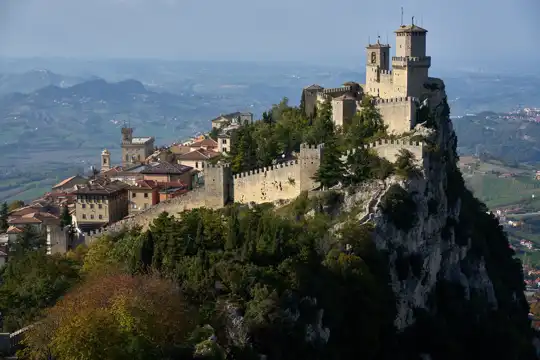
San Marino

Stay overnight on Monte Titano, once the day coaches leave.


Climb the three medieval towers, walk the ridge path along the cliff edge, and see the neoclassical basilica and the government palace.
The best time to visit San Marino is June and September, when highs sit around 23 to 27°C, weekday crowds stay manageable and hotel rates sit below the August spike. Regional differences are small but real: the old town on Monte Titano, at roughly 650 to 750 meters, runs a few degrees cooler and windier than Borgo Maggiore or Serravalle below.
  • Summer (July to August): Highs of 27 to 30°C, tour buses from the Rimini coast and top hotel prices. Festival season peaks in late July.
  • Shoulder (April to June, September to October): Highs of 15 to 26°C, fair prices and the best conditions for the ridge walk between the towers.
  • Winter (November to March): Highs of 5 to 11°C, occasional snow, quiet lanes and the lowest rates. Some shops and restaurants shorten hours.
Winter fog can swallow the summit for days, wiping out the Adriatic and Apennine views you came for, so leave slack in your plans. Pack a windproof layer whatever the month, because the ridge is gusty even in June.
Best known for:Known for: safety | architecture
Best time to visit: March - June, September - October
Daily cost: €70 to €110
Guernsey
40

Guernsey

Walk a tiny island’s cliff paths, coves and occupation relics.


Follow the south coast path past Petit Bôt Bay, tour Castle Cornet and Victor Hugo’s house, and explore the German Underground Hospital.
The best months for backpacking Guernsey are June and September, when highs sit around 18 to 19°C, the cliff paths are dry and room rates stay below the late-July and August peak. The island is too small for real regional climate differences, but the south coast cliffs give shelter from westerlies while the flat west coast takes the full force of the wind.
  • Summer peak (June to August): Highs of 18 to 20°C, long evenings, school-holiday crowds and the year’s highest prices from late July. Campsites, Herm boats and beach kiosks all run fully.
  • Shoulder (April, May, September and October): Highs of 13 to 18°C, quiet paths and softer rates. September has the warmest sea.
  • Winter (November to March): Highs of 8 to 11°C, gales, closed campsites and thin Herm and Sark sailings, but the lowest rates.
Sea fog is the main travel risk. In spring and early summer it can ground flights at Guernsey Airport for hours, so leave a buffer day before onward connections and pack a windproof layer whatever the month.
Best time to visit: April - October
Daily cost: €85 to €120
Isle of Man
41

Isle of Man

Ride Victorian trams to Laxey and Snaefell, then walk the cliffs.


Ride vintage tramcars and a mountain railway past the Laxey Wheel, then walk cliffs to seal-watching spots and medieval castles across a compact, quiet island.
The best time for backpacking the Isle of Man is May (before the TT) and September, when days are long, highs sit around 14 to 17°C, the heritage railways and castles are open, and beds cost far less than in race weeks.
The island is small, but the hills behind Snaefell (621 meters) pull in cloud, wind and rain, while the southern and western coasts around Castletown and Peel are usually drier and brighter.
  • Spring shoulder (April to mid-May): Cool and fresh, with daffodils and lambs on the hillsides. Steam and electric railways restart around Easter, the coastal paths are quiet and rooms are reasonably priced.
  • TT and summer peak (late May to August): The TT races take over for about two weeks from late May, closing the Mountain Course roads and pushing room rates to double or more. July and August are mild (17 to 19°C) and lively, and Tynwald Day on 5 July brings the open-air parliament ceremony at St John’s.
  • Autumn shoulder (September to October): Often the calmest weather of the year, with thinner crowds. Most attractions close by late October, and Hop-tu-Naa on 31 October is the island’s own Halloween.
  • Winter (November to March): Mild but gray and windy, with many sites, cafés and seasonal trains shut.
The risk travelers underestimate is wind: winter gales regularly cancel Steam Packet ferry sailings, so leave a spare day before any onward connection. For TT fortnight, book ferry and bed nine to twelve months ahead, or come another time.
Best time to visit: April - October
Daily cost: €70 to €100
Liechtenstein
42

Liechtenstein

Spend days hiking ledge trails above the Rhine valley.


Walk the cabled Fürstensteig, take the chairlift above Malbun, visit Vaduz’s art museum and taste the Prince’s Pinot Noir below the castle.
September and early October are the best months for backpacking Liechtenstein: stable weather, mountain huts still open, summer day-trippers gone and rooms easier to book. The Rhine valley around Vaduz and Schaan (about 450 meters) stays mild and walkable most of the year. The uplands around Malbun and Steg (1,300 to 1,600 meters) switch between ski area and hiking country.
  • Summer (June to August): Valley highs of 22 to 26°C, frequent afternoon thunderstorms, coach groups in Vaduz at midday and peak room prices. High huts such as the Pfälzerhütte open from around mid-June.
  • Autumn shoulder (September to October): Clear days, yellowing larches and cattle coming down from the alpine pastures, at lower rates than summer.
  • Winter (December to March): Grey valley at 0 to 5°C, skiing in Malbun, high trails closed. School-holiday weeks cost the most.
  • Spring (April to May): Blossoming valley, snow above 1,500 meters into late May, huts shut, cheapest beds.
Pack a warm layer year-round, since Malbun runs about 7°C cooler than Vaduz.
Best known for:Known for: safety
Best time to visit: April - October
Daily cost: €75 to €110
Faroe Islands
43

Faroe Islands

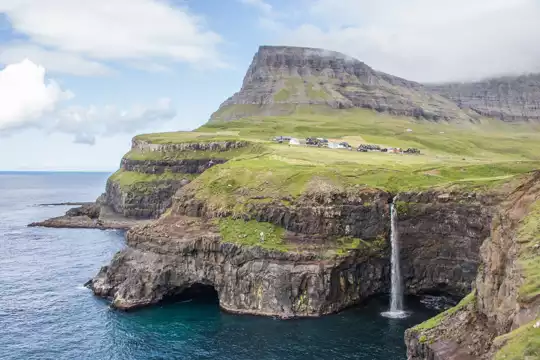
Hike grass-roofed villages, waterfalls and puffin cliffs in Atlantic weather.


Watch Múlafossur drop into the sea, find puffins on Mykines, walk to Kallur Lighthouse and visit the turf-roofed farms of Kirkjubøur and Saksun.
The best time to go backpacking in the Faroe Islands is May, June and September, when trails are snow-free, daylight runs long and hostels have beds left, while July and August bring the mildest weather but the tightest bookings and highest prices. Region matters mostly for access: Mykines and the northern islands (Kalsoy, Kunoy, Viðoy) depend on ferries, helicopters and clear weather, so their window is narrower than Tórshavn’s.
  • Peak summer (July to August): 10 to 13°C, fog and drizzle common, full ferries, dorm beds around DKK 350 to 500 (US$50 to 72). Puffins on Mykines, festivals, every trail open.
  • Shoulder (May to June, September): 7 to 12°C, up to 20 hours of light in June, calmer trails, slightly lower rates.
  • Winter (October to April): 3 to 6°C, gales, 5 to 7 hours of daylight in December, few visitors, reduced ferry and bus schedules, some guesthouses shut.
Late July is the anomaly: Ólavsøka on 28 and 29 July packs Tórshavn, so book beds months ahead and pack a waterproof shell regardless of month.
Best known for:Known for: scenery | uniqueness | safety
Best time to visit: May - September
Daily cost: €95 to €140 [visitfaroeislands.com]
Cyprus
44

Cyprus

Drive from painted mountain churches to Roman mosaics and gorges.


Visit frescoed churches in the Troodos, see the Roman mosaics at Paphos, scramble Avakas Gorge, climb St. Hilarion Castle and cross Nicosia’s buffer zone.
The best time for backpacking Cyprus is April to May and late September to October, when coastal highs sit around 22 to 28°C and rooms cost well below August rates. Inland Nicosia runs several degrees hotter than the coast in summer, while the Troodos Mountains stay cooler year-round and often get snow in January and February.
  • Summer (June to mid-September): Dry and cloudless, with coastal highs of 30 to 33°C and Nicosia often above 37°C. Ayia Napa and Paphos are packed and at their priciest. The Troodos villages are the escape.
  • Shoulder (April to May, late September to November): Warm days, spring wildflowers, a sea still near 25°C in October. Fewer crowds, fair prices, prime hiking.
  • Winter (December to March): Mild 15 to 19°C on the coast, most of the year’s rain, skiing on Mount Olympus. Many Ayia Napa and Protaras hotels close, and rural buses thin out.
The overlooked risk is midday heat: start Akamas trails by 7am in summer. Book Orthodox Easter week early.
Best known for:Known for: safety | beach life | low cost
Best time to visit: March - June, September - November
Daily cost: €45 to €75
Andorra
45

Andorra

Sleep in free mountain huts and cross high Pyrenean valleys.


Walk the glacial Madriu valley, visit Romanesque churches, hike to the Tristaina lakes and tour the parliament house, the Casa de la Vall.
The best time for backpacking Andorra is July to September, when high trails are snow-free, staffed huts are open and hotel rates sit well below ski-season levels. Altitude matters more than region. Andorra la Vella warms up weeks before passes above 2,500 meters shed their snow.
  • Summer (July to August): Valley highs of 24 to 27°C. Every trail and hut is open, and August is the busiest stretch, driven by French and Spanish families.
  • Autumn shoulder (September to October): Crisp, stable days, thinning crowds and falling prices, which makes it best for long ridge walks.
  • Mud season (November, April to June): Rain, lingering high snow, closed lifts, some shuttered hotels and the cheapest rooms.
  • Ski season (December to March): Freezing nights and peak prices in Soldeu and Pas de la Casa. Hiking is limited to snowshoes.
Early December is the oddity. The Spanish holiday bridge of 6 to 8 December packs the resorts weeks before Christmas. Reserve August hut bunks two to three weeks ahead.
Best known for:Known for: safety
Best time to visit: June - October
Daily cost: €50 to €85 [visitandorra.com]
Denmark
46

Denmark

Cycle flat coasts, chalk cliffs and design museums.


Stand where two seas meet at Grenen, descend the chalk cliffs of Møns Klint and visit Hamlet’s castle and the art museums of Louisiana and Aarhus.
The best time for backpacking Denmark is late May to mid-June and early September, when days are long, highs reach 15 to 21°C, and hostel prices sit below their July peak. The country is small and flat, so regional differences come down mostly to wind and rain. The west coast of Jutland takes North Sea weather head-on, while Copenhagen, Zealand and Bornholm tend to stay a little drier and sunnier.
  • Peak summer (late June to mid-August): Highs of 19 to 23°C, up to 17.5 hours of daylight, festivals and harbor swimming. Danes take their own holidays in July, so beaches, campsites and island ferries fill up, and Copenhagen dorm beds often top DKK 400 (US$60).
  • Shoulder season (May, early June, September): Highs of 14 to 19°C, thinner crowds and everything open, including Tivoli. This is the best balance of price and weather.
  • Spring and autumn (April, October): Cool, with highs of 8 to 13°C and frequent October rain. Beds are cheaper, and some seasonal attractions are still opening or already closing.
  • Winter (November to March): Around 0 to 5°C under grey skies. Prices are at their lowest outside Christmas.
Wind is the main planning risk. Autumn and winter storms can delay or cancel ferries to Bornholm, Ærø and Fanø, so leave a buffer day. I’d pack a proper windproof rain shell in every season, because Danish showers tend to arrive sideways.
Best known for:Known for: safety
Best time to visit: April - October
Daily cost: €65 to €100
Gibraltar
47

Gibraltar

Walk a tiny rock of macaques, tunnels and a runway crossing.


Climb the Upper Rock past Barbary macaques, tour the Great Siege Tunnels and St Michael’s Cave, and look across the Strait to Africa.
The best time for backpacking Gibraltar is May and October, when highs sit around 22 to 25°C, the summer cruise and holiday crowds have thinned and room rates fall below their peak. The territory covers under 7 square kilometers, so the weather barely varies across it, although the humid summer Levante wind can park a damp cloud on the Upper Rock while Catalan Bay below stays sunny.
  • Summer peak (June to August): 27 to 30°C and sticky, packed beaches and Main Street and the year’s highest rates. Best for swimming and dolphin trips.
  • Shoulder (April to May, September to October): warm, mostly dry and noticeably cheaper, with raptors and storks migrating over the Strait. The best months for hiking the Upper Rock.
  • Winter (November to March): 15 to 18°C highs, most of the year’s rain, quiet streets and the lowest prices. The Mediterranean Steps turn slippery after rain.
Book summer beds weeks ahead, or sleep in La Línea across the border and walk in.
Best known for:Known for: safety
Best time to visit: April - June, September - October
Daily cost: €70 to €100
Jersey
48

Jersey

Cross tidal flats to castles, tunnels and a Neolithic tomb.


Visit Mont Orgueil and the German Occupation tunnels, duck into the La Hougue Bie tomb, and watch the sunset at Corbière Lighthouse.
The best time to go backpacking in Jersey is May, June and September, when highs run 16 to 20°C, the cliff paths are dry and rooms cost less than in the late July and August school-holiday rush. The south and east coasts around St Aubin and Gorey are far more sheltered than the cliff-lined north or the wind-exposed surf beach of St Ouen’s Bay in the west, so save exposed walks for calm days.
  • Summer peak (July to August): Highs of 20 to 22°C, the warmest sea of the year, full campsites and the highest prices.
  • Shoulder (April to June, September to October): Mild, often sunny, with heritage sites open and far fewer visitors.
  • Winter (November to March): Highs of 8 to 11°C, gales and rain. Many beach kiosks and campsites close, but rates hit their lowest.
Spring and early summer sea fog is the risk people ignore. It can ground flights at Jersey Airport for hours, and winter gales cancel ferries. Book flexible tickets and leave a buffer day before onward connections.
Best time to visit: March - October
Daily cost: €70 to €100
Monaco
49

Monaco

Cover palace, casino and Grand Prix streets in one steep day.


Watch the palace guard change, tour the cliff-side Oceanographic Museum, visit the casino and walk the Grand Prix corners around Port Hercule.
April, May, September and October are the best months for backpacking Monaco, with highs of 17 to 24°C, a swimmable sea from late May and into early autumn, and hotel rates well below the summer peak. The country covers barely 2 square kilometers, so the weather hardly changes from Monte-Carlo to the Rock. What shifts is the price of a bed during event weeks.
  • Spring shoulder (April to May): Mild and mostly dry, with gardens in flower. Prices jump around the Grand Prix in late May or early June. That one weekend turns city streets into a racetrack, and grandstand seats sell out months ahead.
  • Summer peak (June to August): Highs of 26 to 28°C, a packed Larvotto beach and the year’s highest hotel rates. Fireworks light up the port.
  • Autumn shoulder (September to October): The sea stays warm into early October. Rain builds late in the month.
  • Winter low (November to March): Highs of 12 to 15°C, the quietest streets and the lowest prices. Some beach clubs close.
Book beds in Nice or Menton, 10 to 25 minutes away by TER train, as soon as event dates are published.
Best known for:Known for: safety
Best time to visit: April - May, September - October
Daily cost: €60 to €110
Vatican City State
50

Vatican City State

Spend one dense day among basilica marble and Renaissance frescoes.


Join the queue for the Sistine Chapel and the Raphael Rooms, enter St. Peter’s Basilica and book a guided walk through the necropolis beneath it.
The best months for Vatican City State are February, March and October, when highs sit around 14 to 22°C, Museum lines shrink and room rates in the surrounding Rome neighborhoods drop well below summer levels. At 44 hectares, the country has no regional differences, so timing depends on the weather and the Church calendar.
  • Winter low season (November to February): Cool, 3 to 14°C, with November the wettest month. You get the shortest queues and cheapest beds, but the Museums close on holy days. The first week of January is an exception, packed with holiday crowds until Epiphany (6 January), before the quietest stretch of the year begins.
  • Spring shoulder (March to May): 16 to 24°C and mostly dry. Easter and Holy Week fill St. Peter’s Square, and school groups crowd the Museums.
  • Summer peak (June to August): 28 to 33°C and humid, with the longest queues and highest prices. Papal general audiences usually pause in July.
  • Autumn shoulder (September to October): 21 to 28°C, with crowds easing through October.
I’d book Museum tickets online a few weeks out in any month. Pack a light scarf or long trousers, because St. Peter’s turns away bare shoulders and knees year-round.
Best known for:Known for: architecture | food | uniqueness
Best time to visit: February - March, May, September - November
Daily cost: €60 to €110 [museivaticani.va]

Best countries in Europe to visit in September

Loading the map 🌍

What do you like when backpacking Europe?

🎞️ Grouped per categoryMy photos made while backpacking Europe

Some personal tips for visiting Europe

If you love

affordability | architecture | backpackers | beach life | food | mountains | people | safety | scenery | uniqueness | wildlife
When it comes to budget travel in Europe, some regions stand out more than others for their affordability. Eastern Europe, in particular, is a haven for backpackers looking to stretch their euros while enjoying rich culture and stunning landscapes. Meanwhile, certain parts of Southern and Central Europe can be more expensive, but there are still plenty of affordable spots to explore.

Eastern Europe is where you'll find some of the most wallet-friendly destinations. Countries like Bulgaria, Romania, and Serbia offer low prices on food, accommodation, and transport, making it easy to experience vibrant cities and beautiful nature without breaking the bank. The culture is diverse and fascinating, and the locals are often welcoming to budget travelers. Plus, with plenty of historical sites, you won't run out of things to see and do.

In Southern Europe, you can find affordable options, especially in places like Albania and North Macedonia. While tourist hotspots like Greece and Croatia can be pricey, venturing off the beaten path leads to charming towns and stunning landscapes that won’t drain your wallet. Keep an eye out for local eateries and accommodations that offer great value.

Central Europe is a mixed bag. Countries like Hungary and Poland can be quite budget-friendly, especially if you stick to local markets and public transport. However, places like Czechia and Slovakia may have higher prices in their more touristy areas, so it's worth exploring smaller towns and rural areas for better deals.

Overall, while some regions in Europe can be a bit pricey, many countries offer fantastic opportunities for budget travelers. Just remember to do your research and look for local options to make the most of your trip!

⚠️ Select affordability in the filters below on the right to find your perfect match.
When it comes to exploring Europe for its architectural wonders, certain regions really stand out, while others may not be as captivating for those with a keen eye for design. The blend of historical significance, diverse styles, and innovative modern designs make some areas a must-visit for architecture enthusiasts.

The Western Europe region is a top pick, featuring countries like France, Belgium, and the Netherlands. Here, you can wander through medieval towns, admire Gothic cathedrals, and marvel at contemporary structures. Cities like Paris and Amsterdam offer a rich tapestry of architecture, from the opulent palaces to cutting-edge museums. This region often has well-maintained infrastructure, making it easier for backpackers to explore on a budget.

Moving a bit east, Central and Eastern Europe shines with its unique blend of styles, particularly in countries like Czechia, Hungary, and Poland. The mix of baroque, Renaissance, and socialist-era architecture tells the story of the region’s tumultuous history. Cities like Prague and Budapest are not only stunning but also offer affordable accommodation and food options, making them great stops for budget travelers who appreciate history and design.

In the Southern Europe region, countries like Italy, Greece, and Croatia boast some of the most iconic architectural sites, from ancient ruins to stunning Renaissance buildings. The blend of history and stunning landscapes can be a dream for any architecture lover. However, keep in mind that tourist hotspots can get pricey, so seek out smaller towns where you can find authentic architecture without the crowds and high costs.

Lastly, Northern Europe brings a different flavor with countries like Estonia and Finland. Here, you’ll find a mix of medieval architecture and modern design, particularly in cities like Tallinn and Helsinki. Although these locations may be less frequented than their southern counterparts, they offer a unique perspective on architectural trends and are often more budget-friendly.

In summary, while regions like Western and Central Europe are ideal for architecture lovers, Southern Europe offers iconic sights at a premium during peak seasons, and Northern Europe provides a fresh take on the architectural scene. Happy travels!

⚠️ Select architecture in the filters below on the right to find your perfect match.
For backpackers looking for a lively scene in Europe, certain regions stand out as hotspots for adventure, culture, and community. The eastern and southern parts of the continent tend to be more vibrant and budget-friendly, while some northern and western areas can be pricier and less backpacker-centric.

The Eastern Europe region is a goldmine for budget travelers. Countries like Poland, Czechia, and Hungary offer a mix of rich history, buzzing nightlife, and affordable accommodations. Cities like Kraków and Budapest are particularly popular among backpackers, thanks to their thriving hostel scenes and plenty of opportunities to meet fellow travelers. Plus, the ease of getting around via trains or buses makes it a breeze to explore multiple destinations.

Moving to the Southern Europe region, countries like Croatia, Greece, and Serbia are equally appealing. The stunning coastlines, delicious food, and laid-back vibes draw in a diverse backpacker crowd. Cities like Dubrovnik and Belgrade are known for their vibrant nightlife and social atmosphere, while places like Albania offer an emerging scene that’s both cheap and welcoming.

In contrast, the Western Europe region, while iconic and rich in history, can be a bit less backpacker-friendly. Countries like Ireland and Spain offer great experiences, but they often come with a higher price tag for accommodations and activities. The hostels might be more expensive, and the overall travel costs can add up quickly, which may deter some budget travelers.

Lastly, Scandinavia, including Iceland, is breathtaking but is generally not ideal for those on a tight budget. The high cost of living and limited backpacker infrastructure can make it tough to enjoy the vibrant social scene without breaking the bank.

Overall, if you’re seeking a lively backpacker experience, stick to Eastern and Southern Europe where your money goes further and the scene is buzzing.

⚠️ Select backpackers in the filters below on the right to find your perfect match.
When it comes to beach life in Europe, certain regions really stand out for their stunning coastlines, vibrant beach culture, and affordable options for backpackers. For those craving sun, sand, and surf, the Mediterranean is your best bet. However, some areas are less ideal if you're looking to soak up the sun without breaking the bank.

The Southern Mediterranean is a hotspot for beach lovers. Countries like Greece and Italy offer not only beautiful sandy beaches but also rich history and delicious cuisine. The islands in Greece, like Crete and Santorini, are particularly famous for their picturesque beaches, while the Amalfi Coast in Italy boasts stunning views and charming seaside towns. Plus, places like Albania and Croatia are becoming increasingly popular for their stunning coastlines and affordable lodging, making them perfect for budget travelers.

On the Iberian Peninsula, Spain and Portugal are hard to beat. The Algarve in Portugal is known for its amazing beaches and laid-back vibe, while Spain's Costa del Sol is a classic choice for sun-seekers. Both countries have a range of budget accommodations, from hostels to guesthouses, making it easy to stay without spending a fortune.

The Central Mediterranean offers a unique mix of cultures and stunning seaside experiences. Malta is a great option for those looking for beautiful beaches combined with historical sites. Cyprus also provides a blend of beach life and rich history, though it can be pricier in some areas.

In contrast, the Northern Mediterranean, while beautiful, can be less ideal for beach life. Countries like France have stunning coastal areas, especially the French Riviera, but they can be more expensive, especially in peak season. So, if you're on a budget, you might want to stick to the southern regions.

Overall, if beach life is your priority, focus on the Southern Mediterranean and the Iberian Peninsula. These areas not only provide stunning landscapes and vibrant cultures but also affordable options that won't burn a hole in your wallet.

⚠️ Select beach life in the filters below on the right to find your perfect match.
If you’re a backpacker with a serious appetite, Europe is a fantastic playground for food lovers. Generally, the Mediterranean region and parts of Western Europe shine when it comes to delicious local cuisine. These areas boast a rich culinary heritage, fresh ingredients, and vibrant street food scenes that are sure to satisfy your taste buds. On the flip side, some Eastern European countries might not have the same culinary reputation, but they often surprise with hearty, traditional dishes that reflect their cultural history.

Starting with the Southern Europe region, think about places like Italy and Greece. You’ll find a treasure trove of flavors here, from savory pastas and pizzas in Italy to fresh seafood and aromatic herbs in Greece. Both countries offer bustling markets and local eateries where you can dive into authentic dishes without breaking the bank. Plus, the outdoor dining culture in these countries makes every meal feel like a special occasion.

Moving to Western Europe, countries like France, Belgium, and Spain are culinary heavyweights. France is known for its pastries and fine dining, while Belgium brings you mouthwatering chocolates and waffles. Spain’s tapas culture lets you sample a variety of flavors in one go, making it perfect for budget travelers who want to taste a bit of everything. Eating in these countries can be a bit pricier, but street food and local bistros often provide affordable options that won’t skimp on flavor.

Lastly, the Eastern Europe region, including Albania, Kosovo, and Ukraine, might not always be on the foodie radar, but they offer hearty, traditional meals that reflect local customs and ingredients. You can find amazing comfort food here, like hearty stews and fresh bread, at very reasonable prices. While you might not find the same gourmet experiences as in the West, the authenticity and warmth of these cuisines can be quite rewarding.

In summary, if food is your travel focus, stick to Southern and Western Europe for the most recognized culinary experiences, while also keeping an open mind about the hearty offerings in Eastern Europe. Each region has its own unique flavors that are worth exploring on a budget!

⚠️ Select food in the filters below on the right to find your perfect match.
When it comes to exploring mountains in Europe, some regions truly stand out for their breathtaking landscapes and diverse hiking opportunities. The best spots are often in Central and Northern Europe, where the scenery is stunning and the trails are plentiful. On the other hand, regions with flatter terrain or less accessible mountain ranges might not be as appealing for mountain enthusiasts.

The Alps in Central Europe are a top choice, encompassing parts of Austria, France, Germany, Italy, and Switzerland. This region offers iconic peaks and well-marked trails suitable for all levels of hikers. Whether you're into serious climbs or leisurely walks with stunning views, the Alps have it all. Plus, the infrastructure is excellent, with plenty of budget accommodation options and public transport to get you to trailheads.

Moving to the Balkan Mountains, countries like Albania, Bulgaria, Kosovo, Montenegro, and North Macedonia provide a more rugged, off-the-beaten-path experience. These areas are less crowded than the Alps, offering a chance to explore pristine nature and local cultures. While you might find fewer amenities, the scenery is just as breathtaking, and the warmth of the locals makes up for it.

In Northern Europe, Scandinavia—particularly Norway and Sweden—offers dramatic fjords and expansive wilderness. The hiking trails here range from well-trodden paths to remote adventures. Just be prepared for more rugged conditions and a higher cost of living. Iceland also fits into this region, boasting unique volcanic landscapes that attract adventurous hikers. However, it's worth noting that accessibility can be a bit tricky depending on the season.

Finally, the Carpathians in Romania and parts of Poland offer beautiful, less-explored mountain ranges that are perfect for those looking to escape the crowds. The hikes here are often rewarded with stunning views and rich wildlife, plus they tend to be friendlier on the budget.

In summary, stick to the Alps for classic mountain experiences, explore the Balkans for adventure and culture, embrace the wild beauty of Scandinavia, and don’t overlook the Carpathians for a more tranquil experience. Each region has its own charm and challenges, so pick based on your style and comfort level!

⚠️ Select mountains in the filters below on the right to find your perfect match.
When it comes to meeting people in Europe, certain regions stand out as particularly welcoming and vibrant for backpackers. The social dynamics can vary widely, so if you’re looking to connect with locals and fellow travelers, some areas will be more favorable than others.

The Southern Europe region, including countries like Greece, Italy, Portugal, and Spain, is a hotspot for social interaction. The warm climate and laid-back lifestyle encourage outdoor gatherings, beach parties, and lively festivals. You’ll find bustling hostels where travelers share stories over tapas or gelato, and locals are usually eager to invite you into their culture through food and festivities. Plus, the café culture here makes it easy to strike up conversations.

Moving north, the Central Europe region, featuring Hungary, Poland, and Slovenia, has a rich tapestry of history and culture that naturally draws people together. Cities like Budapest and Warsaw are known for their lively nightlife, where you can easily meet both locals and fellow travelers. The mix of history, arts, and affordable prices means you’ll often find events and gatherings that foster connections.

The Western Europe region, particularly Ireland and the United Kingdom, is renowned for its friendly locals and pub culture. Whether you're in a cozy Irish pub or a trendy London café, striking up a conversation is almost a given. The people here are generally open and love sharing their stories, making it easy to feel at home and meet new friends.

Lastly, the Nordic region represented by Sweden, while beautiful and advanced, can be a bit more reserved in social settings. Although cities like Stockholm may offer plenty of opportunities to meet other travelers, locals might take a while to warm up. However, once you break the ice, the connections can be meaningful.

In summary, if making connections is your priority, aim for the vibrant atmospheres of Southern and Central Europe, where the culture thrives on social interactions. Western Europe is also a solid choice with its friendly pubs and gatherings, while the Nordic countries, though lovely, might require a bit more patience in building relationships.

⚠️ Select people in the filters below on the right to find your perfect match.
When it comes to safety in Europe, some regions stand out as particularly welcoming for travelers who prioritize their security. Generally, Western and Northern Europe tend to be the safest, offering well-maintained infrastructure, low crime rates, and a strong sense of community. On the flip side, parts of Eastern Europe might present some challenges, though many travelers still find them to be quite safe with the right precautions.

The Northern Europe region, including countries like Finland, Sweden, and Denmark, is often hailed for its overall safety. These countries boast low crime rates, efficient public services, and friendly locals who are usually eager to help. Plus, the stunning natural landscapes and vibrant cities make it a fantastic region for backpackers looking to explore without the stress of safety concerns.

In Western Europe, countries such as Germany, Austria, and the Netherlands offer a similar sense of security. The stable political climate, excellent healthcare systems, and reliable public transportation make it easy to travel around. While major cities can have their share of petty crime, sticking to well-trodden paths and staying alert will keep you safe.

Moving south to Southern Europe, you’ll find places like Portugal, Spain, and Italy. These destinations are generally safe, especially in tourist areas, but it's wise to stay cautious during busy times and in crowded spots. While you might encounter some pickpockets in tourist-heavy locations, the warmth and hospitality of the locals make these countries enjoyable to explore.

Lastly, Central and Eastern Europe, which includes countries like Poland, Hungary, and Croatia, can vary in safety. While many cities are quite safe, some areas might require a bit more awareness, especially when it comes to scams or navigating the nightlife. But with a little common sense and research, you can still have a fantastic time exploring these rich cultures.

In summary, if safety is your top priority, stick to Northern and Western Europe for a worry-free adventure. Southern Europe is also a solid choice, while Central and Eastern Europe can be rewarding with a bit of caution.

⚠️ Select safety in the filters below on the right to find your perfect match.
Europe is a haven for travelers seeking incredible scenery, with various regions offering diverse landscapes, from rugged mountains to stunning coastlines. Some areas are particularly favorable for those who love breathtaking views, while others may not be as ideal for scenery-focused backpackers.

The Nordic Region—comprising the Faroe Islands, Finland, Iceland, Norway, and Svalbard—delivers some of the most dramatic landscapes in Europe. Expect fjords, glaciers, and untouched wilderness. The Faroe Islands are known for their steep cliffs and lush green valleys, while Iceland’s geothermal wonders and volcanic landscapes are simply unmatched. Norway's fjords are iconic, and Svalbard offers a unique Arctic experience. Just keep in mind that travel here can be pricey and the weather unpredictable, so pack appropriately.

Over in Southern Europe, countries like Greece, Italy, and Croatia boast stunning coastlines and charming countryside. The cliffs of Amalfi in Italy are picture-perfect, while Croatia’s national parks, like Plitvice Lakes, are incredibly scenic. Greece offers the beauty of its islands, but be wary of the tourist crowds during peak seasons. Montenegro also fits here, providing dramatic mountain ranges and stunning coastal views.

In Central Europe, Austria, Switzerland, and Slovenia shine with their majestic Alps and picturesque lakes. This region is ideal for hiking and outdoor activities, with Austria's Tyrol and Switzerland's lakes offering postcard-perfect views. Slovenia, often overlooked, has beautiful alpine scenery and a charming capital, Ljubljana, that should not be missed.

Lastly, Western Europe, including Ireland and parts of the UK, presents lush green landscapes and rugged coastlines. The Cliffs of Moher in Ireland and the Scottish Highlands offer breathtaking scenery that feels straight out of a fairy tale. While Luxembourg is smaller, its hilly terrain and quaint villages provide a charming backdrop for those looking to explore off the beaten path.

While all these regions have incredible scenery, remember that accessibility and costs can vary. Some areas, like the Nordic countries, are less budget-friendly, while others may offer more affordable options. Plan accordingly, and you’ll find stunning views without breaking the bank!

⚠️ Select scenery in the filters below on the right to find your perfect match.
Europe is a treasure trove for travelers seeking unique experiences, with some regions standing out more than others for their distinct cultures, landscapes, and histories. Generally, Eastern Europe and the Balkans are fantastic for those looking to dive into something different, while Western Europe, while beautiful, can often feel more homogenized due to its popularity.

The Balkans are a top pick for uniqueness. Countries like Bosnia and Herzegovina, Kosovo, North Macedonia, and Serbia boast rich histories, diverse cultures, and stunning natural landscapes. You’ll find a mix of Ottoman, Austro-Hungarian, and Slavic influences, which makes for a fascinating cultural tapestry. Plus, the affordability here is a big bonus for budget travelers.

Moving on to Eastern Europe, countries like Ukraine and Romania offer a blend of rustic charm and urban energy. Explore medieval castles, vibrant cities, and local traditions that are often overlooked by mainstream tourism. The food scene is also worth mentioning, with unique local dishes that can satisfy any foodie’s cravings.

In Scandinavia, Iceland and the Faroe Islands deliver jaw-dropping landscapes and a strong sense of identity. They might be a bit pricier, but the unique geography, culture, and outdoor activities can make it worth the splurge.

Then there's Southern Europe, with Greece and Slovenia offering a different flavor. Greece is often celebrated for its ancient history and stunning islands, while Slovenia is a smaller, less crowded alternative with breathtaking nature and a vibrant café culture.

On the other hand, Western Europe—while undeniably beautiful—can sometimes feel too familiar with its well-trodden tourist paths and higher costs. While Italy and Ireland have their quirks, they often cater to a more conventional travel experience.

Overall, if you're on the hunt for uniqueness, stick to the Balkans and Eastern Europe, and don't overlook the hidden wonders in Scandinavia and Southern Europe. Each region has its own flavor, ready to be discovered by adventurous backpackers.

⚠️ Select uniqueness in the filters below on the right to find your perfect match.
When it comes to wildlife watching in Europe, certain regions stand out for their rich biodiversity and accessibility, especially for backpackers looking to connect with nature. The northern parts of Europe, particularly the Nordic countries, are prime spots for spotting unique wildlife and breathtaking landscapes. In contrast, areas that are more urbanized or heavily agricultural tend to offer fewer opportunities for wildlife enthusiasts, so it’s best to steer clear of those if your primary goal is to observe animals in their natural habitats.

The Nordic region is a haven for wildlife lovers. Countries like Finland, Sweden, and Norway boast vast wilderness areas, national parks, and pristine lakes. Here, you can catch a glimpse of iconic species like reindeer, moose, and even the elusive lynx. The northern lights in winter and the midnight sun in summer add an extra layer of adventure to your wildlife encounters. Many of these countries have well-marked trails and budget-friendly options for camping, making it easier for backpackers to immerse themselves in nature without breaking the bank.

Moving on to Eastern Europe, Romania stands out as a fantastic option for wildlife enthusiasts. The Carpathian Mountains and the Danube Delta are teeming with diverse flora and fauna, including bears, wolves, and a variety of bird species. While not as expansive as the Nordic wilds, Romania offers a mix of accessible trails and local guides who can enhance your experience. It’s an affordable destination, perfect for those looking to explore the great outdoors without the high costs often associated with wildlife tourism.

Lastly, Iceland is a unique spot that deserves mention, particularly for those interested in marine wildlife. While it may seem more geared toward geology and landscapes, the waters surrounding Iceland are rich in marine life. You can spot whales, seals, and a myriad of seabirds, especially during the summer months. The rugged terrain also means plenty of hiking opportunities, though you’ll want to plan your route carefully to maximize your chances of seeing wildlife.

In summary, if you're passionate about wildlife watching in Europe, focus on the Nordic region and Eastern Europe for the best experiences. Each area offers its own unique charm and opportunities, making them well worth the visit for any budget backpacker.

⚠️ Select wildlife in the filters below on the right to find your perfect match.

If you travel in

April | August | December | February | January | July | June | March | May | November | October | September
April in Europe can be a bit of a mixed bag when it comes to weather and travel conditions. As spring takes hold, some regions start to bloom with vibrant colors and milder temperatures, while others might still be dragging their feet in winter’s chill. For backpackers, this month can offer a great balance between avoiding the heavy tourist crowds of summer and enjoying more temperate weather.

In Southern Europe, countries like Greece, Italy, and Portugal are particularly inviting in April. Temperatures are generally mild, making it perfect for exploring ancient ruins or enjoying the beautiful coastlines without the scorching summer heat. Plus, you’ll find fewer tourists compared to the peak months, which means better prices on accommodation and a more authentic experience. Just keep an eye on the weather, as some coastal areas might still be a bit unpredictable.

Moving to Western Europe, countries like France, Belgium, and the Netherlands also see a rise in pleasant weather during April. You can expect charming spring festivals, blooming gardens, and a lively atmosphere in cities. However, it’s best to be prepared for the occasional rain shower, especially in places like Belgium. Still, it’s a great time to enjoy outdoor cafes and local markets.

In Eastern Europe, countries like Bulgaria and Romania start to warm up, but they can be hit or miss. While you might catch some lovely days, there’s a chance of lingering cold snaps. Still, if you’re willing to brave the variable weather, you can discover vibrant culture and stunning landscapes without the tourist hordes.

Lastly, in Northern Europe, countries like Denmark and Lithuania are still quite chilly in April. While spring is on the horizon, you might encounter a mix of cold days and occasional sunny ones. This region is less favorable for those looking for warm weather, but if you’re into cozy cafes and cultural experiences, it still has its charm. Just be sure to pack layers and a sturdy umbrella.

Overall, April can be a fantastic time to explore Europe, but it’s all about choosing the right region for your travel style and weather preferences.

⚠️ Select April in the filters below on the right to find your perfect match.
August in Europe can be a mixed bag, with some regions basking in pleasant weather while others can be a bit extreme. Generally, it's peak summer, so expect warmer temperatures and crowded tourist spots. If you're backpacking, knowing where to go can make all the difference, especially regarding budget and comfort.

For those looking for a warm and enjoyable experience, the Scandinavia region, including countries like Norway, Sweden, and Denmark, offers long days and stunning natural beauty. This is an excellent time to explore the fjords, hiking trails, and vibrant cities. Just keep in mind that prices can be on the higher side, so budgeting is key.

Moving east, the Baltic States — including Estonia, Latvia, and Lithuania — offer a unique blend of culture and history with a milder climate. August is ideal for enjoying local festivals and outdoor events, plus accommodation prices tend to be more backpacker-friendly compared to Western Europe.

In Central Europe, the Alpine region (Austria and Switzerland) is gorgeous in August, perfect for hiking and enjoying stunning landscapes. Just be prepared for some tourist crowds, especially in popular spots. The weather is generally pleasant, but accommodation can get pricey, so book ahead if you can.

Head south to the Balkans (Albania, Montenegro, Kosovo, and Serbia) for a different vibe. The beaches along the Adriatic Sea are buzzing in August, and prices are typically lower than in Western Europe. The heat can be intense, so plan your activities for early mornings or late afternoons, and don't miss out on the local cuisine.

Finally, the UK and Ireland can be a hit or miss in August. While you might find some decent weather, it's also a time for unpredictable rain. Still, this is when festivals are in full swing, making it a vibrant time to visit. Just budget for some potential rainfall and keep your plans flexible.

Overall, August offers diverse experiences across Europe, so pick your region wisely based on your interests and budget.

⚠️ Select August in the filters below on the right to find your perfect match.
December in Europe brings a mix of winter wonderland vibes and festive cheer, but the experience can vary widely depending on where you are. While some regions are perfect for holiday markets, cozy cafés, and snow-covered landscapes, others might be a bit dreary with less appeal for budget travelers.

Starting with Northern Europe, countries like Sweden and Finland can be magical with their snowy landscapes and Christmas spirit. Expect winter activities like skiing and ice skating, plus stunning views of the Northern Lights in more remote areas. However, prepare for frigid temperatures and shorter daylight hours, which can limit your exploration time. Budget travelers should keep an eye on accommodation prices, as they can spike during the holiday season.

Moving to Western Europe, cities like Germany and Austria are renowned for their Christmas markets, where you can snag affordable gifts, warm drinks, and tasty treats. The festive atmosphere is unbeatable, and many cities are accessible by train, making it easy to bounce from one market to another. Just be mindful of the crowds — especially in popular tourist spots. The weather can be chilly and rainy, so pack your layers!

In Southern Europe, countries like Spain and Italy offer milder weather, which can be a refreshing change from the cold up north. While you won't find snow in most places, you can enjoy festive decorations and local celebrations without the harsh winter chill. Prices may be more budget-friendly, but do check local holidays as some attractions might close or have limited hours.

Lastly, Eastern Europe is an interesting mix. While places like Poland and the Czech Republic have stunning architecture, cozy vibes, and affordable prices, the weather can be quite cold and unpredictable. Snowfall can add charm, but be prepared for icy conditions and plan your activities accordingly to avoid the chill.

Overall, December in Europe is about finding the right balance between festive cheer, weather conditions, and budget-friendly options. Whether you're after winter sports or vibrant markets, there's something for every backpacker if you choose the right region!

⚠️ Select December in the filters below on the right to find your perfect match.
February in Europe can be a mixed bag, with winter still holding sway in many parts while others start to hint at the first signs of spring. If you're planning a budget backpacking trip, it’s vital to consider both the climate and the local events happening during this month to get the most out of your travels.

The Southern Europe region, including places like Italy and Spain, can be quite pleasant in February. While it’s still chilly, particularly in the evenings, you’ll find milder temperatures compared to the north. Plus, the crowds are much thinner, which means cheaper accommodation and a more laid-back experience at popular sites. February also coincides with various local festivals, which can add a vibrant cultural touch to your trip without breaking the bank.

In contrast, the Northern Europe region tends to be pretty frosty during this time. Countries like Sweden and Norway can be stunning, with snow-covered landscapes and winter activities, but this also means higher costs for accommodation and gear rentals, not to mention shorter days. If you’re up for the cold and have a solid plan for winter sports or cozy indoor activities, it can still be a rewarding experience.

The Central Europe region, encompassing countries like Germany and Austria, often sees chilly weather with a mix of snow and rain. This can lead to slippery sidewalks and less than ideal sightseeing conditions. However, this area often boasts beautiful winter markets and cultural events that can make it worthwhile for budget travelers. Just be prepared for the weather and pack accordingly.

Ultimately, the best choice in February really depends on what you’re after. If you’re looking for milder weather and cultural experiences, Southern Europe is your best bet. For those who thrive in winter wonderlands, Northern and Central Europe can offer a unique charm—just be ready for the cold and potentially higher costs.

⚠️ Select February in the filters below on the right to find your perfect match.
January in Europe can be a mixed bag, with some regions offering winter wonderlands and others feeling a bit dreary. It’s all about where you choose to go. Northern and Central Europe can be quite chilly, with temperatures plunging and shorter daylight hours, while Southern Europe generally offers milder weather, making it a more attractive option for backpackers looking to explore without the crowds.

Northern Europe can be beautiful in January, especially if you're a fan of snow and winter sports. Destinations like Norway and Sweden provide stunning snowy landscapes and opportunities for activities like skiing and dog sledding. However, keep in mind that daylight is limited, and temperatures can dip well below freezing, which might not suit everyone. If you can handle the cold, the scenery is magical, and prices for hostels and flights tend to be lower this time of year.

Moving on to Central Europe, places like Germany and Austria can be a great experience in January. While it’s still cold, you can enjoy cozy cafés, beautiful holiday markets, and a vibrant cultural scene. Cities like Vienna and Munich offer plenty of indoor attractions, and you might snag some good deals on accommodation as this isn't peak tourist season. Just be prepared for the chill and bring plenty of layers!

Lastly, Southern Europe is where you’ll find the most favorable conditions for travel in January. Countries like Italy and Spain boast milder temperatures, making it easier to explore cities like Rome or Barcelona without the summer crowds. While it might not be beach weather, the climate is usually pleasant enough for sightseeing, and you’ll find that prices for food and lodging are often more budget-friendly this time of year, especially in the off-peak areas.

In summary, if you're looking for a winter adventure, head north or central, but for a more temperate escape, Southern Europe is your best bet in January. Just make sure to check local events or festivals, as there can often be unique experiences during this quieter travel season!

⚠️ Select January in the filters below on the right to find your perfect match.
July in Europe offers a mixed bag of climates and conditions, making it a fantastic time to explore, but also one where some regions can get a bit sweltering or crowded. Generally, the northern parts of Europe tend to be mild and pleasant, while the southern regions can experience intense heat, especially in tourist hotspots. Here’s a quick breakdown of what to expect from different regions this month.

Starting with the Nordic region, including countries like Norway, Sweden, Finland, and Iceland, July is prime time for backpackers. The weather is usually mild, perfect for hiking and exploring stunning landscapes without the biting cold. Plus, the long daylight hours mean you can make the most of your adventures. Just be mindful that some areas can be a bit pricey, especially Iceland, so budgeting is key.

Moving to Central Europe, countries like Germany, Austria, and Switzerland come alive in July. Expect warm, sunny days that are ideal for outdoor activities, beer gardens, and festivals. However, this is peak tourist season, so popular spots can be crowded. If you're looking to avoid the throngs, consider venturing into the lesser-known towns or rural areas.

In the Eastern Europe corner, countries such as Poland, Estonia, Latvia, and Lithuania offer a nice mix of warm weather and fewer tourists compared to their western counterparts. July is a great time to experience local festivals and outdoor events, while also enjoying relatively affordable prices for accommodation and food. Just keep an eye on the weather, as it can be unpredictable at times.

Lastly, the British Isles—including the United Kingdom, Ireland, and the Channel Islands—can be a bit of a toss-up in July. While you might encounter some lovely sunny days, you should also be prepared for rain. The upside? The landscapes are lush and green, and outdoor festivals are in full swing. Just pack a light rain jacket and you’ll be good to go.

In summary, July in Europe has something for everyone, but it’s all about picking the right region for your travel style. Whether you prefer the cooler northern climates or the warmer central and eastern areas, there’s plenty to explore without breaking the bank.

⚠️ Select July in the filters below on the right to find your perfect match.
June is a fantastic month to explore Europe, as the weather starts to warm up, and the crowds are generally manageable compared to peak summer months. However, Europe’s climates can vary significantly, so it’s worth knowing which regions shine in June and which might be a bit trickier for travel.

In the Southern Europe region, countries like Greece, Italy, and Spain offer warm temperatures and plenty of sunshine, making them perfect for beach days and outdoor activities. This time of year also brings vibrant festivals and local events, so you'll get a taste of authentic culture without the overwhelming summer tourist rush. Just be prepared for occasional heatwaves, especially in southern Spain and Greece.

Moving up to Central Europe, including countries like Austria, Czechia, and Hungary, you’ll find pleasant weather that’s ideal for hiking and exploring cities. June is a great time for outdoor festivals and events, and you’ll enjoy longer daylight hours. However, be mindful that some popular cities can get crowded as the month progresses, so try to book accommodations in advance if you can.

The Northern Europe region, featuring countries like Denmark, Sweden, and Finland, welcomes the return of vibrant greenery and longer days in June. This is a prime time for nature lovers, with plenty of opportunities for hiking, cycling, and even enjoying the midnight sun in places like Norway. However, keep in mind that prices can be higher in popular spots, so it may take a bit of budgeting to make the most of your trip.

Lastly, the Eastern Europe region, including countries like Poland, Ukraine, and Romania, is experiencing a warm climate in June, making it a great time to explore lesser-known cities and rural areas. You'll find better prices on food and accommodations compared to Western Europe, and the cultural experiences can be incredibly rewarding. Just make sure to stay updated on any travel advisories or local conditions, especially in places with ongoing political situations.

Overall, June is a wonderful time to backpack through Europe, with diverse experiences available across regions. Just plan accordingly for weather and crowds, and you’ll find plenty of adventures waiting for you!

⚠️ Select June in the filters below on the right to find your perfect match.
March in Europe is a bit of a mixed bag when it comes to weather and travel vibes. As winter starts to fade, some regions are warming up, while others are still dealing with chilly temps and occasional snow. If you're a backpacker looking for adventure, this month can be a great time to explore before the summer crowds roll in. Here’s a look at how different regions stack up.

The Southern Europe region, including places like Spain and Italy, begins to shake off the winter chill in March. You’ll find milder temperatures and blooming landscapes, making it an ideal time for outdoor activities and city exploration without the sweltering heat. Plus, tourist spots are less crowded, meaning you can enjoy iconic sights without feeling rushed.

In Western Europe, countries like France and Germany can be a mixed experience. While cities like Paris start to warm up, rain is quite common, so pack an umbrella. Cultural events and festivals begin ramping up, though, so you might catch some local celebrations. Just be prepared for cooler evenings, especially in northern parts.

On the flip side, Eastern Europe is still feeling the grip of winter in March. Temperatures can be quite low, and snow is still a possibility in many places. However, the off-peak travel season means you’ll find lower prices and fewer tourists in cities like Prague and Budapest. If you’re okay with bundling up, this region can be a quiet and budget-friendly option.

Lastly, Northern Europe is best left for the warmer months. Countries like Sweden and Norway are still experiencing winter conditions, making travel a bit challenging. If you’re keen on winter sports, it’s a good time to hit the slopes, but for general sightseeing, you might want to wait until later in the spring.

Overall, March offers a unique blend of opportunities across Europe, with Southern Europe leading the pack for pleasant weather, while Eastern and Northern regions offer quieter experiences, albeit with cooler temps. Plan according to your preferences, and you’ll find plenty of adventures waiting!

⚠️ Select March in the filters below on the right to find your perfect match.
May is a fantastic time to explore Europe as the weather starts to warm up, making it perfect for outdoor adventures and city strolls. However, the climate can vary quite a bit from region to region, so it’s worth considering where to go based on your travel style and preferences.

In southern Europe, the Mediterranean region shines in May. Countries like Greece, Croatia, and Portugal boast sunny skies, blooming landscapes, and fewer crowds compared to the summer months. This is prime time for beach lovers and hikers alike, as temperatures are comfortably warm but not scorching. Plus, you'll find plenty of local festivals celebrating spring, which adds to the vibrant atmosphere.

Moving northward, Central Europe offers a delightful mix of historical charm and budding spring scenery. Countries like the Czech Republic, Hungary, and Poland are particularly inviting, with pleasant temperatures ideal for sightseeing and enjoying outdoor cafés. The crowds are manageable, making it a great time to explore both urban and rural settings without the summer rush.

On the flip side, Northern Europe can be a bit tricky in May. While places like Denmark and Sweden are beautiful, temperatures can still be on the chilly side, and you might encounter some rain. If you’re prepared for unpredictable weather and want to experience longer daylight hours, this region can still be enjoyable but just be ready for layering up.

Lastly, the Balkans are emerging as a great choice for budget travelers. Countries like Serbia, Montenegro, and Bosnia and Herzegovina are not only budget-friendly but also offer stunning landscapes and rich culture. May is a lovely time to visit before the summer heat kicks in and before tourist numbers swell.

In summary, May presents a diverse range of options across Europe. Southern and Central Europe are generally more favorable for pleasant weather and activities, while Northern Europe may require some flexibility with your plans. The Balkans are a solid bet for those looking to explore off the beaten path without breaking the bank.

⚠️ Select May in the filters below on the right to find your perfect match.
November in Europe can be a mixed bag when it comes to weather and travel conditions. While many places are cooling down and entering a more wintry vibe, a few regions still offer pleasant experiences for budget travelers. Some areas are great for off-season exploration, while others might not be ideal due to dampness or chill.

Starting with the Southern Europe region, countries like Malta are a solid bet. November temperatures are mild, making it perfect for wandering around ancient sites or enjoying outdoor activities. Plus, with fewer tourists, you can soak up the local culture without the crowds. The Mediterranean vibe remains inviting, and prices for accommodation and food often drop compared to peak summer months.

On the other hand, Western Europe, including Luxembourg, can be quite chilly and damp in November. While the cities are charming and there are plenty of cozy cafés to duck into, be prepared for gray skies and the possibility of rain. If you’re okay with bundling up and enjoying indoor attractions like museums and galleries, this region still has its perks. Just keep an eye on local events, as many cities host festivals and holiday markets that can be a lot of fun.

Lastly, the Central Europe region, which includes places like Vatican City State, can be hit or miss. While daytime temperatures are cooler, the cultural richness and historical significance draw visitors year-round. You might encounter some rainy days, but exploring iconic sites with fewer people can be a rewarding experience. Plus, the festive spirit starts to kick in as Christmas approaches, adding a unique charm to the experience.

In summary, for backpackers in November, look to Southern Europe for milder weather and fewer tourists, while Western Europe and Central Europe offer a blend of culture and cozy atmospheres, albeit with a chill in the air. Just be prepared for any weather surprises and make the most of your off-peak adventure!

⚠️ Select November in the filters below on the right to find your perfect match.
October in Europe is a mixed bag when it comes to weather and travel conditions. As the summer crowds thin out, this month can offer a sweet spot for budget travelers looking to explore without the hustle and bustle. However, the climate varies widely across the continent, so it's worth noting which regions are more favorable for a visit during this time.

Starting with Southern Europe, places like Italy, Greece, and Croatia are particularly appealing. The weather is generally mild, often warm enough for comfortable sightseeing. The summer tourist rush is over, meaning you can explore the stunning coastlines, historical sites, and vibrant cities without feeling overwhelmed. Plus, accommodations often drop in price, making it a budget-friendly option for backpackers.

Moving up to Central Europe, countries like Czechia, Hungary, and Austria can be quite pleasant in October. You’ll likely experience crisp air and beautiful autumn foliage—perfect for those picturesque city strolls. However, pack a light jacket as evenings can get chilly. This region also has plenty of cultural events and festivals during the fall, adding to the travel experience.

On the other hand, Northern Europe can be less ideal in October. Countries like Denmark and Norway start to feel the chill, with shorter days and a higher chance of rain. While the landscapes can be stunning with their autumn colors, the weather might put a damper on outdoor activities. If you don’t mind bundling up and possibly dodging showers, it can still be a worthwhile experience.

Finally, Eastern Europe—think places like Bulgaria and Romania—can offer a mix of both worlds. While the weather is generally cooler, it’s often still manageable for exploring cities and nature. Plus, these countries tend to be less touristy, so you'll have a chance to dive deeper into local culture without breaking the bank.

In summary, while Southern and Central Europe shine in October for milder weather and fewer crowds, Northern Europe may require a bit more preparation for those cooler temps. Eastern Europe can be a great compromise, offering unique experiences at lower costs. Just be sure to check local weather forecasts as your travel date approaches!

⚠️ Select October in the filters below on the right to find your perfect match.
September is a fantastic time to explore Europe, as the summer crowds start to thin out, and you can enjoy milder weather in many regions. The climate varies significantly across the continent, which means some areas are perfect for backpacking adventures, while others might be a bit less appealing due to cooler temperatures or increased rainfall.

In the Southern Europe region, countries like Spain, Italy, and Greece offer warm, pleasant weather, making it ideal for outdoor activities and beach time. With the summer rush winding down, you'll find more affordable accommodation and less crowded sights, allowing for a more relaxed experience. Plus, many festivals and local events take place in September, adding a vibrant touch to your travels.

Moving towards Central Europe, countries like Austria, Germany, and Czechia also provide enjoyable weather and plenty of cultural experiences. The temperatures are generally comfortable for sightseeing, and the autumn colors start to emerge, especially in parks and countryside areas. This region is excellent for city hopping, as transportation links are strong, and you can soak in the rich history and stunning architecture without battling the peak tourist season.

On the other hand, Eastern Europe can be a mixed bag in September. Countries like Poland, Hungary, and Romania may still have decent weather, but you might encounter some rain as the month progresses. That said, the vibrant cities and rich history still make it worth a visit. Just be prepared for cooler evenings and pack accordingly.

Lastly, the Nordic and Northern Europe region, including countries like Denmark and Lithuania, starts to cool down more noticeably in September. While you'll find fewer tourists, the weather can be unpredictable, with more chances of rain and chilly days. If you're ready for some crisp air and stunning autumn scenery, this can still be a rewarding experience, especially for those who enjoy hiking and exploring nature.

Overall, September is a great month to travel across Europe, especially if you're looking to avoid crowds and enjoy more budget-friendly options. Just keep an eye on the weather based on the region you choose, and you'll have a fantastic adventure!

⚠️ Select September in the filters below on the right to find your perfect match.

Check the other continents

If you outplayed Europe, check out the best backpacking countries in the other parts of the world which are best in September.
We 💚 feedbackDo you like this website?

Share this page with a fellow-backpacker. Did you spot a mistake, or you have any tip for improving, please let me know!


🙋‍♂️ Give feedback