If you love
| | | | | | | | | | When it comes to budget travel in North America, some regions definitely stand out for their affordability, while others can hit your wallet a bit harder. If you’re looking to stretch your dollars, you'll want to focus on Central America and the Caribbean, where your money can go much further.
The
Central America region is a backpacker’s paradise, offering a mix of stunning landscapes, rich culture, and incredibly low costs. Countries like Guatemala, El Salvador, Nicaragua, and Honduras are particularly budget-friendly, with affordable accommodations, cheap street food, and plenty of free or low-cost activities. Transportation is generally inexpensive too, making it easy to hop from one stunning locale to another without breaking the bank. Plus, the vibrant local cultures add a unique charm to your travels.
On the other hand, the
Caribbean can be a mixed bag. While places like Cuba and the Dominican Republic offer great experiences at lower prices, some islands, like Turks and Caicos, can be quite pricey. However, if you stick to local eateries and budget accommodations, you can find ways to enjoy the Caribbean without overspending. Just keep in mind that your overall experience might vary significantly depending on where you choose to go.
In summary, for budget travelers in North America, the
Central America region is your best bet for affordability, while the
Caribbean offers both budget-friendly and pricier options. Plan wisely, and you can enjoy rich experiences without emptying your wallet!
⚠️ Select affordability in the filters below on the right to find your perfect match.
When it comes to architecture in North America, certain regions stand out for their rich history and diverse styles, while others might not offer as much in terms of architectural interest. If you're a backpacker keen on exploring unique structures and influential designs, let’s break it down by region.
The
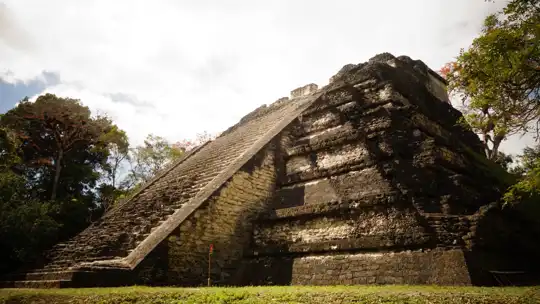
Central America region, particularly Guatemala and Honduras, is a treasure trove for architecture enthusiasts. Here, you can explore centuries-old Mayan ruins, colonial towns, and vibrant indigenous communities. In Guatemala, Antigua’s cobblestone streets and well-preserved Spanish colonial buildings will take you back in time. Meanwhile, in Honduras, the ancient ruins of Copán showcase intricate stone carvings and pyramids that reflect the region's rich history. The combination of natural beauty and historical significance makes this area incredibly appealing for travelers who appreciate architecture.
Moving on to
Mexico, this country is a diverse architectural playground, blending pre-Hispanic, colonial, and modern styles. From the stunning Aztec pyramids of Teotihuacan to the colorful streets of Oaxaca and the sleek lines of contemporary structures in Mexico City, the architectural variety here is remarkable. Each city offers a different flavor, so you can easily spend weeks exploring the contrasting styles. However, some more remote areas might be less accessible and could involve longer travel times, so plan your itinerary wisely.
Finally, the
Panama region contributes its own unique architectural flair, particularly in Panama City, where the skyline is a mix of historic colonial buildings and futuristic skyscrapers. The Casco Viejo neighborhood boasts a charming blend of Spanish colonial architecture and modern cafes, perfect for those looking to soak in the atmosphere. However, outside the capital, architectural options may be more limited, so keep that in mind when planning your journey.
In summary, if architecture is your passion, the regions of Central America and Mexico will likely offer the richest experiences, while Panama provides a unique blend of old and new in its capital. Just be prepared for some travel logistics, especially in less urban areas, and you’ll be set for an architectural adventure!
⚠️ Select architecture in the filters below on the right to find your perfect match.
When it comes to vibrant backpacker scenes in North America, you’ll want to focus on Central America and parts of the Caribbean. These regions offer a mix of stunning landscapes, rich cultures, and budget-friendly options that make them particularly appealing for travelers on a shoestring. While many areas in North America are beautiful, some are more tailored for the backpacking experience than others.
The
Central America region is a standout for backpackers. Countries like Guatemala and Honduras are known for their welcoming hostels, affordable food, and a strong sense of community among travelers. You'll find plenty of opportunities for adventure, whether it’s hiking up volcanoes, exploring ancient ruins, or relaxing on beautiful beaches. Costa Rica and Panama also provide a great mix of biodiversity and activities, from surfing to wildlife spotting, alongside a solid infrastructure for backpackers. However, do keep in mind that some places can be a bit touristy, especially in Costa Rica, so be on the lookout for off-the-beaten-path options.
On to the
Caribbean, Jamaica and Belize both cater to the backpacker vibe. In Jamaica, you can easily find budget accommodations and local food stalls that won't break the bank. The laid-back island atmosphere, coupled with vibrant music and culture, makes it a fantastic spot for meeting fellow travelers. Belize, while slightly pricier than its Central American neighbors, offers stunning beaches, Mayan ruins, and a mix of cultures that make it worth the visit. The backpacker scene here is smaller but still lively, especially around popular destinations like Caye Caulker.
Overall, if you're looking for a vibrant backpacker scene in North America, focus on Central America and parts of the Caribbean. These regions are packed with experiences that cater to budget travelers and foster a sense of community that makes the journey all the more enjoyable.
⚠️ Select backpackers in the filters below on the right to find your perfect match.
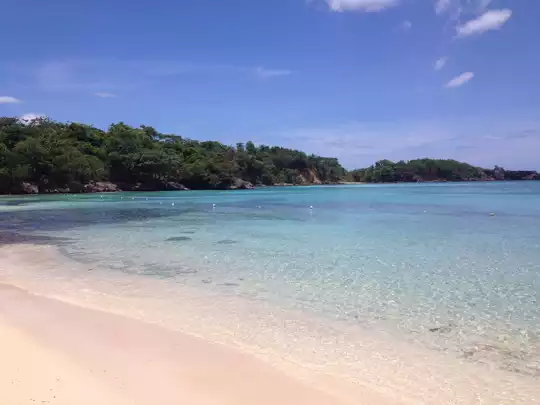
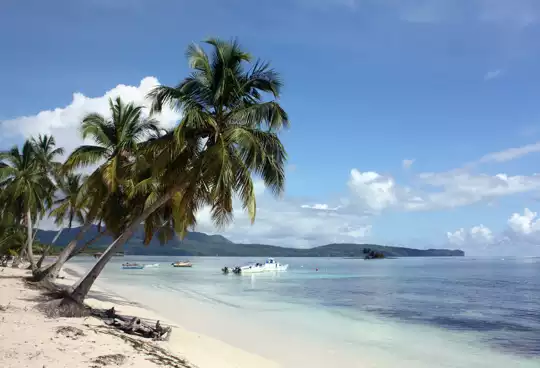
When it comes to beach life in North America, the Caribbean steals the show with its stunning coastlines, vibrant cultures, and laid-back vibes. If you're a beach lover on a budget, certain regions offer more bang for your buck and a better overall experience than others. Here’s a breakdown of the best spots to hit up, along with a few areas you might want to skip if you're after that sun-soaked paradise.
Starting with the
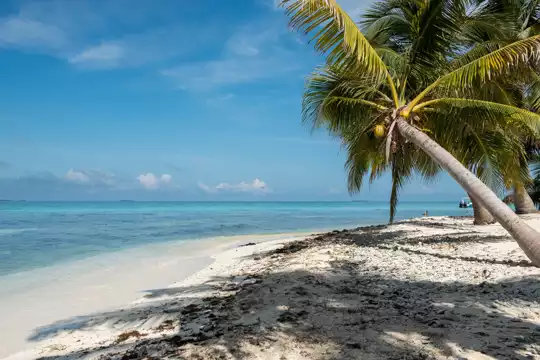
Caribbean, this region is packed with options that cater to all types of beach enthusiasts. Countries like Antigua and Barbuda, the Bahamas, and Jamaica boast some of the most picturesque beaches in the world, along with affordable accommodations and lively local cultures. You can find everything from bustling beach parties to secluded coves, making it easy to tailor your beach experience. Plus, many islands offer budget-friendly dining and activities, especially if you venture away from the tourist traps.
Moving on to
Central America, countries like Costa Rica and Belize provide a unique blend of beach life and adventure. Here, you can soak up the sun on gorgeous shores while also having easy access to rainforests and wildlife. The vibe is generally more laid-back, and you’ll find plenty of budget hostels and local eateries serving up delicious food. The beaches in this region are often less crowded, especially if you’re willing to explore a bit further off the beaten path.
The
United States has its own share of fantastic beach destinations, particularly in places like Florida and Hawaii. While these spots can be pricier, you can still find budget-friendly options if you plan ahead. Florida’s Gulf Coast, for instance, offers beautiful beaches and a variety of free or low-cost activities. However, keep in mind that some areas can be overrun with tourists, especially during peak seasons, so timing your visit is key.
Lastly, while the
United States Virgin Islands and other parts of the Caribbean are beautiful, they can sometimes be on the pricier side, particularly for accommodations and dining. If your budget is tight, you might want to focus on the more affordable islands or consider traveling during the off-season to snag better deals.
In summary, for the ultimate beach life experience in North America, the Caribbean and Central America are your best bets. While the U.S. has some gems, be mindful of costs and crowds. With a little planning, you can enjoy sun, sand, and surf without breaking the bank!
⚠️ Select beach life in the filters below on the right to find your perfect match.
When it comes to delicious food in North America, some regions really stand out, while others might not be as appealing for food lovers. If you’re a backpacker looking to savor every bite on a budget, here’s the lowdown on where to focus your culinary adventures.
Mexico is the heavyweight champion of North American cuisine. From vibrant street tacos in Mexico City to fresh seafood on the coasts, the variety is staggering. Each region has its own specialties, making it a fantastic choice for foodies. Street food is not only delicious but also wallet-friendly, so you can indulge without breaking the bank. Plus, local markets are a feast for the senses and a great way to try regional ingredients and flavors.
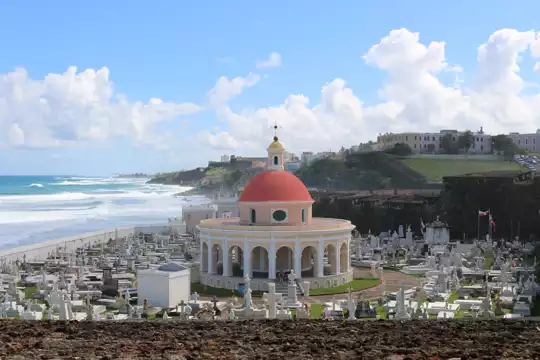
Puerto Rico also offers a rich culinary experience that blends Spanish, African, and Taino influences. The island is known for its hearty dishes like mofongo and lechón, and you can find some great roadside kiosks serving up local favorites. The food scene here is vibrant, especially in San Juan, where you’ll find everything from food trucks to fine dining. While it’s a bit pricier than mainland options, you can still find affordable eats if you know where to look.
On the flip side, while regions like the U.S. mainland can have great food scenes in cities, many rural areas tend to lack the culinary diversity and richness found in Mexico and Puerto Rico. So, if your main focus is on exploring diverse and delicious food, stick to these two regions where the flavors are bold and the options are plenty.
⚠️ Select food in the filters below on the right to find your perfect match.
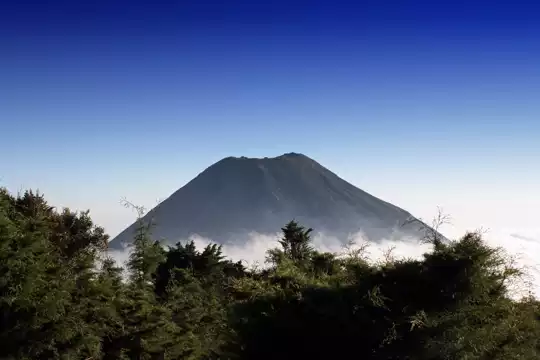
When it comes to mountain exploration in North America, you’ve got some fantastic options across different regions, each offering unique landscapes and adventures. The key areas to focus on are the Western U.S. and Canada, while the mountainous regions of Mexico may not be as well-known for serious trekking but still have their own charm.
Starting with the
Western U.S., this region is a playground for mountain enthusiasts. With iconic ranges like the Rockies, the Sierra Nevada, and the Cascades, there’s no shortage of trails, climbing spots, and stunning vistas. National Parks like Yellowstone, Yosemite, and Glacier are must-visits, boasting well-maintained trails and a wealth of wildlife. Plus, the accessibility of these parks makes it easy to hop from one breathtaking view to another.
Moving on to
Canada, it’s hard to beat the Canadian Rockies for sheer beauty and variety. Places like Banff and Jasper offer incredible hikes, breathtaking lakes, and a chance to see glaciers up close. The coast ranges in British Columbia also provide amazing options, from the rugged mountains around Whistler to the trails on Vancouver Island. Canada is ideal for those seeking both rugged backcountry and well-marked paths.
In contrast,
Mexico has some mountain areas worth exploring, particularly in the Sierra Madre and the highlands near Oaxaca. However, these spots are often less developed for trekking compared to the U.S. and Canada. You might find some great local experiences and fewer crowds, but the infrastructure for serious mountain exploration isn’t as robust.
Overall, for serious mountain backpacking, stick to the
Western U.S. and
Canada. They offer the most diverse and accessible options for adventurers looking to soak up stunning mountain scenery.
⚠️ Select mountains in the filters below on the right to find your perfect match.
For travelers looking to connect with locals and fellow adventurers, certain regions in North America stand out as particularly welcoming. The vibrant cultures, friendly atmospheres, and social scenes in these areas create ideal conditions for meeting new people. However, not all regions offer the same level of engagement, so it's worth considering where to focus your travels.
The
Central America region, particularly countries like Costa Rica, El Salvador, and Guatemala, is a hotspot for social interactions. Here, you’ll find a laid-back vibe where locals are often keen to share their culture and stories. The backpacker scene is lively, with hostels and community spaces that encourage mingling. Events like surf lessons in Costa Rica or cultural festivals in Guatemala make it easy to strike up conversations with both locals and fellow travelers.
Moving to the
Caribbean, destinations like Cuba, Jamaica, and Trinidad and Tobago also offer unique opportunities for socializing. The laid-back lifestyle, music, and dance are integral to the culture, making it a breeze to meet people in local bars, markets, and during street festivals. In Cuba, for example, engaging with locals over a game of dominoes or joining in on a salsa class can lead to meaningful connections.
In contrast, the
Mexico region offers a mixed bag. While places like Mexico City and the Yucatán Peninsula have vibrant social scenes and hostels teeming with travelers, some areas can feel more touristy and less personal. Still, with a bit of effort, you can find local hangouts and community events that foster interactions.
While Puerto Rico stands out for its rich culture and friendly locals, the scale of tourism can sometimes overshadow personal connections. However, engaging in local activities and venturing off the beaten path can still lead to great encounters.
In summary, if meeting people is your priority, focus on Central America and parts of the Caribbean. These regions are not just about beautiful landscapes; they’re alive with opportunities to connect, share stories, and make lasting friendships.
⚠️ Select people in the filters below on the right to find your perfect match.
When it comes to safety in North America, some regions stand out as more favorable for travelers, while others may require a bit more caution. For those prioritizing safety on their adventures, focusing on the Caribbean and parts of North America is a smart move.
The
Caribbean is often seen as a paradise for those seeking sun and relaxation, but it's also home to several countries that prioritize safety. Islands like Aruba, Barbados, and the British Virgin Islands generally have lower crime rates and a more tourist-friendly atmosphere. While some islands, like Jamaica and the Dominican Republic, have areas that can be less safe, there are plenty of places within these countries that still offer a secure stay. Just stick to well-traveled spots and avoid venturing into less populated areas at night.
Moving to the
North America mainland, Canada and the United States come in strong for safety-conscious travelers. Canada is known for its friendly locals and low crime rates, making it a solid choice for backpacking. Major cities like Vancouver, Toronto, and Montreal generally feel safe for travelers. The U.S. has its share of safe cities too, but it's smart to do a bit of research on specific areas since safety can vary widely from one city to another. Some regions, particularly in the southern U.S. and certain urban areas, may pose more risks, so staying informed about your surroundings is key.
In contrast, Central America has some beautiful spots, but it can be hit or miss when it comes to safety. Countries like Belize and Costa Rica are often considered safer than others in the region, but travelers should remain vigilant, particularly in urban areas.
Overall, for a safer experience in North America, stick to the Caribbean and the safer parts of the mainland, keeping an eye on local advice and recommendations. Doing your homework can go a long way in ensuring a smooth trip.
⚠️ Select safety in the filters below on the right to find your perfect match.
When it comes to breathtaking scenery in North America, some regions stand out while others may not quite hit the mark for those seeking stunning landscapes. If you’re a backpacker with a passion for incredible views, you’ll want to focus on certain areas that offer a rich variety of natural beauty, from mountains and beaches to rainforests and unique geological formations.
Canada is a top choice, boasting everything from the rugged Rocky Mountains in Alberta to the stunning coastlines of British Columbia. National parks like Banff and Yoho provide ample opportunities for hiking, wildlife spotting, and capturing jaw-dropping vistas. The eastern provinces also offer picturesque landscapes, particularly in places like Cape Breton and the stunning fjords of Gros Morne National Park.
Moving down to
Central America, countries like Costa Rica and Guatemala shine with their lush rainforests, volcanic landscapes, and rich biodiversity. Costa Rica is famous for its eco-tourism, with numerous parks and reserves that feature waterfalls, tropical wildlife, and pristine beaches. Guatemala’s ancient ruins set against the backdrop of stunning highlands provide a unique combination of culture and scenery that’s hard to beat.
The Caribbean region, particularly
Cuba,
Dominican Republic, and
Jamaica, offers tropical beauty with a mix of stunning coastlines and lush mountains. Cuba’s varied landscapes include the dramatic Sierra Maestra mountains and beautiful beaches like Varadero. The Dominican Republic boasts the highest peaks in the Caribbean, while Jamaica’s Blue Mountains provide both scenic hikes and a chance to soak in the local culture.
Lastly, the
United States is packed with scenic wonders, from the national parks of the West like Yellowstone and Zion to the stunning coastlines of California and Maine. The diversity in landscapes here is immense, offering everything from deserts to forests and mountain ranges, making it a prime destination for those who love the great outdoors.
While places like
Trinidad and Tobago and
Panama have their merits, they may not offer the same dramatic scenery as the regions mentioned above. For those seriously chasing unforgettable views, sticking to the highlighted areas will ensure you have an adventure filled with some of the best landscapes North America has to offer.
⚠️ Select scenery in the filters below on the right to find your perfect match.
When it comes to exploring North America, some regions stand out for their unique cultural, historical, and natural attractions. For travelers who thrive on discovering places that offer something a little different, the Caribbean and parts of the Arctic are particularly favorable. Meanwhile, areas that are more commercialized or heavily touristed might not provide the same sense of individuality and adventure.
The
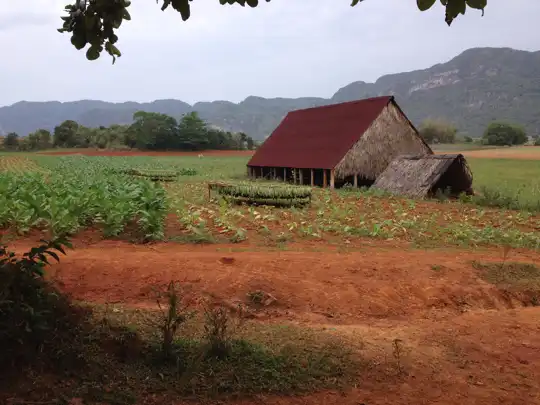
Caribbean is a treasure trove for those seeking uniqueness. Islands like Cuba and Jamaica boast rich histories, vibrant music scenes, and distinct culinary experiences. Cuba’s blend of colonial architecture and classic cars is unlike anywhere else, while Jamaica’s reggae culture and stunning natural landscapes, including waterfalls and lush mountains, offer a unique vibe. The Dominican Republic adds to this mix with its diverse geography and cultural influences, making it a great spot for those who enjoy soaking in different lifestyles and traditions.
On the other hand, if you're venturing into the
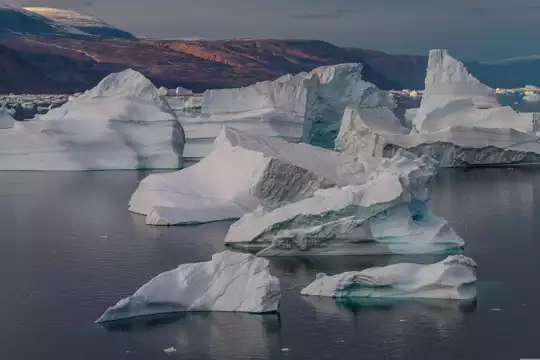
Arctic, Greenland stands out for its breathtaking landscapes and indigenous cultures. The vast, rugged terrain and the chance to meet the Inuit people provide an authentic experience that feels worlds apart from the usual tourist paths. Trinidad and Tobago also deliver a unique Caribbean experience with their distinct festivals, wildlife, and a blend of cultural influences that make them unlike any other destination.
In contrast, regions that are more commercialized—like many parts of the U.S. and Canada—often focus on mass tourism and might not offer the same level of unique cultural experiences. While there are exceptions, these areas may be less appealing for those looking for an authentic backpacking adventure. Instead, lean towards the vibrant cultures and stunning landscapes found in the Caribbean and Arctic for a truly unique travel experience.
⚠️ Select uniqueness in the filters below on the right to find your perfect match.
When it comes to wildlife watching in North America, some regions stand out for their rich biodiversity and accessibility. The vibrant ecosystems across Central America and parts of Canada and the United States offer some of the best opportunities for observing wildlife in their natural habitats. However, not every area is a wildlife enthusiast's paradise, so it's good to know where to focus your efforts.
Central America is a fantastic spot for wildlife lovers, particularly in countries like Costa Rica, Belize, Honduras, Nicaragua, and Panama. This region is a biodiversity hotspot, featuring everything from tropical rainforests to coastal mangroves. You can expect to see a variety of animals, including sloths, toucans, and howler monkeys. National parks like Corcovado in Costa Rica or the wildlife reserves in Belize provide excellent chances for spotting unique species. Plus, the relatively small size of these countries makes it easier to explore multiple habitats in a short time.
On the other hand, the northern regions, particularly
Canada and the
United States, are also top contenders for wildlife watching, especially in places like the national parks. Areas like Yellowstone and Banff are known for their stunning landscapes and wildlife, including bison, elk, and bears. The vast wilderness and varied climates in these countries support a wide range of species, but you might have to travel farther and spend more time planning to cover the best spots.
In contrast, some regions in the U.S. and Canada are less ideal for wildlife watching due to urbanization and less accessible natural habitats. Areas that are heavily developed or lack protected lands might not offer the same opportunities for wildlife encounters. So, if you're keen on seeing animals in their natural surroundings, stick to the national parks and less populated areas.
Ultimately, whether you're trekking through Central America's jungles or exploring the vast wilderness of North America, there's plenty of wildlife waiting to be discovered. Just make sure to choose your destinations wisely to maximize your chances of spotting some amazing creatures!
⚠️ Select wildlife in the filters below on the right to find your perfect match.
If you travel in
| | | | | | | | | | | April is a fantastic time to explore North America, thanks to the diverse climates and conditions across the continent. As winter fades away, spring emerges, bringing milder temperatures and blooming landscapes in many areas. However, the weather can vary significantly depending on where you go, so it’s worth considering the best regions for your travels this month.
Starting with
the Caribbean, this region is a solid choice in April. The weather is generally warm and dry, perfect for beach lounging and outdoor adventures. While the tourist crowds may start to pick up, you can still find some great deals and enjoy the lush scenery. It’s a prime time for water activities like snorkeling and diving, with crystal-clear waters and vibrant marine life.
Moving to
Central America, countries like Belize, Guatemala, and Nicaragua are also appealing in April. The dry season is still in effect for most of this region, making it ideal for exploring ancient ruins, vibrant rainforests, and stunning lakes. Just keep an eye on the weather, as some areas can start to see an uptick in rain toward the end of the month.
In
Mexico, April offers pleasant weather in many areas, especially along the coasts. The beaches are inviting, and the cultural festivals in various towns can enhance your travel experience. Cities like Oaxaca and Mexico City are also enjoyable as they start to warm up, but be prepared for some crowds during the Easter holidays.
On the flip side, regions like
Canada and parts of the
United States can be a mixed bag in April. Northern areas might still feel the chill of winter, especially in places like the Canadian Rockies or the northern U.S. states. However, southern parts of the U.S., such as Florida and Texas, start to warm up and become much more inviting, making it a good time to enjoy outdoor activities before the summer heat kicks in.
In summary, April is a great month to venture into the Caribbean and Central America for warm weather and vibrant experiences, while southern Mexico offers a nice balance of culture and climate. Just be cautious if you're heading north, as temperatures can still be on the colder side. Happy travels!
⚠️ Select April in the filters below on the right to find your perfect match.
August in North America brings a mix of weather patterns and travel experiences, depending on where you land. Generally, this month is known for warm to hot temperatures, especially in the southern areas, while northern regions can still offer some pleasant summer days. For backpackers, understanding the climate across different regions can help you make the most of your trip.
Starting with the
Western Canada, this area is prime for outdoor enthusiasts in August. The weather is typically mild, perfect for hiking in places like the Canadian Rockies or enjoying the stunning coastlines of British Columbia. Just keep an eye out for wildfires, which can occasionally affect air quality and visibility.
Moving to the
Eastern Canada, cities like Montreal and Toronto are bustling with festivals and events during this time, making it an exciting spot for cultural experiences. However, be prepared for the humidity, as it can get sticky. If you’re hitting the coast, the Atlantic provinces may be a bit cooler but are often less crowded, presenting a nice mix of relaxation and exploration.
In the
United States, the Northeast offers a vibrant summer vibe with plenty of outdoor activities and events, though it can be hot and humid, especially in places like New York City. The Pacific Northwest is also a fantastic choice, with its cooler temperatures and beautiful natural landscapes. But steer clear of the Southwest, where desert heat can be brutal, making it less appealing for backpackers who prefer to be active outdoors.
On the flip side,
Greenland is a unique option in August, as it experiences milder temperatures and longer daylight hours, which is great for trekking and witnessing the stunning landscape. Just remember that its remote location means you'll need to plan your trip and budget accordingly.
In summary, August can be a great time to explore various regions in North America, but it's essential to choose wisely based on climate and activities. Whether you’re hiking in the mountains, enjoying city life, or immersing yourself in unique cultures, there's something for every budget traveler.
⚠️ Select August in the filters below on the right to find your perfect match.
December in North America offers a mixed bag of climates and experiences, making it an interesting time to travel. While some regions are basking in warm sunshine, others are braving the chill of winter. For budget travelers, understanding these regional differences can help you choose the best destinations to explore.
Starting with the
Caribbean, this is prime time to visit. The weather is warm and dry, perfect for those looking to escape the cold. Islands like Antigua and Barbuda, Barbados, and Saint Lucia offer stunning beaches, vibrant culture, and plenty of outdoor activities. Plus, the festive spirit in December, with various local celebrations, adds an extra layer of enjoyment. Just be mindful that this is peak season, so budget accommodations might be snatched up quickly.
In Central America, the
Central American countries such as Belize, Costa Rica, and Nicaragua also enjoy a dry season around December. These countries are great for backpackers seeking adventure—from surfing and hiking to exploring lush rainforests. December is a popular time, so consider booking your stays ahead of time to avoid the holiday rush.
On the other hand, the
United States can be hit or miss in December. If you're after winter sports, regions like the Rockies are ideal for skiing. However, if you're looking for warmth, southern states like Florida or Southern California are much more appealing. Just be prepared for holiday crowds in popular spots.
Lastly, the
Mexican coastline, particularly places like Cancun and Tulum, is still a great destination in December. The weather is warm, and the beaches are beautiful, but again, you’ll likely encounter more tourists during this time.
In summary, the Caribbean and Central America are your best bets for warm, enjoyable travel experiences in December, while specific parts of the U.S. and Mexico can offer both winter and summer vibes, depending on where you go. Just plan ahead, especially if you’re on a budget, to make the most of your trip!
⚠️ Select December in the filters below on the right to find your perfect match.
February is a unique time to explore North America, with varying climates and conditions that can significantly impact your travel experience. While some regions bask in warm, sunny weather, others can be quite chilly, making it essential to choose your destination wisely. For budget travelers looking to make the most of their February getaway, here’s a breakdown of the most favorable regions across the continent.
The Caribbean is a prime destination during February. With its stunning beaches and pleasant temperatures, this region is perfect for those seeking sun and relaxation. Countries like
Antigua and Barbuda,
Aruba, and the
Cayman Islands offer beautiful landscapes and vibrant cultures, all while enjoying the warm tropical climate. Plus, many islands host lively festivals this time of year, adding to the experience. The only downside is that this is peak tourist season, so budget travelers should book accommodations early to snag the best deals.
Central America also shines in February, with countries like
Belize,
Costa Rica, and
Panama offering a great mix of outdoor adventures and cultural experiences. The weather is typically dry and warm, ideal for exploring rainforests, beaches, and ancient ruins. Budget travelers can take advantage of affordable hostels and local eateries, making it easier to stretch your dollars while enjoying all the region has to offer.
In contrast, the southern part of the United States can be hit or miss in February. While places like
Florida can provide pleasant temperatures, other areas, particularly in the North, can be cold and uninviting. If you're planning on visiting the U.S., stick to warmer locales, as you may find more budget-friendly options and outdoor activities.
Overall, February is a fantastic time to explore North America, but your choice of destination is crucial. Focus on the Caribbean and Central America for warm weather and plenty of activities while being mindful of peak tourist seasons in the Caribbean. Happy travels!
⚠️ Select February in the filters below on the right to find your perfect match.
January in North America offers a mixed bag of climates and travel experiences, making it an interesting month for backpackers. While some regions bask in warm sunshine, others can be quite chilly or even snowy. If you're looking for a budget-friendly escape, knowing where to go can make all the difference.
In the
Caribbean, you'll find beautiful weather with temperatures typically ranging from the mid-70s to the low 80s°F (around 24-29°C). This is peak season for many of the islands, so expect vibrant festivals and plenty of activities. It's a great time for beach lovers and those looking to immerse themselves in local culture. Just be mindful that prices can be higher due to the influx of visitors, so plan your accommodations and activities accordingly.
Moving to
Central America, countries like Costa Rica, Belize, and Nicaragua offer warm weather and stunning natural landscapes. January is part of the dry season, making it ideal for outdoor adventures like hiking, surfing, and exploring wildlife. However, some areas can get crowded, especially popular tourist spots, so it’s wise to seek out less-traveled paths if you're on a budget.
In contrast, the
United States and parts of
Mexico can vary significantly. Southern regions, such as Florida and coastal areas of Mexico, remain warm and inviting, making them popular destinations for those wanting to escape the cold. However, northern areas can be quite frigid and may not be the best choice for outdoor activities. If you’re considering a trip to the U.S., check out cities that offer unique winter festivals or indoor attractions to make the most of your visit.
Overall, January can be a fantastic time to explore North America if you know where to look. The Caribbean and Central America shine with warmth and adventure, while the U.S. and Mexico offer diverse options depending on your preferences for climate and activities.
⚠️ Select January in the filters below on the right to find your perfect match.
July is a popular travel month in North America, but the climate can vary widely, influencing your backpacking plans. From the warm, sunny beaches to cooler mountain ranges, each region has something unique to offer. However, it’s important to know where to go for the best experience and where to avoid potential pitfalls like extreme heat or heavy rain.
Starting with the
Western United States, this region shines in July, especially areas like California and the Pacific Northwest. Expect warm temperatures perfect for hiking and enjoying the coast. National Parks like Yosemite and the Redwoods are in full swing, although be prepared for crowds. The only downside? Some desert areas can be scorching, so plan accordingly if you're heading to places like Death Valley.
Moving to the
Eastern United States, July means summer heat and humidity, particularly in cities like New York and Washington, D.C. While cultural festivals and outdoor events abound, be ready for sticky conditions. The Appalachian region, however, offers cooler temperatures and beautiful hiking trails, making it a solid choice for nature lovers escaping the urban heat.
In
Canada, July is prime time, especially in the Rockies and coastal areas. Places like Banff and Vancouver are vibrant with activities, and the weather is generally fantastic. Just be mindful of potential tourist crowds in popular spots. The eastern provinces can be a mixed bag; while cities like Montreal and Quebec City are lively, they can also be quite humid.
Lastly,
Greenland offers a unique experience in July with milder temperatures as the ice begins to melt, revealing stunning landscapes and opportunities for hiking and boat tours. It’s not the most conventional backpacking destination, but if you’re seeking adventure and breathtaking scenery, it’s worth considering.
In short, aim for the West and parts of Canada for ideal conditions, while the East might be best for those who enjoy a bit of summer hustle and bustle. Plan wisely, and you’ll have an unforgettable July in North America!
⚠️ Select July in the filters below on the right to find your perfect match.
June is an exciting time to explore North America, with varying climates and conditions that cater to different travel styles. As the summer kicks off, many parts of the continent are basking in warm weather, making it perfect for outdoor adventures. However, some regions can be less inviting due to humidity or heavy rainfall, so it’s wise to know where to head and where to tread carefully.
Starting with
Canada, this vast country offers diverse landscapes that are especially appealing in June. The weather is generally mild, making it ideal for hiking in national parks like Banff or exploring cities like Vancouver and Toronto. Just be mindful that some areas can still be a bit chilly, especially in the northern regions, so pack layers if you’re venturing up there.
Moving to the Caribbean,
Puerto Rico and
Sint Maarten promise beautiful beach weather and vibrant culture. June is right before hurricane season kicks in, so you can enjoy sunny days and warm waters without the crowds that flock during peak tourist months. It's a great time for budget backpackers to find affordable accommodations and local experiences.
In Central America,
Honduras is another good option in June. While it can be rainy in some areas, places like the Bay Islands have pleasant weather, offering excellent opportunities for snorkeling and diving. Just keep an eye on the weather forecasts, as the rainy season can bring unpredictable showers.
On the other hand,
Dominica and
Greenland can be less favorable during this month. Dominica, while lush and beautiful, experiences heavier rainfall in June, which might hinder outdoor activities. Greenland, though stunning, can still be quite cold and not as accessible, which may limit travel options.
Lastly, the
United States is a mixed bag in June. Regions like the Pacific Northwest and parts of the Northeast are lovely, with pleasant temperatures and blooming landscapes. However, the Southeast can be hot and humid, which might not be ideal for everyone. Consider heading to the Rockies or the West Coast for stunning scenery and comfortable weather.
In summary, June can be a great month to explore North America if you choose your regions wisely. Focus on the temperate areas and be cautious of those experiencing heavier rains or less favorable conditions. Happy travels!
⚠️ Select June in the filters below on the right to find your perfect match.
March is a fantastic time to explore North America, as the weather begins to warm up and the spring season brings a fresh vibe to many destinations. However, the climate can vary widely across the continent, so choosing the right region can make or break your trip. Here’s a quick breakdown of what to expect in March and the best regions for budget travelers.
Starting with the
Caribbean, this region is a prime choice in March. With warm temperatures, plenty of sunshine, and lower humidity, islands like Antigua and Barbuda, Jamaica, and the Dominican Republic offer an ideal escape for those looking to enjoy beautiful beaches and vibrant local cultures. March is also outside of hurricane season, which means you can enjoy your trip without worrying about unexpected weather disruptions.
Moving to
Central America, countries like Costa Rica, Guatemala, and Nicaragua are also quite appealing in March. This is the dry season for most of the region, making it perfect for outdoor adventures such as hiking, exploring ancient ruins, and enjoying the stunning natural landscapes. Budget travelers will find plenty of affordable accommodations and local eateries that won't break the bank.
In contrast, the
United States can be hit or miss in March. While southern states like Florida and Texas start to warm up, northern areas can still be chilly and unpredictable. If you're looking to explore cities or national parks, aim for warmer locales, but keep in mind that popular tourist spots can get crowded during spring break.
Lastly, the
Mexican Caribbean, including places like Cancun and Tulum, is another great option in March. The weather is warm, and you can find plenty of budget-friendly accommodations and food options. Just be prepared for an influx of tourists as spring break draws many visitors to the area.
Overall, March is a great time to travel through these regions, but it’s essential to plan according to the climate and your budget. Whether you're lounging on the beach or hiking through lush jungles, North America offers a range of experiences that'll suit any backpacker's taste.
⚠️ Select March in the filters below on the right to find your perfect match.
May is a fantastic time to explore North America, as the weather starts to warm up and spring blooms bring vibrancy to many regions. However, climates can vary significantly across the continent, and some areas may be more appealing for travelers than others.
Starting with
Canada, May is when the country begins to shake off winter's chill. Regions like British Columbia and the Canadian Rockies are particularly inviting, with milder temperatures and stunning landscapes perfect for hiking and outdoor activities. However, expect some rain in coastal areas, so pack a light jacket.
In the
United States, May is generally a sweet spot for travel. The weather is warming up across the country, making it ideal for both city explorations and national park visits. The Southern states, like Florida and Texas, are hot and lively, while the Northeast invites visitors with pleasant temperatures and blooming parks. Just watch out for the onset of the hurricane season in the Southeast later in the month.
Moving on to
Central America, countries like Costa Rica and Nicaragua start to see the early signs of the rainy season in May. While you might experience some showers, this can also mean fewer crowds and lower prices, making it a budget-friendly time to explore the lush landscapes and rich biodiversity. Just be prepared for occasional downpours, especially in the afternoons.
Lastly, the Caribbean, including places like the
Bahamas and
Puerto Rico, can be a mixed bag in May. It's generally warm and enjoyable, but keep an eye on the weather, as the region is transitioning into the start of the hurricane season. You might find some great deals on accommodations during this time, but always have a backup plan for indoor activities just in case.
In summary, May in North America offers a range of experiences depending on where you choose to go. From the stunning natural beauty of Canada and the vibrant cities in the U.S. to the lush landscapes of Central America and the warm beaches of the Caribbean, there's something for every backpacker. Just be sure to check the weather patterns for your desired destinations to make the most of your trip.
⚠️ Select May in the filters below on the right to find your perfect match.
November in North America brings a mix of climates and travel experiences, making it a unique time to explore the continent. As the leaves turn and the weather cools in some areas, others are still basking in warm temperatures, offering budget travelers various options depending on their preferences.
The
Caribbean is a prime destination in November, particularly for those looking to escape the chill of fall. Countries like Barbados and Cuba boast pleasant temperatures and fewer tourists compared to the peak winter months. You can find affordable accommodations and enjoy beautiful beaches, vibrant local culture, and delicious cuisine. Plus, this time of year typically avoids the hurricane season, making it a safer bet for travel.
Moving to
Central America, places like Costa Rica, Belize, and Nicaragua begin to warm up as the rainy season tapers off, allowing for stunning landscapes and outdoor adventures. November is a great time for budget backpackers to explore rainforests, volcanoes, and local markets without the heavy crowds found in December and January. While some areas may still experience sporadic rain, the overall conditions are generally favorable for hiking and exploring.
In contrast, the
United States offers a varied experience in November. While some regions like the southern states (think Florida and Texas) remain warm and inviting, northern areas can be quite chilly, with the potential for early snow in places like New England. If you’re into autumn foliage, the U.S. still has some beautiful sights, but be prepared for colder weather and possibly higher prices in tourist hotspots as the holiday season approaches.
Lastly, the
Mexican region can be a mixed bag in November. The Yucatan Peninsula, including places like Cancun and Tulum, is usually warm and dry, perfect for beach lovers. However, in the central and northern parts of Mexico, temperatures can drop significantly, making outdoor activities less appealing. Overall, this month is a good time to visit the coast while other inland destinations might not be as enjoyable.
In summary, November offers a range of travel experiences across North America, with the Caribbean and Central America standing out as the most favorable regions for backpackers looking to enjoy warm weather and rich cultural experiences. Just be sure to pack accordingly based on where you plan to go!
⚠️ Select November in the filters below on the right to find your perfect match.
October in North America brings a mix of climates and conditions, making it a unique month for travel. As summer transitions into fall, you’ll find some regions bursting with color and mild temperatures, while others may be cooling off and starting to see winter’s first chill. It’s a great time for backpackers to explore, but knowing where to go can make all the difference.
One of the most appealing regions in October is
Canada. The fall foliage in places like Ontario and Quebec is stunning, with vibrant reds and oranges painting the landscapes. Temperatures are generally mild, perfect for hiking and enjoying the outdoors. Plus, many towns host fall festivals celebrating the harvest season. Just keep in mind that as the month progresses, temperatures can drop significantly, especially in the northern parts, so pack layers.
Moving down to the
United States, many areas, especially the Northeast, are prime for leaf-peeping. States like Vermont and New Hampshire showcase breathtaking autumn scenery. The weather is typically comfortable for outdoor activities, from hiking to exploring charming small towns. However, the South can be quite warm and humid, particularly in states like Florida, which might not be ideal if you're looking for a crisp fall vibe.
Over in
Nicaragua, October is part of the wet season, which means you can expect a fair amount of rain, especially in the western regions. While this might deter some travelers, it can also mean fewer crowds and lush landscapes. If you're okay with the unpredictability of the weather, you can still enjoy the vibrant culture and stunning natural beauty without breaking the bank.
In summary, October offers diverse experiences across North America. Canada and the northeastern U.S. shine with their autumn beauty, while Nicaragua presents a different kind of charm despite the rain. Just plan ahead based on what kind of adventure you’re after!
⚠️ Select October in the filters below on the right to find your perfect match.
September is a great time to explore North America, as the weather starts to shift and the summer crowds begin to thin out. This month presents a diverse range of climates, from the crisp beginnings of fall in the north to lingering summer warmth in the south. Depending on where you roam, you can catch some stunning natural beauty, vibrant autumn foliage, or even enjoy outdoor activities without the heavy humidity. However, not every region is ideal for travel in September, so it’s worth noting where to focus your backpacking adventures.
Canada offers a spectacular experience in September, especially in provinces like British Columbia and Alberta. The weather is generally mild, making it perfect for hiking in places like the Rockies or exploring vibrant cities like Vancouver and Toronto. Plus, you might just catch the early autumn colors, especially in the eastern provinces. However, keep in mind that northern areas can start to get chilly, and some parks may begin to close for the season.
In the
United States, the conditions vary widely. The Pacific Northwest is particularly inviting this time of year, with cooler temperatures and fewer tourists. National parks like Yellowstone and Yosemite are still accessible, but you might want to check for early snow in higher elevations. The northeast also shines in September, as the fall foliage begins to emerge, with places like Vermont and New Hampshire drawing leaf-peepers. On the flip side, the southeast can be pretty hot and humid, plus it's hurricane season, which might put a damper on your plans if you're considering coastal spots.
As for
Greenland, September offers an interesting mix. While the weather can be unpredictable, it's a unique time to witness the tail end of the summer and the onset of the Arctic fall. Just remember that it’s remote and can be more expensive, which might not fit the budget travel mold as well as other regions.
Overall, September is a fantastic month to hit the road in North America, provided you choose your regions wisely to make the most of the season’s offerings.
⚠️ Select September in the filters below on the right to find your perfect match.
v2.webp)