×

Best countries in North America to visit in January

Discover the best countries to go backpacking in January, based on weather, festivals, wildlife, and seasonal highlights. Drawing on firsthand travel experiences, this guide helps you find destinations that match your interests—whether it’s scenic landscapes, cultural events, or unique adventures. Refine your search to plan the perfect January journey.”
North America
Explore South America in January
Preferences
WHEN DO YOU GO?


WHAT DO YOU LIKE?


How does it work?

show best time to go
Panama
1

Panama

Canal ships, old-town Panama City and San Blas islands.


Watch freighters pass the Miraflores Locks, stroll Casco Viejo, sleep on Guna Yala islands, visit Bocas del Toro’s beaches and climb Volcán Barú.
The best time for backpacking Panama is mid-December to April, when the Pacific side is dry and sunny, though that is also when hostels fill and beach prices climb roughly 20 to 30 percent. The Caribbean coast runs on its own schedule: Bocas del Toro and Guna Yala can get rain in any month, and their calmer, drier spells often fall in February to March and again in September to October.
  • Peak dry season (mid-December to April): Panama City, the Azuero Peninsula and the Pacific islands see almost no rain and highs of 31 to 34°C, while Boquete gets gusty winds and fine mist. Prime time for highland hiking, Carnival and island hopping, but beach towns book out around Christmas, Carnival and Semana Santa.
  • Early rainy season (May to July): Mornings usually stay clear, with afternoon downpours lasting an hour or two. Rates soften, crowds thin and the hills turn green. Pacific swells build for surfers at Santa Catalina.
  • Deep rainy season (August to November): Longer, heavier rain on the Pacific side, peaking in October and November, with muddy trails and the odd road washout. In return you get humpback whales off the Pearl Islands and Coiba, plus the lowest prices of the year.
In the dry season, I’d lock in beds for any Carnival or Easter weekend before anything else; in the rainy months, a light rain jacket and a dry bag for your phone matter more than any reservation.
Best known for:Known for: scenery | backpackers | architecture
Best time to visit: November - August
Daily cost: US$40 to 60 [visitpanama.com]
Dominican Republic
2

Dominican Republic

Colonial streets, whale bays and waterfalls you can jump into.


Walk Santo Domingo’s Zona Colonial, boat through Los Haitises caves, slide the Damajagua pools and reach the empty sands of Bahía de las Águilas.
The best time for backpacking the Dominican Republic is December to April, when rain is lowest, humidity is easiest to bear and humpback whales arrive in Samaná Bay, though that stretch also brings the year’s highest prices and fullest beaches. The regions don’t follow one script. The north coast around Puerto Plata, Cabarete and Samaná gets its heaviest showers from November to January, the southwest around Barahona stays dry most of the year, and the mountains around Jarabacoa and Constanza turn chilly at night in winter, with frost possible near the summit of Pico Duarte.
  • Peak dry season (mid-December to April): Coastal highs of 28 to 30°C, little rain on the south and east coasts, and full hostels from Christmas through Semana Santa. Rooms cost the most now, and whales fill Samaná Bay from mid-January to March.
  • Shoulder season (May to July): Hotter (31 to 33°C), with short, heavy afternoon downpours and easing prices. Summer trade winds power Cabarete’s kitesurfing, while sargassum seaweed can foul east-coast beaches.
  • Hurricane peak (August to October): The wettest, most storm-prone stretch. Rates drop hard and crowds vanish, but one tropical storm can wipe out several days of plans.
  • Early dry season (November to mid-December): Rain tapers in the south and east, and rates stay at low-season levels until the holiday price jump.
Book beds for Christmas, Carnival Sundays and Semana Santa four to six weeks ahead, and pack a fleece if the Cordillera Central is on your route.
Best known for:Known for: beach life | uniqueness | low cost
Best time to visit: November - July
Daily cost: US$35 to 55
El Salvador
3

El Salvador

Volcano rims, Pacific surf and pupusas in a small country.


Hike Santa Ana volcano, eat at Juayúa’s weekend food fair, walk Suchitoto’s cobbles, surf at El Tunco and visit the ash-buried Joya de Cerén.
The best time to go backpacking in El Salvador is November to February, when the dry season brings clear skies, cooler highland nights and normal prices outside the Christmas rush. The coast and eastern lowlands stay hot all year (roughly 30 to 35°C), while the Ruta de las Flores and peaks like Cerro El Pital run 10°C or more cooler, so altitude shapes your comfort more than the calendar does.
  • Dry season (November to April): Sunny days, dusty roads and the busiest beaches. November to February is the most comfortable stretch. March and April turn scorching and hazy from field burning. The coffee harvest and flower blooms fill the Ruta de las Flores early in the season.
  • Semana Santa (March or April): The whole country heads to the coast for Holy Week. Rooms in El Tunco and El Zonte sell out weeks ahead, rates jump, and public transport thins out on Holy Thursday and Good Friday.
  • Rainy season (May to October): Mornings are usually clear, with heavy storms in the afternoon or overnight. Rooms get cheaper and the Pacific swell peaks, which is why surfers pick these months. September and October are the wettest.
The risk people underrate is the temporal, a multi-day soaking from a Pacific weather system that triggers landslides and can cut highland and coastal roads for days, so leave buffer days in your plan. Pack a light rain shell and a fleece whatever the month: the shell from May onward, the fleece for highland nights in December and January.
Best known for:Known for: people | low cost | safety
Best time to visit: May - June, November - March
Daily cost: US$30 to 50
British Virgin Islands
4

British Virgin Islands

Sailing islands with boulder grottoes and barefoot beach bars.


Squeeze through the granite boulders of The Baths, snorkel the Rhone wreck, swim ashore at Jost Van Dyke and hike Tortola’s misty forest.
The best time for backpacking the British Virgin Islands is December to April, when steady trade winds keep highs near 28°C, rain is light and you are outside hurricane season, though rooms cost the most then. Weather barely differs between Tortola, Virgin Gorda, Jost Van Dyke and Anegada. What changes is that the smaller islands shut down far more in the off-season.
  • Peak season (mid-December to April): Expect dry, breezy days of 24 to 29°C and top prices. Christmas and Easter sell out. Every beach bar and ferry route runs.
  • Shoulder season (May to July): It gets hotter, with calmer seas. Rooms run 20 to 40% cheaper and crowds thin out.
  • Hurricane peak (August to October): This brings the heaviest rain and the highest storm risk. Many businesses on Jost Van Dyke and Anegada close in September and October.
  • Early season (November to mid-December): Showers ease and prices stay low. Thanksgiving week is the exception, filling up with US visitors.
Book Christmas and Easter rooms four to six months ahead, and pack a light rain shell for any trip between June and November.
Best known for:Known for: beach life | safety
Best time to visit: November - July
Daily cost: US$130 to 250
Aruba
5

Aruba

A dry, cactus-studded island with calm beaches and a mural town.


Explore Arikok’s desert trails and caves, ride a 4x4 to Conchi’s natural pool, view murals in San Nicolas and relax on Eagle Beach.
The best time to go backpacking in Aruba is January to April, when trade winds keep the heat in check, rain is close to zero and Carnival fills the streets, though bed prices run highest. The island sits south of the main hurricane belt, so seasons shift less than elsewhere in the Caribbean. The windward north and east coasts stay rough all year, while the Eagle Beach and Palm Beach side stays calm.
  • Peak season (mid-December to mid-April): Highs around 29°C (84°F), a steady breeze, the busiest beaches and top rates. Carnival parades in Oranjestad and San Nicolas peak in the weeks before Ash Wednesday.
  • Windy summer (May to August): Strong trade winds, highs near 31°C (88°F) and low-season rates. June and July are prime windsurfing months at Fisherman’s Huts.
  • Hot, short wet season (September to November): The weakest wind, highs up to 32°C (90°F), brief showers mostly in October and November, the calmest water for diving and the fewest visitors.
Book Carnival and Christmas-week beds two to three months ahead, since the cheaper guesthouses fill first.
Best known for:Known for: safety | beach life
Best time to visit: December - August
Daily cost: US$90 to 150
Saint Martin
6

Saint Martin

Two nations on one island, with jets, lolos and calm beaches.


Watch planes land over Maho Beach, eat ribs at Grand Case’s lolos, climb Pic Paradis and swim around Pinel Island, crossing between French and Dutch sides freely.
The best time to visit Saint Martin is December to April, when trade winds keep days around 28 to 30°C, rain is scarce and every beach bar and boat trip runs, though you pay peak prices for it. The whole island shares one climate, but crowds differ: cruise passengers pack Philipsburg on the Dutch side, while Grand Case and Orient Bay on the French side stay calmer.
  • Dry season (December to April): Sunny, breezy, busiest and priciest, with Carnival, the Heineken Regatta and Easter crowds.
  • Shoulder (May to June): Hotter, calmer, rates 20 to 40% lower, nearly everything open.
  • Wet and hurricane season (July to November): Humid, showery, cheapest. Storm risk peaks August to October, and many French-side restaurants and hotels close in September and October.
Sargassum seaweed can blanket east-facing beaches like Orient Bay from spring to autumn. Book December to March beds two to three months ahead and pack a light rain shell year-round.
Best known for:Known for: safety | beach life
Best time to visit: November - June
Daily cost: US$90 to 150 [st-martin.org]
Anguilla
7

Anguilla

Flat, quiet beaches, clear water and grilled crayfish, at Caribbean prices.


Swim and snorkel off squeaky white sand at Shoal Bay East, boat out to the Prickly Pear Cays and eat grilled crayfish at Island Harbour.
The best time for backpacking Anguilla is mid-April to June, when the dry-season sunshine holds, the winter crowds have flown home and room rates fall by roughly 30 to 50 percent. The island is small and flat, so the weather barely changes from one end to the other, though north-facing beaches such as Shoal Bay East can catch big swells in winter while the south coast stays calmer.
  • Peak season (mid-December to mid-April): Dry, breezy and about 75 to 85°F (24 to 29°C). Every hotel and beach bar is open, but this is when prices peak, and Christmas to New Year often comes with minimum stays. March brings Moonsplash, the reggae festival at Bankie Banx’s Dune Preserve.
  • Shoulder season (mid-April to July): Hotter, with glassy seas that suit snorkeling at Little Bay and Shoal Bay. Easter brings Festival del Mar in Island Harbour.
  • Summer Festival (late July to mid-August): Anguilla’s carnival and the boat races, the national sport, pack the beaches. If you want to see racing sloops tearing around Sandy Ground, this is the window.
  • Hurricane season (September to November): Humid, with the highest storm risk in September and October. Many hotels and restaurants close for those weeks, and the island goes very quiet.
Book festival-week rooms three to four months ahead, because the island’s small supply of budget rooms sells out first.
Best known for:Known for: safety
Best time to visit: December - August
Daily cost: US$150 to 230
Cuba
8

Cuba

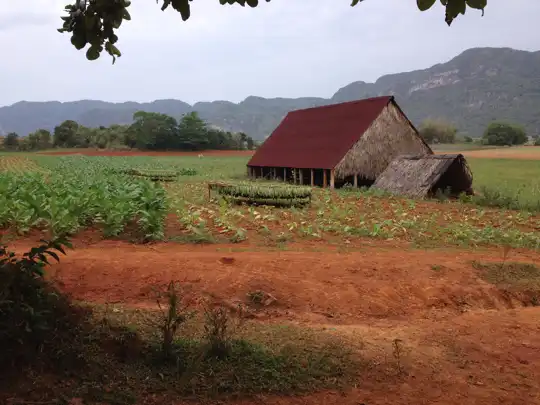
Cobbled colonial towns, tobacco valleys and live son music.


Wander Old Havana’s plazas, ride through Viñales tobacco country, dance in Trinidad and head east to Santiago and Baracoa, where buses are slow.
The best time for backpacking Cuba is December to April, when the dry season brings sunny days around 25 to 28°C, low humidity and very little hurricane risk, though Christmas, New Year and Easter push casa particular prices up by roughly 20 to 40%. Regionally, Havana and the west catch winter cold fronts that can drop nights to 15°C, Santiago and the east stay several degrees hotter all year, and Baracoa on the northeast coast gets rain in every month.
  • Peak dry season (mid-December to March): Clear skies, calm seas for diving off María la Gorda, and comfortable hiking in Viñales and the Escambray. Casas in Havana and Trinidad fill early and run US$30 to 50 a night instead of US$20 to 35.
  • Shoulder months (April, May and November): Heat builds in April and the first heavy showers arrive in May, while November dries out. Crowds thin and room rates soften.
  • Wet summer (June to August): Highs of 31 to 33°C, sticky humidity and short afternoon downpours. Cuban school holidays fill beaches like Varadero and Guardalavaca, and Santiago’s carnival runs in July.
  • Hurricane peak (September and October): The highest storm risk, the lowest prices and some hotels and tours shut for maintenance.
For one night only, December 24, the Parrandas in Remedios turn the town into a fireworks battle between rival neighborhoods. I’d book Christmas and New Year beds weeks ahead and pack a fleece, because the Viazul bus air conditioning runs arctic.
Best known for:Known for: people | uniqueness | low cost
Best time to visit: November - August
Daily cost: US$35 to 55
Belize
9

Belize

Reef diving, Maya caves and jungle ruins in an English-speaking country.


Snorkel with sharks and rays at Hol Chan, wade into Maya burial caves, dive the Great Blue Hole and climb the Caracol pyramid.
The best time for backpacking Belize is late November to April, when the dry season brings sunny days around 27 to 30°C, calm seas for the barrier reef and dirt roads that stay passable, though mid-December to Easter is also when beds and tours cost the most. Rainfall rises sharply as you head south: the north and the cayes get roughly 1,300 to 1,500 mm a year, while Toledo can top 4,000 mm, so the far south stays muddier for longer.
  • Peak dry season (mid-December to Easter): Dry, breezy and warm, with clear water for snorkeling and diving. Caye Caulker and San Pedro fill up, and Christmas and Holy Week sell out weeks ahead. Expect top prices for dorms, private rooms and reef trips.
  • Hot shoulder (late April to May): The hottest stretch, 32 to 35°C inland, with smoky haze from field burning. Crowds thin fast after Easter and room rates start to slide.
  • Green season (June to August): Mostly short, heavy afternoon downpours rather than all-day rain, lush jungle and noticeably cheaper lodges. Mosquitoes and sandflies get busy.
  • Hurricane peak (September to October): The wettest months with the highest storm risk. Some caye and Placencia businesses close for weeks, and floods can cancel cave tours and cut southern roads.
Pack a light rain shell in any month, and if your dates touch Christmas or Holy Week, reserve island beds at least a month ahead.
Best known for:Known for: beach life | scenery | wildlife
Best time to visit: November - August
Daily cost: US$50 to 80
Jamaica
10

Jamaica

Predawn mountain hikes, jerk pork and reggae roots.


Climb Blue Mountain Peak by headlamp, tour Marley’s Kingston home, swim at quiet waterfalls and eat fried fish on a Treasure Beach sandbar.
The best time for backpacking Jamaica is mid-December to mid-April, when the dry season brings sunny 27 to 30°C days, low humidity and calm seas, though rooms cost the most then; late April and May give you nearly the same weather for roughly 20 to 40% less. Region matters. Portland in the northeast gets rain in every month, the south coast around Treasure Beach stays driest, and the Blue Mountains run 10 to 15°C cooler than the beaches.
  • Peak dry season (mid-December to mid-April): Little rain, clear views from Blue Mountain Peak, good snorkeling visibility. Negril and Montego Bay fill up, prices peak, and the Christmas to New Year stretch books out early.
  • Shoulder season (late April to June): Heat builds, May brings the first heavy afternoon showers, and rates fall. Mango season gets going.
  • Summer (July and August): Hot and humid at 31 to 33°C. July breaks the low-season lull: Reggae Sumfest in Montego Bay and diaspora families home for school holidays push up flights and guesthouse rates.
  • Hurricane and rain peak (September to November): Hurricane season runs June 1 to November 30, with September and October the stormiest and wettest. Expect the lowest prices and empty beaches, plus washed-out mountain roads after big downpours.
I’d pack a light rain shell and a fleece in any month, since a pre-dawn start on Blue Mountain Peak can drop into single digits Celsius while Negril swelters.
Best known for:Known for: beach life | scenery | people
Best time to visit: November - July
Daily cost: US$50 to 80
Honduras
11

Honduras

Maya carvings, Bay Island diving and cheap baleadas.


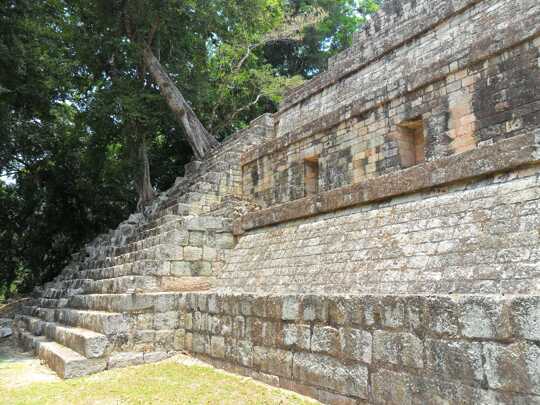
Study the glyph-covered stairway at Copán, dive off Utila, raft the Río Cangrejal and sail out to Garifuna fishing huts on Cayos Cochinos.
The best months for backpacking Honduras are February and March: the mainland is dry, the Bay Islands have shaken off their winter rains, and prices only spike during Semana Santa. The country splits in two. Copán, Tegucigalpa and the Pacific side follow a standard dry and wet pattern, while Utila, Roatán and the Caribbean coast get their heaviest rain from October to January, when “nortes” blow in from the north.
  • Early dry season (November to December): The interior dries out and stays green, with cool highland nights. The islands and La Ceiba remain wet and choppy. Prices are low until Christmas week, when domestic travel fills buses and beach towns.
  • Peak dry season (January to April): Sunny almost everywhere, hot by April, with smoke haze from field burning late in the season. Island dorms and Roatán rooms cost the most, and Holy Week brings sold-out buses and price jumps of 20 to 50 percent.
  • Green season (May to August): Afternoon storms on the mainland, broken by a short dry spell (the “canícula”) around July and August. The Bay Islands enjoy their driest, calmest water. Expect discounts and empty trails.
  • Storm season (September to October): Peak hurricane risk, flooding and landslides. Travel is slow and the islands turn rainy.
I’d book island beds and Copán buses two to three weeks ahead if your dates touch Semana Santa, and pack a light rain shell for La Ceiba or the Moskitia in any month.
Best known for:Known for: low cost | wildlife | backpackers
Best time to visit: November - April
Daily cost: US$30 to 45 [honduras.travel]
Puerto Rico
12

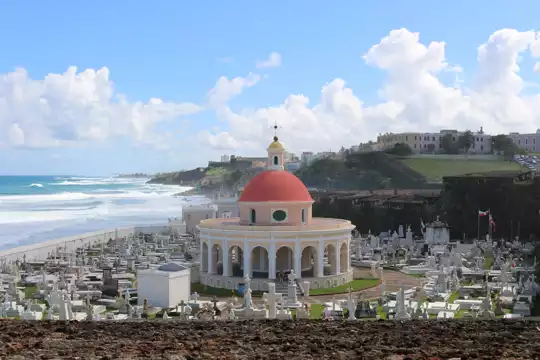
Puerto Rico

Forts, rainforest and glowing bays with easy logistics.


Walk Old San Juan’s forts, hike El Yunque to a waterfall, paddle Vieques’ glowing bay and relax on Culebra’s Flamenco Beach.
The best time for backpacking Puerto Rico is April to June and November, when you get mostly sunny days around 29 to 31°C (84 to 88°F), thinner crowds than in winter and room rates well below the December to March peak. Region matters: the north coast and El Yunque catch rain year-round, while the south coast around Ponce and Guánica sits in a rain shadow and stays dry even in the wetter months.
  • Winter peak (mid-December to March): The driest, breeziest stretch, with highs near 28°C (83°F). Cruise passengers and US mainland visitors arrive along with the year’s top room prices, so book weeks ahead. Big north swells make this Rincón’s surf season.
  • Spring shoulder (April to June): Prices drop after Easter week, the sea flattens into clear snorkeling water around Culebra and Vieques, and the showers that return in May tend to come in short afternoon bursts.
  • Hurricane peak (July to October): Hot, humid and wet, with storm risk highest in August and September. Rates hit their lowest, though July still fills beaches with island and mainland families on summer break.
  • November: Hurricane risk fades, rain thins out as the month goes on, and shoulder prices hold until Thanksgiving week.
If you travel between July and October, book refundable rooms and flights, and pack a light rain shell plus a headlamp for power cuts.
Best known for:Known for: safety | scenery | people
Best time to visit: November - June
Daily cost: US$75 to 130
Curaçao
13

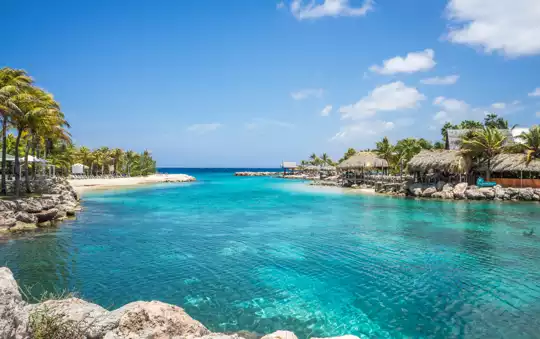
Curaçao

Dutch-colored harbor town and snorkeling coves on a dry island.


Cross Willemstad’s floating bridge, watch waves crash at Shete Boka, snorkel turtle-filled coves and climb the island’s highest hill before the heat arrives.
May and June are the best months for backpacking Curaçao, with dry, breezy weather, thin crowds after the North American winter rush and room rates well below peak levels. The island is small, so the weather barely changes by region, though the windward north coast and Christoffel National Park in the west catch more wind and passing showers than the sheltered southern beaches.
  • Peak season (mid-December to mid-April): Highs of 28 to 31°C, a steady breeze and cruise ships lining up in Willemstad. Rooms cost the most, and beaches like Grote Knip fill by late morning.
  • Shoulder season (mid-April to June): Dry, windy and quiet, with rates often 20 to 30 percent lower than in winter.
  • Summer (July to September): Dutch school holidays pack the beaches in July and August. September turns hot and still, which gives divers the calmest water.
  • Rainy season (October to early December): Short, heavy showers and the lowest prices of the year. Curaçao sits south of the main hurricane track.
Book beds for Carnival weeks two to three months ahead.
Best known for:Known for: beach life | safety | people
Best time to visit: November - August
Daily cost: US$70 to 110 [curacao.com]
Dominica
14

Dominica

Steaming volcanic hikes, bubbling reefs and river canoe trips.


Trek to the Boiling Lake, snorkel fizzing Champagne Reef, soak below Trafalgar Falls and visit the Kalinago Territory on a steep, rainforest island.
The best time to visit Dominica is February to June, when rain eases, mountain trails firm up, and you dodge the worst of the hurricane months. The leeward west coast around Roseau and Portsmouth stays far drier than the windward east and the rainforest interior, where showers fall in every month.
  • Dry season (February to May): Sunniest stretch, around 27 to 31°C on the coast. The Boiling Lake hike is at its least muddy. Carnival and cruise-ship days push up demand in Roseau.
  • Early wet season (June to July): Short, heavy showers, full waterfalls, fewer visitors and softer rates.
  • Hurricane peak (August to October): Highest storm risk. Rivers flood after downpours, and some lodges and dive shops close for weeks.
  • Cool-down (November to January): Rain tapers off and sperm whale sightings off the west coast become more reliable.
Leatherback turtles nest on east-coast beaches like Rosalie only from March to August. Whatever the month, pack a light rain shell and quick-dry clothes.
Best known for:Known for: safety | scenery | beach life
Best time to visit: November - July
Daily cost: US$65 to 100
Nicaragua
15

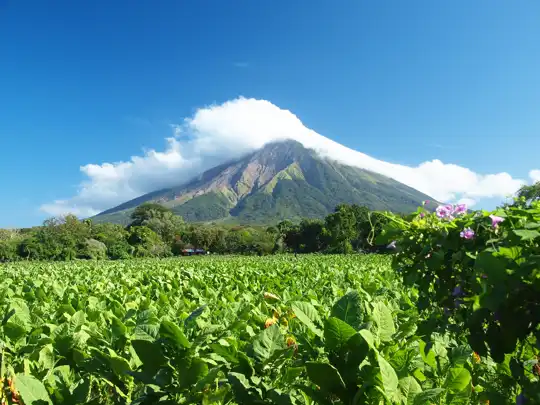
Nicaragua

Board down a volcano, then rest in colonial courtyards.


Slide down Cerro Negro on a plywood board, climb Ometepe’s twin volcanoes, tour Granada’s ochre streets and swim through Somoto Canyon.
The best time for backpacking Nicaragua is late November through February, when the Pacific side is dry, the landscape is still partly green and daytime highs sit around 29 to 32°C instead of the brutal heat of spring. The Caribbean coast runs on its own clock: the Corn Islands see showers most of the year, with the steadiest sunshine from about February to April.
  • Dry season (November to April): Clear skies, dusty roads and strong offshore winds on the southern Pacific beaches from December to March. Prices peak over Christmas and New Year. Prime time for climbing Concepción on Ometepe and sandboarding Cerro Negro, though March and April push León toward 36 to 38°C.
  • Early wet season (May to June): Afternoon storms turn the hills green within weeks while mornings stay mostly clear. Crowds thin and many guesthouses cut rates by 10 to 30 percent.
  • Late wet season (July to October): A drier spell, the “canícula”, often arrives mid-July to mid-August. September and October then bring the heaviest rain, washed-out dirt roads and hurricane risk in the Caribbean. Big south swells draw experienced surfers, and olive ridley turtles nest at La Flor.
The odd one out is Semana Santa, the week before Easter: Nicaraguans flood every beach, buses overflow and coastal rooms sell out, so book that week well ahead. For the wet months I’d pack a light rain shell and quick-dry clothes over an umbrella, since the storms blow in sideways.
Best known for:Known for: low cost | wildlife
Best time to visit: June - August, November - April
Daily cost: US$30 to 45 [visitanicaragua.com]
Antigua and Barbuda
16

Antigua and Barbuda

Sailing harbors, old naval docks and Barbuda’s frigatebirds.


Tour Nelson’s Dockyard, watch sunset at Shirley Heights, boat to Barbuda’s frigatebird colony and eat fungee and pepperpot from roadside pots.
The best time for backpacking Antigua and Barbuda is May and June, when the dry-season sunshine mostly holds, the winter crowds have gone and room rates fall by roughly a third. Both islands share one climate, though flat Barbuda runs slightly drier and stays quiet all year, while English Harbour on Antigua fills up around the big regattas.
  • Peak dry season (mid-December to mid-April): highs of 27 to 29°C, low humidity, steady trade winds and the highest prices of the year, with cruise ships crowding St. John’s on most weekdays.
  • Shoulder season (mid-April to June): warmer at 29 to 31°C, brief showers, calmer seas for snorkeling and noticeably cheaper guesthouses.
  • Hurricane season (July to October): hot, humid and stormier, with the deepest discounts, Carnival in late July and early August, and some resorts and restaurants closed in September and October.
  • November: showers stay frequent, businesses reopen and prices stay low until mid-December.
Buy travel insurance that covers storm-related flight changes if you book anything between July and November.
Best known for:Known for: safety | beach life
Best time to visit: November - June
Daily cost: US$90 to 140
Grenada
17

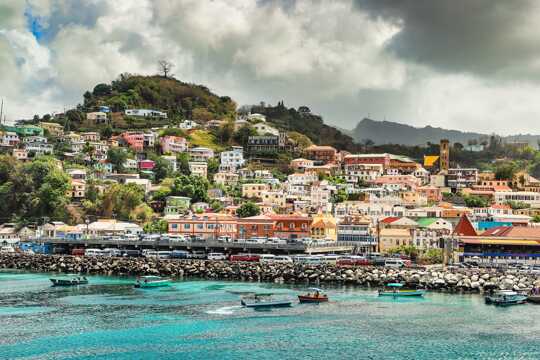
Grenada

Spice estates, rainforest falls and public beaches on a small island.


Hike to Seven Sisters Falls, snorkel the underwater sculpture park, tour a water-wheel rum distillery, visit a cocoa estate and walk St. George’s harbor.
The best time for backpacking Grenada is April to June, when the dry season’s last weeks and the first light rains come with post-Easter room rates and quieter beaches. Location matters: the mountain interior around Grand Etang gets several times the rain of the southwest coast near Grand Anse, and Carriacou is drier than both.
  • Dry season (January to May): Sunny, around 30°C with steady trade winds. January to March brings top rates and cruise ships in St. George’s. Prices ease after Easter.
  • Early wet season (June to July): Short afternoon downpours, green hills, low rates, leatherbacks nesting at Levera.
  • Hurricane peak (August to October): Humid, heaviest rain. Some guesthouses and dive shops close in September. Spicemas runs in August.
  • Transition (November to December): Rains ease and prices stay low until mid-December.
Hurricanes are the risk people shrug off. Ivan in 2004 and Beryl in 2024 both hit hard, and storms cancel Carriacou ferries. Pack a light rain shell for rainforest trails in any month.
Best known for:Known for: beach life | safety
Best time to visit: November - July
Daily cost: US$60 to 95
Sint Maarten
18

Sint Maarten

Low-flying jets, guavaberry liqueur and a Dutch-side fort.


Watch planes skim Maho Beach, taste guavaberry liqueur on Front Street, explore the Fort Amsterdam ruins and dive the Man of War Shoal reef.
March to May is the best time to visit Sint Maarten: dry trade-wind weather, the year’s lowest rainfall and, after Easter, hotel rates well below winter peaks. The whole island shares one climate, but the sea differs. East-facing Dawn Beach gets choppy in the winter trades, while west-coast Mullet Bay usually stays calm.
  • Peak season (mid-December to mid-April): dry, breezy, 27 to 29°C, cruise crowds in Philipsburg and the year’s top room rates.
  • Shoulder season (mid-April to July): hotter and stiller, fewer cruise calls, rates often 20 to 40 percent lower.
  • Hurricane peak (August to October): humid and stormy, with the lowest prices and thinnest crowds.
  • Early season (November to mid-December): showers ease and prices stay moderate.
The Heineken Regatta in early March is the week for big-boat racing off Simpson Bay. Book anything from June to November with insurance that covers hurricane delays.
Best known for:Known for: safety | beach life
Best time to visit: November - July
Daily cost: US$110 to 170 [vacationstmaarten.com]
Guadeloupe
19

Guadeloupe

A French Caribbean island with a volcano, reefs and Creole food.


Climb steaming La Soufrière, snorkel the Cousteau reserve, stand on Pointe des Châteaux’s cliffs and ferry to the pastel village on Les Saintes.
The best time for backpacking Guadeloupe is late April to June. The dry season’s sunshine mostly holds, the winter crowds have flown home and rates start to soften. Grande-Terre, Marie-Galante and Les Saintes stay sunnier and drier all year, while Basse-Terre’s rainforest and La Soufrière catch rain in every season.
  • Dry season, or carême (December to April): 24 to 30°C (75 to 86°F) with steady trade winds. Hiking weather is at its most reliable and prices are at their highest, and Carnival fills the weekends from January to Ash Wednesday.
  • Shoulder (May and June): still mostly dry, with quieter beaches and better deals on gîtes and rental cars.
  • Wet season, or hivernage (July to November): humid with heavy showers. Hurricane risk peaks from August to October, and some restaurants and guesthouses close in September.
Sargassum seaweed often piles up on Atlantic-facing beaches from spring through summer, so check the daily reports before you pick a beach. Book cars early for Christmas and February, and pack a rain shell for Basse-Terre in any month.
Best known for:Known for: safety | beach life
Best time to visit: November - July
Daily cost: €60 to €100 [lesilesdeguadeloupe.com]
Martinique
20

Martinique

A French island with a volcano, Creole cooking and rhum agricole.


Walk Saint-Pierre’s ruins, hike Mont Pelée, wander Balata’s canopy walkways and browse Fort-de-France’s spice market, paying in euros the whole way.
The best months for backpacking Martinique are February to May, when the Carême dry season brings sunny days and steady trade winds, and from late April room rates drop well below the Christmas and Carnival peak. The north around Mount Pelée and the Route de la Trace gets rain in every month, while the south near Sainte-Anne stays far drier.
  • Peak dry season (mid-December to April): 25 to 30°C, brief showers, calm Caribbean-side seas; the highest prices, with sellouts at Christmas, Carnival and Easter.
  • Shoulder season (May to June): mostly dry, fewer visitors, lower rates, distilleries still crushing cane.
  • French summer holidays (July to August): humid and showery, yet flights and gîtes stay in demand.
  • Wet and hurricane season (September to November): heavy downpours, muddy trails, the lowest prices.
Travelers often overlook sargassum seaweed, which piles up on Atlantic beaches like Tartane and Le Vauclin in spring and summer and smells of sulfur. Book rental cars early for peak dates, and pack a light rain jacket for the north.
Best known for:Known for: safety | beach life
Best time to visit: November - July
Daily cost: €60 to €95 [martinique.org]
Saint Barthélemy
21

Saint Barthélemy

Small, polished French island with free beaches and costly beds.


Hike to Colombier’s turtle cove, crunch across Shell Beach, explore Gustavia’s Swedish past and learn to kitesurf in Grand Cul-de-Sac’s shallow lagoon.
April to June is the best time for backpacking Saint Barthélemy: the dry season mostly holds, the sea is calm and warm, and room rates fall roughly 30 to 50 percent once the Easter crowd leaves. The island covers only about 25 square kilometers, so timing barely shifts by region, though the east coast around Grand Cul-de-Sac and Toiny stays windier than leeward Gustavia and Shell Beach all year.
  • Peak season (mid-December to mid-April): Dry and breezy, highs around 28°C. Even modest rooms run €300 to 600 a night and sell out months ahead. Oddly, the first two weeks of December are quiet and cheaper, right before the year’s most expensive fortnight.
  • Shoulder season (mid-April to July): Hotter, mostly dry, sea near 28°C, lower prices, nearly everything open.
  • Hurricane peak (August to November): Humid, heavy showers, storm risk highest in September; many hotels and restaurants close from late August through October.
Book your connecting flight from St Maarten early, since the small planes seat under 20 people.
Best known for:Known for: safety | beach life
Best time to visit: November - July
Daily cost: €200 to 380 [saintbarth-tourisme.com]
Saint Vincent and the Grenadines
22

Saint Vincent and the Grenadines

Sailing reefs, a volcano crater and boat-hopping through the Grenadines.


Snorkel with turtles in the Tobago Cays, hike La Soufrière’s crater rim, visit Kingstown’s old gardens and ferry to Mayreau and Bequia.
May and June are the best months for backpacking Saint Vincent and the Grenadines, because the sunshine mostly holds while the winter crowds and peak room rates fade. St. Vincent’s volcanic interior catches far more rain than the low, scrubby Grenadines, so a wet day on the main island can be a dry one on Bequia or Union.
  • Peak dry season (mid-December to April): Sunny and breezy at 25 to 30°C. Yachts fill the anchorages and rates hit their highest. This is the best window for sailing and the La Soufrière hike.
  • Shoulder (May to June): Hot, mostly dry, quieter and cheaper, with Vincy Mas building toward its parades in early July.
  • Hurricane season (July to October): Humid, with heavy showers and storm risk peaking August to October. Some small Grenadines hotels close in September.
  • Early winter (November to mid-December): Rains taper off and prices stay low.
Book Bequia rooms months ahead for the Easter Regatta, and pack a rain shell for the volcano in any month.
Best known for:Known for: safety | beach life
Best time to visit: October - July
Daily cost: US$70 to 110
Montserrat
23

Montserrat

A volcano-buried capital, forest walks and a lone pale-sand beach.


Look down on buried Plymouth from Garibaldi Hill, tour the volcano observatory, hike the Centre Hills and earn Rendezvous Bay with a steep walk.
The best time for backpacking Montserrat is February to April, when trade winds keep days dry and warm (about 80 to 86°F), Centre Hills trails are firm underfoot, and the island’s St. Patrick’s Festival fills March with music and goat water stalls.
The island is only about 16 km long, so the weather barely changes from place to place. The forested Centre Hills do catch more showers than the coast, and when the wind shifts, ash from the Soufrière Hills volcano can drift over the inhabited north.
  • Dry season (January to April): This is peak season, with the most sunshine and the clearest views of the volcano from the observatory. The St. Patrick’s Festival week in mid-March is the busiest stretch, and rooms get scarce and pricier.
  • Shoulder season (May to June): It gets hotter and more humid, with occasional showers, but the trails and beaches are close to empty. Guesthouse rates are easier to negotiate, which makes this the best value window.
  • Hurricane season (July to November): Heavy downpours and storm risk peak from August to October. The Calabash Festival brings some life in July, but plan for muddy trails and possible ferry disruptions.
  • Festival season (mid-December to January 1): The island’s Christmas carnival brings calypso shows, parades and returning locals living abroad. The atmosphere is fantastic, but beds and car rentals book out early.
Montserrat has only a small stock of guesthouses and villas, so book at least two to three months ahead for March or late December.
Best known for:Known for: safety | uniqueness | scenery
Best time to visit: December - June
Daily cost: US$100 to 170
Saint Kitts and Nevis
24

Saint Kitts and Nevis

Fortress walls, a rainforest crater climb and roadside stews across two islands.


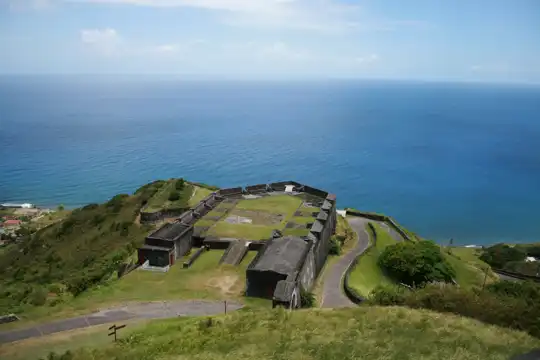
Climb to the rim of Mount Liamuiga, explore Brimstone Hill Fortress, eat goat water at roadside stalls and ferry over to quiet Nevis.
The best months for backpacking Saint Kitts and Nevis are late April to June, when the dry-season sunshine mostly holds, cruise crowds thin out and guesthouse rates drop by roughly 20 to 40 percent from winter highs. Both islands share the same calendar, but the rainforest slopes of Mount Liamuiga on St Kitts and Nevis Peak catch far more rain than the coasts, so summit hikes turn muddy much sooner than beach days do.
  • Peak dry season (mid-December to mid-April): Highs around 27 to 29°C (81 to 84°F), steady trade winds and little rain. Cruise ships fill Basseterre and Frigate Bay, and rooms cost the most of the year. Sugar Mas, the national carnival, runs from late December into early January.
  • Shoulder season (mid-April to June): Warmer and still fairly dry, with easier bookings. The St Kitts Music Festival takes over Basseterre in late June.
  • Early wet season (July to August): Hot, humid and showery, with hurricane risk rising. Culturama, the Nevis festival of music and pageants, fills Charlestown from late July into early August.
  • Hurricane peak (September to November): The wettest, stormiest stretch. Prices hit their lowest, and some small inns and beach bars close for weeks in September and October.
Leatherback turtles nest on St Kitts beaches from roughly March to July, and guided night patrols run only in that window. For a July to November trip, book refundable rooms and pack a light rain shell plus sturdy shoes for slick trails.
Best known for:Known for: safety | beach life
Best time to visit: December - June
Daily cost: US$100 to 150
Costa Rica
25

Costa Rica

Cloud forest, jungle trails and turtle beaches packed into a small country.


Hike misty Monteverde, wade through Corcovado’s rainforest, watch green turtles nest at Tortuguero and swim in the sky-blue Río Celeste.
The best months for backpacking Costa Rica are May, June and November, when mornings are usually dry, forests are deep green, hostel rates sit 10 to 25 percent below the December to April peak, and you share trails with far fewer people. Region matters as much as the calendar. The Pacific side and Central Valley follow the classic dry and rainy split, while the Caribbean coast (Puerto Viejo, Cahuita, Tortuguero) stays damp most of the year and gets its sunniest weeks in September and October, exactly when the Pacific is soaked.
  • Dry season (December to April): Clear skies, brown and dusty Guanacaste, gusty winds in the north. Beaches, buses and dorms fill up, especially over Christmas and Semana Santa, and prices hit their yearly high.
  • Early green season (May to August): Sunny mornings, afternoon downpours, lower prices. A drier spell called the “veranillo” often arrives in July, along with North American and European holiday crowds.
  • Peak rains (September and October): The Pacific coast, Osa Peninsula and mountains get their heaviest rain, and some Osa lodges shut. The Caribbean side is at its best.
  • Transition (November): Rain fades from north to south, waterfalls run full and the peak crowds have not arrived yet.
The risk people underestimate is landslides: in the wettest months, Route 32 to the Caribbean and the mountain roads to Monteverde can close for hours or days, so leave a buffer day before any flight. I’d pack a light rain shell in every season and book December to April beds two to three weeks ahead.
Best known for:Known for: scenery | wildlife | backpackers
Best time to visit: November - August
Daily cost: US$45 to 65 [visitcostarica.com]
Guatemala
26

Guatemala

Volcano hikes, Maya temples and lake villages in the highlands.


Climb Tikal’s temples at sunrise, hike above Lake Atitlán, shop the Chichicastenango market and boat down the Río Dulce to a Garífuna town.
The best time for backpacking Guatemala is November to April, the dry season, when trails stay firm, volcano summits are clear most mornings and only the Christmas and Holy Week holidays push prices up sharply. Altitude matters more than geography here: the highlands around Antigua, Lake Atitlán and Quetzaltenango (Xela) turn cold at night in the dry months, while Petén and the Pacific coast stay hot and humid all year.
  • Dry season (November to April): Sunny days of roughly 22 to 27°C in the highlands, with nights in Xela dropping to 5°C or lower from December to February. This is peak season, so Antigua hostels fill on weekends. Overnight Acatenango hikes have their best odds of watching Fuego erupt under a clear sky.
  • Early rains (May to June): Mornings stay bright and afternoons bring a hard downpour of an hour or two. Crowds thin and many rooms drop 10 to 25% in price.
  • Wet season (July to October): Rain grows heavier and longer, broken by a short drier spell, the canícula, in late July or August. September and October bring the worst landslides, road closures and storm risk, and the turquoise pools of Semuc Champey can turn brown. Prices hit their lowest.
On November 1, Sumpango near Antigua flies giant kites, some around 20 meters across, in its cemetery for All Saints’ Day, a single-day window worth planning a route around.
I’d pack a light down jacket even in the dry season, because a 4 a.m. start on a volcano or at a Lake Atitlán viewpoint is properly cold.
Best known for:Known for: backpackers | architecture | scenery
Best time to visit: November - June
Daily cost: US$30 to 45
Trinidad and Tobago
27

Trinidad and Tobago

Carnival, birdlife and doubles for breakfast on two contrasting islands.


Take a boat through Caroni Swamp for scarlet ibis, watch hummingbirds at Asa Wright, see Pitch Lake and eat bake and shark at Maracas Bay.
April and May are the best months for backpacking Trinidad and Tobago: the dry season still holds, Carnival crowds are gone and guesthouse rates have dropped back from their February highs. Tobago is usually drier and breezier than Trinidad, where the forested Northern Range catches the most rain.
  • Carnival peak (January to early March): Dry, sunny, 24 to 31°C. Port of Spain fills up and rooms cost two to three times normal rates.
  • Late dry season (mid-March to May): Hot, dusty, quieter beaches, fair prices. Leatherback turtles begin nesting on the northeast coast.
  • Rainy season (June to November): Heavy afternoon downpours, high humidity, lowest prices. A short dry spell, Petit Carême, often arrives in September or October.
  • Festive season (December): Rain easing, Christmas fetes, pricier flights.
The country sits south of the main hurricane track, but tropical storms still flood central Trinidad and trigger landslides on the North Coast Road.
For Carnival, book your bed four to six months out; otherwise pack a light rain shell.
Best known for:Known for: scenery | people | uniqueness
Best time to visit: December - May
Daily cost: US$50 to 75
Bahamas
28

Bahamas

Swimming pigs, blue holes and conch salad across far-flung islands.


Swim with pigs in the Exumas, snorkel Thunderball Grotto, float over Dean’s Blue Hole and eat fresh conch salad at Nassau’s Arawak Cay.
The best time for backpacking the Bahamas is late April to May, plus mid-November to mid-December, when the weather stays mostly dry, crowds thin out and room rates sit roughly 20 to 40 percent below winter highs. The northern islands (Grand Bahama, the Abacos, Bimini) run cooler and windier in winter than drier southern islands such as Great Inagua.
  • Peak season (mid-December to mid-April): highs around 25°C, little rain, top prices, and spring break crowds in Nassau during March.
  • Shoulder season (late April to May, mid-November to mid-December): warm sea, fewer people and the best value.
  • Hurricane season (June to November): highs of 31 to 32°C, afternoon storms and the cheapest rates. Storm risk peaks August to October, when some Out Island guesthouses and restaurants close.
Winter cold fronts are the overlooked risk: they bring two or three days of strong north wind that cancel fast ferries, mail boats and snorkel trips. Leave a buffer day before any flight home, and pack a light fleece for January boat rides.
Best known for:Known for: beach life | safety
Best time to visit: November - May
Daily cost: US$80 to 130
Turks and Caicos Islands
29

Turks and Caicos Islands

Clear water, a deep drop-off reef and quiet cave coastline.


Walk Grace Bay’s powder sand, kayak Chalk Sound, explore Conch Bar Caves on Middle Caicos and dive Grand Turk’s wall just offshore.
The best time for backpacking Turks and Caicos is May and June, when the sea is warm and calm, winter crowds have gone and room rates fall well below peak levels. The islands share one climate, but Grand Turk and Salt Cay add a winter whale season, while Providenciales sees the sharpest price swings.
  • Peak season (mid-December to April): Dry, breezy days around 27 to 29°C (81 to 84°F), busy beaches and the highest rates. Christmas and spring break are the priciest weeks.
  • Shoulder season (May to July): Hotter at 30 to 32°C, flat water, few people and lower prices. Storms are still rare.
  • Hurricane peak (August to October): Humid, the highest storm risk, the cheapest rooms, and some businesses close for a few weeks.
  • Early winter (November to mid-December): Rain eases and prices stay moderate.
From August to October, book refundable rooms and buy insurance that covers hurricane disruption.
Best known for:Known for: beach life | safety
Best time to visit: November - July
Daily cost: US$150 to 280 [turksandcaicostourism.com]
Cayman Islands
30

Cayman Islands

Diving walls, stingray sandbars and rare blue iguanas.


Stand among stingrays on a North Sound sandbar, dive Little Cayman’s Bloody Bay Wall and spot blue iguanas in Grand Cayman’s botanic park.
The best months for backpacking the Cayman Islands are May and November, when rain is light, seas are calm, room rates sit well below winter levels and Seven Mile Beach has space again. Grand Cayman, Cayman Brac and Little Cayman share the same climate. The Sister Islands differ only in access: fewer flights mean seats sell out fast in peak weeks.
  • Peak season (mid-December to mid-April): Dry and breezy, highs of 80 to 85°F (27 to 29°C). Expect the highest prices of the year and cruise crowds in George Town, but also reliable sunshine and clear water.
  • Shoulder season (late April to May, November to mid-December): Warm and mostly dry, with noticeably lower rates. The sea is the same and the crowds are thinner.
  • Wet and hurricane season (June to October): Hot and humid, with short heavy downpours. Storm risk peaks from August to October. Rates are at their lowest, and dive boats are quiet.
Book Cayman Airways seats to the Brac or Little Cayman as soon as your dates are fixed, and pack a light rain shell from June onward.
Best known for:Known for: safety | beach life
Best time to visit: November - July
Daily cost: US$170 to 250
Barbados
31

Barbados

Fish fries, rum, surf breaks and shipwrecks to snorkel.


Eat grilled flying fish at Oistins, descend into Harrison’s Cave, surf Bathsheba’s Atlantic waves and snorkel Carlisle Bay’s wrecks and turtles.
The best months for backpacking Barbados are May and mid-November to mid-December, when the weather is mostly dry, beaches are quieter and room rates run well below the Christmas-to-Easter peak. The sheltered west coast has calm water almost year-round, while the Atlantic-facing east coast around Bathsheba gets heavy surf, stronger wind and more passing showers in every season.
  • Peak dry season (mid-December to mid-April): Sunny, breezy, highs around 28 to 30°C and the lowest humidity. Cruise passengers, full hotels and the year’s highest prices.
  • Shoulder (May, and mid-November to mid-December): Mostly dry, thinner crowds and noticeably cheaper rooms.
  • Wet season (June to mid-November): Hot and humid with short, heavy downpours and hurricane risk peaking August to October. Lowest prices, though some west coast restaurants close in September. Crop Over climaxes with Grand Kadooment on the first Monday of August.
If you’re coming for Crop Over, book your room by spring, because south coast guesthouses fill first.
Best known for:Known for: safety | beach life
Best time to visit: August, November - May
Daily cost: US$75 to 120
Saint Lucia
32

Saint Lucia

Twin Pitons, fishing-village grills and reef snorkeling.


Scramble up Gros Piton, explore Pigeon Island’s fort, browse Castries Market and snorkel the reef beside Anse Chastanet’s volcanic sand.
The best months for backpacking Saint Lucia are May, June and November, when rain is light or passing, winter crowds have thinned and guesthouse rates sit 20 to 40 percent below peak levels. The north around Rodney Bay and Gros Islet stays drier year-round. Soufrière and the rainforest interior get far more rain, so trails around the Pitons turn muddy first.
  • Peak dry season (December to April): Sunny, breezy days of 27 to 30°C with brief showers. Cruise ships crowd Castries and room rates hit their highest, so book Soufrière stays and Gros Piton guides early.
  • Shoulder (May, June and November): Warm and mostly dry, or with short afternoon downpours. Beaches are quieter and prices lower.
  • Wet and hurricane season (July to October): Humid, often above 30°C, with heavy rain and the cheapest rooms. Some small guesthouses and restaurants close in September and October.
Storms between June and November can trigger landslides on the west coast road between Castries and Soufrière and halt buses for a day or more. Pack a light rain shell and quick-dry shoes in any month, because the rainforest makes its own weather.
Best known for:Known for: safety | beach life
Best time to visit: November - June
Daily cost: US$70 to 110 [stlucia.org]
United States Virgin Islands
33

United States Virgin Islands

National park hikes, Danish forts and easy snorkeling on three islands.


Snorkel Trunk Bay’s marked trail, boat to Buck Island’s coral, explore Annaberg’s sugar ruins and tour Christiansted’s ochre Danish fort and harbor.
May and June are the best months to visit the US Virgin Islands: winter’s dry weather mostly holds, hurricane risk is still low, and room rates fall sharply once the winter crowds leave. St. Croix stays drier and quieter year-round, while St. Thomas and St. John feel the cruise ships and holiday spikes far more.
  • Peak season (mid-December to mid-April): 24 to 29°C (75 to 84°F), little rain and steady trade winds. Expect top prices and several cruise ships some days in Charlotte Amalie. St. John campsites and villas book out months ahead.
  • Shoulder season (late April to July): hotter, calmer seas, lower rates and thinner crowds. July breaks the lull on St. John, where the St. John Festival fills Cruz Bay around July 4.
  • Hurricane peak (August to October): humid and stormy, with the lowest prices. Many St. John and St. Croix businesses close for weeks in September.
  • Early winter (November to mid-December): drier, breezy, fully open and still reasonably priced.
Between August and October, book refundable rooms and buy insurance that covers hurricane cancellations.
Best known for:Known for: safety | beach life
Best time to visit: November - July
Daily cost: US$120 to 200

Best countries in North America to visit in January

Loading the map 🌍

What do you like when backpacking North America?

🎞️ Grouped per categoryMy photos made while backpacking North America

Some personal tips for visiting North America

If you love

affordability | architecture | backpackers | beach life | food | mountains | people | safety | scenery | uniqueness | wildlife
When it comes to budget travel in North America, some regions definitely stand out for their affordability, while others can hit your wallet a bit harder. If you’re looking to stretch your dollars, you'll want to focus on Central America and the Caribbean, where your money can go much further.

The Central America region is a backpacker’s paradise, offering a mix of stunning landscapes, rich culture, and incredibly low costs. Countries like Guatemala, El Salvador, Nicaragua, and Honduras are particularly budget-friendly, with affordable accommodations, cheap street food, and plenty of free or low-cost activities. Transportation is generally inexpensive too, making it easy to hop from one stunning locale to another without breaking the bank. Plus, the vibrant local cultures add a unique charm to your travels.

On the other hand, the Caribbean can be a mixed bag. While places like Cuba and the Dominican Republic offer great experiences at lower prices, some islands, like Turks and Caicos, can be quite pricey. However, if you stick to local eateries and budget accommodations, you can find ways to enjoy the Caribbean without overspending. Just keep in mind that your overall experience might vary significantly depending on where you choose to go.

In summary, for budget travelers in North America, the Central America region is your best bet for affordability, while the Caribbean offers both budget-friendly and pricier options. Plan wisely, and you can enjoy rich experiences without emptying your wallet!

⚠️ Select affordability in the filters below on the right to find your perfect match.
When it comes to architecture in North America, certain regions stand out for their rich history and diverse styles, while others might not offer as much in terms of architectural interest. If you're a backpacker keen on exploring unique structures and influential designs, let’s break it down by region.

The Central America region, particularly Guatemala and Honduras, is a treasure trove for architecture enthusiasts. Here, you can explore centuries-old Mayan ruins, colonial towns, and vibrant indigenous communities. In Guatemala, Antigua’s cobblestone streets and well-preserved Spanish colonial buildings will take you back in time. Meanwhile, in Honduras, the ancient ruins of Copán showcase intricate stone carvings and pyramids that reflect the region's rich history. The combination of natural beauty and historical significance makes this area incredibly appealing for travelers who appreciate architecture.

Moving on to Mexico, this country is a diverse architectural playground, blending pre-Hispanic, colonial, and modern styles. From the stunning Aztec pyramids of Teotihuacan to the colorful streets of Oaxaca and the sleek lines of contemporary structures in Mexico City, the architectural variety here is remarkable. Each city offers a different flavor, so you can easily spend weeks exploring the contrasting styles. However, some more remote areas might be less accessible and could involve longer travel times, so plan your itinerary wisely.

Finally, the Panama region contributes its own unique architectural flair, particularly in Panama City, where the skyline is a mix of historic colonial buildings and futuristic skyscrapers. The Casco Viejo neighborhood boasts a charming blend of Spanish colonial architecture and modern cafes, perfect for those looking to soak in the atmosphere. However, outside the capital, architectural options may be more limited, so keep that in mind when planning your journey.

In summary, if architecture is your passion, the regions of Central America and Mexico will likely offer the richest experiences, while Panama provides a unique blend of old and new in its capital. Just be prepared for some travel logistics, especially in less urban areas, and you’ll be set for an architectural adventure!

⚠️ Select architecture in the filters below on the right to find your perfect match.
When it comes to vibrant backpacker scenes in North America, you’ll want to focus on Central America and parts of the Caribbean. These regions offer a mix of stunning landscapes, rich cultures, and budget-friendly options that make them particularly appealing for travelers on a shoestring. While many areas in North America are beautiful, some are more tailored for the backpacking experience than others.

The Central America region is a standout for backpackers. Countries like Guatemala and Honduras are known for their welcoming hostels, affordable food, and a strong sense of community among travelers. You'll find plenty of opportunities for adventure, whether it’s hiking up volcanoes, exploring ancient ruins, or relaxing on beautiful beaches. Costa Rica and Panama also provide a great mix of biodiversity and activities, from surfing to wildlife spotting, alongside a solid infrastructure for backpackers. However, do keep in mind that some places can be a bit touristy, especially in Costa Rica, so be on the lookout for off-the-beaten-path options.

On to the Caribbean, Jamaica and Belize both cater to the backpacker vibe. In Jamaica, you can easily find budget accommodations and local food stalls that won't break the bank. The laid-back island atmosphere, coupled with vibrant music and culture, makes it a fantastic spot for meeting fellow travelers. Belize, while slightly pricier than its Central American neighbors, offers stunning beaches, Mayan ruins, and a mix of cultures that make it worth the visit. The backpacker scene here is smaller but still lively, especially around popular destinations like Caye Caulker.

Overall, if you're looking for a vibrant backpacker scene in North America, focus on Central America and parts of the Caribbean. These regions are packed with experiences that cater to budget travelers and foster a sense of community that makes the journey all the more enjoyable.

⚠️ Select backpackers in the filters below on the right to find your perfect match.
When it comes to beach life in North America, the Caribbean steals the show with its stunning coastlines, vibrant cultures, and laid-back vibes. If you're a beach lover on a budget, certain regions offer more bang for your buck and a better overall experience than others. Here’s a breakdown of the best spots to hit up, along with a few areas you might want to skip if you're after that sun-soaked paradise.

Starting with the Caribbean, this region is packed with options that cater to all types of beach enthusiasts. Countries like Antigua and Barbuda, the Bahamas, and Jamaica boast some of the most picturesque beaches in the world, along with affordable accommodations and lively local cultures. You can find everything from bustling beach parties to secluded coves, making it easy to tailor your beach experience. Plus, many islands offer budget-friendly dining and activities, especially if you venture away from the tourist traps.

Moving on to Central America, countries like Costa Rica and Belize provide a unique blend of beach life and adventure. Here, you can soak up the sun on gorgeous shores while also having easy access to rainforests and wildlife. The vibe is generally more laid-back, and you’ll find plenty of budget hostels and local eateries serving up delicious food. The beaches in this region are often less crowded, especially if you’re willing to explore a bit further off the beaten path.

The United States has its own share of fantastic beach destinations, particularly in places like Florida and Hawaii. While these spots can be pricier, you can still find budget-friendly options if you plan ahead. Florida’s Gulf Coast, for instance, offers beautiful beaches and a variety of free or low-cost activities. However, keep in mind that some areas can be overrun with tourists, especially during peak seasons, so timing your visit is key.

Lastly, while the United States Virgin Islands and other parts of the Caribbean are beautiful, they can sometimes be on the pricier side, particularly for accommodations and dining. If your budget is tight, you might want to focus on the more affordable islands or consider traveling during the off-season to snag better deals.

In summary, for the ultimate beach life experience in North America, the Caribbean and Central America are your best bets. While the U.S. has some gems, be mindful of costs and crowds. With a little planning, you can enjoy sun, sand, and surf without breaking the bank!

⚠️ Select beach life in the filters below on the right to find your perfect match.
When it comes to delicious food in North America, some regions really stand out, while others might not be as appealing for food lovers. If you’re a backpacker looking to savor every bite on a budget, here’s the lowdown on where to focus your culinary adventures.

Mexico is the heavyweight champion of North American cuisine. From vibrant street tacos in Mexico City to fresh seafood on the coasts, the variety is staggering. Each region has its own specialties, making it a fantastic choice for foodies. Street food is not only delicious but also wallet-friendly, so you can indulge without breaking the bank. Plus, local markets are a feast for the senses and a great way to try regional ingredients and flavors.

Puerto Rico also offers a rich culinary experience that blends Spanish, African, and Taino influences. The island is known for its hearty dishes like mofongo and lechón, and you can find some great roadside kiosks serving up local favorites. The food scene here is vibrant, especially in San Juan, where you’ll find everything from food trucks to fine dining. While it’s a bit pricier than mainland options, you can still find affordable eats if you know where to look.

On the flip side, while regions like the U.S. mainland can have great food scenes in cities, many rural areas tend to lack the culinary diversity and richness found in Mexico and Puerto Rico. So, if your main focus is on exploring diverse and delicious food, stick to these two regions where the flavors are bold and the options are plenty.

⚠️ Select food in the filters below on the right to find your perfect match.
When it comes to mountain exploration in North America, you’ve got some fantastic options across different regions, each offering unique landscapes and adventures. The key areas to focus on are the Western U.S. and Canada, while the mountainous regions of Mexico may not be as well-known for serious trekking but still have their own charm.

Starting with the Western U.S., this region is a playground for mountain enthusiasts. With iconic ranges like the Rockies, the Sierra Nevada, and the Cascades, there’s no shortage of trails, climbing spots, and stunning vistas. National Parks like Yellowstone, Yosemite, and Glacier are must-visits, boasting well-maintained trails and a wealth of wildlife. Plus, the accessibility of these parks makes it easy to hop from one breathtaking view to another.

Moving on to Canada, it’s hard to beat the Canadian Rockies for sheer beauty and variety. Places like Banff and Jasper offer incredible hikes, breathtaking lakes, and a chance to see glaciers up close. The coast ranges in British Columbia also provide amazing options, from the rugged mountains around Whistler to the trails on Vancouver Island. Canada is ideal for those seeking both rugged backcountry and well-marked paths.

In contrast, Mexico has some mountain areas worth exploring, particularly in the Sierra Madre and the highlands near Oaxaca. However, these spots are often less developed for trekking compared to the U.S. and Canada. You might find some great local experiences and fewer crowds, but the infrastructure for serious mountain exploration isn’t as robust.

Overall, for serious mountain backpacking, stick to the Western U.S. and Canada. They offer the most diverse and accessible options for adventurers looking to soak up stunning mountain scenery.

⚠️ Select mountains in the filters below on the right to find your perfect match.
For travelers looking to connect with locals and fellow adventurers, certain regions in North America stand out as particularly welcoming. The vibrant cultures, friendly atmospheres, and social scenes in these areas create ideal conditions for meeting new people. However, not all regions offer the same level of engagement, so it's worth considering where to focus your travels.

The Central America region, particularly countries like Costa Rica, El Salvador, and Guatemala, is a hotspot for social interactions. Here, you’ll find a laid-back vibe where locals are often keen to share their culture and stories. The backpacker scene is lively, with hostels and community spaces that encourage mingling. Events like surf lessons in Costa Rica or cultural festivals in Guatemala make it easy to strike up conversations with both locals and fellow travelers.

Moving to the Caribbean, destinations like Cuba, Jamaica, and Trinidad and Tobago also offer unique opportunities for socializing. The laid-back lifestyle, music, and dance are integral to the culture, making it a breeze to meet people in local bars, markets, and during street festivals. In Cuba, for example, engaging with locals over a game of dominoes or joining in on a salsa class can lead to meaningful connections.

In contrast, the Mexico region offers a mixed bag. While places like Mexico City and the Yucatán Peninsula have vibrant social scenes and hostels teeming with travelers, some areas can feel more touristy and less personal. Still, with a bit of effort, you can find local hangouts and community events that foster interactions.

While Puerto Rico stands out for its rich culture and friendly locals, the scale of tourism can sometimes overshadow personal connections. However, engaging in local activities and venturing off the beaten path can still lead to great encounters.

In summary, if meeting people is your priority, focus on Central America and parts of the Caribbean. These regions are not just about beautiful landscapes; they’re alive with opportunities to connect, share stories, and make lasting friendships.

⚠️ Select people in the filters below on the right to find your perfect match.
When it comes to safety in North America, some regions stand out as more favorable for travelers, while others may require a bit more caution. For those prioritizing safety on their adventures, focusing on the Caribbean and parts of North America is a smart move.

The Caribbean is often seen as a paradise for those seeking sun and relaxation, but it's also home to several countries that prioritize safety. Islands like Aruba, Barbados, and the British Virgin Islands generally have lower crime rates and a more tourist-friendly atmosphere. While some islands, like Jamaica and the Dominican Republic, have areas that can be less safe, there are plenty of places within these countries that still offer a secure stay. Just stick to well-traveled spots and avoid venturing into less populated areas at night.

Moving to the North America mainland, Canada and the United States come in strong for safety-conscious travelers. Canada is known for its friendly locals and low crime rates, making it a solid choice for backpacking. Major cities like Vancouver, Toronto, and Montreal generally feel safe for travelers. The U.S. has its share of safe cities too, but it's smart to do a bit of research on specific areas since safety can vary widely from one city to another. Some regions, particularly in the southern U.S. and certain urban areas, may pose more risks, so staying informed about your surroundings is key.

In contrast, Central America has some beautiful spots, but it can be hit or miss when it comes to safety. Countries like Belize and Costa Rica are often considered safer than others in the region, but travelers should remain vigilant, particularly in urban areas.

Overall, for a safer experience in North America, stick to the Caribbean and the safer parts of the mainland, keeping an eye on local advice and recommendations. Doing your homework can go a long way in ensuring a smooth trip.

⚠️ Select safety in the filters below on the right to find your perfect match.
When it comes to breathtaking scenery in North America, some regions stand out while others may not quite hit the mark for those seeking stunning landscapes. If you’re a backpacker with a passion for incredible views, you’ll want to focus on certain areas that offer a rich variety of natural beauty, from mountains and beaches to rainforests and unique geological formations.

Canada is a top choice, boasting everything from the rugged Rocky Mountains in Alberta to the stunning coastlines of British Columbia. National parks like Banff and Yoho provide ample opportunities for hiking, wildlife spotting, and capturing jaw-dropping vistas. The eastern provinces also offer picturesque landscapes, particularly in places like Cape Breton and the stunning fjords of Gros Morne National Park.

Moving down to Central America, countries like Costa Rica and Guatemala shine with their lush rainforests, volcanic landscapes, and rich biodiversity. Costa Rica is famous for its eco-tourism, with numerous parks and reserves that feature waterfalls, tropical wildlife, and pristine beaches. Guatemala’s ancient ruins set against the backdrop of stunning highlands provide a unique combination of culture and scenery that’s hard to beat.

The Caribbean region, particularly Cuba, Dominican Republic, and Jamaica, offers tropical beauty with a mix of stunning coastlines and lush mountains. Cuba’s varied landscapes include the dramatic Sierra Maestra mountains and beautiful beaches like Varadero. The Dominican Republic boasts the highest peaks in the Caribbean, while Jamaica’s Blue Mountains provide both scenic hikes and a chance to soak in the local culture.

Lastly, the United States is packed with scenic wonders, from the national parks of the West like Yellowstone and Zion to the stunning coastlines of California and Maine. The diversity in landscapes here is immense, offering everything from deserts to forests and mountain ranges, making it a prime destination for those who love the great outdoors.

While places like Trinidad and Tobago and Panama have their merits, they may not offer the same dramatic scenery as the regions mentioned above. For those seriously chasing unforgettable views, sticking to the highlighted areas will ensure you have an adventure filled with some of the best landscapes North America has to offer.

⚠️ Select scenery in the filters below on the right to find your perfect match.
When it comes to exploring North America, some regions stand out for their unique cultural, historical, and natural attractions. For travelers who thrive on discovering places that offer something a little different, the Caribbean and parts of the Arctic are particularly favorable. Meanwhile, areas that are more commercialized or heavily touristed might not provide the same sense of individuality and adventure.

The Caribbean is a treasure trove for those seeking uniqueness. Islands like Cuba and Jamaica boast rich histories, vibrant music scenes, and distinct culinary experiences. Cuba’s blend of colonial architecture and classic cars is unlike anywhere else, while Jamaica’s reggae culture and stunning natural landscapes, including waterfalls and lush mountains, offer a unique vibe. The Dominican Republic adds to this mix with its diverse geography and cultural influences, making it a great spot for those who enjoy soaking in different lifestyles and traditions.

On the other hand, if you're venturing into the Arctic, Greenland stands out for its breathtaking landscapes and indigenous cultures. The vast, rugged terrain and the chance to meet the Inuit people provide an authentic experience that feels worlds apart from the usual tourist paths. Trinidad and Tobago also deliver a unique Caribbean experience with their distinct festivals, wildlife, and a blend of cultural influences that make them unlike any other destination.

In contrast, regions that are more commercialized—like many parts of the U.S. and Canada—often focus on mass tourism and might not offer the same level of unique cultural experiences. While there are exceptions, these areas may be less appealing for those looking for an authentic backpacking adventure. Instead, lean towards the vibrant cultures and stunning landscapes found in the Caribbean and Arctic for a truly unique travel experience.

⚠️ Select uniqueness in the filters below on the right to find your perfect match.
When it comes to wildlife watching in North America, some regions stand out for their rich biodiversity and accessibility. The vibrant ecosystems across Central America and parts of Canada and the United States offer some of the best opportunities for observing wildlife in their natural habitats. However, not every area is a wildlife enthusiast's paradise, so it's good to know where to focus your efforts.

Central America is a fantastic spot for wildlife lovers, particularly in countries like Costa Rica, Belize, Honduras, Nicaragua, and Panama. This region is a biodiversity hotspot, featuring everything from tropical rainforests to coastal mangroves. You can expect to see a variety of animals, including sloths, toucans, and howler monkeys. National parks like Corcovado in Costa Rica or the wildlife reserves in Belize provide excellent chances for spotting unique species. Plus, the relatively small size of these countries makes it easier to explore multiple habitats in a short time.

On the other hand, the northern regions, particularly Canada and the United States, are also top contenders for wildlife watching, especially in places like the national parks. Areas like Yellowstone and Banff are known for their stunning landscapes and wildlife, including bison, elk, and bears. The vast wilderness and varied climates in these countries support a wide range of species, but you might have to travel farther and spend more time planning to cover the best spots.

In contrast, some regions in the U.S. and Canada are less ideal for wildlife watching due to urbanization and less accessible natural habitats. Areas that are heavily developed or lack protected lands might not offer the same opportunities for wildlife encounters. So, if you're keen on seeing animals in their natural surroundings, stick to the national parks and less populated areas.

Ultimately, whether you're trekking through Central America's jungles or exploring the vast wilderness of North America, there's plenty of wildlife waiting to be discovered. Just make sure to choose your destinations wisely to maximize your chances of spotting some amazing creatures!

⚠️ Select wildlife in the filters below on the right to find your perfect match.

If you travel in

April | August | December | February | January | July | June | March | May | November | October | September
April is a fantastic time to explore North America, thanks to the diverse climates and conditions across the continent. As winter fades away, spring emerges, bringing milder temperatures and blooming landscapes in many areas. However, the weather can vary significantly depending on where you go, so it’s worth considering the best regions for your travels this month.

Starting with the Caribbean, this region is a solid choice in April. The weather is generally warm and dry, perfect for beach lounging and outdoor adventures. While the tourist crowds may start to pick up, you can still find some great deals and enjoy the lush scenery. It’s a prime time for water activities like snorkeling and diving, with crystal-clear waters and vibrant marine life.

Moving to Central America, countries like Belize, Guatemala, and Nicaragua are also appealing in April. The dry season is still in effect for most of this region, making it ideal for exploring ancient ruins, vibrant rainforests, and stunning lakes. Just keep an eye on the weather, as some areas can start to see an uptick in rain toward the end of the month.

In Mexico, April offers pleasant weather in many areas, especially along the coasts. The beaches are inviting, and the cultural festivals in various towns can enhance your travel experience. Cities like Oaxaca and Mexico City are also enjoyable as they start to warm up, but be prepared for some crowds during the Easter holidays.

On the flip side, regions like Canada and parts of the United States can be a mixed bag in April. Northern areas might still feel the chill of winter, especially in places like the Canadian Rockies or the northern U.S. states. However, southern parts of the U.S., such as Florida and Texas, start to warm up and become much more inviting, making it a good time to enjoy outdoor activities before the summer heat kicks in.

In summary, April is a great month to venture into the Caribbean and Central America for warm weather and vibrant experiences, while southern Mexico offers a nice balance of culture and climate. Just be cautious if you're heading north, as temperatures can still be on the colder side. Happy travels!

⚠️ Select April in the filters below on the right to find your perfect match.
August in North America brings a mix of weather patterns and travel experiences, depending on where you land. Generally, this month is known for warm to hot temperatures, especially in the southern areas, while northern regions can still offer some pleasant summer days. For backpackers, understanding the climate across different regions can help you make the most of your trip.

Starting with the Western Canada, this area is prime for outdoor enthusiasts in August. The weather is typically mild, perfect for hiking in places like the Canadian Rockies or enjoying the stunning coastlines of British Columbia. Just keep an eye out for wildfires, which can occasionally affect air quality and visibility.

Moving to the Eastern Canada, cities like Montreal and Toronto are bustling with festivals and events during this time, making it an exciting spot for cultural experiences. However, be prepared for the humidity, as it can get sticky. If you’re hitting the coast, the Atlantic provinces may be a bit cooler but are often less crowded, presenting a nice mix of relaxation and exploration.

In the United States, the Northeast offers a vibrant summer vibe with plenty of outdoor activities and events, though it can be hot and humid, especially in places like New York City. The Pacific Northwest is also a fantastic choice, with its cooler temperatures and beautiful natural landscapes. But steer clear of the Southwest, where desert heat can be brutal, making it less appealing for backpackers who prefer to be active outdoors.

On the flip side, Greenland is a unique option in August, as it experiences milder temperatures and longer daylight hours, which is great for trekking and witnessing the stunning landscape. Just remember that its remote location means you'll need to plan your trip and budget accordingly.

In summary, August can be a great time to explore various regions in North America, but it's essential to choose wisely based on climate and activities. Whether you’re hiking in the mountains, enjoying city life, or immersing yourself in unique cultures, there's something for every budget traveler.

⚠️ Select August in the filters below on the right to find your perfect match.
December in North America offers a mixed bag of climates and experiences, making it an interesting time to travel. While some regions are basking in warm sunshine, others are braving the chill of winter. For budget travelers, understanding these regional differences can help you choose the best destinations to explore.

Starting with the Caribbean, this is prime time to visit. The weather is warm and dry, perfect for those looking to escape the cold. Islands like Antigua and Barbuda, Barbados, and Saint Lucia offer stunning beaches, vibrant culture, and plenty of outdoor activities. Plus, the festive spirit in December, with various local celebrations, adds an extra layer of enjoyment. Just be mindful that this is peak season, so budget accommodations might be snatched up quickly.

In Central America, the Central American countries such as Belize, Costa Rica, and Nicaragua also enjoy a dry season around December. These countries are great for backpackers seeking adventure—from surfing and hiking to exploring lush rainforests. December is a popular time, so consider booking your stays ahead of time to avoid the holiday rush.

On the other hand, the United States can be hit or miss in December. If you're after winter sports, regions like the Rockies are ideal for skiing. However, if you're looking for warmth, southern states like Florida or Southern California are much more appealing. Just be prepared for holiday crowds in popular spots.

Lastly, the Mexican coastline, particularly places like Cancun and Tulum, is still a great destination in December. The weather is warm, and the beaches are beautiful, but again, you’ll likely encounter more tourists during this time.

In summary, the Caribbean and Central America are your best bets for warm, enjoyable travel experiences in December, while specific parts of the U.S. and Mexico can offer both winter and summer vibes, depending on where you go. Just plan ahead, especially if you’re on a budget, to make the most of your trip!

⚠️ Select December in the filters below on the right to find your perfect match.
February is a unique time to explore North America, with varying climates and conditions that can significantly impact your travel experience. While some regions bask in warm, sunny weather, others can be quite chilly, making it essential to choose your destination wisely. For budget travelers looking to make the most of their February getaway, here’s a breakdown of the most favorable regions across the continent.

The Caribbean is a prime destination during February. With its stunning beaches and pleasant temperatures, this region is perfect for those seeking sun and relaxation. Countries like Antigua and Barbuda, Aruba, and the Cayman Islands offer beautiful landscapes and vibrant cultures, all while enjoying the warm tropical climate. Plus, many islands host lively festivals this time of year, adding to the experience. The only downside is that this is peak tourist season, so budget travelers should book accommodations early to snag the best deals.

Central America also shines in February, with countries like Belize, Costa Rica, and Panama offering a great mix of outdoor adventures and cultural experiences. The weather is typically dry and warm, ideal for exploring rainforests, beaches, and ancient ruins. Budget travelers can take advantage of affordable hostels and local eateries, making it easier to stretch your dollars while enjoying all the region has to offer.

In contrast, the southern part of the United States can be hit or miss in February. While places like Florida can provide pleasant temperatures, other areas, particularly in the North, can be cold and uninviting. If you're planning on visiting the U.S., stick to warmer locales, as you may find more budget-friendly options and outdoor activities.

Overall, February is a fantastic time to explore North America, but your choice of destination is crucial. Focus on the Caribbean and Central America for warm weather and plenty of activities while being mindful of peak tourist seasons in the Caribbean. Happy travels!

⚠️ Select February in the filters below on the right to find your perfect match.
January in North America offers a mixed bag of climates and travel experiences, making it an interesting month for backpackers. While some regions bask in warm sunshine, others can be quite chilly or even snowy. If you're looking for a budget-friendly escape, knowing where to go can make all the difference.

In the Caribbean, you'll find beautiful weather with temperatures typically ranging from the mid-70s to the low 80s°F (around 24-29°C). This is peak season for many of the islands, so expect vibrant festivals and plenty of activities. It's a great time for beach lovers and those looking to immerse themselves in local culture. Just be mindful that prices can be higher due to the influx of visitors, so plan your accommodations and activities accordingly.

Moving to Central America, countries like Costa Rica, Belize, and Nicaragua offer warm weather and stunning natural landscapes. January is part of the dry season, making it ideal for outdoor adventures like hiking, surfing, and exploring wildlife. However, some areas can get crowded, especially popular tourist spots, so it’s wise to seek out less-traveled paths if you're on a budget.

In contrast, the United States and parts of Mexico can vary significantly. Southern regions, such as Florida and coastal areas of Mexico, remain warm and inviting, making them popular destinations for those wanting to escape the cold. However, northern areas can be quite frigid and may not be the best choice for outdoor activities. If you’re considering a trip to the U.S., check out cities that offer unique winter festivals or indoor attractions to make the most of your visit.

Overall, January can be a fantastic time to explore North America if you know where to look. The Caribbean and Central America shine with warmth and adventure, while the U.S. and Mexico offer diverse options depending on your preferences for climate and activities.

⚠️ Select January in the filters below on the right to find your perfect match.
July is a popular travel month in North America, but the climate can vary widely, influencing your backpacking plans. From the warm, sunny beaches to cooler mountain ranges, each region has something unique to offer. However, it’s important to know where to go for the best experience and where to avoid potential pitfalls like extreme heat or heavy rain.

Starting with the Western United States, this region shines in July, especially areas like California and the Pacific Northwest. Expect warm temperatures perfect for hiking and enjoying the coast. National Parks like Yosemite and the Redwoods are in full swing, although be prepared for crowds. The only downside? Some desert areas can be scorching, so plan accordingly if you're heading to places like Death Valley.

Moving to the Eastern United States, July means summer heat and humidity, particularly in cities like New York and Washington, D.C. While cultural festivals and outdoor events abound, be ready for sticky conditions. The Appalachian region, however, offers cooler temperatures and beautiful hiking trails, making it a solid choice for nature lovers escaping the urban heat.

In Canada, July is prime time, especially in the Rockies and coastal areas. Places like Banff and Vancouver are vibrant with activities, and the weather is generally fantastic. Just be mindful of potential tourist crowds in popular spots. The eastern provinces can be a mixed bag; while cities like Montreal and Quebec City are lively, they can also be quite humid.

Lastly, Greenland offers a unique experience in July with milder temperatures as the ice begins to melt, revealing stunning landscapes and opportunities for hiking and boat tours. It’s not the most conventional backpacking destination, but if you’re seeking adventure and breathtaking scenery, it’s worth considering.

In short, aim for the West and parts of Canada for ideal conditions, while the East might be best for those who enjoy a bit of summer hustle and bustle. Plan wisely, and you’ll have an unforgettable July in North America!

⚠️ Select July in the filters below on the right to find your perfect match.
June is an exciting time to explore North America, with varying climates and conditions that cater to different travel styles. As the summer kicks off, many parts of the continent are basking in warm weather, making it perfect for outdoor adventures. However, some regions can be less inviting due to humidity or heavy rainfall, so it’s wise to know where to head and where to tread carefully.

Starting with Canada, this vast country offers diverse landscapes that are especially appealing in June. The weather is generally mild, making it ideal for hiking in national parks like Banff or exploring cities like Vancouver and Toronto. Just be mindful that some areas can still be a bit chilly, especially in the northern regions, so pack layers if you’re venturing up there.

Moving to the Caribbean, Puerto Rico and Sint Maarten promise beautiful beach weather and vibrant culture. June is right before hurricane season kicks in, so you can enjoy sunny days and warm waters without the crowds that flock during peak tourist months. It's a great time for budget backpackers to find affordable accommodations and local experiences.

In Central America, Honduras is another good option in June. While it can be rainy in some areas, places like the Bay Islands have pleasant weather, offering excellent opportunities for snorkeling and diving. Just keep an eye on the weather forecasts, as the rainy season can bring unpredictable showers.

On the other hand, Dominica and Greenland can be less favorable during this month. Dominica, while lush and beautiful, experiences heavier rainfall in June, which might hinder outdoor activities. Greenland, though stunning, can still be quite cold and not as accessible, which may limit travel options.

Lastly, the United States is a mixed bag in June. Regions like the Pacific Northwest and parts of the Northeast are lovely, with pleasant temperatures and blooming landscapes. However, the Southeast can be hot and humid, which might not be ideal for everyone. Consider heading to the Rockies or the West Coast for stunning scenery and comfortable weather.

In summary, June can be a great month to explore North America if you choose your regions wisely. Focus on the temperate areas and be cautious of those experiencing heavier rains or less favorable conditions. Happy travels!

⚠️ Select June in the filters below on the right to find your perfect match.
March is a fantastic time to explore North America, as the weather begins to warm up and the spring season brings a fresh vibe to many destinations. However, the climate can vary widely across the continent, so choosing the right region can make or break your trip. Here’s a quick breakdown of what to expect in March and the best regions for budget travelers.

Starting with the Caribbean, this region is a prime choice in March. With warm temperatures, plenty of sunshine, and lower humidity, islands like Antigua and Barbuda, Jamaica, and the Dominican Republic offer an ideal escape for those looking to enjoy beautiful beaches and vibrant local cultures. March is also outside of hurricane season, which means you can enjoy your trip without worrying about unexpected weather disruptions.

Moving to Central America, countries like Costa Rica, Guatemala, and Nicaragua are also quite appealing in March. This is the dry season for most of the region, making it perfect for outdoor adventures such as hiking, exploring ancient ruins, and enjoying the stunning natural landscapes. Budget travelers will find plenty of affordable accommodations and local eateries that won't break the bank.

In contrast, the United States can be hit or miss in March. While southern states like Florida and Texas start to warm up, northern areas can still be chilly and unpredictable. If you're looking to explore cities or national parks, aim for warmer locales, but keep in mind that popular tourist spots can get crowded during spring break.

Lastly, the Mexican Caribbean, including places like Cancun and Tulum, is another great option in March. The weather is warm, and you can find plenty of budget-friendly accommodations and food options. Just be prepared for an influx of tourists as spring break draws many visitors to the area.

Overall, March is a great time to travel through these regions, but it’s essential to plan according to the climate and your budget. Whether you're lounging on the beach or hiking through lush jungles, North America offers a range of experiences that'll suit any backpacker's taste.

⚠️ Select March in the filters below on the right to find your perfect match.
May is a fantastic time to explore North America, as the weather starts to warm up and spring blooms bring vibrancy to many regions. However, climates can vary significantly across the continent, and some areas may be more appealing for travelers than others.

Starting with Canada, May is when the country begins to shake off winter's chill. Regions like British Columbia and the Canadian Rockies are particularly inviting, with milder temperatures and stunning landscapes perfect for hiking and outdoor activities. However, expect some rain in coastal areas, so pack a light jacket.

In the United States, May is generally a sweet spot for travel. The weather is warming up across the country, making it ideal for both city explorations and national park visits. The Southern states, like Florida and Texas, are hot and lively, while the Northeast invites visitors with pleasant temperatures and blooming parks. Just watch out for the onset of the hurricane season in the Southeast later in the month.

Moving on to Central America, countries like Costa Rica and Nicaragua start to see the early signs of the rainy season in May. While you might experience some showers, this can also mean fewer crowds and lower prices, making it a budget-friendly time to explore the lush landscapes and rich biodiversity. Just be prepared for occasional downpours, especially in the afternoons.

Lastly, the Caribbean, including places like the Bahamas and Puerto Rico, can be a mixed bag in May. It's generally warm and enjoyable, but keep an eye on the weather, as the region is transitioning into the start of the hurricane season. You might find some great deals on accommodations during this time, but always have a backup plan for indoor activities just in case.

In summary, May in North America offers a range of experiences depending on where you choose to go. From the stunning natural beauty of Canada and the vibrant cities in the U.S. to the lush landscapes of Central America and the warm beaches of the Caribbean, there's something for every backpacker. Just be sure to check the weather patterns for your desired destinations to make the most of your trip.

⚠️ Select May in the filters below on the right to find your perfect match.
November in North America brings a mix of climates and travel experiences, making it a unique time to explore the continent. As the leaves turn and the weather cools in some areas, others are still basking in warm temperatures, offering budget travelers various options depending on their preferences.

The Caribbean is a prime destination in November, particularly for those looking to escape the chill of fall. Countries like Barbados and Cuba boast pleasant temperatures and fewer tourists compared to the peak winter months. You can find affordable accommodations and enjoy beautiful beaches, vibrant local culture, and delicious cuisine. Plus, this time of year typically avoids the hurricane season, making it a safer bet for travel.

Moving to Central America, places like Costa Rica, Belize, and Nicaragua begin to warm up as the rainy season tapers off, allowing for stunning landscapes and outdoor adventures. November is a great time for budget backpackers to explore rainforests, volcanoes, and local markets without the heavy crowds found in December and January. While some areas may still experience sporadic rain, the overall conditions are generally favorable for hiking and exploring.

In contrast, the United States offers a varied experience in November. While some regions like the southern states (think Florida and Texas) remain warm and inviting, northern areas can be quite chilly, with the potential for early snow in places like New England. If you’re into autumn foliage, the U.S. still has some beautiful sights, but be prepared for colder weather and possibly higher prices in tourist hotspots as the holiday season approaches.

Lastly, the Mexican region can be a mixed bag in November. The Yucatan Peninsula, including places like Cancun and Tulum, is usually warm and dry, perfect for beach lovers. However, in the central and northern parts of Mexico, temperatures can drop significantly, making outdoor activities less appealing. Overall, this month is a good time to visit the coast while other inland destinations might not be as enjoyable.

In summary, November offers a range of travel experiences across North America, with the Caribbean and Central America standing out as the most favorable regions for backpackers looking to enjoy warm weather and rich cultural experiences. Just be sure to pack accordingly based on where you plan to go!

⚠️ Select November in the filters below on the right to find your perfect match.
October in North America brings a mix of climates and conditions, making it a unique month for travel. As summer transitions into fall, you’ll find some regions bursting with color and mild temperatures, while others may be cooling off and starting to see winter’s first chill. It’s a great time for backpackers to explore, but knowing where to go can make all the difference.

One of the most appealing regions in October is Canada. The fall foliage in places like Ontario and Quebec is stunning, with vibrant reds and oranges painting the landscapes. Temperatures are generally mild, perfect for hiking and enjoying the outdoors. Plus, many towns host fall festivals celebrating the harvest season. Just keep in mind that as the month progresses, temperatures can drop significantly, especially in the northern parts, so pack layers.

Moving down to the United States, many areas, especially the Northeast, are prime for leaf-peeping. States like Vermont and New Hampshire showcase breathtaking autumn scenery. The weather is typically comfortable for outdoor activities, from hiking to exploring charming small towns. However, the South can be quite warm and humid, particularly in states like Florida, which might not be ideal if you're looking for a crisp fall vibe.

Over in Nicaragua, October is part of the wet season, which means you can expect a fair amount of rain, especially in the western regions. While this might deter some travelers, it can also mean fewer crowds and lush landscapes. If you're okay with the unpredictability of the weather, you can still enjoy the vibrant culture and stunning natural beauty without breaking the bank.

In summary, October offers diverse experiences across North America. Canada and the northeastern U.S. shine with their autumn beauty, while Nicaragua presents a different kind of charm despite the rain. Just plan ahead based on what kind of adventure you’re after!

⚠️ Select October in the filters below on the right to find your perfect match.
September is a great time to explore North America, as the weather starts to shift and the summer crowds begin to thin out. This month presents a diverse range of climates, from the crisp beginnings of fall in the north to lingering summer warmth in the south. Depending on where you roam, you can catch some stunning natural beauty, vibrant autumn foliage, or even enjoy outdoor activities without the heavy humidity. However, not every region is ideal for travel in September, so it’s worth noting where to focus your backpacking adventures.

Canada offers a spectacular experience in September, especially in provinces like British Columbia and Alberta. The weather is generally mild, making it perfect for hiking in places like the Rockies or exploring vibrant cities like Vancouver and Toronto. Plus, you might just catch the early autumn colors, especially in the eastern provinces. However, keep in mind that northern areas can start to get chilly, and some parks may begin to close for the season.

In the United States, the conditions vary widely. The Pacific Northwest is particularly inviting this time of year, with cooler temperatures and fewer tourists. National parks like Yellowstone and Yosemite are still accessible, but you might want to check for early snow in higher elevations. The northeast also shines in September, as the fall foliage begins to emerge, with places like Vermont and New Hampshire drawing leaf-peepers. On the flip side, the southeast can be pretty hot and humid, plus it's hurricane season, which might put a damper on your plans if you're considering coastal spots.

As for Greenland, September offers an interesting mix. While the weather can be unpredictable, it's a unique time to witness the tail end of the summer and the onset of the Arctic fall. Just remember that it’s remote and can be more expensive, which might not fit the budget travel mold as well as other regions.

Overall, September is a fantastic month to hit the road in North America, provided you choose your regions wisely to make the most of the season’s offerings.

⚠️ Select September in the filters below on the right to find your perfect match.

Check the other continents

If you outplayed North America, check out the best backpacking countries in the other parts of the world which are best in January.
We 💚 feedbackDo you like this website?

Share this page with a fellow-backpacker. Did you spot a mistake, or you have any tip for improving, please let me know!


🙋‍♂️ Give feedback