×

Best countries in North America to visit in December

Discover the best countries to go backpacking in December, based on weather, festivals, wildlife, and seasonal highlights. Drawing on firsthand travel experiences, this guide helps you find destinations that match your interests—whether it’s scenic landscapes, cultural events, or unique adventures. Refine your search to plan the perfect December journey.”
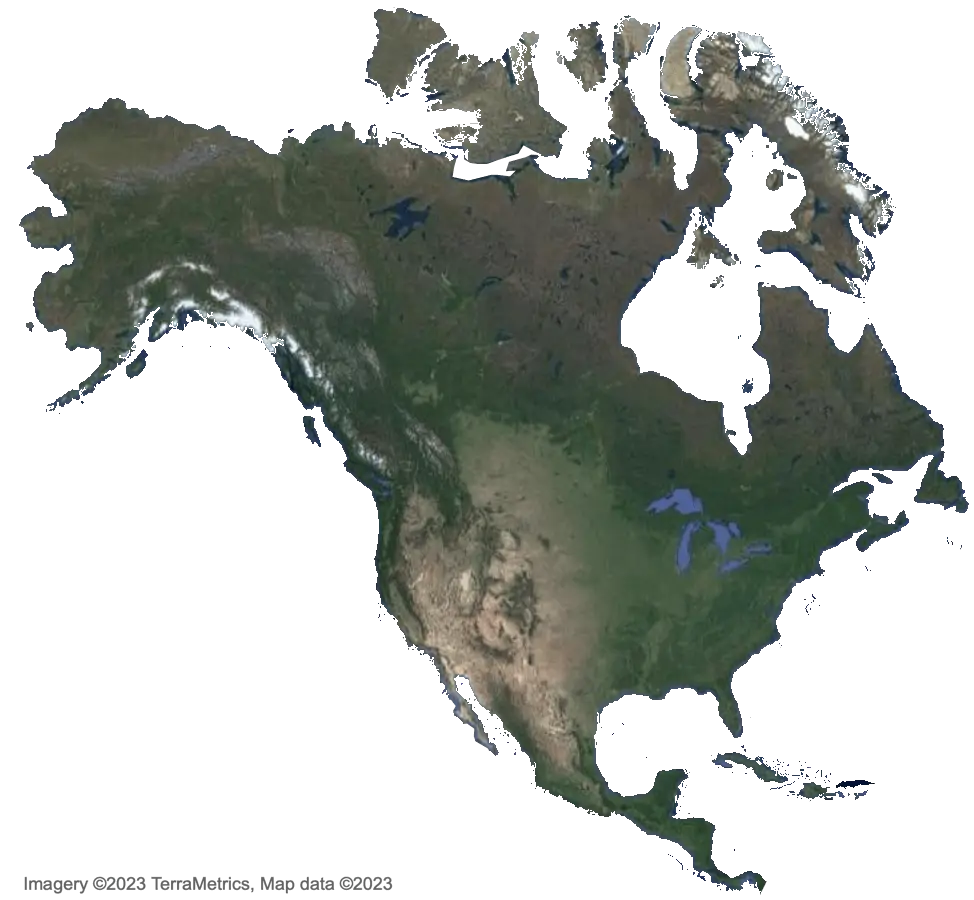
North America
Explore South America in December
Preferences
WHEN DO YOU GO?


WHAT DO YOU LIKE?


How does it work?

show best time to go
Panama
1

Panama

Cross continents naturally within a single day.


Cross continents, islands, and jungles, experiencing canals, beaches, and culture for travelers seeking scenic, varied adventures.
Late April to mid-June is the Panama backpacker sweet spot. Here’s the system: after Easter, international demand drops, local school terms resume, and hostel prices slide back to shoulder levels. The Pacific side shifts from bone-dry to “clockwork” showers—mornings clear for hiking and buses, late-day downpours that rinse dust without closing trails. Trade winds on the Caribbean ease compared to Jan–March, so boat crossings get calmer and snorkeling isn’t constantly wind-chopped. Rivers recharge for rafting, waterfalls fatten, cloud forests go from brittle to grippy. You dodge the holiday spikes and still avoid the mud-trap chaos of September–October. It’s the workable middle—predictable weather windows, lower costs, and fewer elbows at the big-ticket islands.
  • Peak Dry: Mid‑December to Easter. The grind is real: hotter buses, booked beds, prices a tier above shoulder, lines at locks and islands. The high is just as real: dry, blue mornings that run on rails, razor-clear Pacific horizons, Coiba visibility, firm trails in Santa Fe and Baru, and daily boats that actually go.
  • Early Rains Shoulder: Late April–June. The country exhales. Crowds thin, rates ease, surf steadies, guides re-open slots. Mornings hum—shops roll up doors, buses move on time, trails hold traction—then the sky flips its switch and dumps, resetting dust and cooling the air.
  • Deep Rain: September–October. The interior goes quiet and lush, thunder pacing the afternoons, waterfalls roaring. Roads slough, plans slip. Survival hack: pre‑dawn starts, dry bags inside your pack, choose ridge trails and bedrock routes; meanwhile, the Caribbean often flips to glass—use it for Bocas or Guna Yala while the Pacific drowns.
Tactical tip: In the shoulder, I lock ferries/long buses 48–72 hours ahead and keep everything else walk‑in, which preserves flexibility without getting stranded.
Best known for:Known for: scenery | backpackers | architecture
Best time to visit: November - August
Daily cost: US$40 to 60 [visitpanama.com]
Belize
2

Belize

Swap jungle paths for reef days without ever rushing plans.


Swap jungle paths for reef dives, exploring ruins, villages, and forests, for travelers seeking active, adventurous, and diverse tropical experiences.
Belize’s sweet spot for backpackers lands in late November–mid December and again from late April into early June. By then the first dries have firmed jungle trails, nights cool enough inland to sleep under a fan, and trade winds steady on the cayes. Reef visibility lifts, rivers still run for caves and waterfalls, and buses and water taxis have seats. Rooms slide to shoulder rates, minimums vanish, and guides aren’t rushing. You buy the cold beer with sweat, not with surge pricing.
  • Crowd/Heat Peak: December through Easter hums; May bakes inland. Beds vanish, tours sell out by breakfast, and prices bite, but you get razor-clear reef days, easier logistics to Lighthouse Reef, and bone-dry approaches. Hit Xunantunich at opening, then crush a Belikin on the river ferry.
  • Transition/Shoulder: Late Nov–mid Dec and late Apr–early Jun, the country shifts. Shutters lift on Caye Caulker, skiffs return from maintenance, mango crates stack, crowds thin. Guides deal, buses breathe, and you can choose reef days by wind. Start inland hikes at dawn; nap through the white noon.
  • Off-Peak/Extreme: September–October is the green hush: hard rain on tin roofs, empty Maya plazas, mosquitoes after dusk. Some coastal shops close and clay turns slick, but the solitude is deep. Run trail runners with wool socks, permethrin clothes, a tiny umbrella, and a trash‑bag pack liner.
Tactical tip: For the sweet spot, book beds and any big-ticket dives two weeks out, but keep one buffer day to pivot around wind and afternoon squalls.
Best known for:Known for: beach life | scenery | wildlife
Best time to visit: November - August
Daily cost: US$45 to 65
Jamaica
3

Jamaica

Move at rhythm-first island pace shaped by music.


Move at rhythm-first island pace, exploring beaches, forests, and villages, experiencing music, culture, and tropical landscapes for relaxed, vibrant travelers.
Late November to early December is the sweet spot. Hurricane risk backs off, trade winds scrub the air, and the sea clears without the Christmas stampede. Rooms haven’t spiked yet; you can still bargain without being laughed out of the yard. Heat is real but manageable, and buses aren’t crammed with winter escapees or summer school breaks. If you miss that, late April into May works too: peak ends, prices slide, showers are short and predictable, and you get space on the sand without surrendering sunshine.
  • Peak Dry (mid‑Dec to March): The grind is cost and crowds—sold‑out guesthouses, inflated taxis, and cruise‑day choke points. The high is razor‑clear water, firm hiking trails, and Blue Mountain dawn that hits like a clean drumbeat. If you can stomach the price, conditions are dialed.
  • Shoulder Shift (late Nov–early Dec; late Apr–June): The island exhales. Rates drift down, shop shutters lift earlier, beach sellers actually make eye contact, and routes open up. You move faster with fewer detours and better conversations.
  • Hurricane Core (Aug–Oct): Quiet beaches, brooding hills, long talks under zinc roofs. Start early, finish by early afternoon, and carry a dry bag; squalls are sharp and roads pond fast. Flex your plans and stick to uphill lodgings for drainage.
  • Summer Steam (June–July): Heavy heat, ripe fruit, late nights. Most places are calm, but July pops near Montego Bay and Ocho Rios—Reggae Sumfest and school breaks spike beds unexpectedly.
I book my first and last nights two weeks out in the sweet spot, then walk in midday elsewhere—cash ready, bag light—because that’s when owners actually deal.
Best known for:Known for: beach life | scenery | people
Best time to visit: November - July
Daily cost: US$60 to 85
Dominican Republic
4

Dominican Republic

Balance beach days with mountain escapes and city life.


Balance beaches, mountains, and colonial towns, experiencing vibrant culture, landscapes, and ocean life for travelers seeking varied, active adventures.
Late November to mid-December is the sweet spot. Hurricane roulette has mostly cashed out, the trade winds flip on like free AC, and prices haven’t climbed into holiday-theater. Trails in the Cordillera dry enough that your boots don’t live as bricks, river crossings shrink, and dorm nights don’t feel like a steam room. You’re early enough to find walk-in beds in surf towns and a seat on the guagua, but late enough for steady sun and clear water on the Caribbean side. It’s the stretch where your pesos buy time, not towel origami.
  • Dry Season Peak: December–April. You’ll pay more and share every viewpoint with ten resort bracelets, but the trade winds are crisp, mornings are clean and blue, Samaná whales show in winter, and Pico Duarte gives you views instead of mud. The grind stings; the highs land hard.
  • Shoulder Shift: Late April–June and November. Easter banners come down, rates ease, shop shutters roll up earlier, and buses stop bursting at the seams. Afternoon showers flicker, trails firm, and you move faster—same coastlines, more space, less spend.
  • Hurricane Stretch: August–October. The island goes inward: thick air, sudden squalls, long empty beaches. Start at dawn, nap through noon rain under a colmado awning, carry a dry bag, and wear permethrin-treated layers—mosquitoes respect chemistry more than bravado.
Book flights for the sweet spot a few weeks out, keep lodging cancellable, and pack a compact rain shell plus one long-sleeve treated for bugs.
Best known for:Known for: beach life | uniqueness | low cost
Best time to visit: November - July
Daily cost: US$35 to 60 [godominicanrepublic.com]
Nicaragua
5

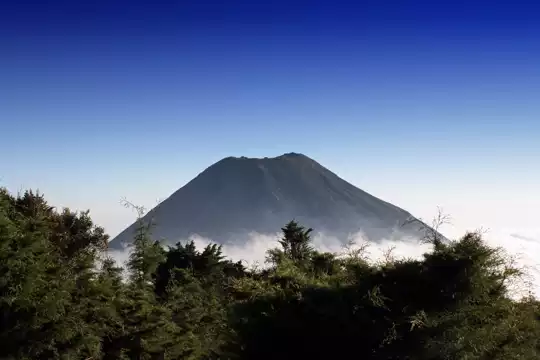
Nicaragua

Move relaxed between volcanoes and colonial streets.


Move between volcanoes, colonial towns, and beaches, experiencing tropical landscapes, culture, and adventure for travelers seeking varied, immersive journeys.
The sweet spot lands from mid‑November to mid‑December, with a quieter encore in early June. Rains have rinsed the dust off León’s streets; the hills on Ometepe glow electric green; the Pacific still wakes to clean offshore mornings. Trails firm, buses keep their rhythm, and dorm rates soften before the holiday spike—owners actually haggle, and you can walk in without a plan. Heat is present but humane, skies clear instead of bleaching out, and you get dry‑season logistics with green‑season color. Early June adds empty hostels and glassy dawn surf, with predictable afternoon bursts that wash the sweat off your day.
  • Dry High (Dec–April): Prices climb, sidewalks sizzle, and every shuttle is full; you earn your space. Then the payoff: sunrise offshore sets in Popoyo, Cerro Negro running fast under your board, a bottle‑cold Toña in Granada’s shade that tastes like a small rescue.
  • Shoulder Shift (mid‑Nov–mid‑Dec): The country exhales. Paint dries, puddles shrink, shopkeepers roll up metal doors, guides start calling again. Trails bite instead of smear, volcano rims go clear, and you can actually choose a room by the feel of the courtyard.
  • Deep Rain (Sept–Oct): Tin‑roof thunder, jungle loud, towns hushed. You get space—empty hammocks, cloud‑wrapped craters, beaches to yourself. Survival hack: move at dawn, pack a dry bag, wear rubber sandals, and stick to paved trunks when rivers rise after lunch.
  • Green Pulse (June–Aug): Mornings bright, afternoons bursting, everything alive. Anomaly: late July’s “mini‑summer” draws surprise crowds to the Pacific surf towns while the interior still steams and drips.
I lock only my first night and any scarce island seats; everything else I book same‑day and keep a small dry bag stuffed in the pack.
Best known for:Known for: low cost | wildlife
Best time to visit: June - August, November - April
Daily cost: US$30 to 45 [visitnicaragua.us]
Bahamas
6

Bahamas

Hop islands by boat, letting tides dictate your daily plans.


Hop islands by boat, explore beaches and reefs, experiencing tropical charm and local culture for travelers seeking relaxing and visually stunning island life.
The Bahamas pays out best in late April–May and late November–early December. After spring breakers leave and before winter rates spike, trades ease and the sea stays warm. Ferries steady up versus mid-winter fronts, visibility improves, and room prices soften. Long beach days, fewer cruise waves.
  • Peak: Big rates, tight bookings, and shoulder-to-shoulder Nassau afternoons. Upside: glassy visibility, steady breeze for sails, bugs at bay, nightlife alive. But passing northers flip the banks to whitecaps and cancel ferries—an underplayed spoiler for snorkel and hop plans.
  • Shoulder: The islands shift gear. Skiffs get paint, guesthouses crack shutters, rates slip, cruise spillovers fade. You move faster, boats have seats, and locals actually linger.
  • Off-Peak: Heat presses, thunderheads brood, beaches go quiet. Swim at dawn, nap at noon, hug leeward coves, carry a dry bag, and keep routes soft to dodge squalls.
For the sweet spot, lock ferries first and keep rooms cancellable a couple weeks out; pack a light windproof.
Best known for:Known for: beach life | safety
Best time to visit: November - May
Daily cost: US$70 to 130
British Virgin Islands
7

British Virgin Islands

Sail short island hops between sheltered anchorages and calm bays.


Sail short island hops, explore secluded bays, and calm villages, experiencing tropical beauty for travelers seeking relaxed, scenic, and nautical escapes.
Aim for late April through early June. Easter traffic is gone, yacht regattas have sailed off, and family vacation season hasn’t landed yet, so room rates dip a notch and ferries still run with elbow room. Trades keep sweat manageable on ridge hikes, showers are quick, and the sea sits clear and settled for cheap shore entries off rocky coves. Hurricane odds stay low, yet operators are open, hustling before off-season lulls. You trade a touch more heat for space and value. Worth it.
  • Peak (Dec–Apr): Prices bite and anchorages stack, but the payoff is clean wind, cool nights on hilltops, razor-clear water, and Foxy’s Old Year’s Night if you like chaos with your rum.
  • Shoulder (May–Jun, Nov): Crowds thin, rates slide, shops shift to shorter hours, and you move faster—walk-on ferries, easier tables, kinder taxi prices; watch for a surprise bump during Spring Regatta spillover in early April.
  • Off-Season/Hurricane (Aug–Oct): The islands go quiet, heat presses, squalls test tarps; pick breezy ridges, dawn missions, and carry a dry bag. Odd twist: early August Emancipation Festival packs Tortola.
Tactical tip: In the sweet spot, book one solid base on Tortola and carry a soft-sided bag so you can slide onto smaller inter-island boats without surcharges.
Best known for:Known for: beach life | safety
Best time to visit: November - July
Daily cost: US$100 to 150
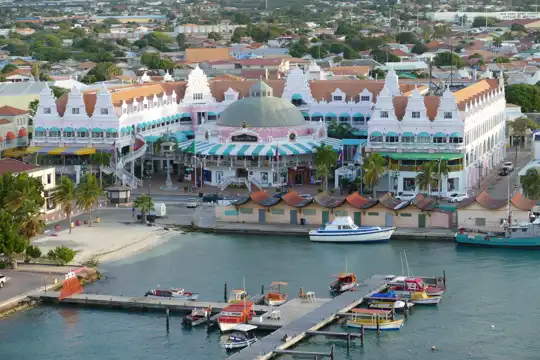
Aruba
8

Aruba

Circle the island slowly, trading constant wind for turquoise seas.


Circle the island from desert landscapes to turquoise seas, experiencing local rhythms and calm beaches suited for travelers seeking easygoing, sunny escapes.
Late April to mid-June is the sweet spot: post‑Easter rates slide, cruise calls taper, and the trades cool hikes without July’s sand‑blast. Rains stay scarce before the fall pulses, visibility is prime for the Antilla wreck, and weekday nights still hum—enough scene to feel alive, minus line-and-surge pricing.
  • Peak (Dec–Apr): Prices bite and beaches pack, but payback is bone‑dry skies and silky water. Drift the Antilla wreck with aquarium clarity; catch Carnival if you land Jan–Feb.
  • Shoulder (May–Jun): Crowds thin, timetables loosen, winds build. Kites pop at Fisherman’s Huts; bartenders actually chat. Aruba Hi‑Winds (late Jun/early Jul) is the narrow bullseye for wind addicts.
  • Off‑Peak (Sep–Nov): Heat presses, trades slacken, warm squalls sweep through. Arikok turns hushed. Survival: dawn starts, midday shade, a pocket umbrella, and an upstairs west‑coast room to dodge mosquitoes.
For May–June, buy flights 6–8 weeks out and book lodging 7–10 days prior—post‑Easter cancellations soften rates.
Best known for:Known for: safety | beach life
Best time to visit: December - August
Daily cost: US$75 to 105 [aruba.com]
Barbados
9

Barbados

Follow coastal roads where rum shops naturally slow everything down.


Follow coastal roads, beaches, and lively towns, experiencing music, food, and tropical landscapes for travelers seeking vibrant island life.
The sweet spot is late November to mid December, and again in May. You catch the tail or dawn of the dry trades without the winter stampede. Showers are brief, storm odds low, west‑coast water clear, prices easing. The port relaxes, buses breathe, and surf and wrecks still deliver.
  • Peak Dry Season: December–April taxes cash and patience—full flights, packed guesthouses, cruise tides. The high? Breeze‑cooled nights, clear Carlisle wrecks, Soup Bowl firing. Spotless water lives here, at a cost.
  • Shoulder Shift: Late November–early December and May, the island exhales. Rates drop, crews repaint boats, buses thin, trades hum. You move faster and claim sunrise beaches.
  • Wet‑Heat Lull: June–October turns inward: heavy air, fast squalls, south‑shore seaweed, empty horizons. Hack it—dawn west‑coast swims, uphill rooms for breeze, sleeves and repellent at dusk. Crop Over explodes in early August.
For that window, book a month out and carry a UV rash guard.
Best known for:Known for: safety | beach life
Best time to visit: August, November - May
Daily cost: US$65 to 95 [visitbarbados.org]
Saint Martin
10

Saint Martin

Cross cultures casually by foot in minutes.


Cross cultures on beaches, villages, and towns, experiencing Caribbean charm for travelers seeking compact, scenic island journeys.
I aim for late April–early June or mid‑November–mid‑December—the island’s sweet spots. Trade winds hold, rain comes as quick squalls, and hurricanes sit mostly at bay. Rates drop after winter, cruise‑day crowds thin, and water stays warm with decent visibility. In late spring, sargassum can smear windward shores; pivot to Cupecoy, Mullet, or Happy Bay.
  • High/Dry Peak: Gridlock around Simpson Bay and Grand Case, higher rates, packed beach clubs. The payoff: steady sun, live music, clear morning water.
  • Shoulder Shift: Rates slide, cruise calls ease, clouds build then rinse the heat. Often ignored: sargassum; favor leeward coves for clean swims.
  • Hurricane Off‑Peak: Heat presses, squalls pop, ferries and small guesthouses pause. You get empty Pic Paradis trails. Hack: start at dawn, siesta, carry a drybag.
Sweet‑spot play: lock a car and your first night’s bed two weeks out; keep the rest cancelable and aim for leeward beaches.
Best known for:Known for: safety | beach life
Best time to visit: November - June
Daily cost: US$90 to 120 [st-martin.org]
Costa Rica
11

Costa Rica

Move from cloud forests to surf towns with ease.


Move from cloud forests to surf towns, explore volcanoes, beaches, and wildlife for travelers seeking adventurous, nature-focused tropical journeys.
The backpacker’s sweet spot lands twice: early May to mid-June, and late November to mid-December. In May the first rains tamp the dust, rivers wake, forests breathe, and you buy beds and bus seats without surrendering your budget; mornings open bright, afternoons crackle with thunder, and the air smells like wet leaf litter and roadside coffee. By late November the Pacific light sharpens, trails firm up, and the holiday crush hasn’t hit; you move with space, catch dry-season clarity without dry-season prices, and the evening breeze carries salt and jacaranda instead of exhaust and sunscreen.
  • Dry-Season Peak: December through Easter is a grind—prices jump, buses sell out, sun bites by 9 a.m. The payoff is real: crisp volcano horizons, bone-dry trails, and Pacific dawns that feel carved from glass. Risk people ignore: Manuel Antonio and other caps sell out; without advance tickets you’re stuck at the gate.
  • Green-Shift Shoulder: May–June rolls in; dust settles, waterfalls thunder, and rates ease while shops switch back to local pace. Hike early, nap through the lightning, surf the evening glass-off. Watch for landslides that reroute buses with zero warning.
  • Rain-Soaked Lull: September–October turns the Pacific hushed, hostels echo, and the jungle breathes in long, wet sentences. Base on the Caribbean where it’s drier, move at dawn, line your pack with a contractor bag; roads can vanish overnight.
  • Early-Dry Shoulder: Late November–mid December clears the skies and thins the lines; trails firm, wildlife shows. Papagayo winds can cancel dives and bathe boat rides in spray—plan buffer days on the north Pacific.
Personal tip: Pack a simple contractor-bag liner for your backpack—zero weight, total insurance when trails turn into creeks.
Best known for:Known for: scenery | wildlife | backpackers
Best time to visit: November - August
Daily cost: US$40 to 65 [visitcostarica.com]
Guatemala
12

Guatemala

Move between lakes, volcanoes, and vibrant Maya towns.


Move between volcanoes, lakes, and Maya towns, experiencing culture, history, and landscapes for adventurous, culturally curious travelers.
The sweet spot for Guatemala backpacking is mid-November to mid-December, then again from late February to mid-March. The rains have rinsed the air and hardened the trails, but the holiday and Semana Santa surges haven’t spiked rates or filled dorms yet. Skies run crisp in the highlands, mornings cold enough to want a beanie but not a sleeping-bag-rated-for-space, and afternoons stay mostly dry so you can make the boat back across Atitlán without whitecaps slapping your shins. Shuttle prices sit closer to shoulder-season, volcano outfitters still have slots, and the haze that creeps in by late dry season hasn’t dulled the ridge lines.
  • Dry-Season Peak (late Dec–Semana Santa): You pay in lines and higher bed rates, and you earn the high: sunrise on Acatenango with Fuego cracking in the dark, legs buzzing, your first Gallo icy and deserved. Antigua heaves, but Semana Santa carpets and processions only happen now—if you want that, you accept the crush.
  • Post-Holiday Shoulder (late Jan–mid Mar): Crowds thin, prices exhale, guides answer radios again. Boats start on time, dust lifts off the cobbles, coffee mills hum. You move, the country moves with you—momentum feels easy.
  • Deep Rain Off-Peak (Sept–Oct): Trails go quiet, cloud-forest smells like wet leaves and limestone. Start hikes at first light, plan to be under a tin roof by two, and keep gear in dry bags inside your pack—rain finds every seam.
  • First Rains/Green Shoulder (May–June): Hills pop neon, afternoon thunderheads build like clockwork. Mornings are gold for long lake crossings and market runs; by midday, post up with soup and let the storm spend itself.
Personal tip: For the sweet-spot weeks, lock your Antigua bed and Acatenango overnight 7–10 days out and pack a compact puffy—night wind on the crater will humble cotton.
Best known for:Known for: backpackers | architecture | scenery
Best time to visit: November - June
Daily cost: US$30 to 55
Cuba
13

Cuba

Step into street life where time feels permanently paused.


Step into street life, historic towns, and coastal villages, experiencing timeless culture and tropical rhythms for travelers seeking immersive, vibrant journeys.
Mid-November to mid-December, then late February through early April is the backpacker sweet spot. The trades blunt the heat, showers shrink to quick clockwork bursts, and hurricanes are largely off the board. Casa prices haven’t hit the holiday tax, buses still have seats, and you can bargain in Havana without getting the polite no. Seas settle—glassy on the south, workable swell up north—and nights invite long Malecón walks without melting.
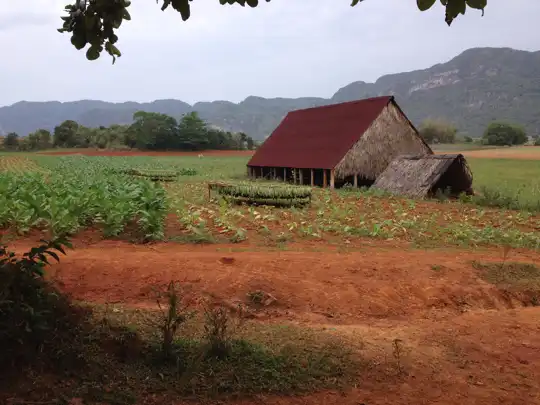
  • Peak Season: December–March (with a July spike) is the grind: higher casa rates, booked buses, queues in Old Havana. The high is real—cool blue mornings in Viñales, sugarcane smoke in the air, and in January–February you can watch tobacco leaves curing in warm barns, a short-lived ritual that smells like tea and honey.
  • Shoulder Shift: Mid‑November to mid‑December, late February to early April. The island exhales—shops roll up shutters, bus lines thin, and the sea clears. You move faster: day trips stitch together, casa hosts actually show you rooms, and sunsets linger without the winter crush.
  • Hurricane Core: September–October pares everything back. Pewter light, empty plazas, and long, quiet roads. Work the weather: start at dawn, base inland (Viñales or Camagüey), carry a dry bag, and choose concrete‑roof casas; ride short hops between squalls.
I lock my first Havana and Viñales nights and a key bus 3 weeks out, then let casa hosts chain-book the rest while I carry a pocket USB fan for any room without wind.
Best known for:Known for: people | uniqueness | low cost
Best time to visit: November - August
Daily cost: US$40 to 55 [cubatravel.cu]
Honduras
14

Honduras

Shift smoothly from Caribbean islands to highland towns.


Shift smoothly from Caribbean islands to highland towns, experiencing beaches, forests, and culture for adventurous, nature-oriented travelers.
The sweet spot for Honduras backpacking is late February to early March, with a secondary window in late November to early December. By late Feb the dry season is settled, roads in the highlands stop sloughing off mud, reef visibility on the Bay Islands clears, and the big holiday surge is past while Semana Santa hasn’t detonated prices yet. Heat is real on the coasts but still manageable; nights in Gracias and Santa Rosa de Copán run cool enough to sleep without blasting a fan. Late Nov–early Dec rides the back of the rains: hills are green, waterfalls are full, storms are easing, and beds haven’t jumped to holiday rates. Both windows balance weather with cost and keep you out of the hurricane crosshairs.
  • Dry Peak: December–April. You’ll fight for beds around Christmas and Easter, ferries to Roatán/Utila run rammed, and room rates jump a bracket compared to June. But the payoff is real: bone-dry ascents on Celaque’s spine, Copán stelae glowing in clean sunrise light, and reefs so clear you can read your depth gauge from a kick away. The grind buys precision days.
  • Transition Shoulder: Late November to mid-December. Rains back off, puddles shrink, colectivos start running on time again, and dive shops quietly add afternoon boats. Crowds thin, prices soften, and trails firm up day by day; you move with the country as it clicks into gear.
  • Rainy Off-Peak: June to October, heaviest in September–October. Thunder rolls over Pico Bonito, coffee towns smell like wet pine, and you get ruins and cloud forests almost to yourself. Survival hack: walk early, plan highlands over north coast, carry a real dry bag and rubber sandals for bus-to-boat hops, and pad a day for washed-out roads.
Tactical tip: For the late Feb–early Mar window, reserve Bay Islands beds and dive slots two to three weeks out; everything inland you can book same day if you land before noon.
Best known for:Known for: low cost | wildlife | backpackers
Best time to visit: November - April
Daily cost: US$35 to 50 [honduras.travel]
El Salvador
15

El Salvador

Chase surf breaks beneath ever-present volcanic backdrops.


Chase surf breaks, volcanoes, and colonial streets, experiencing vibrant culture and landscapes for active, adventure-seeking travelers.
Late November to mid-December and late January through February are the sweet spot in El Salvador. The rains have stepped off, but the hills still hold their green. Trails pack firm instead of powdering into ankle-deep dust, so Santa Ana’s switchbacks bite clean and don’t slide. Skies run clearer for crater views, waterfalls still have voice, and the day heat is pushy, not punishing. Beach towns haven’t hit holiday or Easter sticker shock, dorms have bunks without the elbows, and bus schedules feel predictable. You still earn it—early alarms, salt-stiff shirts—but the payoff is outsized: warm Pacific sessions, coffee harvest aromas in the highlands, and sunset light that turns cinder cones to charcoal and gold.
  • Peak Dry & Holiday Crush: Late December, Easter week, and the April heat. Prices jump and buses pack—standing room with a pupusa skillet’s worth of body heat. You put up with lineups and marked-up hammocks because the Pacific is bathwater, sunsets light El Tunco’s reef like a bonfire, and Santa Ana’s blue crater pops under flawless sky. Quiet risk many ignore: March–April agricultural burns haze views and sting lungs.
  • Shoulder Dry (The Shift): Late November–mid-December, late January–February. Rains switch off, paint dries on hostel walls, coffee trucks rumble, markets wake without frenzy. Crowds thin, rooms ease, and trails and roads move smoothly. Volcano mornings are crisp; afternoons stay workable on the coast.
  • Green Season Deep (Aug–Oct): Tin roofs drum, clouds hug ridgelines, and the country goes inward. You hike at dawn, then retreat to porches with coffee while squalls hammer past. Wear real rain shells, stash a dry bag, and break travel into short hops. Overlooked risk: landslides and washed-out shortcuts can strand a bus for hours; leave cushions.
  • Early Green (May–June): First storms knock dust down; everything explodes neon. Humidity rises, but rain often keeps banker’s hours—mornings go, afternoons boom. Rooms drop, surf gets juice, waterfalls wake. Watch for stronger rip currents on south swells and sandfly bursts at dusk.
Tactical tip: Carry a small roll-top dry bag as your daypack; it doubles as rain cover and bus-throw insurance year-round.
Best known for:Known for: people | low cost | safety
Best time to visit: May - June, November - March
Daily cost: US$35 to 45 [elsalvador.travel]
Puerto Rico
16

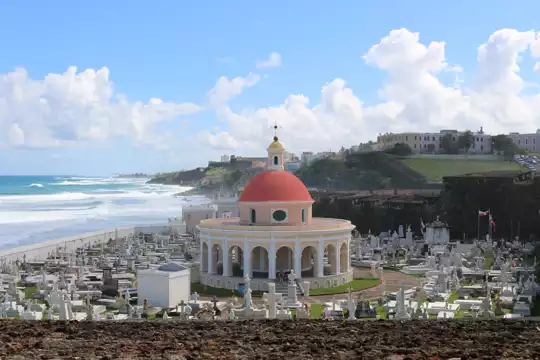
Puerto Rico

Circle beaches, rainforests, and old cities effortlessly.


Circle beaches, rainforests, and colonial towns, experiencing tropical culture and landscapes for travelers seeking immersive, accessible island journeys.
Sweet spot: late April through early June, plus mid‑November to early December. After Easter, room and car rates finally exhale, trade winds still scrub the heat, and showers are mostly quick, afternoon bursts—good for hiking mornings, swimming by lunch. It’s before the real hurricane roulette and after winter’s price stampede. Trails aren’t the churned mess you get after late‑summer deluges, and ferries calm down. In November, storms ease off, humidity backs down, and biobays recover clarity before the holiday surge. If spring sargassum shows up, slide west or southwest; those coasts usually take it better.
  • Peak Dry (Dec–Mar): The grind is real—sold‑out trail slots, pricier cars, tight beach parking—but the highs justify it: cool mornings in the central highlands, clear rivers, whales off the west coast, bright biobays on dark‑moon nights, and dependable surf. Move early, book ahead, and you’ll earn clean hiking days.
  • Spring Shoulder (late Apr–Jun): The island shifts. Prices ease, crowds thin, trade winds soften, and shops have time for you. Showers slide through after lunch; you pivot with them—hike dawn to ten, eat through the rain, sunset swim. If weed drifts in, base in Rincón or Guánica and day‑trip east.
  • Hurricane Core (Aug–Oct): Quiet trails, heavy air, dramatic skies. Solitude comes with risk. Survival hack: sleep on the dry south coast, start mountain hikes at first light, and bail when towers build fast—you’ll dodge the daily hammering.
  • Fall Reset (Nov–early Dec): Rivers clear, mud recedes, mosquitoes relent, and rates haven’t spiked yet. Ferries are calmer midweek; El Yunque permits are gettable. It feels like the curtain rising.
Tactical tip: Reserve your car first; it’s the choke point—shoulder months still sell out fast and late bookings jump hard.
Best known for:Known for: safety | scenery | people
Best time to visit: November - June
Daily cost: US$40 to 75
Curaçao
17

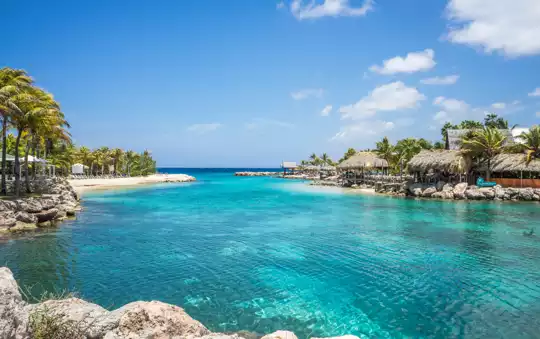
Curaçao

Wander colorful streets before cooling off in clear waters.


Wander colorful streets, beaches, and small villages, experiencing tropical charm and local culture for travelers seeking relaxing, culturally rich island experiences.
Late April–June is the sweet spot. Post‑Easter crowds thin and room rates ease, yet trade winds still run like natural AC. Rain is scarce, seas warm; you dodge hurricane chatter and July–August Euro‑holiday pricing. Dive boats have spare tanks, buses aren’t packed with day‑trippers, and you can top Christoffel at dawn without leapfrogging the trail.
  • The Crowd Peak: Dec–mid Apr: island hums, prices peak, rental cars vanish. Payoff: wind‑cooled nights, carnival, clear leeward dives, and kinder hiking temps.
  • The Transition Shoulder: Late Apr–Jun: cruise calls fade, bars slide to local pace, operators deal, and you move fast without prebooking every hour. Winds steady; showers rare.
  • The Off‑Peak Heat: Sep–early Oct: dead‑calm bays, real solitude, brutal sun. Hack: start pre‑dawn, freeze water, wear a long‑sleeve rashguard, then siesta hard till mid‑afternoon.
Tactical tip: For the shoulder sweet spot, book flights 6–8 weeks out and the car the same day; leave lodging last—walk‑in deals appear.
Best known for:Known for: beach life | safety | people
Best time to visit: November - August
Daily cost: US$30 to 50 [curacao.com]
Dominica
18

Dominica

Hike rainforest trails ending in hidden natural pools.


Hike rainforest trails, waterfalls, and coastal paths, experiencing lush tropical landscapes for active, nature-loving travelers.
Late April to June is the sweet spot. Dry-season grip still holds on the Waitukubuli, but brief squalls wake the waterfalls and cool the air. Cruise calls fade after Easter; rates soften; buses have seats. Seas stay workable, hurricane dice still unrolled. Best of all: guided night patrols for leatherback nesting on Rosalie Bay—slow, heavy, breathy work by moonlight that makes muddy socks feel earned.
  • Peak (Dec–Mar): Pier swells, prices bite, Boiling Lake becomes a procession. Payoff: cool mornings, solid footing, clear Champagne Reef, an ice-cold Kubuli.
  • Shoulder (Late Apr–Jun): The island loosens; guides answer; mud firms between squalls. Trails quiet, mangoes thud, and Rosalie’s leatherbacks electrify the nights.
  • Off-Peak (Aug–Oct): Interior broods—rivers brown, cloud low, jungle loud. Solitude deepens. Survival hack: start at dawn and line your pack with a trash bag.
Tactical tip: For shoulder months, book ferries and Roseau beds one week out.
Best known for:Known for: safety | scenery | beach life
Best time to visit: November - July
Daily cost: US$50 to 75 [discoverdominica.com]
Antigua and Barbuda
19

Antigua and Barbuda

Drift across sunlit bays where island time sets the rhythm.


Drift across sunlit bays, colonial towns, and tropical beaches, experiencing calm island life for travelers seeking scenic, relaxing, and culturally rich island journeys.
Sweet spot for Antigua & Barbuda: late April through June. Post‑Easter crowds vanish, rates drop to shoulder, trades still blow, seas clear, and rain is usually a fast squall; hurricane risk stays low till late summer. Trails above English Harbour stay dry‑enough, Half Moon goes quiet, and the heat is tempered by breeze and a tactical midday nap.
  • Peak (Dec–April): Crowds thick, rooms often double shoulder, but steady trades, clear reefs, and steel‑pan at Shirley Heights deliver. Start at dawn; swim early.
  • Shoulder (May–June, early Dec): The island exhales—ships thin, menus broaden. Momentum favors you; afternoons go quiet, and staff share route intel.
  • Off‑Peak (Jul–Oct): Heat and squalls turn inward; trails empty, bars hush, sea moodier. Survival hack: move 6–11, carry a drybag, choose west‑facing coves.
For the sweet spot, book flights a couple months out and keep lodging flexible for midweek walk‑in deals.
Best known for:Known for: safety | beach life
Best time to visit: November - June
Daily cost: US$45 to 80 [visitantiguabarbuda.com]
Grenada
20

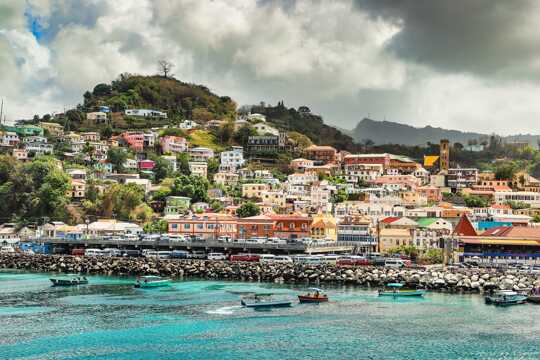
Grenada

Circle spice-scented roads between jungle and calm seas.


Circle spice-scented roads, beaches, and villages, experiencing tropical landscapes and culture for travelers seeking scenic, relaxed island journeys.
Sweet spot: late April to early June. Prices slide after Easter, cruise days thin, and trades keep heat bearable. Seas stay calm for Carriacou runs and diving, while brief evening showers green the trails without stealing daylight. Beaches finally breathe.
  • Peak Dry/Party Surge: Dec–March and carnival week in Aug are the grind: rates spike, taxis pad fares, cruise swells clog streets; but the payoff is clear water, fast sails, and calypso that thumps your ribs.
  • Shoulder Shift: Late Apr–Jun and late Nov–mid Dec, the island shifts. Rates slide, shutters lift, buses breathe, markets brim, dive boats go half‑full—your days move without queueing.
  • Wet-Season Lull: Aug–Oct, the interior is yours. Squalls drum, gullies steam, beaches stay empty. Start at dawn, nap at noon, carry a dry bag and sandals. Ignored risk: tropical waves cancel the Carriacou ferry—build buffer days.
For the shoulder window, buy flights 6–8 weeks out and negotiate guesthouse rates in person.
Best known for:Known for: beach life | safety
Best time to visit: November - July
Daily cost: US$30 to 60
Sint Maarten
21

Sint Maarten

Switch beaches and moods every single day.


Switch beaches, towns, and cultures, experiencing Caribbean charm and local life for travelers seeking lively, scenic island adventures.
Go May–early June or late November–early December (skip holiday weeks). Trades keep heat civil, showers pass fast, seas calm, and prices sag as cruise calls drop. Hurricane risk is low outside Aug–Oct, while ferries, food stands, and beach bars still run.
  • Peak Dry (Dec–Apr): The grind: high rates, dense cruise days. The high: cool nights, little rain, jumbo plane-spotting at Maho, and early-March Heineken Regatta—crew via the Yacht Club noticeboard.
  • Shoulder Shift (May–early Jun; late Nov–mid Dec): Crowds thin, rates ease, trades soften. Ferries still run, kitchens stay open; you cover more in a day. Dawn Pic Paradis, long lazy snorkels.
  • Hurricane Lull/Off-Peak (Aug–Oct): The island turns inward: empty trails, bath-warm water, abrupt squalls. Survival hack: start at dawn, nap midday, carry a drybag and cash for power or card outages.
Tactical tip: For the shoulder, book flights 6–8 weeks out; avoid Saturday arrivals when cruise turnovers spike fares.
Best known for:Known for: safety | beach life
Best time to visit: November - July
Daily cost: US$75 to 95
Guadeloupe
22

Guadeloupe

Shift easily between beaches and lush rainforest trails.


Shift between beaches, forests, and villages, experiencing tropical beauty and French-Caribbean culture for travelers seeking active, scenic adventures.
I time it for late April to early June: trades still steady, rain mostly quick bursts, water warm and clear, post‑Easter rates soften, crowds thin. Trails on Basse‑Terre keep grip without August mud, ferries have seats, and hurricane odds remain low. You move; locals have time.
  • High Season (Dec–Mar): Prices and car hires spike, Sainte-Anne jams, dive boats fill. The payoff: crisp trade-wind days, carnival drums, Pigeon clarity, sunrise Soufrière horizons.
  • Shoulder (Late Apr–Jun): Shops exhale, mango trucks roll, crowds thin. Showers pop and pass. Sargassum can choke east beaches; pivot west to Malendure/Deshaies or ferry to Les Saintes.
  • Wet/Hurricane (Aug–Oct): Sky broods, jungle hums, trails empty. Waterfalls roar. Survive it: dawn starts, half-days between squalls, dry bag and sandals. Route de la Traversée can close after slides.
Book the car 3–4 weeks out; buses thin outside towns.
Best known for:Known for: safety | beach life
Best time to visit: November - July
Daily cost: €40 to €70 [guadeloupe-islands.com]
Martinique
23

Martinique

Blend Caribbean pace with unmistakably French rhythms.


Blend Caribbean pace with French rhythms along beaches, villages, and forests, experiencing culture and tropical landscapes for relaxed, scenic travelers.
I aim for late April to early June: winter prices ease, cruise ships thin, and buses actually have seats. Trade winds still take the edge off heat, showers are brief and often at night, and the sea stays calm for cheap ferries and shore dives. Trails on Pelée and the Trace des Caps hold firm before deep mud season, leatherbacks start nesting, and you can move without the holiday markup tax.
  • Peak Dry (Dec–Mar): Pricey and crowded, yes; payoff is clean trades, Carnival, clear water, and rare cloudless Pelée mornings.
  • Shoulder Drift (late Apr–Jun): Island exhales; rates drop. Go early, bus before noon, nap through squalls; June dust can mute views.
  • Hurricane Core (Aug–Oct): Quiet towns, loud rainforest. Start at dawn; carry poncho and dry bag; swells cancel ferries and cliff paths.
Book that shoulder window 6–10 weeks out and reserve a compact car early; buses run skeleton service on Sundays.
Best known for:Known for: safety | beach life
Best time to visit: November - July
Daily cost: €60 to €75 [martinique.org]
Saint Barthélemy
24

Saint Barthélemy

Drift chic beaches at relaxed island pace.


Drift chic beaches, coastal roads, and villages, experiencing Caribbean beauty and French culture for travelers seeking relaxed, upscale island journeys.
Sweet spot: late April to early June. Trades still cut the heat, showers stay brief, and the sea is clear. Easter yachts leave, rates step down, and you can eat well without reservations. Most places operate before the late‑summer pause, so you keep dry‑season quality without the holiday tax.
  • Peak Dry Season (Dec–Mar): Prices bite and berths brim, but you earn glassy water, steady trades, and New Year harbor fireworks.
  • Spring Shoulder (Late Apr–Jun): Boats peel out, rates slide, tables open. Late Apr–Jun feels easy; April’s Les Voiles week bucks the calm.
  • Hurricane Low (Aug–Oct): Heat thickens and squalls wander. Solitude lands. Survival hack: hillside rooms with screens, generator; stash a dry bag.
Tactical tip: For the sweet spot, book lodging 4–6 weeks out and avoid regatta dates.
Best known for:Known for: safety | beach life
Best time to visit: November - July
Daily cost: €70 to €150 [saintbarth-tourisme.com]
Saint Vincent and the Grenadines
25

Saint Vincent and the Grenadines

Sail short hops between quiet, untouched islands.


Sail short hops, explore volcanic islands and beaches, experiencing tropical scenery and local life for travelers seeking immersive, relaxing island journeys.
Late April to mid‑June is the sweet spot. Post‑Easter rates ease, yachts peel north, and trades calm so ferries stop slapping your kidneys. Skies stay mostly dry, visibility holds, and brief showers green the trails. You move cheaper through St. Vincent & the Grenadines while Tobago Cays and Bequia feel roomy, with hurricane dice not yet rolling.
  • Peak (Crowd/Heat): Dec–Apr crowds and prices bite; Aug–Sep heat steams. The grind buys high‑clarity dives, brisk sailing, and Union Island kites firing Jan–Mar.
  • Shoulder (Transition): Late Apr–Jun the islands exhale—rates slide, ferries empty, trades soften. You hop cheaply, snorkel calm reefs, and kitchens pivot to mango and mahi.
  • Wet Low (Off‑Peak): Aug–Oct turns inward—rain drums zinc roofs, forests glow, trails empty. Survival hack: start La Soufrière at first light to dodge steam‑bath heat and noon squalls.
Tactical tip: for that late‑spring window, lock inbound flights and your first two nights about a month out; keep ferries and cays flexible.
Best known for:Known for: safety | beach life
Best time to visit: October - July
Daily cost: US$40 to 85
Trinidad and Tobago
26

Trinidad and Tobago

Balance carnival energy with calm natural escapes.


Balance carnival energy, beaches, and forests, experiencing music, culture, and tropical landscapes for travelers seeking lively, scenic adventures.
Mid-April to early May is the quiet win: dry season still holding, seas glassy, and prices deflating after Carnival’s chest-thumping rates. Heat hums but the trade winds keep it humane. Rain stays mostly in the rumor mill. Tobago starts leatherback nesting at night, which feels like a free encore. Crowds step aside, so ferries and guesthouses stop playing hard-to-get, and you dodge the sticky squalls that roll in by June.
  • The Crowd/Heat Peak: December–March. Rates spike, taxis posture, and every bed has a cousin “holding it.” But sunrise J’ouvert, Panorama steel-pan thunder, and beach limes crackle with payoff. Risk: Carnival week demands minimum stays and nonrefundable deposits.
  • The Transition/Shoulder: April–May. Streets exhale, prices unclench, trades still blow, reefs settle, and shops slide back to local pace. Leatherbacks shuffle ashore while you whisper, not elbow.
  • The Off-Peak/Extreme: June–November. Green explodes, beaches go quiet, and showers ambush. Start hikes at dawn, wear sandals that love rain, and dry-bag the phone. Saharan dust can haze lungs and views.
Tactical tip: For April–May, book beds 3–4 weeks out and pick the inter-island flight over the ferry.
Best known for:Known for: scenery | people | uniqueness
Best time to visit: December - May
Daily cost: US$45 to 70
Turks and Caicos Islands
27

Turks and Caicos Islands

Slow days shaped by shallow turquoise seas.


Slow days along beaches, reefs, and villages, experiencing tropical scenery for travelers seeking immersive, relaxing island journeys.
Late April to early June is the sweet spot: winter prices soften, water stays clarity-rich from the dry trades, and showers are brief. Hurricane odds remain low, heat is honest but workable, and operators still have time for you. You’ll skip the holiday stampede yet keep breezes for ferries and long beach walks.
  • Peak (Winter Dry): The grind: full flights, pricey taxis, reserved sunbeds. The high: hard-blue days, whale action off Salt Cay, visibility that makes long snorkels feel short.
  • Shoulder (Late Apr–Jun): Crowds thin, menus lose the markup, dive boats run half-full. You move—easy ferry hops, calm water, flexible day plans.
  • Off-Peak (Late Aug–Oct): Heat sits heavy; storms brood, then burst. Start at dawn, hide at noon, carry a dry bag and strong repellent. Solitude everywhere.
Tactical tip: Book shoulder-season flights about two months out; last-minute bargains rarely land on Provo.
Best known for:Known for: beach life | safety
Best time to visit: November - July
Daily cost: US$80 to 150 [turksandcaicostourism.com]
Cayman Islands
28

Cayman Islands

Settle into island routines shaped by reefs and tides.


Settle into island routines shaped by reefs, beaches, and local life, ideal for travelers seeking relaxing tropical escapes.
Late April–May and late November–early December are the sweet spot: post‑Easter and pre‑holiday lulls bring warm water, steady trades, and fewer cruise days. Hurricane odds are low in May and fading in November. You get clear seas, tolerable humidity, and heat that hasn’t turned punishing.
  • The Crowd/Heat Peak (Dec–Apr): Rates bite and George Town heaves on cruise days. The payoff: cool, dry air and long‑viz wall dives; Mastic is finally pleasant, but winter “northers” sometimes shut the North Wall.
  • The Transition/Shoulder (late Apr–May; late Nov–early Dec): Prices ease, tables open, and mornings go glassy. Sandbar runs lighter, shore dives feel local, and trades still slap most mosquitoes.
  • The Off‑Peak/Extreme (Aug–Oct): Heat clamps down, squalls move fast, and beaches empty by noon. Survival hack: start at dawn, siesta midday, sun hoodie on, electrolytes in, keep bookings cancellable.
Shoulder play: book flights about two months out, grab a cancellable car now, then rebook it a week before arrival.
Best known for:Known for: safety | beach life
Best time to visit: November - July
Daily cost: US$110 to 160
Saint Lucia
29

Saint Lucia

Climb rainforest ridges between long beach days.


Climb rainforest ridges, beaches, and volcanic landscapes, experiencing tropical beauty, culture, and adventure for active, nature-loving travelers.
Sweet spot in St. Lucia: late April to early June, plus November. Showers return but mostly short; humidity rises, trade winds still temper it. High-season prices fade, cruise days thin, seas stay calm enough for water taxis and trails remain firm before the deep wet.
  • Peak Dry (Dec–Apr): The grind is real: packed taxis, pricey rooms, midday heat melts plans. The high: cloudless Piton dawns, steady wind on ridges, glassy snorkel coves.
  • Shoulder Transition (May–Jun, Nov): The island shifts: shops exhale, guides answer texts, rates soften. Light crowds; you move faster; crisp mornings; short afternoon rinses. Watch sargassum surges on east beaches; favor west‑coast coves.
  • Wet/Off‑Peak (Jul–Oct): The interior comes forward—lush, quiet, heavy air. Start at first light, ride squall gaps, stash electronics in a dry bag, sleep uphill for breeze and fewer bites.
Booking play: for late April–June and November, book guesthouses 10–14 days out; prices soften without killing choice.
Best known for:Known for: safety | beach life
Best time to visit: November - June
Daily cost: US$40 to 70 [stlucia.org]
United States Virgin Islands
30

United States Virgin Islands

Island-hop casually through warm turquoise waters.


Island-hop across beaches, reefs, and villages, experiencing tropical scenery and culture for travelers seeking relaxed, scenic island escapes.
Aim for late April to early June. Post‑Easter crowds drop, rooms and jeeps cost less, ferries breathe, and trades still blunt heat; showers are quick and seas mellow. Runner‑up: mid‑November to early December before holiday surges.
  • Peak (Dec–Apr): Prices peak and queues form; St. John trailheads and moorings go early. Payoff: firm tradewinds and clear north‑shore water.
  • Shoulder (Late Apr–Jun): Rates soften, operators have time, boats open, seas settle. Watch spring sargassum on south/east; slide to north bays. Anomaly: July runs busy.
  • Hurricane/Wet (Aug–Oct): Bays empty, heat presses, squalls pop. Start at dawn, siesta at noon, line your pack, carry ferry cash; north shores clearer.
  • Pre‑Holiday Lull (Mid‑Nov–Mid‑Dec): Services return, prices still fair, seas steady. Quiet holds until Thanksgiving spikes, then dips again.
In shoulder season, reserve beds/jeep two months out with free‑cancel, and keep a spare day for weather hiccups.
Best known for:Known for: safety | beach life
Best time to visit: November - July
Daily cost: US$60 to 120

Best countries in North America to visit in December

Loading the map 🌍

What do you like when backpacking North America?

🎞️ Grouped per categoryMy photos made while backpacking North America

Some personal tips for visiting North America

If you love

affordability | architecture | backpackers | beach life | food | mountains | people | safety | scenery | uniqueness | wildlife
When it comes to budget travel in North America, some regions definitely stand out for their affordability, while others can hit your wallet a bit harder. If you’re looking to stretch your dollars, you'll want to focus on Central America and the Caribbean, where your money can go much further.

The Central America region is a backpacker’s paradise, offering a mix of stunning landscapes, rich culture, and incredibly low costs. Countries like Guatemala, El Salvador, Nicaragua, and Honduras are particularly budget-friendly, with affordable accommodations, cheap street food, and plenty of free or low-cost activities. Transportation is generally inexpensive too, making it easy to hop from one stunning locale to another without breaking the bank. Plus, the vibrant local cultures add a unique charm to your travels.

On the other hand, the Caribbean can be a mixed bag. While places like Cuba and the Dominican Republic offer great experiences at lower prices, some islands, like Turks and Caicos, can be quite pricey. However, if you stick to local eateries and budget accommodations, you can find ways to enjoy the Caribbean without overspending. Just keep in mind that your overall experience might vary significantly depending on where you choose to go.

In summary, for budget travelers in North America, the Central America region is your best bet for affordability, while the Caribbean offers both budget-friendly and pricier options. Plan wisely, and you can enjoy rich experiences without emptying your wallet!

⚠️ Select affordability in the filters below on the right to find your perfect match.
When it comes to architecture in North America, certain regions stand out for their rich history and diverse styles, while others might not offer as much in terms of architectural interest. If you're a backpacker keen on exploring unique structures and influential designs, let’s break it down by region.

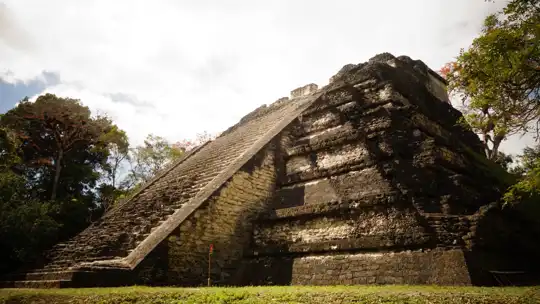
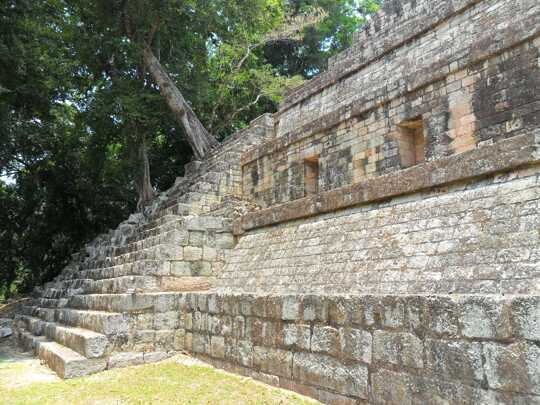
The Central America region, particularly Guatemala and Honduras, is a treasure trove for architecture enthusiasts. Here, you can explore centuries-old Mayan ruins, colonial towns, and vibrant indigenous communities. In Guatemala, Antigua’s cobblestone streets and well-preserved Spanish colonial buildings will take you back in time. Meanwhile, in Honduras, the ancient ruins of Copán showcase intricate stone carvings and pyramids that reflect the region's rich history. The combination of natural beauty and historical significance makes this area incredibly appealing for travelers who appreciate architecture.

Moving on to Mexico, this country is a diverse architectural playground, blending pre-Hispanic, colonial, and modern styles. From the stunning Aztec pyramids of Teotihuacan to the colorful streets of Oaxaca and the sleek lines of contemporary structures in Mexico City, the architectural variety here is remarkable. Each city offers a different flavor, so you can easily spend weeks exploring the contrasting styles. However, some more remote areas might be less accessible and could involve longer travel times, so plan your itinerary wisely.

Finally, the Panama region contributes its own unique architectural flair, particularly in Panama City, where the skyline is a mix of historic colonial buildings and futuristic skyscrapers. The Casco Viejo neighborhood boasts a charming blend of Spanish colonial architecture and modern cafes, perfect for those looking to soak in the atmosphere. However, outside the capital, architectural options may be more limited, so keep that in mind when planning your journey.

In summary, if architecture is your passion, the regions of Central America and Mexico will likely offer the richest experiences, while Panama provides a unique blend of old and new in its capital. Just be prepared for some travel logistics, especially in less urban areas, and you’ll be set for an architectural adventure!

⚠️ Select architecture in the filters below on the right to find your perfect match.
When it comes to vibrant backpacker scenes in North America, you’ll want to focus on Central America and parts of the Caribbean. These regions offer a mix of stunning landscapes, rich cultures, and budget-friendly options that make them particularly appealing for travelers on a shoestring. While many areas in North America are beautiful, some are more tailored for the backpacking experience than others.

The Central America region is a standout for backpackers. Countries like Guatemala and Honduras are known for their welcoming hostels, affordable food, and a strong sense of community among travelers. You'll find plenty of opportunities for adventure, whether it’s hiking up volcanoes, exploring ancient ruins, or relaxing on beautiful beaches. Costa Rica and Panama also provide a great mix of biodiversity and activities, from surfing to wildlife spotting, alongside a solid infrastructure for backpackers. However, do keep in mind that some places can be a bit touristy, especially in Costa Rica, so be on the lookout for off-the-beaten-path options.

On to the Caribbean, Jamaica and Belize both cater to the backpacker vibe. In Jamaica, you can easily find budget accommodations and local food stalls that won't break the bank. The laid-back island atmosphere, coupled with vibrant music and culture, makes it a fantastic spot for meeting fellow travelers. Belize, while slightly pricier than its Central American neighbors, offers stunning beaches, Mayan ruins, and a mix of cultures that make it worth the visit. The backpacker scene here is smaller but still lively, especially around popular destinations like Caye Caulker.

Overall, if you're looking for a vibrant backpacker scene in North America, focus on Central America and parts of the Caribbean. These regions are packed with experiences that cater to budget travelers and foster a sense of community that makes the journey all the more enjoyable.

⚠️ Select backpackers in the filters below on the right to find your perfect match.
When it comes to beach life in North America, the Caribbean steals the show with its stunning coastlines, vibrant cultures, and laid-back vibes. If you're a beach lover on a budget, certain regions offer more bang for your buck and a better overall experience than others. Here’s a breakdown of the best spots to hit up, along with a few areas you might want to skip if you're after that sun-soaked paradise.

Starting with the Caribbean, this region is packed with options that cater to all types of beach enthusiasts. Countries like Antigua and Barbuda, the Bahamas, and Jamaica boast some of the most picturesque beaches in the world, along with affordable accommodations and lively local cultures. You can find everything from bustling beach parties to secluded coves, making it easy to tailor your beach experience. Plus, many islands offer budget-friendly dining and activities, especially if you venture away from the tourist traps.

Moving on to Central America, countries like Costa Rica and Belize provide a unique blend of beach life and adventure. Here, you can soak up the sun on gorgeous shores while also having easy access to rainforests and wildlife. The vibe is generally more laid-back, and you’ll find plenty of budget hostels and local eateries serving up delicious food. The beaches in this region are often less crowded, especially if you’re willing to explore a bit further off the beaten path.

The United States has its own share of fantastic beach destinations, particularly in places like Florida and Hawaii. While these spots can be pricier, you can still find budget-friendly options if you plan ahead. Florida’s Gulf Coast, for instance, offers beautiful beaches and a variety of free or low-cost activities. However, keep in mind that some areas can be overrun with tourists, especially during peak seasons, so timing your visit is key.

Lastly, while the United States Virgin Islands and other parts of the Caribbean are beautiful, they can sometimes be on the pricier side, particularly for accommodations and dining. If your budget is tight, you might want to focus on the more affordable islands or consider traveling during the off-season to snag better deals.

In summary, for the ultimate beach life experience in North America, the Caribbean and Central America are your best bets. While the U.S. has some gems, be mindful of costs and crowds. With a little planning, you can enjoy sun, sand, and surf without breaking the bank!

⚠️ Select beach life in the filters below on the right to find your perfect match.
When it comes to delicious food in North America, some regions really stand out, while others might not be as appealing for food lovers. If you’re a backpacker looking to savor every bite on a budget, here’s the lowdown on where to focus your culinary adventures.

Mexico is the heavyweight champion of North American cuisine. From vibrant street tacos in Mexico City to fresh seafood on the coasts, the variety is staggering. Each region has its own specialties, making it a fantastic choice for foodies. Street food is not only delicious but also wallet-friendly, so you can indulge without breaking the bank. Plus, local markets are a feast for the senses and a great way to try regional ingredients and flavors.

Puerto Rico also offers a rich culinary experience that blends Spanish, African, and Taino influences. The island is known for its hearty dishes like mofongo and lechón, and you can find some great roadside kiosks serving up local favorites. The food scene here is vibrant, especially in San Juan, where you’ll find everything from food trucks to fine dining. While it’s a bit pricier than mainland options, you can still find affordable eats if you know where to look.

On the flip side, while regions like the U.S. mainland can have great food scenes in cities, many rural areas tend to lack the culinary diversity and richness found in Mexico and Puerto Rico. So, if your main focus is on exploring diverse and delicious food, stick to these two regions where the flavors are bold and the options are plenty.

⚠️ Select food in the filters below on the right to find your perfect match.
When it comes to mountain exploration in North America, you’ve got some fantastic options across different regions, each offering unique landscapes and adventures. The key areas to focus on are the Western U.S. and Canada, while the mountainous regions of Mexico may not be as well-known for serious trekking but still have their own charm.

Starting with the Western U.S., this region is a playground for mountain enthusiasts. With iconic ranges like the Rockies, the Sierra Nevada, and the Cascades, there’s no shortage of trails, climbing spots, and stunning vistas. National Parks like Yellowstone, Yosemite, and Glacier are must-visits, boasting well-maintained trails and a wealth of wildlife. Plus, the accessibility of these parks makes it easy to hop from one breathtaking view to another.

Moving on to Canada, it’s hard to beat the Canadian Rockies for sheer beauty and variety. Places like Banff and Jasper offer incredible hikes, breathtaking lakes, and a chance to see glaciers up close. The coast ranges in British Columbia also provide amazing options, from the rugged mountains around Whistler to the trails on Vancouver Island. Canada is ideal for those seeking both rugged backcountry and well-marked paths.

In contrast, Mexico has some mountain areas worth exploring, particularly in the Sierra Madre and the highlands near Oaxaca. However, these spots are often less developed for trekking compared to the U.S. and Canada. You might find some great local experiences and fewer crowds, but the infrastructure for serious mountain exploration isn’t as robust.

Overall, for serious mountain backpacking, stick to the Western U.S. and Canada. They offer the most diverse and accessible options for adventurers looking to soak up stunning mountain scenery.

⚠️ Select mountains in the filters below on the right to find your perfect match.
For travelers looking to connect with locals and fellow adventurers, certain regions in North America stand out as particularly welcoming. The vibrant cultures, friendly atmospheres, and social scenes in these areas create ideal conditions for meeting new people. However, not all regions offer the same level of engagement, so it's worth considering where to focus your travels.

The Central America region, particularly countries like Costa Rica, El Salvador, and Guatemala, is a hotspot for social interactions. Here, you’ll find a laid-back vibe where locals are often keen to share their culture and stories. The backpacker scene is lively, with hostels and community spaces that encourage mingling. Events like surf lessons in Costa Rica or cultural festivals in Guatemala make it easy to strike up conversations with both locals and fellow travelers.

Moving to the Caribbean, destinations like Cuba, Jamaica, and Trinidad and Tobago also offer unique opportunities for socializing. The laid-back lifestyle, music, and dance are integral to the culture, making it a breeze to meet people in local bars, markets, and during street festivals. In Cuba, for example, engaging with locals over a game of dominoes or joining in on a salsa class can lead to meaningful connections.

In contrast, the Mexico region offers a mixed bag. While places like Mexico City and the Yucatán Peninsula have vibrant social scenes and hostels teeming with travelers, some areas can feel more touristy and less personal. Still, with a bit of effort, you can find local hangouts and community events that foster interactions.

While Puerto Rico stands out for its rich culture and friendly locals, the scale of tourism can sometimes overshadow personal connections. However, engaging in local activities and venturing off the beaten path can still lead to great encounters.

In summary, if meeting people is your priority, focus on Central America and parts of the Caribbean. These regions are not just about beautiful landscapes; they’re alive with opportunities to connect, share stories, and make lasting friendships.

⚠️ Select people in the filters below on the right to find your perfect match.
When it comes to safety in North America, some regions stand out as more favorable for travelers, while others may require a bit more caution. For those prioritizing safety on their adventures, focusing on the Caribbean and parts of North America is a smart move.

The Caribbean is often seen as a paradise for those seeking sun and relaxation, but it's also home to several countries that prioritize safety. Islands like Aruba, Barbados, and the British Virgin Islands generally have lower crime rates and a more tourist-friendly atmosphere. While some islands, like Jamaica and the Dominican Republic, have areas that can be less safe, there are plenty of places within these countries that still offer a secure stay. Just stick to well-traveled spots and avoid venturing into less populated areas at night.

Moving to the North America mainland, Canada and the United States come in strong for safety-conscious travelers. Canada is known for its friendly locals and low crime rates, making it a solid choice for backpacking. Major cities like Vancouver, Toronto, and Montreal generally feel safe for travelers. The U.S. has its share of safe cities too, but it's smart to do a bit of research on specific areas since safety can vary widely from one city to another. Some regions, particularly in the southern U.S. and certain urban areas, may pose more risks, so staying informed about your surroundings is key.

In contrast, Central America has some beautiful spots, but it can be hit or miss when it comes to safety. Countries like Belize and Costa Rica are often considered safer than others in the region, but travelers should remain vigilant, particularly in urban areas.

Overall, for a safer experience in North America, stick to the Caribbean and the safer parts of the mainland, keeping an eye on local advice and recommendations. Doing your homework can go a long way in ensuring a smooth trip.

⚠️ Select safety in the filters below on the right to find your perfect match.
When it comes to breathtaking scenery in North America, some regions stand out while others may not quite hit the mark for those seeking stunning landscapes. If you’re a backpacker with a passion for incredible views, you’ll want to focus on certain areas that offer a rich variety of natural beauty, from mountains and beaches to rainforests and unique geological formations.

Canada is a top choice, boasting everything from the rugged Rocky Mountains in Alberta to the stunning coastlines of British Columbia. National parks like Banff and Yoho provide ample opportunities for hiking, wildlife spotting, and capturing jaw-dropping vistas. The eastern provinces also offer picturesque landscapes, particularly in places like Cape Breton and the stunning fjords of Gros Morne National Park.

Moving down to Central America, countries like Costa Rica and Guatemala shine with their lush rainforests, volcanic landscapes, and rich biodiversity. Costa Rica is famous for its eco-tourism, with numerous parks and reserves that feature waterfalls, tropical wildlife, and pristine beaches. Guatemala’s ancient ruins set against the backdrop of stunning highlands provide a unique combination of culture and scenery that’s hard to beat.

The Caribbean region, particularly Cuba, Dominican Republic, and Jamaica, offers tropical beauty with a mix of stunning coastlines and lush mountains. Cuba’s varied landscapes include the dramatic Sierra Maestra mountains and beautiful beaches like Varadero. The Dominican Republic boasts the highest peaks in the Caribbean, while Jamaica’s Blue Mountains provide both scenic hikes and a chance to soak in the local culture.

Lastly, the United States is packed with scenic wonders, from the national parks of the West like Yellowstone and Zion to the stunning coastlines of California and Maine. The diversity in landscapes here is immense, offering everything from deserts to forests and mountain ranges, making it a prime destination for those who love the great outdoors.

While places like Trinidad and Tobago and Panama have their merits, they may not offer the same dramatic scenery as the regions mentioned above. For those seriously chasing unforgettable views, sticking to the highlighted areas will ensure you have an adventure filled with some of the best landscapes North America has to offer.

⚠️ Select scenery in the filters below on the right to find your perfect match.
When it comes to exploring North America, some regions stand out for their unique cultural, historical, and natural attractions. For travelers who thrive on discovering places that offer something a little different, the Caribbean and parts of the Arctic are particularly favorable. Meanwhile, areas that are more commercialized or heavily touristed might not provide the same sense of individuality and adventure.

The Caribbean is a treasure trove for those seeking uniqueness. Islands like Cuba and Jamaica boast rich histories, vibrant music scenes, and distinct culinary experiences. Cuba’s blend of colonial architecture and classic cars is unlike anywhere else, while Jamaica’s reggae culture and stunning natural landscapes, including waterfalls and lush mountains, offer a unique vibe. The Dominican Republic adds to this mix with its diverse geography and cultural influences, making it a great spot for those who enjoy soaking in different lifestyles and traditions.

On the other hand, if you're venturing into the Arctic, Greenland stands out for its breathtaking landscapes and indigenous cultures. The vast, rugged terrain and the chance to meet the Inuit people provide an authentic experience that feels worlds apart from the usual tourist paths. Trinidad and Tobago also deliver a unique Caribbean experience with their distinct festivals, wildlife, and a blend of cultural influences that make them unlike any other destination.

In contrast, regions that are more commercialized—like many parts of the U.S. and Canada—often focus on mass tourism and might not offer the same level of unique cultural experiences. While there are exceptions, these areas may be less appealing for those looking for an authentic backpacking adventure. Instead, lean towards the vibrant cultures and stunning landscapes found in the Caribbean and Arctic for a truly unique travel experience.

⚠️ Select uniqueness in the filters below on the right to find your perfect match.
When it comes to wildlife watching in North America, some regions stand out for their rich biodiversity and accessibility. The vibrant ecosystems across Central America and parts of Canada and the United States offer some of the best opportunities for observing wildlife in their natural habitats. However, not every area is a wildlife enthusiast's paradise, so it's good to know where to focus your efforts.

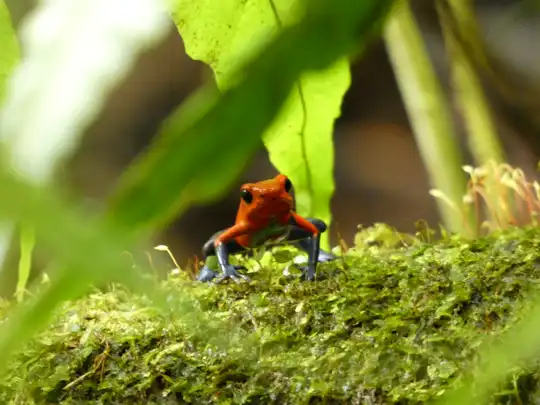
Central America is a fantastic spot for wildlife lovers, particularly in countries like Costa Rica, Belize, Honduras, Nicaragua, and Panama. This region is a biodiversity hotspot, featuring everything from tropical rainforests to coastal mangroves. You can expect to see a variety of animals, including sloths, toucans, and howler monkeys. National parks like Corcovado in Costa Rica or the wildlife reserves in Belize provide excellent chances for spotting unique species. Plus, the relatively small size of these countries makes it easier to explore multiple habitats in a short time.

On the other hand, the northern regions, particularly Canada and the United States, are also top contenders for wildlife watching, especially in places like the national parks. Areas like Yellowstone and Banff are known for their stunning landscapes and wildlife, including bison, elk, and bears. The vast wilderness and varied climates in these countries support a wide range of species, but you might have to travel farther and spend more time planning to cover the best spots.

In contrast, some regions in the U.S. and Canada are less ideal for wildlife watching due to urbanization and less accessible natural habitats. Areas that are heavily developed or lack protected lands might not offer the same opportunities for wildlife encounters. So, if you're keen on seeing animals in their natural surroundings, stick to the national parks and less populated areas.

Ultimately, whether you're trekking through Central America's jungles or exploring the vast wilderness of North America, there's plenty of wildlife waiting to be discovered. Just make sure to choose your destinations wisely to maximize your chances of spotting some amazing creatures!

⚠️ Select wildlife in the filters below on the right to find your perfect match.

If you travel in

April | August | December | February | January | July | June | March | May | November | October | September
April is a fantastic time to explore North America, thanks to the diverse climates and conditions across the continent. As winter fades away, spring emerges, bringing milder temperatures and blooming landscapes in many areas. However, the weather can vary significantly depending on where you go, so it’s worth considering the best regions for your travels this month.

Starting with the Caribbean, this region is a solid choice in April. The weather is generally warm and dry, perfect for beach lounging and outdoor adventures. While the tourist crowds may start to pick up, you can still find some great deals and enjoy the lush scenery. It’s a prime time for water activities like snorkeling and diving, with crystal-clear waters and vibrant marine life.

Moving to Central America, countries like Belize, Guatemala, and Nicaragua are also appealing in April. The dry season is still in effect for most of this region, making it ideal for exploring ancient ruins, vibrant rainforests, and stunning lakes. Just keep an eye on the weather, as some areas can start to see an uptick in rain toward the end of the month.

In Mexico, April offers pleasant weather in many areas, especially along the coasts. The beaches are inviting, and the cultural festivals in various towns can enhance your travel experience. Cities like Oaxaca and Mexico City are also enjoyable as they start to warm up, but be prepared for some crowds during the Easter holidays.

On the flip side, regions like Canada and parts of the United States can be a mixed bag in April. Northern areas might still feel the chill of winter, especially in places like the Canadian Rockies or the northern U.S. states. However, southern parts of the U.S., such as Florida and Texas, start to warm up and become much more inviting, making it a good time to enjoy outdoor activities before the summer heat kicks in.

In summary, April is a great month to venture into the Caribbean and Central America for warm weather and vibrant experiences, while southern Mexico offers a nice balance of culture and climate. Just be cautious if you're heading north, as temperatures can still be on the colder side. Happy travels!

⚠️ Select April in the filters below on the right to find your perfect match.
August in North America brings a mix of weather patterns and travel experiences, depending on where you land. Generally, this month is known for warm to hot temperatures, especially in the southern areas, while northern regions can still offer some pleasant summer days. For backpackers, understanding the climate across different regions can help you make the most of your trip.

Starting with the Western Canada, this area is prime for outdoor enthusiasts in August. The weather is typically mild, perfect for hiking in places like the Canadian Rockies or enjoying the stunning coastlines of British Columbia. Just keep an eye out for wildfires, which can occasionally affect air quality and visibility.

Moving to the Eastern Canada, cities like Montreal and Toronto are bustling with festivals and events during this time, making it an exciting spot for cultural experiences. However, be prepared for the humidity, as it can get sticky. If you’re hitting the coast, the Atlantic provinces may be a bit cooler but are often less crowded, presenting a nice mix of relaxation and exploration.

In the United States, the Northeast offers a vibrant summer vibe with plenty of outdoor activities and events, though it can be hot and humid, especially in places like New York City. The Pacific Northwest is also a fantastic choice, with its cooler temperatures and beautiful natural landscapes. But steer clear of the Southwest, where desert heat can be brutal, making it less appealing for backpackers who prefer to be active outdoors.

On the flip side, Greenland is a unique option in August, as it experiences milder temperatures and longer daylight hours, which is great for trekking and witnessing the stunning landscape. Just remember that its remote location means you'll need to plan your trip and budget accordingly.

In summary, August can be a great time to explore various regions in North America, but it's essential to choose wisely based on climate and activities. Whether you’re hiking in the mountains, enjoying city life, or immersing yourself in unique cultures, there's something for every budget traveler.

⚠️ Select August in the filters below on the right to find your perfect match.
December in North America offers a mixed bag of climates and experiences, making it an interesting time to travel. While some regions are basking in warm sunshine, others are braving the chill of winter. For budget travelers, understanding these regional differences can help you choose the best destinations to explore.

Starting with the Caribbean, this is prime time to visit. The weather is warm and dry, perfect for those looking to escape the cold. Islands like Antigua and Barbuda, Barbados, and Saint Lucia offer stunning beaches, vibrant culture, and plenty of outdoor activities. Plus, the festive spirit in December, with various local celebrations, adds an extra layer of enjoyment. Just be mindful that this is peak season, so budget accommodations might be snatched up quickly.

In Central America, the Central American countries such as Belize, Costa Rica, and Nicaragua also enjoy a dry season around December. These countries are great for backpackers seeking adventure—from surfing and hiking to exploring lush rainforests. December is a popular time, so consider booking your stays ahead of time to avoid the holiday rush.

On the other hand, the United States can be hit or miss in December. If you're after winter sports, regions like the Rockies are ideal for skiing. However, if you're looking for warmth, southern states like Florida or Southern California are much more appealing. Just be prepared for holiday crowds in popular spots.

Lastly, the Mexican coastline, particularly places like Cancun and Tulum, is still a great destination in December. The weather is warm, and the beaches are beautiful, but again, you’ll likely encounter more tourists during this time.

In summary, the Caribbean and Central America are your best bets for warm, enjoyable travel experiences in December, while specific parts of the U.S. and Mexico can offer both winter and summer vibes, depending on where you go. Just plan ahead, especially if you’re on a budget, to make the most of your trip!

⚠️ Select December in the filters below on the right to find your perfect match.
February is a unique time to explore North America, with varying climates and conditions that can significantly impact your travel experience. While some regions bask in warm, sunny weather, others can be quite chilly, making it essential to choose your destination wisely. For budget travelers looking to make the most of their February getaway, here’s a breakdown of the most favorable regions across the continent.

The Caribbean is a prime destination during February. With its stunning beaches and pleasant temperatures, this region is perfect for those seeking sun and relaxation. Countries like Antigua and Barbuda, Aruba, and the Cayman Islands offer beautiful landscapes and vibrant cultures, all while enjoying the warm tropical climate. Plus, many islands host lively festivals this time of year, adding to the experience. The only downside is that this is peak tourist season, so budget travelers should book accommodations early to snag the best deals.

Central America also shines in February, with countries like Belize, Costa Rica, and Panama offering a great mix of outdoor adventures and cultural experiences. The weather is typically dry and warm, ideal for exploring rainforests, beaches, and ancient ruins. Budget travelers can take advantage of affordable hostels and local eateries, making it easier to stretch your dollars while enjoying all the region has to offer.

In contrast, the southern part of the United States can be hit or miss in February. While places like Florida can provide pleasant temperatures, other areas, particularly in the North, can be cold and uninviting. If you're planning on visiting the U.S., stick to warmer locales, as you may find more budget-friendly options and outdoor activities.

Overall, February is a fantastic time to explore North America, but your choice of destination is crucial. Focus on the Caribbean and Central America for warm weather and plenty of activities while being mindful of peak tourist seasons in the Caribbean. Happy travels!

⚠️ Select February in the filters below on the right to find your perfect match.
January in North America offers a mixed bag of climates and travel experiences, making it an interesting month for backpackers. While some regions bask in warm sunshine, others can be quite chilly or even snowy. If you're looking for a budget-friendly escape, knowing where to go can make all the difference.

In the Caribbean, you'll find beautiful weather with temperatures typically ranging from the mid-70s to the low 80s°F (around 24-29°C). This is peak season for many of the islands, so expect vibrant festivals and plenty of activities. It's a great time for beach lovers and those looking to immerse themselves in local culture. Just be mindful that prices can be higher due to the influx of visitors, so plan your accommodations and activities accordingly.

Moving to Central America, countries like Costa Rica, Belize, and Nicaragua offer warm weather and stunning natural landscapes. January is part of the dry season, making it ideal for outdoor adventures like hiking, surfing, and exploring wildlife. However, some areas can get crowded, especially popular tourist spots, so it’s wise to seek out less-traveled paths if you're on a budget.

In contrast, the United States and parts of Mexico can vary significantly. Southern regions, such as Florida and coastal areas of Mexico, remain warm and inviting, making them popular destinations for those wanting to escape the cold. However, northern areas can be quite frigid and may not be the best choice for outdoor activities. If you’re considering a trip to the U.S., check out cities that offer unique winter festivals or indoor attractions to make the most of your visit.

Overall, January can be a fantastic time to explore North America if you know where to look. The Caribbean and Central America shine with warmth and adventure, while the U.S. and Mexico offer diverse options depending on your preferences for climate and activities.

⚠️ Select January in the filters below on the right to find your perfect match.
July is a popular travel month in North America, but the climate can vary widely, influencing your backpacking plans. From the warm, sunny beaches to cooler mountain ranges, each region has something unique to offer. However, it’s important to know where to go for the best experience and where to avoid potential pitfalls like extreme heat or heavy rain.

Starting with the Western United States, this region shines in July, especially areas like California and the Pacific Northwest. Expect warm temperatures perfect for hiking and enjoying the coast. National Parks like Yosemite and the Redwoods are in full swing, although be prepared for crowds. The only downside? Some desert areas can be scorching, so plan accordingly if you're heading to places like Death Valley.

Moving to the Eastern United States, July means summer heat and humidity, particularly in cities like New York and Washington, D.C. While cultural festivals and outdoor events abound, be ready for sticky conditions. The Appalachian region, however, offers cooler temperatures and beautiful hiking trails, making it a solid choice for nature lovers escaping the urban heat.

In Canada, July is prime time, especially in the Rockies and coastal areas. Places like Banff and Vancouver are vibrant with activities, and the weather is generally fantastic. Just be mindful of potential tourist crowds in popular spots. The eastern provinces can be a mixed bag; while cities like Montreal and Quebec City are lively, they can also be quite humid.

Lastly, Greenland offers a unique experience in July with milder temperatures as the ice begins to melt, revealing stunning landscapes and opportunities for hiking and boat tours. It’s not the most conventional backpacking destination, but if you’re seeking adventure and breathtaking scenery, it’s worth considering.

In short, aim for the West and parts of Canada for ideal conditions, while the East might be best for those who enjoy a bit of summer hustle and bustle. Plan wisely, and you’ll have an unforgettable July in North America!

⚠️ Select July in the filters below on the right to find your perfect match.
June is an exciting time to explore North America, with varying climates and conditions that cater to different travel styles. As the summer kicks off, many parts of the continent are basking in warm weather, making it perfect for outdoor adventures. However, some regions can be less inviting due to humidity or heavy rainfall, so it’s wise to know where to head and where to tread carefully.

Starting with Canada, this vast country offers diverse landscapes that are especially appealing in June. The weather is generally mild, making it ideal for hiking in national parks like Banff or exploring cities like Vancouver and Toronto. Just be mindful that some areas can still be a bit chilly, especially in the northern regions, so pack layers if you’re venturing up there.

Moving to the Caribbean, Puerto Rico and Sint Maarten promise beautiful beach weather and vibrant culture. June is right before hurricane season kicks in, so you can enjoy sunny days and warm waters without the crowds that flock during peak tourist months. It's a great time for budget backpackers to find affordable accommodations and local experiences.

In Central America, Honduras is another good option in June. While it can be rainy in some areas, places like the Bay Islands have pleasant weather, offering excellent opportunities for snorkeling and diving. Just keep an eye on the weather forecasts, as the rainy season can bring unpredictable showers.

On the other hand, Dominica and Greenland can be less favorable during this month. Dominica, while lush and beautiful, experiences heavier rainfall in June, which might hinder outdoor activities. Greenland, though stunning, can still be quite cold and not as accessible, which may limit travel options.

Lastly, the United States is a mixed bag in June. Regions like the Pacific Northwest and parts of the Northeast are lovely, with pleasant temperatures and blooming landscapes. However, the Southeast can be hot and humid, which might not be ideal for everyone. Consider heading to the Rockies or the West Coast for stunning scenery and comfortable weather.

In summary, June can be a great month to explore North America if you choose your regions wisely. Focus on the temperate areas and be cautious of those experiencing heavier rains or less favorable conditions. Happy travels!

⚠️ Select June in the filters below on the right to find your perfect match.
March is a fantastic time to explore North America, as the weather begins to warm up and the spring season brings a fresh vibe to many destinations. However, the climate can vary widely across the continent, so choosing the right region can make or break your trip. Here’s a quick breakdown of what to expect in March and the best regions for budget travelers.

Starting with the Caribbean, this region is a prime choice in March. With warm temperatures, plenty of sunshine, and lower humidity, islands like Antigua and Barbuda, Jamaica, and the Dominican Republic offer an ideal escape for those looking to enjoy beautiful beaches and vibrant local cultures. March is also outside of hurricane season, which means you can enjoy your trip without worrying about unexpected weather disruptions.

Moving to Central America, countries like Costa Rica, Guatemala, and Nicaragua are also quite appealing in March. This is the dry season for most of the region, making it perfect for outdoor adventures such as hiking, exploring ancient ruins, and enjoying the stunning natural landscapes. Budget travelers will find plenty of affordable accommodations and local eateries that won't break the bank.

In contrast, the United States can be hit or miss in March. While southern states like Florida and Texas start to warm up, northern areas can still be chilly and unpredictable. If you're looking to explore cities or national parks, aim for warmer locales, but keep in mind that popular tourist spots can get crowded during spring break.

Lastly, the Mexican Caribbean, including places like Cancun and Tulum, is another great option in March. The weather is warm, and you can find plenty of budget-friendly accommodations and food options. Just be prepared for an influx of tourists as spring break draws many visitors to the area.

Overall, March is a great time to travel through these regions, but it’s essential to plan according to the climate and your budget. Whether you're lounging on the beach or hiking through lush jungles, North America offers a range of experiences that'll suit any backpacker's taste.

⚠️ Select March in the filters below on the right to find your perfect match.
May is a fantastic time to explore North America, as the weather starts to warm up and spring blooms bring vibrancy to many regions. However, climates can vary significantly across the continent, and some areas may be more appealing for travelers than others.

Starting with Canada, May is when the country begins to shake off winter's chill. Regions like British Columbia and the Canadian Rockies are particularly inviting, with milder temperatures and stunning landscapes perfect for hiking and outdoor activities. However, expect some rain in coastal areas, so pack a light jacket.

In the United States, May is generally a sweet spot for travel. The weather is warming up across the country, making it ideal for both city explorations and national park visits. The Southern states, like Florida and Texas, are hot and lively, while the Northeast invites visitors with pleasant temperatures and blooming parks. Just watch out for the onset of the hurricane season in the Southeast later in the month.

Moving on to Central America, countries like Costa Rica and Nicaragua start to see the early signs of the rainy season in May. While you might experience some showers, this can also mean fewer crowds and lower prices, making it a budget-friendly time to explore the lush landscapes and rich biodiversity. Just be prepared for occasional downpours, especially in the afternoons.

Lastly, the Caribbean, including places like the Bahamas and Puerto Rico, can be a mixed bag in May. It's generally warm and enjoyable, but keep an eye on the weather, as the region is transitioning into the start of the hurricane season. You might find some great deals on accommodations during this time, but always have a backup plan for indoor activities just in case.

In summary, May in North America offers a range of experiences depending on where you choose to go. From the stunning natural beauty of Canada and the vibrant cities in the U.S. to the lush landscapes of Central America and the warm beaches of the Caribbean, there's something for every backpacker. Just be sure to check the weather patterns for your desired destinations to make the most of your trip.

⚠️ Select May in the filters below on the right to find your perfect match.
November in North America brings a mix of climates and travel experiences, making it a unique time to explore the continent. As the leaves turn and the weather cools in some areas, others are still basking in warm temperatures, offering budget travelers various options depending on their preferences.

The Caribbean is a prime destination in November, particularly for those looking to escape the chill of fall. Countries like Barbados and Cuba boast pleasant temperatures and fewer tourists compared to the peak winter months. You can find affordable accommodations and enjoy beautiful beaches, vibrant local culture, and delicious cuisine. Plus, this time of year typically avoids the hurricane season, making it a safer bet for travel.

Moving to Central America, places like Costa Rica, Belize, and Nicaragua begin to warm up as the rainy season tapers off, allowing for stunning landscapes and outdoor adventures. November is a great time for budget backpackers to explore rainforests, volcanoes, and local markets without the heavy crowds found in December and January. While some areas may still experience sporadic rain, the overall conditions are generally favorable for hiking and exploring.

In contrast, the United States offers a varied experience in November. While some regions like the southern states (think Florida and Texas) remain warm and inviting, northern areas can be quite chilly, with the potential for early snow in places like New England. If you’re into autumn foliage, the U.S. still has some beautiful sights, but be prepared for colder weather and possibly higher prices in tourist hotspots as the holiday season approaches.

Lastly, the Mexican region can be a mixed bag in November. The Yucatan Peninsula, including places like Cancun and Tulum, is usually warm and dry, perfect for beach lovers. However, in the central and northern parts of Mexico, temperatures can drop significantly, making outdoor activities less appealing. Overall, this month is a good time to visit the coast while other inland destinations might not be as enjoyable.

In summary, November offers a range of travel experiences across North America, with the Caribbean and Central America standing out as the most favorable regions for backpackers looking to enjoy warm weather and rich cultural experiences. Just be sure to pack accordingly based on where you plan to go!

⚠️ Select November in the filters below on the right to find your perfect match.
October in North America brings a mix of climates and conditions, making it a unique month for travel. As summer transitions into fall, you’ll find some regions bursting with color and mild temperatures, while others may be cooling off and starting to see winter’s first chill. It’s a great time for backpackers to explore, but knowing where to go can make all the difference.

One of the most appealing regions in October is Canada. The fall foliage in places like Ontario and Quebec is stunning, with vibrant reds and oranges painting the landscapes. Temperatures are generally mild, perfect for hiking and enjoying the outdoors. Plus, many towns host fall festivals celebrating the harvest season. Just keep in mind that as the month progresses, temperatures can drop significantly, especially in the northern parts, so pack layers.

Moving down to the United States, many areas, especially the Northeast, are prime for leaf-peeping. States like Vermont and New Hampshire showcase breathtaking autumn scenery. The weather is typically comfortable for outdoor activities, from hiking to exploring charming small towns. However, the South can be quite warm and humid, particularly in states like Florida, which might not be ideal if you're looking for a crisp fall vibe.

Over in Nicaragua, October is part of the wet season, which means you can expect a fair amount of rain, especially in the western regions. While this might deter some travelers, it can also mean fewer crowds and lush landscapes. If you're okay with the unpredictability of the weather, you can still enjoy the vibrant culture and stunning natural beauty without breaking the bank.

In summary, October offers diverse experiences across North America. Canada and the northeastern U.S. shine with their autumn beauty, while Nicaragua presents a different kind of charm despite the rain. Just plan ahead based on what kind of adventure you’re after!

⚠️ Select October in the filters below on the right to find your perfect match.
September is a great time to explore North America, as the weather starts to shift and the summer crowds begin to thin out. This month presents a diverse range of climates, from the crisp beginnings of fall in the north to lingering summer warmth in the south. Depending on where you roam, you can catch some stunning natural beauty, vibrant autumn foliage, or even enjoy outdoor activities without the heavy humidity. However, not every region is ideal for travel in September, so it’s worth noting where to focus your backpacking adventures.

Canada offers a spectacular experience in September, especially in provinces like British Columbia and Alberta. The weather is generally mild, making it perfect for hiking in places like the Rockies or exploring vibrant cities like Vancouver and Toronto. Plus, you might just catch the early autumn colors, especially in the eastern provinces. However, keep in mind that northern areas can start to get chilly, and some parks may begin to close for the season.

In the United States, the conditions vary widely. The Pacific Northwest is particularly inviting this time of year, with cooler temperatures and fewer tourists. National parks like Yellowstone and Yosemite are still accessible, but you might want to check for early snow in higher elevations. The northeast also shines in September, as the fall foliage begins to emerge, with places like Vermont and New Hampshire drawing leaf-peepers. On the flip side, the southeast can be pretty hot and humid, plus it's hurricane season, which might put a damper on your plans if you're considering coastal spots.

As for Greenland, September offers an interesting mix. While the weather can be unpredictable, it's a unique time to witness the tail end of the summer and the onset of the Arctic fall. Just remember that it’s remote and can be more expensive, which might not fit the budget travel mold as well as other regions.

Overall, September is a fantastic month to hit the road in North America, provided you choose your regions wisely to make the most of the season’s offerings.

⚠️ Select September in the filters below on the right to find your perfect match.

Check the other continents

If you outplayed North America, check out the best backpacking countries in the other parts of the world which are best in December.

We 💚 feedbackDo you like this website?

Share this page with a fellow-backpacker. Did you spot a mistake, or you have any tip for improving, please let me know!


🙋‍♂️ Give feedback