×

Norway Itinerary Planner

Build your own Norway trip exactly the way you want it, from a quick city break in Oslo to a slow wander between quiet villages and wild national parks. Set your trip length, pick what matters most to you – cities & towns, villages, landmarks, national parks, hikes, beaches, attractions – then choose your travel style and how fast or slow you like to move. Add a starting point, an end point, or must-see places like Trolltunga, and get a complete route that fits your pace, your priorities, and your kind of adventure.

Plan
your Trip


We build
your Route


Get your
Travel Plan

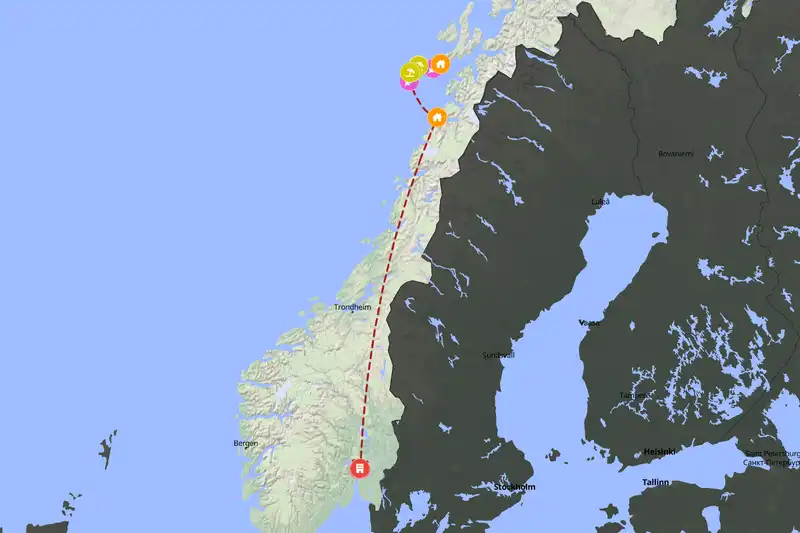
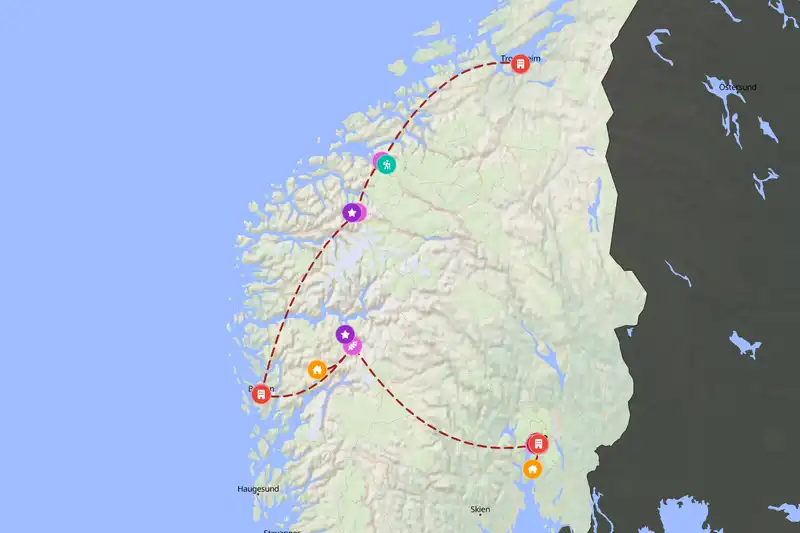
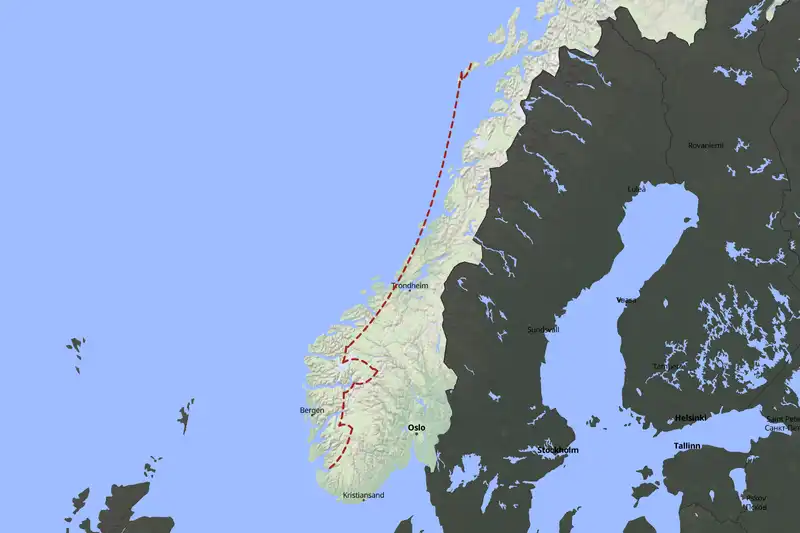
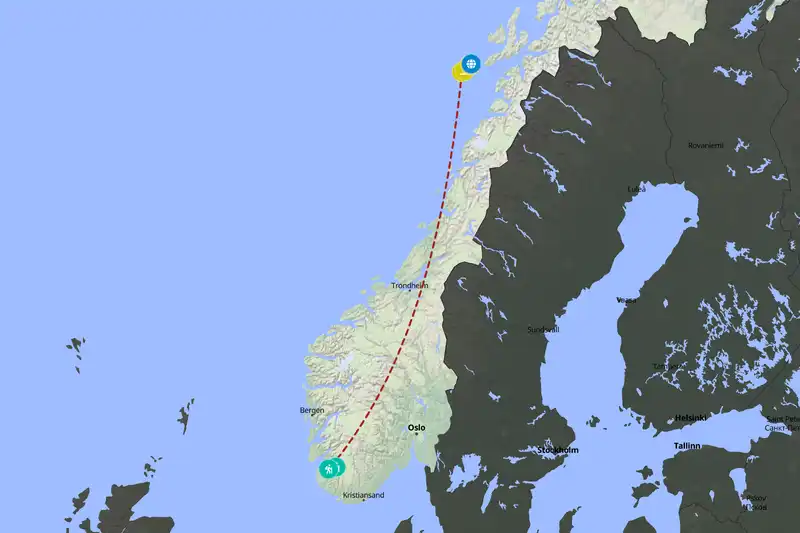
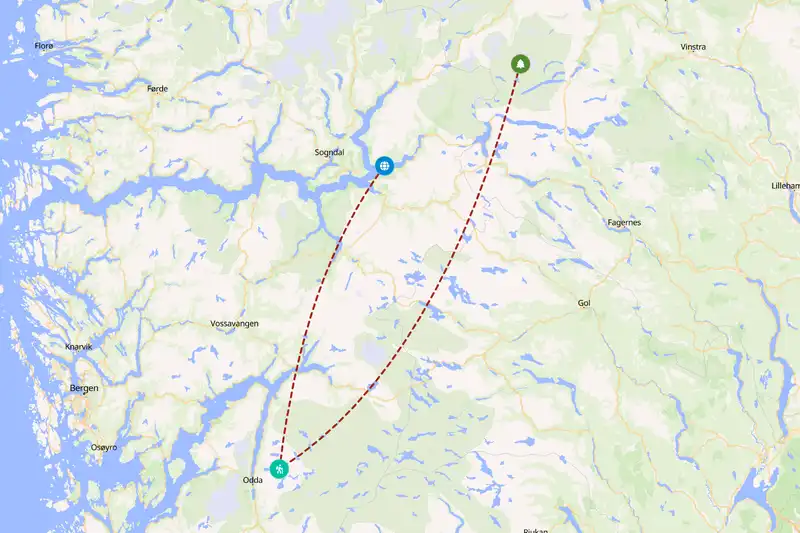
Example Norway itinerary planner route
Build your own Norway route
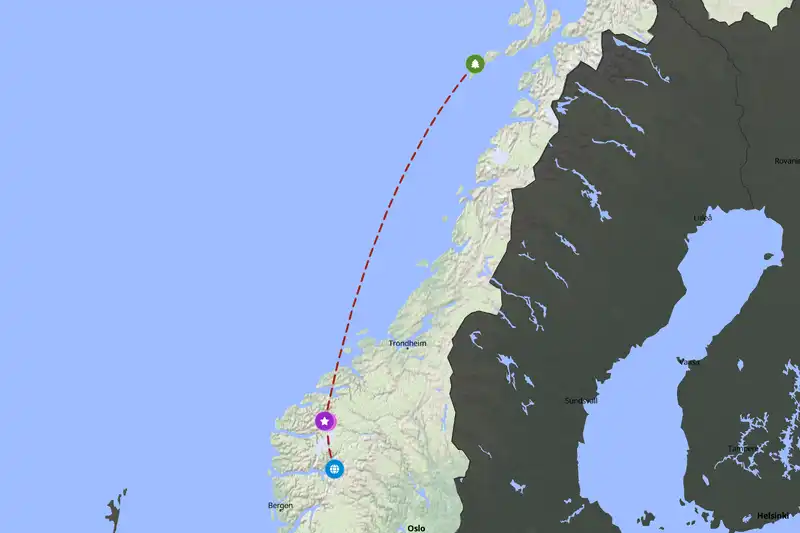
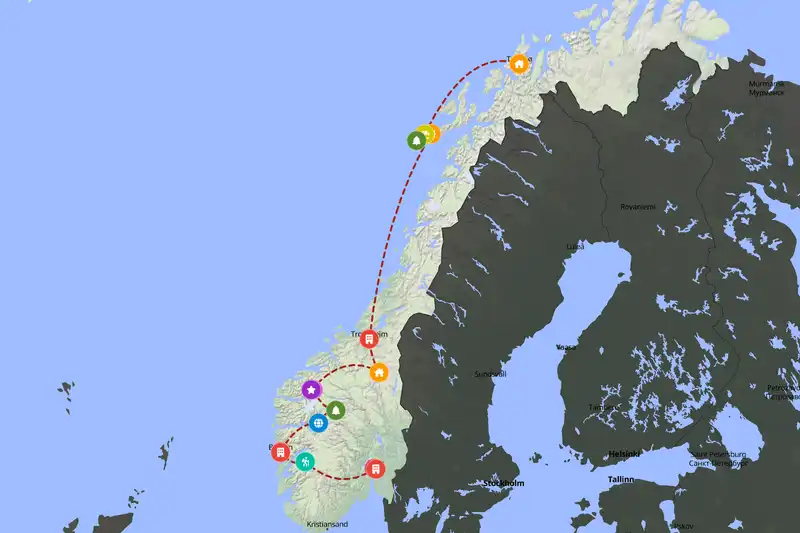
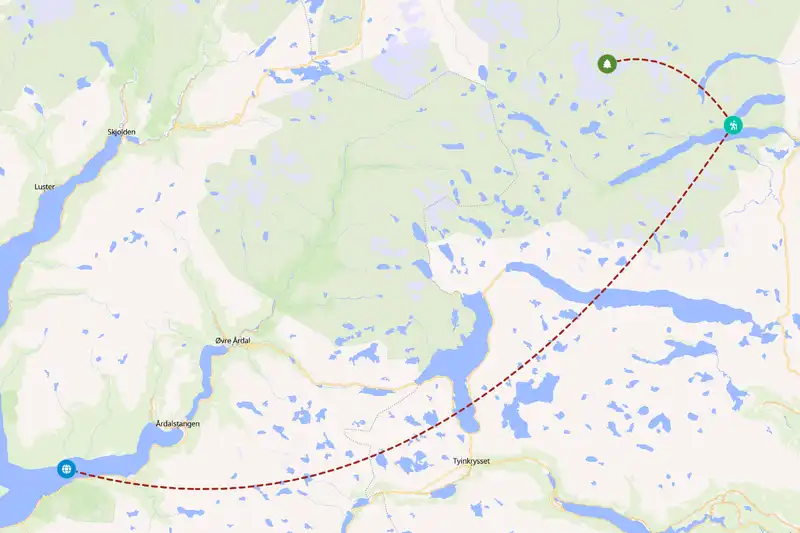
Example Norway itinerary planner route
Build your own Norway route
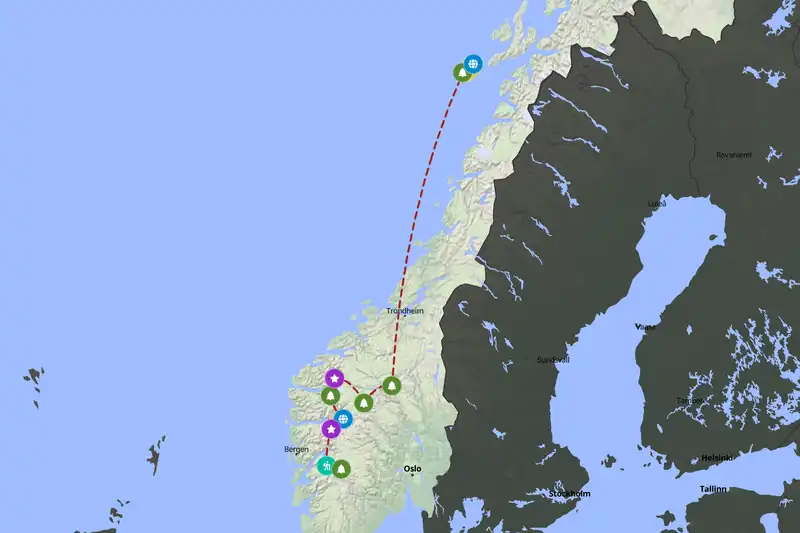
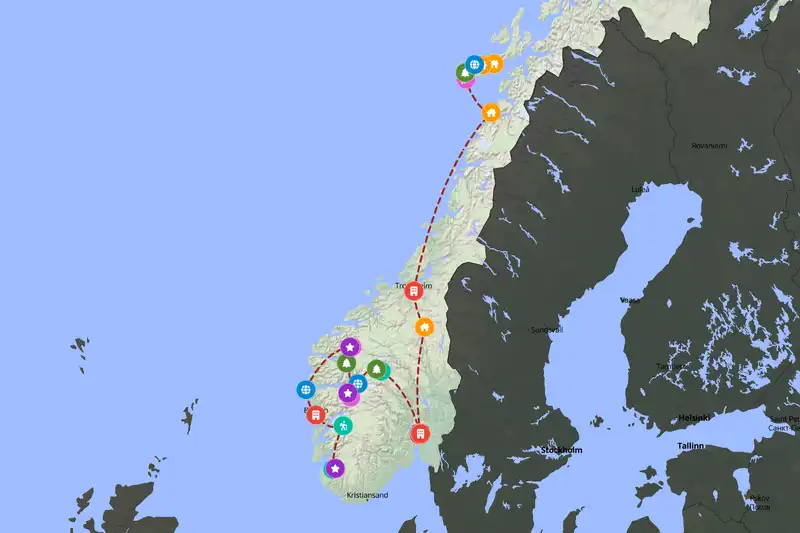
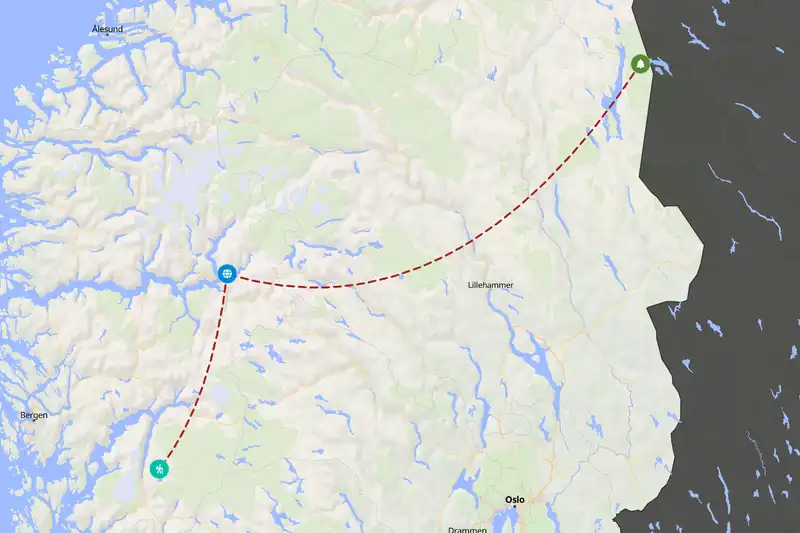
Example Norway itinerary planner route
Build your own Norway route
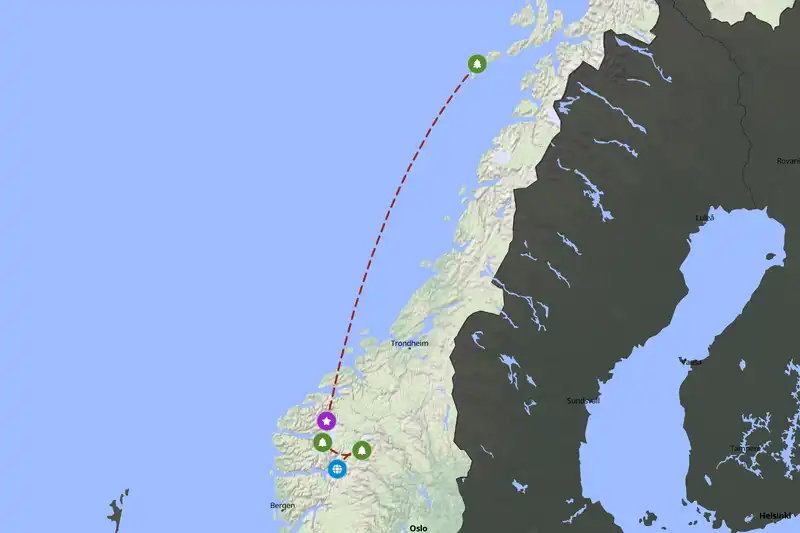
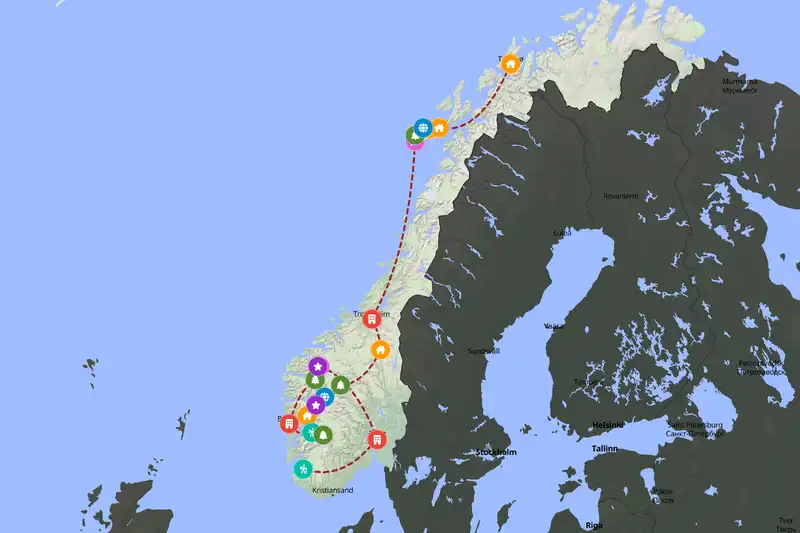
Example Norway itinerary planner route
Build your own Norway route
Example Norway itinerary planner route
Build your own Norway route
Example Norway itinerary planner route
Build your own Norway route
Example Norway itinerary planner route
Build your own Norway route
Example Norway itinerary planner route
Build your own Norway route
Example Norway itinerary planner route
Build your own Norway route
Example Norway itinerary planner route
Build your own Norway route

🇳🇴 NorwayCreate Your Itinerary

1 How many days will you travel?
2 What are your interests?
3 Travel speed
⚙️ Advanced options

🙋 FAQThings travelers often ask

If you only have about five days, focus on one region like Oslo plus the fjords or the Lofoten Islands, and move slowly. Around ten days lets you link a couple of regions by train or bus, while roughly two weeks gives you time to see cities, fjords, and at least one more remote area without rushing.
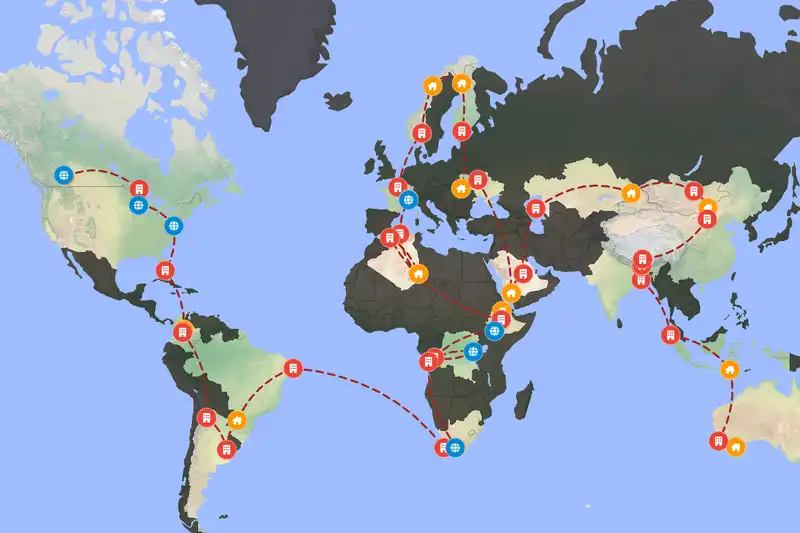
Yes, Norway combines easily with Sweden and Denmark thanks to frequent trains, buses, and ferries, and with Finland if you are exploring the far north. Some travelers also add Iceland or the Baltic countries as part of a wider Nordic or Northern Europe loop, usually by flight or longer ferry routes.

Build a multi-country route
Yes. Stops are sequenced to minimize backtracking and grouped by how close they are to each other, and your chosen travel pace (fast, normal, or slow) adjusts how much ground each day covers.
Absolutely. Adjust your trip length, interests, starting point, or travel style and generate a new route in seconds.
Yes, generating and viewing your route is completely free. An offline-friendly PDF version is available as an optional purchase which gives more detailed information for each location on your route.

🗺️ RegionsHow spread out things are

Norway looks small on a map, but the places you’ve heard about are often far apart, with long stretches of mountains, sea, and valleys in between. A day around Oslo and Vigeland Sculpture Park feels completely different from time out by Geirangerfjord or Lofotodden National Park, and jumping back and forth between them quickly eats up your travel days. This planner keeps things realistic by grouping nearby spots into the same leg of your trip, so you spend more time actually being in the landscapes you came for instead of bouncing all over the country. It helps you see how one area naturally flows into the next, making it easier to slow down, enjoy the views, and still fit in the big highlights that matter most to you.

📈 StatisticsPlanner insights

Our set of curated travel destinations for Norway

Cities & Towns: 29      Villages: 8      Landmarks: 5      National Parks: 18      Hikes: 9      Beaches: 8      Attractions: 13     

Routes created by others

11

Routes created

9

Average trip length (days)

5

Average destinations

Most popular interests

  • 🚶‍♀️ Hikes (91%)
  • 🏞️ National Parks (64%)
  • ⭐️ Landmarks (55%)
  • 🌽 Villages (45%)
  • 🏖️ Beaches (45%)

Most included destinations

⚙️ How it worksThe logic behind your route

The planner starts by grouping places that sit reasonably close together on the map, so your days flow from one area to the next instead of bouncing back and forth across Norway and wasting time on long transfers. Once it has those clusters, it strings them together in a clear direction of travel, like moving steadily from east to west or south to north, so your route feels like a simple line or gentle arc rather than a messy zigzag. Within each cluster, it looks at what you like doing and how fast you want to move, then gives more time to bigger hubs and less to quick-stop sights, so you are not constantly packing and unpacking for every viewpoint or short hike. If you chose cities and attractions, for example, it might keep you in Oslo for several nights as your base, then slot nearby spots into your days as short trips from there, which is why the route feels natural on the ground: you settle in somewhere that has enough going on, then fan out to the smaller places around it instead of changing beds every night.