Norway is very doable to backpack independently, as long as you respect two things: high prices and long distances. The country is safe, people speak excellent English, and logistics are clear, but your budget discipline matters more here than in most of Europe.
For first-timers, the main learning curve is cost. Food, alcohol, and transport are expensive, so you win by planning: cook most meals, use hostel kitchens, and treat eating out as an occasional reward. Supermarkets like Rema 1000, Kiwi, and Coop are your best friends; grab-bag lunches from these will save you more than any hostel discount card.
Wild camping is legal and powerful for your budget thanks to Allemannsretten (Right to Roam). You can camp for free on uncultivated land if you stay at least 150 m from houses and only 1–2 nights in the same spot. This makes Norway one of the easiest countries in Europe for low-cost, long-distance backpacking, especially in summer.
Trail infrastructure is excellent. The Norwegian Trekking Association (DNT) maintains marked trails and a network of cabins. Even if you never sleep in a DNT hut, their maps, route descriptions, and red T-marked trails make solo hiking straightforward in popular areas like Jotunheimen, Hardangervidda, and Rondane.
The main challenge is weather and terrain, not navigation. Conditions can flip from sunny to sleet in an hour, even in July. Independent backpacking here means carrying proper rain gear, warm layers, and not treating mountain hikes like casual city walks. If you’re used to Alps day hikes, Norway’s trails will feel familiar but often wetter, rockier, and slower.
If you’re comfortable with basic route planning, cooking your own food, and reading a weather forecast, Norway is one of the easiest countries in the world to backpack on your own. If you’re brand new, stick to well-known routes and popular regions first, and you’ll be fine.
For a first backpacking trip, 7–14 days is the sweet spot; less than a week feels rushed, and more than two weeks only makes sense if you’re ready for serious hiking or slow travel.
Rough guide:
• 3–5 days: Pick one base and keep it tight. Example: Fly into Oslo or Bergen, do one fjord area (like Flåm/Nærøyfjord or Åndalsnes/Romsdalen), and one city day. This is more of a teaser than a full trip.
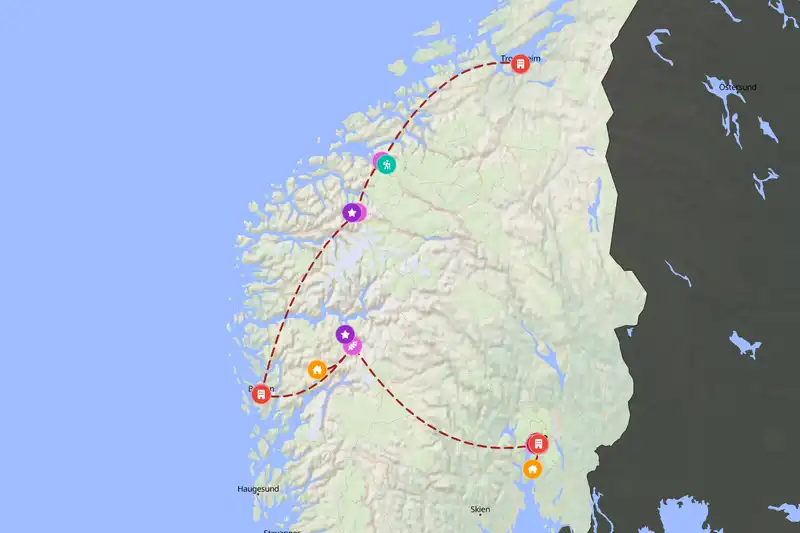
• 7 days: One city + one mountain/fjord region. Example: Oslo (1–2 days) → train to Bergen (1 day) → 3–4 days in a fjord or hiking hub like Voss, Odda (for Trolltunga), or Åndalsnes (for Romsdalseggen). You’ll feel like you actually saw Norway, not just trains.
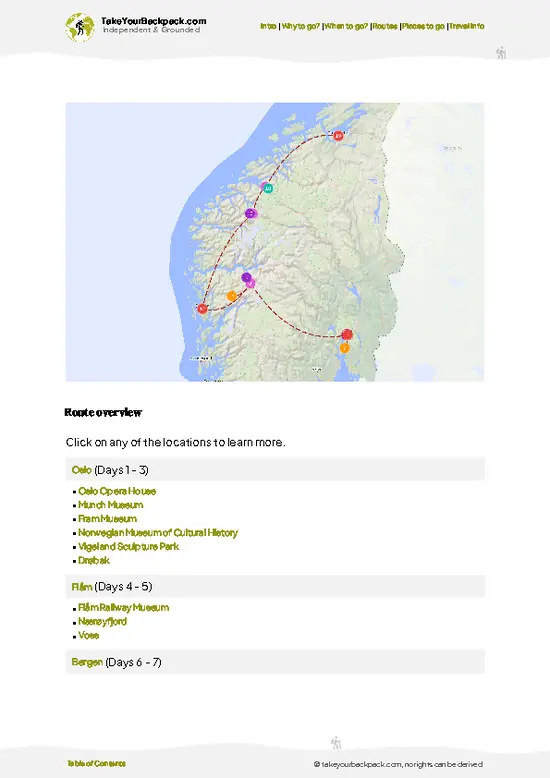
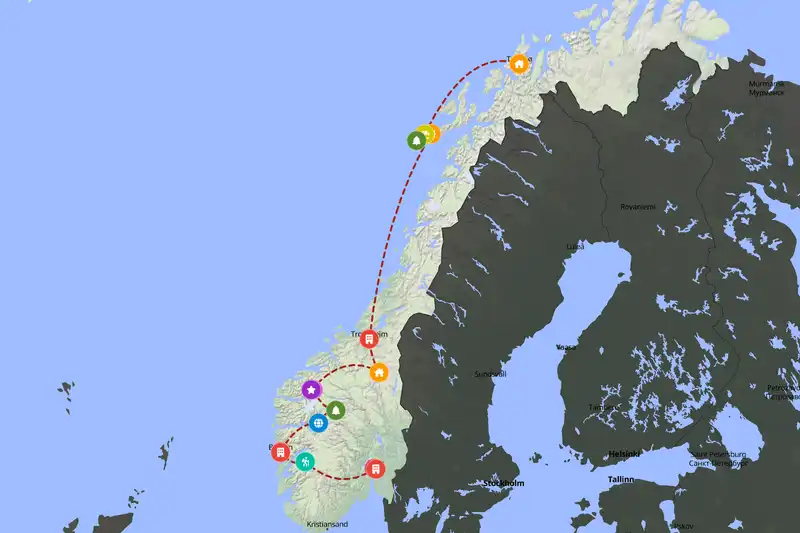
• 10–14 days: Ideal for budget backpackers. You can do a loop: Oslo → Bergen/West Coast → a mountain area (Jotunheimen, Hardangervidda, or Romsdalen) → back via Trondheim or Oslo. This gives you cities, fjords, and real hiking without sprinting.
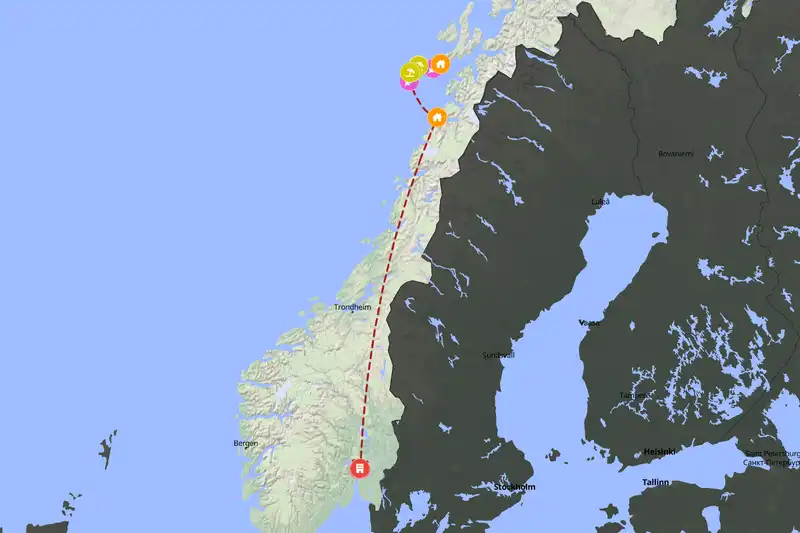
• 3+ weeks: Worth it if you want to add the Lofoten Islands, Senja, or the far north. Distances are huge, so long trips only pay off if you’re willing to sit on night trains, long buses, or slow ferries and build in rest days.
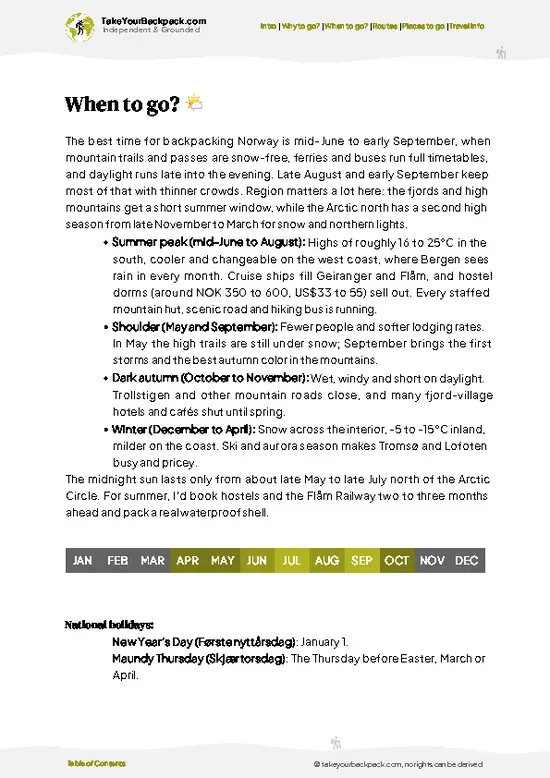
Season matters. For classic backpacking and hiking, late June to early September is your window. Outside that, you lose access to some high trails and mountain huts, and you’ll need more expensive gear. Winter trips are a different sport entirely and not ideal for a first budget backpacking run.
If you’re on a tight budget, it’s better to do 7–10 days in one or two regions properly (with time to cook, camp, and hike) than 14 days zigzagging the whole country on pricey transport.
You can absolutely get around Norway without a car, but you need to think like a train-and-bus ninja, not a spontaneous road-tripper.
The backbone of car-free travel is the rail network plus regional buses and ferries. The Oslo–Bergen train is a classic for a reason: it’s scenic, reliable, and connects you to fjord areas via side trips to places like Flåm. Other useful lines: Oslo–Trondheim, Trondheim–Bodø (for Lofoten access), and Oslo–Gothenburg/Stockholm if you’re linking countries.
Buses fill in most of the gaps. They’re comfortable but not cheap, so book in advance when possible and cluster your destinations to avoid lots of one-off hops. In fjord regions, local buses often sync with ferries, but schedules can be sparse, especially on weekends and outside peak summer. Missing a bus can mean hours of waiting, not 20 minutes.
For backpackers, the trick is to base yourself in hubs with good public transport and multiple trail options: Bergen, Voss, Odda, Åndalsnes, Lom, and some DNT cabins or lodges. From these, you can day-hike or do hut-to-hut routes without needing a car.
Hitchhiking is common and generally safe, especially in rural areas and among other hikers, but you should treat it as a bonus, not a plan. It works best on roads to popular trailheads and in summer when traffic is higher.
In cities, you won’t miss a car at all. Oslo, Bergen, and Trondheim have solid public transport and are walkable. For Lofoten and the far north, buses exist but are infrequent; if you’re car-free there, stay longer in one or two villages and hike locally instead of trying to see every viewpoint.
If you’re willing to plan around timetables, you can see a lot of Norway without ever touching a steering wheel. If you want maximum spontaneity and remote trailheads, that’s when a car starts to matter.
For a budget backpacker, the must-visits are the places where the landscape is wild, access is realistic without a car, and you can hike or camp instead of paying for constant tours.
1. Oslo (short but worthwhile)
Use it as a soft landing, not the main event. One full day is enough to walk the harbor, check out the Opera House roof, wander Grünerløkka, and hit a free or cheap museum. The real win is stocking up on food and outdoor gear before heading to pricier, smaller towns.
2. Bergen + nearby fjords
Bergen is your best West Coast base without a car. You get city life plus quick access to hikes like Mount Fløyen and Ulriken straight from town. From here, you can reach Hardangerfjord, Voss, and some Sognefjord areas by bus and boat. It’s a great place to mix hostel nights with day hikes and the occasional splurge on a fjord cruise.
3. Åndalsnes and Romsdalen
If you want big-mountain scenery without technical climbing, this is gold. Romsdalseggen Ridge, Rampestreken viewpoint, and nearby valley hikes give you that dramatic Norway feel with clear, marked trails. The town is reachable by train/bus, and you can camp or use hostels and simple cabins.
4. Jotunheimen National Park
This is Norway’s classic trekking playground. Besseggen Ridge and the area around Gjendesheim, Memurubu, and Gjendebu are perfect for 2–4 days of hut-to-hut or tent camping. You get glaciers, lakes, and proper mountain vibes without needing advanced mountaineering skills in summer.
5. Hardangervidda Plateau
If you like long, open, slightly lunar landscapes, this is where you go. It’s ideal for multi-day treks with a mix of wild camping and DNT huts. Access points like Finse, Haukeliseter, and Eidfjord are reachable by train or bus, and once you’re up on the plateau, you can walk for days.
6. Lofoten Islands (if you have time and budget)
Lofoten is expensive and far, but it earns its reputation. Sharp peaks dropping into the sea, fishing villages, and short but steep hikes like Reinebringen, Kvalvika Beach, and Ryten. For backpackers, camping is key to keeping costs down. Only add Lofoten if you have at least 5–7 extra days and can stomach the long train/bus/ferry combo.
If you’re short on time, prioritize one city (Oslo or Bergen) plus one mountain/fjord region like Åndalsnes, Jotunheimen, or Hardangervidda. That combo gives you a very “Norway” experience without wrecking your budget.
If you’re short on time or cash, skip anything that eats days in transit or forces you into expensive, short, tourist-style stops.
1. The North Cape (Nordkapp)
It’s a long, costly journey to stand at a crowded viewpoint and a visitor center. The feeling of being “at the top of Europe” is cool, but for backpackers, the time and money are better spent hiking in Jotunheimen, Romsdalen, or the Lofoten/Senja area if you want the north.
2. Overstuffed fjord cruises
Quick, expensive fjord cruises that start and end in the same place are easy to skip. You’ll see more and spend less by basing yourself in a fjord town (like Åndalsnes, Odda, or a Sognefjord village) and hiking above the water instead of paying for multiple boat tours.
3. Trying to do all the famous hikes in one trip
Trolltunga, Preikestolen (Pulpit Rock), Kjerag, Besseggen, Romsdalseggen… they’re all marketed hard. You don’t need to tick every box. Each one is a full-day commitment with transport, and some are crowded. If you’re short on time, pick 1–2 that fit your route and skip the rest.
4. Too many cities
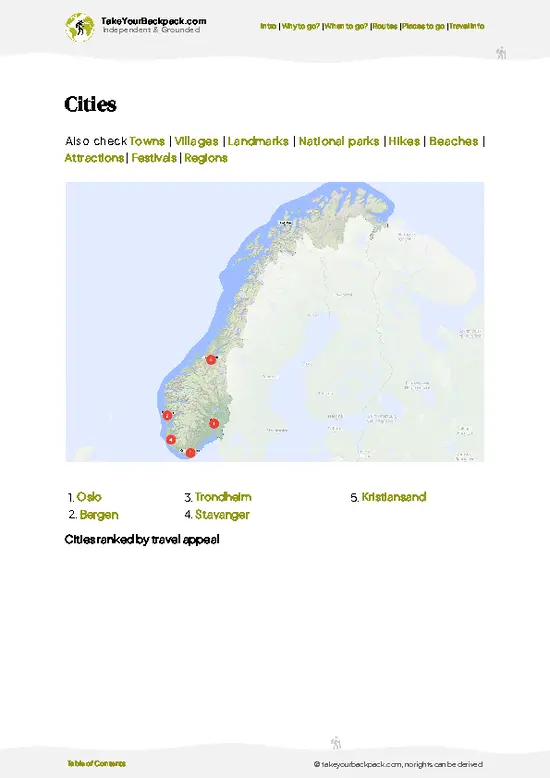
Oslo, Bergen, and maybe Trondheim are enough. Smaller cities like Stavanger or Tromsø are nice but not essential on a first, tight trip unless they’re perfect for your route. Norway’s strength is outdoors; every extra city day is usually one less day in the mountains.
5. Hyper-remote detours
Places that require multiple ferries, long bus transfers, or awkward connections (tiny fjord villages with one daily bus, far-north peninsulas, or obscure islands) are best left for a second trip. As a backpacker, you pay for every transfer, and getting stuck between connections can mean surprise hotel nights.
6. Winter bucket-list activities on a summer trip
If you’re coming in summer, don’t burn time chasing off-season versions of winter things like northern lights or dog sledding. You’ll pay a lot and get a watered-down experience. Focus on what the season does best: hiking, camping, and long daylight.
When in doubt, skip the thing that requires the most transport for the least walking. Norway rewards you most when your feet, not your wallet, are doing the work.