v2.webp)
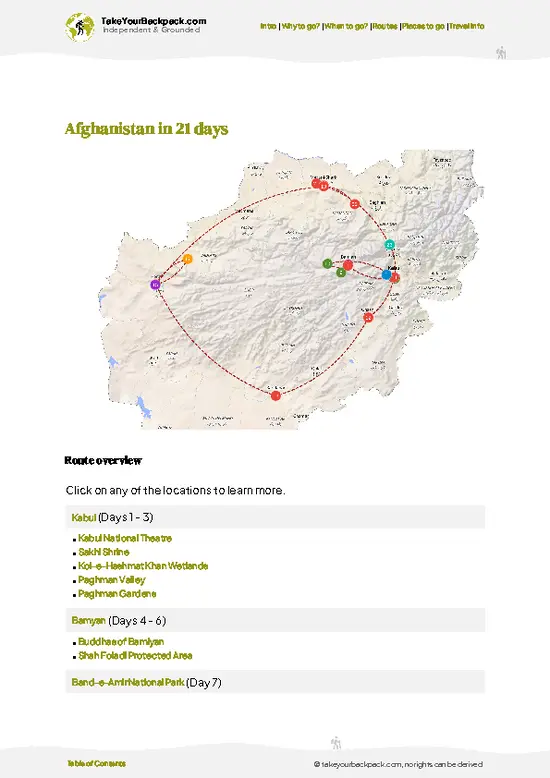
- The Two Giant Buddha Niches (East and West) — the cliffs where the 6th-century Buddhas once stood; the empty niches, carved platform details and surrounding cliff art are haunting and essential for understanding Bamyan’s Buddhist past and what was lost.
- Bamiyan Museum — small but well curated; you’ll see finds from the valley’s caves, explanatory panels that actually help, and staff who can point you to lesser-known sites and local guides.
- Buddhist Cave Complexes and Mural Grottos — dozens of monk cells and painted niches cut into the cliffs around the Buddhas; fragments of frescoes and carved architecture make wandering the caves feel like slow archaeology rather than a photo stop.
- Shahr-e Gholghola (The “City of Screams” ruins) — a ruined medieval settlement with collapsed houses, defensive
- The Two Giant Buddha Niches (East and West) — the cliffs where the 6th-century Buddhas once stood; the empty niches, carved platform details and surrounding cliff art are haunting and essential for understanding Bamyan’s Buddhist past and what was lost.
- Bamiyan Museum — small but well curated; you’ll see finds from the valley’s caves, explanatory panels that actually help, and staff who can point you to lesser-known sites and local guides.
- Buddhist Cave Complexes and Mural Grottos — dozens of monk cells and painted niches cut into the cliffs around the Buddhas; fragments of frescoes and carved architecture make wandering the caves feel like slow archaeology rather than a photo stop.
- Shahr-e Gholghola (The “City of Screams” ruins) — a ruined medieval settlement with collapsed houses, defensive walls and narrow passages; it’s atmospheric, climbable and full of local stories about siege and survival.
- Shahr-e Zuhak (Red City Citadel) — ruined fortress perched on the opposite ridge; the walk up is short and the views back over the valley and Buddha niches are some of the best in town.
- Tepe Sardar (Sardar Mound) — an archaeological mound and stupa complex with sculptural remains; important for understanding the later Buddhist and early Islamic layers of the valley and often quieter than the main cliff sites.
- Bamiyan Bazaar (Main Market) — real life on display: apricots, dried fruit, simple cafés, carpet and textile stalls run by Hazara traders; great for cheap meals, people-watching and picking up locally made souvenirs.
- Bamiyan Cultural Centre / Information Centre — community events, a small library and the best place to arrange reliable local guides, workshops or visits to women’s cooperatives; a useful hub rather than a glossy tourist attraction.
- Local Handicraft Workshops & Women’s Cooperatives — visit pottery makers, carpet weavers and embroidery groups to see traditional techniques up close and support local incomes; many are happy to demonstrate and will accept visitors if you ask via the cultural centre or museum.
- Friday Mosque and Local Shrines — modest, living religious sites in the town centre where you can see daily worship and shrine traditions; respectful visits give a real sense of contemporary Hazara life in Bamiyan.
Spotted a mistake or missing something? Contact us.
 Best Backpacking
.jpg) Hi, I’m Johan (Netherlands 🇳🇱), the creator of TakeYourBackpack. Over the past 3 decades, I’ve backpacked through 90+ countries across six continents, gaining extensive experience with independent travel, long-term trips, and overland routes.
Hi, I’m Johan (Netherlands 🇳🇱), the creator of TakeYourBackpack. Over the past 3 decades, I’ve backpacked through 90+ countries across six continents, gaining extensive experience with independent travel, long-term trips, and overland routes.