v2.webp)
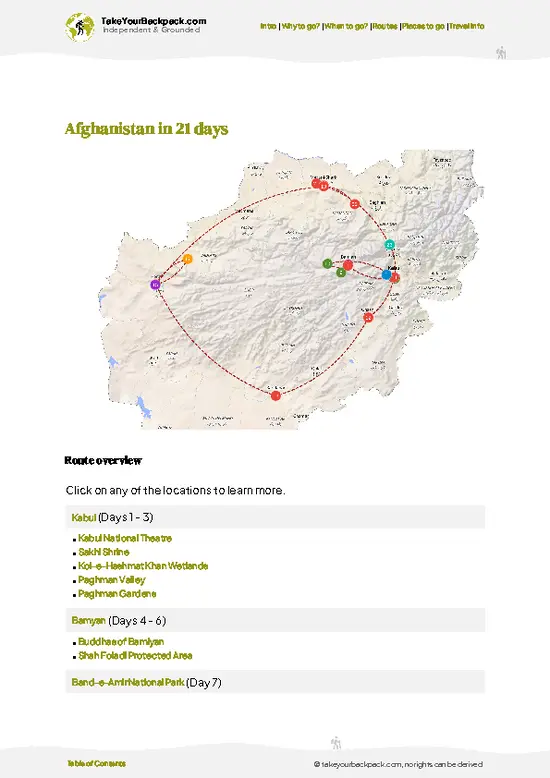
Herat Citadel (Qala Ikhtyaruddin)
This is Herat’s anchor—an ancient fortress that has seen empires rise and fall. Walk the ramparts and you’re literally tracing the footsteps of Alexander the Great, Genghis Khan, and Tamerlane. The view from the towers is a crash course in Herat’s layered history, with the old city unfurling below. Go early in the morning for the best light and the fewest crowds. Entry is modest (expect a small fee, usually under $5), and you’ll want at least 1-2 hours to do it justice. The museum inside is small but packs a punch with artifacts that make the city’s past feel immediate.
Friday Mosque (Masjid Jami)
This is not just a mosque—it’s a living, breathing masterpiece of Persian tilework. The blue mosaics are dazzling, but what sets it apart is the sense of community: … read more 👉
This is Herat’s anchor—an ancient fortress that has seen empires rise and fall. Walk the ramparts and you’re literally tracing the footsteps of Alexander the Great, Genghis Khan, and Tamerlane. The view from the towers is a crash course in Herat’s layered history, with the old city unfurling below. Go early in the morning for the best light and the fewest crowds. Entry is modest (expect a small fee, usually under $5), and you’ll want at least 1-2 hours to do it justice. The museum inside is small but packs a punch with artifacts that make the city’s past feel immediate.
Friday Mosque (Masjid Jami)
This is not just a mosque—it’s a living, breathing masterpiece of Persian tilework. The blue mosaics are dazzling, but what sets it apart is the sense of community: … read more 👉
Herat Citadel (Qala Ikhtyaruddin)
This is Herat’s anchor—an ancient fortress that has seen empires rise and fall. Walk the ramparts and you’re literally tracing the footsteps of Alexander the Great, Genghis Khan, and Tamerlane. The view from the towers is a crash course in Herat’s layered history, with the old city unfurling below. Go early in the morning for the best light and the fewest crowds. Entry is modest (expect a small fee, usually under $5), and you’ll want at least 1-2 hours to do it justice. The museum inside is small but packs a punch with artifacts that make the city’s past feel immediate.
Friday Mosque (Masjid Jami)
This is not just a mosque—it’s a living, breathing masterpiece of Persian tilework. The blue mosaics are dazzling, but what sets it apart is the sense of community: you’ll see locals at prayer, artisans restoring tiles, and children playing in the courtyards. It’s open most daylight hours, but mid-morning or late afternoon offers the best light for photos and a quieter vibe. Free entry, but dress modestly and expect to remove your shoes. Give yourself 45-90 minutes, longer if you’re a fan of Islamic architecture.
Herat Bazaar (Old City Market)
This is where Herat’s pulse is loudest. The bazaar is a labyrinth of spice stalls, carpet shops, and copperware workshops. It’s not sanitized for tourists—expect real commerce, real noise, and the occasional donkey cart. The sensory overload is the point. Go in the morning for peak activity, or late afternoon for a slower pace. No entry fee, but bring cash for snacks or souvenirs. You can breeze through in 30 minutes, but linger for 2 hours and you’ll start to see the city’s social fabric at work.
Mausoleum of Khwaja Abdullah Ansari (Gazargah)
A short ride from the city center, but still within Herat’s urban sprawl, this shrine is a pilgrimage site for Sufis and a tranquil oasis for visitors. The gardens are peaceful, the calligraphy is exquisite, and the atmosphere is contemplative. Early morning is best for quiet reflection. Entry is free, but a small donation is appreciated. Plan for 30-60 minutes.
Timurid-era Tile Workshops
Herat’s tilework isn’t just museum fodder—it’s a living craft. Several family-run workshops near the Friday Mosque still use centuries-old techniques. You can watch artisans mixing pigments, shaping tiles, and firing them in wood-fired kilns. Visits are informal—just ask around the mosque area. No fee, but buying a small tile supports the craft. Drop in for 20-40 minutes; the experience is richer if you engage with the artisans.
Herat National Museum
Small but mighty, this museum is a crash course in the city’s multi-layered past—from Bronze Age relics to Timurid manuscripts. It’s not slick, but the artifacts are authentic and the staff are passionate. Open mornings and early afternoons. Entry is usually under $3. You’ll need 30-60 minutes, more if you’re a history buff.
For day trips, the minarets of the Musalla Complex and the ancient city of Pushang are both within striking distance—each a reminder that Herat’s story stretches far beyond its city walls.
This is Herat’s anchor—an ancient fortress that has seen empires rise and fall. Walk the ramparts and you’re literally tracing the footsteps of Alexander the Great, Genghis Khan, and Tamerlane. The view from the towers is a crash course in Herat’s layered history, with the old city unfurling below. Go early in the morning for the best light and the fewest crowds. Entry is modest (expect a small fee, usually under $5), and you’ll want at least 1-2 hours to do it justice. The museum inside is small but packs a punch with artifacts that make the city’s past feel immediate.
Friday Mosque (Masjid Jami)
This is not just a mosque—it’s a living, breathing masterpiece of Persian tilework. The blue mosaics are dazzling, but what sets it apart is the sense of community: you’ll see locals at prayer, artisans restoring tiles, and children playing in the courtyards. It’s open most daylight hours, but mid-morning or late afternoon offers the best light for photos and a quieter vibe. Free entry, but dress modestly and expect to remove your shoes. Give yourself 45-90 minutes, longer if you’re a fan of Islamic architecture.
Herat Bazaar (Old City Market)
This is where Herat’s pulse is loudest. The bazaar is a labyrinth of spice stalls, carpet shops, and copperware workshops. It’s not sanitized for tourists—expect real commerce, real noise, and the occasional donkey cart. The sensory overload is the point. Go in the morning for peak activity, or late afternoon for a slower pace. No entry fee, but bring cash for snacks or souvenirs. You can breeze through in 30 minutes, but linger for 2 hours and you’ll start to see the city’s social fabric at work.
Mausoleum of Khwaja Abdullah Ansari (Gazargah)
A short ride from the city center, but still within Herat’s urban sprawl, this shrine is a pilgrimage site for Sufis and a tranquil oasis for visitors. The gardens are peaceful, the calligraphy is exquisite, and the atmosphere is contemplative. Early morning is best for quiet reflection. Entry is free, but a small donation is appreciated. Plan for 30-60 minutes.
Timurid-era Tile Workshops
Herat’s tilework isn’t just museum fodder—it’s a living craft. Several family-run workshops near the Friday Mosque still use centuries-old techniques. You can watch artisans mixing pigments, shaping tiles, and firing them in wood-fired kilns. Visits are informal—just ask around the mosque area. No fee, but buying a small tile supports the craft. Drop in for 20-40 minutes; the experience is richer if you engage with the artisans.
Herat National Museum
Small but mighty, this museum is a crash course in the city’s multi-layered past—from Bronze Age relics to Timurid manuscripts. It’s not slick, but the artifacts are authentic and the staff are passionate. Open mornings and early afternoons. Entry is usually under $3. You’ll need 30-60 minutes, more if you’re a history buff.
For day trips, the minarets of the Musalla Complex and the ancient city of Pushang are both within striking distance—each a reminder that Herat’s story stretches far beyond its city walls.
Spotted a mistake or missing something? Contact us.

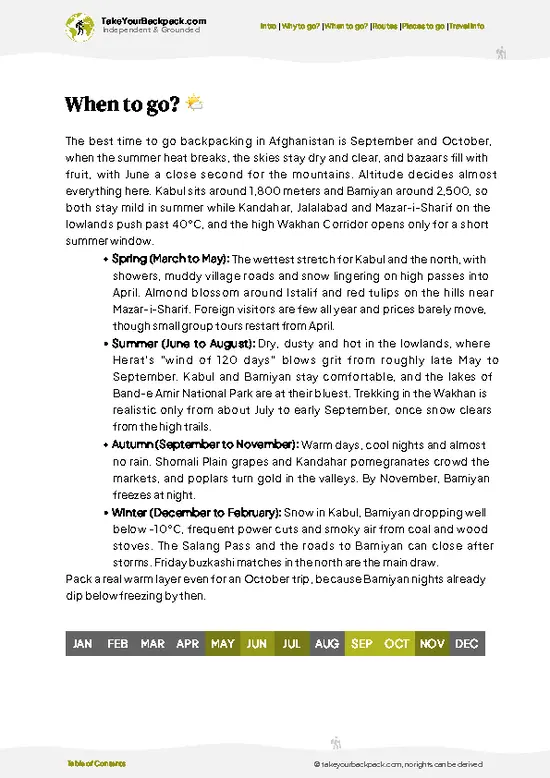
 Best Backpacking
.jpg) Hi, I’m Johan (Netherlands 🇳🇱), the creator of TakeYourBackpack. Over the past 3 decades, I’ve backpacked through 90+ countries across six continents, gaining extensive experience with independent travel, long-term trips, and overland routes.
Hi, I’m Johan (Netherlands 🇳🇱), the creator of TakeYourBackpack. Over the past 3 decades, I’ve backpacked through 90+ countries across six continents, gaining extensive experience with independent travel, long-term trips, and overland routes.