v2.webp)
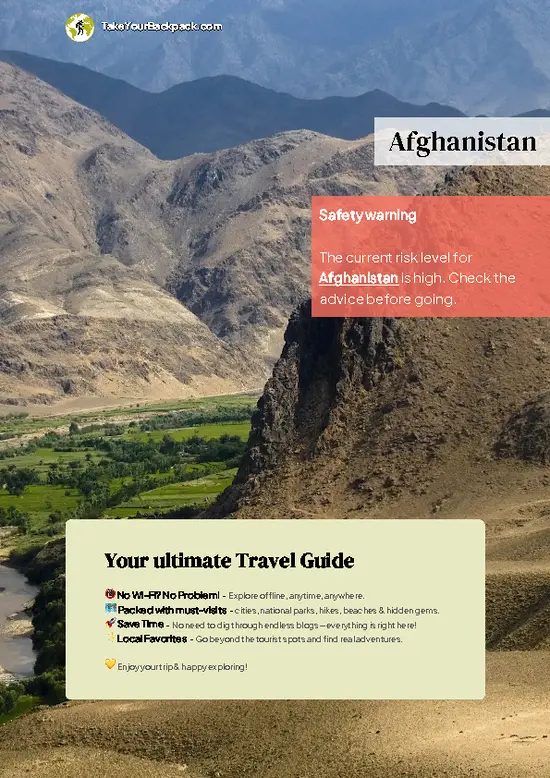
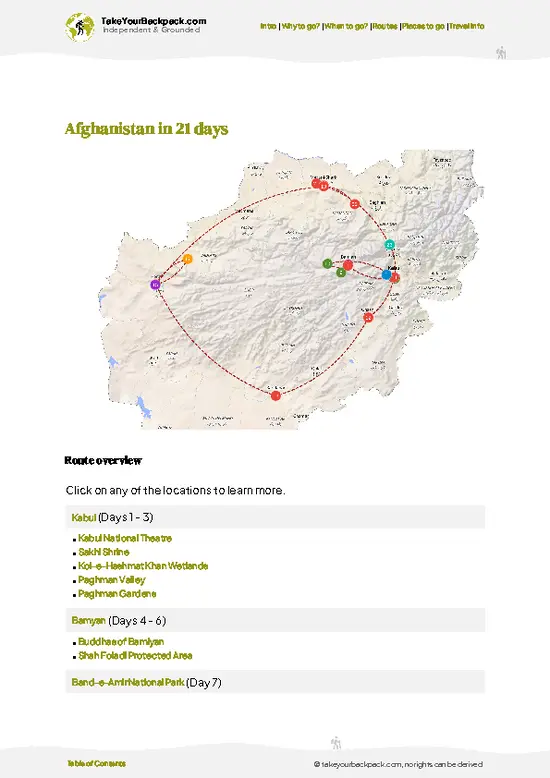
- Arg (Kandahar Citadel) — The old fortified core of the city, sitting on raised ground and full of layers of history: you’ll see old battlements, government-era buildings and the silhouette that’s defined Kandahar for centuries.
- Mausoleum of Ahmad Shah Durrani (Ahmad Shah Baba) — The tomb of Afghanistan’s 18th-century founder; a modest but important shrine where locals pay respects and you can get a real sense of national identity and Pashtun pride.
- Shah-Do Shamshira Mosque — A striking, low-profile mosque with unusual European-influenced façade and yellow plasterwork that stands out against Kandahar’s more austere architecture; great for photography and quiet observation of daily worship.
- Mirwais Hotak Mausoleum — The resting place of Mirwais Khan Hotak, a key figure in Pashtun history;
- Arg (Kandahar Citadel) — The old fortified core of the city, sitting on raised ground and full of layers of history: you’ll see old battlements, government-era buildings and the silhouette that’s defined Kandahar for centuries.
- Mausoleum of Ahmad Shah Durrani (Ahmad Shah Baba) — The tomb of Afghanistan’s 18th-century founder; a modest but important shrine where locals pay respects and you can get a real sense of national identity and Pashtun pride.
- Shah-Do Shamshira Mosque — A striking, low-profile mosque with unusual European-influenced façade and yellow plasterwork that stands out against Kandahar’s more austere architecture; great for photography and quiet observation of daily worship.
- Mirwais Hotak Mausoleum — The resting place of Mirwais Khan Hotak, a key figure in Pashtun history; visiting connects you to the city’s pre-Durrani political past and local reverence for tribal leaders.
- Kandahar Museum — Small but meaningful: local antiquities, ethnographic pieces and regional artifacts that sketch the province’s long cultural story better than any guidebook paragraph.
- Mandawi Bazaar (Old City Market) — The city’s beating commercial heart: narrow lanes, spice stalls, cloth merchants and the kind of haggling and food smells that tell you how Kandaharis live and trade daily.
- Arghandab Riverbanks and Orchard Zones — The green ribbon of orchards and irrigation channels near the city, famed for pomegranates; a simple walk or short drive here shows the agricultural life that feeds Kandahar and colors local cuisine.
- Traditional Rug and Embroidery Workshops — Small, often family-run workshops where you can see (and sometimes buy) Kandahari carpets, suzani embroidery and locally woven textiles — a hands-on way to understand craft traditions.
- Local Tea Houses and Nan Bakeries — Not a single spot, but an essential experience: afternoon chai in a teahouse or watching tandoor bakers make Kandahari bread gives unmatched cultural flavor and a chance to talk with residents.
- Old Kandahar Archaeological Area (remnants and local sites) — Scattered ruins and older quarters within the modern city limits that hint at Kandahar’s antiquity; visiting these pockets is a good way to connect visible city life to deeper layers of the past.
Spotted a mistake or missing something? Contact us.

 Best Backpacking
.jpg) Hi, I’m Johan (Netherlands 🇳🇱), the creator of TakeYourBackpack. Over the past 3 decades, I’ve backpacked through 90+ countries across six continents, gaining extensive experience with independent travel, long-term trips, and overland routes.
Hi, I’m Johan (Netherlands 🇳🇱), the creator of TakeYourBackpack. Over the past 3 decades, I’ve backpacked through 90+ countries across six continents, gaining extensive experience with independent travel, long-term trips, and overland routes.