v2.webp)
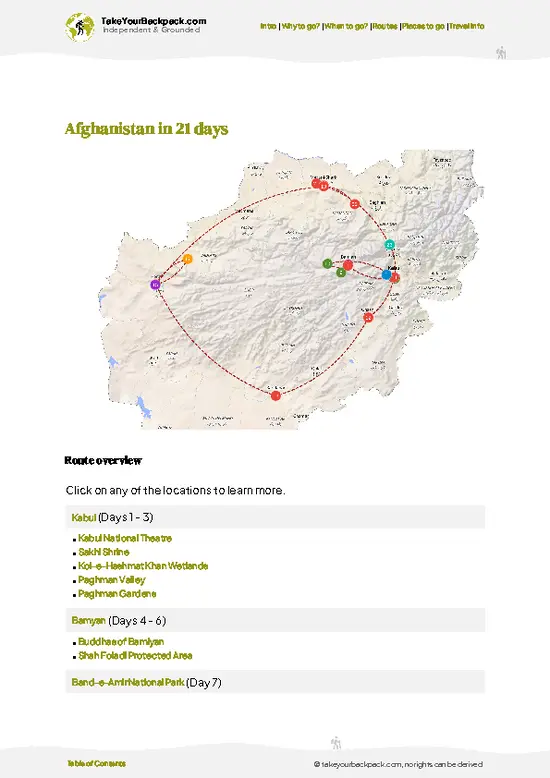
- Qala-e-Naw Citadel (the old fort) — the town’s namesake: a raised, partly-ruined fortification above the streets. Good for a short climb, local history, and a clean view over the town; you get a real sense of why settlements grew here.
- Central Bazaar (Bazaar-e Markazi) — the heartbeat of Qala-e-Naw. Narrow lanes of stalls selling carpets, spices, dried fruit, and metalware; great for people-watching and finding locally made goods at honest prices.
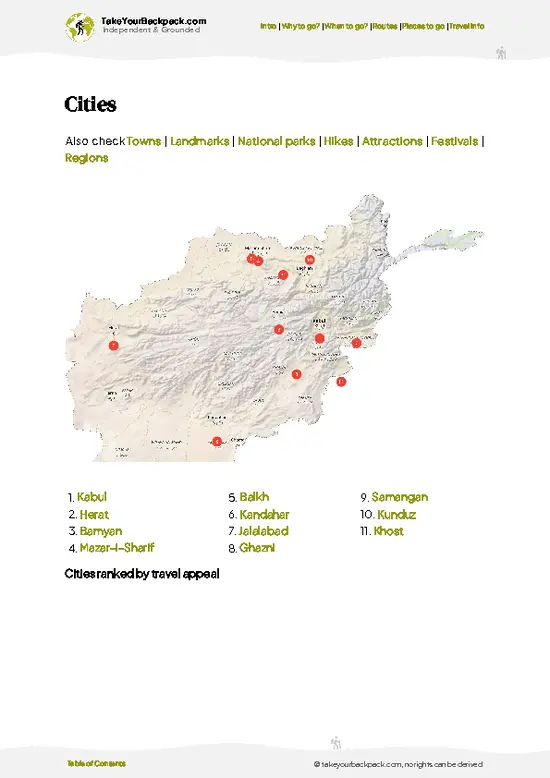
- Jame (Friday) Mosque — the main congregational mosque where daily life and religion meet. Visiting respectfully offers insight into local architecture, prayer rhythms, and community gatherings (observe local dress and visiting etiquette).
- Carpet-weaving workshops — small, family-run workshops tucked off the bazaar where you can watch Badghis-style
- Qala-e-Naw Citadel (the old fort) — the town’s namesake: a raised, partly-ruined fortification above the streets. Good for a short climb, local history, and a clean view over the town; you get a real sense of why settlements grew here.
- Central Bazaar (Bazaar-e Markazi) — the heartbeat of Qala-e-Naw. Narrow lanes of stalls selling carpets, spices, dried fruit, and metalware; great for people-watching and finding locally made goods at honest prices.
- Jame (Friday) Mosque — the main congregational mosque where daily life and religion meet. Visiting respectfully offers insight into local architecture, prayer rhythms, and community gatherings (observe local dress and visiting etiquette).
- Carpet-weaving workshops — small, family-run workshops tucked off the bazaar where you can watch Badghis-style rugs being knotted by hand. It’s slow craft: chat with the weavers, see designs up close, and buy directly if you want to support local artisans.
- Chai Khanas (tea houses) on the main square — the town’s living room. Sip black or green tea, watch traders and elders debate prices, and get an unfiltered feel for daily life without needing fancy tourist infrastructure.
- Weekly livestock market — a raw, lively display of rural commerce (sheep, goats, pack animals and bargaining). Not polished, but hugely informative about the local economy and the rhythms of surrounding villages.
- Tandoor bakeries and street food lanes — fresh naan coming out of clay ovens, simple kebabs, and sweet tea. Short, sensory visits here are among the most memorable ways to taste the region on a tiny budget.
- Remnants of old watchtowers and town walls — scattered, low-key ruins and towers at the edges of the settled area. They’re quiet, easy to reach on foot, and good for short walks away from the bustle without leaving town limits.
- Qala-e-Naw airstrip area — the modest civilian airstrip and its surroundings are a practical visit if you’re arriving or departing by air; you’ll see regional logistics in action and sometimes meet traders and travelers.
- Old neighborhoods and courtyard streets — walkable mud-brick lanes, domestic courtyards, and small markets that haven’t been modernized. The real charm is wandering slowly, talking to residents, and seeing everyday Afghan urban life at street level.
Spotted a mistake or missing something? Contact us.

 Best Backpacking
.jpg) Hi, I’m Johan (Netherlands 🇳🇱), the creator of TakeYourBackpack. Over the past 3 decades, I’ve backpacked through 90+ countries across six continents, gaining extensive experience with independent travel, long-term trips, and overland routes.
Hi, I’m Johan (Netherlands 🇳🇱), the creator of TakeYourBackpack. Over the past 3 decades, I’ve backpacked through 90+ countries across six continents, gaining extensive experience with independent travel, long-term trips, and overland routes.