

The Courtyard: Geometry Meets Grandeur
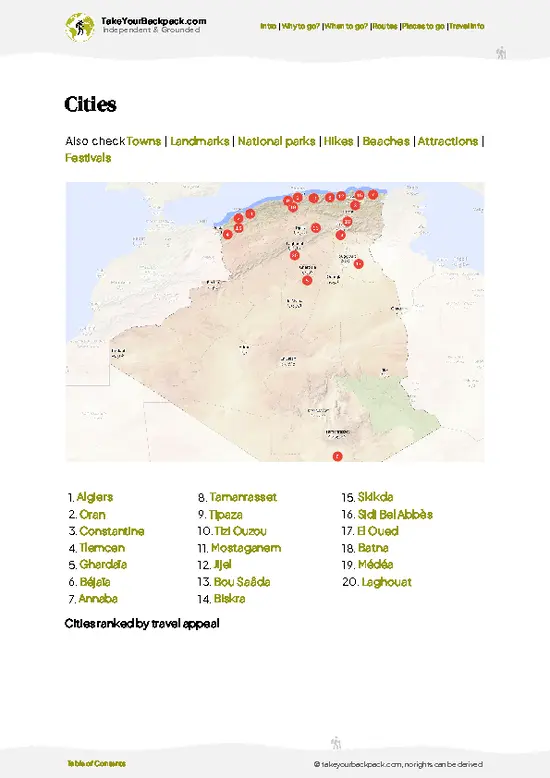
Forget the Instagram filters—no photo can capture the way the palace’s main courtyard hits you in person. The symmetry is almost mathematical, but the effect is pure theater. White arcades wrap around a vast, open space paved in stone, with sunlight ricocheting off every surface. The real magic is in the echo: clap your hands and the sound bounces back, as if the palace itself is applauding your arrival. This is not a place for quiet contemplation; it’s a stage set for power, ceremony, and spectacle. If you want to feel the pulse of Tlemcen’s old dynasties, stand here at noon and let the heat and history press in.
The Zellige Tilework: Pattern Overload
You’ve seen tiles before, but El Mechouar’s zellige is a masterclass in obsessive detail. These aren’t … read more 👉
Forget the Instagram filters—no photo can capture the way the palace’s main courtyard hits you in person. The symmetry is almost mathematical, but the effect is pure theater. White arcades wrap around a vast, open space paved in stone, with sunlight ricocheting off every surface. The real magic is in the echo: clap your hands and the sound bounces back, as if the palace itself is applauding your arrival. This is not a place for quiet contemplation; it’s a stage set for power, ceremony, and spectacle. If you want to feel the pulse of Tlemcen’s old dynasties, stand here at noon and let the heat and history press in.
The Zellige Tilework: Pattern Overload
You’ve seen tiles before, but El Mechouar’s zellige is a masterclass in obsessive detail. These aren’t … read more 👉
The Courtyard: Geometry Meets Grandeur
Forget the Instagram filters—no photo can capture the way the palace’s main courtyard hits you in person. The symmetry is almost mathematical, but the effect is pure theater. White arcades wrap around a vast, open space paved in stone, with sunlight ricocheting off every surface. The real magic is in the echo: clap your hands and the sound bounces back, as if the palace itself is applauding your arrival. This is not a place for quiet contemplation; it’s a stage set for power, ceremony, and spectacle. If you want to feel the pulse of Tlemcen’s old dynasties, stand here at noon and let the heat and history press in.
The Zellige Tilework: Pattern Overload
You’ve seen tiles before, but El Mechouar’s zellige is a masterclass in obsessive detail. These aren’t just decorative flourishes—they’re a riot of color and geometry, each pattern hand-cut and set by artisans who probably had better things to do but did it anyway, perfectly. The tiles climb the walls, frame the doors, and turn every glance into a puzzle. Stand close and you’ll spot tiny imperfections, proof that this place was made by human hands, not machines. If you’re the type who gets lost in details, bring a camera with a zoom lens—or better yet, just use your eyes.
The Throne Room: Power, Unplugged
This isn’t Versailles, and that’s the point. The throne room at El Mechouar is stripped-down, almost austere, but the effect is more intimidating than any gold-leaf overload. The high ceilings and bare walls focus all attention on the raised platform where the sultan once sat. You can almost hear the shuffle of courtiers and the low hum of intrigue. The room’s emptiness is its power move: it dares you to imagine the drama that unfolded here, from royal decrees to whispered betrayals.
The Fortress Walls: Walk the Line
Most visitors snap a photo from the outside and move on. Big mistake. If you want the real payoff, climb the ramparts and walk the perimeter. The views over Tlemcen are worth every step—red-tiled roofs, distant hills, and the slow sprawl of the city. But the real thrill is tactile: rough stone under your hands, the wind in your face, and the sense that you’re tracing the footsteps of centuries of guards, spies, and schemers. This is where the palace stops being a museum and starts feeling like a living, breathing outpost.
The Museum Rooms: History Without the Hype
Skip the tourist spiel and wander the palace’s museum rooms at your own pace. The displays are low-key—think ancient manuscripts, weapons, and textiles—but that’s the charm. There’s no over-produced narrative, just raw artifacts that speak for themselves. If you’re hungry for context, you’ll have to work for it, piecing together the story from fragments. It’s a choose-your-own-adventure for history nerds, and the lack of crowds means you can linger as long as you want.
Forget the Instagram filters—no photo can capture the way the palace’s main courtyard hits you in person. The symmetry is almost mathematical, but the effect is pure theater. White arcades wrap around a vast, open space paved in stone, with sunlight ricocheting off every surface. The real magic is in the echo: clap your hands and the sound bounces back, as if the palace itself is applauding your arrival. This is not a place for quiet contemplation; it’s a stage set for power, ceremony, and spectacle. If you want to feel the pulse of Tlemcen’s old dynasties, stand here at noon and let the heat and history press in.
The Zellige Tilework: Pattern Overload
You’ve seen tiles before, but El Mechouar’s zellige is a masterclass in obsessive detail. These aren’t just decorative flourishes—they’re a riot of color and geometry, each pattern hand-cut and set by artisans who probably had better things to do but did it anyway, perfectly. The tiles climb the walls, frame the doors, and turn every glance into a puzzle. Stand close and you’ll spot tiny imperfections, proof that this place was made by human hands, not machines. If you’re the type who gets lost in details, bring a camera with a zoom lens—or better yet, just use your eyes.
The Throne Room: Power, Unplugged
This isn’t Versailles, and that’s the point. The throne room at El Mechouar is stripped-down, almost austere, but the effect is more intimidating than any gold-leaf overload. The high ceilings and bare walls focus all attention on the raised platform where the sultan once sat. You can almost hear the shuffle of courtiers and the low hum of intrigue. The room’s emptiness is its power move: it dares you to imagine the drama that unfolded here, from royal decrees to whispered betrayals.
The Fortress Walls: Walk the Line
Most visitors snap a photo from the outside and move on. Big mistake. If you want the real payoff, climb the ramparts and walk the perimeter. The views over Tlemcen are worth every step—red-tiled roofs, distant hills, and the slow sprawl of the city. But the real thrill is tactile: rough stone under your hands, the wind in your face, and the sense that you’re tracing the footsteps of centuries of guards, spies, and schemers. This is where the palace stops being a museum and starts feeling like a living, breathing outpost.
The Museum Rooms: History Without the Hype
Skip the tourist spiel and wander the palace’s museum rooms at your own pace. The displays are low-key—think ancient manuscripts, weapons, and textiles—but that’s the charm. There’s no over-produced narrative, just raw artifacts that speak for themselves. If you’re hungry for context, you’ll have to work for it, piecing together the story from fragments. It’s a choose-your-own-adventure for history nerds, and the lack of crowds means you can linger as long as you want.
Spotted a mistake or missing something? Contact us.
v2.webp)

Best Backpacking
Hi, I’m Johan (Netherlands 🇳🇱), the creator of TakeYourBackpack. Over the past decade, I’ve backpacked through 80+ countries across six continents, gaining extensive experience with independent travel, long-term trips, and overland routes.